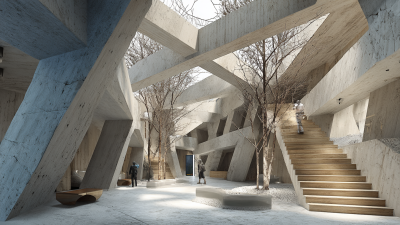
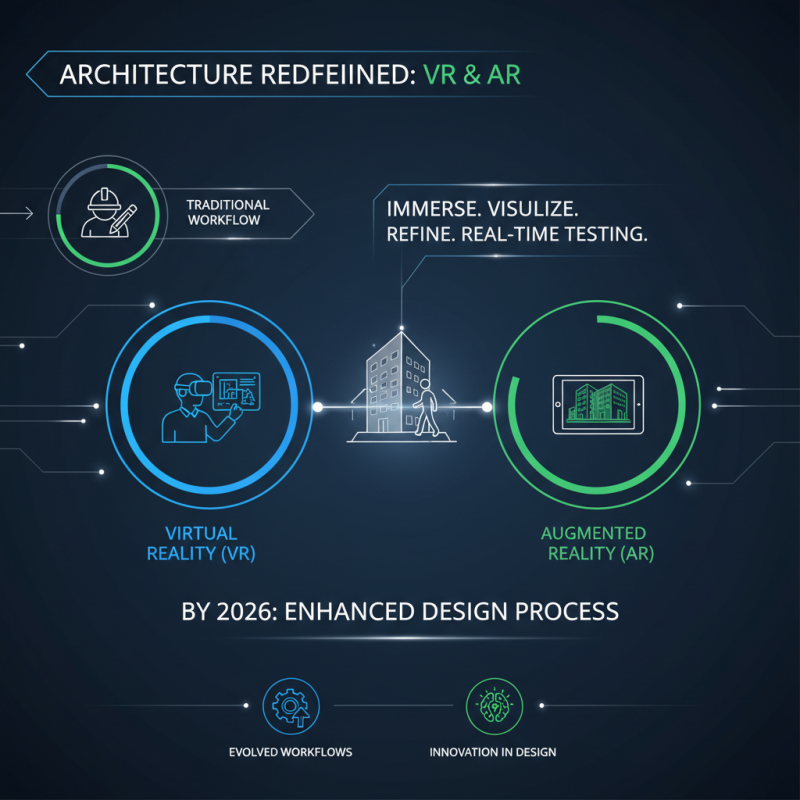
As we get closer to 2026, the world of Architectural Applicationsis about to go through some pretty big changes. New tech is popping up all the time, and it's really shaking up how architects design and build stuff. For example, tools like Virtual Reality (VR) and Augmented Reality (AR) are becoming more mainstream, letting clients actually step into their future spaces before Construction even starts. Pretty neat, right? But here’s the thing—while some firms are quick to adapt and jump on these new trends, others are kind of struggling to keep up or figure out how to implement these new tools effectively.
Sustainability is also playing a huge role now. Using eco-friendly materials and green practices isn’t just a trend anymore—it's a must. Companies like GreenBuild and EcoStructure are leading the charge here, showing some serious commitment to caring for the environment. Still, balancing good-looking designs with sustainability goals isn’t always easy. Architects constantly have to rethink their choices, because every decision really matters.
Oh, and collaboration? That’s going to be a game changer in 2026. Bringing together engineers, urban planners, artists, and so many others will be more important than ever. But, of course, working across different fields can come with its own set of challenges—communication gaps can slow things down. People are excited about the possibilities, but there’s often resistance to change too. Ultimately, the success of these architectural applications depends on how well teams can work together, innovate, and stay open to new ideas. The road ahead’s going to need a lot of reflection, creativity, and adaptability—just what you’d expect for a future in flux.
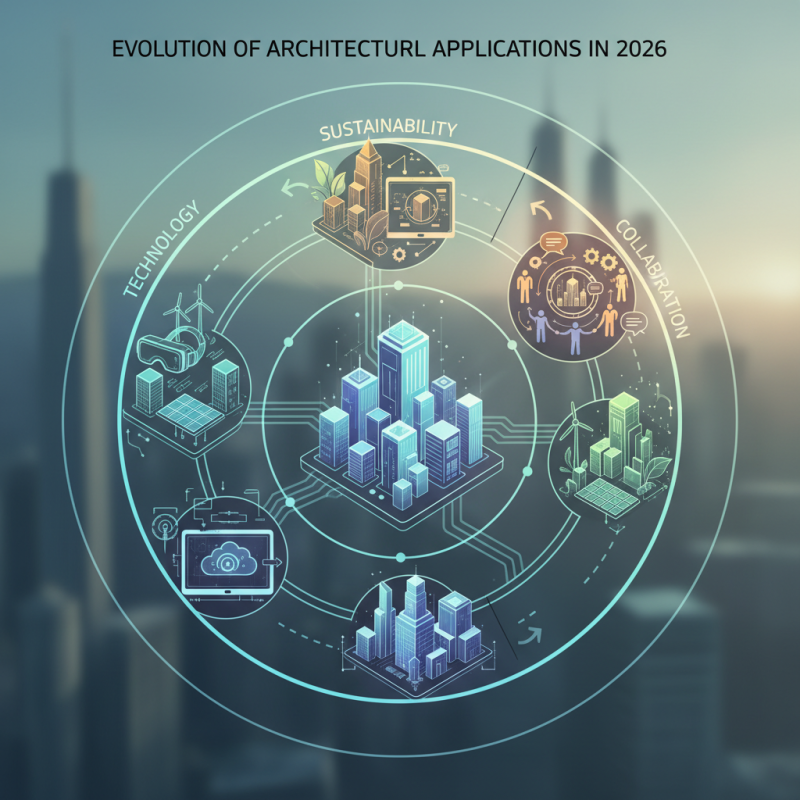
Current Trends in Architectural Technology and Their Impact in 2026
The architectural landscape is changing rapidly. By 2026, the integration of technology will reshape how we design and construct buildings. According to a recent McKinsey report, the adoption of digital tools in construction can enhance productivity by up to 15%. This has implications for both efficiency and sustainability.
Building Information Modeling (BIM) is becoming a standard practice. As per the latest statistics, 70% of architects now use BIM systems. These allow for better collaboration and fewer mistakes during the design phase. However, challenges remain. Adapting to new software can be daunting for many professionals. Training is often lacking, leading to inconsistencies in project outcomes.
Sustainability trends are also reshaping architectural practices. More than half of new constructions are expected to incorporate green technologies by 2026. Yet, not all architects are fully prepared. Many struggle to balance innovative designs with eco-friendly materials. There’s a real need for comprehensive guidelines to address these gaps. As we advance, it's critical to remain mindful of these challenges while embracing tech opportunities.
Integration of Smart Building Systems and IoT in Modern Architecture
The integration of smart building systems and IoT in architecture is reshaping our urban landscape. In 2026, we see eco-friendly materials paired with cutting-edge technology. Architectural Facades are becoming more than aesthetic elements; they actively respond to environmental conditions. Sensors embedded in the facade can monitor sunlight and temperature, adjusting shading mechanisms in real-time. This dynamic response enhances energy efficiency, yet the technology can fail. Over-reliance on these systems may leave buildings vulnerable during glitches.
Moreover, the seamless communication between devices creates a network of smart functions. Imagine a building that knows when you arrive. Lights turn on, and the HVAC systems adjust accordingly. This fosters comfort and efficiency. However, privacy concerns loom large. Data collected by these systems may expose personal habits without consent. The balance between convenience and ethics is delicate and demands careful consideration.
As architecture embraces innovation, some challenges persist. Not every architect is fully trained in smart technology. The integration can lead to misunderstandings or poor implementation. Building design must evolve without sacrificing artistic integrity. Architectural Facades should inspire, while also functioning in complex systems. This dual role requires ongoing education and dialogue in the architectural community.
How to Explore Architectural Applications in 2026? - Integration of Smart Building Systems and IoT in Modern Architecture
| Application Area | Description | Technologies Used | Impact on Architecture |
| Energy Management | Monitoring and optimizing energy use in buildings. | Smart Meters, IoT Sensors | Reduced energy costs and carbon footprint. |
| Security Systems | Enhanced safety through connected surveillance and alarms. | CCTV, Biometric Surveillance | Improved safety and peace of mind for occupants. |
| Smart Lighting | Automated lighting systems based on occupancy and natural light. | LED Technology, IoT Control Systems | Increased efficiency and user comfort. |
| HVAC Systems | Intelligent climate control based on real-time data. | IoT Thermostats, Predictive Analytics | Enhanced air quality and comfort. |
| Smart Parking | Real-time data on parking availability and navigation. | IoT Sensors, Mobile Apps | Reduced congestion and improved user experience. |
Sustainable Architecture Practices and Their Adoption in 2026
Sustainable architecture practices are rapidly evolving in 2026. Many architects are now incorporating green materials into designs. Reports indicate that 60% of new buildings will use recycled materials. This trend aims to reduce waste in construction. Natural light is emphasized, reducing energy costs.
Data from industry sources show that smart technology plays a crucial role. By 2026, 75% of homes will utilize energy-efficient appliances. These advancements will lower carbon footprints and enhance overall sustainability. Yet, some architects feel overwhelmed by the pace of change. Training and resources are often lacking.
Aerospace Applications are also influencing this field. Innovative building shapes mimic aerodynamic designs, providing energy efficiency. However, some designs may prioritize aesthetics over functionality. Balancing practicality with cutting-edge style remains a challenge. Sustainable architecture must continue to adapt and rethink its strategies as it faces these complexities.
Emerging Design Software and Tools Revolutionizing Architectural Workflows
The architectural industry is on the brink of a transformation in 2026, driven by innovative design software and tools. These advancements are automating tasks and fostering creativity. Reports suggest that workflows can see up to a 30% increase in efficiency with these new technologies. Designers can now visualize projects in real-time, allowing for quicker decision-making and fewer revisions.
Tip: Embracing new software requires training. A well-resourced team can leverage these tools effectively. Focus on user-friendly applications that fit your workflow. Experiment with virtual reality, which is reshaping client presentations and immersing users in designs. This can enhance understanding and lead to more precise feedback.
However, not all adoption has been seamless. Many firms struggle to integrate new technologies. There can be resistance from teams accustomed to traditional methods. Digital tools may also lack the nuanced touch that human creativity provides. Striking a balance between technology and personal artistry will be crucial for future success.
Tip: Encourage a culture of open feedback. Regularly assess which tools truly benefit your projects. Engage your team in collaborative sessions to explore new ideas. This way, technology becomes an ally rather than a hindrance in architectural processes.
Data-Driven Decision Making in Architecture: Key Metrics and Predictions for 2026
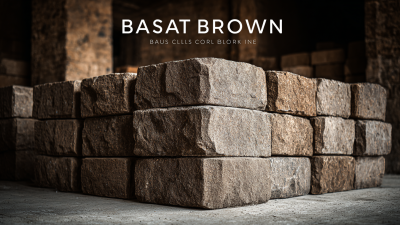
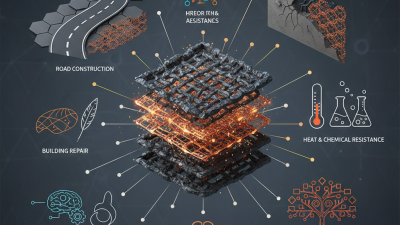
In 2026, data-driven decision-making will play a crucial role in architecture. Metrics like project timelines, costs, and client feedback will guide design choices. Architects need to embrace analytics. Understanding user behavior and preferences will refine the design process. Data can inform the selection of materials too. For instance, the use of Basalt fiber roving applications could enhance durability while reducing weight.
The focus on sustainability will also grow. Architects must evaluate energy efficiency and environmental impact. This trend requires a bold approach to innovation. Yet, there’s a risk of over-relying on data. Intuition and creativity remain vital to successful architecture. A balance is needed between analytics and artistry.
Collaboration will be more essential than ever. Engaging various stakeholders ensures a holistic view of projects. However, communication challenges may arise. Different professionals often have conflicting priorities. Navigating these differences will require patience and diplomacy. It is an area ripe for reflection and improvement. As the architectural landscape evolves, embracing these changes will shape the future of design.
Data-Driven Decision Making in Architecture: Key Metrics for 2026
This chart illustrates potential trends in architectural applications by 2026 based on key metrics such as sustainability initiatives, technology integration, and design innovation. The data reflects projected percentages of architects and firms prioritizing these aspects in their projects.
Collaboration Between Architects and Engineers: Trends and Innovations in 2026
The architectural landscape in 2026 will be shaped by dynamic collaborations between architects and engineers. These partnerships enable innovative solutions that blend creativity with technical precision. Designers will embrace new materials and construction methods, enhancing structural integrity while promoting sustainability. Such collaborations often result in groundbreaking designs, but they also present challenges that require careful communication.
One trend is the increasing use of digital tools that facilitate real-time collaboration. Virtual reality and augmented reality will allow architects and engineers to visualize projects together. However, relying too heavily on technology might sometimes lead to misinterpretations. Face-to-face discussions remain crucial to foster understanding and avoid potential pitfalls.
Sustainability will also drive collaboration in future projects. Architects and engineers will need to work closely to integrate green technologies effectively. Yet, there might be disagreements on priorities, such as aesthetic appeal versus functionality. These discussions will be essential, ensuring that each project meets both environmental goals and user needs. The future lies in navigating these complexities together.
Conclusion
The article "How to Explore Architectural Applications in 2026?" discusses the evolving landscape of architectural technology and its implications for the future. It highlights current trends that are shaping the industry, such as the integration of smart building systems and the Internet of Things (IoT), emphasizing their role in creating more efficient and responsive architectural applications.
Sustainable practices are also explored, showcasing how architects are increasingly adopting eco-friendly designs that align with global sustainability goals. The emergence of innovative design software and tools is revolutionizing workflows, while virtual and augmented reality technologies enhance the design experience. Additionally, the article underscores the significance of data-driven decision-making and the collaboration between architects and engineers, predicting key metrics and trends that will define architectural applications in 2026.