
Leave Your Message
These days, the global marketplace is moving faster than ever, and if you're sourcing cool materials like Basalt Fiber Fabric, you really need to keep an eye on trade compliance. As businesses jump in to meet the growing demand for sustainable, high-performance materials, getting a grip on the ins and outs of international trade rules becomes super important. Now, China Beihai Fiberglass Co., Ltd. is really leading the charge here. They’ve got the know-how in researching, developing, and producing continuous basalt fibers, which helps them meet various market needs. They’re all about excellence, positioning themselves as a go-to player in the domestic basalt fiber game. This means their clients can tap into high-tech materials while still following the necessary compliance standards. So, in this blog, we’re going to share some handy tips for sourcing Basalt Fiber Fabric and navigating the tricky waters of global trade compliance. This should help make the whole process, from getting the raw materials to bringing your final product to life, a lot smoother.
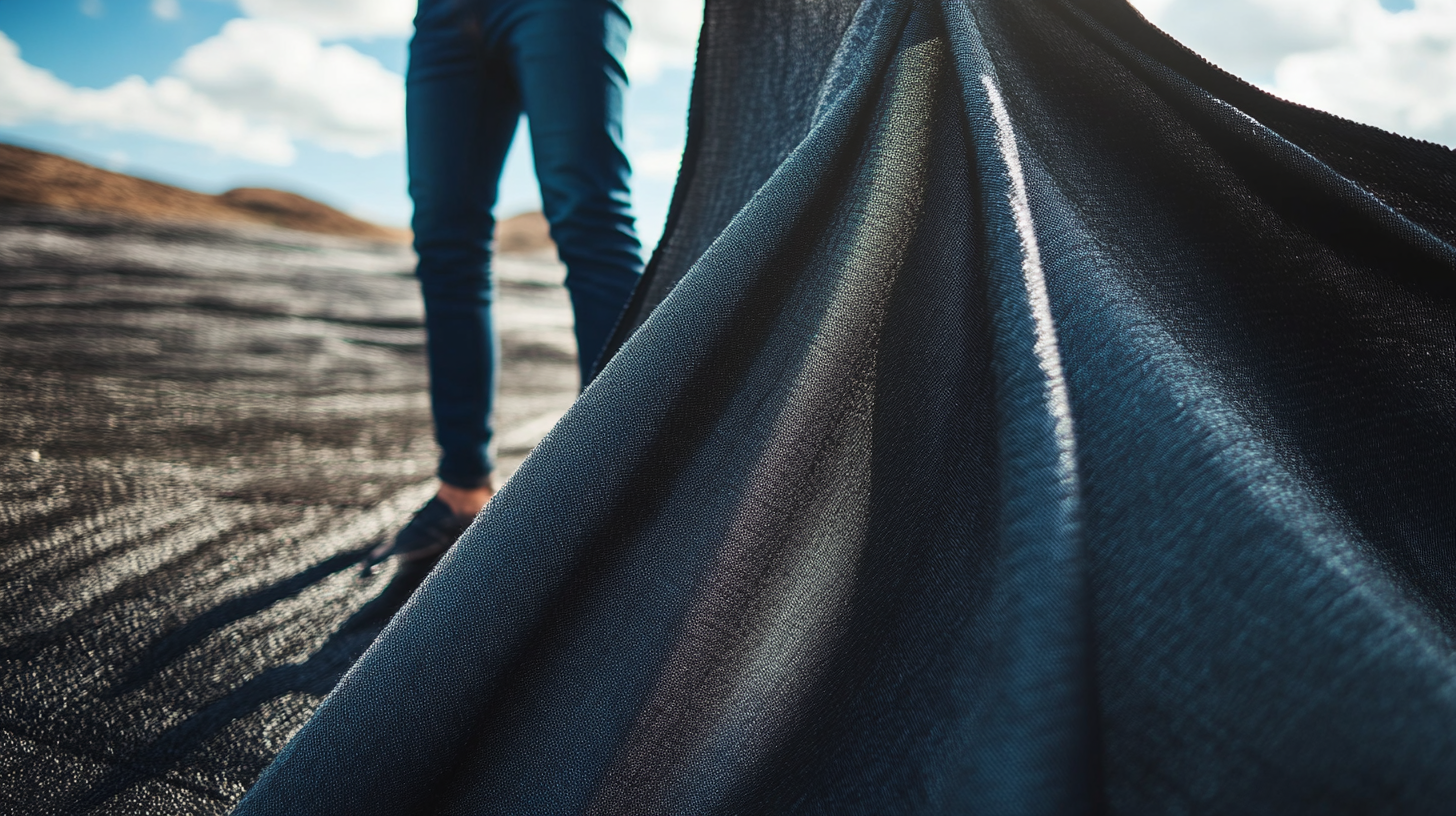
Let’s chat a bit about basalt fiber and why it’s becoming such a big deal in global trade compliance. You know, as more and more industries are on the lookout for sustainable and Durable materials, understanding what basalt fiber brings to the table is pretty vital. This stuff is impressive! It’s got high tensile strength, is super thermal stable, and really holds up against chemical corrosion. Because of these awesome traits, basalt fiber is kind of becoming the go-to option over traditional composites in areas like construction and automotive. Plus, it’s eco-friendly, which fits perfectly with the whole sustainability trend that’s gaining momentum in trade compliance these days.
Recently, there’ve been some fascinating studies out there revealing just how great it is to mix basalt fiber into cool new products. Take stone mastic asphalt, for example. When basalt fiber is added, it boosts the material's performance, improving its durability and wear resistance. And if you look at prosthetics? Well, integrating basalt fiber gives them extra flexibility and strength, making it a solid choice for manufacturers who want to crank out top-notch, durable products. So, by embracing the perks of basalt fiber, businesses can not only step up their offerings but also stay in line with evolving global trade standards that are all about sustainability and innovative practices.
When you’re on the hunt for basalt fiber fabric around the world, it’s super important to get a grip on the key regulations. Trust me, staying compliant not only helps you avoid headaches but also opens the door to smoother international trade. Now, here's a fun fact: the basalt fiber market was valued at a whopping USD 284.1 million in 2023, and it’s set to keep growing with a projected CAGR of 11.2% from 2024 to 2030. Pretty impressive, right? This booming growth really highlights just how crucial it is to stick to the various regulations related to sourcing, like import/export rules, environmental standards, and safety requirements for products. Seriously, if you don’t navigate these waters well, you might find yourself in some pretty hot water, facing legal and financial issues.
On another note, there’s a lot of movement in the industry as manufacturers tackle technical and market challenges to push for larger-scale use of basalt fiber composites. And, you know what’s great? This shift is happening just as there's a big focus on being eco-friendly in textile production. Existing regulations are adapting to promote waste recovery and encourage recycling, which is awesome news for responsible sourcing of basalt fiber fabric. As companies dive into these sustainable practices, having a solid understanding of the regulatory landscape is going to be key. It’ll help them tap into the growing market while ensuring they’re sticking to ethical and compliant sourcing strategies.
| Region | Regulatory Body | Key Regulations | Compliance Requirements |
|---|---|---|---|
| North America | EPA | TSCA | Registration of chemical substances |
| European Union | EU Commission | REACH | Registration, evaluation, and authorization of chemicals |
| Asia-Pacific | NTEA | Chemical Substances Control Law | Notification and reporting of chemical substances |
| South America | ANVISA | Health Products Law | Regulation of health-related industrial products |
So, when you're on the hunt for basalt fiber fabric, it really pays off to take a good, hard look at your suppliers. You want to make sure they're up to snuff in terms of quality and that they're following all those global trade rules. I came across this report from MarketsandMarkets that said the basalt fiber market is set to jump from USD 260 million in 2020 to about USD 466 million by 2025. Can you believe that? It’s all thanks to the rising demand for lightweight, super strong materials in industries like aerospace and automotive. So, yeah, finding trustworthy suppliers is key in this growing market.
Here’s a little tip for you: Definitely check if they have certifications like ISO 9001 and ASTM standards. Those are your go-to signs that a supplier is serious about quality management and sticking to industry norms. You want to make sure you’re getting top-notch basalt fiber fabric.
And don’t forget to dig into the supplier's production capabilities and if they’re keeping up with technology. A study from ResearchAndMarkets even points out that suppliers who pour resources into new tech usually churn out better quality basalt fiber products. That means better performance for whatever application you need.
If you can swing it, try to visit the supplier’s manufacturing facility. Seeing things for yourself really gives you a clear picture of their production processes and how they keep quality in check, helping you make solid sourcing decisions.
Bringing basalt fiber fabric into your production line can really pay off, but you’ve got to keep an eye on those pesky tariffs and duties to make sure you’re still in the black. According to the 2023 Global Fiber Trade Report, the tariffs for importing basalt fiber can really throw you for a loop—depending on where it’s coming from and the type of fiber you're dealing with, they can hit anywhere from 5% to a whopping 20%. Those fees can seriously mess with your bottom line, so it’s super important to stay on top of the latest regulations when sourcing these materials.
On top of that, I recently came across some info from the International Trade Administration that certain countries are actually offering tariff breaks for advanced materials like basalt fiber, thanks to trade agreements. Like, with the North American Free Trade Agreement (NAFTA), there are chances to lower those import duties for member states, which really opens doors for manufacturers wanting to work with these cutting-edge materials. It’s crucial for companies to keep their ears to the ground about any changes in tariffs and trade policies so they can plan their purchases smartly—this not only helps them stay compliant, but it also gives them a competitive edge in the fast-paced world of composite materials.
This pie chart illustrates the key factors influencing the sourcing strategy for basalt fiber fabric, considering tariffs and duties affecting importation.
When it comes to basalt fiber fabric, making sure that quality control and compliance are on point is super important for any company wanting to make the most of this cool material. With global trade rules tightening up more and more, it’s crucial to find trustworthy manufacturers who stick to international standards. A good quality control system at every step of the supply chain can really help cut down on the risks of ending up with faulty products. This means doing thorough inspections and getting certifications to make sure the basalt fiber fabric holds up when it counts—like in terms of durability and performance.
On top of that, keeping the lines of communication open with your suppliers can really amp up your compliance game. Building a solid relationship with them means they won’t just know about compliance requirements—they’ll actually care about keeping their production quality high. This kind of teamwork can lead to better transparency and traceability throughout the supply chain, allowing companies to tackle any compliance hiccups before they turn into bigger issues. In the end, weaving quality control and compliance into your sourcing strategies will definitely help businesses navigate the tricky waters of the global market while reaping all the benefits that come with basalt fiber fabric.

You know, with more and more people looking for sustainable materials these days, basalt fiber fabric is really stepping up as a great option for a bunch of industries, like construction and automotive. Now, if you want to source basalt fiber sustainably, you've got to dive deep into where the material comes from and how it impacts the environment. The cool thing is, the volcanic rock that makes up basalt fiber usually takes a lot less energy to process than some of the traditional fibers, such as fiberglass or carbon. So, by teaming up with suppliers who are all about eco-friendly practices, businesses can cut down their carbon footprint and help push along a circular economy in this growing field.
On top of that, companies can really beef up their sustainable sourcing game by working with local suppliers. When they source basalt fiber closer to where it’s needed, it not only cuts down on transportation emissions but also gives a little boost to local economies. Creating partnerships with suppliers who are committed to ethical practices means that the entire supply chain can get in line with those sustainability goals. Oh, and let's not forget about investing in research and development—this can really help improve how basalt fiber is made, and it shows a solid commitment to keeping things sustainable in the sourcing game. So, it turns out, the path towards global trade compliance kind of fits right in with the whole sustainability push when it comes to sourcing and making basalt fiber.
: Quality control is essential to mitigate risks associated with defective products and ensure that basalt fiber fabric meets required specifications for durability and performance.
Companies can ensure compliance by sourcing from reliable manufacturers who adhere to international standards and implementing a robust quality control system throughout the supply chain.
Suppliers need to be aware of compliance requirements and invest in high-quality production practices, contributing to improved transparency and traceability across the supply chain.
Sourcing basalt fiber typically requires less energy to process than traditional fibers, which helps reduce the overall carbon footprint and promotes sustainable practices.
Companies can prioritize suppliers who adhere to eco-friendly practices, engage with local suppliers, and establish partnerships committed to ethical operations.
Sourcing basalt fiber locally minimizes transportation emissions and supports local economies, enhancing the sustainability of the supply chain.
Companies can enhance sustainability by investing in research and development to improve basalt fiber production efficiency and by establishing clear communication with suppliers about ethical practices.
Companies may encounter challenges related to maintaining transparency and traceability, ensuring supplier adherence to compliance requirements, and navigating global trade complexities.
The journey toward comprehensive global trade compliance can align with the pursuit of sustainability, both aiming to create a more responsible and eco-friendly supply chain for basalt fiber.