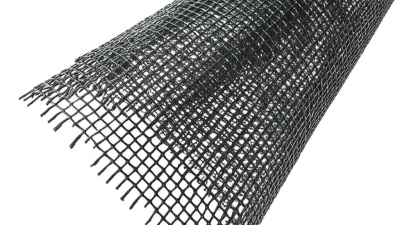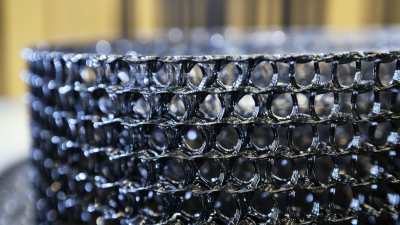
Lately, you've probably heard about 3d Basalt Fiber Mesh. It’s been making waves across a bunch of industries as a pretty revolutionary material. Basically, it’s made from volcanic rock, and wow, does it pack a punch in terms of strength and durability. People in manufacturing and Construction all around the world are starting to see it as a game-changer because of its unique qualities.
You might be surprised, but the uses for 3D Basalt Fiber Mesh are pretty much everywhere — from building infrastructure to even Aerospace stuff. And the best part? It’s lightweight, which makes it easier to handle without sacrificing its structural integrity. Of course, if you're thinking about jumping in with this material, you'll need to sift through different suppliers to find one you can really trust. Sticking with reputable, established companies is definitely the way to go.
Like anything new and exciting, there are some hurdles. Not everyone has a full grasp of what 3D Basalt Fiber Mesh can do yet, so some folks might be a bit skeptical. So, spreading the word and educating people about its benefits is super important. I just want to highlight some of the top reasons why more and more companies worldwide should seriously consider adding this material to their projects. Once you understand its strengths, you’ll be in a better spot to make smart decisions that could really boost innovation in your work.
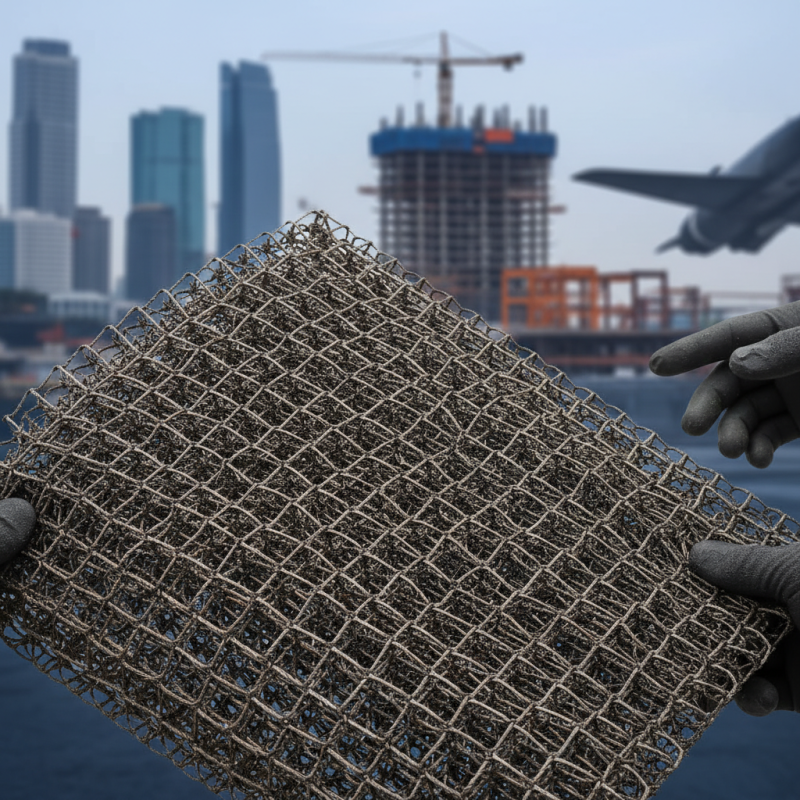
3D Basalt Fiber Mesh is gaining traction in various industries. This innovative material demonstrates superior strength and thermal resistance. Its applications span construction, automotive, and aerospace sectors, addressing critical performance issues.
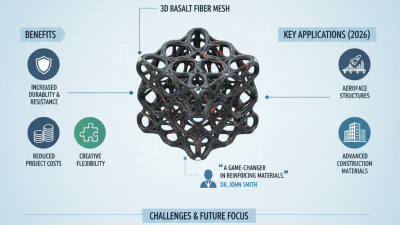
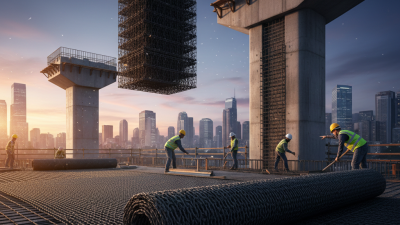
In the construction industry, basalt fiber mesh enhances concrete's durability. It can increase the lifespan of structures by 30%. According to a recent market report, the demand for basalt fibers is projected to reach $50 million by 2026. This growth signifies an increased awareness of sustainable and resilient building materials.
Additionally, the aerospace industry benefits from 3D basalt fiber mesh due to its lightweight properties. Reduced weight in aircraft can lead to significant fuel savings. However, some engineers note challenges in integrating this material with existing technologies. Ongoing research is required to fully understand its potential.
While 3D basalt fiber mesh shows promise, it’s crucial to address production costs. Initial investments can be higher than traditional materials. Market stakeholders must navigate these hurdles to optimize its adoption.
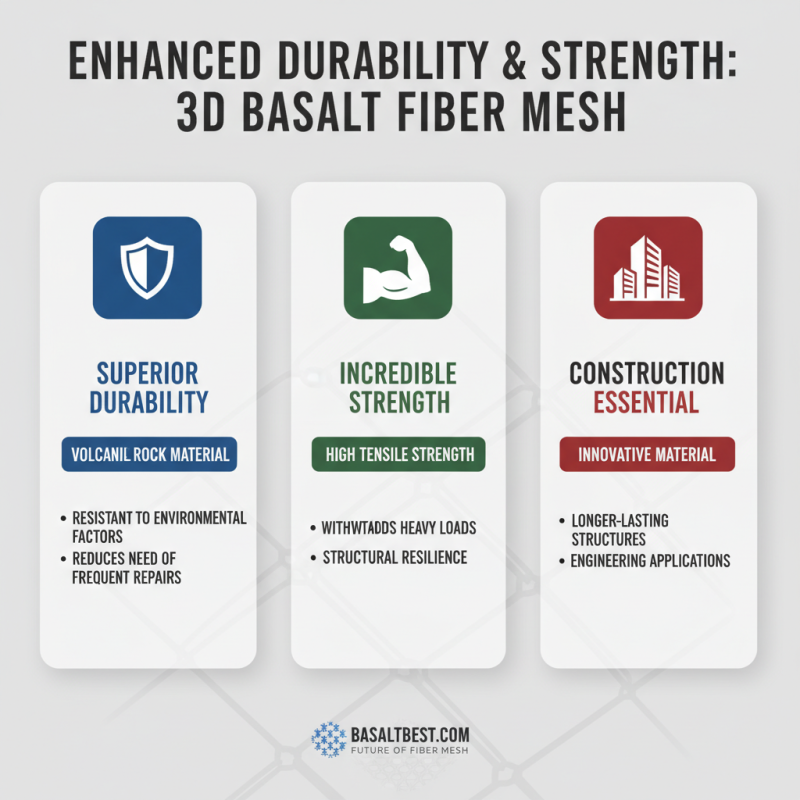
The enhanced durability and strength of 3D Basalt Fiber Mesh make it an essential material in construction and engineering. This innovative mesh, made from volcanic rock, exhibits remarkable resistance to various environmental factors. It has a high tensile strength, which means it can withstand heavy loads and stresses. This resilience contributes to longer-lasting structures, reducing the need for frequent repairs.
In addition to its strength, Basalt Fiber Mesh is lightweight. This characteristic makes it easier to transport and handle during installation. However, some users report challenges in achieving a perfect connection between layers. Careful attention to detail is crucial to avoid weaknesses in the final structure. The mesh also offers excellent thermal stability, which is beneficial in extreme temperature environments.
While there are significant advantages, not every installation process guarantees success. Some may struggle with proper placement or alignment. These considerations remind us that, even with advanced materials like Basalt Fiber Mesh, attention to the process matters. Achieving the best results requires experience and knowledge in application techniques.
Cost-effectiveness is a hallmark of modern construction practices. Utilizing materials like 3D Basalt Fiber Mesh can significantly reduce expenses. The lightweight nature of basalt mesh allows for easier handling and lower transportation costs. This quality translates to savings from the get-go.
When considering long-term investment, basalt fiber mesh showcases durability. It resists environmental degradation, prolonging the lifespan of structures. This means fewer repairs and replacements throughout the years. A lower maintenance budget is a vital aspect of effective project planning. However, some might overlook initial costs associated with advanced materials.
Building with 3D Basalt Fiber Mesh Geogrid can also minimize material waste. Precise engineering allows for more efficient use of resources. It encourages thoughtful design, which can reduce overordering. Yet, some teams may find it a challenge to switch from traditional methods. Embracing this innovative material requires adaptation and learning. Overall, integrating basalt mesh into construction proves beneficial financially and environmentally.
Lightweight properties of 3D Basalt Fiber Mesh significantly enhance material handling across various industries. With its lower density compared to traditional materials, this mesh eases transportation and installation. Reducing the load on equipment is crucial. This lightweight aspect enables quicker setup, cutting labor costs and time.
However, the advantages go beyond just weight. Its flexibility allows for easier manipulation during application. Workers can handle it without excessive strain. For safety and efficiency, a slightly longer learning curve may occur. Training staff on how to use it effectively should be a priority.
Tip: When implementing Basalt Fiber Geogrid Mesh, ensure that all team members understand handling techniques. This can prevent mishaps and improve overall productivity. Another tip is to conduct regular assessments of the material’s performance in your specific applications. Learning from each project will maximize benefits.
The environmental sustainability benefits of 3D basalt fiber mesh are impressive. This material is made from natural volcanic rock, which makes it eco-friendly. It requires less energy during production compared to traditional materials. Using basalt fiber can lead to a significant reduction in carbon emissions.
Additionally, 3D basalt fiber mesh offers excellent durability. It withstands harsh weather conditions and does not degrade easily. This longevity means fewer replacements are needed over time. Moreover, basalt fiber is recyclable, contributing to a circular economy.
While the advantages are clear, there are still challenges. The cost can be higher than conventional materials. Buyers may hesitate to invest initially. However, the long-term savings and environmental impact often outweigh these concerns. Identifying reliable suppliers is crucial to maximize benefits.
Fire resistance is a crucial aspect of construction materials. Basalt Fiber Mesh is recognized for its exceptional fire-resistant properties. Studies indicate that basalt fiber withstands temperatures up to 1000°C without degrading. This heat resistance plays a vital role in enhancing the safety of structures, particularly in fire-prone areas. Compliance with safety standards is essential, and basalt fiber's performance aligns well with global regulations for fire safety.
In terms of structural integrity, Basalt Fiber Mesh Cloth not only adds strength but also resilience under extreme conditions. It can prevent the rapid spread of flames, reducing the risk of catastrophic damage. Data from industry reports highlight that integrating basalt fiber solutions can decrease fire-related risks by over 30% compared to traditional materials.
However, it is important to consider installation and application challenges. Proper application techniques are required to maximize the benefits of basalt fiber. Missteps during installation may lead to reduced performance. Training for construction teams on the specific use of Basalt Fiber Mesh Cloth is often lacking, underscoring the necessity for ongoing education in this developing field.
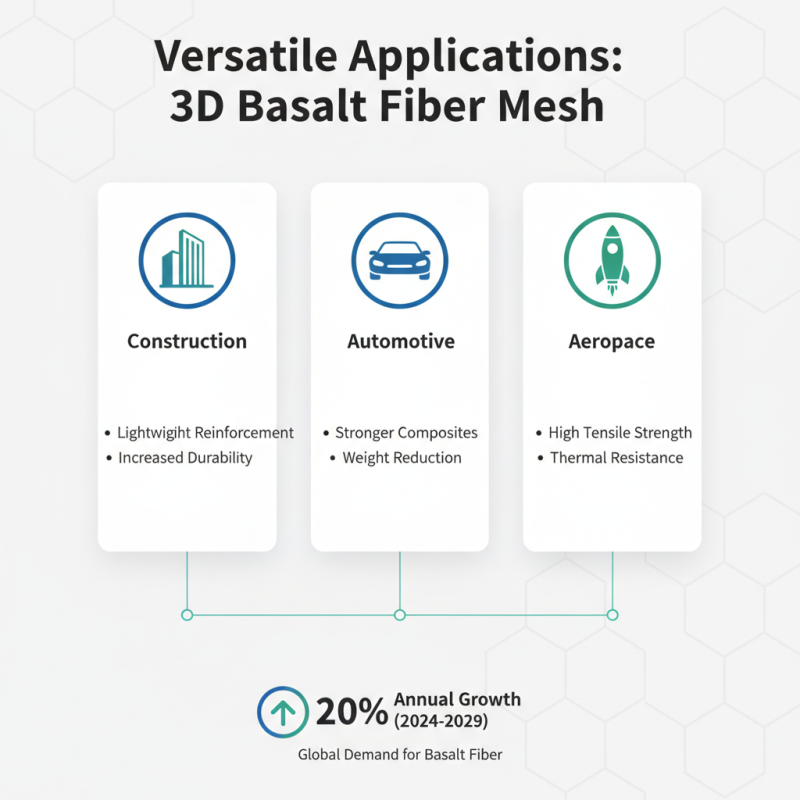
3D basalt fiber mesh is revolutionizing multiple industries with its unique properties. Its lightweight structure yet high tensile strength makes it suitable for construction, automotive, and aerospace sectors. Recent industry reports indicate that the global demand for basalt fiber products is projected to grow by 20% annually over the next five years. This trend highlights the increasing reliance on innovative materials for efficient manufacturing.
In construction, basalt fiber mesh enhances the durability of structures. It's resistance to corrosion offers a significant advantage over traditional materials. A study by the International Journal of Research in Engineering Technology reveals that buildings using basalt fiber can extend their lifespan by up to 50%. The automotive industry benefits from its insulating properties, which contribute to better energy efficiency.
Applications are not limited to large-scale projects. Smaller ventures, like home renovations, can harness the benefits of this material. However, some challenges remain. The cost of production for 3D basalt fiber mesh can be higher than conventional materials. This aspect requires ongoing research and development to balance performance and affordability in diverse applications.
: Lightweight materials improve transportation and installation, reducing strain on equipment and labor costs.
Flexibility allows easy manipulation, making it safer for workers to handle without excessive effort.
Yes, training is essential. A learning curve exists, and well-trained staff can enhance efficiency.
Basalt fiber can endure temperatures up to 1000°C without degrading, enhancing safety.
It prevents rapid flame spread and can decrease fire-related risks by over 30% versus traditional options.
Proper application techniques are critical. Mistakes can impair performance, making training necessary.
Continuous training ensures teams are updated on best practices and can maximize benefits from new materials.
Installation challenges may arise due to a lack of training, highlighting a need for improved skills.
Regular assessments help identify strengths and weaknesses in applications, leading to improved outcomes.
3D Basalt Fiber Mesh is rapidly gaining traction across various industries due to its remarkable advantages. This innovative material offers enhanced durability and strength, making it an ideal choice for construction projects requiring long-lasting solutions. Its cost-effectiveness also plays a significant role, allowing builders to utilize high-quality materials without escalating project expenses. Additionally, the lightweight properties of 3D Basalt Fiber Mesh facilitate easier material handling, reducing labor costs and time.
Moreover, this material stands out for its environmental sustainability benefits, aligning with modern eco-friendly practices. The fire resistance and safety features of 3D Basalt Fiber Mesh further enhance its appeal in construction and engineering. With versatile applications spanning multiple sectors, this mesh not only addresses current market needs but also paves the way for innovative projects in the future.