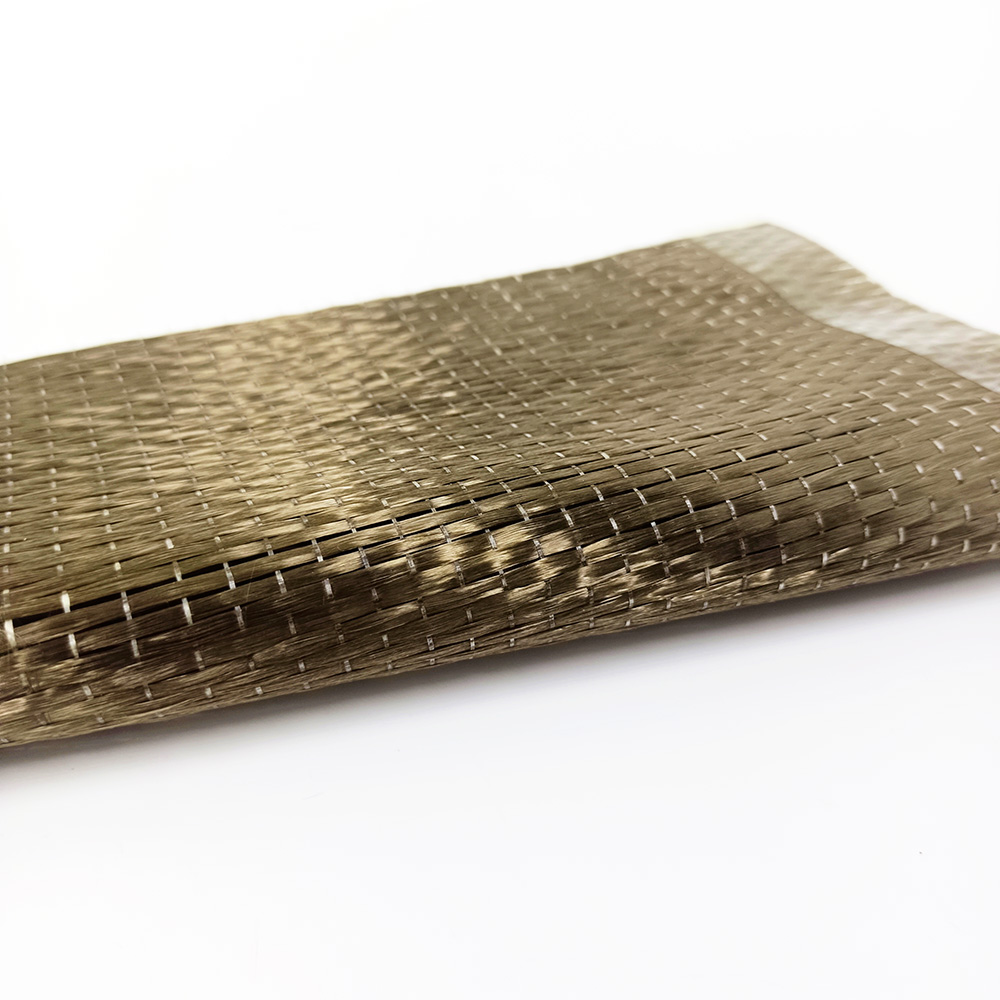
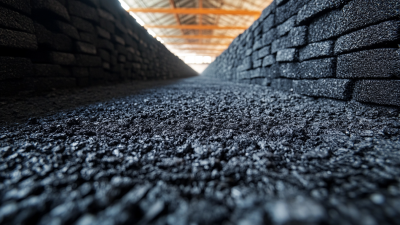
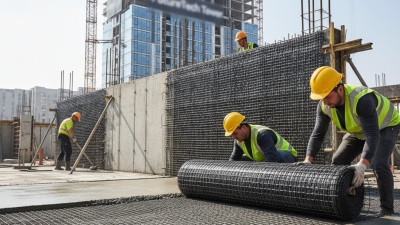
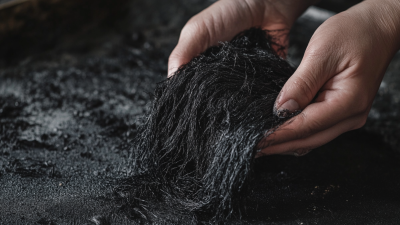
When it comes to modern construction these days, using materials that are tough and long-lasting is a total must. One material that’s been gaining popularity is Basalt Fiber Mesh. It’s pretty amazing because it helps reinforce concrete structures and stands up really well against different kinds of stresses. As builders start looking for greener, more sustainable options, Basalt Fiber Mesh definitely catches the eye.
Using this mesh can really help make your projects last longer. It’s resistant to rust and can handle extreme temperatures—talk about durability. Plus, if you check out 3d Basalt Fiber Mesh, you get even more versatility. Whether you’re working on strengthening bridges or building sturdy foundations, this material gets the job done. But, I have to admit, adopting Basalt Fiber Mesh isn’t always smooth sailing.
Many companies are still a bit hesitant to ditch traditional materials and jump on this new bandwagon. Change takes time, and of course, training is a must. It’s important for builders to really understand how to install and work with Basalt Fiber Mesh. Sure, mistakes may happen along the way, but honestly, those are just good lessons in disguise. Embracing new stuff can feel kind of daunting at first, but in the end, it definitely pays off by making construction better and results more impressive.

Understanding Basalt Fiber Mesh: Properties and Benefits
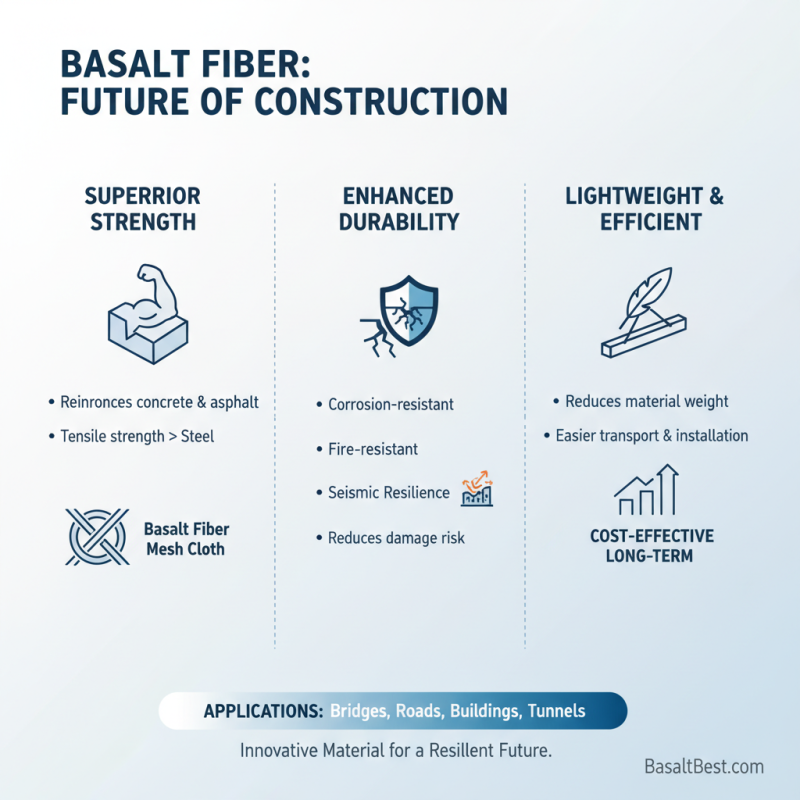
Basalt fiber mesh is gaining attention in construction. Its unique properties make it suitable for various applications. The mesh is lightweight yet strong, offering excellent tensile strength. This strength comes from the natural basalt rock, which provides durability. The resistance to Chemical damage is a significant advantage. Structures reinforced with basalt fiber mesh can withstand harsh environmental conditions.
One interesting aspect is its fire resistance. Unlike other materials, basalt fibers do not burn easily. This can lead to safer buildings. However, this material does require careful handling. If not installed correctly, its benefits may not be fully realized. The installation process can also be more complex compared to traditional methods.
Additionally, basalt fiber mesh can reduce the overall weight of structures. This can help in reducing costs. However, some builders may underestimate the importance of training staff on its unique properties. Understanding how to use it effectively takes time. There are still many parts of the application process that need more exploration. More research can improve overall performance.
Applications of Basalt Fiber Mesh in Construction Projects
Basalt fiber mesh has gained attention in the construction industry. Its unique properties enhance durability and resilience. This material is lightweight yet extremely strong. It is often used in road construction and concrete reinforcement projects.
One key application is in bridge construction. Basalt fiber mesh helps to reduce the weight of structures, making them easier to handle. This mesh also improves the lifespan of concrete by resisting cracking and moisture damage.
Tips: Ensure proper installation for maximum effectiveness. Misalignment can lead to weak points in structures. Regular inspections are crucial. Look for signs of wear or damage on the mesh.
Another area of application is in the repair of existing structures. Basalt fiber mesh can be layered over damaged areas. This provides additional strength without significantly increasing weight. However, achieving an even layer is necessary for stability.
Tips: Take time to clean the area before applying the mesh. Dirt can affect adhesion. Using the right amount of adhesive is important. Too much can create unnecessary bulk.
Applications of Basalt Fiber Mesh in Construction Projects
Preparation and Installation Process for Basalt Fiber Mesh
When preparing for the installation of Basalt Fiber Mesh, it's crucial to ensure that all materials are clean and dry. Any debris or moisture can hinder the bond between the mesh and the concrete or mortar. This preparation step may seem small, but it could significantly impact the overall effectiveness of the reinforcement.
In terms of installation, measuring the area accurately is essential. Cut the basalt fiber mesh to fit the designated space, ensuring overlapping sections are not too large. This can sometimes lead to unnecessary bulk in certain areas. When applying the mesh, it's vital to maintain even tension, avoiding wrinkles or folds. This may take some trial and error, but the long-term benefits are worth the effort. Pay attention to the edges, as these areas often experience the most stress.
While using Basalt Fiber Mesh has many advantages, there can be challenges. For example, aligning the mesh perfectly on uneven surfaces can be tricky. It may require additional supports or adjustments, which could throw off your timeline. Learning from these experiences is part of the process. Each project helps refine techniques and improve future installations.
Best Practices for Reinforcing Structures with Basalt Fiber
Reinforcing structures with basalt fiber can greatly enhance durability. This material provides a resilient approach to construction. When using basalt fiber mesh, proper installation is crucial. Ensure the surface is clean and free from debris. Apply the mesh uniformly to avoid weak points in the structure.
Consider the mesh's integration with other materials. Compatibility affects overall strength. For instance, combining Basalt Fiber Mesh Geogrid with concrete can lead to improved performance. However, always test for adhesion and strength. This step is often overlooked and can lead to serious issues down the line.
Monitoring environmental factors is also essential. Changes in temperature or humidity may impact the curing process. Be attentive to these details. Proper planning can prevent future problems. Though relatively new, basalt fiber offers many advantages. Yet, it requires care and expertise in application. Balancing innovation and tradition can lead to successful outcomes in construction.
Comparison of Basalt Fiber Mesh with Traditional Reinforcement Materials
Basalt fiber mesh offers distinct advantages over traditional reinforcement materials. For example, it is lighter and more flexible than steel. This flexibility allows for easier handling and installation on site. Basalt Fiber Geogrid Mesh also has superior resistance to corrosion. Unlike steel, it does not rust or degrade under harsh conditions. This feature makes it ideal for use in areas with high moisture levels.
However, using basalt fiber mesh is not without challenges. Its initial cost can be higher than that of conventional materials. Some contractors may be unfamiliar with its properties and applications. Training and education are crucial to ensure proper use. There may also be limited availability in certain regions. This can hamper project timelines and increase costs.
Comparing the performance of basalt fiber mesh with steel shows promising results. While steel is strong, it can be heavy and cumbersome. In contrast, basalt fiber offers strength without the weight. Contractors need to carefully evaluate the project's specific needs. Only then can they make informed decisions about the best materials to use. The shift towards new materials like basalt fiber geogrid mesh can enhance construction efficiency. Still, it requires a willingness to embrace change and adapt to new technologies.
Maintenance and Durability Considerations for Basalt Fiber Mesh
When considering the maintenance of basalt fiber mesh, a few factors come into play. The material is known for its high resistance to corrosion and chemical reactions. Yet, it does require periodic inspections. This ensures that any potential wear is addressed before it becomes a more significant issue. Regular checks should focus on visible damage and bonding integrity.
Durability is a crucial aspect of using basalt fiber mesh. Environmental conditions can affect its lifespan. For example, exposure to extreme temperatures may weaken its structure over time. It is essential to understand these factors and evaluate the mesh regularly. Proper installation techniques are vital for maximizing its benefits. Proper curing times and application methods can make a significant difference in durability.
It's important to remember that while basalt fiber mesh is robust, it isn't indestructible. Mistakes during installation or maintenance can lead to issues. Over time, even the best materials can show signs of fatigue. Maintaining vigilance in monitoring its condition can prevent costly repairs later on. Ultimately, understanding its characteristics will aid in the longevity of construction projects.
Future Trends in the Use of Basalt Fiber in Construction Solutions
The construction industry is evolving, and basalt fiber is at the forefront. Using Basalt Fiber Mesh Cloth can significantly enhance structural integrity. Its remarkable strength and lightweight nature make it a top choice for reinforcement. This material is particularly effective in seismic zones, reducing the risk of damage. However, the adoption of basalt fiber in everyday construction is still limited.
Future trends suggest a shift towards widespread use of basalt fiber. Researchers are exploring its potential in more applications, from roadways to bridges. The durability of basalt fiber offers long-term cost benefits. Yet, challenges remain. For example, many engineers are still unfamiliar with using basalt fiber. Training and education are crucial for overcoming this barrier.
Innovative designs utilizing Basalt Fiber Mesh Cloth are emerging, but they require careful consideration. Not all construction projects may benefit equally. Some structures might not need such advanced materials. As the industry embraces new technologies, a balance must be found. The journey to integrate basalt fiber fully into construction reflects both promise and uncertainty.
Exploring the Growth and Applications of Basalt Fiber Twisted Yarn: Insights from Recent Industry Reports on Market Trends and Innovations
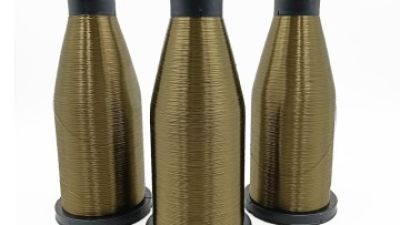
Basalt fiber twisted yarn is gaining significant traction in various industrial applications, primarily due to its unique properties and versatility. Recent industry reports indicate that this innovative yarn is produced by twisting one or more basalt fiber monofilaments, typically with a diameter of less than or equal to 16 micrometers. The resulting twisted yarn can be configured in various plies, allowing for tailored applications ranging from weaving to other industrial uses. The adaptability of basalt twisted yarn positions it favorably in the market, as it can be employed as either single or plied yarn according to specific requirements.
The weaving sector has particularly embraced basalt twisted yarn, with products like tube yarn and bottle-shaped tube yarn becoming increasingly popular. These yarns not only provide remarkable strength and durability but also exhibit excellent resistance to high temperatures and chemical corrosion. As the demand for sustainable and high-performance materials grows, basalt fiber’s eco-friendly properties become a selling point. Market analysis suggests that the growing construction and automotive industries are expected to drive significant demand for basalt twisted yarn, highlighting its importance in modern manufacturing processes.
Moreover, the global market for basalt fiber products is projected to witness substantial growth. According to recent reports, the anticipated compound annual growth rate (CAGR) for basalt fiber applications is expected to exceed notable figures in the coming years. This growth trend reflects a broader shift towards advanced materials that offer both performance benefits and environmental advantages. In summary, basalt twisted yarn is poised to redefine industry standards through its innovative applications, driven by the latest advancements in manufacturing technologies.
FAQS
: Regular exercise improves physical fitness and boosts mental health. It helps maintain a healthy weight.
Aim for at least 150 minutes of moderate exercise weekly. Shorter, high-intensity workouts can also be effective.
Physical activity can aid in weight loss. However, a balanced diet usually plays a key role in weight management.
A mix of cardio, strength training, and flexibility exercises offers comprehensive benefits. Variety keeps workouts interesting.
Setting realistic goals helps maintain motivation. Finding a workout buddy can also encourage consistency in your routine.
Light, easily digestible snacks work well before workouts. Consider fruits or yogurt for a quick energy boost.
Daily exercise is okay, but listen to your body. Rest is crucial to avoid injury and fatigue over time.
Consult a healthcare professional before resuming exercise. Adjust your routine based on specific recovery needs.
Keep track of workouts, weigh yourself, or note changes in energy levels. Progress may appear differently for everyone.
Find enjoyable activities instead. Walking, dancing, or cycling can make fitness fun and less of a chore.
Conclusion
Basalt Fiber Mesh is gaining popularity in the construction industry due to its unique properties and numerous benefits. This advanced material offers high tensile strength, resistance to chemical and thermal impacts, and excellent durability, making it a superior choice for reinforcing structures. Its applications span various construction projects, from bridges to buildings, where it enhances structural integrity and longevity.
The effective preparation and installation process for Basalt Fiber Mesh is crucial for maximizing its potential, and adhering to best practices can significantly improve reinforcement outcomes. When compared to traditional reinforcement materials, Basalt Fiber Mesh demonstrates an array of advantages, including lower weight and improved performance. As the industry evolves, recognizing the maintenance and durability considerations associated with Basalt Fiber Mesh will be vital for its long-term success, paving the way for future trends in construction solutions.