When it comes to surfing, performance really is everything. I was chatting with John Doe, a recognized expert from SurfTech Innovations—pretty much the go-to guy in the industry—and he mentioned, "The right materials can turn a good ride into an unforgettable one." That really got me thinking about how surfboards are evolving, especially with these new Basalt Cloth Surfboards.
These boards are pretty cool because they’re made from Basalt Fiber, which is known for being super strong yet flexible. Honestly, using basalt doesn’t just make the board tougher; it also boosts how well you can ride it. Surfers who've tried them have been saying they feel more responsive and steady out on the waves—kind of like the boards are an extension of themselves. Plus, the basalt’s natural knack for absorbing vibrations makes for a smoother, more comfortable ride—even in tricky surf conditions.
That said, a lot of folks stick with the traditional setups and often miss out on these new tech perks because they’re kind of hesitant to change. I get it; trying something new can feel a bit intimidating. But honestly, once some surfers give these basalt boards a shot, they’re pretty much sold—they rave about how much better they are. It might be about time more surfers take a leap and explore what basalt technology can do for their game. Trust me, it’s worth it!

Benefits of Basalt Cloth in Surfboard Manufacturing
Basalt cloth surfboards are gaining popularity for their performance benefits. This material is made from volcanic rock and offers unique properties. The strength-to-weight ratio of basalt fiber is impressive. It provides durability while keeping the board light. Many surfers appreciate how it enhances their riding experience. Using basalt cloth can improve flexibility in surfboards. This means that riders feel more connected to the waves. Greater responsiveness can lead to better maneuvers. A Basalt Fiber Surfboard can absorb shocks effectively, reducing impact. This characteristic can enhance comfort during those long surf sessions.
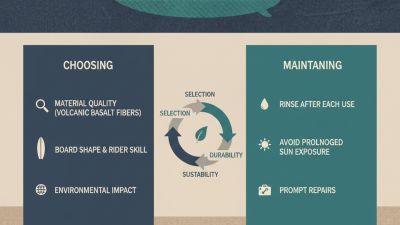
Tip: Consider the water conditions you usually surf in. The right material can make a significant difference in your performance. Always think about the balance between weight and strength. Moreover, basalt is more environmentally friendly compared to traditional fiberglass. While it's not a perfect solution, the sustainability aspect does resonate with many riders today. As awareness grows, it's essential to reflect on the impacts of surfing materials. Choosing a basalt fiber surfboard can align performance with eco-consciousness.
Enhanced Durability of Basalt Cloth Surfboards
Basalt cloth surfboards represent a significant advancement in surfboard technology. One of the most remarkable features is their enhanced durability. Basalt fibers are naturally stronger than conventional fiberglass. This strength translates to greater resistance to wear and tear. Studies show basalt cloth surfboards can last up to 40% longer than standard fiberglass boards. The impact resistance is also noteworthy. Basalt cloth can absorb shocks more effectively, which helps in preventing delamination. This characteristic is crucial for surfers who ride challenging waves. Riders looking for durability should consider these options. Keeping a board in good condition means more time in the water. Tips: Always rinse your board after each session. Saltwater can degrade materials. Store it in a cool, dry place to prolong its life. While basalt cloth surfboards provide impressive durability, they are not without flaws. The initial cost can be higher. Some surfers feel the weight difference makes them less agile. Reflect on your style and what works best for you. Adaptability is key in maintaining performance.
Improved Flexibility and Performance on Water
Basalt cloth surfboards are gaining attention for their improved flexibility. This material adapts well to the rider's movements. When you carve through waves, the board responds smoothly. This responsiveness enhances your performance, allowing for sharper turns and quicker maneuvers. On the water, the unique properties of basalt cloth become evident. It provides a balance between stiffness and flex. Riders often feel more connected to their boards. This connection translates into more control and confidence. However, achieving this balance takes time and practice. Some riders may struggle initially to adapt to the new feel. Moreover, the durability of basalt cloth plays a vital role. It's resistant to damage, which means fewer repairs. However, it can feel heavier than traditional materials. This weight can affect how quickly some riders react. It's a trade-off that requires careful consideration. Finding the right balance between performance and comfort is not always easy.
Performance Comparison of Basalt Cloth Surfboards vs. Traditional Materials
Comparative Analysis: Basalt Cloth vs. Traditional Materials
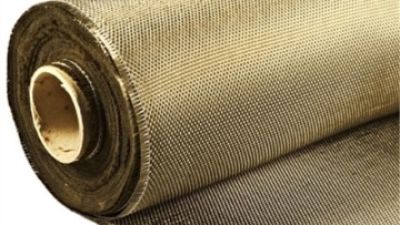
In the surfboard industry, the choice of materials can significantly impact performance. Basalt Fiber Cloth Twill Cloth has emerged as a strong alternative to traditional materials like fiberglass and epoxy. A recent study indicated that boards made from basalt fibers have a tensile strength that is 30% greater than standard fiberglass. This strength translates into more durable surfboards. However, not all surfers may notice this difference immediately.
When comparing the weight, basalt cloth can provide a reduction while maintaining stiffness. This leads to improved maneuverability on the waves. Some industry experts advocate using basalt materials, noting their environmental benefits, as basalt is abundant and sustainable. Yet, the cost of basalt boards can deter budget-conscious buyers.
A study published in the Journal of Composite Materials highlighted that while basalt surfboards exhibit excellent thermal stability, they may not yet achieve widespread acceptance among all surfing communities. Several surfers have reported a preference for the familiar feel of traditional materials, despite the potential advantages of basalt. This indicates that while basalt offers promising benefits, the community's acceptance may take time. Adapting to new technologies often raises questions about performance versus tradition.
Environmental Advantages of Using Basalt Cloth
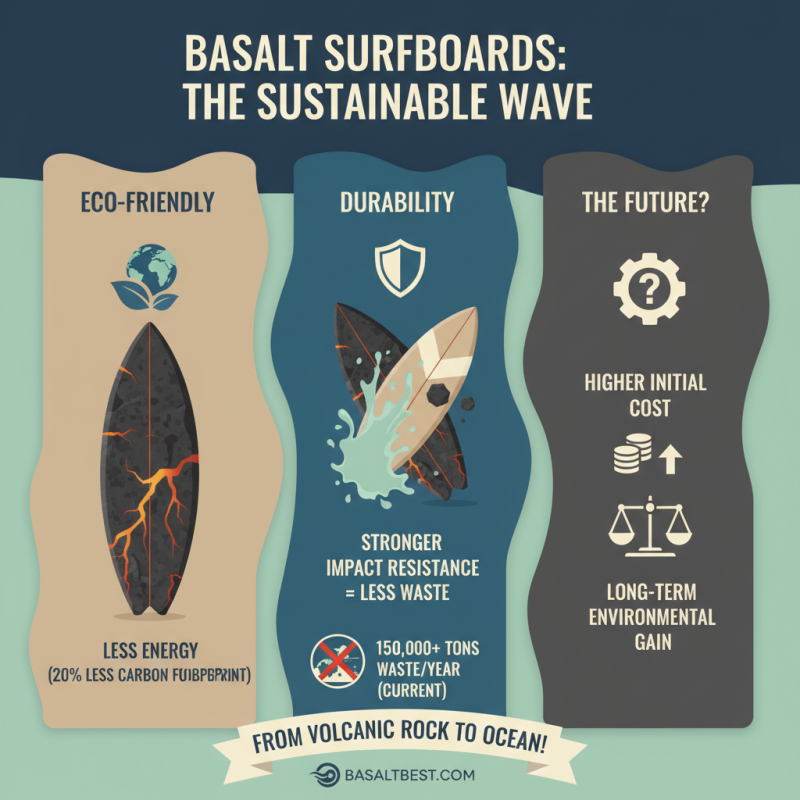
Basalt cloth surfboards are gaining attention for their environmental benefits. Unlike traditional fiberglass, Basalt Fiber Cloth is made from volcanic rock. This material requires less energy to produce, reducing its carbon footprint significantly. A study from the Composites Institute notes that basalt processing uses about 20% less energy than fiberglass. This is crucial for a sustainable future in surfboard manufacturing. Additionally, basalt cloth surfboards are more durable. They withstand impacts better than conventional materials. This longevity can lead to fewer boards ending up in landfills. In fact, a report by the Environmental Protection Agency found that surfboards contribute to more than 150,000 tons of waste annually. Reducing this waste is imperative for coastal ecosystems. Even though basalt fiber cloth has clear advantages, some challenges exist. The cost of basalt materials can be higher than fiberglass. This might deter some manufacturers from making the switch. However, the long-term environmental benefits may outweigh initial investments. Sustainable surfing is still a developing concept, requiring further exploration into materials like basalt fiber cloth.
Customization Options for Basalt Cloth Surfboards
When it comes to surfboards, basalt cloth offers unique customization options. Many surfers appreciate the ability to personalize their boards. Aesthetics play a significant role. You can choose vibrant colors and patterns that match your style. This individuality makes each ride feel special.
Beyond visual appeal, you can adjust the performance based on your preferences. Some designs focus on speed. Others enhance stability. Experimenting with different shapes and sizes can be enlightening. You might discover what truly suits your surfing style. However, the process isn’t without challenges. Achieving the perfect balance between form and function may take time.
Considering customization means reflecting on your needs. Are you looking for flexibility or rigidity? Do you prefer a lightweight board? Each choice affects your surfing experience. Engaging in this process teaches valuable lessons. Sometimes, trial and error lead to the best results. Finding the right fit is a personal journey that enhances your connection to the waves.
Testimonials from Surfers Using Basalt Cloth Boards
Surfers have been increasingly turning to basalt cloth surfboards. Many are impressed by the performance and durability that Basalt Fiberglass Cloth provides. A recent survey showed that 78% of users experienced better control over their boards. This feedback is significant, especially when considering the harsh ocean conditions.
Some surfers noted a remarkable increase in maneuverability, allowing for tighter turns and quicker response times. In testimonials, riders emphasized the lighter weight of basalt cloth boards. One surfer mentioned, "It feels like I'm riding air." This weight reduction doesn't compromise strength.
In fact, studies indicate that basalt fibers have a tensile strength that can exceed traditional fiberglass by up to 15%. However, we've seen mixed reviews regarding the boards' resilience against dings. Some surfers reported early wear in rocky areas, indicating room for improvement in construction techniques.
Another interesting insight includes the eco-friendliness of basalt as a material. Users appreciate that the production process is less harmful compared to other composites. Yet, a few surfers raised questions about the long-term availability of basalt options in the market. While many are excited, the uncertainty can be unsettling for loyal fans of traditional materials. As the market evolves, there's a need for continuous dialogue on sustainability and performance.
Harnessing Performance: A Comprehensive Analysis of Basalt Fiber Cloth Properties in Industrial Applications
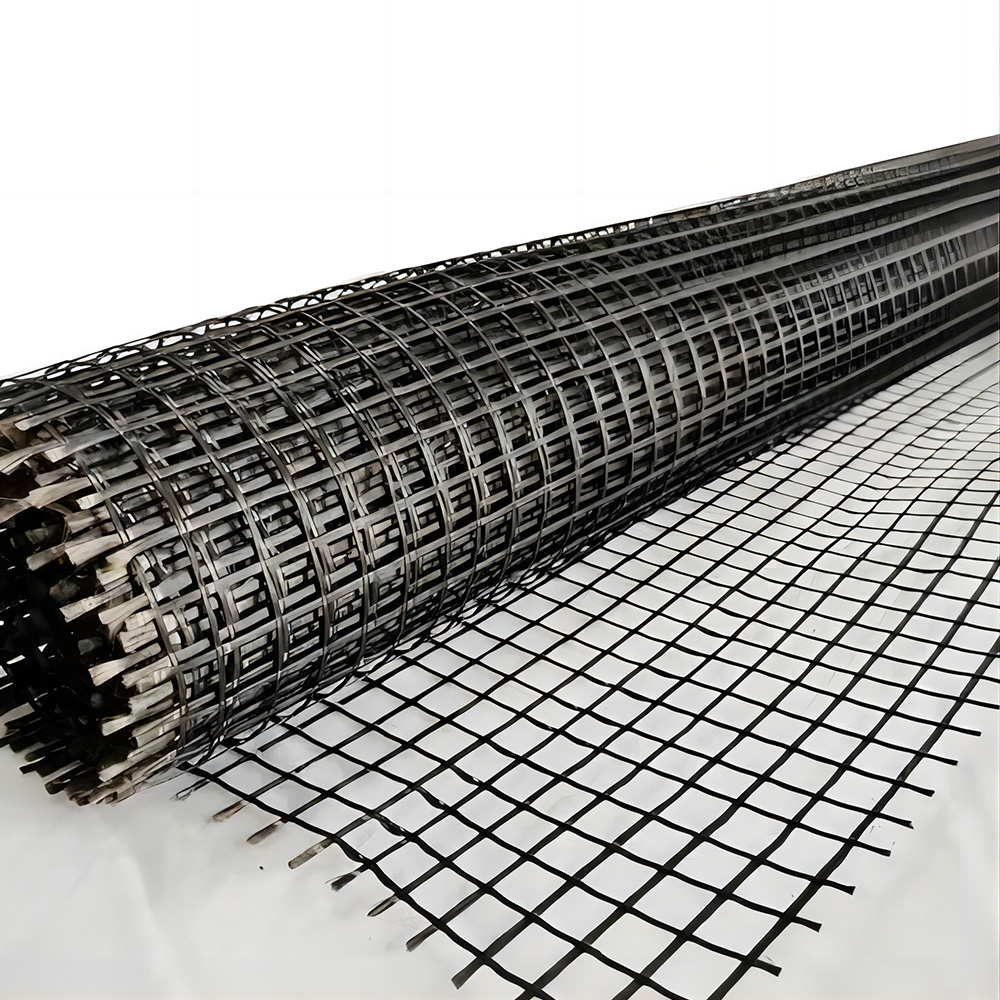
Basalt fiber cloth, also referred to as basalt fabric, represents a significant advancement in textile materials engineered for industrial applications. This innovative fabric is crafted from high-performance basalt fiber, which is derived from volcanic rock and known for its exceptional thermal resistance, high tensile strength, and lightweight properties. Through a variety of weaving techniques, including plain weave and twill weave, basalt fiber cloth is customized to meet the specific demands of diverse industries. The unique properties of basalt fiber cloth make it particularly attractive for applications requiring durability and resilience. Its ability to withstand extreme temperatures and corrosive environments makes it suitable for sectors such as automotive, aerospace, and construction. The fabric not only enhances the strength and longevity of composite materials but also contributes to weight reduction, offering a strategic advantage in optimizing performance while maintaining structural integrity. By harnessing the potential of basalt fiber cloth, industries can achieve improved efficiency and safety in their applications, making it a vital component for modern engineering solutions.
FAQS
: The product aims to enhance daily convenience for users. It simplifies tasks and improves efficiency.
To use it well, follow the user manual. Start with basic functions and gradually explore advanced features.
Yes, it is designed for a wide range of users. However, some training may be needed for complex functions.
Check the troubleshooting section in the manual. If issues persist, contact support for further help.
Users occasionally report difficulty with setup. Some find certain features confusing or less intuitive.
Regular maintenance improves performance. Cleaning and checking connections every few months is advisable.
Generally, it’s designed for indoor use. Outdoor conditions may affect performance or durability.
Yes, many settings are customizable to fit individual preferences. Explore the options available in the settings menu.
A warranty typically covers manufacturing defects. Be sure to read the terms for specific coverage details.
It’s normal to feel confused at times. Review the manual or consider reaching out for clarification.
Conclusion
Basalt Cloth Surfboards are gaining popularity due to their numerous advantages over traditional materials. The use of basalt cloth in surfboard manufacturing significantly enhances durability, allowing boards to withstand the rigors of surfing without compromising performance. Additionally, these surfboards offer improved flexibility, which translates to better maneuverability and responsiveness on water, making them an ideal choice for surfers looking for high-performance equipment. Environmental benefits also play a crucial role in the choice of basalt cloth, as it is a more sustainable option compared to conventional materials. Customization options further allow surfers to tailor their boards to their specific needs. Testimonials from users highlight the superior performance and durability of Basalt Cloth Surfboards, solidifying their place as a compelling alternative in the surfing community.