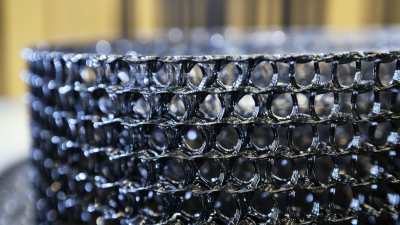
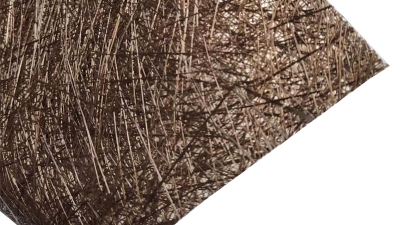
You know, the Construction world is always on the lookout for new materials that can make infrastructure stronger and more eco-friendly. One material that's really been catching people's attention lately isBasalt geogrid. It uses basalt fibers, which are super tough and durable, giving it some serious advantages. I came across a report from Markets and Markets that said the global market for geosynthetics could hit about $17.6 billion by 2025. That just shows how much folks are craving advanced stuff like Basalt Geogrid—it's a game-changer compared to older materials.
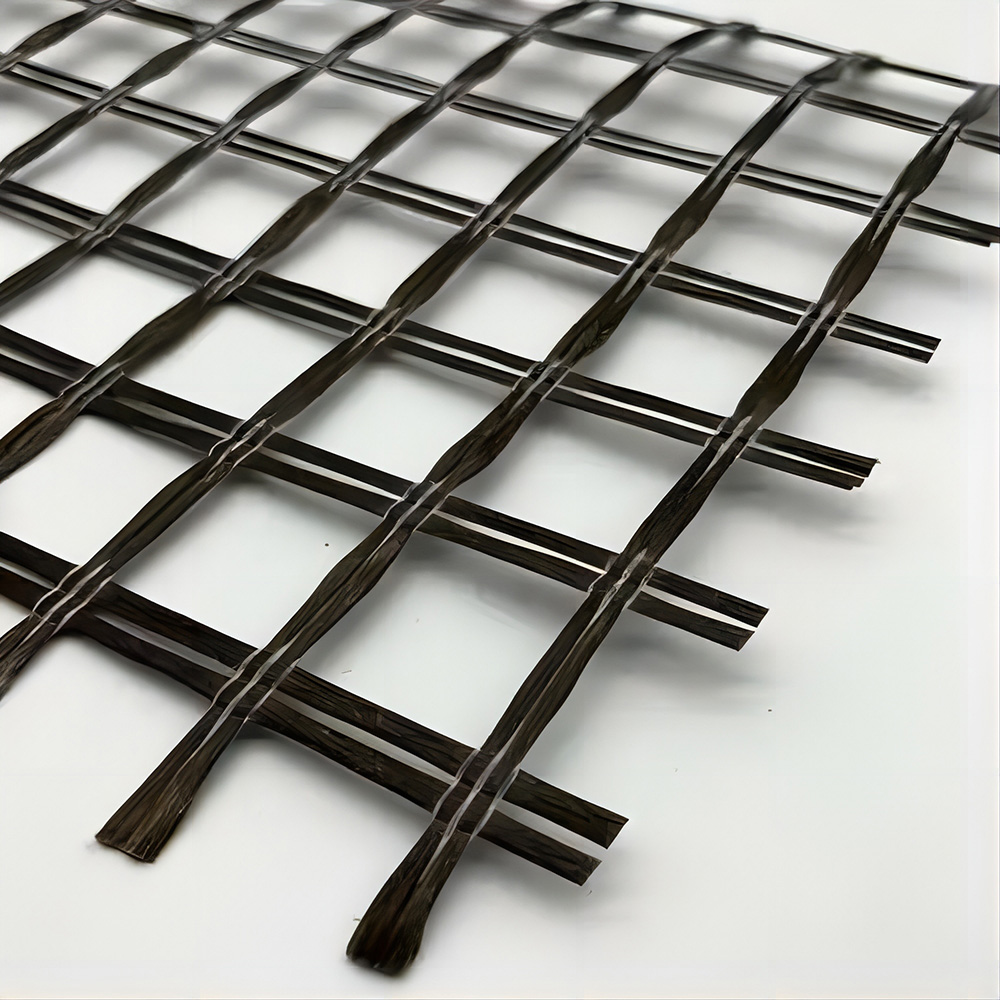
Companies like China Beihai Fiberglass Co., Ltd.—you know, a big player in the basalt fiber scene—are leading the way, focusing on research, development, and making high-performance basalt fibers. Of course, even with all these benefits, putting Basalt Geogrid into real-world projects isn’t exactly smooth sailing. There are hurdles like costs and technical compatibility that need sorting out before we can really tap into its full potential.
Challenges in Material Selection: The Case for Basalt Geogrid in Construction
Using basalt geogrid in construction projects really makes a lot of sense when you think about it. It combines durability, sustainability, and strong structural support all in one. It’s especially popular for ground reinforcement because of its high tensile strength and ability to resist environmental wear and tear. Lately, more companies in Central Asia are jumping on board, showing how interest in this material is really picking up—especially as folks look for greener alternatives to traditional geosynthetics.
Industry reports actually suggest that basalt geogrid can beat synthetic options in many ways—offering better mechanical properties while also being more eco-friendly during production. For example, basalt fibers can have tensile strengths of up to 2000 MPa, which is way higher than many common materials. That means you can use less material overall, making constructions lighter and more eco-conscious—good news for both builders and the planet.
A Few Tips to Keep in Mind: When you’re thinking about using basalt geogrid in your next project, take a good look at the soil and the load it needs to handle—that’ll help you get the best results. Also, it’s a smart move to work with suppliers who really know their stuff when it comes to sustainable materials—they can offer valuable tips and new ideas. And don’t forget, training your team on what makes basalt geogrid special can really help you get the most out of it and make your project a success.
Understanding the Mechanical Properties of Basalt Geogrid in Reinforcement Applications
When it comes to reinforcement in construction, the mechanical properties of basalt geogrids really matter. They've actually been shown to boost the structural strength of building materials, which is pretty exciting. Lately, studies have pointed out how effective geogrids are at improving how brick masonry walls handle shear forces—kind of like giving them a better backbone. Researchers also looked at different geosynthetic materials and found that using basalt geogrid can really bump up the bearing capacity of strip footings. Plus, it helps reduce the amount these footings settle, making everything more stable. Basically, basalt geogrids could be a solid choice for reinforcement because they help spread loads better and give structures more stability.
On top of that, adding basalt geogrid to concrete mixes shows some promising potential to shake up traditional building methods. Lab tests have shown that concrete reinforced with these geogrids can carry heavier loads and resist shear stresses a lot better. This is pretty much in line with ongoing research into new, smarter materials—basalt’s mechanical strength and water absorption traits open up some cool new possibilities for innovative construction ideas. And if you get creative with how you stack and combine basalt with other natural fibers, you can really boost the performance of these composite materials. All in all, it’s paving the way for more sustainable and efficient building techniques that could change the game.
Addressing the Challenges of Using Basalt Geogrid in Construction
| Property | Value | Units | Comments |
| Tensile Strength | 400 | MPa | High durability for reinforcement |
| Elastic Modulus | 50 | GPa | Maintains shape under load |
| Chemical Resistance | Excellent | | Suitable for harsh environments |
| Temperature Resistance | -50 to 80 | °C | Versatile application range |
| Ultimate Strain | 3.5 | % | Allows for some deformation |
Evaluating Cost-Effectiveness of Basalt Geogrids Compared to Traditional Materials
You know, the construction world is really starting to embrace new materials that are not just strong but also kind to the wallet. One such game-changer is basalt geogrids — they’re quickly becoming a popular alternative to the traditional options we've been using for ages. I recently came across a report from the Global Geosynthetics Market, and it mentioned that basalt geogrids are known for their durability and resistance to environmental stressors. This means less time and money spent on maintenance down the line. For example, some studies suggest that structures reinforced with basalt geogrids can last about 20% longer compared to those with regular polymer geogrids. Pretty impressive, right?
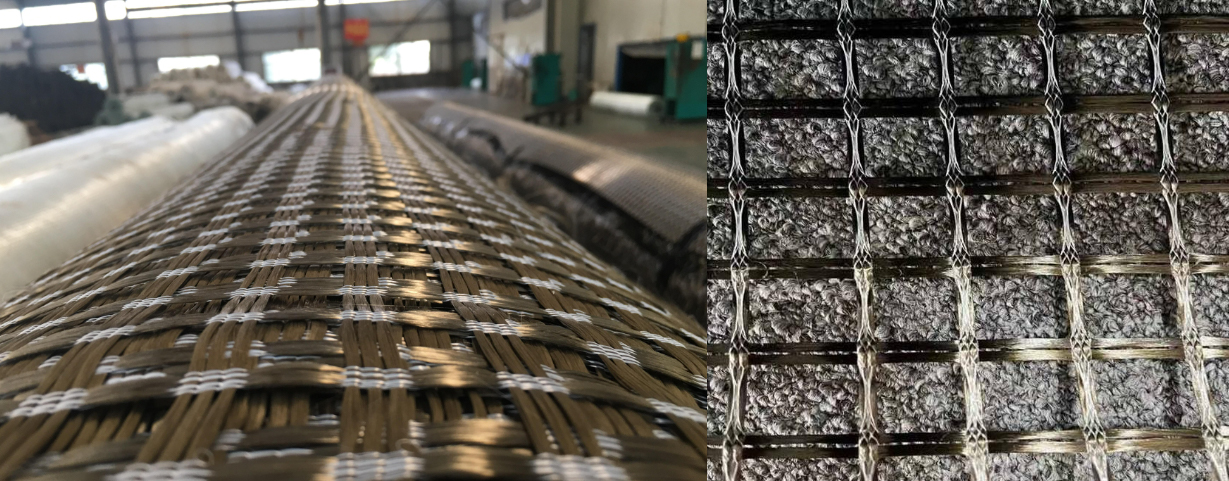
And here’s an interesting bit — China Beihai Fiberglass Co., Ltd., is really leading the charge with their high-performance basalt continuous fibers. These fibers don’t just boost the strength of the geogrids; they also make the whole construction process more sustainable. According to research in the International Journal of Construction Materials, basalt geogrids can actually save you around 15% in costs over the long haul when you consider all the performance and lifecycle benefits. Plus, they’re lightweight but still super tough, making them a solid choice for modern construction projects. All in all, it’s clear that basalt geogrids are shaping up to be a pretty big deal for the future of building.
Mitigating Environmental Impacts: The Sustainability of Basalt Geogrid Solutions
You know, when it comes to construction, more folks are turning to basalt geogrids as a greener alternative to the old plastic or metal kinds. According to the International Society for Soil Mechanics and Geotechnical Engineering, basalt fibers are pretty impressive—they've got high tensile strength and last quite a while. That means projects tend to stay solid longer, and you don’t have to spend as much on repairs or replacements all the time. Plus, a report from the European Commission mentions that basalt geogrids are 100% recyclable, which is pretty awesome in today’s world where everyone’s trying to be more eco-conscious.
On top of that, using basalt geogrids actually has a much lower environmental impact compared to traditional materials. For example, the carbon footprint involved in making basalt is about half that of carbon steel, according to the Journal of Cleaner Production. That’s a big deal when we’re all trying to fight climate change, right? And the best part? They’re naturally resistant to heat and chemicals, so they hold up well even in tough conditions. This resilience means construction projects can be both sustainable and less damaging to the environment. All in all, with their durability and eco-friendly benefits, basalt geogrids are becoming a really attractive option for modern infrastructure projects.
Best Practices for Installing Basalt Geogrids to Ensure Structural Integrity
When you're working on making sure a construction project is solid and stable, installing basalt geogrids is super important and honestly, kinda delicate work. One of the first things you really wanna do is get the site ready properly — that means clearing out any plants, debris, or anything that could mess things up. It sets a good, steady base for the geogrid and helps prevent it from shifting around when you're putting it in. Oh, and don’t skip soil testing! Knowing how much weight the ground can handle and how it drains can save you a lot of headaches later on.
Another thing to keep in mind is how you align and tension the geogrid during setup. It’s pretty crucial to get it right — twisting or wrinkling it can seriously weaken its performance. Using the right anchors is also key to keeping everything in place, especially once you start putting load on it. And hey, don’t forget to check in regularly — inspecting things during and after installation helps catch any little problems early, so you can fix them before they become bigger issues. Stick to these simple practices, and you’ll get the most out of your basalt geogrid. It really pays off in the long run, making your structure more stable and durable.
Case Studies: Successful Implementation of Basalt Geogrid in Real-World Projects
Lately, more and more folks in construction are turning to basalt geogrid because of its strength and durability. But, of course, real-world projects always tell the full story—there are wins, sure, but also some hurdles along the way. For instance, I remember a big highway project where they used basalt geogrid to strengthen the roadbed. At first, people were pretty skeptical about whether it was worth the extra cost compared to the usual materials. But after putting it through some serious testing, the team realized that in the long run, it paid off. Less maintenance, stronger support—it all added up to benefits that just couldn’t be ignored.
Then there was this project really close to home—an effort by a local town to stop erosion in a hillside park. They decided to include basalt geogrid in the design, and it worked like a charm. Not only did it keep the soil in place, but it also helped plants grow, which was a bonus for the environment. It shows that using innovative stuff like this doesn’t just solve structural problems—it’s also good for the planet. These stories are signs of a broader trend in construction: folks are looking more and more at sustainable, long-lasting solutions. And basalt geogrid seems to have a real shot at being a key player in the future of building projects.
Exploring the Advantages of Basalt Fiber Chopped Strand Mat in Composite Materials: Insights from Industry Reports
Basalt fiber chopped strand mat (BFCM) is gaining recognition in the composite materials industry for its unique properties and versatility. Composed of continuous basalt fiber roving cut into fixed-length fibers of 50mm, this mat is designed to provide strength and durability in various applications. After the fibers are uniformly distributed on a molding mesh belt and treated with a binder, they are dried to create a robust and reliable material. The availability of both powder and emulsion options further enhances its adaptability to meet specific industrial needs.
One of the key advantages of basalt fiber chopped strand mat is its excellent thermal resistance and dimensional stability, making it suitable for high-performance applications. The different thicknesses and densities available allow manufacturers to customize BFCM for various requirements, ensuring optimal performance in diverse environments. As industries continue to seek lightweight yet high-strength materials, BFCM stands out as a compelling alternative to traditional fiberglass and carbon fiber composites, ultimately contributing to more efficient and sustainable production processes.
FAQS
: Basalt geogrids are used primarily in reinforcement applications to enhance the structural integrity of construction materials, especially by improving the in-plane shear performance of brick masonry walls and increasing the bearing capacity of strip footings.
Basalt geogrids improve concrete performance by supporting increased loads and enhancing resistance against shear forces, which can lead to more durable and robust construction solutions.
Basalt geogrids offer enhanced durability, resistance to environmental factors, and reduced maintenance costs, lasting up to 20% longer than structures reinforced with conventional polymer geogrids.
Yes, basalt geogrids are approximately 15% more cost-effective than traditional materials when considering long-term performance and lifecycle costs.
China Beihai Fiberglass Co., Ltd. specializes in high-performance basalt continuous fiber, which enhances the mechanical properties of geogrids and contributes to more sustainable construction practices.
Yes, the use of basalt geogrids can lead to innovations in construction due to their mechanical and water absorption characteristics, which help optimize composite materials for more sustainable building technologies.
Basalt geogrids enhance load distribution and stability in construction, leading to improved structural performance and reduced settlement behavior.
Recent studies have highlighted the effectiveness of basalt geogrids in various applications, demonstrating significant improvements in bearing capacity and overall structural integrity.
Researchers are exploring the optimization of stacking sequences and the combination of basalt with other natural fibers to enhance the performance of composite materials for advanced construction solutions.
Key mechanical properties of basalt geogrids include high tensile strength, low water absorption, and durability, making them suitable for a variety of reinforcement applications in construction.