Lately, the surfboard industry has really been shifting toward more eco-friendly materials, and one of the coolest examples to come up is the rise of Basalt Cloth surfboards. As more folks who care about the environment—and brands that want to do the same—jump on board, the global market for Basalt Fiber surfboards is expected to grow pretty quickly. According to a report fromResearch and Markets, the worldwide basalt fiber market is projected to grow at a compound annual rate of about 18.3% between 2022 and 2030. Companies like China Beihai Fiberglass Co., Ltd.—a real pioneer in high-tech basalt fiber stuff—are leading the charge. They've been focusing on research, development, and making top-notch basalt continuous fibers. By coming up with innovative solutions to meet the rising demand for sustainable surfboard materials, China Beihai isn’t just helping us ride better waves—they’re also making a pretty big impact on a greener future for surfers everywhere.

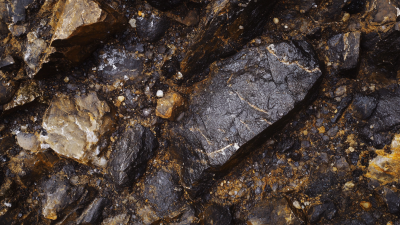
You know, lately, people in the surf world are really startin’ to notice all the perks of using basalt cloth in making surfboards. It’s kinda wild—unlike the usual fiberglass, basalt is actually made from volcanic rock, which makes it pretty eco-friendly. Plus, it’s tough as nails, so your board’s gonna last and perform really well out there. That added strength means better control and power when you're riding the waves, even in some tough conditions. Honestly, boards made with basalt tend to be more reliable and durable, giving surfers—a beginner or a pro—more confidence out in the water.
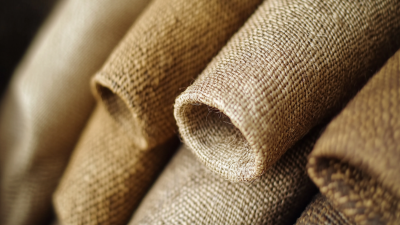
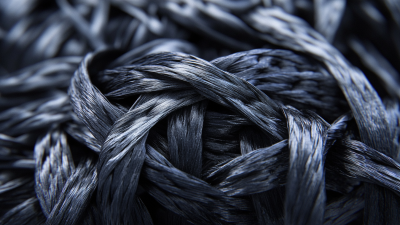
And there’s more to it! Basalt cloth isn’t just about strength; it also does a great job insulating against heat and noise. That means less vibration and a smoother ride, especially when you’re carving through those tricky waves. Oh, and did I mention? It’s pretty lightweight, so the boards stay super nimble and easy to handle—that’s a big plus whether you’re just starting out or you’ve been riding for years. As more folks become aware of these cool benefits, a lot of manufacturers in China are starting to include basalt cloth in their designs. It’s honestly changing the game, raising the bar when it comes to quality and sustainability in surfboarding.
In today's fast-changing world of surfboard manufacturing, figuring out what makes a supplier reliable is more important than ever — especially since China is really stepping up as a major player in making basalt cloth surfboards. If you've checked out industry reports, you’d see that the global surfboard market hit around $3.96 billion back in 2021, and it’s expected to keep growing at about 5.2% annually from 2022 to 2030. That kind of growth really puts a spotlight on the importance of sourcing top-notch materials and building solid relationships with suppliers you can trust.
When you're looking at potential surfboard suppliers, there are a few key qualities you definitely want to keep an eye on. First off, it’s important that they actually know their stuff when it comes to advanced materials like basalt cloth. This stuff isn’t just lighter—it's also way more durable than your average fiberglass. A study from 2022 pointed out that using basalt can actually boost performance while being better for the environment because of its improved mechanical properties. Plus, suppliers need to have strict quality control processes in place and be flexible enough to adapt to market changes. Being able to respond quickly and offering reliable delivery and good customer service can really make or break your success in this competitive scene.
| Supplier Location | Manufacturing Capacity (units/month) | Material Quality Rating (1-10) | Delivery Lead Time (days) | Customer Service Rating (1-10) | Sustainability Practices |
|---|---|---|---|---|---|
| China | 1500 | 9 | 30 | 8 | Yes |
| Vietnam | 800 | 8 | 25 | 9 | No |
| Indonesia | 600 | 7 | 40 | 7 | Yes |
| Sri Lanka | 900 | 8 | 35 | 6 | No |
| Philippines | 700 | 8 | 20 | 8 | Yes |
So, in the world of surfboard making, China’s really making a splash with their advances in basalt cloth production. As more folks want eco-friendly and durable boards, manufacturers are turning more and more to basalt cloth because it’s super strong yet lightweight — a real game changer. But it’s not just about the material; there’s also the whole supply chain to think about — sourcing, production, shipping, you name it. Luckily, China’s strategic location and solid infrastructure give these companies an edge, helping them keep things running smoothly and efficiently.
On top of that, the entire global supply chain for basalt cloth is evolving. Producers are super aware that sustainability and cost are key, so we’re seeing more local sourcing and partnerships that focus on environmentally friendly practices. Thanks to new tech and automation, manufacturers can streamline their processes and cut down on their carbon footprint. As all these changes unfold, the partnership between Chinese makers and international surfboard brands is really driving innovation — creating cooler, eco-conscious boards that actually meet the needs of today’s conscious consumers.
As the surfboard industry keeps evolving, one thing that's really come into focus is sustainability. You know, how they're making these boards, what materials they use, and the whole process behind it. Interestingly, some of China's top basalt cloth surfboard makers are actually leading the charge here, trying out more eco-friendly methods that shake up the old-school ways of making surfboards. Instead of relying solely on traditional fiberglass, they’re turning to basalt cloth—yep, that’s volcanic rock spun into fabric. It’s lightweight but tough, and best of all, it cuts down on the environmental damage usually caused by surfboard production. By focusing on renewable resources and cutting down emissions during manufacturing, these guys are really paving the way for a greener surf scene.
Looking into how suppliers handle sustainability, it’s clear many are taking some pretty smart steps. A lot of them are using closed-loop systems, where waste gets reclaimed and reused instead of ending up in the trash. Plus, more and more of these companies are being open about where they get their raw materials from, making sure they're sourced responsibly. They’re also teaming up with environmental groups to spread awareness and share best practices—that’s pretty cool, right? All in all, by putting sustainability front and center, these brands aren’t just trying to stay competitive—they’re also helping to protect the oceans and beaches we all love to surf and soak up the sun on. It’s pretty inspiring, honestly.
When you're reaching out to potential suppliers for basalt cloth surfboards, good communication really makes all the difference. It’s super helpful to set clear expectations early on—things like goals and how you want to work together—so everyone’s on the same page. Starting off with a quick intro about your business, your vision, and what you specifically need can kick things off in the right direction. Honestly, being upfront about your requirements helps suppliers understand what you’re looking for and allows them to respond more accurately, which just makes the whole process smoother and increases chances of a great partnership.
Also, if you’re dealing with suppliers from different cultures, like in China, it pays to be mindful of local customs and etiquette. Patience and respect go a long way—they can really help build trust. Sometimes, using simple things like sketches or prototypes can be a lifesaver—they make it easier to get your ideas across, especially when words aren’t enough. And don’t forget to follow up regularly and keep the communication lines open. That way, feedback flows both ways, and you can tweak things as needed. In the end, all these little touches help create a more seamless and positive supply chain experience.
: Basalt cloth is made from volcanic rock and offers several advantages over traditional fiberglass, including superior tensile strength, which improves performance, durability, and reliability in harsh conditions.
Basalt cloth provides excellent thermal and acoustic insulation, reducing vibration and noise for a smoother ride, while its lightweight nature allows for better maneuverability.
As awareness of the benefits of basalt cloth grows, more manufacturers in China are incorporating it into their designs to meet rising standards for quality and sustainability in the surf industry.
Reliable surfboard suppliers should have expertise in advanced materials like basalt cloth, maintain stringent quality control, be flexible to market demands, and have a strong track record for timely delivery and customer service.
The global surfboard market was valued at approximately $3.96 billion in 2021 and is expected to grow at a compound annual growth rate (CAGR) of 5.2% from 2022 to 2030.
Many manufacturers are implementing eco-friendly practices, such as using closed-loop systems to reclaim waste materials, being transparent in their sourcing, and collaborating with environmental organizations to promote best practices.
Basalt cloth reduces the environmental impact of surfboard production by offering a lighter and more durable alternative to fiberglass, emphasizing the use of renewable resources, and minimizing emissions during manufacturing.
The long-term benefits include increased durability, enhanced performance, reduced environmental impact, and the potential for a more reliable surfing product that meets modern ecological standards.
By prioritizing sustainability, manufacturers can appeal to environmentally-conscious consumers and demonstrate social responsibility, thus improving their competitive advantage in the surfboard market.
Collaborations help manufacturers promote awareness of sustainability best practices and engage with broader environmental goals, contributing to the preservation of the ecosystems that surfers rely on.