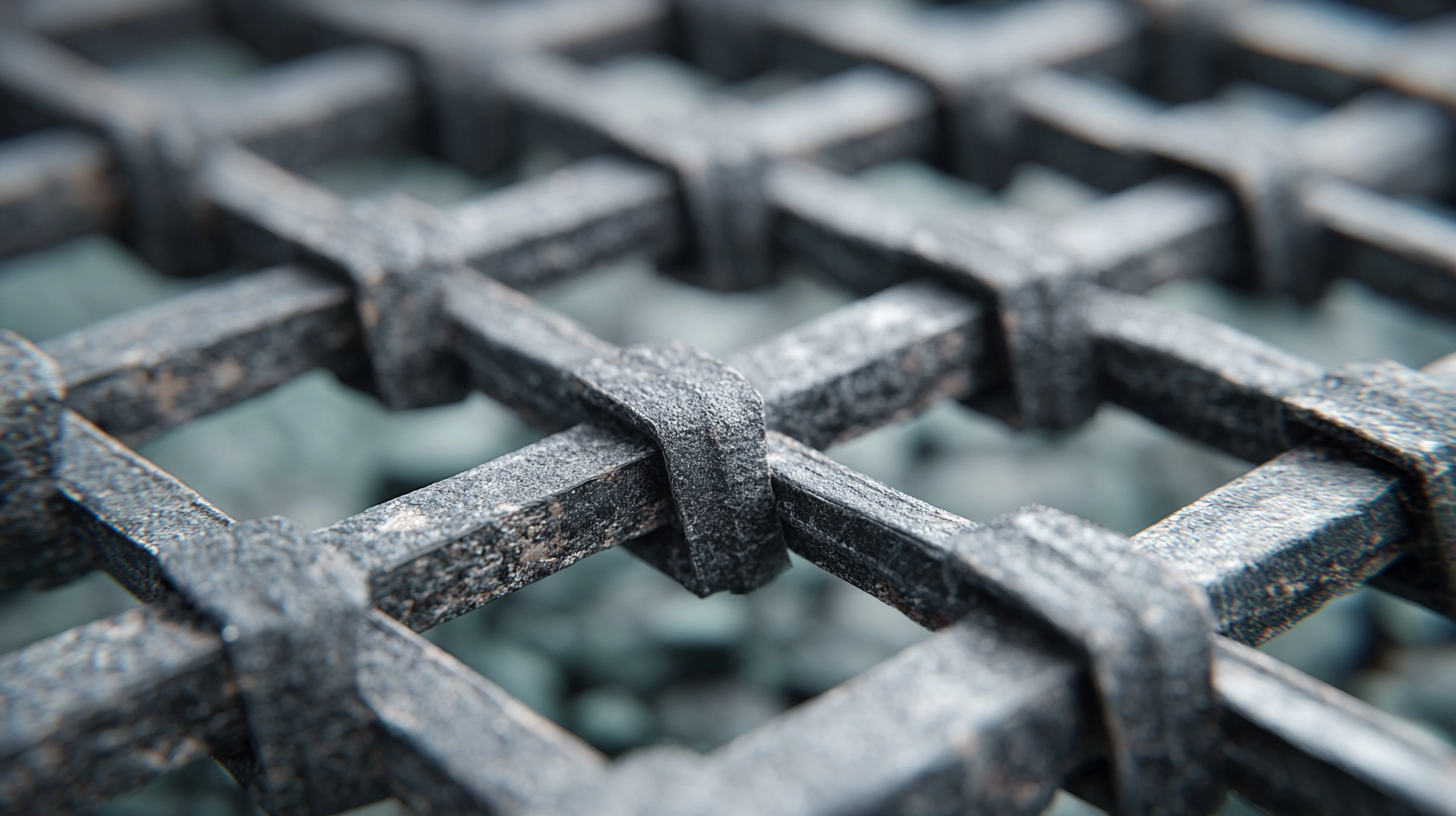
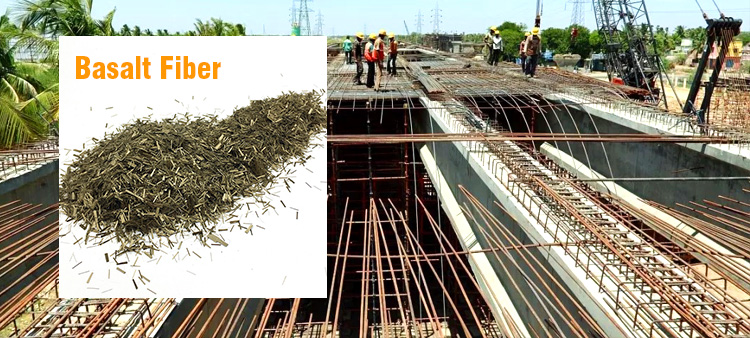
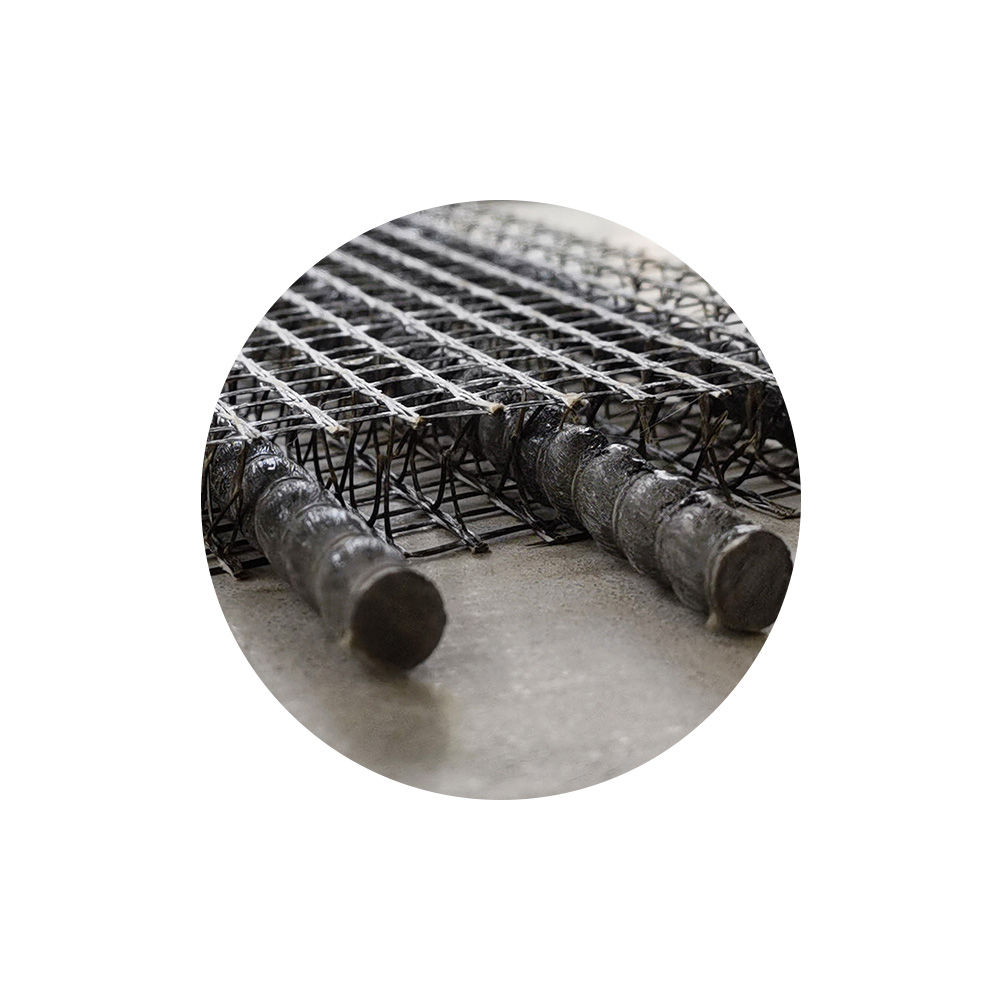
You know, in the constantly changing world of modern building techniques, using innovative materials has become a game-changer for making structures stronger and longer-lasting. One material that's really getting a lot of attention these days is Basalt Mesh. People love it because it’s incredibly strong, Lightweight, and resistant to weather and environmental elements.
Companies like China Beihai Fiberglass Co., Ltd. are leading the charge here—really pushing the boundaries as a high-tech company focused on developing and producing high-performance basalt fibers and their applications. By tapping into the unique qualities of Basalt Mesh, construction pros can make their projects last longer and stand up better against the elements. This could seriously set a new standard in building materials. So, in this take, I want to highlight how Basalt Mesh might just be the future of smarter, more sustainable construction—making our infrastructure safer and more resilient for years to come.
Exploring the Composition and Properties of Basalt Mesh
You know, basalt mesh has really been making waves in modern construction lately. Its unique mix and impressive properties make it a pretty popular choice these days. Basically, it's made mostly from basalt fibers, which are super strong—like, its tensile strength ranges from about 300 to 600 MPa. That’s way better than traditional steel reinforcements in many cases. I read in the International Journal of Composite Materials that these basalt fibers can handle heat pretty well—up to 800°C—so they’re perfect for projects where high temperatures are involved. That kind of heat resistance doesn’t just mean the structures last longer; it also makes everything safer, especially in places where fires could be a concern.
And it’s not just about withstanding heat. Basalt mesh is also highly resistant to corrosion. Unlike steel, which can rust and weaken over time when exposed to moisture or chemicals, basalt mesh stays pretty much unaffected. That makes it a low-maintenance, more eco-friendly option for builders. One study in the Journal of Construction and Building Materials even mentioned that buildings using basalt mesh could last about 30% longer, which adds up to some serious savings in the long run. As the construction industry keeps evolving, I honestly think basalt mesh is becoming a game-changer, pushing us toward more durable and sustainable building solutions.
Identifying Advantages of Basalt Mesh in Structural Reinforcement
Have you heard about basalt mesh? It’s this really cool material made from volcanic rock that's starting to make waves in modern construction. Basically, it’s turning heads because it offers a lot of advantages—like being super strong, lightweight, and resistant to things like rust and UV damage. Compared to the old reliable steel, basalt mesh is proving to be a pretty attractive alternative. Recent studies show that when we mix basalt fibers into concrete, it really pushes up the project's durability, makes cracks less likely, and boosts overall strength—especially important for buildings facing tough outdoor conditions.
But here's the thing—basalt fibers aren’t just good for reinforcing structures. People are also finding all kinds of ways to incorporate them into different composite materials. For example, they’re used for electromagnetic interference (EMI) shielding, which is pretty nifty. Plus, since basalt is a natural resource, using fibers made from it is more eco-friendly, making it a greener choice for construction projects. As industries keep pushing toward innovative, sustainable solutions, basalt mesh looks like it could be a real game-changer. It’s not just about making structures stronger and last longer; it’s also about doing our bit for the environment. So, yeah, bringing basalt mesh into modern building practices could mean better-performing infrastructure that’s also more eco-conscious—pretty neat, don’t you think?
Understanding the Benefits of Using Basalt Mesh in Modern Construction Techniques
| Benefit | Description | Application Areas | Durability |
| Corrosion Resistance | Basalt mesh does not corrode like traditional steel reinforcement. | Bridges, tunnels, and marine structures | Excellent |
| Lightweight | Lighter than steel, leading to reduced transportation and lifting costs. | High-rise buildings and prefabricated elements | Very good |
| Thermal Stability | Maintains integrity under extreme temperatures. | Industrial facilities and hot climates | Excellent |
| Cost-Effectiveness | In the long term, reduces maintenance and replacement costs. | Roads and foundations | Good |
| Environmental Benefits | Made from natural materials, promoting sustainability. | Green building projects | Excellent |
Comparing Basalt Mesh with Traditional Reinforcement Materials
You know, nowadays, basalt mesh is really making a splash as a better option compared to the old-school reinforcement materials like steel and fiberglass in modern building projects. The thing is, it’s got some pretty impressive mechanical properties—think high tensile strength, toughness, and it doesn’t rust or go bad easily. I read a report from the American Concrete Institute that says using basalt fiber can actually boost a structure’s lifespan by up to 50% over traditional stuff. That kind of longevity makes it a smart, cost-effective choice in the long run.
And here’s the cool part—besides performance, basalt mesh is eco-friendly too. Unlike steel, which takes tons of energy to produce and ends up polluting the environment, basalt fibers come straight from volcanic rock, which is natural. So, it’s really fitting with the whole trend toward greener, more sustainable building practices. China Beihai Fiberglass Co., Ltd. is one of the industry leaders in this space, working hard to improve production methods for high-performance basalt fibers. They’re making sure our buildings stay strong while also being kinder to the planet. Pretty exciting, right?
Implementing Basalt Mesh in Sustainable Construction Practices
You know, more and more people are starting to use basalt mesh in eco-friendly construction. Honestly, it’s pretty impressive—made from volcanic rock, it’s not just tough but also doesn’t rust, which makes it perfect for reinforcing different kinds of buildings. Plus, it lasts a long time, so you don’t end up fixing things all the time. That’s good for the environment too, since it means less resource extraction and waste grooving the landfill.
On top of that, choosing basalt mesh really lines up with green building principles. Compared to steel, which can kick out a lot of CO2 during production, basalt’s natural origin makes it a much more sustainable option. And it’s super lightweight, so transporting it doesn’t guzzle as much energy, and it’s easier to handle on-site. When you incorporate it into your designs, it actually helps buildings stand up better against bad weather, and overall, it supports energy savings and sustainability throughout the whole lifespan of the structure. As the construction game keeps evolving, basalt mesh definitely feels like a smart, future-proof choice for builders who care about the planet.
Guidelines for Installation and Maintenance of Basalt Mesh
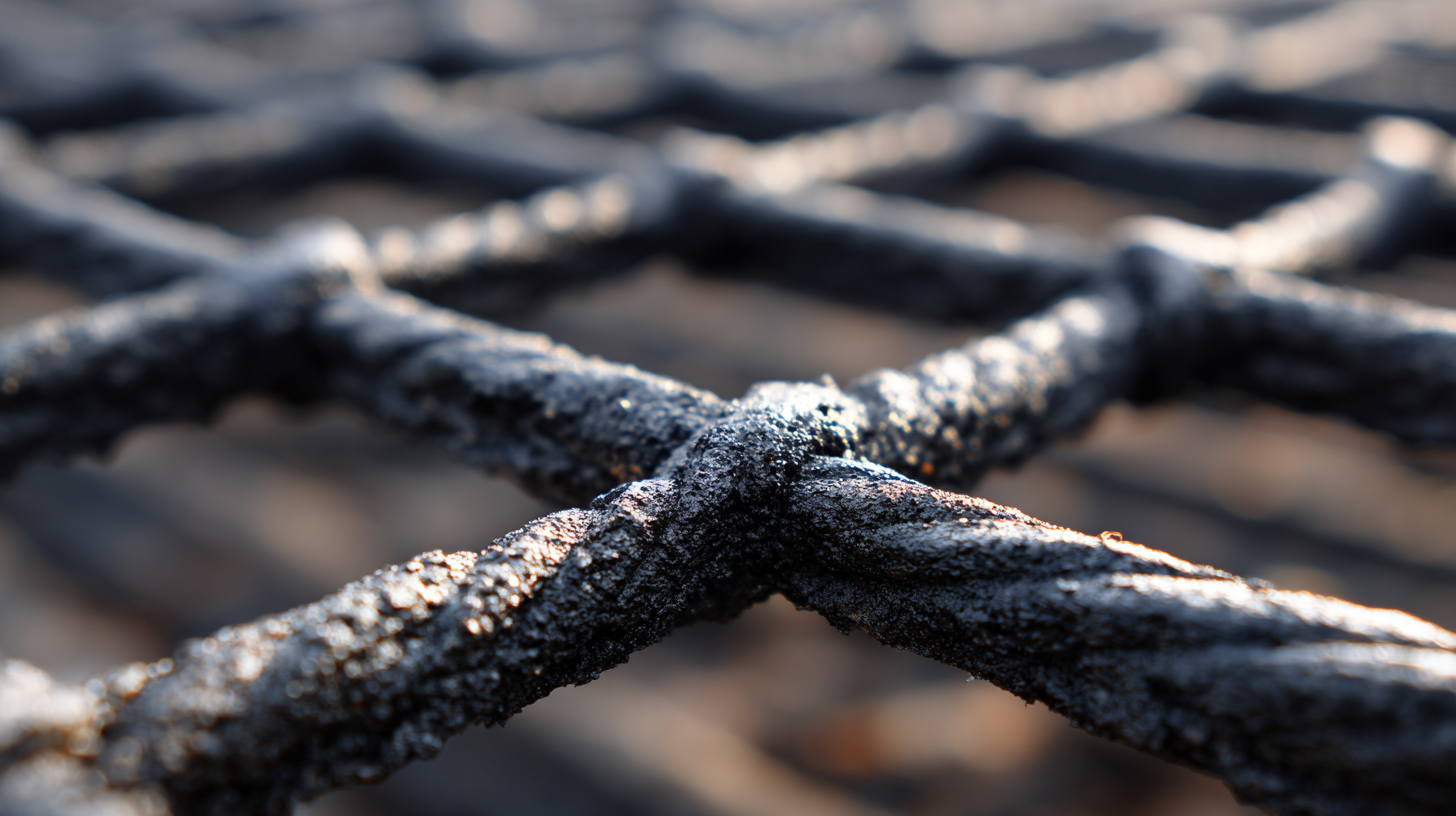 When you're installing basalt mesh, it’s really important to follow a clear, step-by-step process to get it just right—so it lasts and works well. First off, make sure the surface you're working on is super clean—wipe away any dust, dirt, or gunk. This is a really key step because it helps the mesh stick better, and that means a stronger overall structure. When you cut the basalt mesh, take your time to do it carefully and make sure the pieces fit nicely together—no gaps, because those can cause problems down the line.
Once the mesh is in place, securing it properly is a must. Use the right kind of adhesive or fasteners—something that plays nice with both the mesh and the surrounding materials. This helps keep everything stable over time. After everything's installed, don't forget about regular check-ups. It’s a good idea to periodically inspect the area for any signs of wear, damage, or moisture getting in. If you do spot any issues, fixing them early with the same kind of basalt material will help keep things in good shape and make your build last even longer.
Case Studies: Successful Applications of Basalt Mesh in Modern Projects
Lately, you've probably noticed that using basalt mesh in modern construction is really catching on—and for good reason. People are seeing how it can actually boost the strength and durability of buildings in a pretty impressive way. There are quite a few case studies showing major projects where basalt mesh was used successfully, and it’s starting to look like a real alternative to the old-school steel reinforcements. For example, in earthquake-prone areas, structures built with basalt mesh tend to hold up better under stress, which means less maintenance down the line and a longer lifespan overall.
One standout example is a big infrastructure project in a seismic zone that decided to go with basalt mesh inside its concrete. Not only did this choice make the building lighter and more flexible—kind of like giving it a bit of extra agility—but it also opened doors for some really cool architectural designs that would’ve been tough with traditional materials. Plus, reports are showing that using basalt mesh can even cut construction time by around 20%. It’s pretty wild when you think about it. And oh, by the way, the global market for composite materials—stuff like basalt fiber—is预计到2027年会达到1600亿美元,主要受到新材料创新的推动。 Projects that jump on these new techs are definitely gonna see benefits like lower lifetime costs and better overall performance.
Harnessing the Strength: The Advantages of Basalt Fiber Chopped Strands in BMC Applications
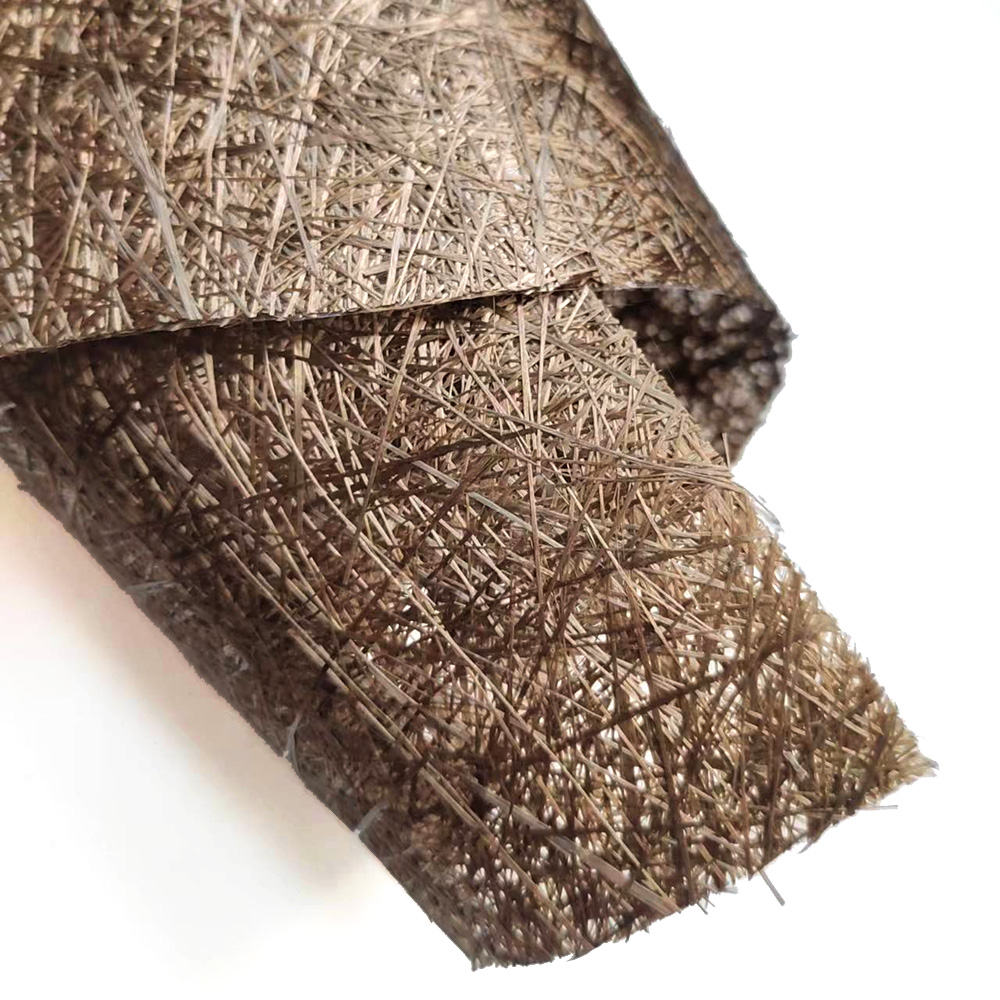
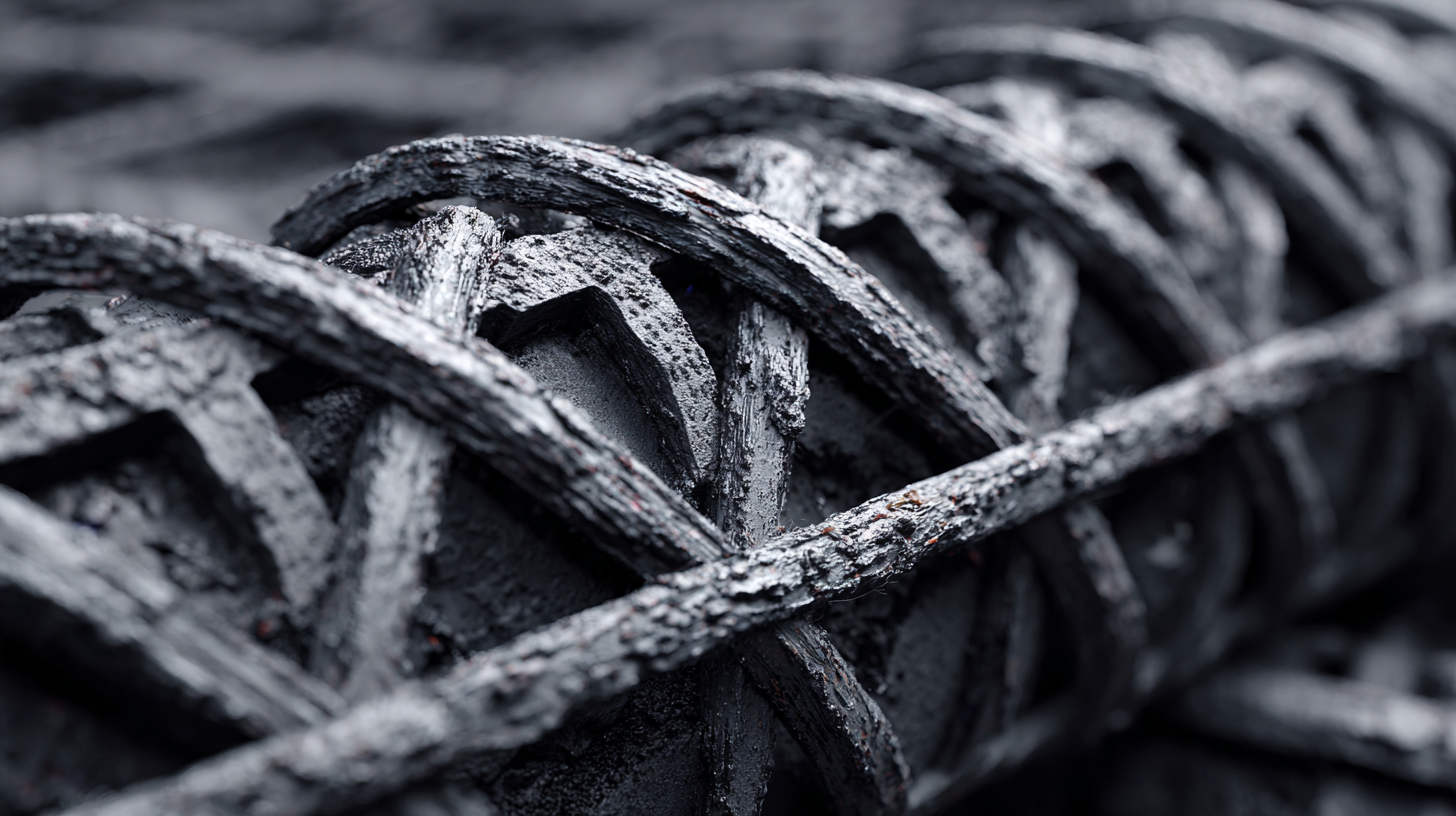
The growing demand for innovative materials in the manufacturing of thermosetting composites has led to increased interest in basalt fiber chopped strands. These strands stand out due to their impressive mechanical properties and versatility, making them an ideal choice for BMC (Bulk Molding Compound) applications. According to industry reports, the global market for basalt fiber is projected to reach USD 300 million by 2025, highlighting its potential impact across various sectors, including automotive, construction, and aerospace.
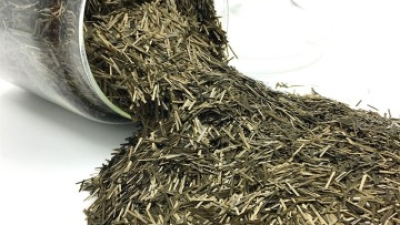
Basalt Fiber Chopped Strands are specifically designed for BMC premix thermosetting composites, showcasing a unique composition that enhances their performance. Coated with a Silane-based sizing, these strands are compatible with unsaturated polyester and vinyl ester resin systems. This compatibility facilitates superior bonding, contributing to high tensile strength and modulus, as well as exceptional resistance to impact and fatigue. These properties are critical in applications where durability and reliability are paramount.
Moreover, the lightweight nature of basalt fiber, combined with its outstanding thermal and corrosion resistance, offers significant advantages over traditional materials. In fact, a comparative study indicated that basalt fiber composites outperform fiberglass composites by up to 30% in terms of tensile strength and stiffness, reinforcing the material's suitability for high-performance applications. As industries continue to explore cost-effective and environmentally friendly alternatives, basalt fiber chopped strands are proving to be an invaluable asset in transforming the landscape of composite manufacturing.
FAQS
: Basalt mesh is a product made from volcanic rock known for its high strength, light weight, and resistance to corrosion and UV degradation, making it an attractive alternative to traditional materials like steel.
Basalt fiber reinforcement significantly improves the flexural strength, crack resistance, and durability of concrete structures, which is crucial for buildings exposed to harsh environmental conditions.
Basalt mesh is considered environmentally friendly as it is made from natural volcanic rock, requires less energy for production compared to steel, and helps reduce greenhouse gas emissions.
Basalt mesh offers superior mechanical properties such as high tensile strength and durability, and can enhance the lifespan of structures by up to 50% compared to conventional materials.
Yes, basalt mesh is also utilized in various composite materials, including those for electromagnetic interference (EMI) shielding, to meet specialized needs.
Incorporating basalt mesh into construction practices can lead to improved performance and longevity of infrastructure, while also promoting ecological responsibility and sustainable development goals.
China Beihai Fiberglass Co., Ltd. is recognized as a leader in optimizing production techniques for high-performance basalt continuous fibers, contributing to the construction sector's access to innovative materials.
In the long term, basalt mesh provides a cost-effective solution as it enhances the lifespan of structures, potentially reducing maintenance and replacement costs compared to traditional materials.
Conclusion
You know, Basalt Mesh is really making waves in the world of modern construction these days. It’s a pretty cool material because of its impressive strength and durability, plus it holds up well against environmental stuff like rust or weather damage. Honestly, when you compare it to the old-school reinforcement options, Basalt Mesh often just performs better—plus, it’s more eco-friendly, which is a big win these days.
If you're thinking about installing it, don’t worry—there are straightforward guidelines for setup and upkeep to help builders get the most out of it across different projects. And, to really give you a sense of its potential, there are plenty of case studies showing how Basalt Mesh has been successfully used, often transforming the way construction is done.
By the way, China Beihai Fiberglass Co., Ltd. is seriously leading the charge here, pushing the envelope with high-performance basalt fiber solutions. They’re really at the forefront of this tech, constantly innovating and making progress. It’s pretty exciting stuff when you think about how it could change construction practices moving forward.