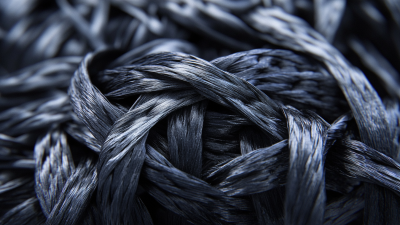
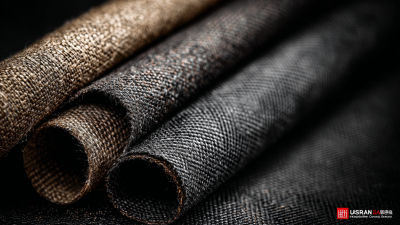
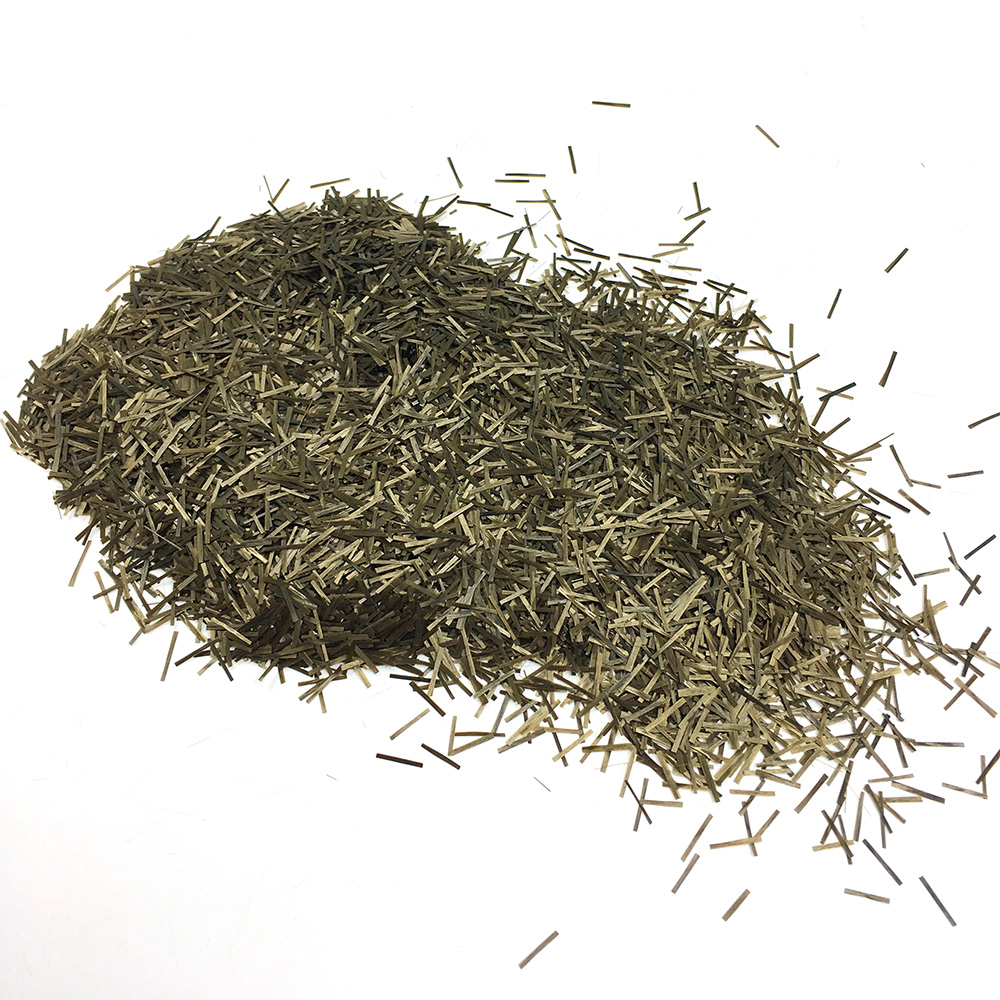
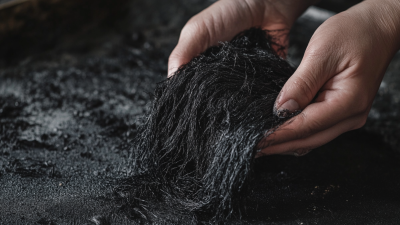
Lately, there's been a real buzz around new materials in construction and manufacturing. It’s like everyone's looking for better, more innovative options, and that’s led to some pretty exciting progress with Composite Materials. One standout isBasalt Fiber Chopped Strands — they’re gaining a lot of attention as a strong alternative to older fibers. These strands aren’t just tough; they also resist chemicals and handle heat really well, which is pretty impressive.
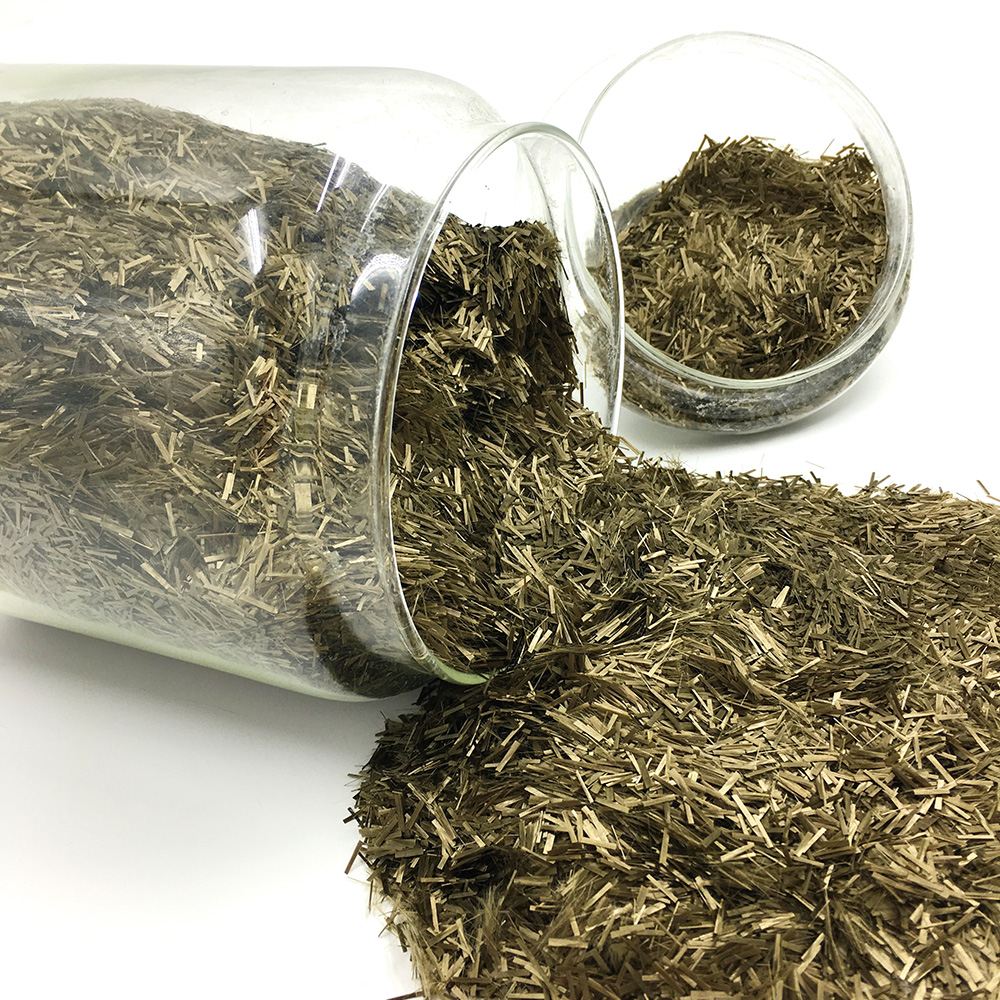
Industry insiders are saying the global market for basalt fibers could hit around $1.02 billion by 2025, largely because of how versatile they are across different projects. Companies like China Beihai Fiberglass Co., Ltd.—a tech-focused firm specializing in high-performance basalt fibers—are really leading the charge. They’re all about meeting the changing demands of their customers with top-notch basalt fiber chopped strands, making them a pretty important piece of the puzzle for innovative and sustainable projects.
It’s an exciting time to see how these materials are shaping the future!
Understanding Basalt Fiber: Properties and Benefits
So, basalt fiber has really been making waves in the world of composite materials lately. Why’s that? Well, it’s got some pretty cool properties that set it apart from the traditional fibers we're used to. Basically, it’s made from volcanic rock, which means it’s super heat-resistant and stands up well against chemical corrosion. According to a report I came across from Research and Markets, the global market for basalt fiber is projected to grow like crazy — we’re talking over $300 million by 2027. And honestly, that makes sense since it’s being adopted across all sorts of industries, from construction and automotive to aerospace — places where being lightweight but extremely strong really matters.
One thing that really stands out is its tensile strength. It’s pretty much on par with glass fiber, but the best part? It’s way lighter. Plus, it can handle temperatures up to 1000°C, so it’s perfect for high-heat environments. And here’s a bonus — it’s eco-friendly. Made from natural materials, it has a smaller carbon footprint than synthetic fibers. The Basalt Institute even says that using basalt fiber can save up to 25% in energy over its lifespan in certain applications. As sustainability keeps becoming a bigger deal in project planning, it’s no wonder the demand for basalt fiber keeps climbing.
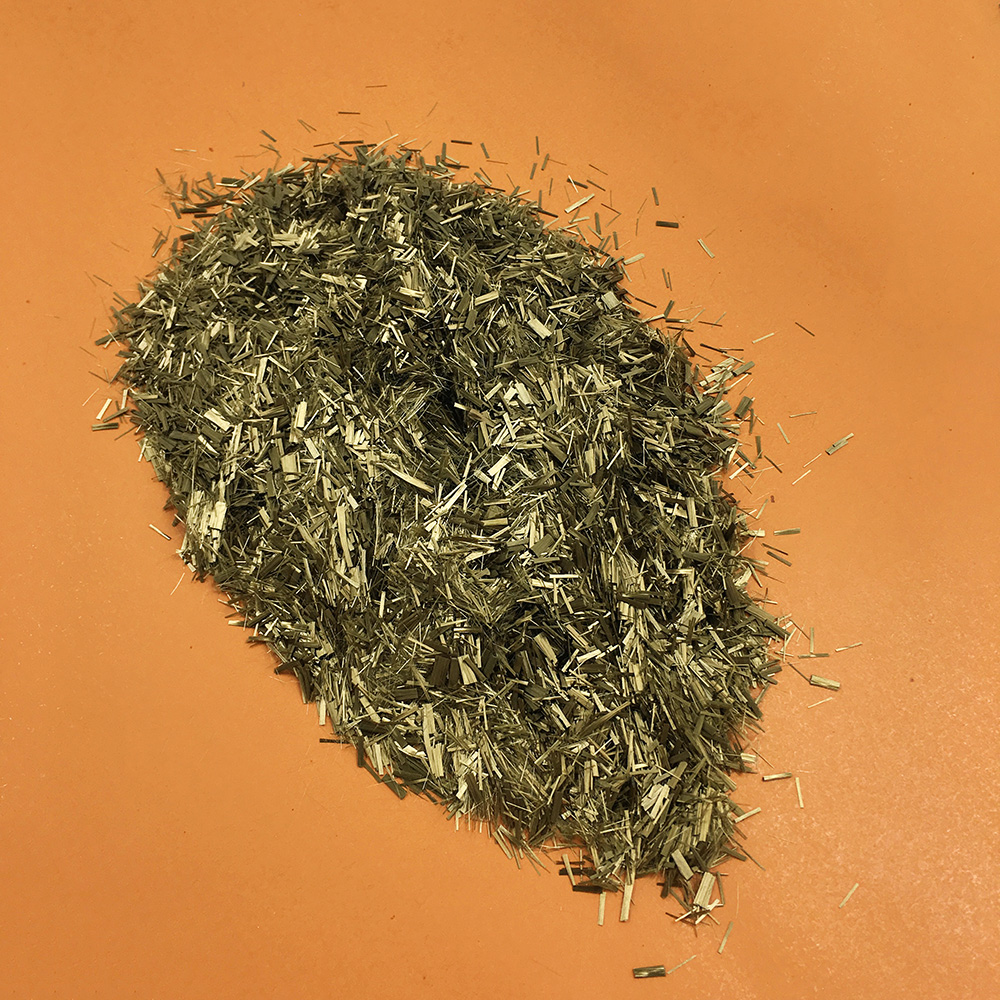
Types of Basalt Fiber Chopped Strands Available
When you're choosing basalt fiber chopped strands for your project, it’s pretty important to understand the different types out there – because it really can make a big difference in how things turn out. Basalt fiber is actually pretty amazing stuff, known for its solid mechanical strength, high temperature tolerance, and chemical stability. That’s why you’ll see it used in all sorts of industries — from construction and automotive to aerospace. If you’ve seen market reports, like the one from ResearchAndMarkets, they mention the global basalt fiber market hitting around $218 million by 2025. That just shows how much more people are looking into this material lately.
Now, there are a few types of basalt fiber chopped strands, each designed for specific jobs. For example, shorter strands are typically used in thermoplastics and injection molding, while longer ones are better suited for processes like pultrusion or filament winding. According to Technavio, the demand for basalt fiber-reinforced composites has been climbing by over 10% a year — mainly because they’re lightweight but super strong. Plus, the thickness of the strands really matters. Finer strands tend to distribute better and stick more firmly to the resin, which can really boost the overall quality of your final product. So, understanding these little details is key — it helps you pick out the right type of basalt fiber chopped strands that match up perfectly with what you’re trying to achieve in your project.
Choosing the Best Basalt Fiber Chopped Strands for Your Project Needs
| Type of Basalt Fiber Chopped Strand | Length (mm) | Diameter (μm) | Tensile Strength (MPa) | Applications |
| Short Basalt Fiber | 10 | 13 | 450 | Reinforced Plastics, Composites |
| Medium Basalt Fiber | 25 | 20 | 600 | Construction Materials, Automotive |
| Long Basalt Fiber | 50 | 30 | 800 | Textiles, Aerospace Engineering |
| Ultrafine Basalt Fiber | 10 | 7 | 500 | Wind Energy, Specialty Composites |
Factors to Consider When Selecting Basalt Fiber Strands
When you're choosing basalt fiber chopped strands for your project, there are a few important things to keep in mind. First off, think about what you're actually using them for. Different jobs call for different fiber lengths and thicknesses—this really impacts how well the material performs. For example, if you're making a composite material, shorter strands can help with better dispersion, making the mix more uniform. On the other hand, bigger projects like construction might need longer strands to give you that extra strength and stability.
Another thing to watch out for is the quality of the basalt fibers themselves. It’s a good idea to buy from manufacturers who provide detailed specs—stuff like tensile strength, how they handle heat, and their resistance to environmental damage. These factors are super important, especially if your project is gonna face tough conditions. Also, double-check that the basalt fibers will play nicely with your other materials. You want everything to work together smoothly to boost your project's durability and overall performance."
Applications of Basalt Fiber in Various Industries
You know, basalt fiber is pretty interesting stuff. It comes from volcanic rock and has been making waves in a bunch of industries lately. People really like it because it’s super resistant to heat, lightweight, and incredibly strong. One of the main areas where you see it popping up is in construction. Builders are using it more and more in reinforced concrete, which helps make structures tougher and more resistant to the elements — really important for making sure things last. Plus, its resistance to chemicals makes it perfect for marine projects and other really tough environments.
In the car world, basalt fiber is being mixed into composite materials to make lighter but still really sturdy parts. That’s a big deal for improving fuel efficiency without sacrificing safety. The aerospace folks are also into it, using basalt fibers to make airplane parts — thanks to their great strength-to-weight ratio and ability to handle super extreme conditions. And it doesn’t stop there. The textile industry has started using basalt fibers in fire-resistant clothing and gear because they’re naturally fireproof. All in all, basalt fiber is pretty versatile and has the potential to shake up a lot of different fields.
Applications of Basalt Fiber Across Various Industries
Comparing Basalt Fiber with Other Fiber Options
When you compare basalt fiber to other options for making composite materials, you'll notice it's got some pretty impressive features—like high tensile strength, good thermal stability, and resistance to chemical damage. Recently, a study showed that materials reinforced with basalt fiber actually outperform traditional steel fibers when it comes to reducing weight and improving sustainability, especially in projects like waste rock concrete. What’s really cool is that using basalt fibers not only boosts the mechanical properties of the concrete but also helps the environment by turning waste into useful building materials.
Another interesting thing going on is mixing basalt fiber with other natural fibers, such as flax. Research suggests that combining these with bio-based composites like PA11 can boost their overall performance. This kind of hybrid approach is pretty exciting for industries aiming to be more eco-friendly while still meeting high standards for strength and durability.
A quick tip—when you’re choosing basalt fiber for a project, it’s a good idea to do a bit of a side-by-side comparison of the specific mechanical qualities you need. Also, keep an eye on the latest developments in hybrid composites, because new materials might offer even better performance and sustainability options. Checking out industry reports and recent studies can give you some useful insights into what's trending and what the best practices are for selecting the right fiber.
Best Practices for Storing and Handling Basalt Fiber Strands
When you're working with chopped basalt fiber strands, it's really important to handle and store them the right way to keep them in top shape. First off, make sure to store the strands in a cool, dry place. Since basalt fibers tend to absorb moisture—they're pretty hydrophilic—you don't want them sitting around in humid environments because that could mess with their strength and performance. Using airtight containers or vacuum-sealed packs is a smart move to keep humidity at bay and stop any potential damage.
And, a quick tip: handle the fibers gently and try to wear gloves. This way, you prevent oils or dirt from your skin from contaminating the fibers, which could cause issues when you mix them with resins in your composite parts. Also, try to keep the strands out of direct sunlight. UV rays aren’t kidding—they can weaken those fibers over time. If you stick to these simple storage and handling tips, you’ll get the most out of your basalt fibers and ensure your project turns out strong and durable. Trust me, a little care goes a long way!
FAQS
: Consider the specific application, required lengths and thicknesses, quality of the basalt fiber, and compatibility with existing materials to ensure optimal performance.
Quality is crucial as it affects tensile strength, thermal properties, and resistance to environmental factors, especially in extreme conditions.
Basalt fiber offers high tensile strength, thermal stability, and chemical resistance, often outperforming traditional materials like steel fiber in weight reduction and sustainability.
Combining basalt fiber with natural fibers, such as flax, can enhance material properties and support sustainable practices while achieving high-performance specifications.
Store basalt fiber in a dry and cool environment, using airtight or vacuum-sealed packaging to protect against moisture.
Use gloves when handling the fibers to avoid oils or residues from skin contact, and limit exposure to direct sunlight to prevent UV degradation.
Basalt fibers are hydrophilic and can absorb moisture, which may compromise their mechanical properties, making moisture control essential.
A comparative analysis helps ensure that you select the right basalt fiber based on the specific mechanical properties required for your application, potentially enhancing project outcomes.
Basalt fiber can improve the mechanical properties of concrete made from waste materials, increasing sustainability by converting waste into useful building materials.
Staying informed about emerging trends and best practices in fiber selection helps in making better decisions about material choices and improvements in performance and sustainability.
Conclusion
When you're on the lookout for the right materials for your projects, it really pays off to get to know Basalt Fiber Chopped Strands a bit better. This high-performance fiber is pretty well-known for being strong, long-lasting, and resistant to the elements — basically, it’s a top pick across different industries. But here’s the thing: when you're choosing your basalt fiber strands, don’t forget to think about things like the type of strand, what exactly you need it for, and how well it plays with other materials. Making these considerations helps you pick something that truly boosts your project's performance.
Plus, since there are quite a few types of Basalt Fiber Chopped Strands out there, the market actually has options for pretty much every application — whether it’s construction, automotive, or something else. And if you're wondering who’s leading the charge? China Beihai Fiberglass Co., Ltd. is a big name in the basalt fiber game. They’re all about top-quality products and sharing expert tips, so you can confidently leverage basalt fiber to its fullest. Just a quick heads-up: taking care of your strands with the right storage and handling routines will really help you get the most out of them, setting your project up for success from start to finish.