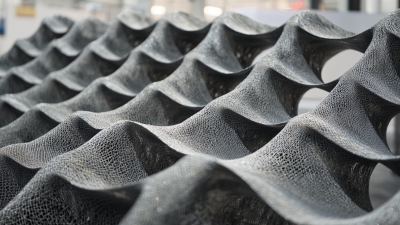
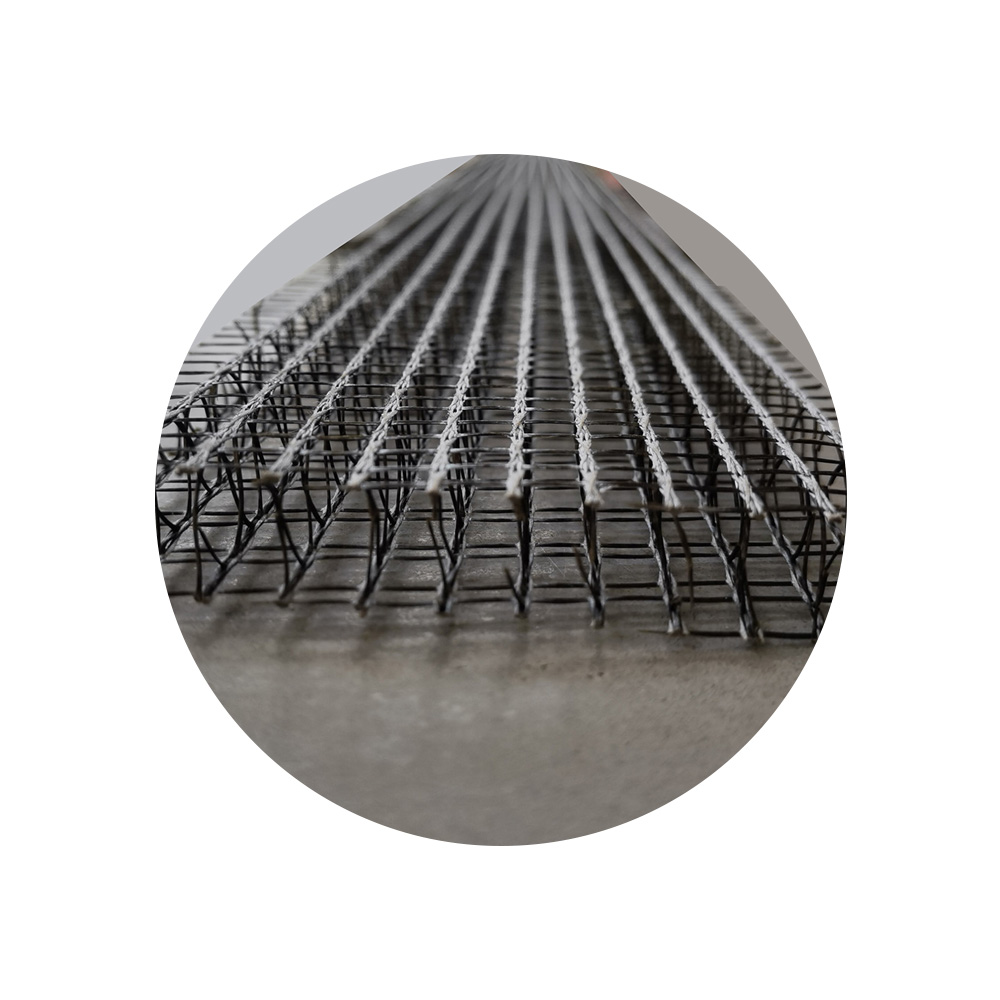
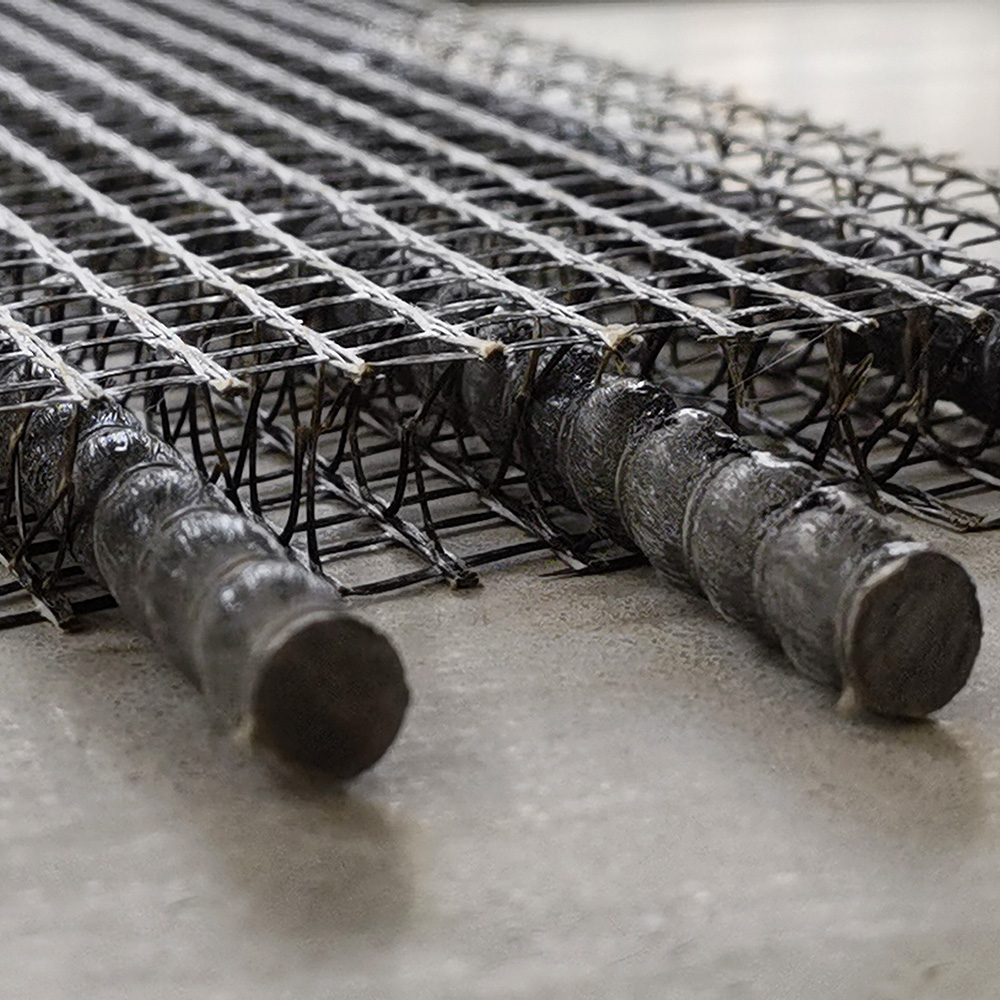
You know, in the ever-changing world of architecture, incorporating new and innovative materials is pretty much essential if we want to create spaces that are both functional and good-looking. Lately, I've noticed more projects using advanced materials like Basalt continuous fiber— and honestly, they’re making a splash because of how strong, Lightweight, and durable they are. I came across a report from theGlobal Basalt Fiber Market, and it’s pretty exciting — they’re expecting growth of over 25% annually from 2023 through 2030! That really shows there’s a rising craving for high-performance building materials.
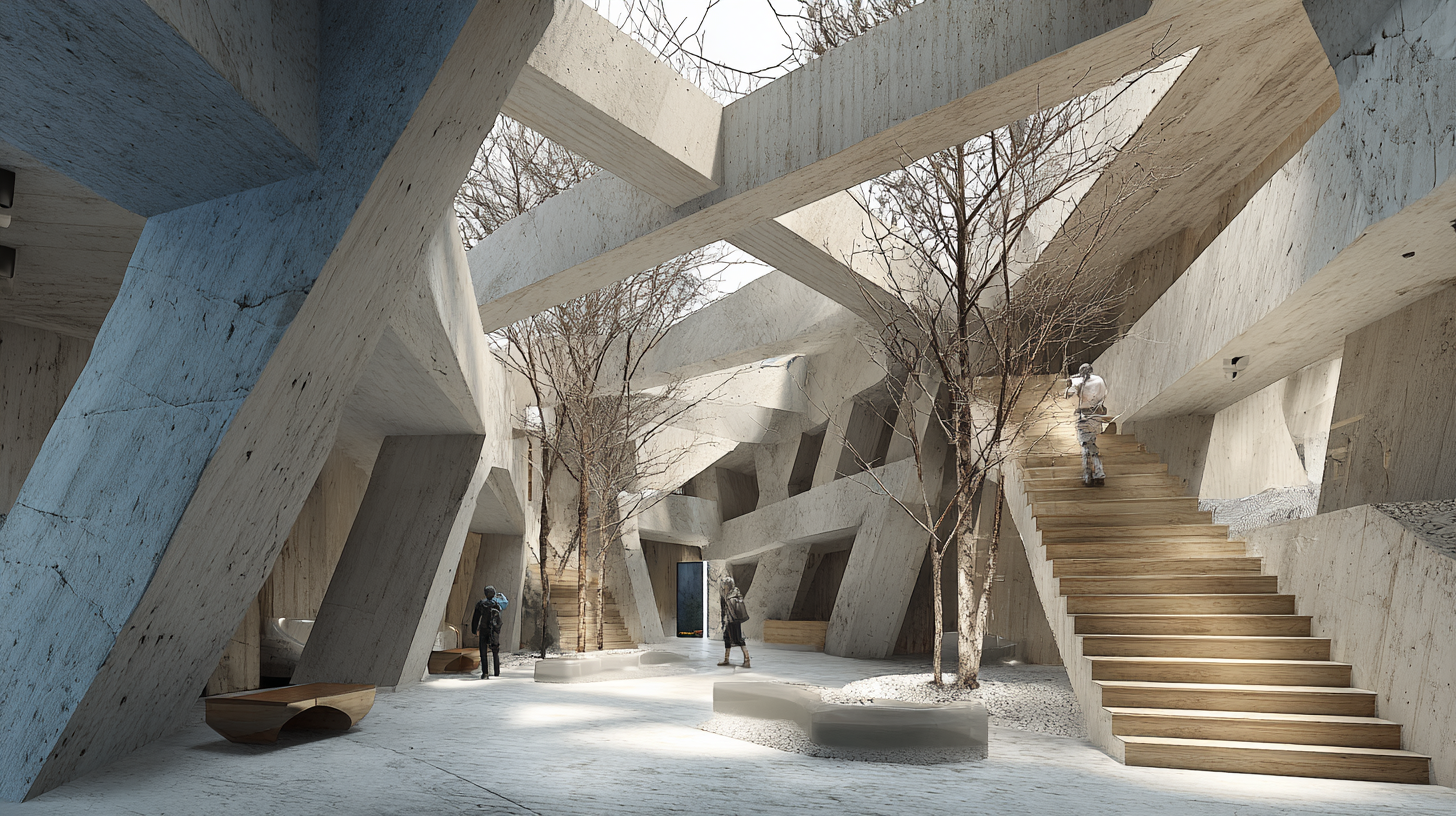
One company leading the charge is China Beihai Fiberglass Co., Ltd. — they’re pretty much pushing the boundaries on research and development to craft solutions that modern architecture needs. By taking advantage of basalt fiber’s special qualities, architects can get a little more creative with sustainable, durable structures that stand the test of time, all while looking good and fitting into today’s busy urban landscapes.
Innovative Materials: Enhancing Aesthetics and Functionality in Modern Architecture
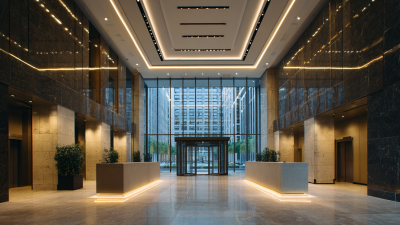
When you look at modern architecture these days, it’s pretty clear that new materials are really changing the game—bringing together style and function in exciting ways. Architects are hopping on board with stuff like bio-based building materials, high-tech composites, and smart glass. Not only do these materials make buildings look cooler and more eye-catching, but they also help out with sustainability and saving energy. It’s like pushing the limits of design—creating bold, eye-popping spaces that also respect the environment.
And there’s more to it—these innovative materials actually open up all sorts of new possibilities when it comes to how buildings work. For example, using materials that respond to the environment—like ones that change temperature or shading—can make things more comfy inside while using less energy. Plus, some surfaces can clean themselves or react to light, making life easier when it comes to maintenance. As architects keep pushing the envelope, these kinds of advancements make sure our modern spaces aren’t just beautiful—they’re also smart and tailored to the people who live or work in them.
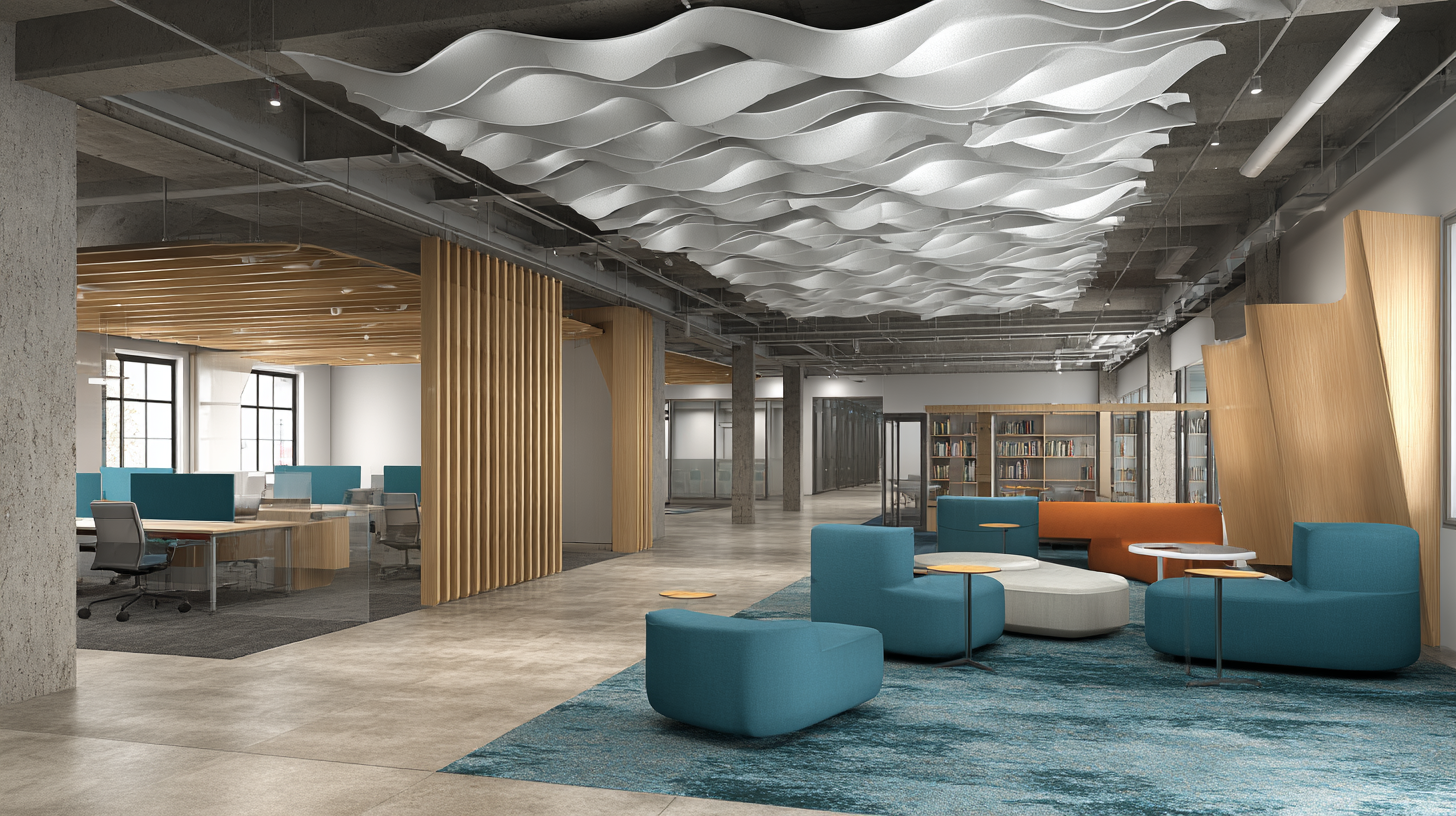
Biophilic Design: Integrating Nature into Urban Environments
Have you noticed how biophilic design is really changing the game in modern architecture? Basically, it’s all about bringing natural elements like sunlight, plants, and even water features into our urban spaces. According to a report from the World Economic Forum, by 2050, about 68% of people worldwide are expected to live in cities. That’s a huge jump, and honestly, it highlights how important it is to come up with creative design solutions that actually boost the well-being of city folks. Incorporating things like more natural light, greenery, and water doesn’t just make a place look nicer — it actually helps people feel better mentally too. For example, a study from the University of Queensland found that being around natural elements can cut stress levels by up to 60%. That really shows how much good thoughtful design can do for our mental health.
And it’s not just about looking good — biophilic design also helps with being kinder to the environment. Take the Living Building Challenge, for instance — it’s a pretty high bar when it comes to sustainability. It encourages buildings to operate in ways that are as clean and efficient as nature itself. Buildings that follow these principles have been reported to save up to 30% in energy, according to the American Institute of Architects. So, this isn’t just some fancy trend — it actually makes our spaces more functional, more sustainable, and helps us take care of our planet. As cities keep growing and changing, using biophilic design is going to be super important in making urban areas healthier, happier places to live and work.
Smart Technology: Revolutionizing Space Management in Architecture
You know, these days, smart tech in building design is really turning things upside down—especially when it comes to schools and learning spaces. The Ministry of Education, along with nine other departments, has been pretty vocal about pushing for a digital upgrade in education. It’s not just about throwing in gadgets; it’s about creating spaces that genuinely boost the learning experience through clever, innovative design. Tools like AI are becoming almost essential, helping schools set up adaptable, efficient spaces that keep pace with what students and teachers actually need.
As AI keeps getting smarter, the push for high-tech, digital classrooms is getting stronger. Honestly, integrating AI into education isn’t just a passing fad anymore—it’s becoming a must if we really want to modernize and improve our schools. When institutions use these intelligent systems, they can better manage space, simplify admin tasks, and even tailor learning plans to each student. All of this adds up to a more engaging and effective environment where everyone can thrive.
We’re really entering a new chapter in education—one where architecture and technology come together to shape how we learn in the future.
Sustainable Practices: Eco-Friendly Solutions for Contemporary Building Projects
Lately, there's been a real shift in how we think about building—more folks are paying attention to environmental issues, and it’s showing up in the demand for sustainable materials and smarter design ideas. Architects and builders are gradually weaving eco-friendly practices into their projects — not just to cut down on harm to the planet, but also to make spaces that feel healthier and use resources wisely. You can see this trend everywhere, especially in innovative designs that focus on energy savings and using low-carbon materials.
If you're looking to jump into sustainable building, a good tip is to explore local materials—this helps cut down on transportation emissions—and consider investing in tech that makes energy use more efficient. Simple things like green roofs or passive solar setups can really boost a building's environmental performance and save money over its lifespan.
And for anyone starting a new construction project, it’s worth thinking about what might hold you back from going green—things like higher upfront costs or limited access to certain sustainable materials. But don’t worry, with some smart construction management strategies, a lot of these hurdles can be overcome. Overall, it’s all about finding ways to create buildings that are not just eco-friendly but also durable and future-proof.
Innovative Design Solutions: Exploring Cutting-Edge Architectural Applications for Modern Spaces
| Dimension | Innovative Approach | Sustainable Practice | Application Example |
| Material Selection | Use of recycled materials | Recycling building components | Reclaimed wood in construction |
| Energy Efficiency | Smart home technology integration | Use of solar panels | Net-zero energy buildings |
| Water Management | Greywater recycling systems | Harvesting rainwater | Green roofs for stormwater management |
| Indoor Air Quality | Natural ventilation designs | Use of low-VOC materials | Biophilic design elements |
| Ecosystem Integration | Landscape blending techniques | Planting native species | Green spaces in urban settings |
Adaptive Reuse: Breathing New Life into Historical Structures through Innovation
Adaptive reuse is truly a game-changer. It’s all about breathing new life into old buildings—think of it as giving them a second chance—while still bringing in modern architectural flair. You know, a 2022 report from the National Trust for Historic Preservation pointed out something pretty interesting: reusing existing structures not only helps save resources but can cut down on construction waste by as much as 50%. Pretty impressive, right? It’s kinda exciting to imagine turning a rundown factory into cool, contemporary living spaces or creative workspaces. Architects get to be visionaries here, blending history with modern day needs in a way that’s both meaningful and unique.
One of the coolest examples of this is the High Line in New York City. Remember that abandoned elevated railway? Instead of tearing it down, they transformed it into a lively public park. It’s not just a pretty space—it actually helped preserve a piece of the city’s history, boosted the local economy, and even improved urban ecology. The project’s estimated to have sparked around $2 billion in new developments along its route. As cities keep growing, finding smart ways to reuse existing structures is more important than ever.
A couple of tips if you’re thinking about tackling a project like this: try to keep the original charm intact while making it more functional. And don’t forget to chat with the local community—getting their input makes sure the renovation really speaks to those who live there. Oh, and going for sustainable materials and tech? Totally worth it, both for the planet and for making your project shine in the long run.
Innovative Design Solutions: Exploring Cutting-Edge Architectural Applications for Modern Spaces
This chart illustrates different architectural focus areas in modern design, highlighting the importance of adaptive reuse as a leading strategy for revitalizing historical structures. The data represents the percentage focus on various approaches within the architectural community.
Modular Design: Efficient and Flexible Solutions for Modern Living Spaces
You know, modular design has really taken off as a game-changer, especially when it comes to modern living spaces. Basically, by using prefabricated parts, architects and designers can put together flexible spaces that can easily shift to meet what residents need at any given time. It’s pretty cool because this approach doesn’t just speed up the building process — it also cuts down on waste, which is a big win for sustainability. Plus, since these spaces can be reconfigured or expanded without much hassle, they’re super customizable. That’s a huge plus for city folks with all kinds of different lifestyles.
What’s even better is that modular design isn’t just for tiny homes — it works for bigger communal setups too. This kind of design encourages a real sense of community while still giving folks their privacy. It’s proof that modern architecture can totally balance personal space and social connection. And let’s not forget, the look of these modular places can be really eye-catching. When you mix in modern materials and tech, the results are often stunning and push past traditional architectural boundaries. In a world where being adaptable and eco-friendly is becoming more and more important, modular design really feels like the smart, future-proof way to go for today’s living spaces.
FAQS
: Innovative materials enhance both aesthetics and functionality in modern architecture, allowing for bold designs and contributing to sustainability and energy efficiency.
Architects are exploring bio-based construction materials, advanced composites, and smart glass among others.
Responsive building materials adjust to environmental conditions, improving thermal comfort and reducing energy consumption.
Examples include self-cleaning surfaces and light-responsive textiles that offer convenience and ease of maintenance.
Smart technology redefines spatial organization and functionality, creating adaptable and efficient learning spaces that enhance educational experiences.
The incorporation of AI is necessary for creating intelligent, digitalized teaching environments that align with educational reform and modernization goals.
Intelligent systems help optimize space management, streamline operations, and facilitate personalized learning, fostering an engaging and effective learning atmosphere.
It signifies a transformative era where the interplay between architecture and technology shapes modern educational experiences.
By focusing on materials that promote sustainability and energy efficiency, innovative materials help create spaces that are environmentally responsible.
It highlights the need for designs that accommodate and enhance learning experiences, resulting in more functional and dynamic educational environments.
Conclusion
The article titled "Innovative Design Solutions: Exploring Cutting-Edge Architectural Applications for Modern Spaces" dives into some really exciting trends happening in today's architecture scene. It talks about using innovative materials that not only look great but also boost functionality — stuff like basalt continuous fiber, which can really take modern designs to the next level. I also found the part about biophilic design pretty cool — it’s all about bringing nature into urban spaces, which is such a lovely way to boost our well-being.
Plus, smart technology is totally changing the game when it comes to managing space, making our homes and buildings way more efficient. The focus on eco-friendly and sustainable practices is also a big deal right now — everyone’s talking about building smarter and greener. And I loved the idea of adaptive reuse — turning old, historic buildings into something new and fresh with clever design. Modular design is another interesting trend, giving us flexible options for city living. All in all, these trends point to an exciting future where innovation and eco-consciousness go hand in hand in architecture. It’s pretty inspiring, really.