Leave Your Message
0%

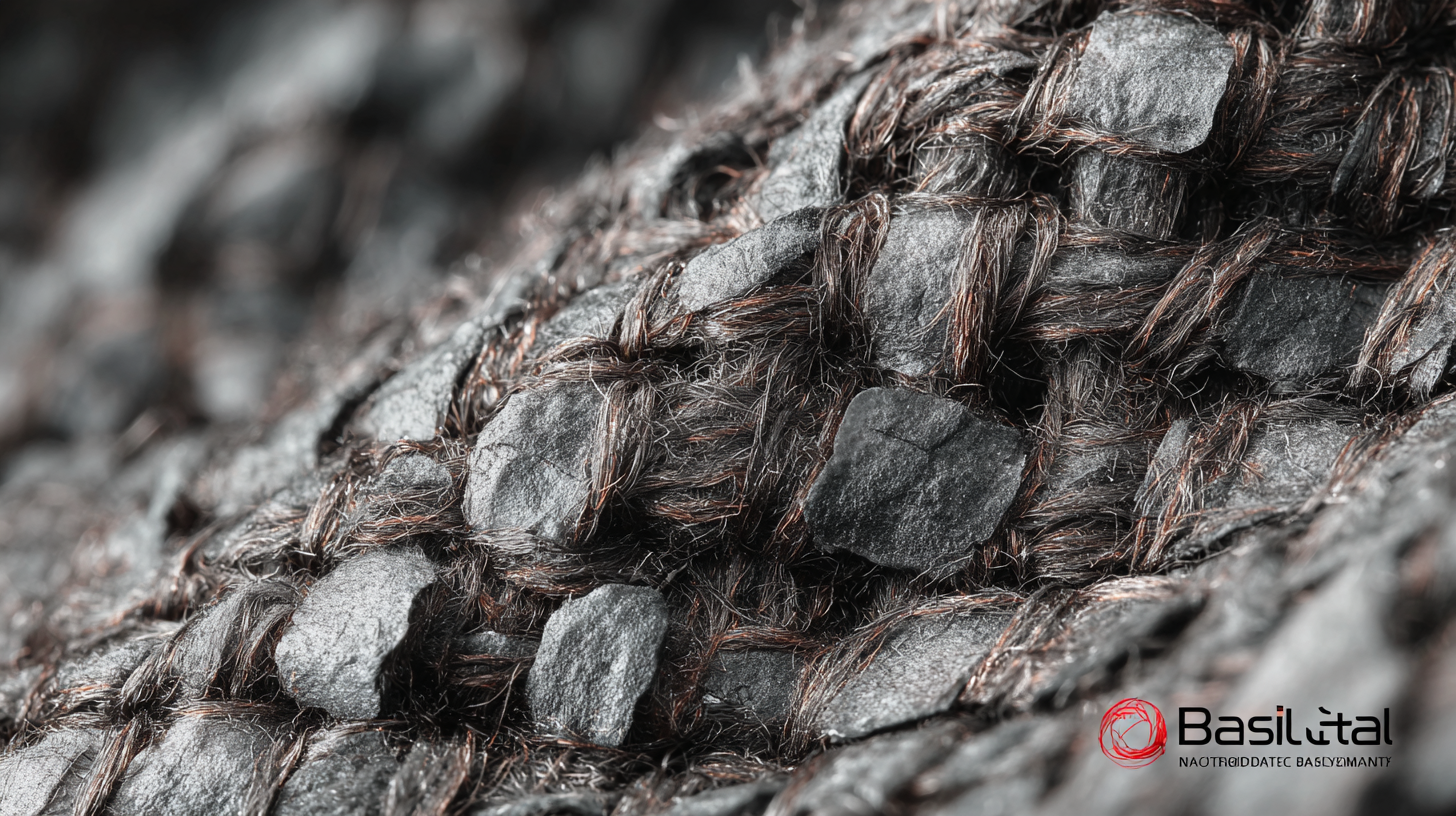
So, lately, there's been quite a buzz around high-performance materials across a bunch of industries, and one fabric that's really grabbing attention is Basalt Biaxial Cloth. This awesome textile is crafted from basalt continuous fibers, and it comes with some pretty impressive features—like super high thermal stability, excellent mechanical strength, and great resistance to Chemicals. Industry reports suggest that the global basalt fiber market is on track for some serious growth, with projections hitting around USD 750 million by 2025. This surge is mainly thanks to its expanding use in fields like construction, automotive, and aerospace. Now, if you're curious about where this all comes from, China Beihai Fiberglass Co., Ltd. is a key player in the domestic basalt fiber scene, and they’re all about researching, developing, and producing these cool materials. In our upcoming guide, we’re going to dive into the nitty-gritty details of Basalt Biaxial Cloth, covering its technical specs and real-world applications. It’s aimed at engineers and designers who are on the lookout for innovative solutions for their projects.
Comprehensive Guide to Best Basalt Biaxial Cloth: Technical Specifications and Practical Applications

Understanding Basalt Biaxial Cloth: Material Properties and Benefits

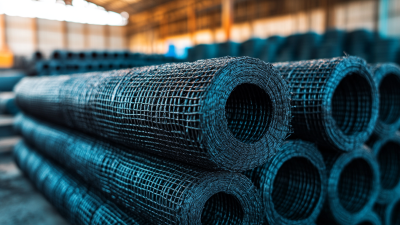
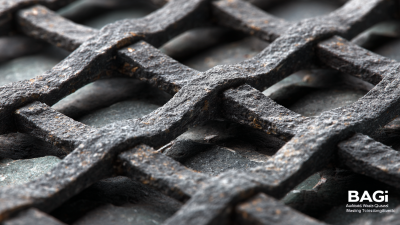
Basalt biaxial cloth is really starting to catch on as a key player in lots of different industries, and it's not hard to see why. This stuff is made from super fine basalt fibers and has some pretty awesome properties. We’re talking about top-notch mechanical strength and incredible thermal resistance—two big must-haves for high-performance composite materials. What sets basalt biaxial cloth apart from your everyday fabrics is its crazy durability and knack for handling extreme temperatures. This makes it a perfect fit for industries like aerospace, automotive, and construction where you absolutely can’t compromise on reliability and performance.

On top of that, there have been some cool advancements in material testing lately that help us understand how these composites behave under pressure. Some studies have been looking at the plastic properties and residual stresses of different synthetic materials using innovative indentation techniques. This kind of research gives us a clearer picture of what basalt biaxial cloth can really do. By figuring out how changes in shape affect the cloth's mechanical properties, engineers and researchers can leverage basalt cloth more effectively, especially when designing components that have to deal with complex loads. This is all about making sure things perform well and last long in the real world, which is why everyone's getting so excited about this cutting-edge material.
Comprehensive Guide to Best Basalt Biaxial Cloth: Technical Specifications and Practical Applications

Key Technical Specifications of Basalt Biaxial Fabrics in Composite Applications

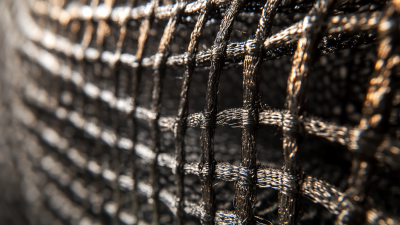
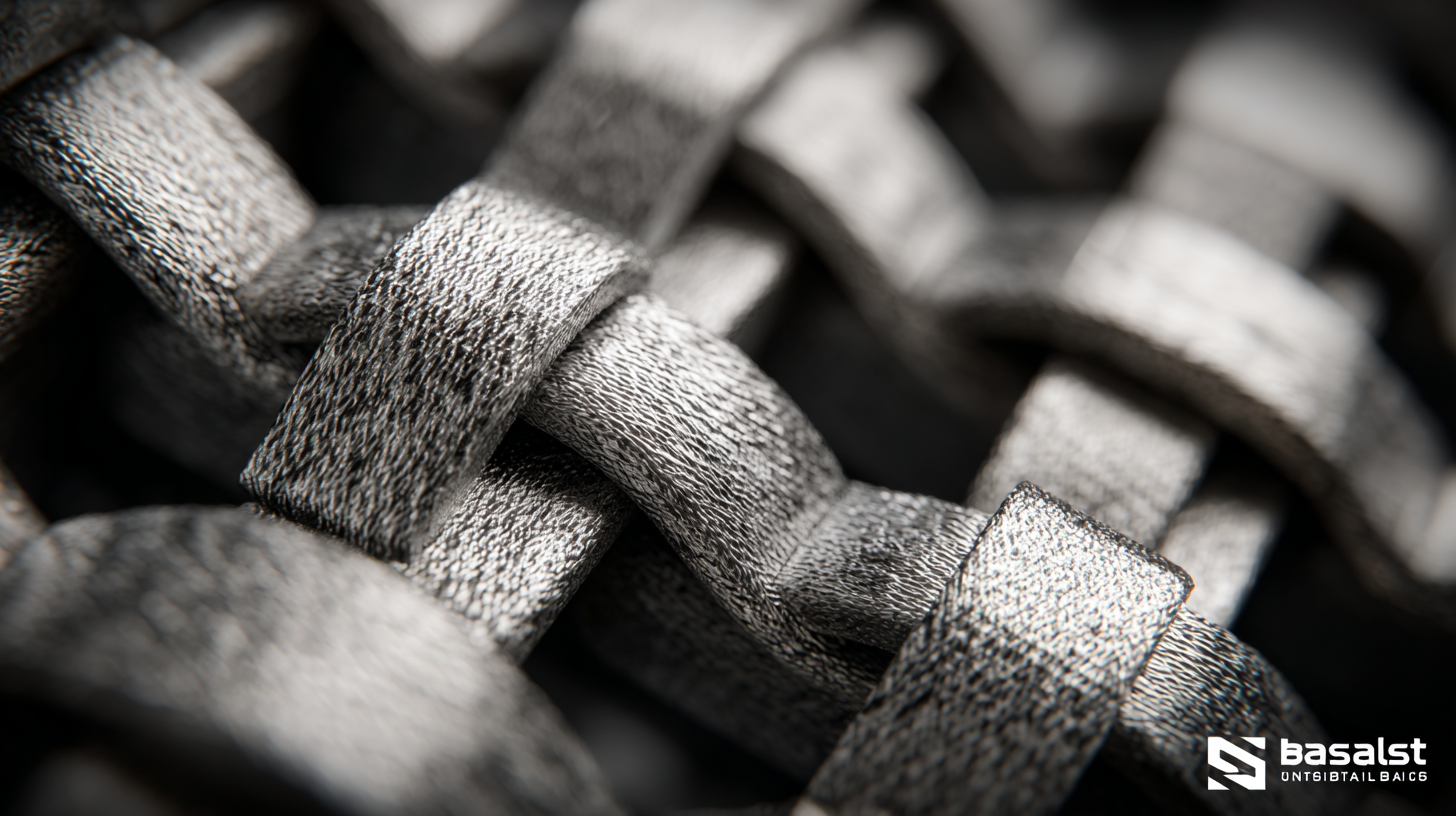
So, when you're picking the right basalt biaxial cloth for your composite projects, you've gotta really get a grip on those key technical specs. Basalt fibers are pretty amazing—they've got this high thermal resistance, fantastic mechanical properties, and they hold up against chemicals like a champ, which makes them a go-to in a lot of different fields. The weight and weave pattern? Yeah, those matter a lot too. You’ve got options like 160g/m² versus 300g/m², and these choices will totally shape the fabric's strength, flexibility, and how well it performs overall. Plus, don't forget about the fiber diameter and how the fibers are oriented; these factors can seriously impact the tensile strength and stiffness of the composite you end up with.

**Tip:** Always keep in mind what the specific application requires, like how much load it'll have to support and what kind of environmental conditions it's going to face. This way, you’ll make sure that the composites are performing at their best and lasting as long as you need them to.

Another really important thing to think about is how well basalt fibers get along with different resins and matrices. The way basalt fabrics bond with epoxy or polyurethane resins can really boost the overall performance of your composite. This bonding is super critical, especially in industries like aerospace, automotive, and construction where things have to be durable and resilient.

**Tip:** Before you dive into full-scale production, try conducting a compatibility test with your chosen resin. It's a smart move to sidestep any potential hiccups with adhesion and make sure the final composite holds up well!

Comparative Analysis: Basalt Biaxial Cloth vs. Other Textile Reinforcements

So, have you heard about basalt biaxial cloth? It's really making waves in the world of textile reinforcements! When you stack it up against traditional materials like fiberglass and carbon fiber, it holds its own quite well. For starters, basalt fibers can handle some serious heat—up to 650°C! That’s way hotter than fiberglass, which is usually only good for temps below 400°C. Plus, basalt's tensile strength is impressive, sometimes hitting around 3000 MPa, compared to fiberglass's 2400 MPa. Because of that, it’s no wonder that people are turning to basalt cloth for high-heat, durable applications, especially in industries like aerospace and automotive.

**Quick tip:** If you're choosing a reinforcement material, really think about the temperatures it’s going to be exposed to. In high-temperature settings, basalt definitely has the upper hand compared to the usual suspects.

Now, here’s another cool thing about basalt biaxial cloth—it’s got a pretty low environmental impact. Since these fibers come from natural volcanic rock, they’re way more sustainable than the synthetic stuff. In fact, studies show that making basalt fibers uses up to 85% less energy than producing carbon fibers, which is super in line with the trend of going green in manufacturing. With its strength and eco-friendliness, basalt is shaping up to be a smart choice for manufacturers who want to innovate in a responsible way.

**Another tip:** Don’t forget to check the environmental impacts of your materials. Choosing greener options not only makes your product more appealing to customers but also helps meet the rising demand for eco-friendly solutions.

Practical Applications of Basalt Biaxial Cloth in Various Industries

You know, basalt biaxial cloth has really started to make a name for itself in a bunch of industries. It's all about those incredible thermal resistance and mechanical properties. Take aerospace, for example. They’re using basalt fabrics for insulating aircraft and keeping things fireproof — pretty cool, right? A report from Research and Markets even mentioned that they expect the global basalt fiber market to hit $1.1 billion by 2025! This just goes to show how much people are counting on materials like basalt cloth to boost safety and performance in flying machines.

Comprehensive Guide to Best Basalt Biaxial Cloth: Technical Specifications and Practical Applications

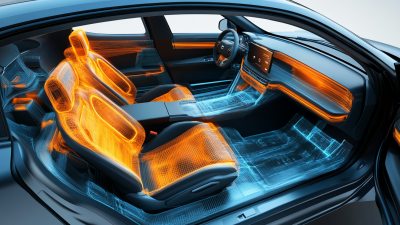
Then there's the automotive world. Basalt biaxial cloth is catching on as a fantastic alternative to the usual materials for reinforcing composite structures. It's super lightweight yet has this astonishing tensile strength — around 3000 MPa! That makes it a smart pick for cutting down vehicle weight and getting better fuel efficiency. The European Composites Industry Association (EUCIA) points out that using basalt fibers can actually make car parts more durable, which could save you about 15% on maintenance costs over the life of the vehicle. As industries keep pushing boundaries, we can expect to see even more practical uses for basalt biaxial cloth, which could really open up exciting possibilities for sustainability and efficiency.

Tips for Selecting and Working with Basalt Biaxial Cloth

Alright, so when you’re picking out basalt biaxial cloth, there are a few things you wanna keep in mind to ensure you’re getting the right stuff for your project. First off, think about what exactly you need—like the strength, weight, and how well it can handle heat. Basalt cloth is pretty famous for its high tensile strength and crazy good temperature resistance, which makes it a go-to for tough situations like aerospace, automotive work, and even in certain industrial settings. You should definitely look for a cloth that has a good weave pattern that strikes a balance between flexibility and durability.

And hey, don’t forget to check out the weave density and the fineness of the fibers! A denser weave usually means better performance, but just a heads-up—it might weigh a bit more and could be less flexible. It’s a bit of trial and error, so playing around with different thicknesses can help you hit that sweet spot. Also, make sure any adhesives or resins you plan to use with the basalt cloth are compatible; that’ll really boost the integrity and lifespan of your project. And if you can, grab some samples to test out how the material behaves in your specific conditions before you commit to anything.

Future Trends: Innovations in Basalt Biaxial Fabric Technology

You know, the future of basalt biaxial fabric technology really looks bright! Thanks to some exciting innovations, it's making a splash in various industries. This remarkable material is famous for its amazing thermal resistance and strong mechanical properties, and it’s popping up more and more in fields like aerospace, automotive, and construction. A recent report from the Global Basalt Fiber Market even says that the demand for basalt fibers is expected to grow at a whopping 11.2% from 2021 to 2026. Pretty cool, right? It's gaining traction because it’s not just high-performing; it's also sustainable!

Now, let’s talk about China Beihai Fiberglass Co., Ltd. They’re really leading the pack in the basalt fiber world. Their dedication to research and development is genuinely impressive, producing high-performance basalt continuous fiber products that are both eco-friendly and durable, especially when you compare them to traditional materials. With innovations like better weaving techniques and smart technology integration, they’re seriously changing the game. No doubt about it, basalt biaxial fabrics are all set to keep pushing the limits on performance—exactly what modern engineering needs!

FAQS

: What are the key technical specifications to consider when selecting basalt biaxial fabrics?

: Key specifications include weight (e.g., 160g/m² or 300g/m²), weave pattern, fiber diameter, and fiber orientation, all of which affect the strength, flexibility, and performance of the composite material.

How do basalt fibers compare to fiberglass and carbon fiber in terms of thermal resistance?

Basalt fibers can withstand temperatures up to 650°C, while fiberglass operates optimally below 400°C, making basalt a superior choice for high-temperature applications.

What should I consider regarding the compatibility of basalt fabrics with resins?

It's essential to ensure basalt fabrics bond effectively with selected resins, such as epoxy or polyurethane, to enhance composite performance. Conduct compatibility tests before full-scale production.

Why is basalt biaxial cloth considered more sustainable than synthetic textile reinforcements?

Basalt fibers are derived from natural volcanic rock and require up to 85% less energy to produce compared to carbon fibers, making them a more eco-friendly option.

What applications benefit most from using basalt biaxial fabrics?

Basalt fabrics are ideal for aerospace, automotive, and construction applications due to their high tensile strength, excellent thermal resistance, and chemical durability.

How does the weave density of basalt cloth affect its performance?

A denser weave often results in better performance, but it may affect the weight and flexibility; finding the right balance is essential based on specific project requirements.

Should I request samples before purchasing basalt biaxial cloth?

Yes, it's advisable to request samples to test the material under your specific working conditions to ensure it meets your application needs.

What are the benefits of using basalt fibers in composite materials?

Basalt fibers offer high thermal resistance, exceptional mechanical properties, and chemical durability, making them an ideal choice for demanding composite applications.

How does the tensile strength of basalt compare to fiberglass?

Basalt fibers can achieve tensile strength up to 3000 MPa, surpassing fiberglass's maximum of 2400 MPa, making basalt a stronger option for load-bearing applications.

What should be evaluated when selecting the weight and weave of basalt cloth?

Always consider the specific application requirements, including load-bearing capacity and environmental exposure, to ensure optimal performance and longevity of the composites being created.
Alexander

Alexander

Alexander is a dedicated marketing professional at Jiujiang Beihai Glass Fiber Co., Ltd. (Project Four), where he plays a pivotal role in enhancing the company's market presence. With a deep expertise in glass fiber products, he consistently demonstrates a profound understanding of the industry and......
Previous Innovative Approaches for Utilizing Basalt Cleavage in Modern Applications