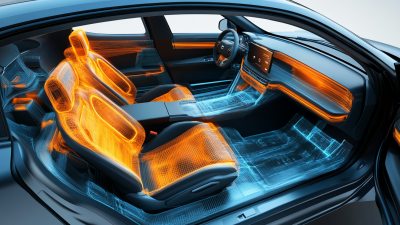
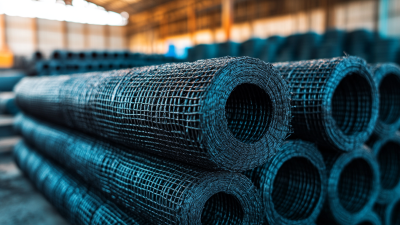
In today’s constantly changing automotive world, you really can’t underestimate how important good insulation is. As car makers try to boost both comfort and performance, picking the right insulation materials becomes a big deal. I’ve put together this guide to help you understand some common issues that come with different types of insulation and how they can affect the overall quality of a vehicle.
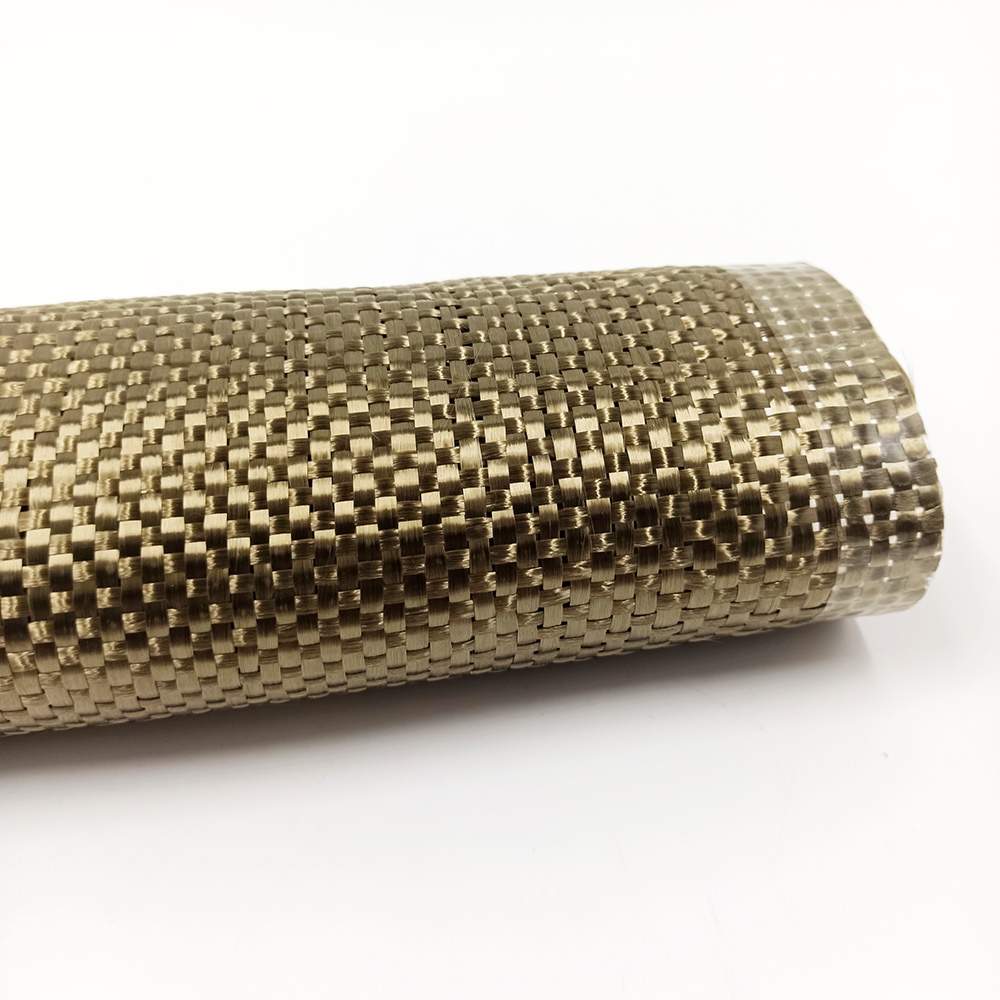
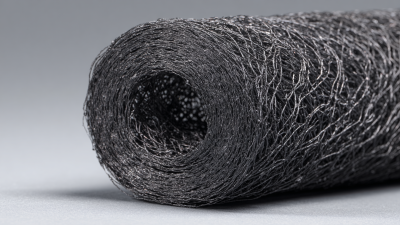
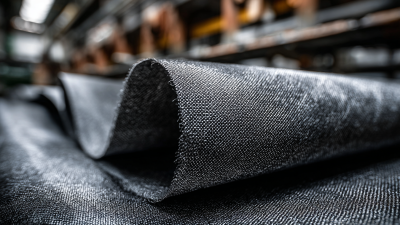
One company leading the charge in innovative solutions is China Beihai Fiberglass Co., Ltd.—they’re a high-tech outfit focused on researching, developing, and making top-notch basalt continuous fiber. Being a leader in China’s Basalt Fiber industry, Beihai is well-positioned to offer auto manufacturers advanced insulation options that tick all the boxes—meeting tough industry standards while tackling noise reduction, thermal management, and sustainability challenges.
My goal with this guide? To give you the inside scoop so you can make smarter choices when it comes to selecting the best insulation materials and solutions for your automotive projects.
Overview of Automotive Insulation Materials and Their Importance
When we talk about automotive insulation materials, it’s pretty clear they play a huge role in how well a vehicle performs and how comfortable it feels inside. You know, with the rise of electric vehicles (EVs), especially lithium-ion and LifePo4 batteries, there’s been a real push for smarter insulation solutions to help with thermal management. Honestly, industry reports suggest that by around 2033, the global market for EV battery insulation could hit about $5 billion! A lot of that investment is going into innovative materials like polypropylene and polyester films. These materials not only help batteries use energy more efficiently but also make them last longer by keeping the temperature just right. That means better range and overall performance for the cars we drive.
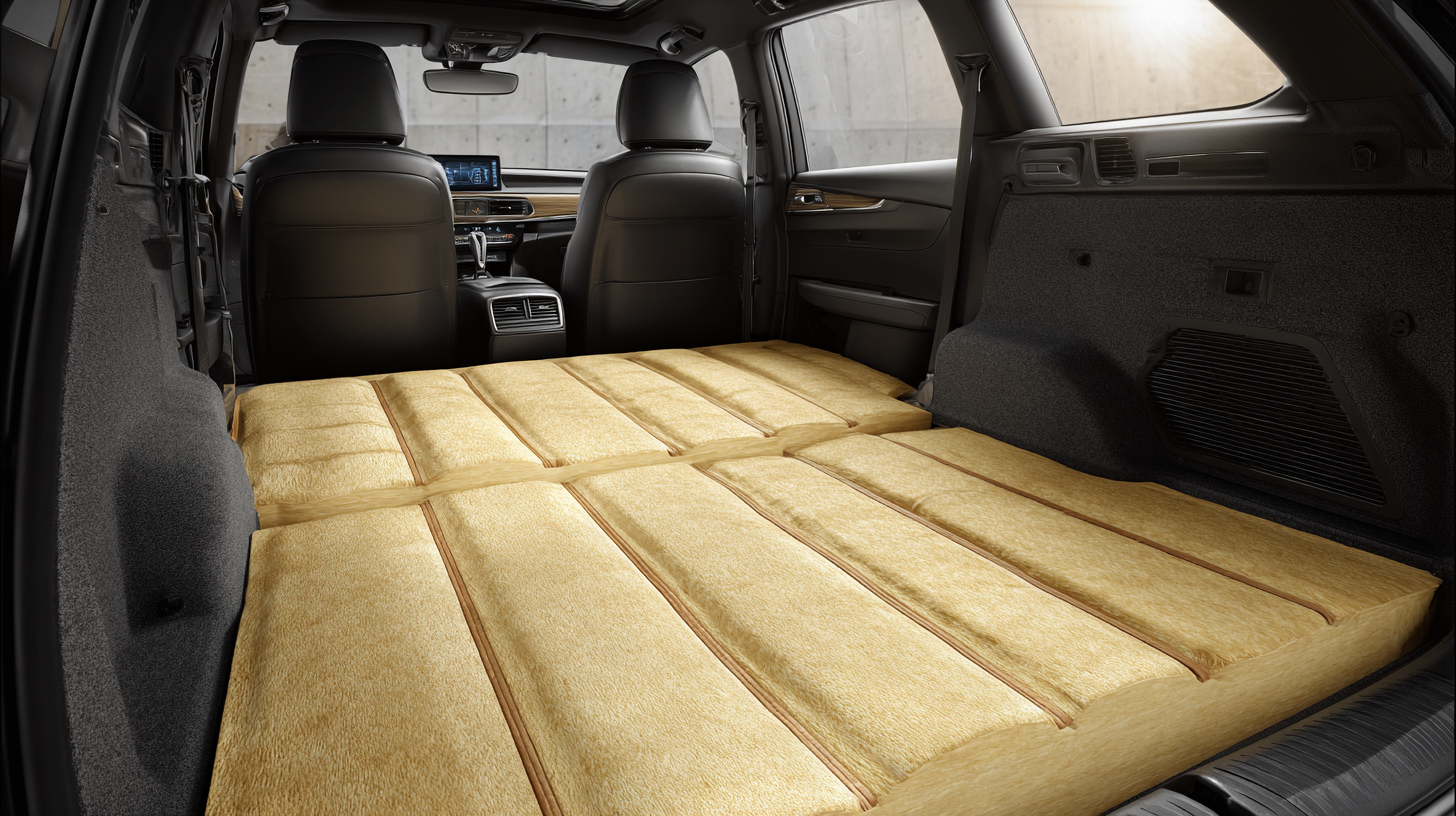
It’s not just about traditional cars anymore—regions where EV adoption is booming are seeing a surge in demand for these insulation materials. Right now, North America and Europe are leading the way, making up over 60% of the entire market. As automakers focus more on sustainability and performance, we’re probably going to see this shift toward even more advanced insulation solutions reshape the entire auto industry. And let’s not forget, by 2033, markets in Asia and Latin America are also expected to jump in big time—thanks to growing awareness and tighter regulations pushing for better thermal management tech.
Key Types of Automotive Insulation Solutions and Their Applications
When it comes to insulating cars, understanding the main types and how they’re used is pretty important for manufacturers looking to boost vehicle performance. One of the hot topics right now is acoustic metamaterials — these are pretty cool because they can actually control sound waves in new ways. Not only does this mean a quieter ride inside the cabin, but it also helps cut down noise across different frequencies. It’s all about making driving more comfortable and safer for everyone.
Besides these advanced materials, PVC foam boards are also making waves in auto insulation. They’re Lightweight and super versatile, which makes them perfect for a bunch of different uses — from interior accents to body panels and even some structural parts. And with the global market for PVC foam boards expected to grow quite a bit in the next few years, car makers are really starting to take advantage of their aesthetic and functional perks.
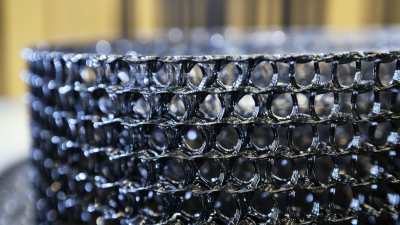
Finally, the market for NVH (Noise, Vibration, and Harshness) materials is set to grow, especially as the industry pushes to better structure vehicles. More and more, manufacturers are turning to porous materials because they help reduce the overall weight of cars while also improving how sound is dampened inside. As the industry keeps innovating and integrating these cutting-edge materials, we can look forward to a future with quieter, more efficient automobiles. It’s an exciting time for automotive insulation tech, for sure.
Factors to Consider When Selecting Insulation for Your Vehicle
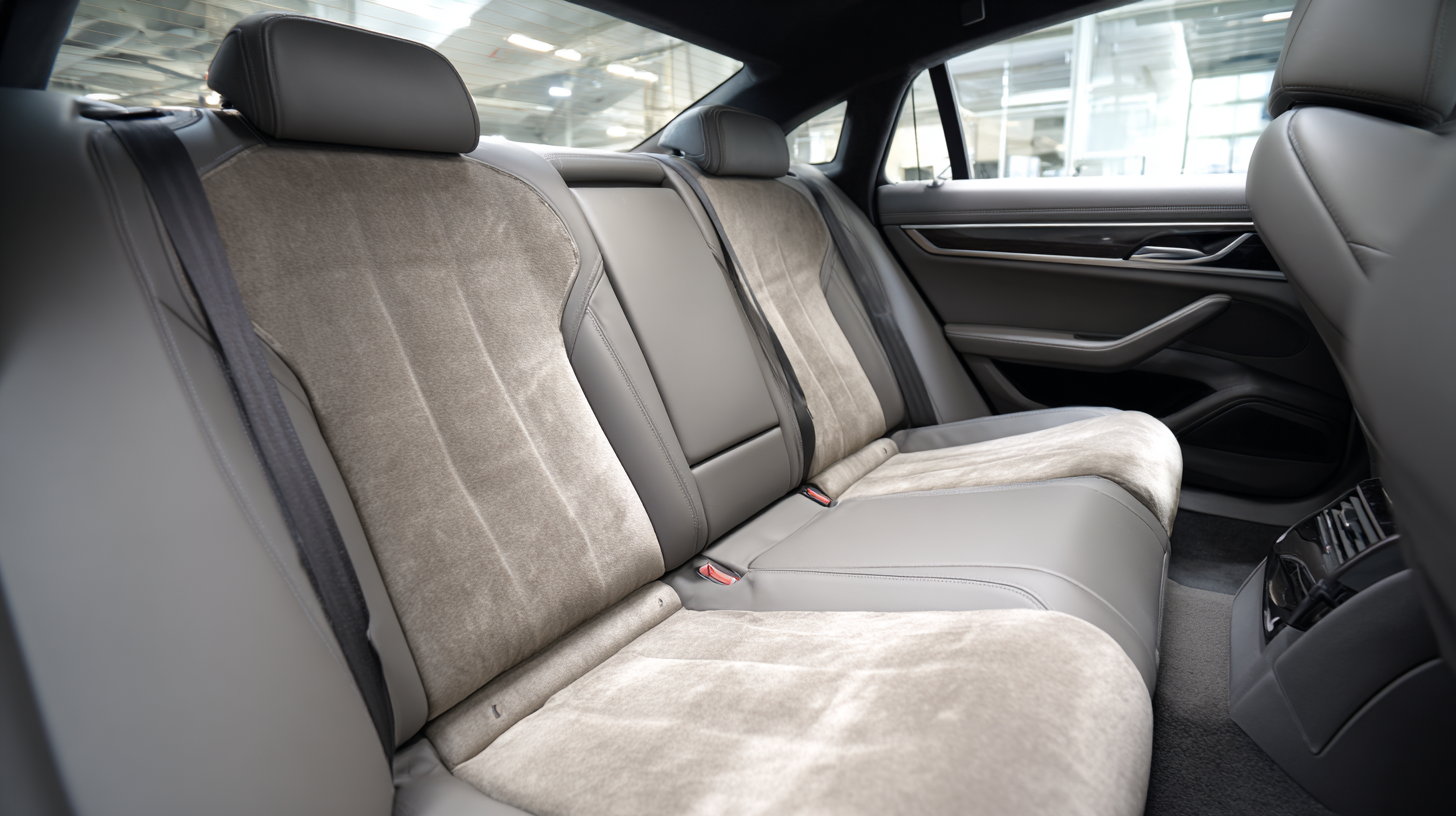
Choosing the right insulation for your vehicle isn’t just about keeping it warm or cold — it really impacts how comfortable and efficient your ride feels. One of the main things you wanna look at is the material's thermal resistance, which folks call the R-value. Basically, higher R-values mean better insulation against heat transfer. According to the Department of Energy, using materials with higher R-values can really cut down on heat loss or gain — so your cabin stays just the right temperature and your energy use drops. For electric and hybrid cars especially, that can mean saving up to 30% on air conditioning energy — pretty awesome if you're trying to go green and save some money.
And hey, it’s not just about temperature. Soundproofing matters too. Road noise can be a real pain — it can make driving tiring and uncomfortable, as highlighted in a study from NHTSA. Things like mass-loaded vinyl or foam-based composites can help dampen that noise by around 5 to 10 decibels — think of it like the difference between normal chatting and a whisper. Picking the right mix of insulation isn’t just about comfort — it can also help your vehicle last longer and run more smoothly overall.
Ultimate Guide to Selecting the Best Automotive Insulation Materials and Solutions
| Material Type | Thermal Resistance (R-value) | Sound Absorption (NRC) | Weight (lbs/ft²) | Cost ($/ft²) | Durability (years) |
| Foam Insulation | 3.5 | 0.80 | 1.0 | 1.50 | 10 |
| Fiberglass Insulation | 2.9 | 0.70 | 0.5 | 0.90 | 15 |
| Mass Loaded Vinyl | 1.0 | 0.95 | 2.0 | 2.00 | 25 |
| Reflective Insulation | 4.0 | 0.60 | 0.4 | 1.20 | 20 |
| Polyester insulation | 3.0 | 0.75 | 0.6 | 1.10 | 12 |
Comparative Analysis of Popular Automotive Insulation Materials
So, when you're choosing insulation materials for your car, it’s really helpful to get a handle on what makes popular options like polyurethane foam, fiberglass, and mass-loaded vinyl stand out. Did you know that, according to Grand View Research, the whole automotive insulation market is expected to hit around $4.29 billion by 2025? That just goes to show how important good insulation is — it’s not just about keeping noise and heat out, but also about improving how your vehicle performs and feels inside. For example, polyurethane foam is a favorite among manufacturers because it does a fantastic job at controlling heat and sound, making your ride quieter and cooler.
Another thing to think about is what your specific needs are. If you’re after something lightweight and good at temperature control, fiberglass might be perfect—especially for sporty or high-performance cars. On the flip side, if you’re all about peace and quiet, mass-loaded vinyl is a winner, often used in luxury vehicles where silence is golden. And don't forget about installation — some materials come with sticky backing or easy-to-apply features, which can save you a lot of hassle.
Lastly, environmental factors are more important than ever. A lot of brands now are offering eco-friendly insulation options, like recycled denim or natural fibers, which do a pretty impressive job at dampening noise but are also better for the planet. Picking a material that’s both effective and environmentally conscious might just be the cherry on top, making your car not only comfortable but also a little kinder to the environment.
Innovative Technologies in Automotive Insulation Solutions
You know, automotive insulation tech has really come a long way and totally changed the game in the car world. It’s all about making rides more comfortable, saving energy, and just improving how vehicles perform overall. I came across a report from Allied Market Research that says the global market for car insulation is expected to hit around $20.36 billion by 2027—pretty impressive, right? And it’s growing at a rate of about 5.4% annually since 2020. One reason? People really want lighter materials and better noise reduction in their cars, so manufacturers are pretty eager to jump on new insulation solutions.
One of the coolest upgrades I’ve seen is the use of advanced composite foams and sound-absorbing stuff. Not only does this stuff make your cabin quieter, but it also helps keep the temperature inside the vehicle just right. That means the AC or heater doesn’t have to work as hard, which is a win for fuel economy. The Society of Automotive Engineers even shared that good insulation can cut fuel consumption by up to 10%. And with electric vehicles becoming way more popular, there’s a buzz around thermal management using phase change materials (or PCMs), which basically help keep batteries at the right temperature and make the whole EV last longer. It’s pretty exciting how all these innovations are making our driving experience better in so many ways.
Best Practices for Installing and Maintaining Automotive Insulation
When you're installing automotive insulation, it's really important to follow some best practices to make sure everything works well and lasts a good long time. First off, give the surfaces a thorough cleaning—nothing's worse than dirt, grease, or leftover adhesive messing with the insulation's ability to stick properly. Once that's done, I’d recommend using some sound-deadening adhesive to get a really solid bond. It not only helps keep noise down but also boosts heat resistance, so it's worth the extra step.
Measuring and cutting the insulation correctly is super important, too. Seriously, measure twice—cut once! It sounds obvious, but it really makes a difference because gaps can let in unwanted heat and noise. Go for high-quality insulation materials that suit your vehicle's needs—whether you're aiming for thermal insulation or soundproofing. And don’t pack it in too tightly; leaving some air gaps can actually help with thermal performance. Finally, doing regular check-ups will help you catch any wear or moisture issues early on, keeping your insulation in good shape for years to come.
Ultimate Guide to Automotive Insulation Materials - Analysis of Popular Materials
FAQS
: The global market for thermal insulation materials in electric vehicle batteries is projected to reach approximately $5 billion by 2033.
North America and Europe are currently leading the market, collectively accounting for over 60% of the total market share.
Some popular automotive insulation materials include polyurethane foam, fiberglass, and mass-loaded vinyl.
Polyurethane foam is known for its excellent thermal and acoustic properties, making it a top choice for manufacturers aiming to reduce noise and heat transfer within vehicles.
The choice of insulation materials can be influenced by the vehicle's needs, such as lightweight solutions for high-performance vehicles (fiberglass) or superior sound-proofing for luxury cars (mass-loaded vinyl).
Many companies are now prioritizing eco-friendly insulation materials, such as recycled denim or natural fibers, to enhance sustainability while effectively reducing noise.
Innovative technologies focus on enhancing comfort, energy efficiency, and overall vehicle performance, such as advanced composite foams and sound-absorbing materials that reduce cabin noise and improve thermal efficiency.
The global automotive insulation market is projected to reach $20.36 billion by 2027, growing at a CAGR of 5.4% from 2020.
Effective insulation can decrease fuel consumption by up to 10%, according to research published by the Society of Automotive Engineers.
Phase change materials (PCMs) help maintain battery performance under varying temperatures, thus enhancing the overall lifecycle of electric vehicles.
Conclusion
In our 'Ultimate Guide to Choosing the Best Automotive Insulation Materials and Solutions,' we take a closer look at how essential automotive insulation really is — not just for making your ride more comfortable, but also for boosting overall performance and durability. The blog walks you through the main types of insulation materials out there, dives into different solutions and where they’re best used, and gives you some solid tips on what to look for when picking the right insulation for your vehicle. Plus, you'll find a comparison of popular materials, including some of the cool new tech that's shaping the future of auto insulation.
Being a major player in the basalt fiber scene here in China, China Beihai Fiberglass Co., Ltd. totally gets how important top-notch materials are for automotive insulation. Our high-performance basalt continuous fibers pack a serious punch with fantastic thermal and soundproofing qualities — making them a perfect fit for modern cars. The guide also shares some handy advice on how to install and take care of your insulation so that your vehicle stays cozy and efficient for the long haul. Basically, it’s all about helping you make smarter choices to keep your ride comfy and running smoothly.