Leave Your Message
0%

As the need for advanced materials in construction and engineering keeps growing, 3D Basalt Fiber Mesh has really come onto the scene as a game-changer. It's known for its incredible strength, durability, and ability to resist environmental damage — pretty impressive, right? Industry experts say that the global market for basalt fibers is expected to hit around $1.1 billion by 2025, mainly because of its increasing use in sectors like automotive, Aerospace, and construction. One company leading the charge is China Beihai Fiberglass Co., Ltd. — they’re a high-tech outfit focused on researching, developing, and making high-performance basalt continuous fibers. By producing state-of-the-art 3D Basalt Fiber Mesh solutions, Beihai isn’t just pushing the tech forward; they're also stepping up to meet the growing market demand. In this guide, we're going to look at some of the best options out there in the exciting world of 3D Basalt Fiber Mesh, so let’s dive in!
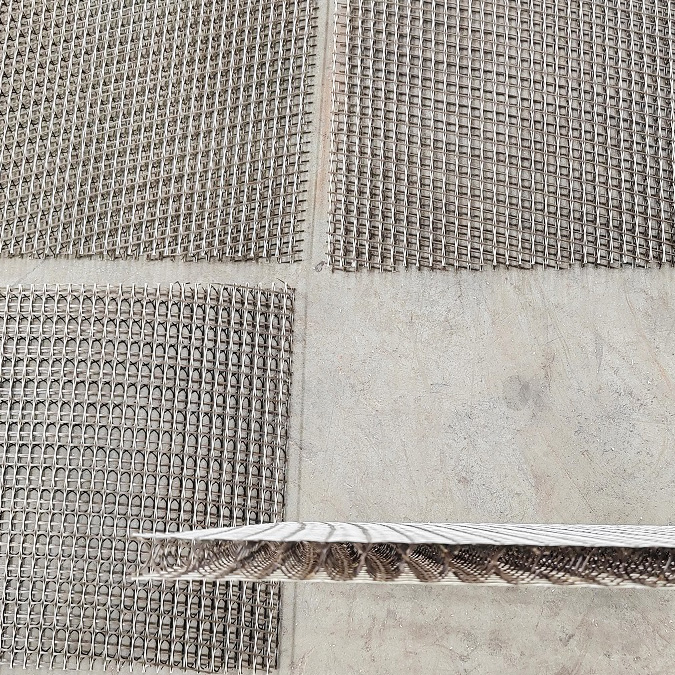
3D basalt fiber mesh(2).jpg

Key Industry Trends Influencing 3D Basalt Fiber Mesh Market by 2025

The 3D basalt fiber mesh market is really catching on lately, and it’s changing pretty fast thanks to a bunch of industry trends. As more companies jump into the scene, there’s been a noticeable spike in demand for advanced composite materials. One of the biggest shifts we’re seeing is folks moving away from traditional reinforcements like carbon and glass fibers, and instead opting for basalt fibers. Why? Well, they’ve got some pretty impressive qualities—like handling high temperatures and resisting Chemicals—that make them super handy for all kinds of construction and infrastructure projects.

On top of that, the market is diversifying quite a bit. We’re seeing more varieties of fibers and resins, especially vinyl ester and epoxy resins, which are becoming pretty popular. This change is mainly driven by industries looking for materials that are not only durable but also more eco-friendly overall. As more players work on solving technical hurdles related to basalt fiber composites, we can expect to see them being used in bigger, more widespread projects across different sectors. With ongoing innovations and better manufacturing methods, the potential for 3D basalt fiber mesh is looking really promising. It’s definitely shaping up to be a top choice for reinforcing structures down the line.

Ultimate Guide to Comparing the Best 3D Basalt Fiber Mesh Options Available - Key Industry Trends Influencing 3D Basalt Fiber Mesh Market by 2025

Mesh Type Weight (g/m²) Thickness (mm) Tensile Strength (MPa) Elongation (%) Fire Resistance Application Area
3D Basalt Fiber Mesh A 300 2.0 200 2.5 Non-combustible Construction, Aerospace
3D Basalt Fiber Mesh B 350 2.5 180 3.0 Non-combustible Automotive, Marine
3D Basalt Fiber Mesh C 280 1.8 220 2.0 Non-combustible Civil Engineering, Infrastructure
3D Basalt Fiber Mesh D 320 2.2 195 2.8 Non-combustible Wind Energy, Renewable Sector

Comparative Analysis of Leading 3D Basalt Fiber Mesh Brands in the Market

If you're trying to figure out the best 3D basalt fiber mesh options out there, it really helps to compare the top brands on the market. You know, basalt fibers have become quite popular as a more eco-friendly alternative to traditional materials—thanks to their unique qualities and the way they’re produced. These fibers come from natural basalt rock, which means they offer some pretty awesome benefits like resisting high temperatures, being lightweight, and having incredible strength when stretched. That makes them perfect for a variety of uses in polymer composites.

When you look at the different brands in the world of 3D basalt fiber mesh, you’ll notice they each have their own innovative spin on how they make and apply these materials. The cool thing is, basalt fibers are super versatile, so they’re being used across all sorts of industries, often replacing older materials made from crops or plants. Not only does this help cut down on environmental impact, but it can also improve the overall performance of the final product. As more and more people become aware of sustainability issues, choosing brands that care about eco-friendliness without sacrificing quality is probably going to be the smarter move when you're picking out the best 3D basalt fiber mesh for your needs.

Evaluation Criteria for Choosing the Right 3D Basalt Fiber Mesh Option

When you're trying to pick the best 3D basalt fiber mesh out there, understanding what to look for is super important. Key things to consider include tensile strength, durability, and how well it works with different applications. High-performance basalt continuous fibers are pretty amazing—they've got strong mechanical properties, which makes them perfect for use in construction, auto manufacturing, and even aerospace. It’s also a good idea to see how the mesh holds up in various environmental conditions. That way, you get a better idea of how long it might last and how reliable it’ll be in real-world situations.

China Beihai Fiberglass Co., Ltd. is really leading the way in this industry. They focus on researching and developing basalt continuous fibers and the equipment needed to make them. By putting a lot of emphasis on innovation and quality, Beihai makes sure their 3D basalt fiber mesh products meet the tough performance standards required. When you're comparing different options, keep in mind not just the technical specs but also who’s making the product. Going with a reputable company like China Beihai, known for their expertise and dedication to top quality, can really help you make smarter choices and get better results for your projects.

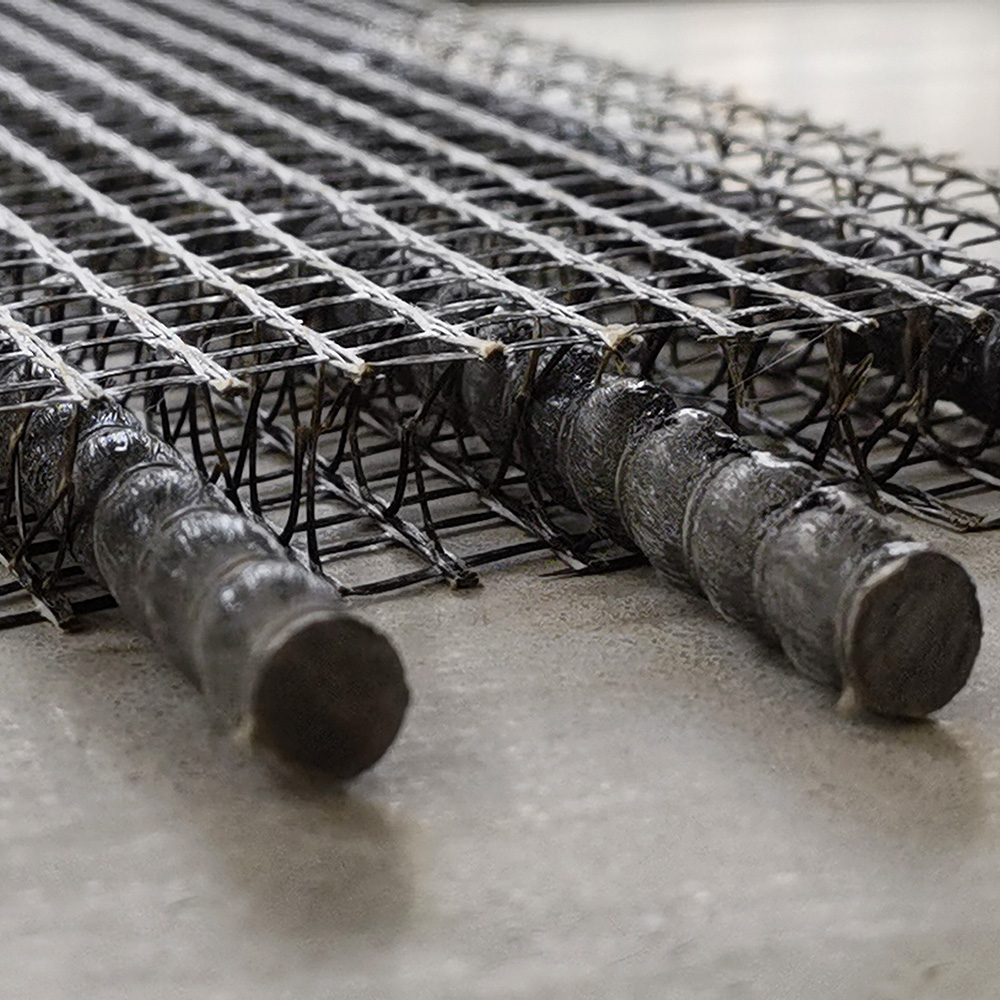
3D basalt fiber mesh.jpg

Innovative Applications of 3D Basalt Fiber Mesh in Construction and Beyond

You know, the way 3D basalt fiber mesh is being used nowadays is pretty remarkable. It’s really shaking up the construction world and pushing the limits of what these advanced materials can do. Originally, folks mainly used it to boost the strength of concrete—making things lighter and built to last. But now, it’s showing up in all kinds of new places, especially where traditional stuff just doesn’t cut it. Whether it’s reinforcing roads and bridges or helping houses stay in better shape longer, this mesh’s flexibility is a total game-changer in modern engineering projects.

And it’s not just in construction either. You’ll find 3D basalt fiber mesh popping up in the automotive and aerospace sectors too. Because it’s lightweight but super strong, it’s perfect for making vehicles and airplane parts that need to resist crazy temperatures and chemical damage. Plus, since it’s eco-friendly, more and more folks are turning to it for sustainable building projects—kind of a win-win. As industries keep pushing for smarter, greener tech, this material really stands out as a versatile and innovative solution. Honestly, it’s exciting to see what it’ll do next!

Environmental Benefits of 3D Basalt Fiber Mesh Compared to Traditional Materials

Have you heard about 3D basalt fiber mesh? It’s kind of amazing how it’s starting to become a more sustainable alternative to the usual materials we used before. The coolest part? It’s made from volcanic rock, which makes it a pretty natural material. Because of that, its production isn’t as harmful to the environment — unlike synthetic fibers that are often made from petrochemicals and can be pretty nasty polluters. Plus, making basalt fiber takes less energy, and there’s hardly any waste. That means it’s a smarter, greener choice especially when you’re thinking about construction or industrial stuff.

And if you’re worried about how long it lasts, don’t be. 3D basalt fiber mesh is super durable — it can go a long way, which means fewer replacements and repairs over time. Not only does that save resources, but it also keeps waste down. Unlike some traditional options that might release harmful chemicals into soil or water, basalt fiber is totally non-toxic. No worries there. As more industries try to go green and be more eco-friendly, switching to 3D basalt fiber mesh feels like a pretty good move toward reducing our environmental impact and taking care of the planet.

Future Outlook: Advancements in 3D Basalt Fiber Technology and Market Growth

Looking ahead, the future of 3D basalt fiber technology really seems promising, especially when you think about how the market is expected to grow. Right now, the global basalt fiber market is around USD 315 million, and experts are predicting it could shoot up to nearly USD 914 million by 2034—that’s pretty incredible! A big part of this boom is thanks to the push for more eco-friendly building materials and new tech that makes use of basalt fibers to boost performance.

Plus, advances in 3D printing are totally changing the game when it comes to construction. Now, we can craft complex structures more easily, using sustainable and renewable materials. Incorporating 3D basalt fiber mesh into building projects isn’t just about durability; it’s also a way to show we're serious about being environmentally responsible. The latest breakthroughs point to some serious potential—like better energy efficiency and longer-lasting structures, whether it's in aerospace, architecture, or other industries. As more companies jump on board with these innovations, it’s pretty clear that basalt fiber tech is going to play an increasingly key role in shaping modern construction and manufacturing.

So, yeah, the future looks exciting for basalt fibers, especially as they keep pushing the boundaries of what's possible with sustainable materials and cutting-edge tech.

FAQS

: What is driving the growth of the 3D basalt fiber mesh market?

: The growth is primarily driven by the increasing demand for advanced composite materials, the superior properties of basalt fiber over traditional reinforcements, and the diversification of fiber and resin types focusing on sustainability.

How does basalt fiber compare to traditional materials?

Basalt fiber offers superior thermal stability and resistance to chemical corrosion compared to traditional reinforcement materials like carbon and glass fibers, making it a versatile choice for various applications.

What sectors are adopting 3D basalt fiber mesh?

Industries such as construction, automotive, and aerospace are adopting 3D basalt fiber mesh for its lightweight, durable properties, and ability to reinforce structures in high-performance environments.

What innovative applications are emerging for 3D basalt fiber mesh?

Beyond construction, 3D basalt fiber mesh is being used in automotive and aerospace sectors for parts manufacturing, enhancing structural integrity, and offering weight savings.

What advancements are being made in basalt fiber technology?

Improvements in manufacturing processes, production technologies, and 3D printing are influencing the development of basalt fiber technology, enhancing its performance and environmental sustainability.

What is the projected market growth for basalt fiber?

The global basalt fiber market is projected to grow from approximately USD 315.24 million in 2024 to an estimated USD 913.82 million by 2034, driven by sustainable building materials and innovative technologies.

How does 3D basalt fiber mesh contribute to sustainability?

3D basalt fiber mesh is considered environmentally friendly due to its long-lasting performance and ability to replace less eco-friendly materials, reflecting an industry's commitment to sustainability.

What are the main challenges associated with basalt fiber composites?

The main challenges include technical hurdles related to production and processing, yet ongoing investments by companies aim to overcome these challenges for large-scale applications.

In what ways does 3D basalt fiber mesh improve construction practices?

It enhances structural integrity, allows for complex designs through 3D printing, and facilitates the use of sustainable materials in modern construction, contributing to energy efficiency and durability.

Why is the construction industry particularly interested in 3D basalt fiber mesh?

The construction industry values 3D basalt fiber mesh for its ability to improve the longevity of structures and its performance in demanding environments, making it crucial for modern engineering projects.
Alexander

Alexander

Alexander is a dedicated marketing professional at Jiujiang Beihai Glass Fiber Co., Ltd. (Project Four), where he plays a pivotal role in enhancing the company's market presence. With a deep expertise in glass fiber products, he consistently demonstrates a profound understanding of the industry and......
Previous Innovative Approaches for Utilizing Basalt Cleavage in Modern Applications