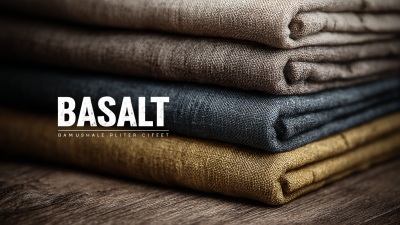
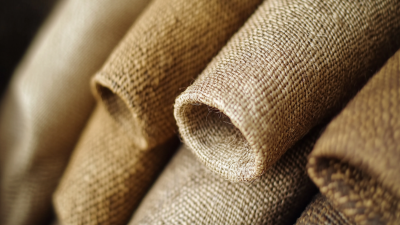
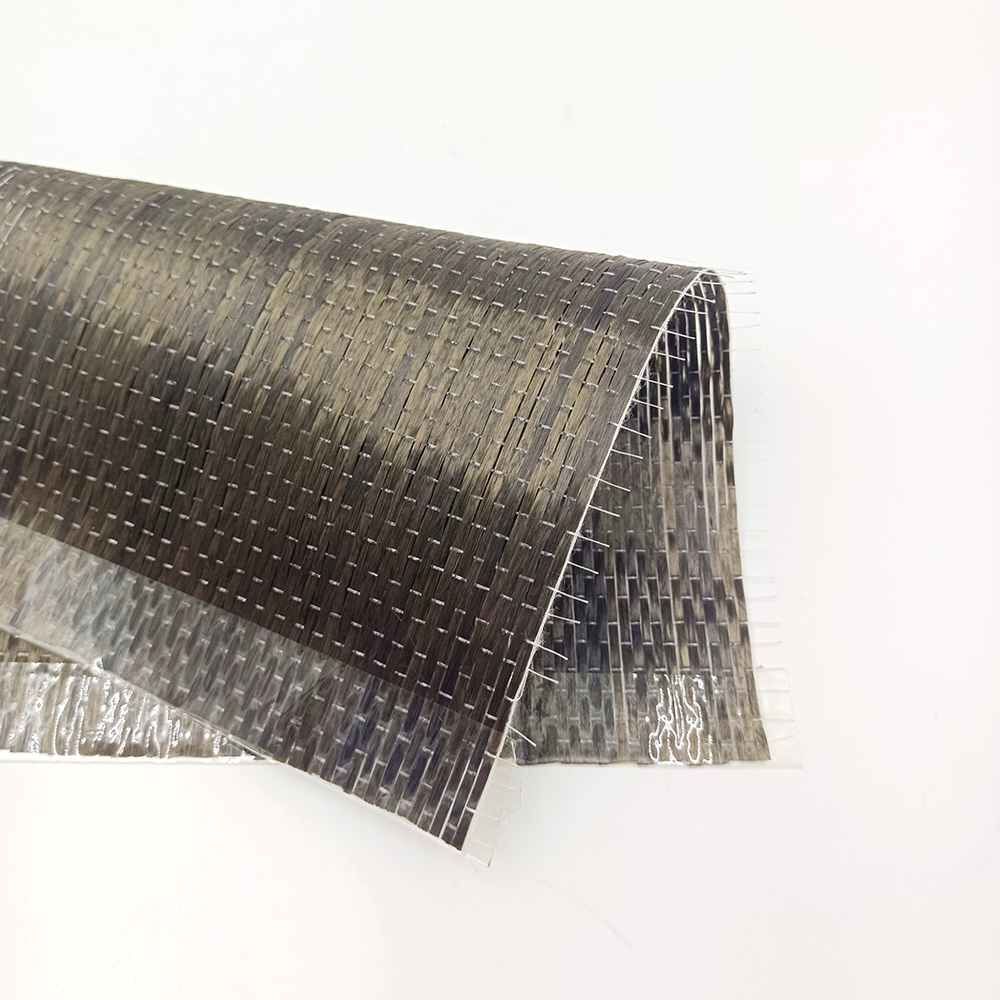
Lately, there's been a real buzz around advanced materials across different industries. One standout is Basalt Biaxial Fabric — it's this high-performance fabricknown for its strength, how well it handles heat, and how Lightweight it is. What’s pretty cool is that it’s made fromcontinuous Basalt Fiber, which isn’t just tough and reliable but also eco-friendly.
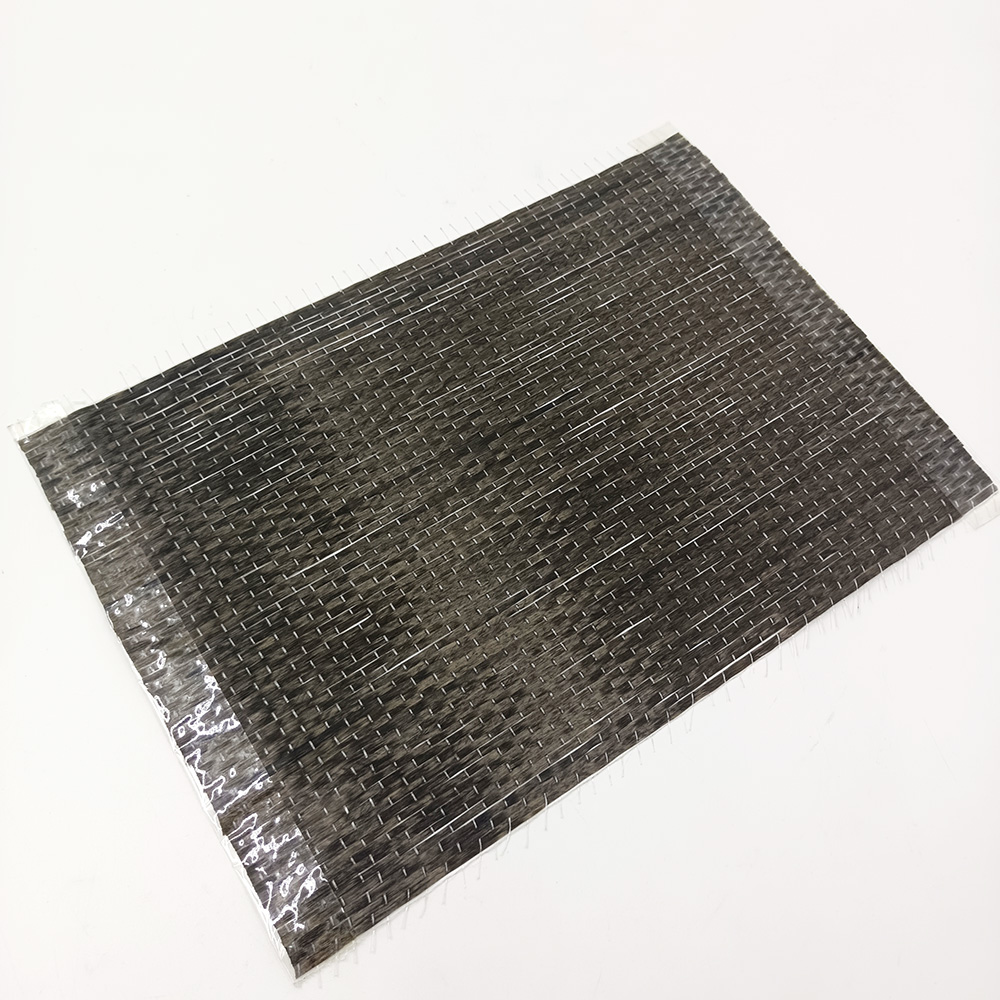
China Beihai Fiberglass Co., Ltd. is a big name in this space, focusing on creating top-notch basalt fibers and the equipment needed to produce them. This guide is all about breaking down what makes Basalt Biaxial Fabric so special — showing off how it’s used in everything from building and cars to aerospace and sports gear. As we dig into its features and the potential it holds, I’ll also point out how innovations at China Beihai Fiberglass are really pushing this material into new, exciting areas.
Understanding the Basics of Basalt Biaxial Fabric: What You Need to Know
Have you heard about basalt biaxial fabric? It’s really making waves in high-tech fields like aerospace, construction, and automotive industries. Basically, it’s a super-strong, lightweight material made from volcanic rock, which gives it some pretty incredible features. For instance, basalt fibers have a tensile strength of around 400 to 600 MPa—almost double what you'd get from regular glass fibers. That makes them a really attractive option when you need durability without adding extra weight, and they don’t require a lot of fuss to maintain.
Lately, there's been a lot of buzz about the rising demand for basalt fiber composites. Experts predict that between 2023 and 2030, the global market will grow at a pretty solid rate of around 12.6% annually. Why? Well, it’s not just because they’re super tough and heat-resistant up to 1000°C, but also because they’re eco-friendly and resistant to chemicals. Plus, their ability to withstand harsh environments makes them a game-changer across different industries. All in all, basalt biaxial fabric has the potential to totally shake up how we build things—making structures more sustainable and tougher than ever before.
The Ultimate Guide to Understanding Basalt Biaxial Fabric
This bar chart illustrates the tensile strength, thermal resistance, and durability of basalt biaxial fabric compared to other common materials used in advanced applications.
Key Properties of Basalt Biaxial Fabric: Strength, Durability, and Thermal Resistance
You know, basalt biaxial fabric is really starting to catch on in high-end applications thanks to its incredible strength, durability, and ability to resist heat. What makes the fibers special is their volcanic origin—there's just something about how that background gives them such impressive mechanical properties. Because the fibers are aligned in a biaxial setup, they distribute loads pretty well, making this fabric perfect for structural parts that face a lot of tension and compression. Honestly, in tough environments, this fabric really shines, standing up to stresses that would definitely cause many other materials to falter.
Plus, durability is definitely one of its strong suits. Unlike some traditional materials, basalt fibers resist corrosion and environmental wear and tear like a champ, so they last way longer even in harsh conditions. That's why industries like aerospace, automotive, and civil engineering are all over it. And let’s not forget about heat—this fabric can handle extreme temperatures without losing its shape or strength. That makes it super useful for things like fire-resistant structures and thermal insulation where reliability is key.
Applications of Basalt Biaxial Fabric in Aerospace and Automotive Industries
You know, basalt biaxial fabric is really starting to make waves in the aerospace and car industries. People are excited about it because it has such incredible mechanical properties and can handle pretty tough environments. Recent research shows that basalt fiber composites often outperform other materials, especially when it comes to resisting corrosion and soaking up moisture. For example, there was a study where basalt fiber reinforced with epoxy—and treated with sulfuric acid—showed almost no weight loss, which really highlights just how tough this material is against chemical wear and tear. That’s why basalt biaxial fabric is pretty much perfect for applications where durability and long-term performance are a must.
In the aviation world, where cutting down weight without sacrificing strength is a big deal, continuous basalt fibers hit the sweet spot—they’re strong yet light. Plus, their ability to resist extreme temperatures and corrosive stuff makes them a great fit for aircraft parts. The same goes for the automotive scene—using basalt fabrics can seriously upgrade vehicle safety and efficiency. And with companies like China Beihai Fiberglass Co., Ltd. pushing the envelope in making high-end basalt fibers, I genuinely believe these materials are set to change the game for both planes and cars alike.
Comparative Analysis: Basalt Biaxial Fabric vs. Traditional Composite Materials
When we talk about advanced materials these days, the comparison between basalt biaxial fabric and traditional composites is really catching some attention. Recent experiments using multi-directional three-dimensional carbon and basalt preforms have shown just how crucial fiber orientation and placement are when it comes to boosting concrete’s ability to handle loads, its strength, and how well it can absorb energy. Basically, this means that adding basalt fibers into your composite structures could give you better performance than the usual materials we're used to.
If you’re considering choosing basalt biaxial fabric, here are a few tips. First off, take a good look at what your project needs — basalt’s unique features can really shine in situations where high strength and durability are a must. Next, be super mindful about how you position those fibers during manufacturing because, as studies show, the way the fibers are aligned has a big impact on how strong and reliable the final product will be. And don’t forget to do some thorough testing on your material setups — it’s the best way to make sure everything works perfectly before you move forward.
All in all, the lightweight and eco-friendly qualities of basalt biaxial fabric are pretty exciting, and they could open doors to a whole bunch of innovative uses. With its edge over traditional composites, it’s definitely worth considering for a variety of high-tech applications in the near future.
Manufacturing Techniques for Basalt Biaxial Fabric: Innovations and Challenges
The way we make basalt biaxial fabric has come a long way, thanks to new innovations and some pretty tough challenges along the way. One of the biggest leaps has been the use of automated weaving machines, which really boost manufacturing speed while still keeping the quality lookin' good and consistent. This tech gives us tight control over how the fabric is built, leading to better mechanical tweaks — making it perfect for high-end stuff like aerospace parts or automotive components.
That said, it’s not all smooth sailing. Companies still struggle a bit when it comes to ramping up production and making sure the fabric performs reliably under different conditions. Basalt fibers are pretty unique—they can handle high temps and don’t transfer heat easily—which means handling and processing need to be just right.
Plus, fitting basalt fabrics into existing production lines isn't always straightforward; you’ve gotta be careful about how they mesh with other materials and processes. So, ongoing research and development are super important if we want to keep pushing the limits of what basalt biaxial fabrics can do, especially in advanced engineering stuff.
Future Trends in Basalt Biaxial Fabric Development for Advanced Engineering Solutions
The development of basalt biaxial fabric is honestly pretty exciting — it’s set to make a real difference in advanced engineering, especially when it comes to creating more sustainable building materials. As the industry shifts toward greener and tougher options, basalt fiber’s natural qualities—like its impressive strength and corrosion resistance—make it a really attractive choice. Plus, with more focus on lightweight composite structures, we’re likely to see some innovative stuff happening by combining basalt fabrics with the latest manufacturing tech to produce better building materials.
If you’re thinking about using basalt biaxial fabric in your projects, a good tip is to look at how it works with other composite materials to boost performance. Mixing basalt fibers with polymers can lead to lightweight yet super durable structures that fit the needs of modern engineering. Also, keeping an eye on new production methods, like 3D printing, could open up some cost-effective, eco-friendly options for construction.
As demand for high-performance materials continues to grow, exploring how fiber-reinforced polymers team up with basalt fabrics can unlock some really cool applications. Using these materials with their strong strength-to-weight ratios isn’t just about making structures sturdier — it’s also a step forward in pushing sustainable practices in engineering.
The Ultimate Guide to Understanding Basalt Biaxial Fabric for Advanced Applications
| Dimension | Description | Future Trends | Applications |
| Strength | High tensile and compressive strength | Increased use in structural reinforcement | Civil engineering, aerospace |
| Weight | Lightweight compared to steel | Advancements in lightweight composites | Automotive industry |
| Thermal Resistance | Excellent heat resistance | Enhanced thermal performance for niche markets | Fireproof applications |
| Corrosion Resistance | Resistant to many chemical environments | Increasing use in corrosive environments | Marine applications |
| Cost-effectiveness | Competitive pricing against traditional materials | Potential reduction in manufacturing costs | Infrastructure development |
The Ultimate Guide to Fireproof Basalt Fiber Needled Felt: Protection, Benefits, and Applications
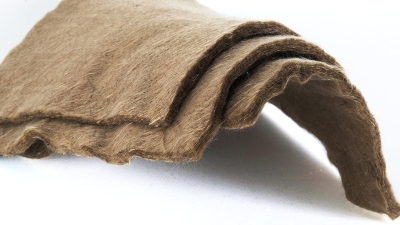
When it comes to providing robust protection against extreme temperatures, the Basalt Fiber Needled Mat stands out as a superior choice. Composed of 100% basalt glass fibers, this innovative product is engineered to withstand temperatures reaching up to 982°C (1800°F), with a continuous operating temperature of 760°C (1400°F). This exceptional performance is made possible through a unique needle-punching process that mechanically bonds the fibers without the need for additional adhesives, ensuring a reliable and durable solution for various industrial applications.
The design of the mat features numerous small holes, which contribute to its impressive thermal insulation capabilities. This makes it an ideal choice for environments that demand efficient heat resistance and electrical insulation. Beyond its thermal properties, basalt fibers also excel in sound absorption, making them suitable for applications that require both insulation and noise control. Whether utilized in construction, automotive, or aerospace industries, the Basalt Fiber Needled Mat offers a combination of high performance, safety, and sustainability, proving that effective fireproof materials can also be environmentally friendly.
FAQS
: Basalt biaxial fabric is a material made from basalt fibers derived from volcanic rock, known for its exceptional strength-to-weight ratios and thermal resistance.
Basalt fibers exhibit a tensile strength of approximately 400-600 MPa, which is nearly double that of traditional glass fibers.
Industries such as aerospace, construction, and automotive benefit significantly from the use of basalt biaxial fabric due to its durability and performance.
The global demand for basalt fiber composites is projected to grow at a compound annual growth rate (CAGR) of 12.6% from 2023 to 2030.
Basalt biaxial fabric can resist high temperatures up to 1000°C, making it suitable for demanding applications.
The fabric exhibits excellent chemical resistance and minimal weight loss when exposed to corrosive substances, enhancing its durability in harsh environments.
In the aerospace sector, basalt biaxial fabric's lightweight and strength characteristics are essential for weight reduction and maintaining structural integrity in aircraft components.
The use of basalt fabrics in the automotive industry can lead to improvements in vehicle performance, safety, and efficiency, particularly in harsh operating conditions.
Companies such as China Beihai Fiberglass Co., Ltd. are continuing to innovate in the production of high-performance basalt continuous fibers for advanced applications.
Conclusion
In our latest article,