China's architectural scene is truly vibrant and diverse, full of all kinds of styles and designs. One thing that really catches the eye is **Architectural Facades**—these are kinda the heartbeat of any building’s personality. They do a lot more than just look good; they also affect how the building functions and how sustainable it is. More and more, international clients are looking to China for unique facade options that mix the old with the new—kind of like blending tradition and innovation perfectly.
Big names like HOK and Gensler are definitely leading the way with some really creative facade designs. They’re good at choosing materials that last long and still reflect cultural vibes. But, here's the thing—sometimes designs don’t take the local climate into account, which can be a problem. So, when buyers are exploring what’s out there, it’s super important to find that sweet spot between something that’s beautiful and something that’s practical.
Choosing the right **Architectural Facades** can seriously boost your project’s wow factor. But, you’ve gotta pick carefully. A great facade isn’t just about looks; it should serve both the eye and the purpose. That means doing your homework—knowing what fits the project's goals and the local environment. Honestly, creating a stunning facade isn’t just a simple task; it’s a process that needs thought, experience, and maybe even a bit of patience.
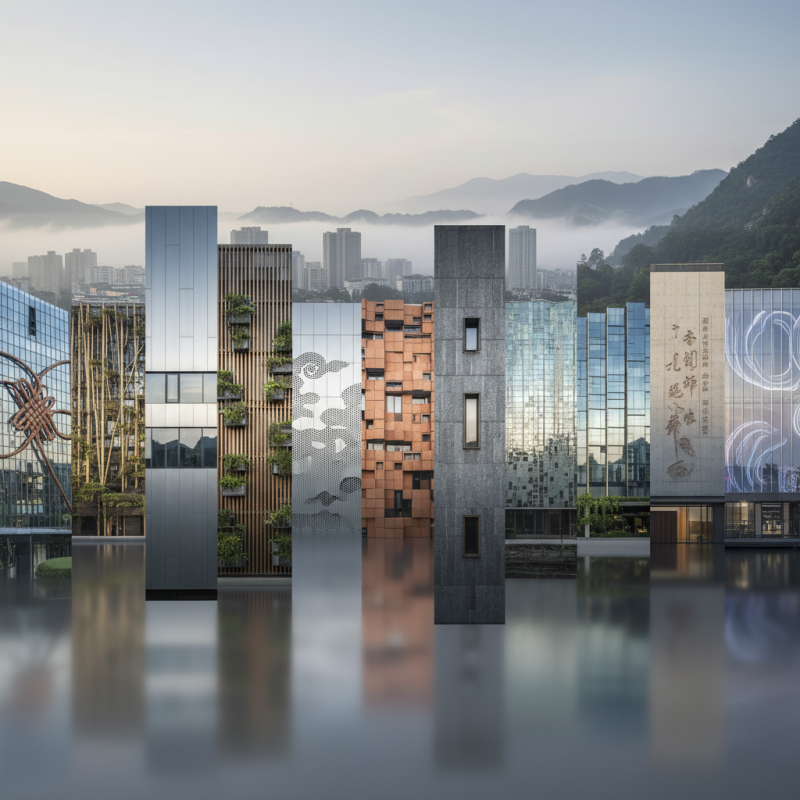
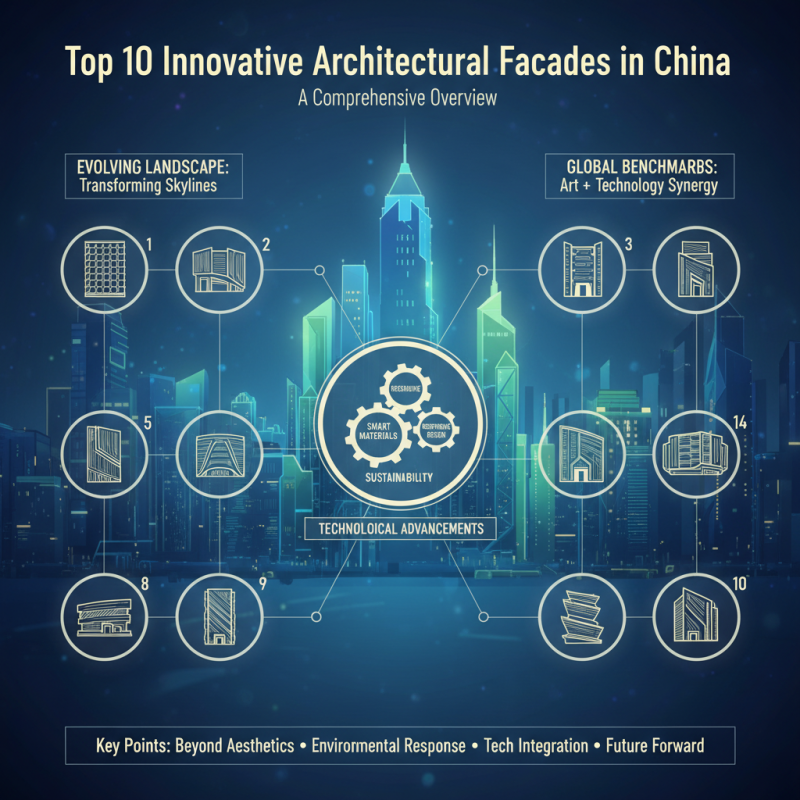
China's architectural landscape is rapidly evolving. Innovative facades are transforming skylines and setting benchmarks for global buyers. These facades go beyond aesthetics; they embody technological advancements and sustainability. Many designs utilize smart materials that respond to environmental changes. This synergy between art and technology is crucial.
One standout example features dynamic panels that adjust throughout the day. They optimize natural light while minimizing energy use. Such Architectural Applications demonstrate a commitment to both form and function. However, some designs may overlook practicality in favor of creativity. They can create challenges in maintenance and usability. This balance is essential for future developments.
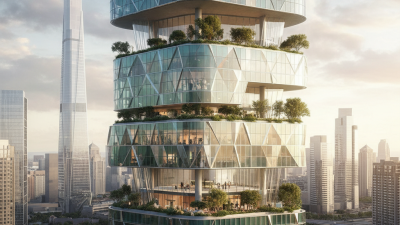
The incorporation of greenery into facades is also noteworthy. Vertical gardens not only enhance air quality but create inviting spaces. Yet, sustaining these installations poses questions. The right balance between innovation and care is crucial. Developers must reflect on the long-term implications of their designs.
In contemporary architecture, facades have become a canvas for innovation in China. The use of materials like glass, steel, and wood is prevalent. Modern buildings often showcase a blend of traditional and contemporary designs. This creates a dialogue between the past and present, attracting global buyers.
Design trends emphasize sustainability and functionality. For instance, green facades use plants to enhance the aesthetic and improve air quality. Yet, not all designs achieve the desired balance between beauty and practicality. Some facades may lack durability over time. It's crucial to evaluate not just the initial design, but also the long-term implications.
Textures in modern facades play a significant role. Concrete, timber, and metal finishes provide various visual appeals. However, the challenge lies in choosing the right combination. Poor material choices can lead to maintenance issues. Ultimately, the key is to create a facade that is not just eye-catching but also reliable and resilient.
Cultural heritage deeply influences facade designs in China. The blend of ancient artistry and modern techniques creates unique structures. Traditional elements like intricate carvings and elegant colors are often featured. These facades tell stories, connecting generations through architectural language.
Visitors are drawn to the beauty of these buildings. They reflect local craftsmanship, showcasing materials like wood and stone. However, the challenge lies in balancing tradition and innovation. Some buildings struggle to maintain this harmony. As modernity progresses, it risks overshadowing the cultural symbols embedded in facades.
Global buyers recognize the appeal of these designs. They see value in structures that tell a story. However, they must approach with care. Not every facade resonates with modern tastes. Each design holds significance and should be respected. Reflecting on these factors can lead to better appreciation and utilization of Chinese architectural heritage.
Sustainability is becoming a vital aspect of architecture in China. Innovative facade technologies are at the forefront of this movement. The integration of eco-friendly materials reduces carbon footprints and enhances insulation. Reports indicate that sustainable buildings can lead to energy savings of up to 30% annually. This figure highlights the growing importance of green architecture.
Active designs, such as green walls and dynamic shading systems, offer unique solutions. Studies suggest that these technologies not only improve energy efficiency but also enhance the aesthetic appeal of structures. Approximately 65% of architects in China believe that sustainable facades attract more clients. This trend emphasizes the shift towards eco-conscious design in urban development.
Challenges remain, however. The initial costs of implementing sustainable facades can be daunting. Many projects struggle with balancing cost and sustainability. While these technologies promise long-term benefits, the upfront investment is often a hurdle. Additionally, knowledge gaps exist among some builders, leading to inconsistent application of these innovations. Bridging these gaps is crucial for the future of sustainable architecture in China.
In recent years, the architectural landscape in China has undergone significant transformation, driven by innovation and sustainability. The facade plays a crucial role in this evolution. Notably, reports suggest that the global facade market is projected to grow at a CAGR of 9.4% from 2020 to 2027. Chinese architectural firms are at the forefront of this trend, often leading technology in building envelopes.
Some architectural firms are prioritizing energy efficiency. They utilize advanced materials to minimize heat gain and loss. This not only reduces operational costs but also enhances occupant comfort. Data indicates that buildings with high-performance facades can achieve up to 40% energy savings. However, not all architects meet these benchmarks. Some designs fall short in harmonizing aesthetics with function. The balance is delicate, and many projects have faced criticism for excessive focus on style over sustainability.
Active research and collaboration among firms have led to significant innovations. One emerging trend is the use of biophilic design, incorporating nature into architecture to improve well-being. It’s essential that architects consider how these designs perform over time. Regular assessments reveal that some facades are vulnerable to wear and tear, raising questions about their long-term viability. The ambition is clear, yet the execution remains a challenge. This ongoing dialogue about facade performance is vital for future advancements in architecture.
China's architectural landscape is continuously evolving, showcasing innovative facades in its major cities. For global buyers, understanding these designs is crucial. Let’s look at some significant projects that highlight successful facade strategies.
In Beijing, the Daxing International Airport features a flowing, organic design that mimics natural forms. This facade is both functional and visually striking, enhancing aerodynamics. Meanwhile, in Shanghai, the Shanghai Tower's unique spiraling exterior stands out. It not only reduces wind loads but also promotes energy efficiency. These examples demonstrate how aesthetics can align with sustainability.
Tips: Incorporate local materials whenever possible. They can enhance the connection between the building and its environment. Sustainable practices are essential in today's designs. Consider how each facade can impact energy use.
The challenges in these projects are notable. For instance, adapting modern design to traditional contexts can be difficult. Ensuring that new facades respect local history often requires careful planning. Understanding community needs is vital; it can’t be overlooked. This balance is a learning process for many architects.
The future of facade architecture in China is shaping up to be dynamic and innovative. Emerging trends indicate a significant shift towards sustainable materials and smart technology integration. According to a report by ResearchAndMarkets, the global facade market is projected to grow by 7.9% annually until 2027. This increase shows a rising demand for buildings that blend aesthetics with functionality.
In urban settings, there is a prominent move towards using adaptive facades that respond to environmental changes. These structures not only enhance energy efficiency but also actively contribute to comfort. A survey by the American Institute of Architects highlights that nearly 60% of architects prioritize sustainability in their projects. Such statistics reflect an important shift in buyer preferences, highlighting the critical need for responsible architectural design.
However, challenges remain. The integration of smart technology, such as IoT systems, can lead to complications in the design process. Balancing aesthetics and practicality often proves difficult. Furthermore, the limited availability of certain sustainable materials may hinder progress. As the industry evolves, continuous reflection on these setbacks is essential for future developments. The facade architecture landscape in China promises exciting opportunities, yet it also calls for careful consideration and planning.
: Innovative facades transform buildings and enhance aesthetics while incorporating technology and sustainability.
Dynamic panels adjust to natural light, optimizing energy use and reducing reliance on artificial lighting.
Greenery improves air quality and offers visual appeal. However, sustaining these installations can be challenging.
Energy-efficient facades minimize heat loss or gain, cutting operational costs and improving occupant comfort.
Biophilic design integrates nature into buildings to enhance well-being and foster a connection with the environment.
Balancing modern design with local traditions and community needs is often difficult and requires careful planning.
Using local materials enhances the connection between the building and its surroundings, promoting sustainability.
Successful facades align aesthetics with functionality and sustainability, as seen in projects like Daxing Airport and Shanghai Tower.
Architects must regularly evaluate facade performance and durability due to potential wear and tear over time.
Many architects reflect on past designs, realizing the importance of balancing style with practicality and sustainability.
This article provides a comprehensive overview of the top 10 architectural facades in China, showcasing their innovation and global appeal. It emphasizes key characteristics of modern facades, including contemporary materials and design trends that reflect China's unique cultural heritage. The discussion also addresses the integration of sustainability in architecture, highlighting eco-friendly facade technologies that contribute to a greener future.
Moreover, the article presents leading architectural firms that are at the forefront of facade innovations in China, alongside case studies of successful facade projects in major cities. Looking ahead, it outlines future trends in facade architecture, indicating how these developments may shape both local and global landscapes in the years to come. Through these insights, the article underscores the significance of architectural facades as not just functional elements but as powerful statements of design and sustainability.