Architectural Facades are really key in modern building design — they’re more than just pretty faces for a structure. They somehow capture the perfect mix of functionality, style, and eco-friendliness. As urban architect David C. Wright once pointed out, “The facade of a building is its first impression; it speaks volumes about its purpose and the values it embodies.” That’s a fancy way of saying that facades do a lot more than just look good—they tell a story about what the building is all about.
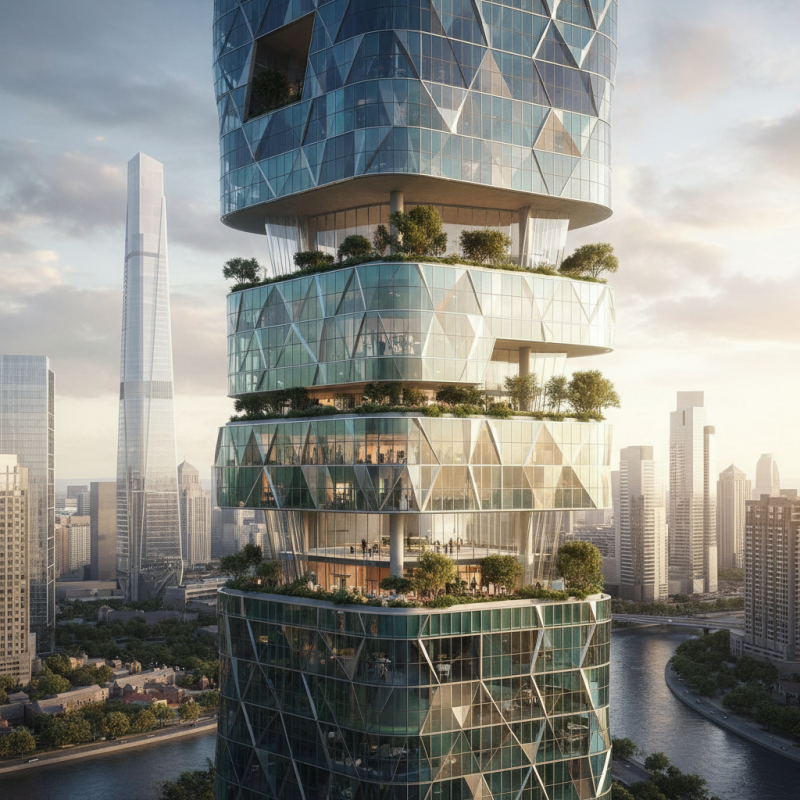
Architectural facades play a pivotal role in shaping the aesthetics of modern buildings, acting as the first impression for onlookers and encompassing the personality of the structure within. They offer a unique opportunity for architects to merge creativity with functionality, utilizing materials and innovative designs that reflect contemporary styles and cultural narratives. The facade serves not only as a protective skin but also as an expression of artistry and vision, merging practicality with visual appeal.
In an era where urban landscapes are constantly evolving, the facade can significantly influence the character of a neighborhood. It contributes to the harmony and coherence of a city’s architecture while providing a canvas for artistic expression. The designs range from sleek glass surfaces that signify modernity to intricate patterns that pay homage to traditional styles. These variations invite interaction and engagement, forging a connection between the building and its environment, and creating iconic landmarks that resonate with the public's aesthetic sensibilities. Through careful consideration of color, texture, and form, architectural facades become statement pieces that enhance the overall visual identity of modern buildings.
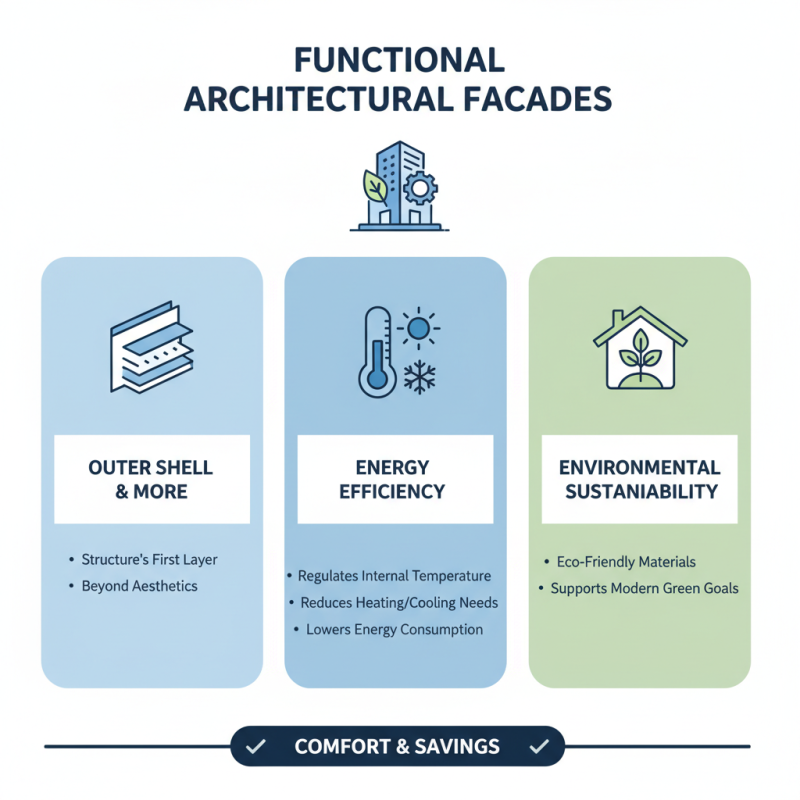
Architectural facades play a crucial role in the functional aspects of building design. They serve not only as the outer shell of a structure but also contribute significantly to energy efficiency and environmental sustainability. By incorporating insulation and advanced materials, facades can regulate internal temperatures, reducing the need for excessive heating or cooling. This functionality not only enhances comfort for occupants but also lowers energy consumption, aligning with modern sustainability goals.
Additionally, facades influence the acoustics within buildings, acting as barriers against external noise pollution. Thoughtfully designed facades can help create serene environments in bustling urban areas, providing Sound Insulation that allows for better focus and productivity within workplaces or tranquil living spaces. Furthermore, facades can facilitate natural light entry while controlling glare, thus improving the overall quality of indoor spaces. Effective management of light and sound through facade design underscores their importance in the contemporary architectural landscape, merging aesthetics with practical functionality.
Architectural facades play a crucial role in modern building design, particularly when it comes to sustainability and energy efficiency. As the first line of defense against environmental elements, facades are designed not just for aesthetics but also for enhancing a building's performance. Innovative facade technologies can significantly reduce energy consumption by optimizing natural light, regulating indoor temperatures, and utilizing materials that minimize resource use. This integration of design and functionality fosters a more sustainable approach to Construction, ultimately benefiting both the environment and the occupants.
When considering facade design, it's essential to think about materials that offer insulating properties while also allowing for ventilation. This not only helps in maintaining comfortable indoor conditions but also reduces reliance on heating and cooling systems. Additionally, incorporating features such as green walls or solar panels can further enhance energy efficiency.
Tips: When designing a facade, always evaluate local climate conditions to choose the right materials and technologies for energy savings. Explore options for shading devices, which can drastically cut down on cooling costs in warmer climates. Lastly, consider collaboration with engineers to ensure that aesthetic choices align with performance goals, creating a cohesive and efficient building envelope.
Architectural facades serve as the first line of defense for buildings, significantly impacting their overall performance and longevity. A well-designed facade not only enhances the aesthetic appeal of a structure but also plays a critical role in energy efficiency, thermal comfort, and the durability of the building. By incorporating materials and designs that withstand environmental stresses, architects can ensure that facades protect the building's integrity, reducing maintenance costs over time and prolonging its lifespan.
Tips for maximizing facade performance include selecting high-quality materials and considering local climate conditions during the design phase. Opt for sustainable options such as insulated panels or energy-efficient glazing, which can lead to better thermal regulation. Additionally, thoughtful design elements like overhangs can help minimize heat gain while also protecting the facade from harsh weather conditions.
The impact of facades extends to the environmental footprint of a building. Effective facades can reduce the need for artificial heating and cooling, ultimately lowering energy consumption. To enhance the longevity of a facade, regular inspections and maintenance should be scheduled to identify any signs of wear or damage early on. This proactive approach not only safeguards the investment but also contributes to the building's overall sustainability and resilience.
| Aspect | Impact on Performance | Longevity Benefits | Sustainability Contribution |
|---|---|---|---|
| Energy Efficiency | Reduces heating and cooling costs by 30%-50% | Increases lifespan of HVAC systems | Utilizes recycled materials, reducing carbon footprint |
| Aesthetic Appeal | Enhances visual attractiveness, contributing to urban identity | Durable materials prolong the facade's appearance | Can incorporate vertical gardens, improving air quality |
| Weather Resistance | Protects the building from harsh climate conditions | Reduces maintenance needs, extending overall building life | Resistant materials reduce resource consumption over time |
| Acoustic Control | Improves indoor sound levels by reducing external noise | Limits wear and tear from environmental factors | Using sound-absorbing materials promotes a healthier living space |
Architectural facades play a pivotal role in modern building design, influenced largely by the cultural and historical context of a location. According to the "Global Architectural Facade Market Report 2022" by Allied Market Research, the market is projected to reach $200 billion by 2030, driven by the increasing demand for sustainable and aesthetically pleasing structures. This growing interest in facades reflects broader cultural values and the historical significance of design aesthetics in various regions. For instance, many cities have established guidelines to preserve the historical integrity of their architecture, prompting modern builders to harmonize new developments with traditional styles.
The trends in facade design are increasingly shaped by sustainability and technology, which are culturally resonant themes across the globe. The 2021 report by the American Institute of Architects indicated that 65% of architects prioritize sustainable materials and energy-efficient technologies when designing facades, reflecting a cultural shift towards environmental responsibility. Furthermore, historical influences can be seen in the revival of classical elements merged with contemporary materials, promoting a dialogue between the past and the present. This synthesis not only enhances the visual appeal of buildings but also fosters a sense of identity and continuity within urban spaces, demonstrating how architectural facades serve as a canvas for cultural expression while addressing modern challenges.
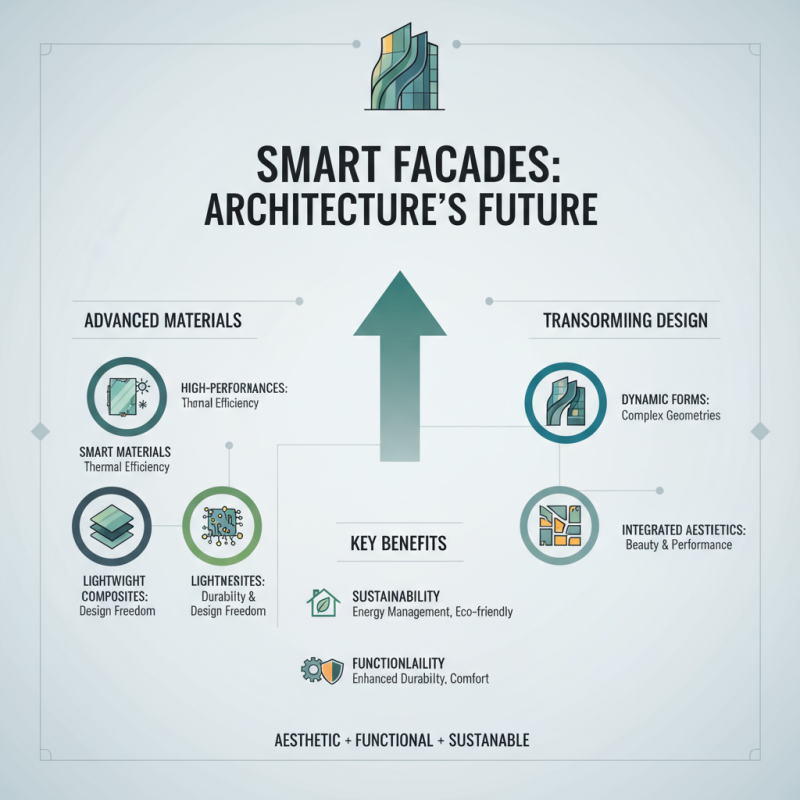
The integration of technological advancements in facade materials and construction has transformed modern architectural design, making facades not only aesthetically appealing but also functional and sustainable. Advanced materials like high-performance glass, lightweight composites, and smart materials enhance both the thermal efficiency and durability of buildings. These innovations allow architects to create dynamic forms and intricate designs while facilitating better energy management and environmental performance.
When selecting facade materials, consider opting for those that offer superior insulation properties to reduce energy consumption. Utilizing materials that adapt to weather changes, such as thermochromic or photochromic panels, can also enhance the energy efficiency of a building, making it more comfortable for occupants throughout varying climate conditions.
Moreover, the construction process has been revolutionized by prefabrication techniques that streamline the installation of facades. This not only shortens project timelines but also minimizes waste. Embracing modular designs can significantly cut down on labor costs and improve overall project efficiency. Stay updated on the latest innovations in facade technology to ensure your building remains energy-efficient and visually impressive.
The future of architectural facades in urban environments is poised to embrace innovation and sustainability, reflecting a growing awareness of the need for energy efficiency and aesthetic appeal. As cities become denser and the demand for functional public spaces rises, facades will serve not only as protective shells but also as dynamic elements that contribute to the ecological footprint of buildings. By integrating technologies such as solar panels and green walls, facades can transform buildings into active participants in urban ecosystems, effectively reducing energy consumption and enhancing air quality.
Moreover, the evolution of materials and construction techniques will enable architects to push the boundaries of facade design further than ever before. The use of smart materials that adapt to environmental conditions—such as changing light or temperature—will allow facades to optimize energy usage while providing comfort for occupants. Additionally, incorporating digital elements into facade designs can enhance the interaction between buildings and their surrounding urban environments, creating a more engaging and lively cityscape. This synergy between technology and design is essential for addressing the challenges of modern urban living, ensuring that architectural facades continue to play a crucial role in shaping the future of our cities.
: Architectural facades serve as the outer shell of a building while significantly contributing to energy efficiency, environmental sustainability, acoustics, and the quality of indoor spaces.
Facades can regulate internal temperatures through insulation and advanced materials, reducing the need for excessive heating or cooling, which lowers energy consumption.
Well-designed facades can act as barriers to external noise pollution, enhancing sound insulation and creating more serene environments for occupants.
Contemporary facade design trends are influenced by cultural and historical contexts, sustainability efforts, and advancements in technology, prompting harmony between new and traditional architectural styles.
Architects prioritize sustainable materials and energy-efficient technologies, reflecting a cultural shift toward environmental responsibility in building design.
Advanced materials include high-performance glass, lightweight composites, and smart materials, which enhance thermal efficiency and durability while allowing for intricate designs.
Prefabrication techniques streamline installation, shorten project timelines, minimize waste, and can reduce labor costs while improving overall project efficiency.
Using materials like thermochromic or photochromic panels allows facades to adapt to weather changes, improving energy efficiency and occupant comfort.
Effective management of natural light entry and glare through facade design improves the overall quality of indoor spaces, enhancing comfort and productivity for occupants.
The global architectural facade market is projected to reach $200 billion by 2030, driven by demand for sustainable and aesthetically pleasing structures.
Architectural facades play a crucial role in modern building design, serving not only an aesthetic purpose but also enhancing functionality and sustainability. They contribute significantly to the visual appeal of structures while impacting energy efficiency through innovative materials and design approaches. As urban environments evolve, the integration of advanced facade technologies can improve building performance and longevity, making them essential for addressing environmental challenges.
Additionally, cultural and historical influences shape current facade design trends, prompting architects to blend tradition with modernity. The future of architectural facades lies in their adaptability and responsiveness to the urban landscape, fostering spaces that are both visually striking and resource-efficient. Ultimately, architectural facades are fundamental in creating buildings that meet the demands of contemporary society while paving the way for sustainable urban development.