You know, abrasion resistanceis actually pretty important across a bunch of industries. Basically, it’s all about how well a material can handle getting worn down over time. Take textiles, for example—how long your fabrics last really matters for both how they perform and how Durable they are. Big names like DuPont and 3M have really pushed the envelope in improving this aspect in their products.
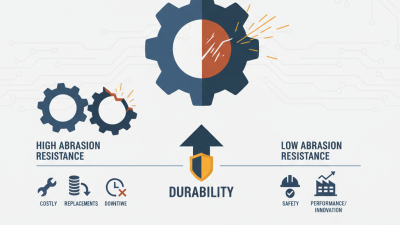
Getting a grip on what Abrasion Resistance means is super helpful, whether you're a manufacturer or just someone shopping around. It impacts things like how good the quality is, whether a product is safe to use, and how long it’ll last before needing a replacement. When materials aren’t tough enough, they tend to break or wear out way sooner than you'd want—end up costing a lot more in the long run. That’s why it’s so important to test and choose your materials wisely.
Also, this whole idea brings up some interesting questions about sustainability. Sure, making stuff more resistant to wear is great for making things last longer, but some of the ways to boost that property aren’t exactly eco-friendly. Finding that balance between durability and caring for the environment is a bit of a tricky dance. As industries move forward, we’ve gotta keep thinking about how to get the best of both worlds—products that do their job well without harming our planet in the process.
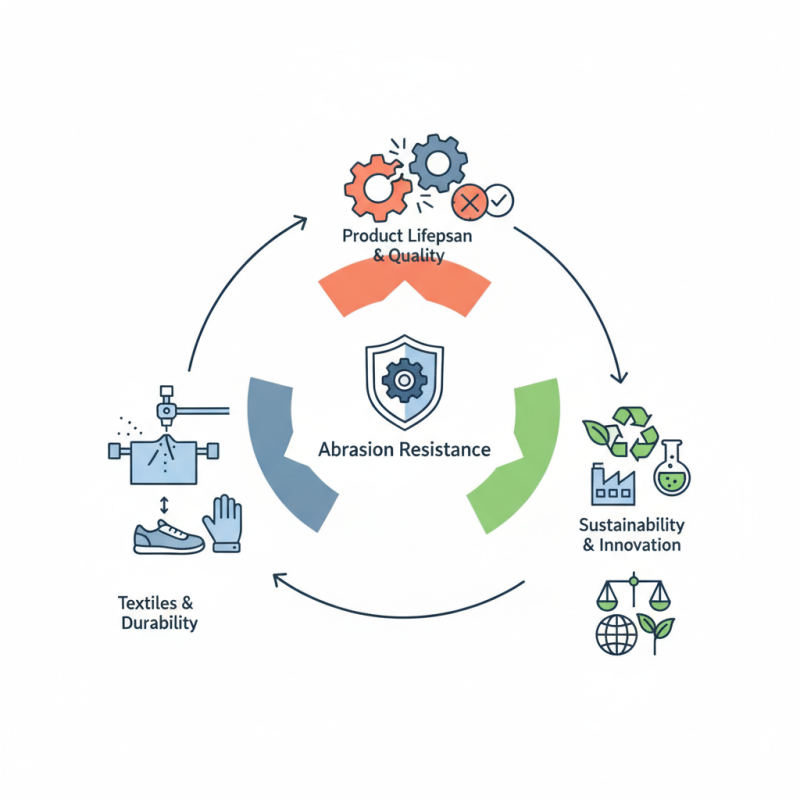
What is Abrasion Resistance?
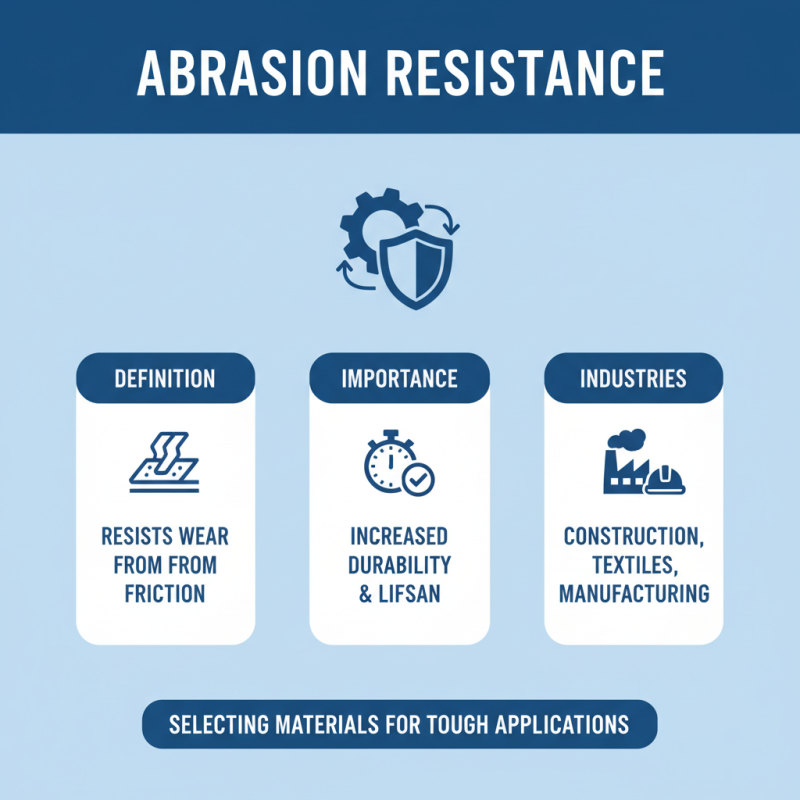
Abrasion resistance refers to a material's ability to withstand wear due to friction. Many industries value this quality highly. For example, Construction, textiles, and manufacturing all face daily challenges that test material durability. Understanding abrasion resistance helps in selecting the right materials for various applications.
Several factors influence abrasion resistance. The composition of a material often plays a significant role. Harder materials typically resist wear better than softer ones. However, there can be trade-offs. A highly resistant but brittle material may fail under impact. Observing how different materials perform in real-world conditions is crucial. It's not just about high ratings; it's about practical reliability in everyday use.
In many cases, abrasion-resistant materials must work alongside those with Chemical Resistance. For instance, in environments where chemicals are present, the perfect balance of both properties is necessary. Designers often find themselves contemplating this duality. They question whether the ideal material exists. This ongoing reflection makes innovation essential in material science.
The Science Behind Abrasion Resistance
Abrasion resistance is an essential factor in determining the longevity of materials used in various industries. From textiles to construction, the ability of a material to withstand wear and tear directly affects performance and safety. According to a report from the American Society for Testing and Materials (ASTM), materials with high abrasion resistance can last up to three times longer than their less resistant counterparts. This statistic underscores the importance of selecting appropriate materials for specific applications.
The science behind abrasion resistance involves understanding the physical and chemical properties of materials. High abrasion resistance often correlates with hardness and elasticity. For instance, harder materials typically resist scratching and surface wear better. However, achieving a balance between hardness and flexibility is critical, as overly hard materials may become brittle. A study published in the Journal of Materials Science highlights that optimal abrasion resistance can increase operational efficiency by reducing the frequency of replacements. Yet, industries often overlook the long-term implications of these choices in favor of immediate cost savings.
Assessing abrasion resistance requires rigorous testing and standards. Instruments like the Taber Abraser measure wear resistance by simulating real-world conditions. Despite these advancements, many manufacturers still struggle with inconsistent quality. Variable factors, such as the manufacturing process and environmental conditions, can influence results. This inconsistency raises questions about the reliability of abrasion resistance claims in products. Ultimately, enhancing materials for better abrasion resistance is an ongoing challenge that requires collaboration between scientists and manufacturers.
Factors Affecting Abrasion Resistance
Abrasion resistance is crucial in various applications, especially in manufacturing and construction. Factors affecting abrasion resistance include material composition, surface treatment, and environmental conditions. A material's intrinsic properties greatly influence its durability and longevity. For instance, the hardness of a surface can significantly enhance its ability to withstand wear and tear.
Surface treatments, such as coatings or sealants, can improve a material's abrasion resistance. These treatments can create a barrier against physical damage. However, not all treatments are equally effective. Some may wear off quickly, requiring frequent maintenance. It’s essential to weigh the costs and benefits of these options.
Environmental factors also play a role. Temperature fluctuations and humidity can weaken materials over time. Additionally, the presence of chemicals or abrasive particles can exacerbate wear. Manufacturers should consider these elements during the design phase. Understanding these factors ensures that materials perform well in their expected environments. Not all options will provide the same level of Corrosion Resistance. Evaluating each factor carefully leads to better decision-making in material selection.
Testing Methods for Measuring Abrasion Resistance
Abrasion resistance is a critical property for many materials. Testing methods play a vital role in determining how well a material can withstand wear and tear. Various tests exist, each measuring different aspects of a material's durability.
One popular testing method is the Taber Abraser test. This involves rubbing a sample against an abrasive wheel. The wear is measured over time, providing insight into the material's life expectancy. Another method is the ASTM D4060 test, which assesses the abrasion resistance of coatings and materials under standardized conditions. Each test has its specific applications and can yield varying results.
Understanding these methods allows manufacturers to select suitable materials for specific applications. It's important to note that results can vary under different conditions. Relying solely on one test may not provide a complete picture. Continuous reevaluation and consideration of multiple methods are essential for accurate assessments.
Applications of Abrasion-Resistant Materials
Abrasion-resistant materials play a vital role in various industries. In construction, these materials are crucial for surfaces that experience constant wear and tear. According to industry reports, about 30% of maintenance costs arise from surface damage. Using abrasion-resistant materials can significantly reduce these expenses.
In the automotive sector, the demand for durable components is ever-increasing. Studies show that vehicles equipped with abrasion-resistant materials can last 20% longer. This longevity enhances safety and reliability. Additionally, these materials often integrate features like Fire Resistance, which makes them suitable for high-performance applications.
Manufacturing environments also benefit from abrasion-resistant materials. Factories utilize these materials in conveyor belts and machinery. It’s common to see production losses due to premature wear. However, using the right materials can mitigate this issue. Reports indicate that companies can save up to $100,000 annually on replacement parts. The investment in quality materials is often justified by long-term gains. Yet, many businesses understate the importance of proper material selection. As the industry evolves, awareness of material properties must improve.
Abrasion Resistance of Different Materials
Abrasion resistance is a critical property for materials used in various industries, affecting their durability and lifespan. The following chart illustrates the abrasion resistance scores of common materials used in various applications.
Importance of Abrasion Resistance in Various Industries
Abrasion resistance plays a crucial role across various industries. In manufacturing, materials with high abrasion resistance can greatly enhance product durability. According to a report by the International Journal of Materials Science, materials with better abrasion resistance see a reduction in wear by nearly 30%. This leads to less frequent replacements, ultimately saving costs and resources.
In the construction sector, abrasion resistance affects both safety and efficiency. For instance, flooring materials need to withstand heavy foot traffic and equipment movement. Poor abrasion resistance can lead to increased maintenance costs. A study by the American Society for Testing and Materials revealed that inadequate flooring can increase accidents by up to 25%. These statistics underscore the importance of choosing the right materials for sustainability.
Tip: When selecting materials, always consider their abrasion resistance rating. Look for certifications that guarantee performance. In addition, regularly assess the wear and tear of materials in use to make informed decisions about replacements. This proactive approach can save time and money in the long run.
Future Trends in Abrasion Resistance Technology
Emerging trends in abrasion resistance technology reveal a fascinating evolution. These advancements focus on enhancing materials to withstand wear and tear. Industries are pushing boundaries to improve longevity. This makes a significant difference in manufacturing, automotive, and construction sectors.
Recent innovations include composites that offer exceptional durability. The use of advanced polymers and fibers provides better performance. Many studies show how these materials also possess High Temperature Resistance. They can maintain strength and flexibility even under extreme conditions. Yet, the challenge lies in balancing cost and performance. Research is ongoing to make these technologies more affordable.
As we look toward future developments, sustainability will be crucial. Eco-friendly materials are becoming more popular. They aim to reduce environmental impact while maintaining durability. However, the industry must be cautious. There are still many unanswered questions about the long-term effects of these new materials. Adopting new technologies is essential, but we must evaluate their efficacy and sustainability carefully.
What is Abrasion Resistance and Why Does It Matter?
| Material Type | Abrasion Resistance (mg loss) | Applications | Future Trends |
| Polyurethane | 30 | Shoes, Tires | Bio-based materials |
| Nylon | 20 | Clothing, Ropes | Smart textiles |
| Ceramics | 10 | Protective gear | Advanced composites |
| Rubber | 25 | Conveyor belts, footwear | Sustainable alternatives |
| Graphene | 5 | Coatings, electronics | Nanotechnology innovations |
Exploring the Benefits and Applications of High Temperature Resistance Basalt Fiber Sleeves and Tape in Industrial Settings
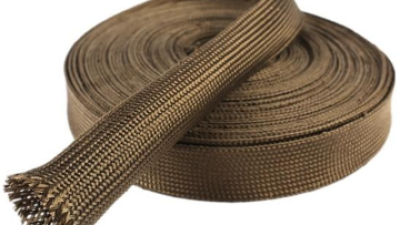
High temperature resistance basalt fiber sleeves and tapes have become indispensable materials in various industrial applications due to their unique properties. Made from continuous basalt fiber, these products exhibit excellent electrical insulation, high-temperature stability, and robust chemical corrosion resistance. This makes them ideal for use in critical components within electrical apparatuses, such as wire stripping parts and insulation pipes for thermocouples. The ability to undergo surface treatment means that these sleeves and tapes can be customized for specific applications, enhancing their performance across multiple industries.
Furthermore, basalt fiber materials are not only effective in electrical applications but also serve as a vital component in the medical field. They are being utilized to replace traditional carbon sleeves in orthotics and prosthetics technology, thanks to their lightweight and strength characteristics. Additionally, rolled basalt fiber tapes are highly effective as thermal insulation covers for pipelines, functioning efficiently in both indoor and outdoor environments. With the ongoing advancements in material processing, the integration of high-temperature resistant basalt fiber products into industrial settings continues to expand, paving the way for improved performance and safety in various applications.
FAQS
: Abrasion resistance is a material's ability to withstand wear from friction. It’s crucial across many industries.
Key factors include material composition, surface treatment, and environmental conditions. Each factor impacts durability.
Harder materials usually resist wear better. However, they may be brittle and fail under impact.
Yes, coatings or sealants can enhance resistance. However, some treatments wear off quickly and need regular maintenance.
Temperature and humidity can weaken materials over time. Chemicals and abrasive particles can increase wear significantly.
They reduce maintenance costs from surface damage, as about 30% of costs are related to wear and tear.
Vehicles made with these materials can last 20% longer, enhancing safety and reliability in performance.
They minimize production losses due to wear, potentially saving companies up to $100,000 annually on replacements.
No, not all provide the same performance. Evaluating materials carefully leads to better decision-making.
Many businesses underestimate the importance of choosing the right materials, impacting long-term performance and costs.
Conclusion
Abrasion Resistance refers to the ability of a material to withstand wear and tear caused by friction or mechanical action. This characteristic is critical across various industries, as it directly impacts the durability and longevity of products. The science behind abrasion resistance encompasses the material properties that enable resistance to wear, including hardness, texture, and composition. Factors such as environmental conditions, application methods, and material quality play significant roles in determining abrasion resistance.
Testing methods for measuring abrasion resistance are essential for assessing material performance in real-world applications. Industries such as construction, automotive, and manufacturing greatly benefit from the use of abrasion-resistant materials, enhancing product reliability and decreasing maintenance costs. As technology advances, future trends in abrasion resistance will likely focus on developing even more durable materials and innovative testing methods, ensuring that industries can meet increasing demands for performance and longevity.