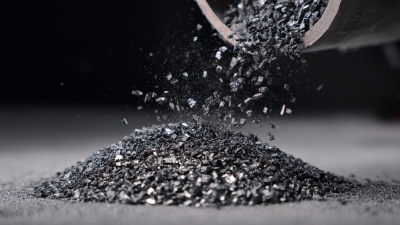
Lately, there's been a real spike in demand for advanced Building Materials, especially those that are both sustainable and built to last. Have you heard about Basalt Fiber Roving? It’s been making waves because of its incredible strength and how well it holds up against the elements. Honestly, it’s kinda changing the game in construction. According to a report from Research and Markets, the global market for basalt fibers is expected to grow at a pretty solid rate—about 12.5% compound annual growth from 2020 to 2027. That just shows how more people are starting to see it as a legit alternative to traditional materials.
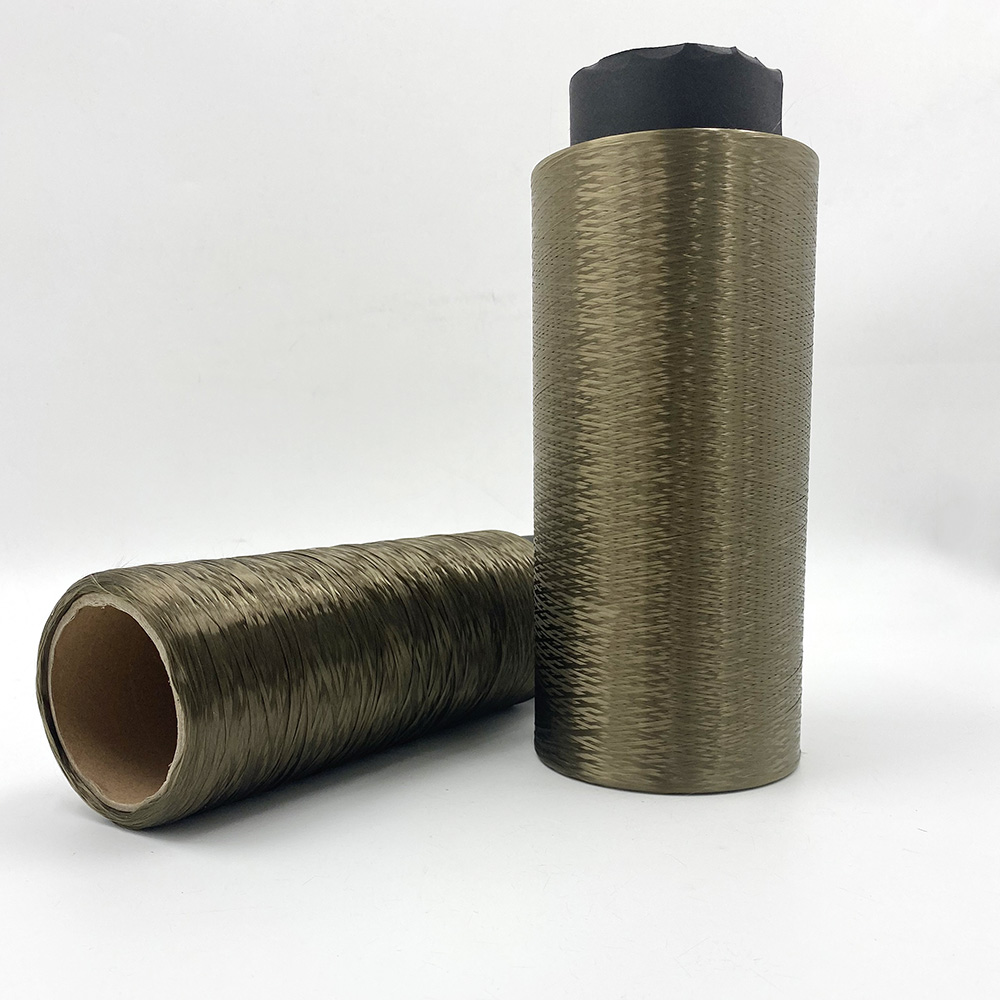
Companies like China Beihai Fiberglass Co., Ltd.—a big name in China’s basalt fiber scene—are really pushing the envelope with research, development, and production of high-performance basalt continuous fibers. In this blog, I want to walk you through the five most common ways basalt fiber roving is used in construction — showing just how much it can boost durability and overall performance in different building projects.
Understanding Basalt Fiber Roving: Properties and Advantages in Construction
Have you heard about basalt fiber roving? It's really shaking things up in the construction world! This stuff has some pretty amazing properties that actually help make structures stronger and last longer. For example, with a tensile strength of around 600 MPa, basalt fiber actually beats out traditional materials like steel and glass fibers—so it's becoming a top pick for reinforcing concrete. And what's pretty cool is that buildings built with basalt fiber tend to crack less and are more resistant to chemicals, which means they don't need as much fixing up over time. So, yeah, it’s a win-win for durability and saving money in the long run.
One of the best things about basalt fiber is how well it handles high temperatures. If you're working on a project in a fire-prone area, this fiber might just be your new best friend. A recent study published by the International Journal of Civil Engineering found that basalt fiber composites can survive over 1000°C without losing their structural performance—that’s pretty impressive! Plus, it’s eco-friendly. It’s made from natural basalt rock and can be recycled without dumping harmful stuff into the environment. This totally lines up with the trend towards more sustainable building practices. In fact, the 2022 Global Green Building Trends report highlights how important it is to choose materials that are not only tough but also eco-conscious. All in all, basalt fiber seems like a smart upgrade for modern construction projects—combining strength, safety, and sustainability in one package.
Key Applications of Basalt Fiber Roving in Structural Reinforcement
You know, basalt fiber roving has really started making waves in the construction world lately. It’s honestly a game-changer, especially when it comes to reinforcing structures. What’s cool about it is its mix of high tensile strength, being super lightweight, and its resistance to pretty much everything—chemicals, heat, you name it. Because of these qualities, it’s becoming a go-to for all sorts of applications.
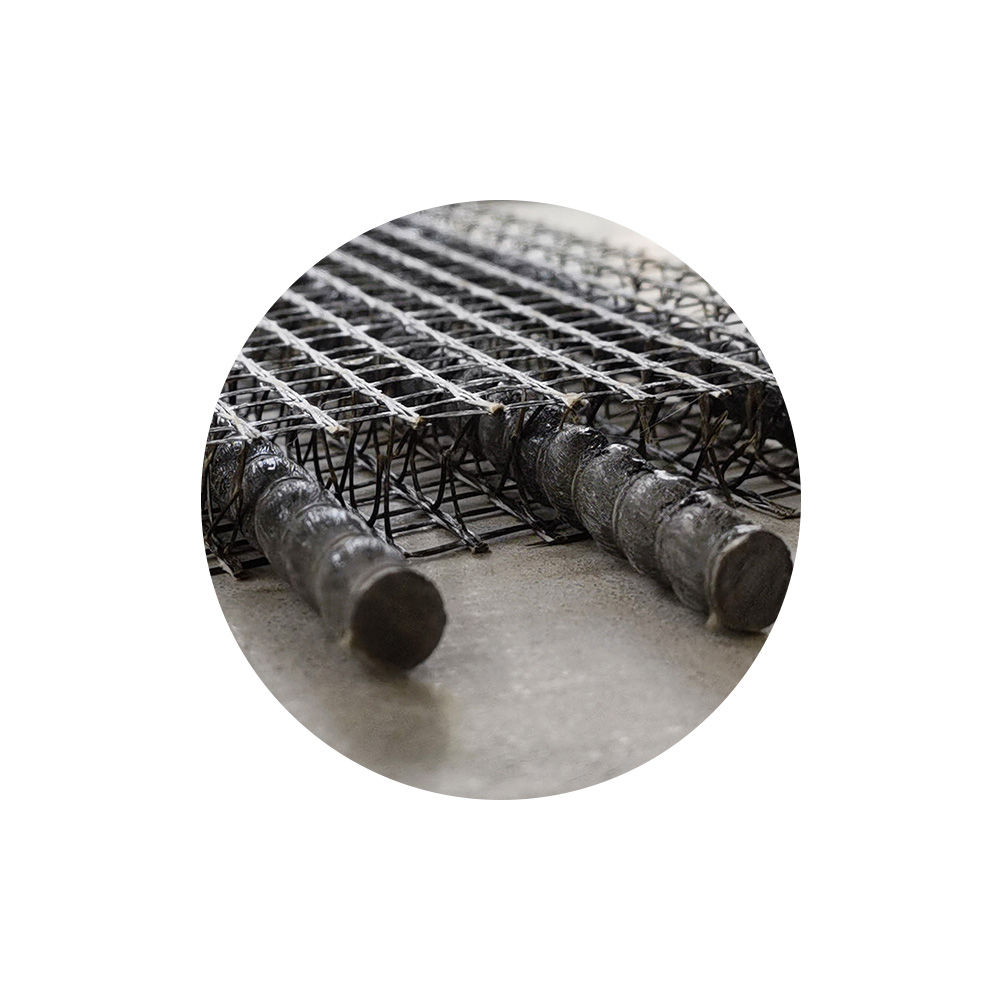
One area where it really shines is in reinforcing concrete. When added to the mix, this stuff can seriously boost the durability of buildings, helping them hold up better against tough environmental conditions and, ultimately, last longer.
But that’s not all — basalt fiber roving is also a lifesaver when it comes to retrofitting older structures. As buildings get older, they tend to suffer from wear and tear, right? Well, tossing some basalt fibers into the mix can really beef up their load-bearing capacity and improve how they handle earthquakes.
Plus, it’s used in making composite materials for bridges and repairs. These composites are lighter but still pack a punch in terms of strength, helping modern projects meet today’s tough safety and performance standards.
With all these applications, basalt fiber roving is definitely set to change the game in construction and building maintenance. It’s pretty exciting to see how it will shape the future of our built environment!
Enhancing Concrete Durability with Basalt Fiber Roving Technologies
You know, basalt fiber roving tech is really shaking things up when it comes to making concrete last longer in construction. It’s like a game-changer for the industry, honestly. I read somewhere that, according to a report by the Global Basalt Fiber Market, the demand for basalt fibers in building projects is expected to grow by about 17.4% each year until 2025—that shows how much people are realizing all the benefits these fibers have to offer. One of the coolest things about adding basalt fibers to concrete is how much better it resists stuff like corrosion and thermal shocks. Tests have shown that concrete reinforced with basalt can get up to 40% stronger when it comes to resisting compression. That’s pretty impressive, right? It really highlights how well this material can stand up against time and nature’s challenges.
Plus, basalt fibers are lightweight but super strong in tension. That means you can make the structure lighter without sacrificing durability. There was some recent research in the Journal of Advanced Concrete Technology that pointed out how using basalt fiber roving can help cut down cracking and boost the overall toughness of concrete under different kinds of stress. This is especially useful in earthquake-prone areas where having stronger tension properties can make structures much more resilient. As the construction world keeps looking for sustainable and long-lasting materials, basalt fiber roving definitely stands out as a game-changing innovation — pushing concrete performance to a whole new level.
Basalt Fiber Roving vs. Traditional Reinforcements: A Comparative Analysis
You know, basalt fiber roving is really starting to shake things up in the construction world. It’s gaining quite a bit of attention lately, and for good reasons! Unlike the usual steel or glass fiber reinforcements we’ve used for ages, basalt fiber has some pretty impressive perks — like resisting corrosion, handling high temperatures, and even taking on UV rays without breaking a sweat. I came across a report from the Global Basalt Fiber Market Analysis that said using basalt fiber could actually boost the lifespan of building materials by as much as 60%. That means fewer repairs, less early replacement — pretty compelling stuff, right?
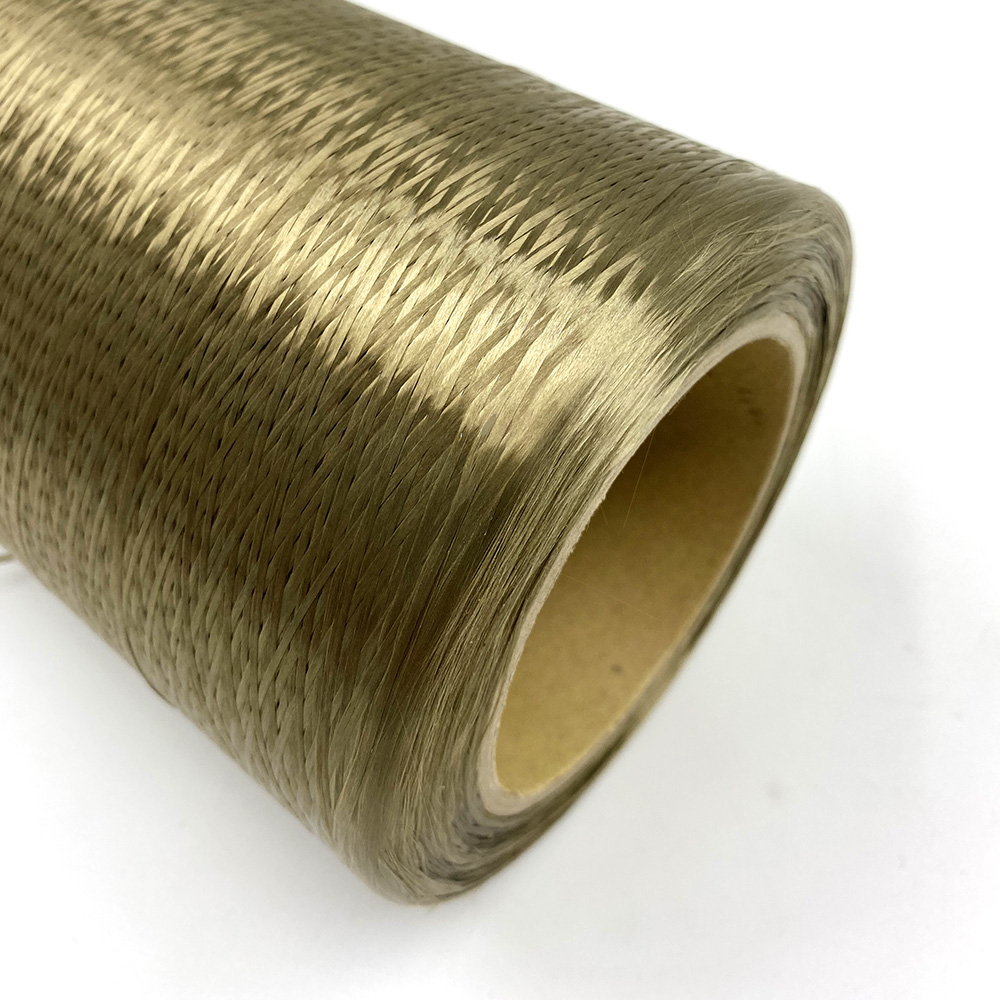
And speaking of players in this space, China Beihai Fiberglass Co., Ltd. seems to be leading the charge when it comes to developing top-notch basalt continuous fibers. When you stack it up against traditional options, basalt fiber often boasts a tensile strength of about 700 MPa — way above the typical 400 MPa you'd see from glass fiber. Plus, it’s super lightweight, which is a real bonus for modern architectural designs that are all about going sleek and tall without adding too much weight.
Now, I know what you’re thinking — what about costs? Well, some research, like a study from the International Journal of Composite Materials, suggests that even if basalt fiber might cost a bit more upfront, the savings over time more than make up for it. Less maintenance, longer-lasting materials, and all that add up to a total cost that might actually be lower in the long run. It’s clear that basalt fiber roving isn’t just a trendy new thing — it’s a smart, sustainable choice for building stronger, more durable structures in the future.
Innovative Uses of Basalt Fiber Roving in Sustainable Building Practices
You know, basalt fiber roving is really shaking things up in sustainable building practices. It's incredible how many advantages it offers over your usual construction materials. I came across the Global Basalt Fiber Market Report, and it mentioned that the demand for basalt fiber in construction is expected to grow at a pretty solid rate—about 8.1% annually until 2026. A lot of that growth is thanks to basalt’s impressive properties like its high tensile strength, resistance to chemical corrosion, and ability to handle heat without breaking a sweat. That makes it such a great option for reinforcing concrete structures. Using basalt fiber roving not only makes buildings more durable but also helps cut down the environmental impact of construction projects—pretty awesome, right?
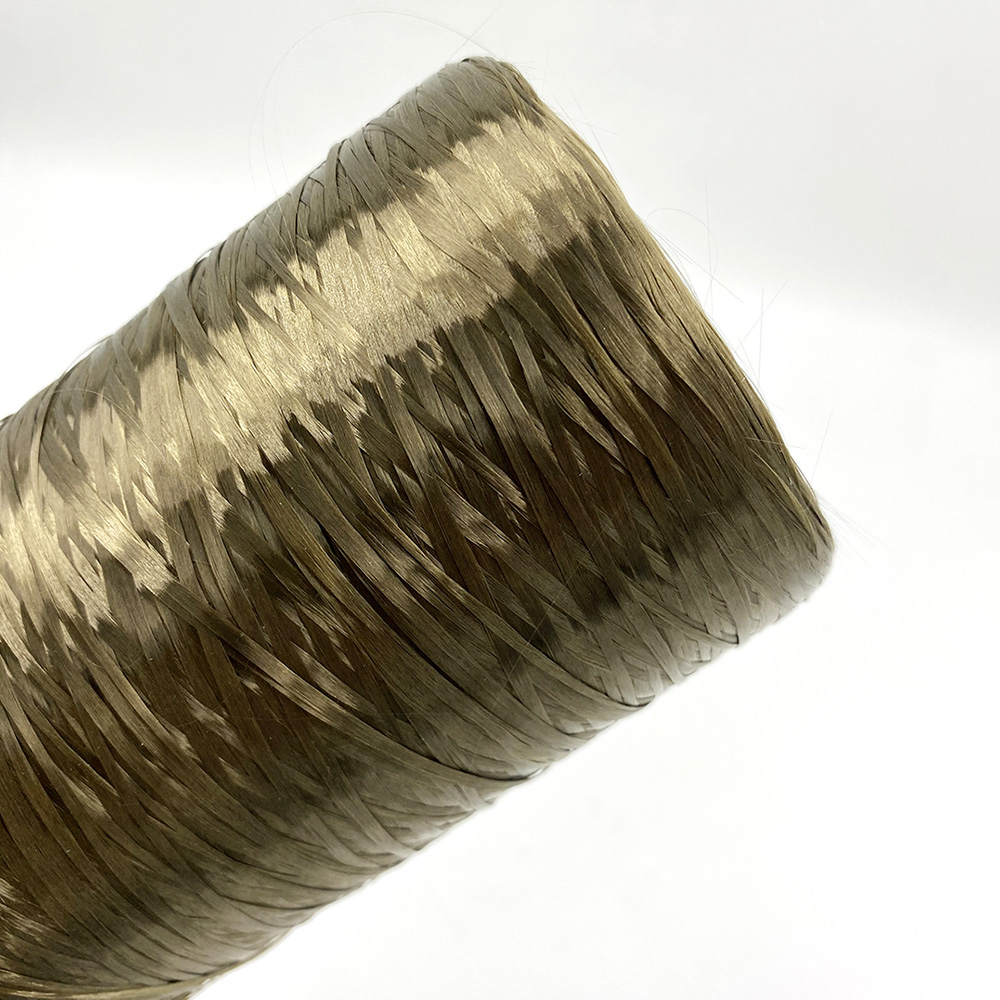
And the cool thing is, people are finding all sorts of creative uses for it. For example, you can use basalt fiber instead of steel rebars in concrete. Some research from the International Journal of Sustainable Engineering shows that concrete reinforced with basalt fibers can have up to 30% more tensile strength and be almost half as heavy as traditional stuff. Plus, mixing basalt into asphalt has shown to resist cracking and rutting better, which means roads last longer. As the construction world moves toward more eco-friendly and sustainable options, integrating basalt fiber roving is a pretty big step forward for building stronger, longer-lasting infrastructure without harming the planet too much.
Future Trends: The Role of Basalt Fiber Roving in Modern Construction Techniques
Lately, you’ve probably noticed that basalt fiber roving is becoming more and more popular in modern construction projects. It’s exciting because it offers some really innovative ways to boost the durability and overall performance of structures. As the construction world keeps changing, there's a growing push for materials that are both lightweight and super tough—basalt fiber fits right into that sweet spot. Its impressive strength when pulled, resistance to corrosion, and ability to handle extreme temperatures really set it apart — kind of like a game-changer. Whether it's reinforcing concrete or making composite materials, basalt fiber roving is looking like a solid way to make buildings last longer and stand stronger over time.
Looking ahead, I really think basalt fiber will play a big part in pushing sustainable building practices. With more folks focusing on eco-friendly materials these days, basalt fiber's natural origins and its ability to be recycled make it a smart choice that aligns nicely with those green goals. Plus, it’s not just about being eco-friendly; structures built with basalt fiber are also better equipped to handle the changing climate conditions we’re dealing with. As more architects and engineers start to see what basalt fiber can do, I believe we’re on the verge of some exciting innovations that could totally reshape how we think about building in the future.
Applications of Basalt Fiber Roving in Construction
Harnessing Strength: The Benefits and Applications of Basalt Fiber Unidirectional Cloth in Modern Industries
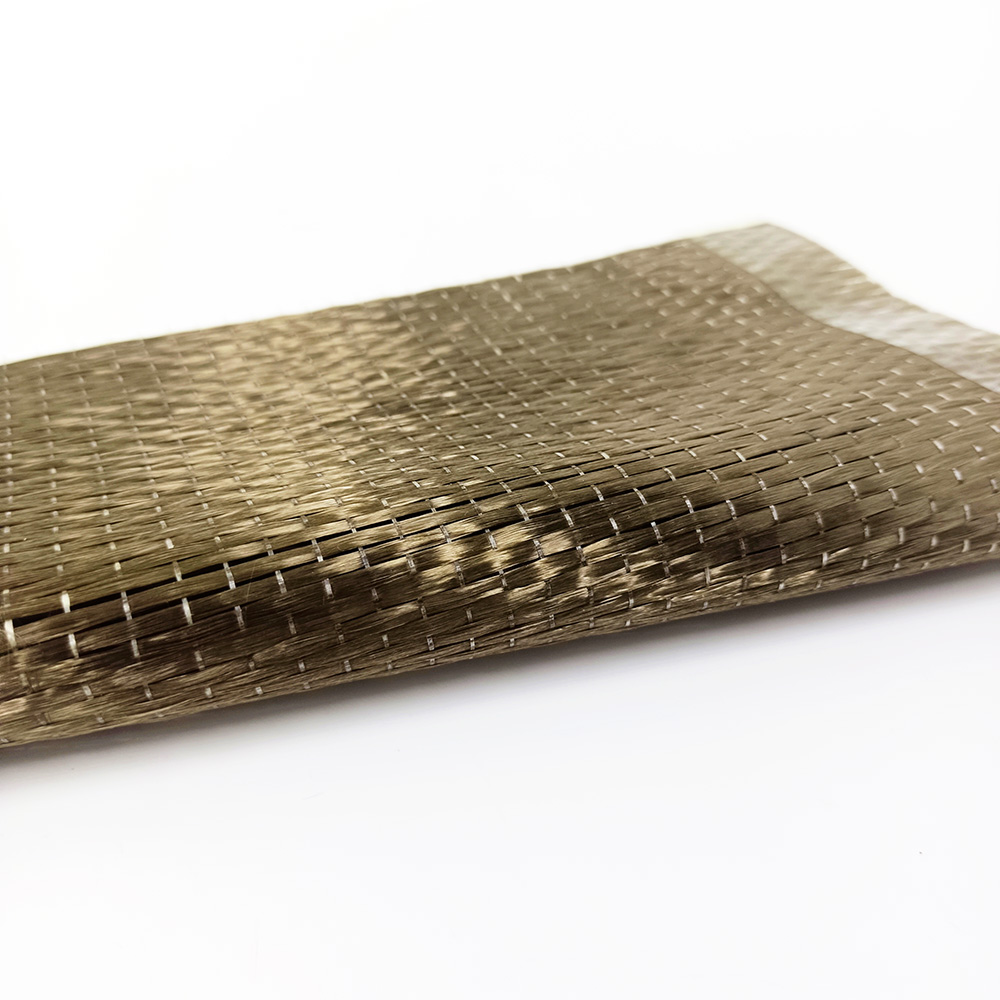
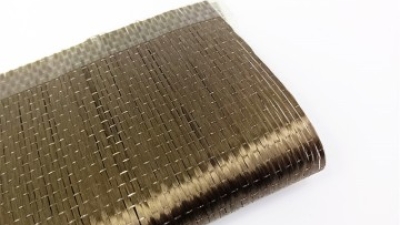
Basalt fiber unidirectional cloth is revolutionizing various industries by leveraging the unique properties of basalt fibers. Unlike traditional materials, this UD fabric is engineered with fibers aligned in a single direction, maximizing strength and performance. The careful arrangement allows for superior tensile strength and durability, making it ideal for applications in aerospace, automotive, and construction sectors. With a matrix that can effectively bond with phenolic, epoxy, and polyester resins, this innovative fabric can enhance the physical characteristics of composite materials, ensuring that end products withstand significant stresses and strains.
The versatility of basalt fiber unidirectional cloth lies not only in its strength but also in its compatibility with various resin systems. The inclusion of a specially formulated infiltrating agent ensures optimal adhesion, while coupling agents enhance the interaction between the fibers and resins, thereby optimizing the reinforcing effects. This makes it an excellent choice for projects that demand high-performance materials, whether it’s for lightweight yet strong components in vehicles or robust materials for structural reinforcement. As industries continue to evolve, the adoption of basalt fiber technologies stands out as a significant advancement, enabling manufacturers to create more efficient, sustainable, and durable products.
FAQS
: Basalt fiber enhances concrete durability by offering superior resistance to environmental factors like corrosion and thermal shock, and can increase compressive strength by up to 40%.
Basalt fiber outperforms traditional materials like steel and glass fiber by exhibiting exceptional resistance to chemical corrosion, high temperatures, and UV radiation.
The demand for basalt fiber in construction is projected to grow by 17.4% annually through 2025.
Basalt fiber is lightweight, which reduces the overall structural weight without compromising durability, making it suitable for modern architectural designs.
The enhanced tensile characteristics of basalt fiber can result in more robust structures capable of better withstanding seismic loads.
The use of basalt fiber can enhance the lifespan of construction materials by up to 60%, thereby reducing the need for frequent repairs and replacements.
Yes, while the initial costs may be higher, the long-term savings from reduced maintenance and extended material life can lead to a lower total cost of ownership.
Basalt fiber has a tensile strength reaching 700 MPa, significantly outperforming glass fiber, which typically has a tensile strength of around 400 MPa.
Studies published in the Journal of Advanced Concrete Technology confirm that employing basalt fiber roving decreases cracking and enhances overall resilience under various load conditions.
China Beihai Fiberglass Co., Ltd. is at the forefront of basalt fiber innovations, focusing on high-performance basalt continuous fiber production.
Conclusion
You know, Basalt Fiber Roving is really making waves in the construction world lately. It's gaining attention because of its impressive properties and all the benefits it offers. In this post, I want to dig into how it’s used—especially when it comes to strengthening structures and making concrete last longer. By adopting basalt fiber roving tech, builders and engineers can actually boost how durable and resilient their projects turn out to be.
On top of that, I’ll compare basalt fiber roving with the more traditional reinforcement methods. Honestly, it’s pretty exciting to see how it fits into more sustainable building practices too. And speaking of leaders in the field, China Beihai Fiberglass Co., Ltd. is really at the forefront in the domestic market with their high-performance basalt continuous fibers. All in all, this stuff seems to be shaping the future of modern construction—helping us build stronger, more eco-friendly structures that stand the test of time.