Lately, the Construction world’s been getting a bit more adventurous, trying out new materials. One standout is definitely the3D Basalt Fiber Mesh. John Smith, who's pretty much considered an authority on composite materials at BasaltComposites, puts it this way: "The 3D Basalt Fiber Mesh really changes the game when it comes to building stronger, greener structures."
Switching to this tech can seriously boost how long buildings last. Its 3D design isn’t just for show; it helps spread out loads better and keeps things lighter overall. Of course, not everyone’s totally sold yet — a lot of folks in the industry still wonder if it’s practical or if the long-term perks really add up. Sometimes, when you see it in real-life projects, folks can be pretty skeptical. So, is investing in this thing really worth it?
Despite some hurdles, you gotta admit, the potential is huge. It holds up well against the elements, which makes it pretty versatile across different climates. As more builders hunt for more eco-friendly options, taking a closer look at this material could really change how we build moving forward. But, it’s not just about the tech itself — deciding where and how to use it wisely takes some thought and a bit of trial and error. It’s all part of the process, right?
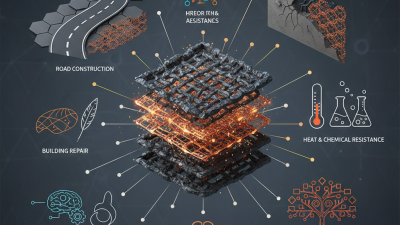
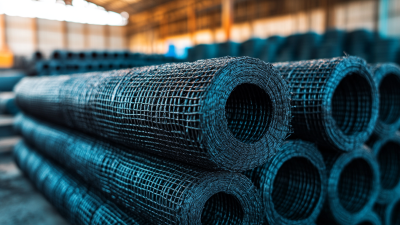
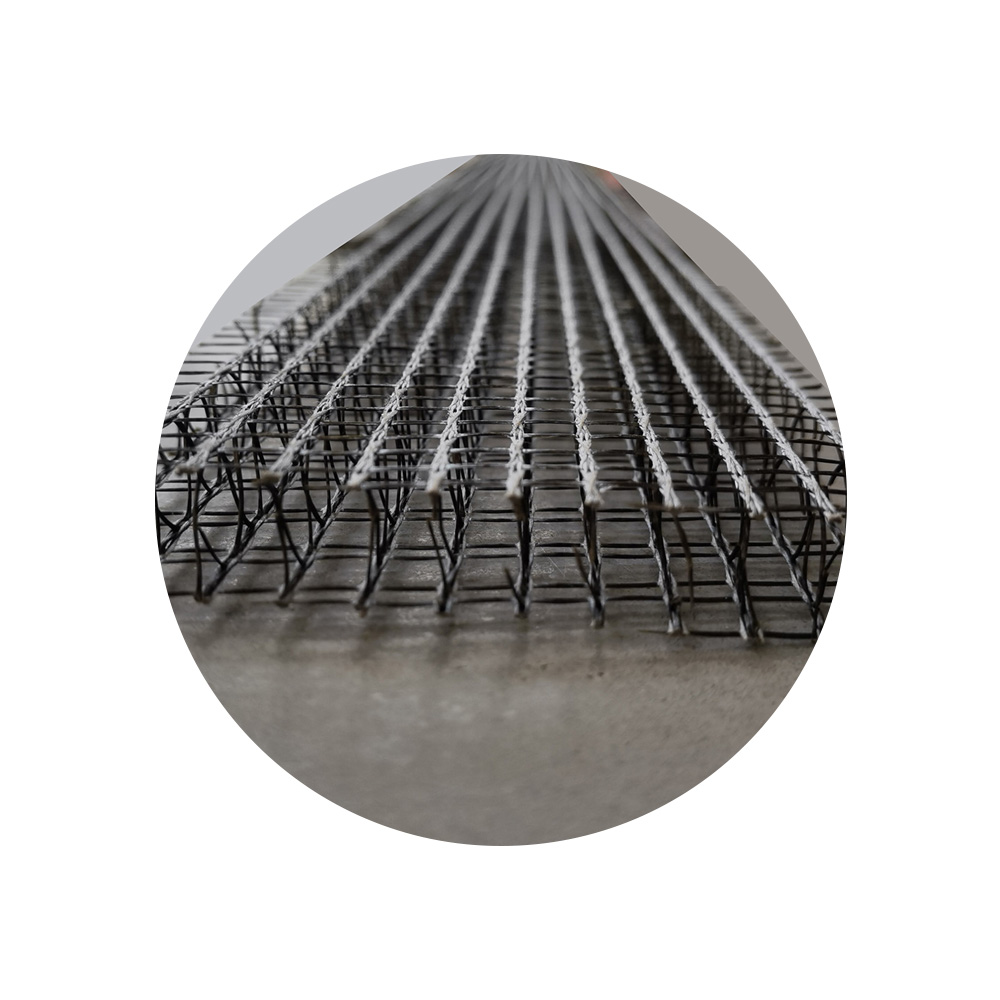
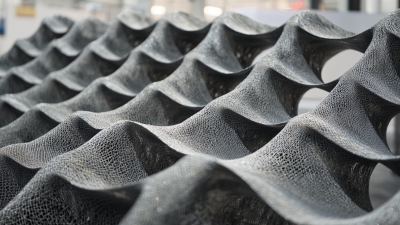
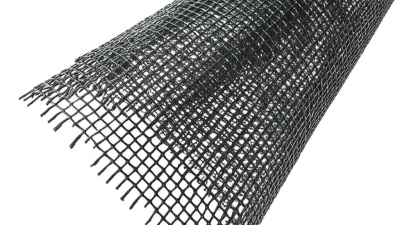
3D Basalt Fiber Mesh is a novel material in construction. It offers exceptional strength and durability. This mesh is lightweight yet robust. Its ability to withstand tension makes it ideal for various applications. Builders appreciate its resistance to environmental factors, including corrosion and temperature changes.
The properties of Basalt Fiber Mesh are impressive. It can enhance the performance of concrete structures. This mesh is resistant to chemical degradation, which prolongs the lifespan of buildings. Its flexibility allows for easy installation in complex designs. However, some challenges arise. The installation process requires skilled labor. Not all teams may be familiar with its specific needs.
Adopting 3D Basalt Fiber Mesh in projects can be a learning curve. It demands a shift in traditional techniques. Some engineers hesitate to fully embrace this material. They may need training on best practices. Despite these hurdles, the potential benefits are significant. Improved structural integrity cannot be ignored. The mesh can help in creating more sustainable buildings.
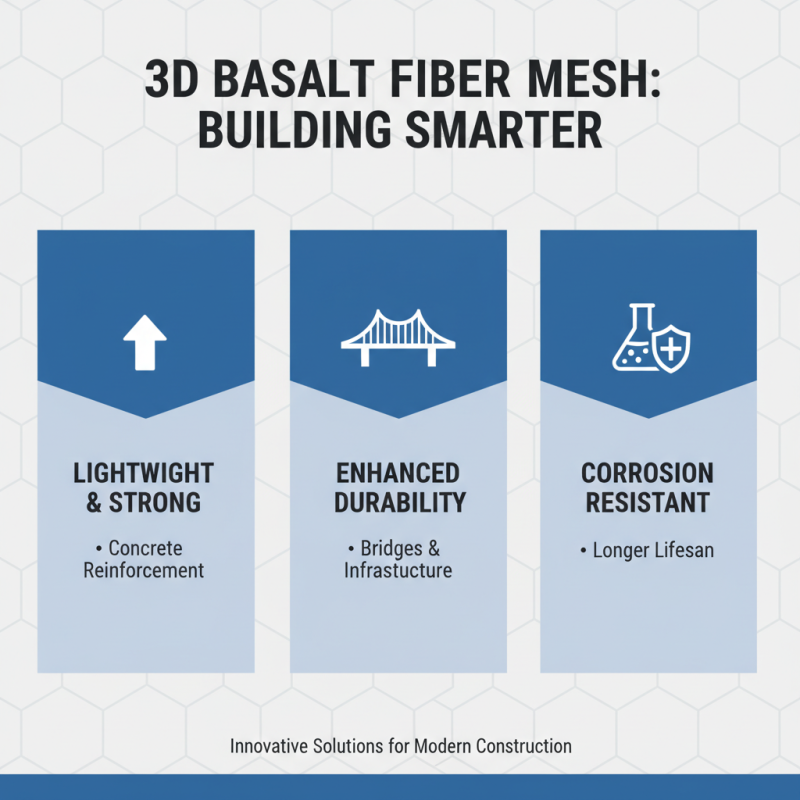
3D basalt fiber mesh offers numerous advantages in construction. It is lightweight yet exceptionally strong, making it an ideal choice for reinforcing structures. When integrated into concrete, this material enhances durability and reduces the risk of cracking. It effectively absorbs stress, providing stability in various environments, especially those prone to seismic activity.
Moreover, the mesh is resistant to corrosion and chemical damage. This longevity reduces maintenance needs throughout a building’s lifespan. However, some may find it challenging to work with, as proper installation techniques are crucial. If not applied correctly, its benefits may not be fully realized.
Additionally, the mesh's eco-friendly properties appeal to those aiming for sustainable construction. However, it is essential to consider the initial costs associated with its procurement. Balancing budget constraints with long-term savings is vital. As projects evolve, experimenting with different applications can reveal new efficiencies and benefits of 3D basalt fiber mesh.
3D basalt fiber mesh offers valuable solutions in various building projects. Its lightweight nature and high tensile strength make it ideal for reinforcing concrete structures. For instance, in bridge construction, this material can enhance durability without adding significant weight. Contractors often appreciate its resistance to corrosion, which prolongs the lifespan of structures exposed to harsh conditions.
In residential projects, 3D basalt fiber mesh can be used in wall systems. It helps create energy-efficient buildings while ensuring structural integrity. Some builders report that the mesh improves insulation properties. However, integrating this technology isn't always straightforward. Proper installation is crucial, and errors can compromise the benefits.
In renovation projects, 3D basalt fiber mesh proves beneficial for retrofitting older buildings. Its flexibility makes it adaptable to various forms and sizes. Yet, there's a learning curve. Some teams struggle with understanding the best practices. While the advantages are clear, ongoing training is necessary. Often, initial projects reveal areas for improvement and reflection on methods used.
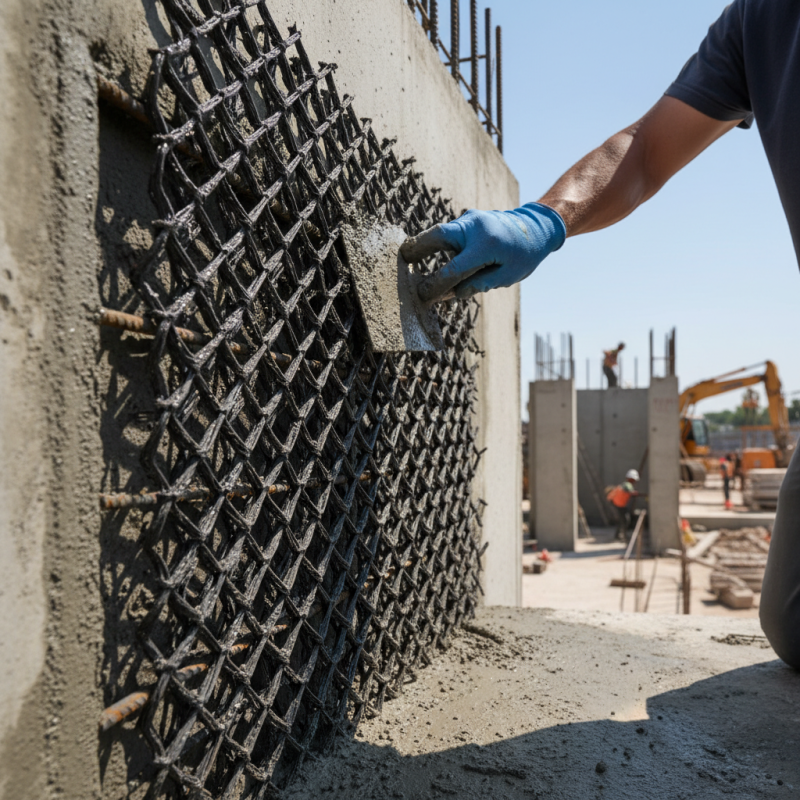
The installation of 3D basalt fiber mesh requires careful planning and execution. Begin by preparing the surface where the mesh will be applied. Ensure the area is clean and free of debris. The mesh should fit snugly and cover the designated space without gaps. This step is crucial for optimal performance.
When positioning the mesh, keep it flat and secure. Use appropriate fasteners to anchor it firmly in place. There may be challenges here, as improper alignment could affect the overall strength of the structure. Regular checks during installation can help avoid costly mistakes.
Once the mesh is installed, apply the final layer or coating carefully. Monitor for any separation or unevenness. This process might not be perfect the first time. Reflecting on what works and what doesn’t can refine your technique. Keeping a flexible mindset is essential for troubleshooting during installation.
| Installation Technique | Description | Benefits | Applications |
|---|---|---|---|
| Layup Method | Directly place the mesh over the reinforcement bars before pouring concrete. | Increases tensile strength and reduces cracking. | Commercial buildings, pavements. |
| Adhesive Method | Use construction adhesive to bond the mesh to substrates. | Provides excellent bonding and longevity. | Repair works, facade systems. |
| Stapling Method | Secure mesh using staples or small nails on wood-based systems. | Quick installation and effective alignment. | Wooden structures, temporary installations. |
| Heat Fusion | Use of heat to bond the mesh with the surface. | Creates a waterproof seal, enhancing durability. | Basement walls, waterproofing applications. |
When using 3D Basalt Fiber Mesh in construction, maintenance is crucial. Proper care ensures longevity and durability. Regular checks can prevent deterioration. Watch for signs of wear or damage. This proactive approach is essential.
Tips: Clean the mesh regularly. Use gentle methods to avoid harm. Ensure it remains free from debris. Inspect connections and joints often. Small issues can lead to bigger problems later.
Consider environmental factors too. Exposure to UV light can weaken the mesh over time. Choose protective coverings if needed. Monitor temperature fluctuations. Extreme conditions may affect performance. Using Basalt Fiber Mesh Geogrid helps with stability in harsh environments.
Finally, routine maintenance checks support overall project integrity. Keep detailed records of inspections. Knowing your mesh's condition aids in making informed decisions. This will extend the lifespan of your construction projects significantly.
The use of 3D Basalt Fiber Mesh in construction is gaining traction. It presents various advantages over traditional materials. Basalt fiber is known for its high tensile strength and resistance to thermal deformation. A comparative analysis shows it can outperform steel in specific applications. For instance, its weight is significantly lower, while providing equal if not higher load-bearing capabilities.
Reports indicate that structures using Basalt Fiber Geogrid Mesh can last longer with reduced maintenance costs. Traditional materials often succumb to corrosion, leading to structural weakening. In contrast, basalt fiber remains stable over time, reducing lifecycle costs by up to 20%.
Tip: When choosing materials, consider environmental factors. Basalt fibers are less impacted by moisture compared to traditional materials. This can play a vital role in locations with high humidity. Additionally, always assess the compatibility of basalt mesh with other construction materials to avoid potential issues down the line. Balancing innovation with practicality is key.
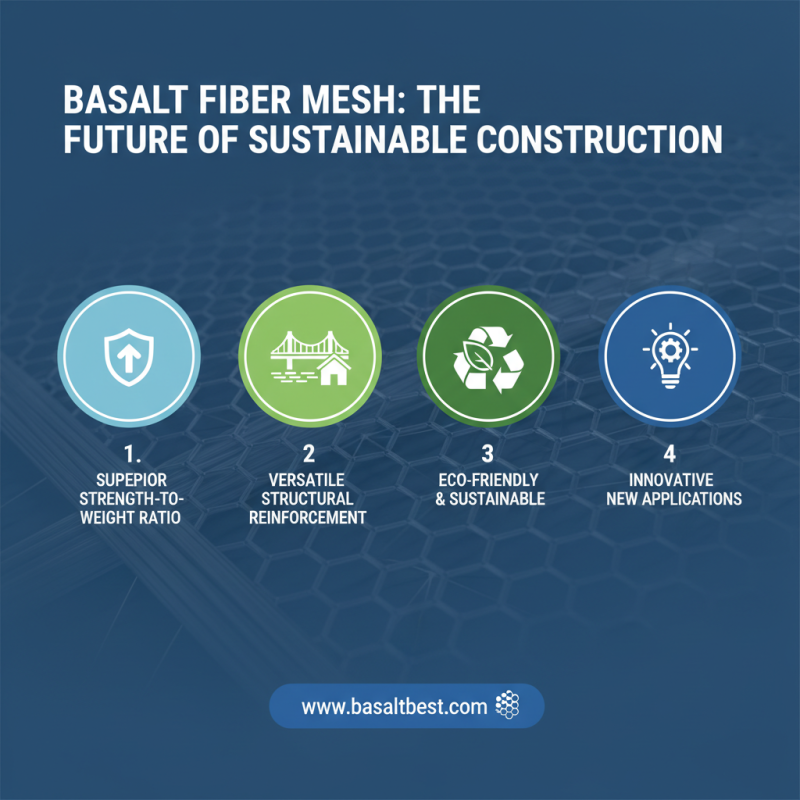
The future of basalt fiber mesh technology looks promising and innovative. This material is gaining traction in construction due to its excellent strength-to-weight ratio. Engineers increasingly recognize the potential of Basalt Fiber Mesh Cloth for reinforcing structures. As environmental concerns rise, sustainable materials like basalt are becoming more popular. Developers are exploring new applications each day, from bridges to residential homes.
However, the technology is not without its challenges. The production of basalt fiber can be energy-intensive. Balancing sustainability with high-quality manufacturing remains an area for growth. There is ongoing research to improve the performance of basalt fiber mesh in various conditions, particularly in extreme weather. Testing its durability in different climates is essential for wider adoption.
Moreover, there are still questions about the cost-effectiveness of basalt fiber mesh cloth compared to traditional materials. As innovations surface, the focus should not only be on performance but also on affordability. Each trial offers insights, pushing the industry forward. Developers must analyze the benefits and limitations of this material carefully. The advancements in basalt fiber mesh technology suggest a transformative shift in construction, but it requires continuous reflection and adjustment.
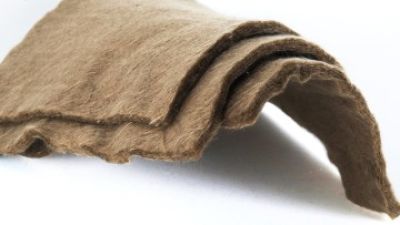
Exploring the efficiency of basalt fiber needle mats reveals their remarkable potential as heat insulation materials across various industries. These mats are crafted from fine basalt fibers, resulting in a porous and non-woven felt that boasts exceptional thermal resistance. The production process, which includes needle punching and impregnation, ensures a durable composite that significantly enhances the insulation properties of the final product. The presence of numerous small air pockets within the mat optimizes its ability to mitigate heat transfer, making it a superior choice for applications requiring effective thermal management.
In addition to their impressive thermal insulation capabilities, basalt fiber needle mats are known for their high temperature resistance and excellent electrical insulation. Notably, these products are free from adhesives, ensuring a clean and environmentally friendly solution for diverse applications. Their multifunctional uses span across sound insulation, shock absorption, and flame retardancy, making them suitable for industries involved in construction, automotive manufacturing, and beyond. The multifunctionality and efficiency of basalt fiber needle mats position them as a leading choice for those seeking sustainable and high-performing thermal insulation solutions.
: The article informs readers about key topics and insights. It simplifies complex ideas for easier understanding.
The article is aimed at anyone interested in the topic. It welcomes both beginners and experts alike.
Readers can use the insights in daily life. Practical examples make it easier to implement new ideas.
Yes, some difficulties in understanding certain concepts are highlighted. Reflecting on these can enhance learning.
The article discusses various myths surrounding the topic. Identifying these can help avoid confusion later.
Revising periodically is beneficial. Regular review can solidify knowledge and improve retention.
It’s encouraged to seek additional resources or ask for clarifications. Engaging with others can provide more insight.
Yes, the landscape can evolve. Staying updated with new findings is essential for accuracy.
Emotions greatly influence decision-making and understanding. Reflecting on feelings can lead to deeper insights.
Open dialogue can foster better understanding. Listening and sharing different viewpoints are crucial.
3D Basalt Fiber Mesh is gaining recognition in the construction industry for its unique properties and advantages over traditional materials. This innovative mesh offers superior tensile strength, resistance to environmental factors, and lightweight characteristics, making it an ideal choice for various building applications. Its versatility allows for usage in different projects, from infrastructure to residential buildings, contributing to enhanced durability and structural integrity.
The installation of 3D Basalt Fiber Mesh requires specific techniques to ensure optimal performance, and adhering to best practices can significantly extend its longevity. As the technology evolves, trends indicate a continued integration of basalt fiber solutions in construction, promising even greater innovations and efficiency. The comparative analysis of 3D Basalt Fiber Mesh with other conventional materials highlights its potential in reshaping construction methodologies for future projects.