
Leave Your Message
South Korea ranks among Asia's most advanced construction economies. With major government-led infrastructure programs such as the Korean New Deal, smart city developments in Sejong and Incheon, and extensive high-speed rail expansion, demand for high-performance concrete reinforcement materials is accelerating rapidly. Basalt fiber products are increasingly recognized by Korean engineers and contractors as a superior alternative to traditional steel and glass fiber reinforcement.
South Korea's construction sector contributes over 15% of GDP. Annual cement consumption exceeds 50 million tonnes, and demand for advanced concrete reinforcement materials is growing at 8–12% per year, driven by seismic safety regulations and green building codes.
Korea's extensive coastline and port infrastructure — including Busan New Port and Incheon Port — demand corrosion-resistant reinforcement. Basalt fiber's superior resistance to saltwater and chloride attack makes it the ideal material for Korea's marine construction projects.
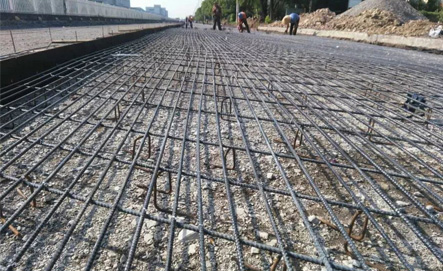
The KTX high-speed rail network and ongoing expressway expansion programs require durable, lightweight reinforcement solutions. Basalt fiber rebar and mesh are increasingly specified in Korean bridge decks, tunnel linings, and elevated highway structures.
Korea's smart city initiatives in Sejong, Songdo, and Busan Eco Delta City prioritize sustainable, long-lifecycle materials. Basalt fiber concrete reinforcement aligns perfectly with Korea's green building standards (G-SEED) and carbon neutrality targets by 2050.
Korea's world-class petrochemical complexes in Ulsan and Yeosu require chemical-resistant structural materials. Basalt fiber products deliver outstanding resistance to acids, alkalis, and industrial chemicals — reducing maintenance costs significantly over the facility lifecycle.
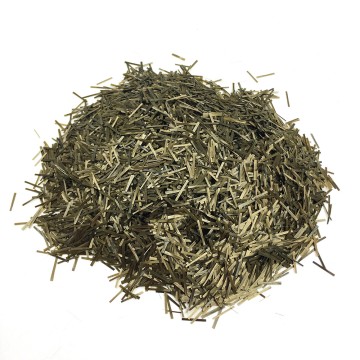
Following updated Korean seismic design codes (KDS), structural reinforcement of existing buildings and bridges has become a national priority. Basalt fiber mesh and chopped strands provide excellent crack resistance and ductility for seismic retrofit applications across Korea.
South Korea's Ministry of Land, Infrastructure and Transport (MOLIT) has mandated increased use of eco-friendly construction materials in public projects. Basalt fiber, derived from natural volcanic rock with zero chemical additives, qualifies as a green material under Korean environmental standards — making it increasingly preferred over conventional steel or synthetic fiber reinforcement in government-funded projects.
Leading Korean universities including KAIST, Seoul National University, and Yonsei University are actively researching basalt fiber composites for structural applications. Published studies confirm that basalt fiber reinforced concrete (BFRC) achieves 15–25% higher flexural strength compared to conventional concrete, driving specification uptake among Korean structural engineers and consulting firms.
Korea's imports of advanced fiber reinforcement materials have grown consistently over the past five years. China remains the primary supplier, with China Beihai's products meeting Korean KS (Korean Standards) equivalent quality benchmarks. The competitive pricing of Chinese-origin basalt fiber products gives Korean contractors a significant cost advantage over domestic alternatives.
Korea's dense urban residential construction — particularly the high-rise apartment complexes (아파트) that define Korean cities — increasingly incorporates basalt fiber chopped strands in concrete mixes to improve crack resistance and durability. This trend is particularly strong in new developments in the Seoul Metropolitan Area, Busan, and Daegu.
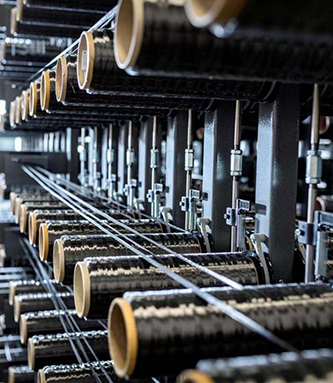
China Beihai is founded in 2015 and located in Jiujiang, Jiangxi Province. China Beihai is a high-tech enterprise focusing on the research, development, production and sales of high-performance basalt continuous fiber and its production equipment manufacturing, as well as a leading enterprise in the domestic basalt fiber industry.
Serving the South Korea market with a comprehensive range of concrete material products, China Beihai provides Korean contractors, engineers, and distributors with reliable, high-quality basalt fiber solutions backed by full technical support, competitive pricelist options, and fast international logistics.
View More About Us
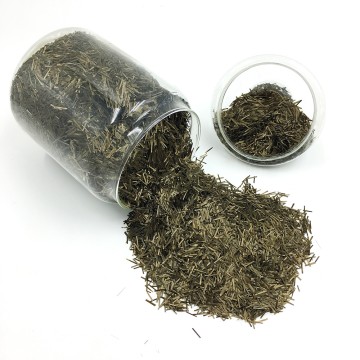
At China Beihai group, we specialize in the production of a wide range of products including basalt fiber mat (Basalt fiber chopped strand mat, Basalt fiber cloth), basalt fiber roving, basalt fiber yarn, basalt fiber chopped strands, and basalt fiber products (Basalt Fiber rebar, basalt fiber sleeves and tape). Our products are designed to meet the diverse needs of various industries, providing high-quality solutions for our customers.

At China Beihai group, we are dedicated to the production of a wide array of basalt-based products, ranging from basalt fiber mat, fabric, and roving to chopped strand and specialized construction materials. Our focus is on delivering high-quality, sustainable solutions for industries such as construction, geotechnical engineering, and manufacturing.

Choosing to work with China Beihai means working with a leading manufacturer of basalt products. Our commitment to quality, innovation and sustainability sets us apart, ensuring our customers receive best-in-class solutions for their diverse needs. When you partner with China Beihai, you can trust that you are working with a reliable and forward-thinking partner — a trusted supplier for all your basalt product needs.
Basalt fiber is ideal for your engineering projects. Its high strength, corrosion resistance and lightweight properties allow it to easily solve a variety of challenges. In buildings, bridges, roads and other infrastructure projects, basalt fibers demonstrate outstanding performance, extending structural life and reducing maintenance costs. Choose basalt fiber, choose reliability and durability.
From Seoul's underground metro expansions to Busan's coastal bridge reinforcements and Incheon's smart logistics hubs — basalt fiber is the material of choice for Korea's next generation of infrastructure.
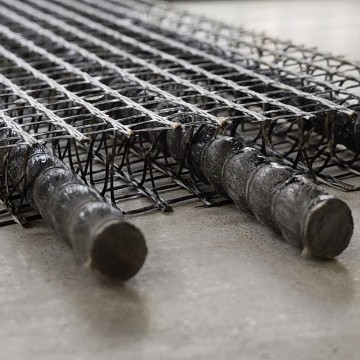
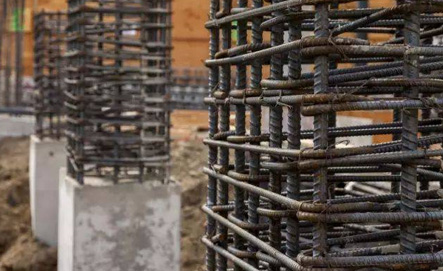
Basalt fiber rebar is a high-strength alternative to traditional steel bars and is used in a wide range of applications for reinforcing concrete structures in various fields. Its excellent performance makes it ideal for a variety of construction applications such as bridges, highways, buildings and other infrastructure projects — including Korea's expanding KTX rail network, expressway systems, and seawater-exposed coastal structures.
FIND OUT MORE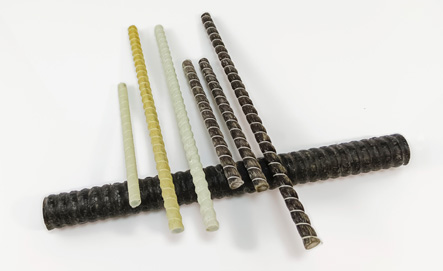
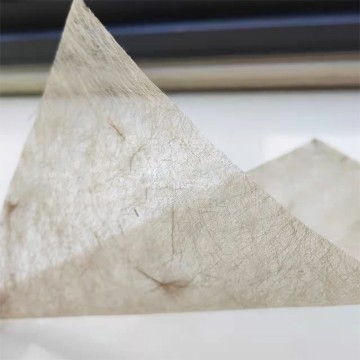
Basalt Fiber Surfacing Tissue Mat is a non-woven thin sheet engineered to provide a smooth resin-rich surface layer for fiber reinforced plastic applications.
Read More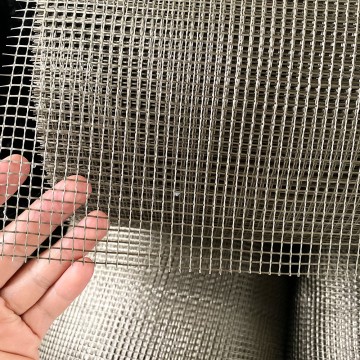
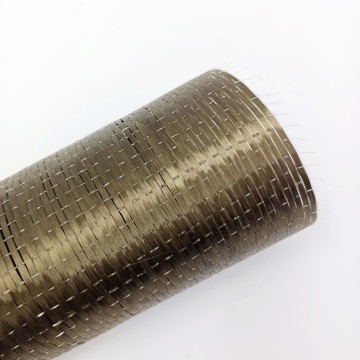
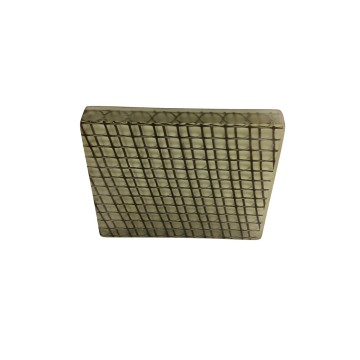
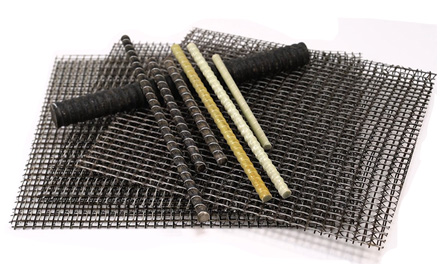
Our high-performance Basalt Fiber Mesh provides a superior reinforcement solution for concrete and plaster applications where high alkali resistance is required.
Read More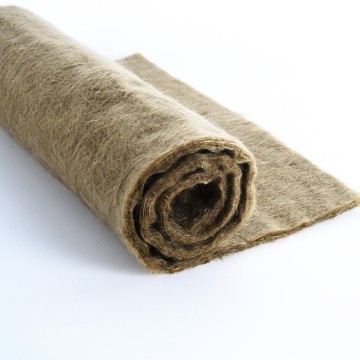
Our Basalt Fiber Needled Mat is a high-density insulation material manufactured by mechanically bonding continuous basalt fibers without any chemical binders.
Read More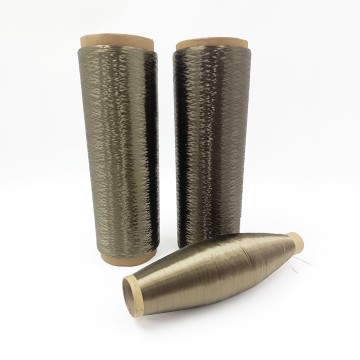
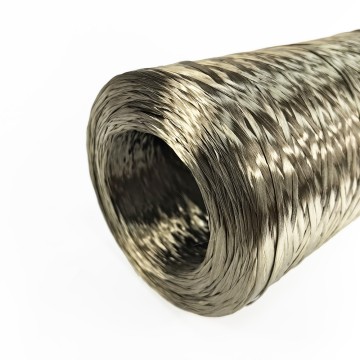
Our Basalt Fiber Twisted Yarn is engineered by twisting multiple continuous filaments to enhance mechanical strength and processing stability.
Read More
Our basalt products have diverse applications in Korean residential and commercial construction, including high-rise apartments and smart buildings.

In the aerospace field, basalt fibers are ideal for manufacturing aircraft wings and engine components for Korea's aviation industry.

Basalt fibers enable spacecraft shell materials, thermal protection systems, and high-temperature-resistant engine components for Korea's aerospace programs.
Basalt-added concrete offers increased strength, durability, crack resistance, and improved chemical resistance for Korean infrastructure projects.

Facing the trend of lightweight automobile materials, basalt fiber composites are widely applied in Korea's automotive manufacturing sector.

Basalt's high strength and durability make it ideal for protecting Korea's bridge structures from corrosion, fire, and the marine environment.
The corrosion resistance of basalt fiber gives it a unique advantage in Korea's petrochemical complexes in Ulsan and Yeosu.

Basalt fiber as a high-performance composite material offers lightweight, high strength, and corrosion resistance for Korea's world-class shipbuilding industry.
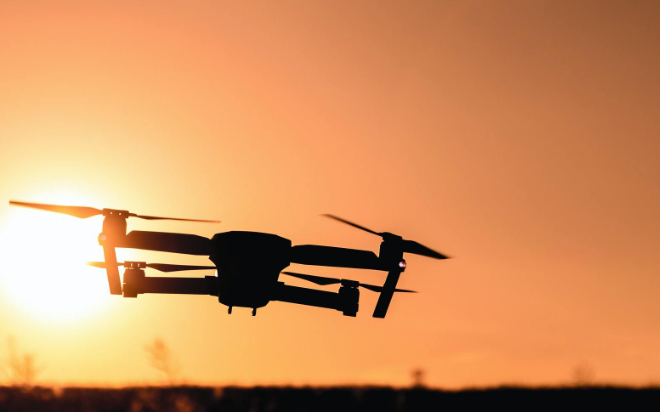
As drones slice through the sky to monitor wildfires, and intelligent robots execute repetitive tasks with precision on the factory floor, the efficient operation of this smart equipment is often underpinned by a "hardcore support" that is easily overlooked: a novel material derived from volcanic rock — basalt fiber. Though unassuming in appearance, its unique properties have made it the key to unlocking the performance limits of drones and robots, quietly driving a materials revolution within the realm of intelligent equipment.
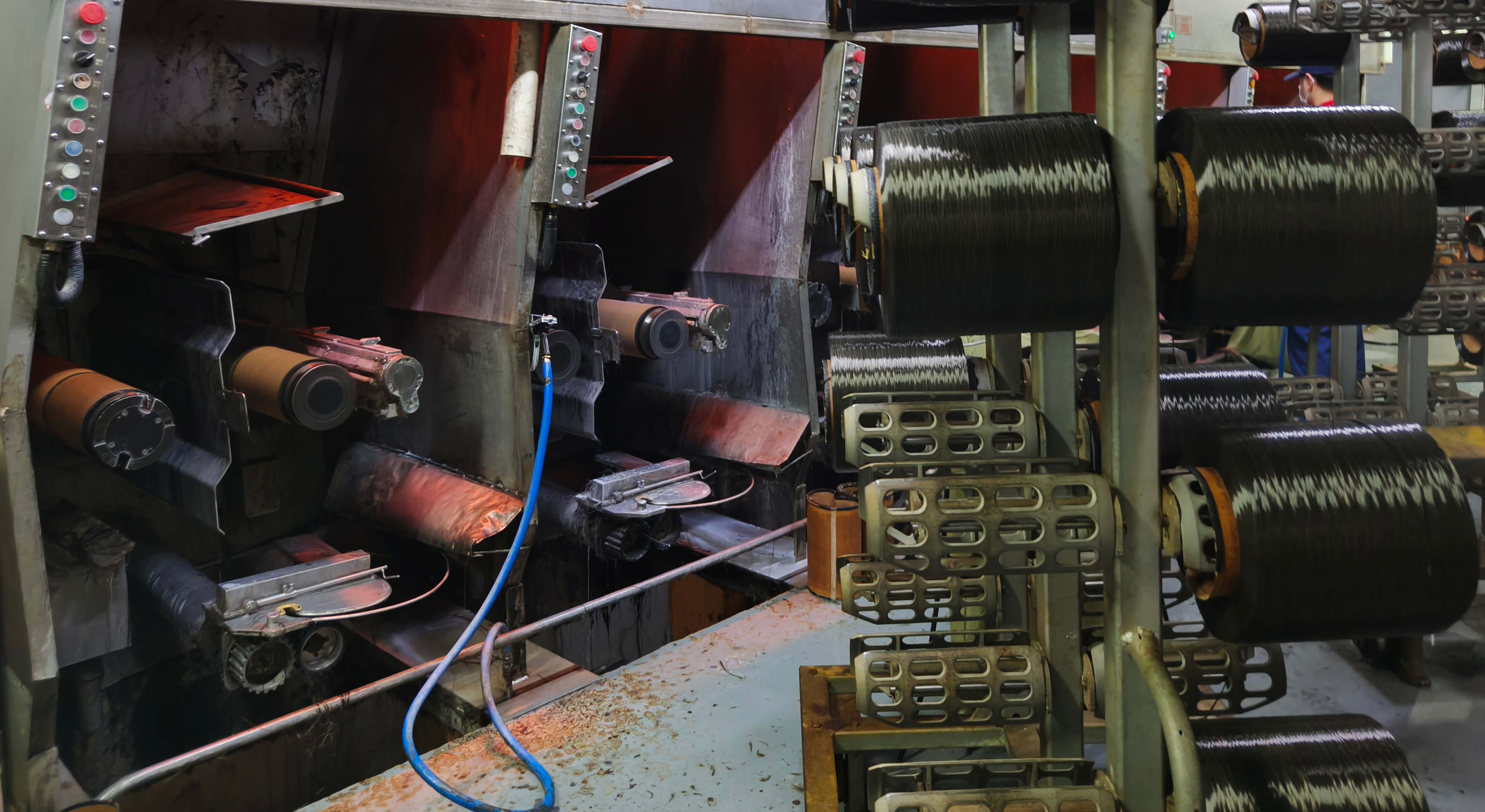
Basalt fiber is an inorganic fibrous material produced by drawing strands from natural basalt ore after it has been melted at high temperatures. It has garnered widespread attention for its exceptional physicochemical properties — particularly its performance in high-temperature environments.
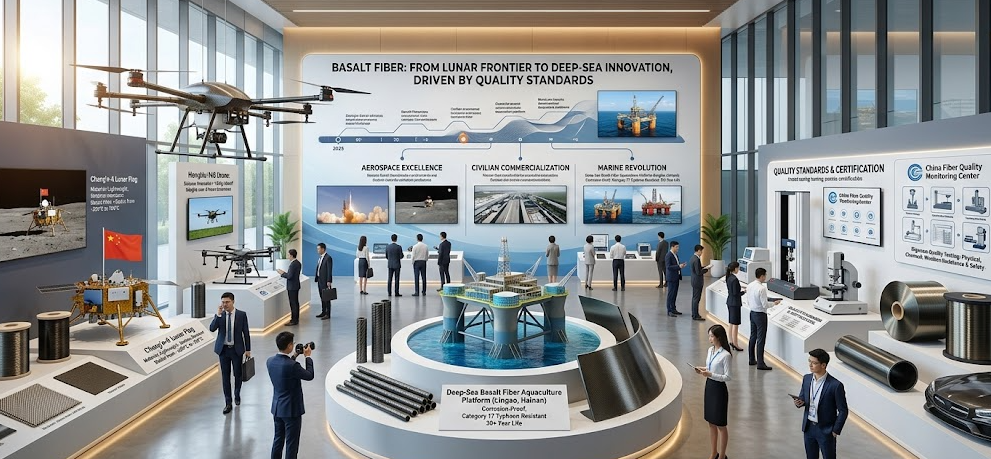
Recently, with the successful realization of major applications — such as the Chang'e-6 lunar exploration mission and the world's first deep-sea basalt fiber aquaculture platform — basalt fiber is rapidly accelerating its transformation from a laboratory research outcome into a strategic new material with tangible industrial productivity.
Get competitive FOB / CIF pricing for all basalt fiber concrete material products, tailored specifically for South Korean importers, distributors, and construction contractors. Fast response, full technical datasheet included.