
Leave Your Message
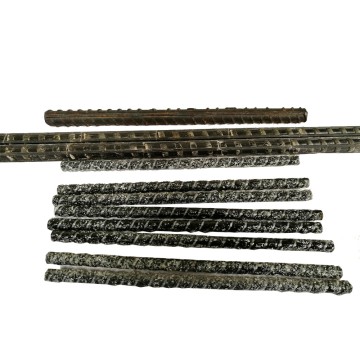
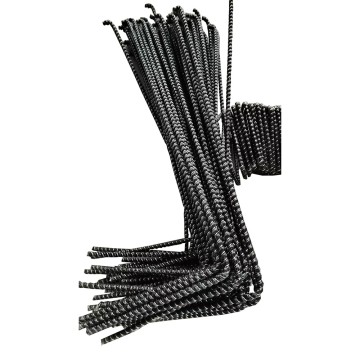
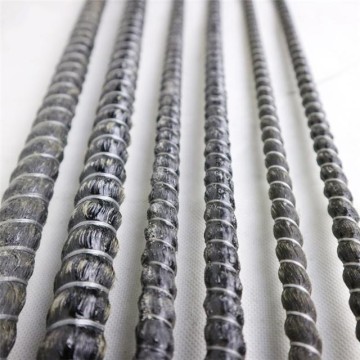
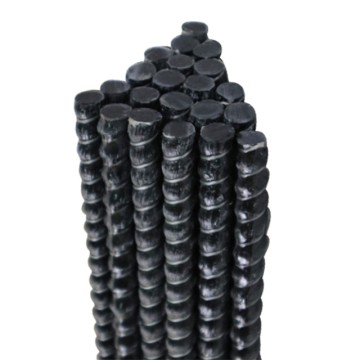
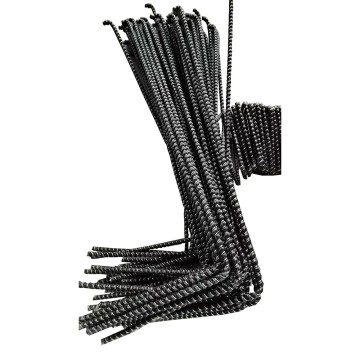
High-performance basalt fiber rebar dowels engineered to meet DIN standards and Germany's rigorous construction requirements.


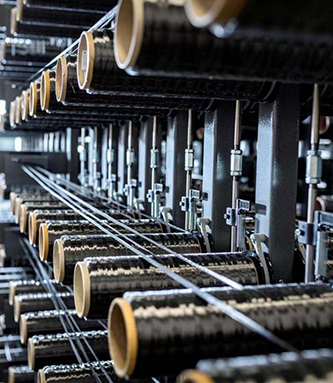
China Beihai was founded in 2015 and is located in Jiujiang, Jiangxi Province. It is a high-tech enterprise focusing on the research, development, production and sales of high-performance basalt continuous fiber and its production equipment manufacturing, as well as a leading enterprise in the domestic basalt fiber industry.
With a strong commitment to quality and sustainability, China Beihai has become a preferred supplier for European markets — particularly Germany — delivering certified basalt fiber rebar dowels that comply with international and DIN-aligned standards.
View More
At China Beihai group, we specialize in the production of a wide range of products including basalt fiber mat (Basalt fiber chopped strand mat, Basalt fiber cloth), basalt fiber roving, basalt fiber yarn, basalt fiber chopped strands, and basalt fiber products (Basalt Fiber rebar, basalt fiber sleeves and tape). Our products are designed to meet the diverse needs of various industries, providing high-quality solutions for our customers.

At China Beihai group, we are dedicated to the production of a wide array of basalt-based products, ranging from basalt fiber mat, fabric, and roving to chopped strand and specialized construction materials. Our focus is on delivering high-quality, sustainable solutions for industries such as construction, geotechnical engineering, and manufacturing.

Choosing to work with China Beihai means working with a leading manufacturer of basalt products. Our commitment to quality, innovation and sustainability sets us apart, ensuring our customers receive best-in-class solutions for their diverse needs. Reliability and customer satisfaction are at the core of everything we do — your trusted thought supplier for all basalt product needs.
Germany is one of Europe's largest consumers of advanced composite reinforcement materials, driven by ambitious infrastructure renewal programmes and strict sustainability mandates.
The German Federal Government's Infrastrukturprogramm allocates over €400 billion through 2030 for motorway, rail and bridge renewal. Rebar dowels are critical connection elements in every precast concrete segment, making high-performance basalt fiber dowels a fast-growing alternative to traditional steel amid corrosion and weight concerns.
Germany's Energiewende policy is driving the construction of wind-farm foundations, offshore platforms and power-station upgrades — all environments where chloride-induced corrosion destroys steel rebar within decades. Basalt fiber rebar dowels offer a service life exceeding 100 years in these aggressive environments, reducing lifecycle costs dramatically.
Germany's world-class hospital network is expanding rapidly. Non-conductive, non-magnetic basalt FRP rebar dowels are the go-to solution for MRI rooms and diagnostic imaging centers, eliminating electromagnetic interference while meeting the structural requirements of DIN EN 1992 (Eurocode 2).
Deutsche Bahn's ongoing network expansion — including the Stuttgart 21 project and numerous high-speed rail tunnels — demands dowel systems that resist stray currents and chemical attack from deicing salts. Basalt fiber rebar dowels are increasingly specified by German Ingenieurbüros for their electrical insulation and corrosion immunity.
From Hamburg's port expansion to North Sea coastal protection works, basalt fiber rebar dowels outperform steel in chloride-rich seawater environments. German contractors are increasingly adopting BFRP dowels in harbor quays, seawalls and tidal structures to eliminate the costly concrete spalling caused by steel corrosion.
Germany's strict GEG (Gebäudeenergiegesetz) and DGNB certification system reward low-carbon materials. Basalt fiber rebar production emits significantly less CO₂ than steel manufacturing, and the material's longevity reduces replacement cycles — perfectly aligning with Germany's Kreislaufwirtschaft (circular economy) objectives.
Basalt fiber is ideal for your engineering projects. Its high strength, corrosion resistance and lightweight properties allow it to easily solve a variety of challenges. In buildings, bridges, roads and other infrastructure projects, basalt fibers demonstrate outstanding performance, extending structural life and reducing maintenance costs. Choose basalt fiber — choose reliability and durability.
Basalt Fiber Rebar for Reinforcement in Concrete Construction: Basalt fiber rebar is a high-strength alternative to traditional steel bars and is used in a wide range of applications for reinforcing concrete structures in various fields. Its excellent performance makes it ideal for a variety of construction applications such as bridges, highways, buildings and other infrastructure projects.
Produced by melting natural basalt rock at temperatures between 1,450°C and 1,500°C and drawing it into continuous filaments, basalt fiber rebar dowels deliver tensile strength up to 1,200 MPa — roughly 2.5× that of conventional steel — while weighing only one-quarter as much. For Germany's precision-engineering culture, this translates directly into thinner structural elements, faster installation and lower total project cost.
The European FRP rebar market is projected to grow at a CAGR of 12.4% through 2030, with Germany as the single largest national market.
German and European standardisation bodies are actively developing FRP-specific annexes to Eurocode 2 and DIN EN 1992. As these standards are formalised, specification of basalt fiber rebar dowels in public tenders is accelerating rapidly, removing the primary barrier to mass adoption.
Germany's Fertigteilbau (precast concrete) sector is embracing BFRP dowels as the ideal connection element for modular building systems. Their light weight, corrosion immunity and electromagnetic transparency make them perfect for automated precast production lines in facilities like those operated by Goldbeck, Pfeifer and Max Bögl.
Germany has committed to climate neutrality by 2045. The construction sector — responsible for roughly 38% of national CO₂ emissions — is under intense pressure to decarbonise. Basalt fiber rebar dowels, with their lower embodied carbon vs. steel, are increasingly cited in German Klimaschutzprogramm roadmaps as a key material substitution lever.
Leading German institutions — including TU Munich, RWTH Aachen and the Fraunhofer Institute — are publishing landmark research on BFRP composite behaviour in concrete. This academic momentum is translating into increased confidence among German structural engineers and accelerating project approvals for basalt fiber dowel systems.
Germany's Gigabit-Strategie requires extensive underground conduit and data-centre construction. The electromagnetic transparency of basalt fiber rebar dowels is a critical advantage in sensor-embedded smart structures, 5G base-station foundations and data-centre floor slabs where steel rebar would cause signal degradation.
Germany's Ladeinfrastruktur programme targets one million public EV charging points by 2030. Car-park decks and underground charging facilities represent a significant new application for non-conductive BFRP rebar dowels, eliminating stray-current corrosion risks that plague steel-reinforced multi-storey car parks.
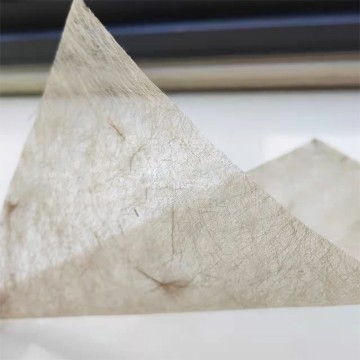
Basalt Fiber Surfacing Tissue Mat — a non-woven thin sheet engineered to provide a smooth resin-rich surface layer for fiber reinforced plastic composites.
read more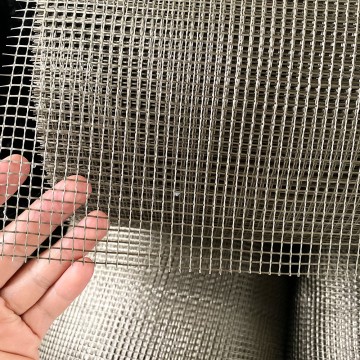
Our high-performance Basalt Fiber Mesh provides a superior reinforcement solution for concrete and plaster applications where high alkali resistance is required.
read more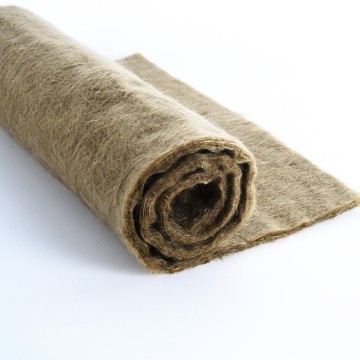
Our Basalt Fiber Needled Mat is a high-density insulation material manufactured by mechanically bonding continuous basalt fibers without any chemical binders.
read more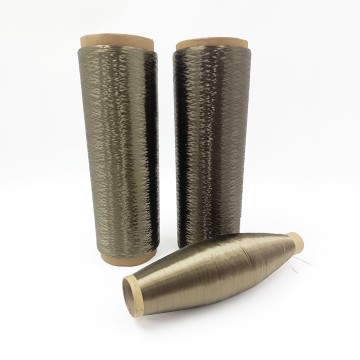
Our Basalt Fiber Twisted Yarn is engineered by twisting multiple continuous filaments to enhance mechanical strength and processing stability for industrial applications.
read moreFrom Autobahn bridges to offshore wind foundations — basalt fiber rebar dowels serve every major sector of the German economy.
Our basalt products have diverse applications in the field of house construction, meeting Germany's KfW energy efficiency and structural standards.

In the aerospace field, basalt fibers are ideal for manufacturing aircraft wings and engine components at facilities like Airbus Hamburg.

Through fine process control and surface treatment technologies, basalt fibers are used in spacecraft shell materials and high-temperature-resistant engine components.
Basalt-added concrete offers increased strength, durability, crack resistance, improved chemical resistance and improved workability for German Betonbau projects.

Facing the trend of lightweight automobile materials, basalt fiber composites are widely applied in the German Automobilindustrie — BMW, Mercedes-Benz, Volkswagen and more.

Basalt's high strength, durability and protective properties make it ideal for protecting German Autobahnbrücke abutment structures from corrosion and the natural environment.
The corrosion resistance of basalt fiber gives it a unique advantage in the petrochemical field, serving Germany's BASF, Evonik and Covestro industrial complexes.

Basalt fiber composites are ideal for Germany's Hamburg port infrastructure, offshore wind foundations and North Sea coastal protection structures.
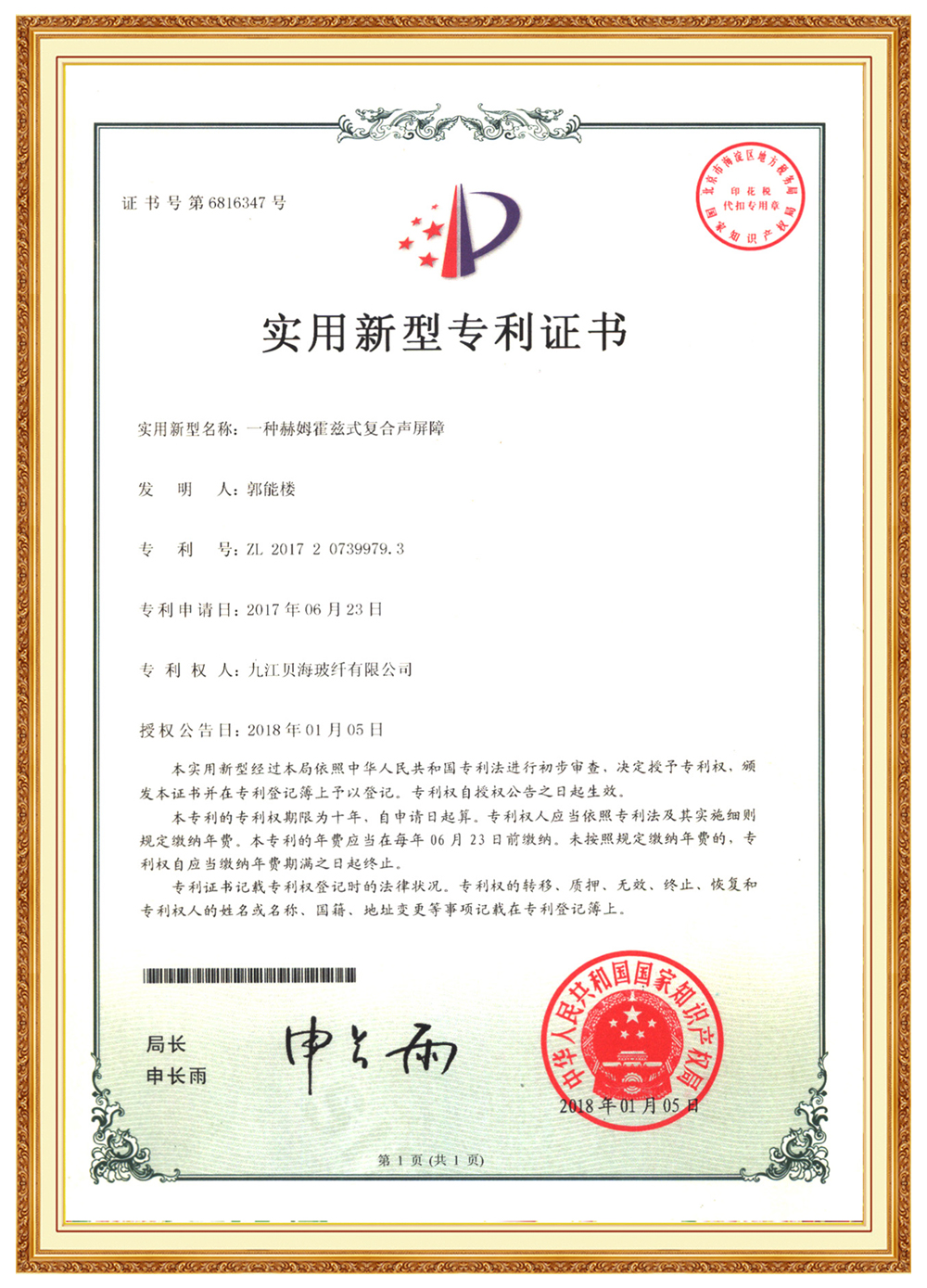
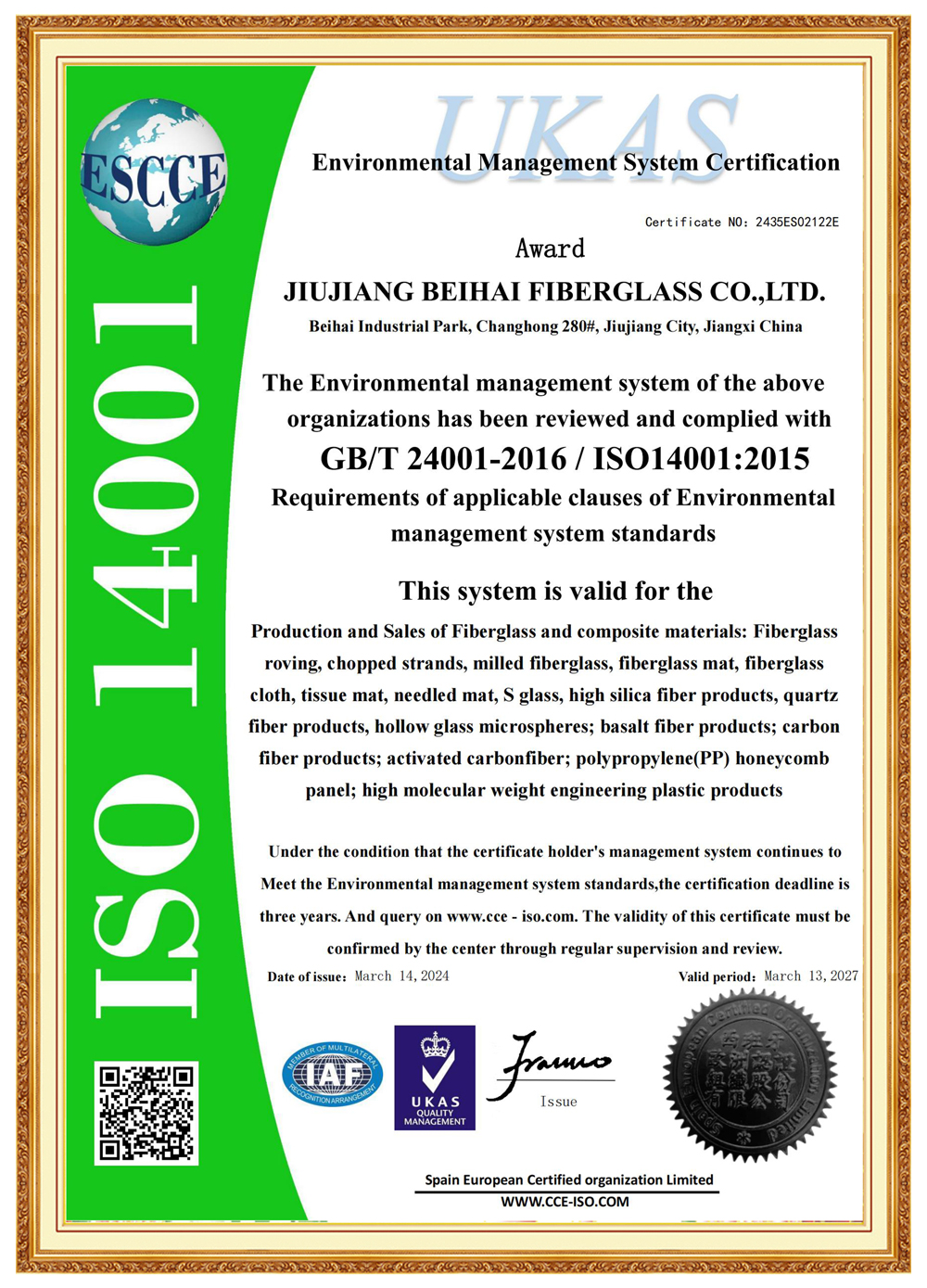
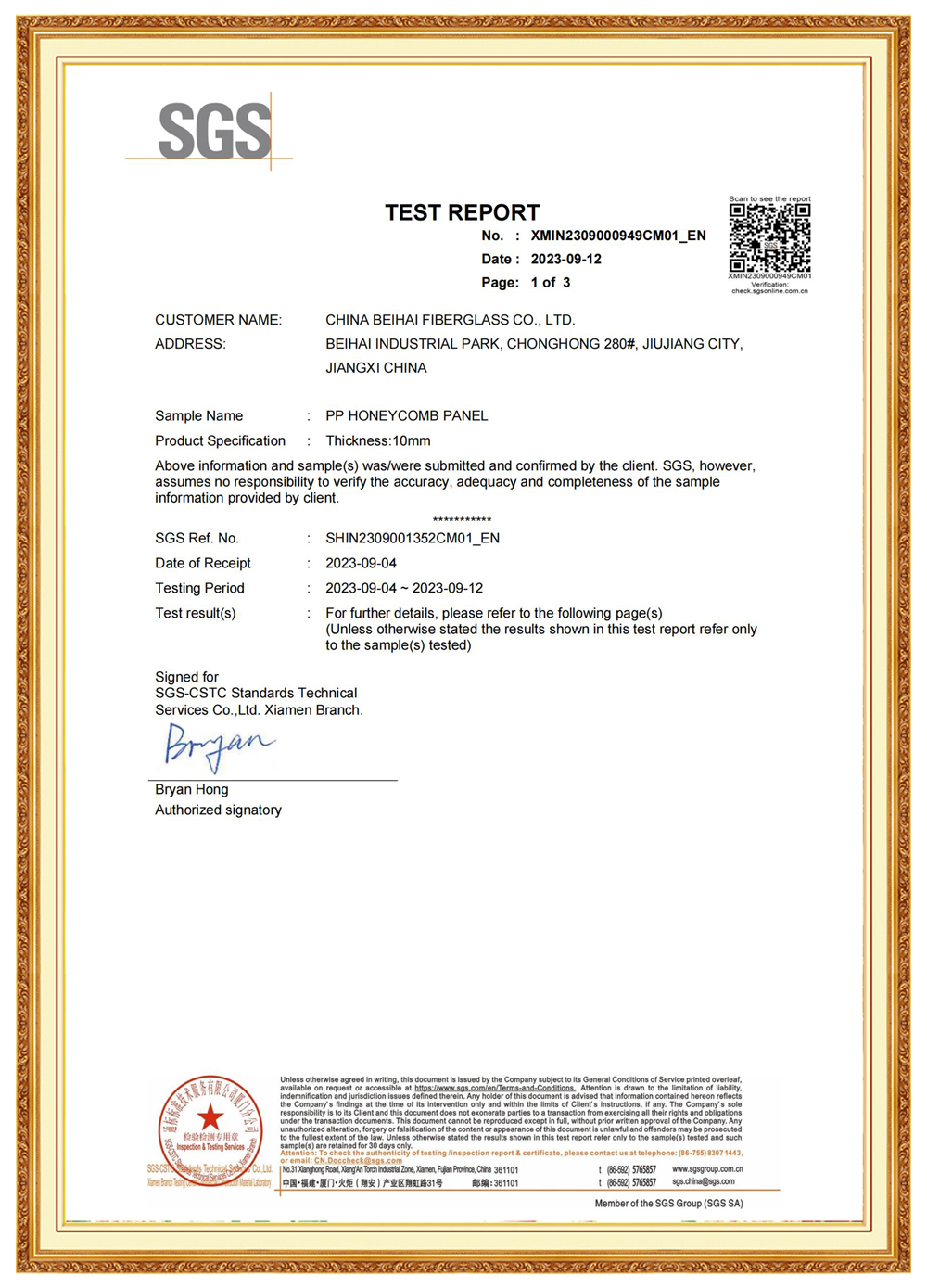
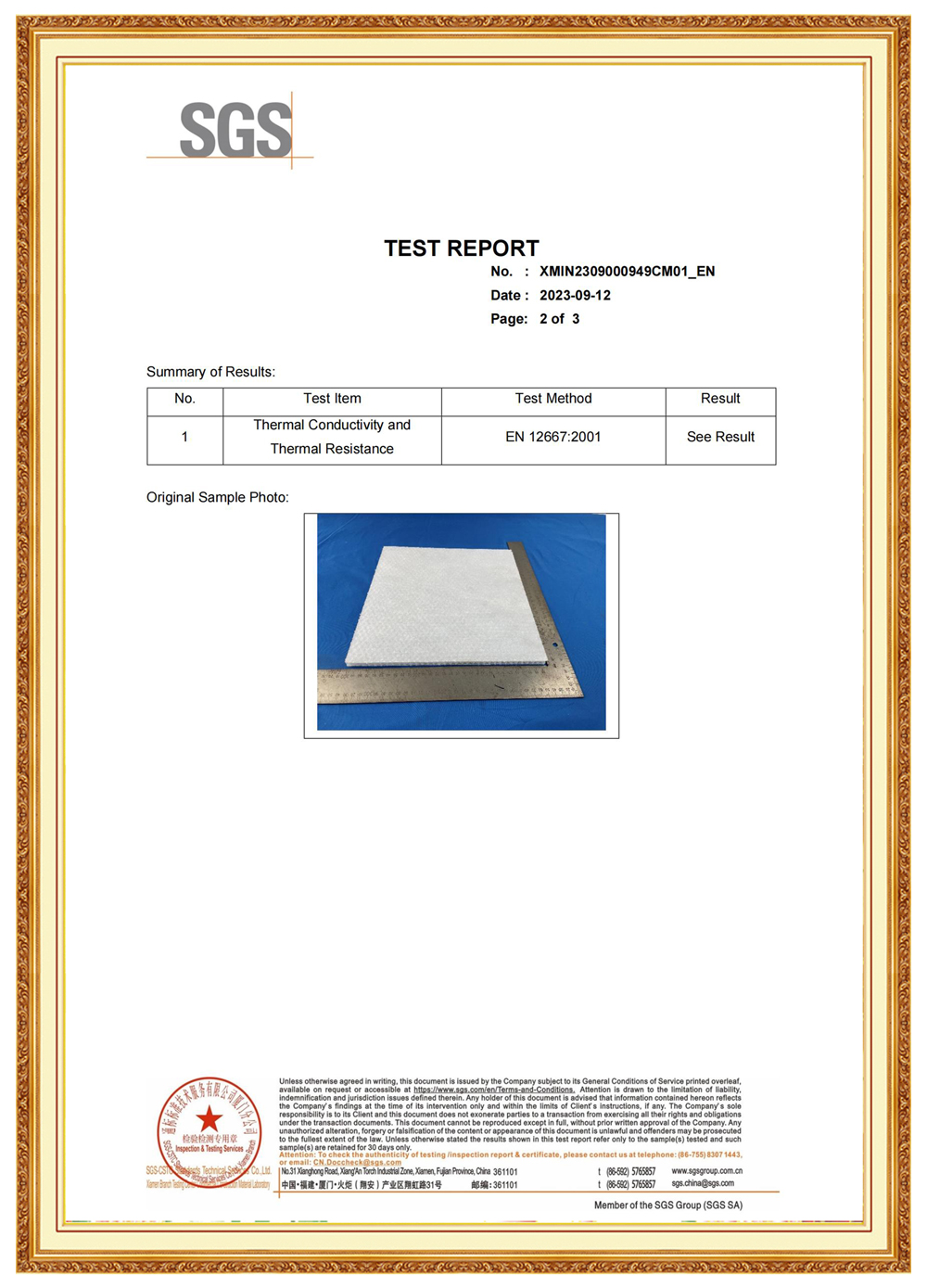
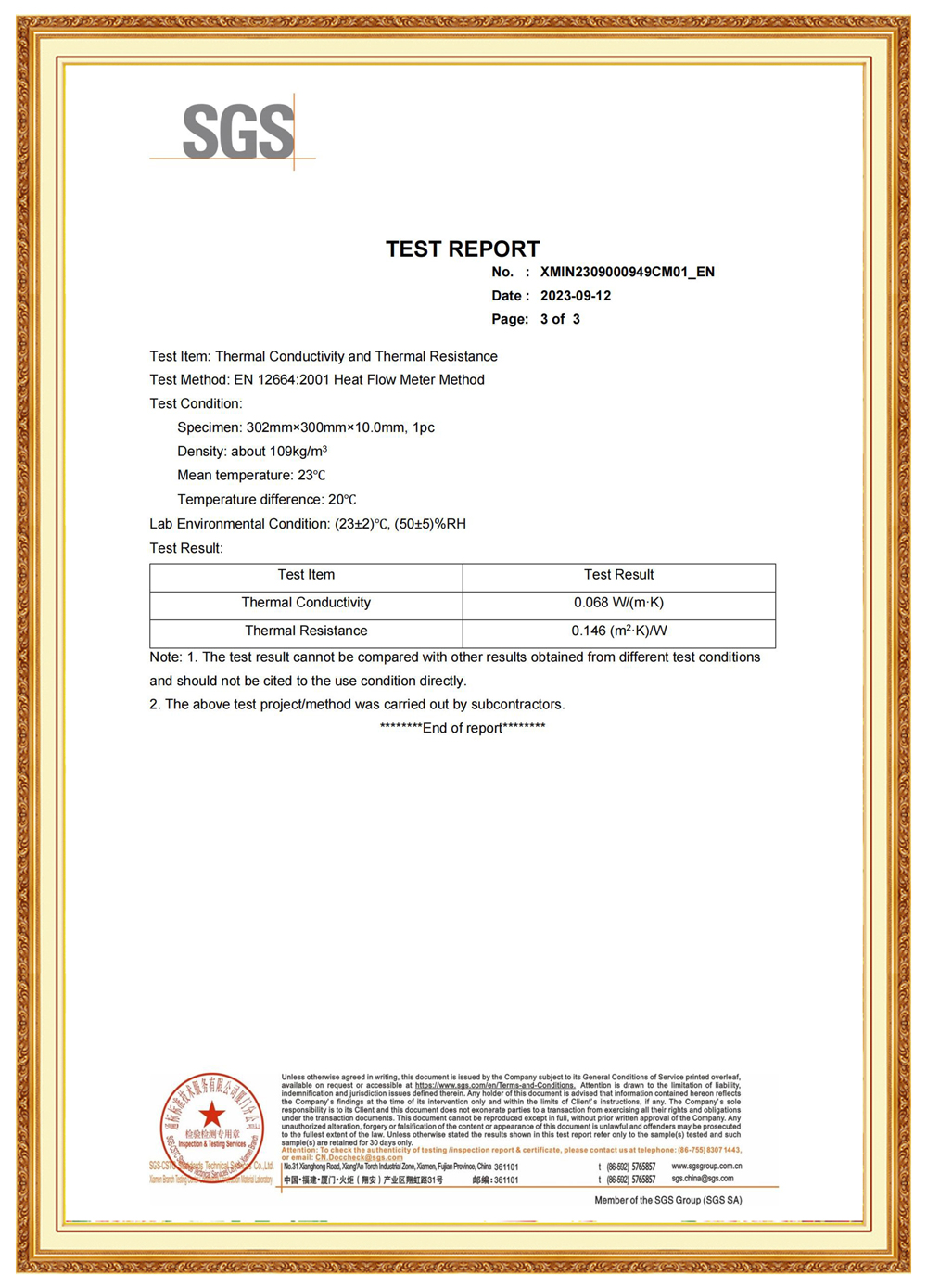
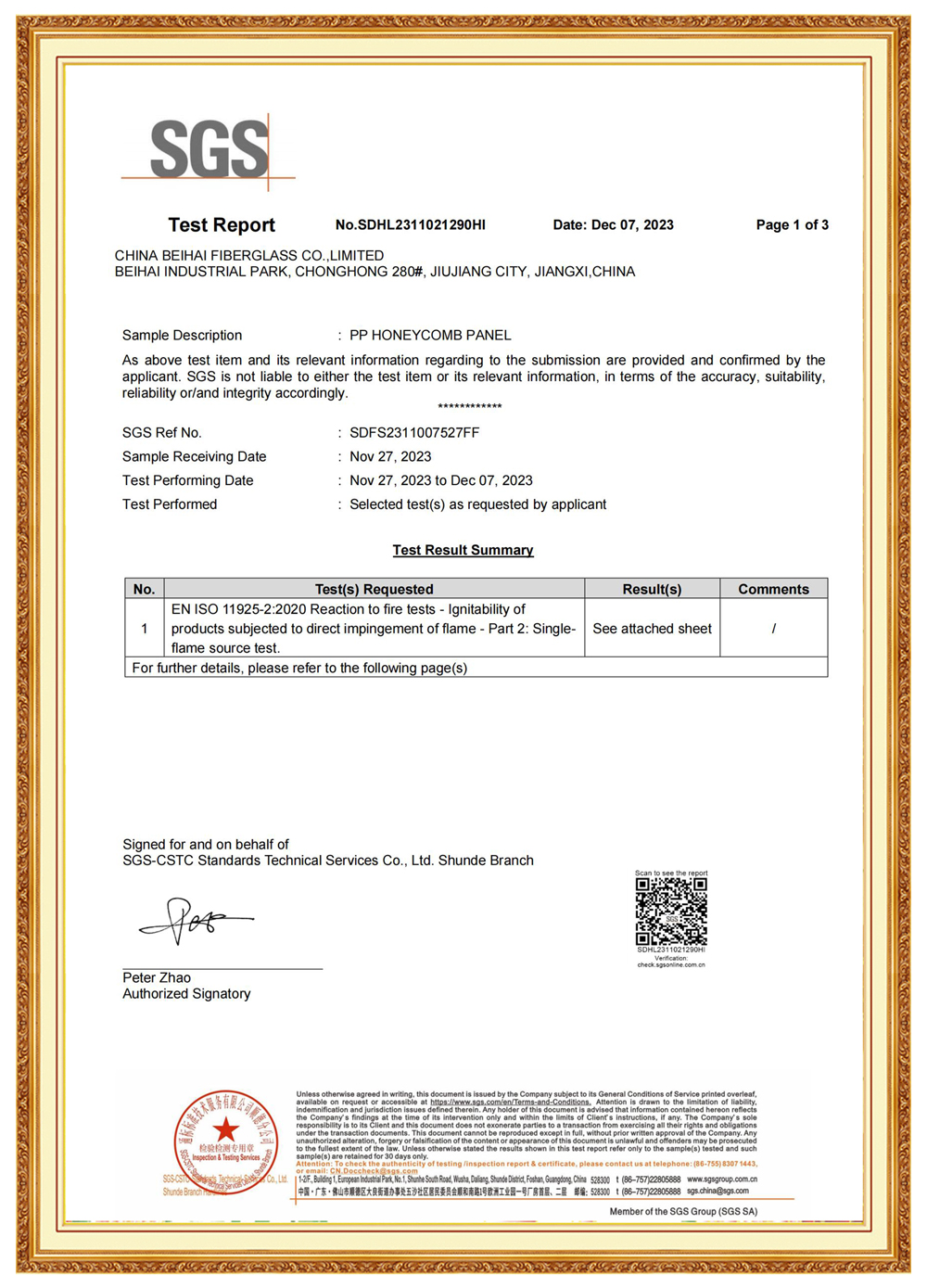
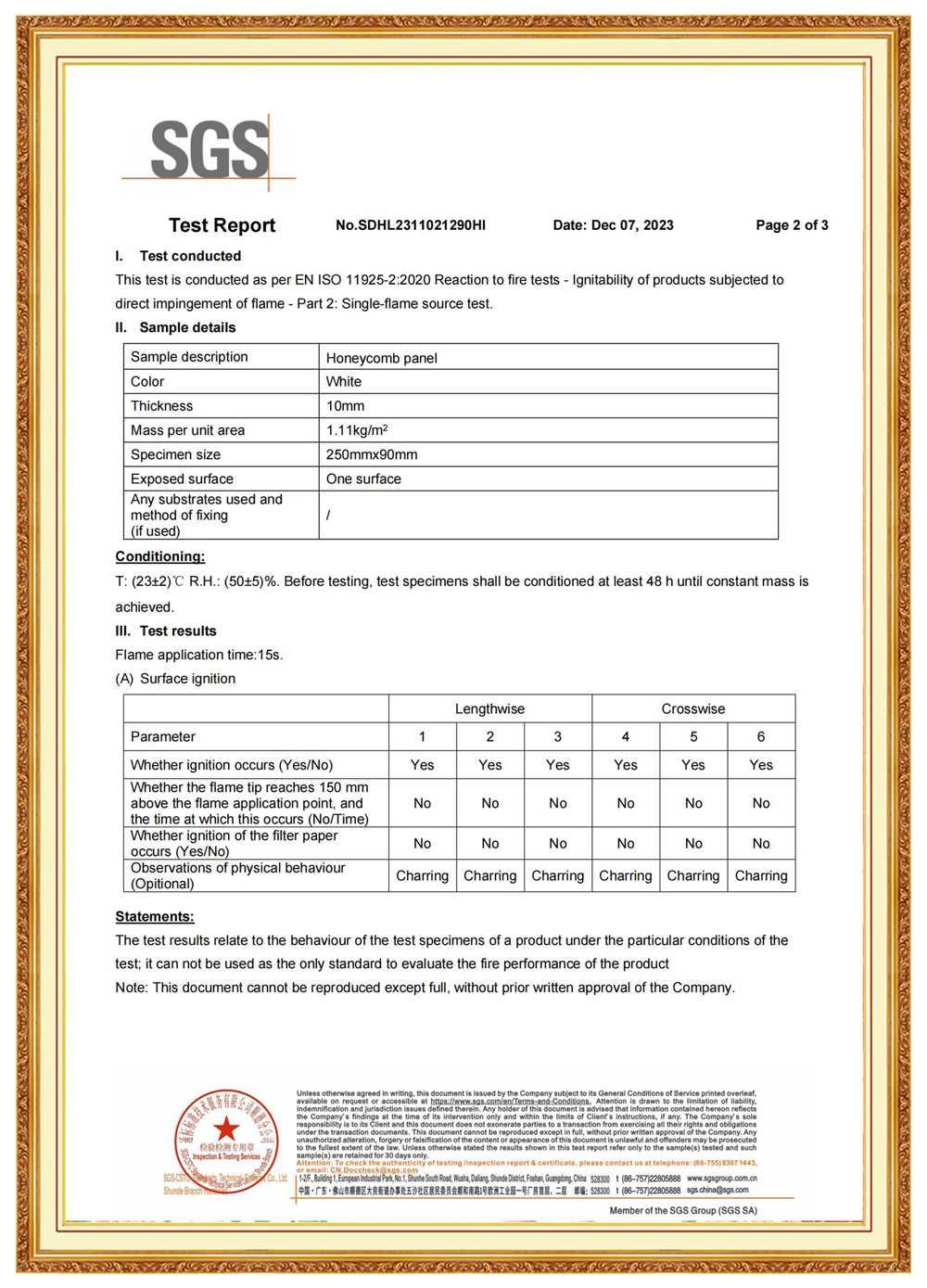
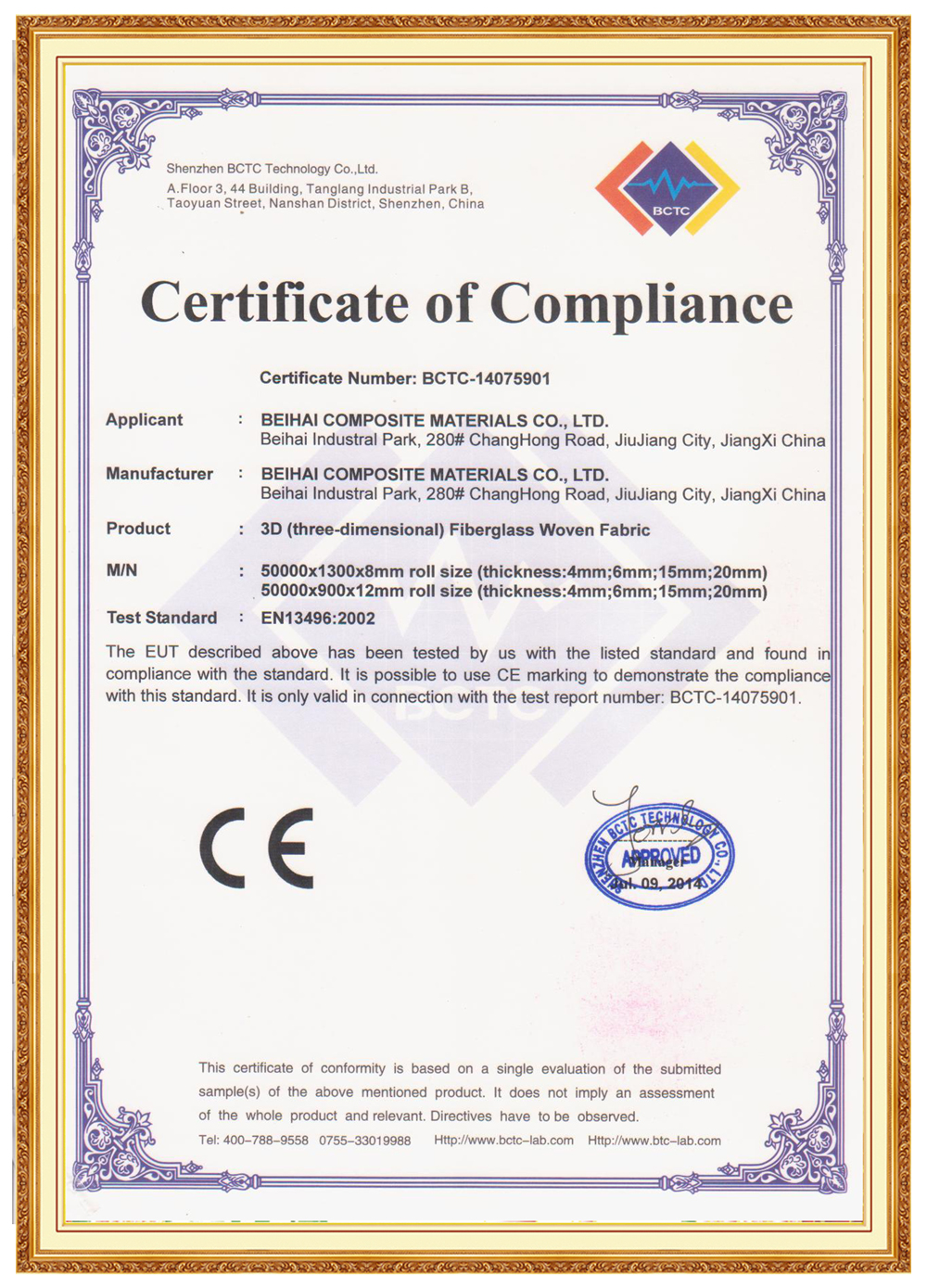
Internationally recognised certifications — ensuring our basalt fiber rebar dowels meet the quality expectations of German engineers and procurement teams.

 China Beihai · Latest
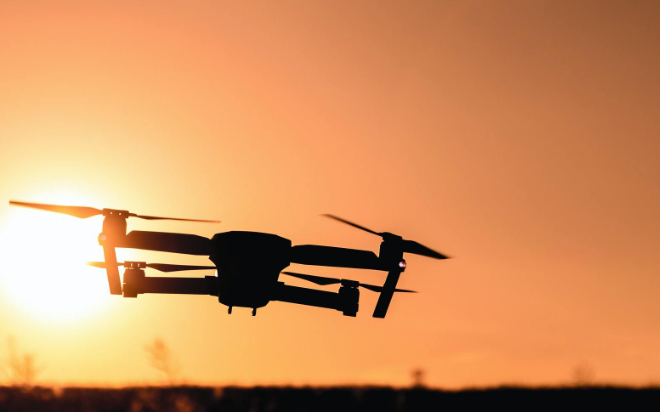
As drones slice through the sky to monitor wildfires, and intelligent robots execute repetitive tasks with precision on the factory floor, the efficient operation of this smart equipment is often underpinned by a "hardcore support" that is easily overlooked: a novel material derived from volcanic rock — basalt fiber. Though unassuming in appearance, its unique properties have made it the key to unlocking the performance limits of drones and robots, quietly driving a materials revolution within the realm of intelligent equipment.
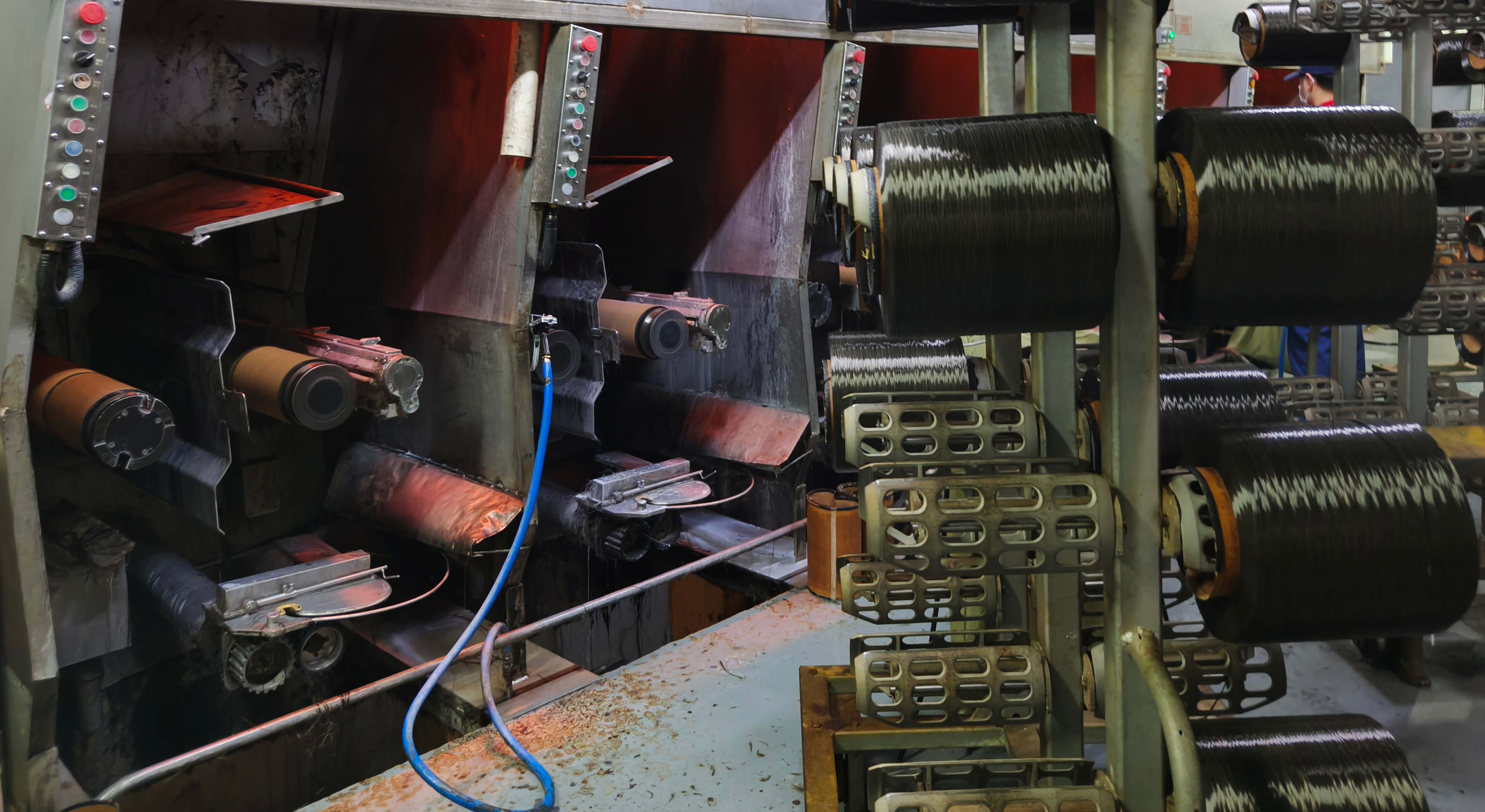
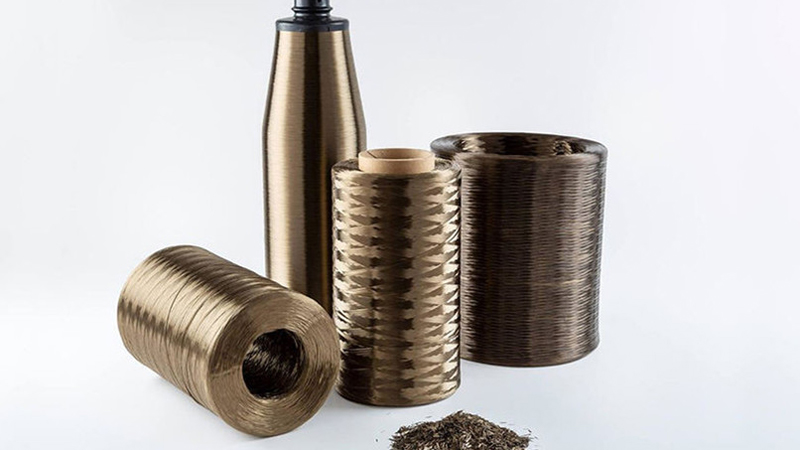
Basalt fiber is an inorganic fibrous material produced by drawing strands from natural basalt ore after it has been melted at high temperatures. It has garnered widespread attention for its exceptional physicochemical properties — particularly its performance in high-temperature environments.
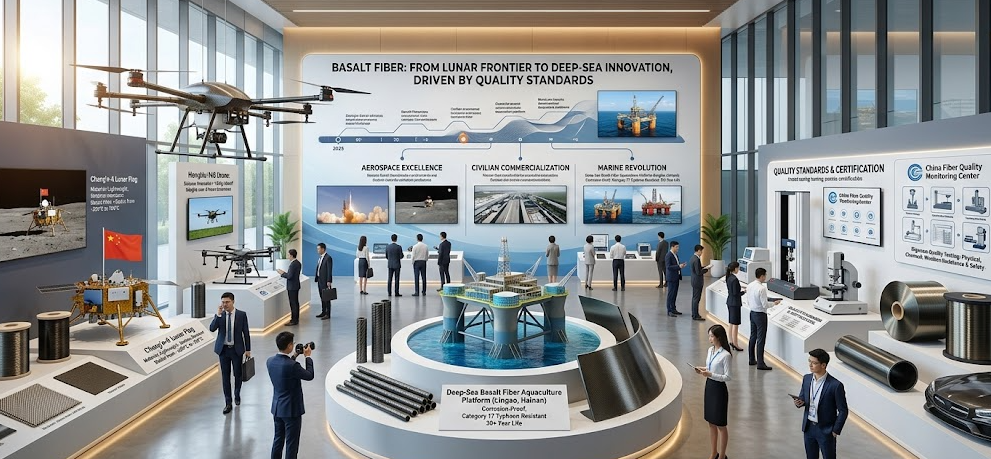
Recently, with the successful realization of major applications — such as the Chang'e-6 lunar exploration mission and the world's first deep-sea basalt fiber aquaculture platform — basalt fiber is rapidly accelerating its transformation from a laboratory research outcome into a strategic new material with tangible industrial productivity.
Explore our full range of basalt fiber rebar solutions — each engineered to meet the performance demands of German and European construction projects.