
Leave Your Message
Engineered basalt fiber composites delivering superior reinforcement for automotive-grade lightweight structural applications.
Concrete slab construction for automotive lightweight components refers to a specialized engineering methodology that integrates advanced fiber-reinforced composite slabs into the design and manufacture of automotive structural parts. Rather than relying solely on conventional steel or aluminum, modern automotive engineers are increasingly turning to basalt fiber-reinforced concrete (BFRC) slabs as a viable, high-performance alternative that meets the dual demands of structural integrity and significant weight reduction.
The global automotive industry is under relentless pressure to reduce vehicle weight in response to tightening emissions regulations, the rapid electrification of fleets, and consumer demand for improved fuel efficiency. Every kilogram eliminated from a vehicle's curb weight translates directly into measurable gains in range, performance, and sustainability metrics. In this context, concrete slab construction techniques enhanced with basalt fiber reinforcement have emerged as a transformative solution capable of delivering lightweight yet structurally robust components for floor panels, underbody shields, battery enclosures, and structural brackets.
🔬 Key Insight: Basalt fiber-reinforced concrete slabs achieve up to 40% weight reduction compared to conventional steel-reinforced equivalents, while maintaining tensile strength exceeding 4,840 MPa — making them ideal for next-generation automotive lightweight structural applications.
The commercial adoption of basalt fiber-reinforced concrete slabs in automotive manufacturing has accelerated significantly over the past decade. Global automakers including tier-1 suppliers across Europe, North America, and Asia have begun qualifying basalt fiber composites as standard materials for lightweight structural components. The market for basalt fiber in automotive applications was valued at over USD 180 million in 2023 and is projected to exceed USD 420 million by 2030, representing a compound annual growth rate (CAGR) of approximately 12.8%.
Industrial adoption is being driven by several converging forces: increasingly strict EU fleet CO₂ targets requiring sub-95 g/km average emissions, the exponential growth of battery electric vehicles (BEVs) where battery pack weight necessitates compensatory mass reduction elsewhere in the vehicle, and the maturation of basalt fiber production technology which has dramatically reduced per-kilogram costs over recent years.
China Beihai, founded in 2015 and headquartered in Jiujiang, Jiangxi Province, stands at the forefront of this industrial transformation. As a high-tech enterprise specializing in the research, development, production, and sales of high-performance basalt continuous fiber and its production equipment, China Beihai has established itself as a leading enterprise in the domestic basalt fiber industry, supplying materials to automotive OEMs and Tier-1 suppliers across multiple continents.
As BEV adoption surges, basalt fiber concrete slabs are being engineered specifically for battery floor enclosures. Their non-conductive nature, chemical resistance, and high specific stiffness make them ideal for protecting lithium-ion battery packs from impact, thermal events, and corrosion without adding electromagnetic interference.
Basalt fiber is derived from naturally occurring volcanic rock through a single-step melting process with no chemical additives, producing zero hazardous waste. Automotive OEMs with aggressive carbon neutrality targets increasingly specify basalt fiber composites as a preferred sustainable alternative to glass fiber and carbon fiber.
Robotic filament winding, automated tape laying (ATL), and resin transfer molding (RTM) processes are being adapted for basalt fiber-reinforced concrete slab production, enabling high-volume manufacturing at automotive production rates. This automation trend is closing the cost gap with conventional materials.
Advanced automotive structures increasingly combine basalt fiber concrete slabs with aluminum extrusions, carbon fiber inserts, and thermoplastic over-molding to create optimized multi-material assemblies. Basalt fiber's excellent adhesion properties and compatibility with diverse matrix systems make it an ideal constituent in such hybrid architectures.
The versatility of basalt fiber-reinforced concrete slab construction enables application across a wide spectrum of automotive components. Below are the most commercially significant use cases currently being deployed or actively developed by automotive manufacturers worldwide:
Basalt fiber composite slabs replace heavy steel underbody shields with panels that are 35–45% lighter while offering superior stone chip resistance, acoustic damping, and thermal insulation for exhaust systems and catalytic converters.
Thin-slab basalt fiber reinforced concrete floor panels deliver the torsional rigidity required for modern vehicle platforms while significantly reducing the contribution of the floor structure to overall vehicle mass — a critical advantage for BEV platforms.
Non-conductive, corrosion-resistant basalt fiber slabs form the structural bottom plate and side walls of EV battery enclosures, providing impact protection, thermal management support, and EMI shielding without the weight penalty of steel alternatives.
The inherent high-temperature resistance of basalt fiber (stable up to 700°C) makes basalt fiber-reinforced slabs ideal for firewall and bulkhead applications, providing passive thermal protection between the engine bay and passenger compartment.
Precision-cast basalt fiber concrete mounting plates for suspension sub-frames and strut towers offer fatigue resistance, vibration damping, and corrosion immunity superior to conventional steel stampings in harsh operating environments.
Heavy-duty basalt fiber reinforced concrete floor slabs for commercial vehicles and buses provide exceptional load-bearing capacity with significant weight savings, directly improving payload efficiency and fuel economy for fleet operators.
Basalt fiber offers a compelling combination of mechanical, chemical, and physical properties that position it as the optimal reinforcement material for automotive-grade concrete slab construction:
The intersection of concrete slab construction technology and automotive lightweighting represents one of the most dynamic growth segments in advanced materials. Regulatory tailwinds — including the EU's forthcoming 2035 zero-emission vehicle mandate and China's NEV production quotas — will continue to accelerate adoption of lightweight construction technologies across the automotive value chain.
Emerging research directions include the development of ultra-high-performance basalt fiber concrete (UHPBFC) formulations with compressive strengths exceeding 150 MPa for structural chassis applications, the integration of self-healing concrete matrices reinforced with basalt fiber for autonomous damage repair, and the exploration of bio-inspired topologically optimized slab geometries enabled by additive manufacturing techniques.
China Beihai is actively investing in R&D partnerships with automotive OEMs and research institutions to develop next-generation basalt fiber composite solutions tailored to the specific demands of automotive lightweight construction. With a comprehensive product portfolio spanning basalt fiber roving, chopped strands, fabric, rebar, geogrid mesh, and specialized construction composites, China Beihai provides automotive engineers with a complete material ecosystem for concrete slab construction applications.
Basalt fiber is ideal for your automotive engineering projects. Its high strength, corrosion resistance and lightweight properties allow it to easily solve a variety of challenges. In buildings, bridges, roads, automotive structures and other infrastructure projects, basalt fibers demonstrate outstanding performance, extending structural life and reducing maintenance costs. Choose basalt fiber, choose reliability and durability.
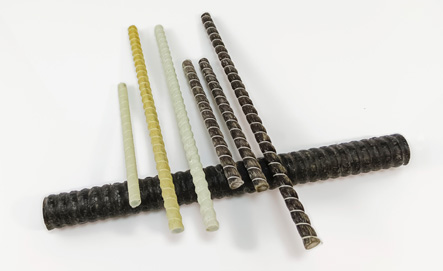
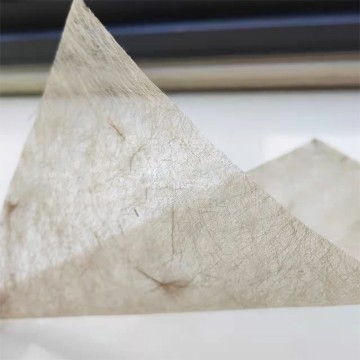
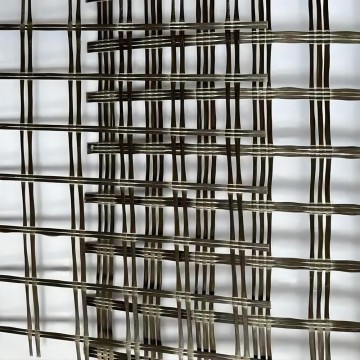
Basalt Fiber Surfacing Tissue Mat is a non-woven thin sheet engineered to provide a smooth resin-rich surface layer for fiber reinforced plastic automotive components.
read more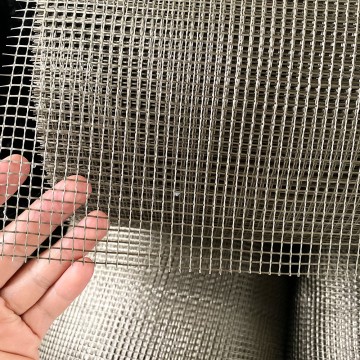
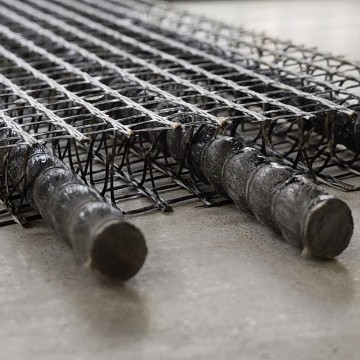
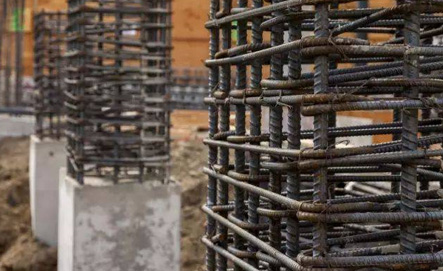
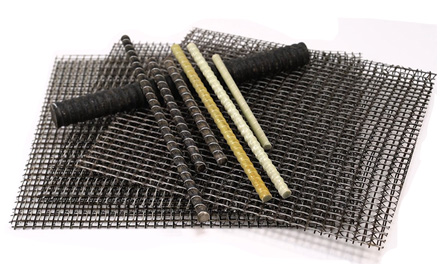
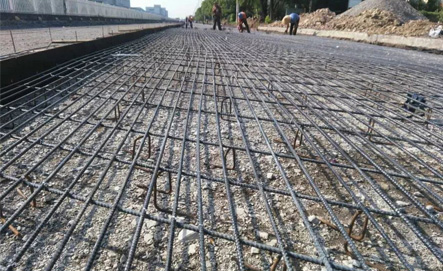
High-performance Basalt Fiber Mesh providing superior reinforcement for concrete and composite automotive structural slab applications.
read more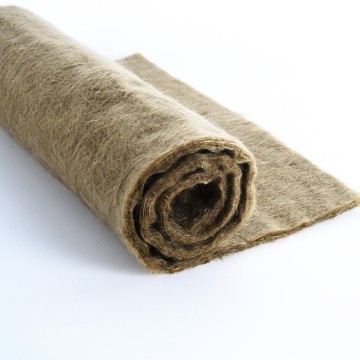
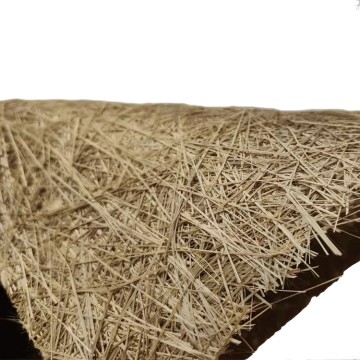
High-density insulation material manufactured by mechanically bonding continuous basalt fibers for automotive thermal protection applications.
read more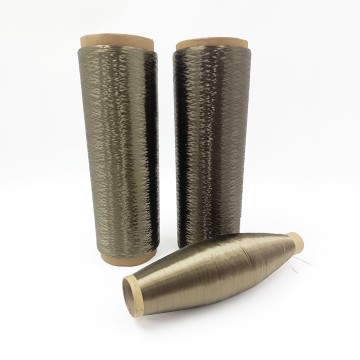
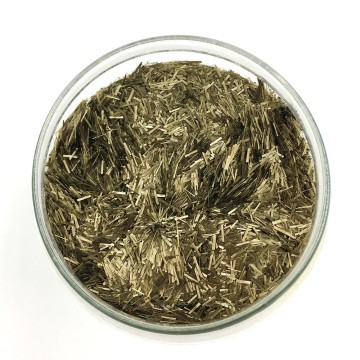
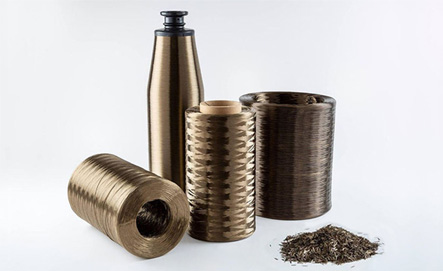
Engineered by twisting multiple continuous filaments to enhance mechanical strength and processing stability for automotive composite manufacturing.
read moreFrom automotive lightweight concrete slab construction to aerospace, petrochemical, and marine engineering — basalt fiber delivers unmatched performance across demanding industrial environments.

Diverse applications in house construction, structural reinforcement, and exterior wall systems.

Ideal for manufacturing aircraft wings, fuselage panels, and engine components requiring lightweight strength.

Spacecraft shell materials, thermal protection systems, and high-temperature-resistant engine components.

Increased strength, durability, crack resistance, chemical resistance, and improved workability in concrete structures.

Wide application in lightweight automotive structures, concrete floor slabs, battery enclosures, and underbody panels.

High strength, durability, and protective properties ideal for bridge abutment structures against collision, fire, and corrosion.

Corrosion resistance gives basalt fiber a unique advantage in petrochemical plant infrastructure and pipework reinforcement.

Lightweight, high-strength composite materials for marine vessel hull reinforcement and offshore structural applications.
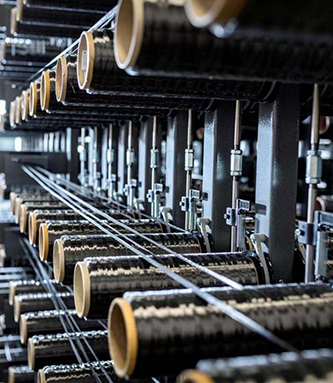
China Beihai is founded in 2015 and located in Jiujiang, Jiangxi Province. China Beihai is a high-tech enterprise focusing on the research, development, production and sales of high-performance basalt continuous fiber and its production equipment manufacturing, as well as a leading enterprise in the domestic basalt fiber industry.
View More
At China Beihai group, we specialize in the production of a wide range of products including basalt fiber mat (Basalt fiber chopped strand mat, Basalt fiber cloth), basalt fiber roving, basalt fiber yarn, basalt fiber chopped strands, and basalt fiber products (Basalt Fiber rebar, basalt fiber sleeves and tape). Our products are designed to meet the diverse needs of various industries, providing high-quality solutions for our customers.

At China Beihai group, we are dedicated to the production of a wide array of basalt-based products, ranging from basalt fiber mat, fabric, and roving to chopped strand and specialized construction materials. Our focus is on delivering high-quality, sustainable solutions for industries such as construction, geotechnical engineering, and manufacturing. With a commitment to innovation and excellence, we strive to cater to the unique requirements of our clients by offering a comprehensive selection of basalt-derived products.

Choosing to work with China Beihai means working with a leading manufacturer of basalt products. Our commitment to quality, innovation and sustainability sets us apart, ensuring our customers receive best-in-class solutions for their diverse needs. Reliability and customer satisfaction, we offer a wide range of high-quality basalt materials and construction products, backed by our dedication to excellence and industry expertise. When you partner with China Beihai, you can trust that you are working with a reliable and forward-thinking partner — a trusted supplier for all your basalt product needs.
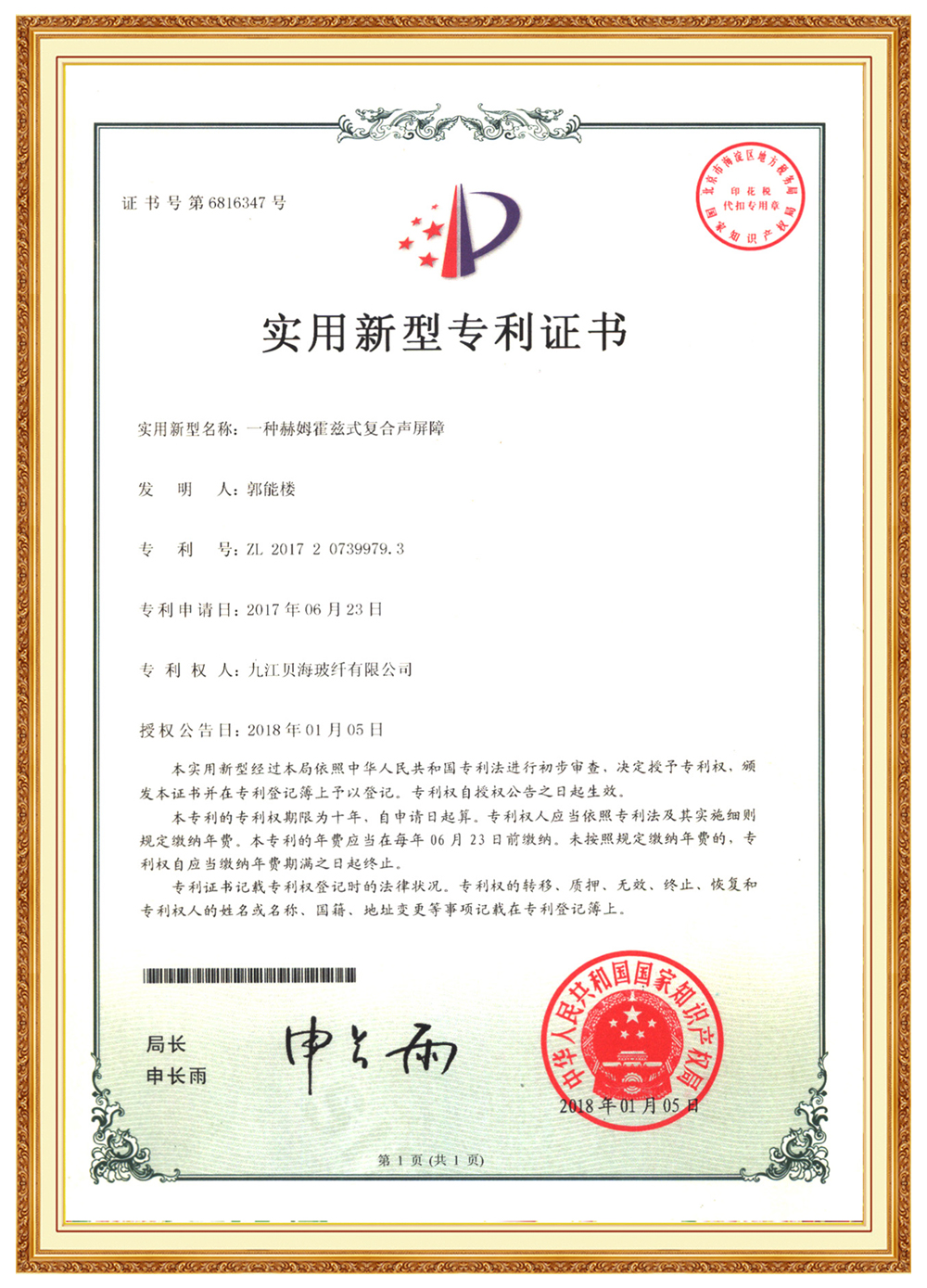
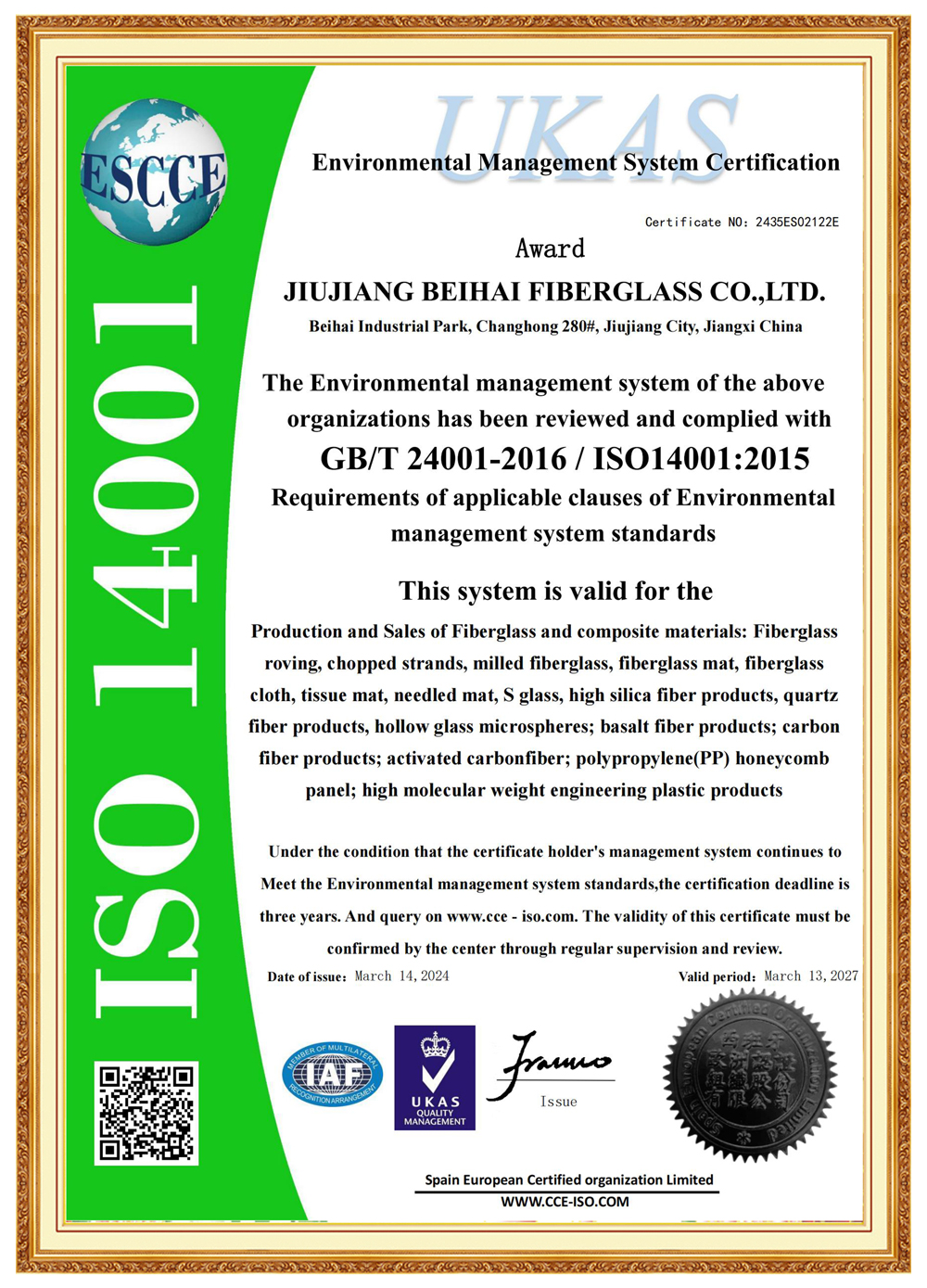
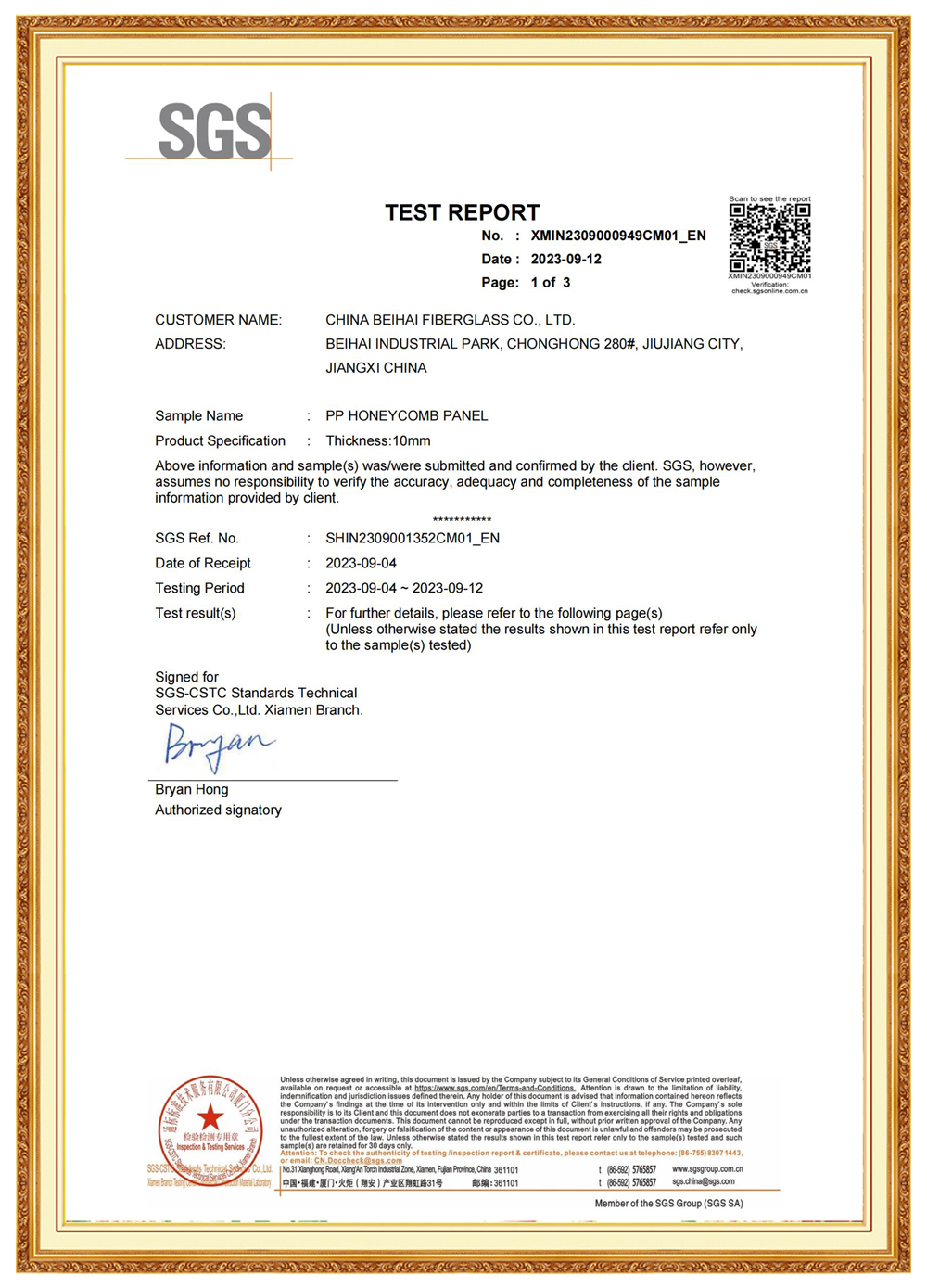
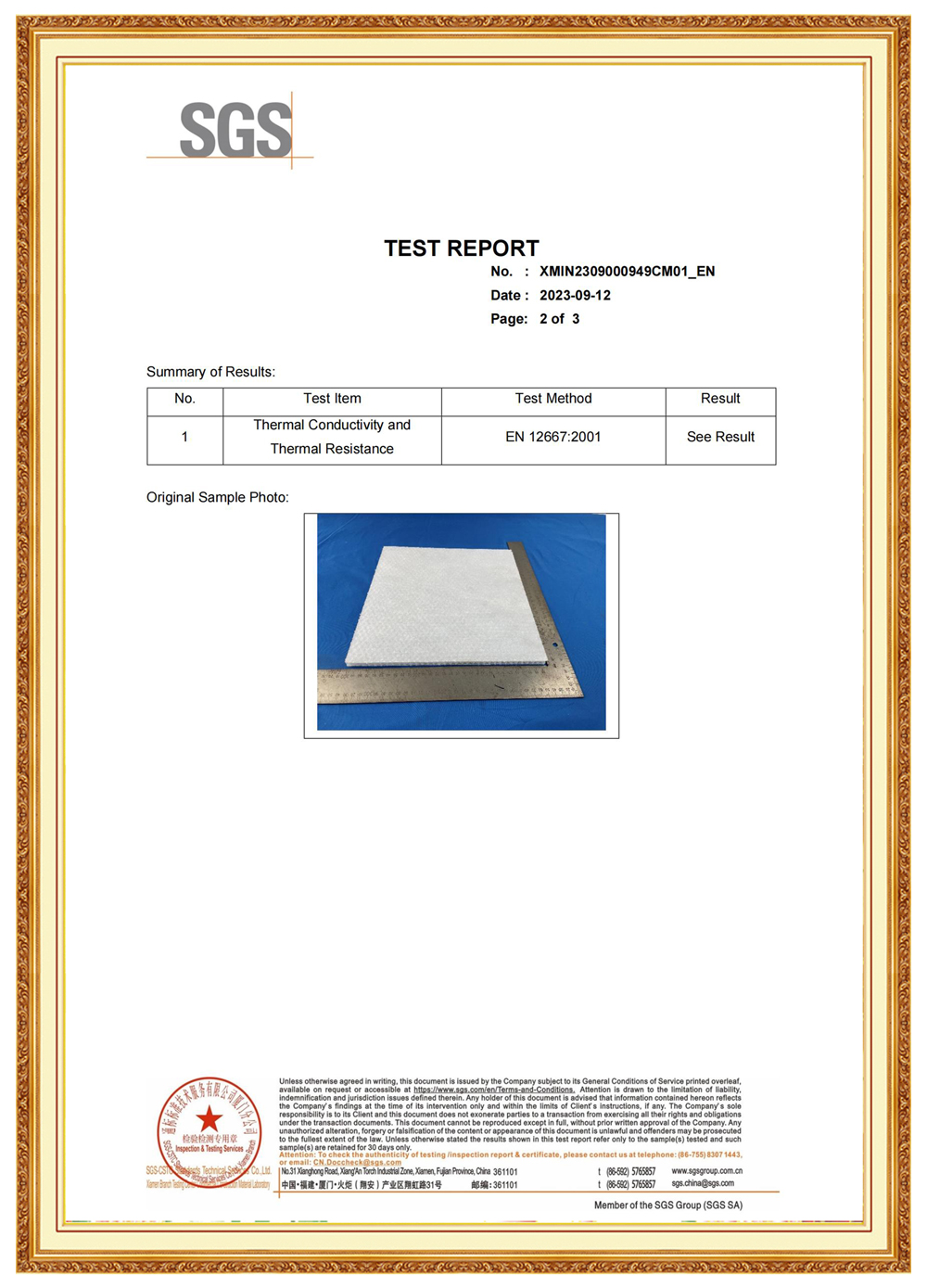
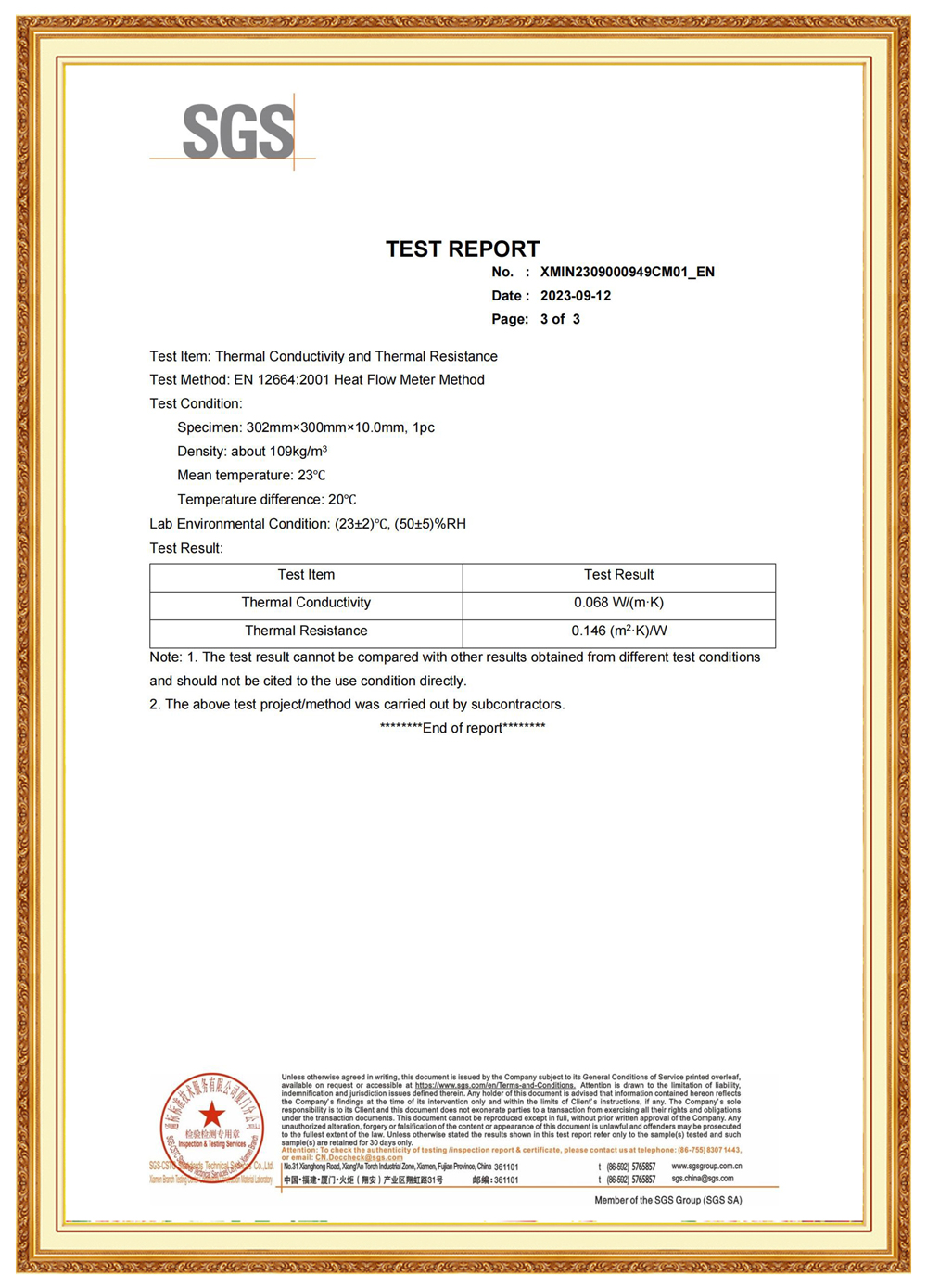
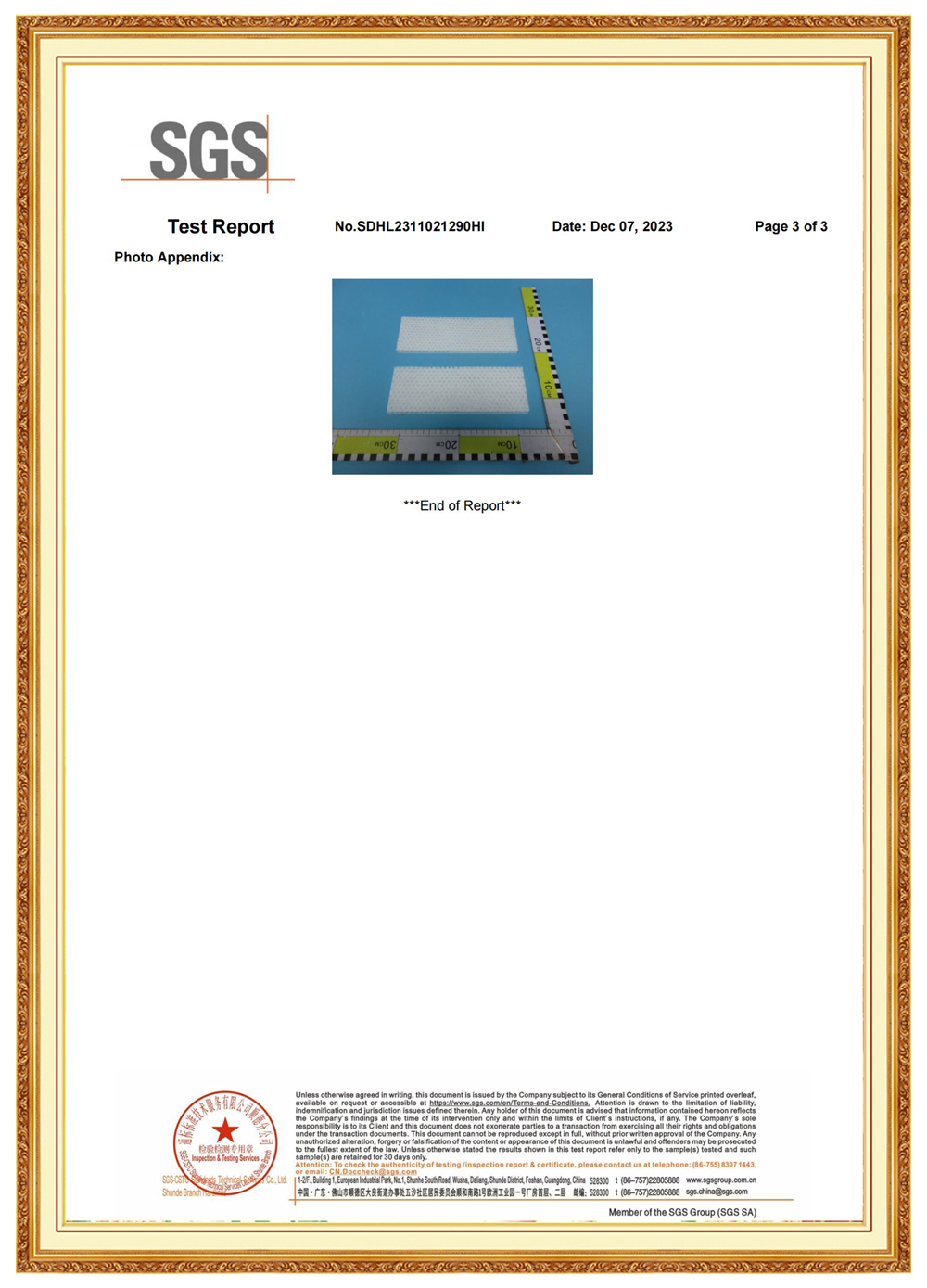
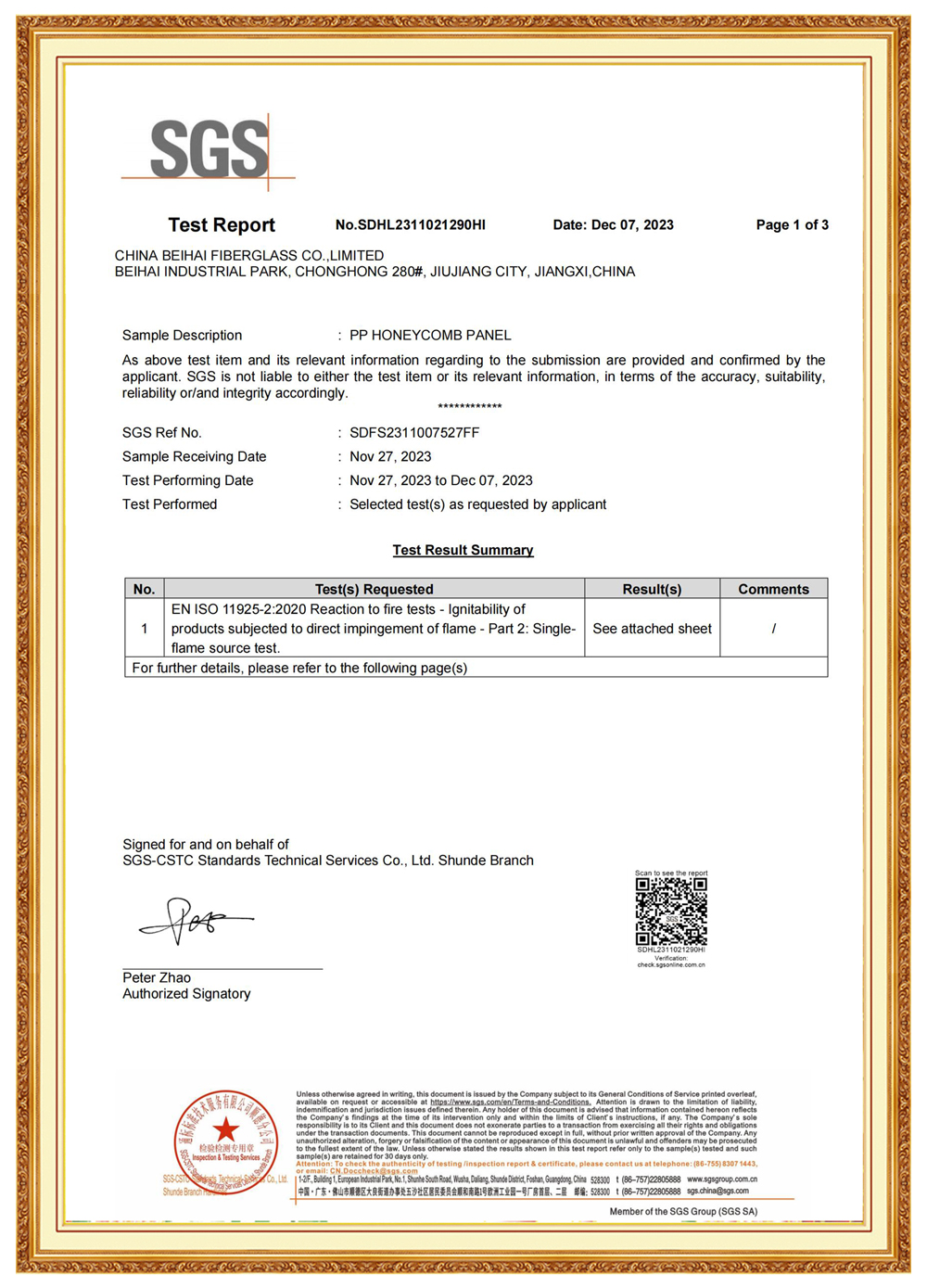
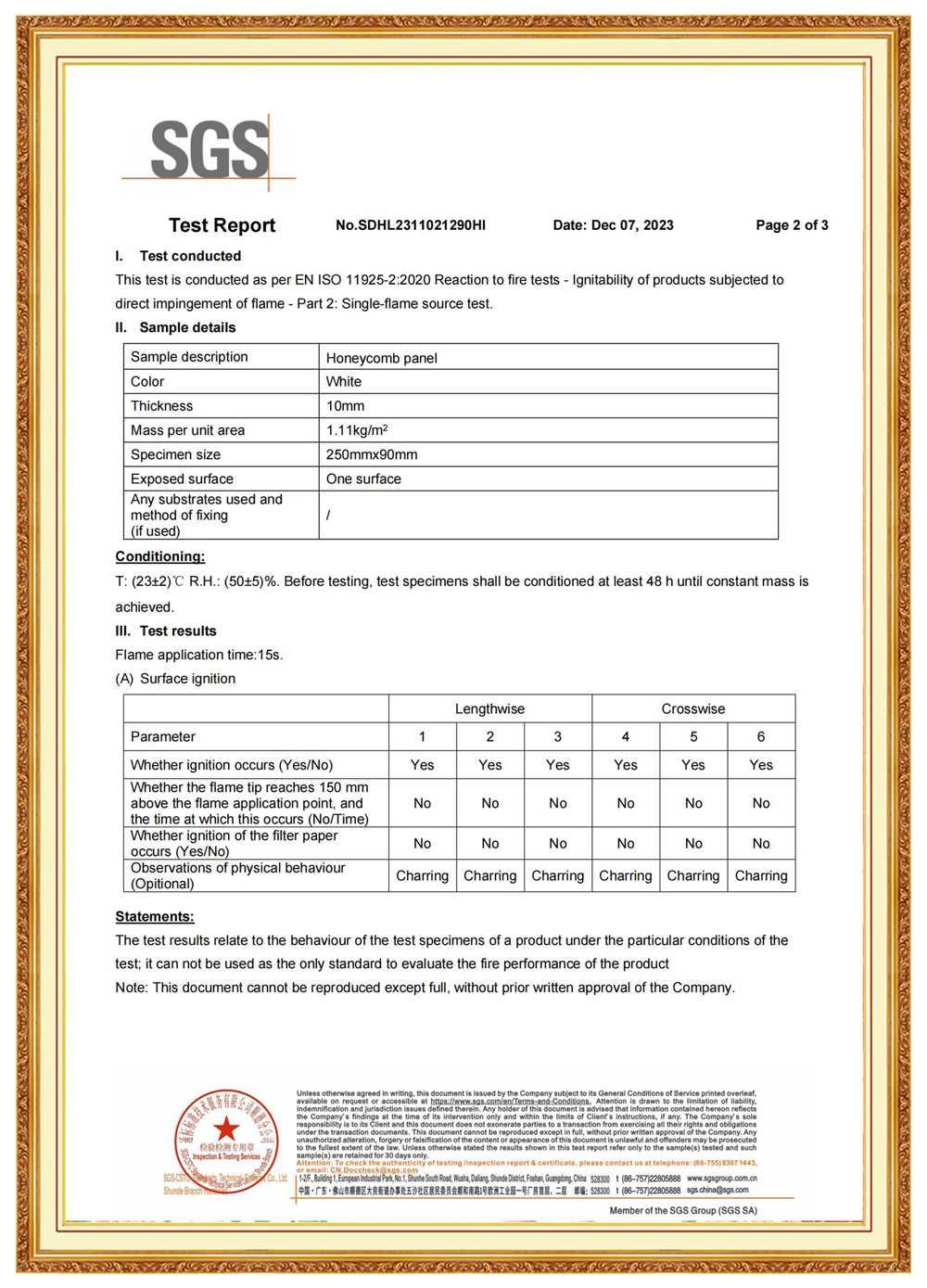
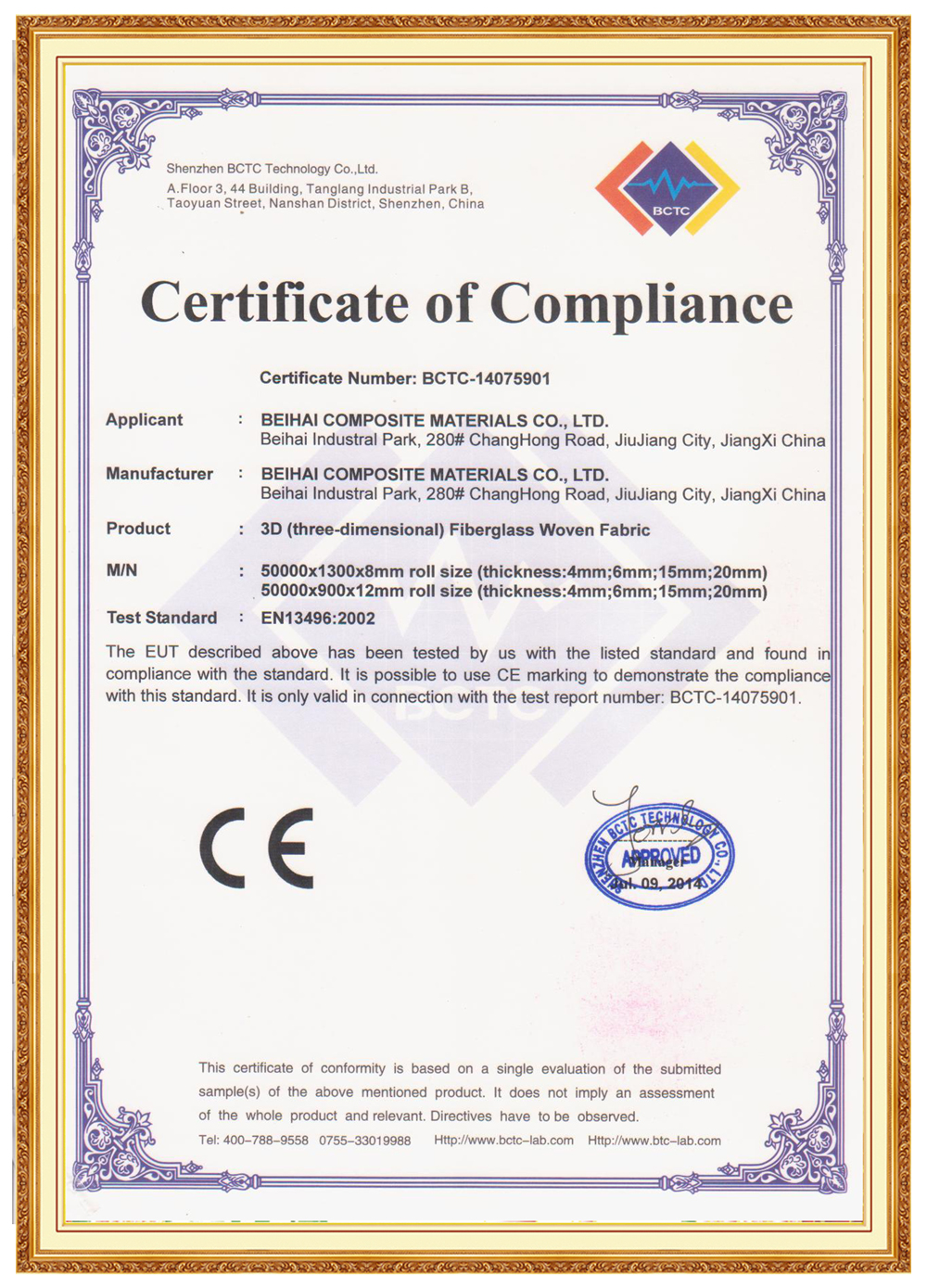
China Beihai's basalt fiber products are certified to international quality standards, ensuring reliability and compliance for automotive and industrial applications worldwide.


As drones slice through the sky to monitor wildfires, and intelligent robots execute repetitive tasks with precision on the factory floor, the efficient operation of this smart equipment is often underpinned by a "hardcore support" that is easily overlooked: a novel material derived from volcanic rock — basalt fiber. Though unassuming in appearance, its unique properties have made it the key to unlocking the performance limits of drones and robots, quietly driving a materials revolution within the realm of intelligent equipment.
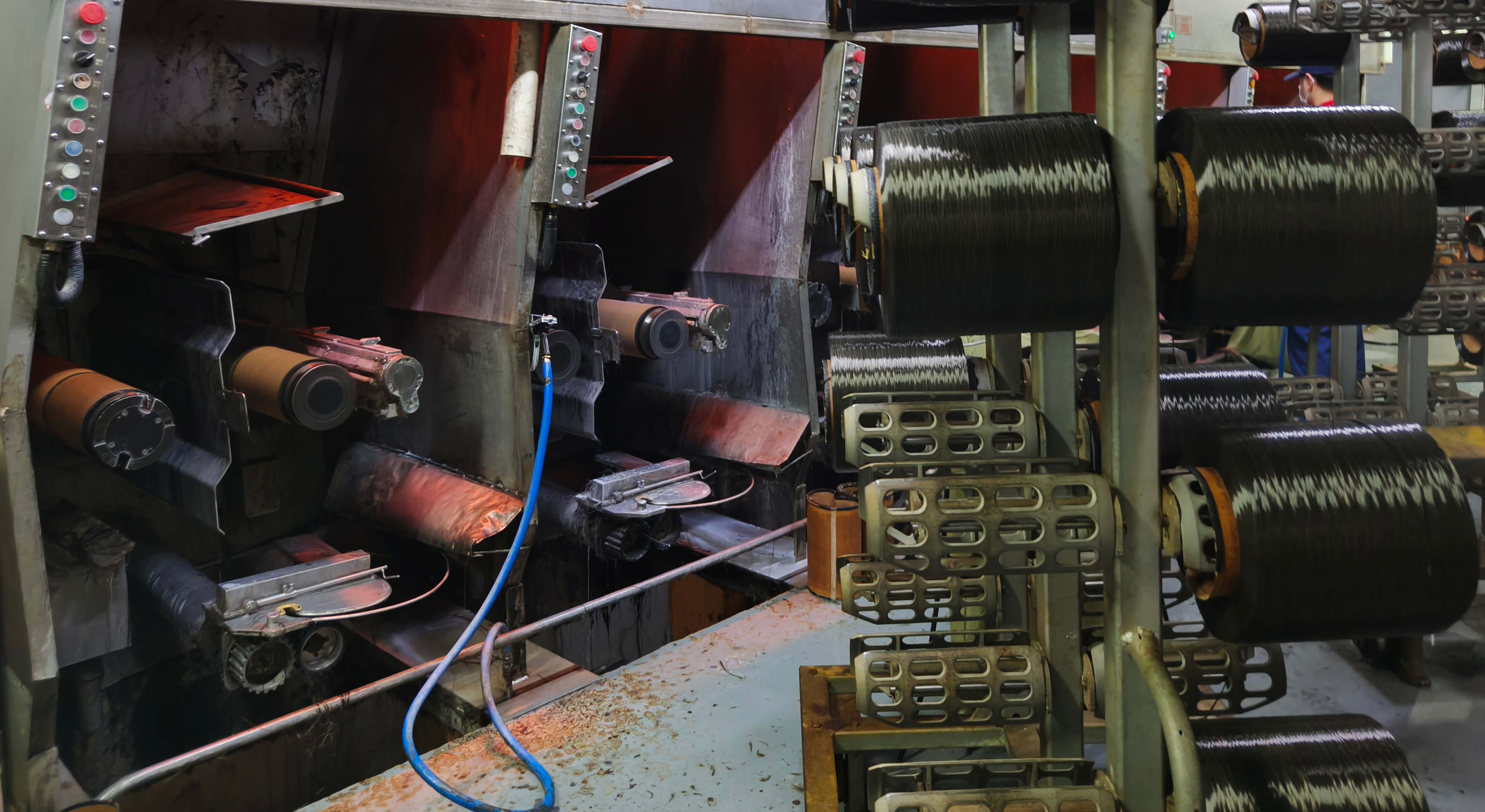
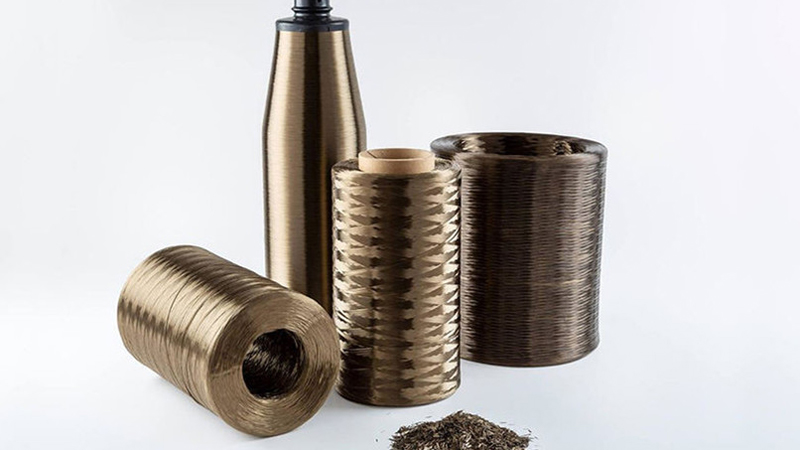
Basalt fiber is an inorganic fibrous material produced by drawing strands from natural basalt ore after it has been melted at high temperatures. It has garnered widespread attention for its exceptional physicochemical properties — particularly its performance in high-temperature environments.
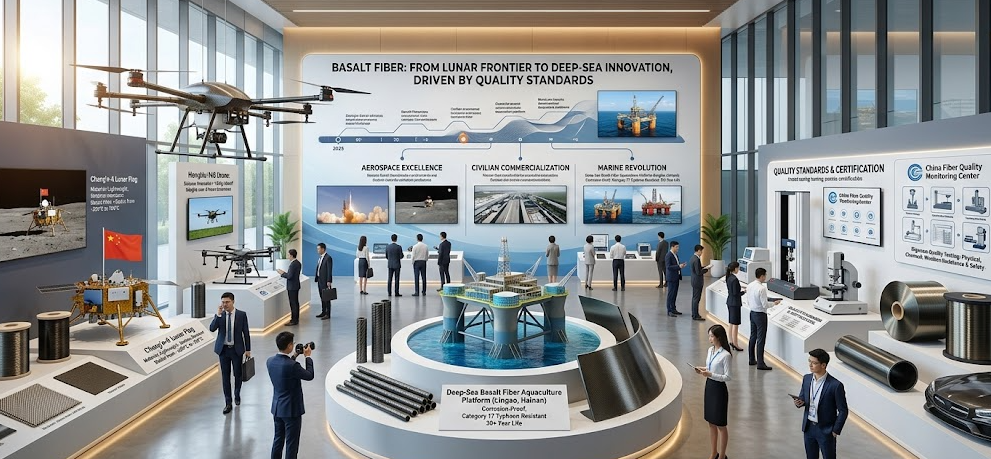
Recently, with the successful realization of major applications — such as the Chang'e-6 lunar exploration mission and the world's first deep-sea basalt fiber aquaculture platform — basalt fiber is rapidly accelerating its transformation from a laboratory research outcome into a strategic new material with tangible industrial productivity.
Explore our full range of high-performance basalt fiber reinforcement solutions engineered for automotive lightweight concrete slab construction applications.