
Leave Your Message
High-performance basalt fiber reinforcement solutions engineered for non-conductive, non-magnetic, explosion-proof UAV fuselages and propeller blade structures.
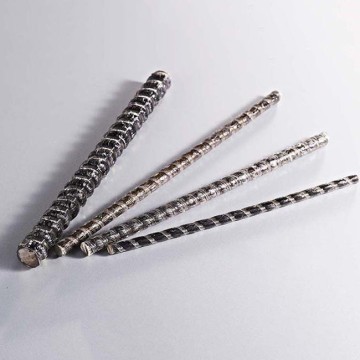

The rapid expansion of commercial and industrial drone operations into hazardous environments — including oil refineries, chemical plants, coal mines, gas pipelines, and munitions inspection zones — has created an urgent and growing demand for explosion-proof UAV platforms. Traditional aluminum alloy and carbon fiber composite structures, while lightweight, present critical limitations: metallic frames generate electromagnetic interference, carbon fiber conducts electricity and can spark under certain conditions, and neither material meets the stringent ATEX or IECEx explosion-proof certifications required for Zone 1 and Zone 2 hazardous area deployments.
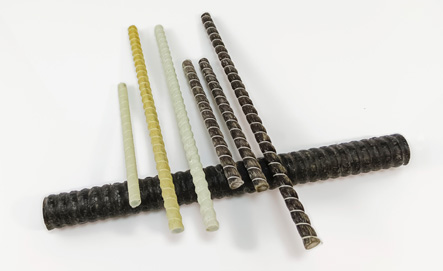
This is where basalt fiber construction bars emerge as a transformative solution. Derived from natural volcanic basalt rock melted at temperatures between 1,450°C and 1,500°C and drawn into continuous filaments, basalt fiber rebar and structural bars possess a unique combination of properties that make them ideally suited for explosion-proof UAV fuselages and propeller blade reinforcement: inherently non-conductive, non-magnetic, non-sparking, chemically inert, and thermally stable across a wide operational range.
The global explosion-proof drone market was valued at approximately USD 420 million in 2023 and is projected to exceed USD 1.8 billion by 2030, growing at a CAGR of over 22%. The single most critical materials challenge driving this growth is the need for non-sparking, non-conductive structural reinforcement — a requirement that basalt fiber construction bars fulfill better than any competing material.
In the commercial and industrial UAV sector, the structural integrity of a drone fuselage and the aerodynamic precision of its propeller blades are paramount. Basalt fiber construction bars provide the reinforcement backbone for composite airframe panels, arm tubes, landing gear struts, and propeller blade cores. Their tensile strength of 3,000–4,840 MPa — significantly exceeding that of steel on a weight-normalized basis — combined with a density of only 2.6–2.8 g/cm³, enables drone designers to achieve unprecedented strength-to-weight ratios without compromising explosion-proof safety requirements.
The convergence of regulatory pressure, technological advancement, and expanding hazardous-area drone deployments is accelerating the adoption of basalt fiber construction bars across the global UAV industry.
Regulatory bodies worldwide are tightening explosion-proof certification requirements for drones operating in hazardous areas. Basalt bars, being inherently non-sparking and non-conductive, simplify compliance pathways for manufacturers targeting Zone 1/Zone 2 certifications, reducing testing cycles and certification costs significantly.
As payload capacity and flight endurance become competitive differentiators, drone OEMs are replacing heavier metallic structural elements with basalt fiber bars. The specific strength of basalt fiber (strength-to-density ratio) is 15–25% superior to E-glass fiber and approaches that of carbon fiber — without the conductivity risks that disqualify carbon in explosive atmospheres.
Industrial drones increasingly operate near furnaces, flare stacks, and high-temperature pipelines. Basalt fiber construction bars maintain structural integrity up to 700°C continuous service temperature — far exceeding the 250°C limit of glass fiber and the 400°C limit of most carbon fiber epoxy systems — making them the preferred choice for thermal-extreme inspection drones.
Offshore oil platform inspection drones and chemical plant monitoring UAVs face aggressive corrosive environments. Basalt fiber bars exhibit superior resistance to acids, alkalis, and salt spray compared to steel and aluminum, eliminating corrosion-related structural degradation and reducing maintenance intervals by up to 60% in marine deployment scenarios.
Modern explosion-proof drones carry multi-spectral cameras, gas detectors, LiDAR, and thermal imaging payloads. Unlike carbon fiber — which acts as a Faraday cage and blocks RF signals — basalt fiber construction bars are electromagnetically transparent, improving GPS accuracy, telemetry reliability, and sensor performance without requiring additional antenna cutouts or signal amplification hardware.
Basalt fiber is produced from naturally occurring volcanic rock with no chemical additives, generating zero toxic byproducts during manufacturing. As ESG compliance becomes a procurement criterion for major energy and petrochemical companies, basalt fiber UAV components offer a compelling sustainability narrative alongside their technical performance advantages.
From fuselage frame reinforcement to propeller blade cores, basalt fiber bars are redefining what is structurally possible in hazardous-area drone platforms.
In petroleum refineries and LNG terminals classified as ATEX Zone 1, drones must carry zero risk of igniting flammable gas-air mixtures. Basalt fiber construction bars form the primary load-bearing skeleton of these platforms — replacing metallic frames that could generate electrostatic discharge — while their chemical inertness prevents degradation from hydrocarbon vapors and H₂S exposure common in upstream oil and gas environments.
Coal dust and methane create explosive atmospheres in underground mines classified as Gas Group IIA/IIB. Basalt fiber bars used in mine inspection drone fuselages pass the required non-sparking material tests under IEC 60079 standards. Their high vibration damping coefficient (3–5× better than carbon fiber) also reduces resonance-induced stress fractures during operation in confined tunnel environments.
Drones deployed for leak detection and tank inspection in chemical processing facilities encounter highly corrosive atmospheres including chlorine, sulfuric acid vapor, and ammonia. Basalt fiber construction bars demonstrate alkali resistance exceeding that of E-glass fiber by 3× and maintain >95% tensile strength retention after 1,000 hours of acid immersion — ensuring structural reliability throughout the operational lifecycle of chemical plant inspection platforms.
High-speed drone propeller blades experience centrifugal forces exceeding 50G at rated RPM, combined with aerodynamic bending loads and impact from particulates. Basalt fiber bars embedded as longitudinal reinforcement cores within composite propeller blades provide exceptional fatigue resistance — with S-N curve data showing >10⁷ cycle endurance at 70% UTS — while their non-conductive nature eliminates static discharge risks critical in explosive atmospheres.
Offshore oil and gas platform inspection drones face the dual challenge of explosive atmosphere certification and extreme marine corrosion. Basalt fiber construction bars used in offshore UAV arm tubes and fuselage longerons eliminate galvanic corrosion entirely — a persistent failure mode in aluminum structures — while maintaining structural stiffness in salt spray and high-humidity conditions that would degrade conventional glass fiber composites within 12–18 months of deployment.
Drones operating near active fires, industrial furnaces, or post-explosion debris fields are exposed to radiant heat fluxes that can degrade polymer matrix composites. Basalt fiber construction bars — with a melting point of approximately 1,450°C and continuous service temperature of 700°C — provide a structural safety margin unavailable with glass or carbon fiber systems, enabling firefighting UAVs to operate closer to active fire fronts for longer durations without structural compromise.
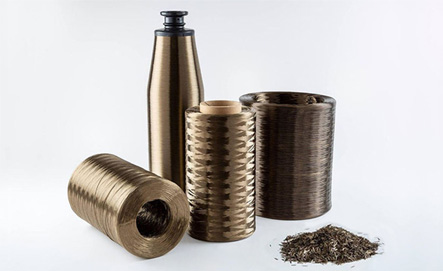
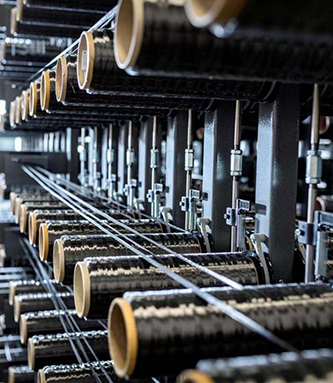
China Beihai is founded in 2015 and located in Jiujiang, Jiangxi Province. China Beihai is a high-tech enterprise focusing on the research, development, production and sales of high-performance basalt continuous fiber and its production equipment manufacturing, as well as a leading enterprise in the domestic basalt fiber industry.
Our construction bars for explosion-proof UAV fuselages and propeller blades represent the convergence of deep materials science expertise and precision manufacturing capability — delivering solutions that meet the most demanding aerospace and industrial safety standards globally.
View More
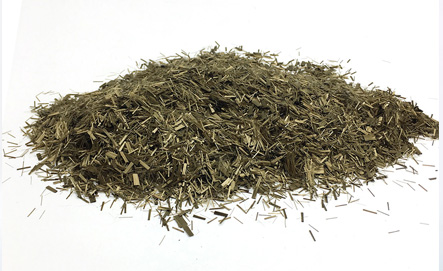
At China Beihai group, we specialize in the production of a wide range of products including basalt fiber mat (Basalt fiber chopped strand mat, Basalt fiber cloth), basalt fiber roving, basalt fiber yarn, basalt fiber chopped strands, and basalt fiber products (Basalt Fiber rebar, basalt fiber sleeves and tape). Our products are designed to meet the diverse needs of various industries, providing high-quality solutions for our customers.

At China Beihai group, we are dedicated to the production of a wide array of basalt-based products, ranging from basalt fiber mat, fabric, and roving to chopped strand and specialized construction materials. Our focus is on delivering high-quality, sustainable solutions for industries such as construction, geotechnical engineering, and manufacturing. With a commitment to innovation and excellence, we strive to cater to the unique requirements of our clients by offering a comprehensive selection of basalt-derived products.

Choosing to work with China Beihai means working with a leading manufacturer of basalt products. Our commitment to quality, innovation and sustainability sets us apart, ensuring our customers receive best-in-class solutions for their diverse needs. Reliability and customer satisfaction, we offer a wide range of high-quality basalt materials and construction products, backed by our dedication to excellence and industry expertise. When you partner with China Beihai, you can trust that you are working with a reliable and forward-thinking partner — a thought supplier for all your basalt product needs.
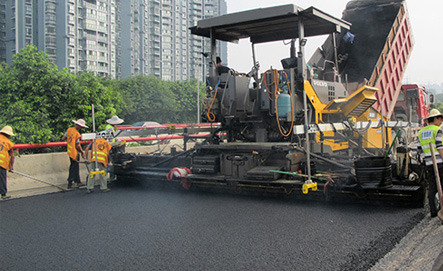
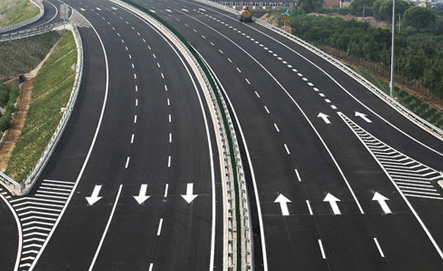
Basalt fiber is ideal for your engineering projects. Its high strength, corrosion resistance and lightweight properties allow it to easily solve a variety of challenges. In explosion-proof UAV fuselages, bridges, roads and other infrastructure projects, basalt fibers demonstrate outstanding performance, extending structural life and reducing maintenance costs. Choose basalt fiber, choose reliability and durability.
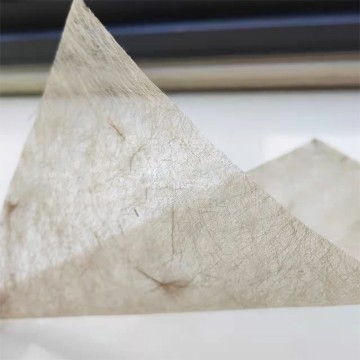
Basalt Fiber Surfacing Tissue Mat is a non woven thin sheet engineered to provide a smooth resin rich surface layer for fiber reinforced plastic composites used in drone airframes...
Read More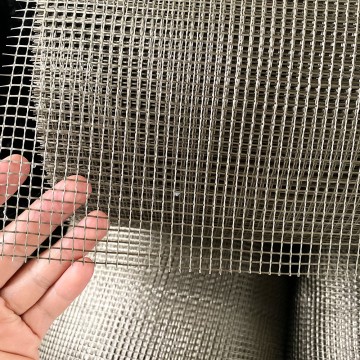
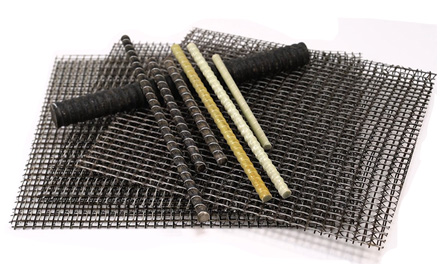
Our high performance Basalt Fiber Mesh provides a superior reinforcement solution for composite and plaster applications where high alkali resistance is required...
Read More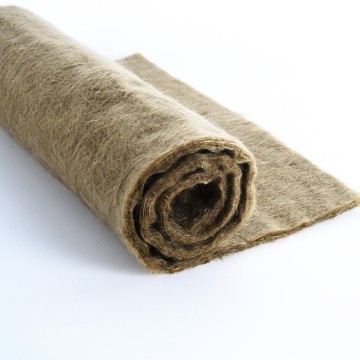
Our Basalt Fiber Needled Mat is a high density insulation material manufactured by mechanically bonding continuous basalt fibers without any chemical binders...
Read More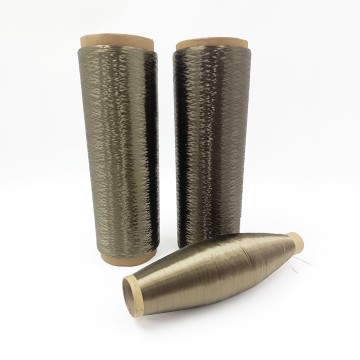
Our Basalt Fiber Twisted Yarn is engineered by twisting multiple continuous filaments to enhance mechanical strength and processing stability for UAV composite manufacturing...
Read More Building Construction
 Aviation
 Aerospace
 Concrete
 Automotive
 Bridge Pier Protection
 Petrochemicals
 Ship & Marine Engineering

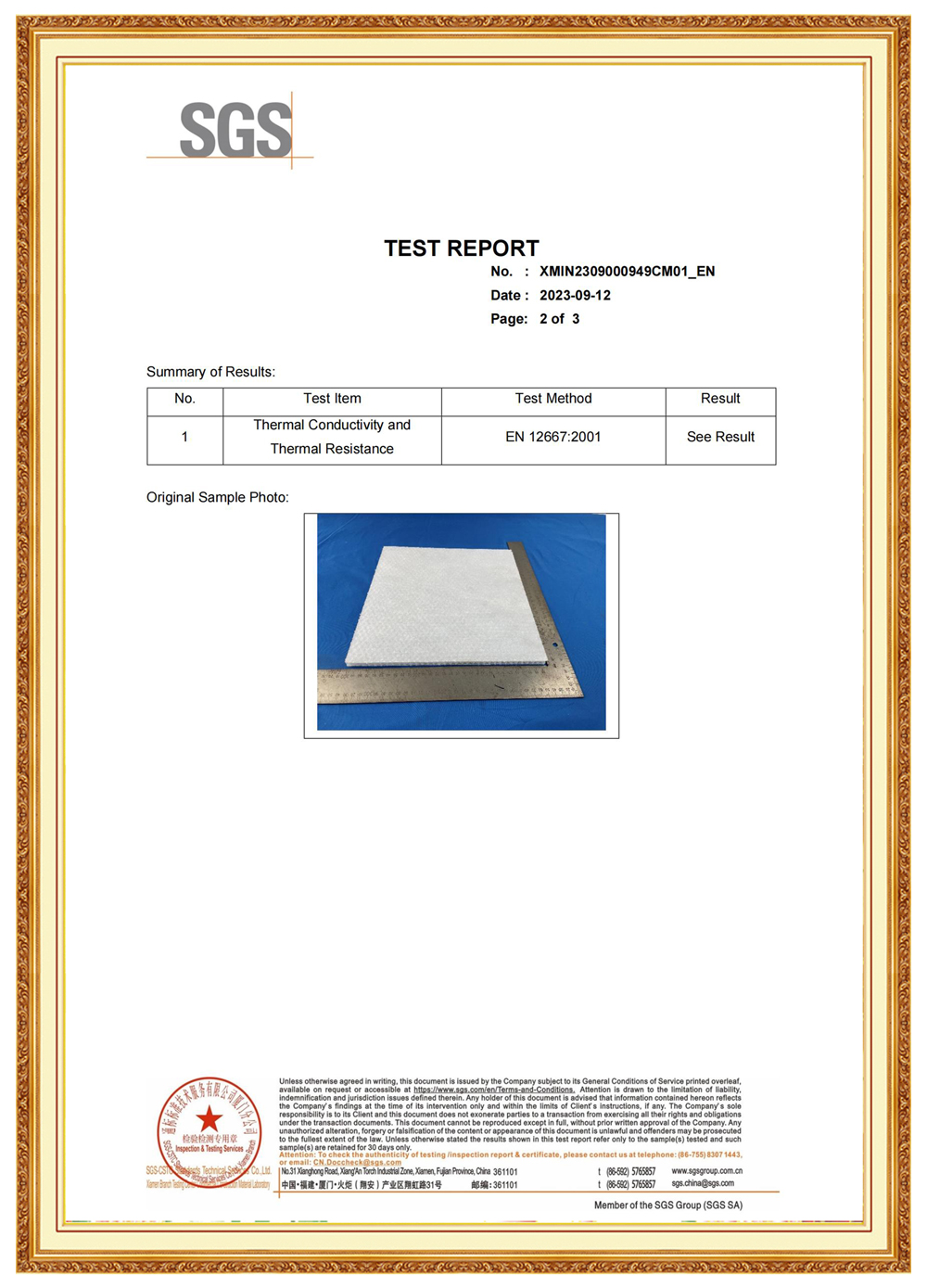
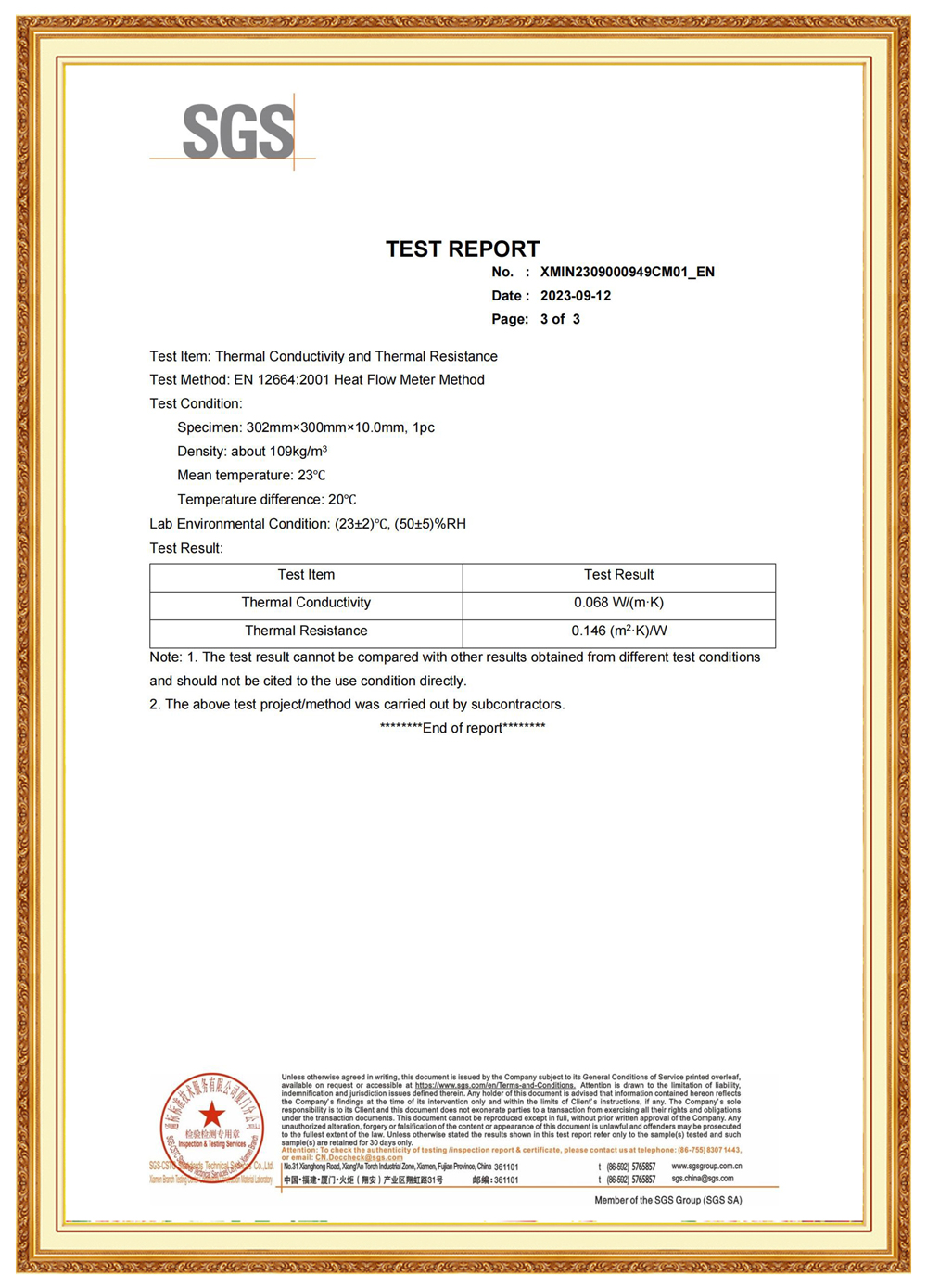
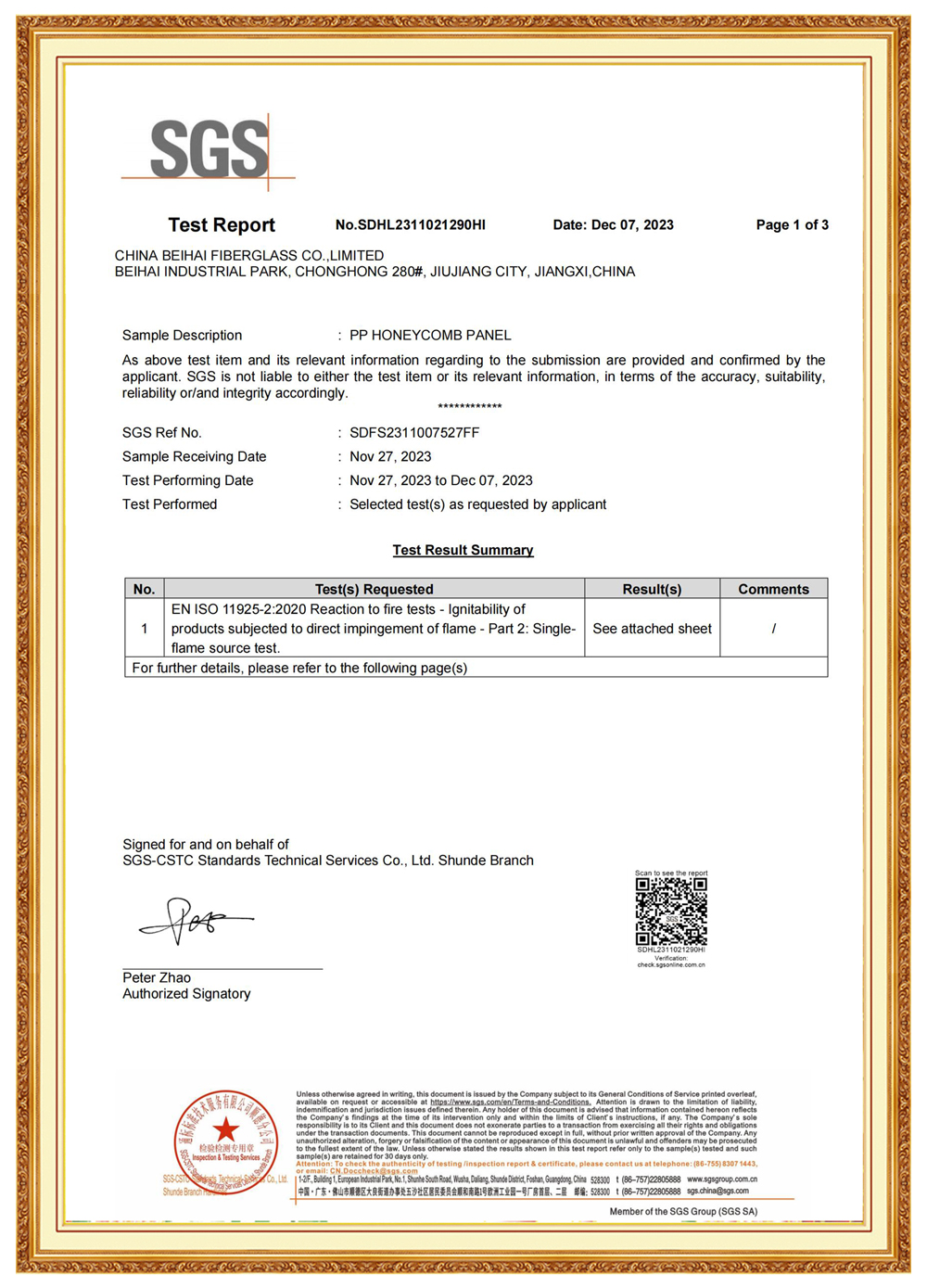
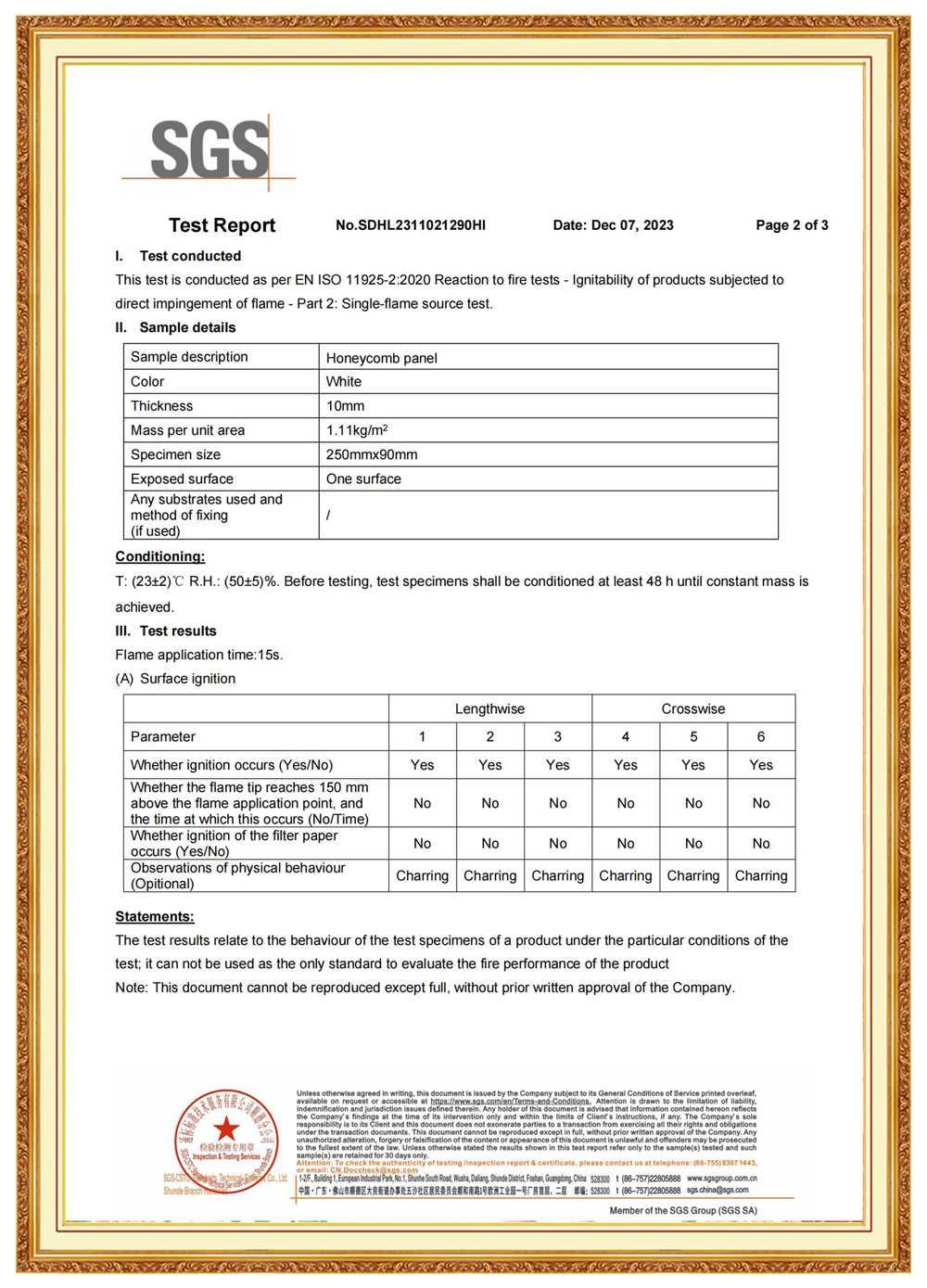
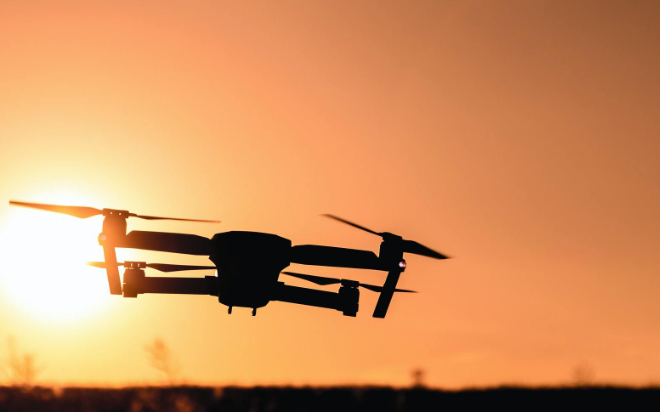
As drones slice through the sky to monitor wildfires, and intelligent robots execute repetitive tasks with precision on the factory floor, the efficient operation of this smart equipment is often underpinned by a "hardcore support" that is easily overlooked: a novel material derived from volcanic rock — basalt fiber. Though unassuming in appearance, its unique properties have made it the key to unlocking the performance limits of drones and robots, quietly driving a materials revolution within the realm of intelligent equipment.
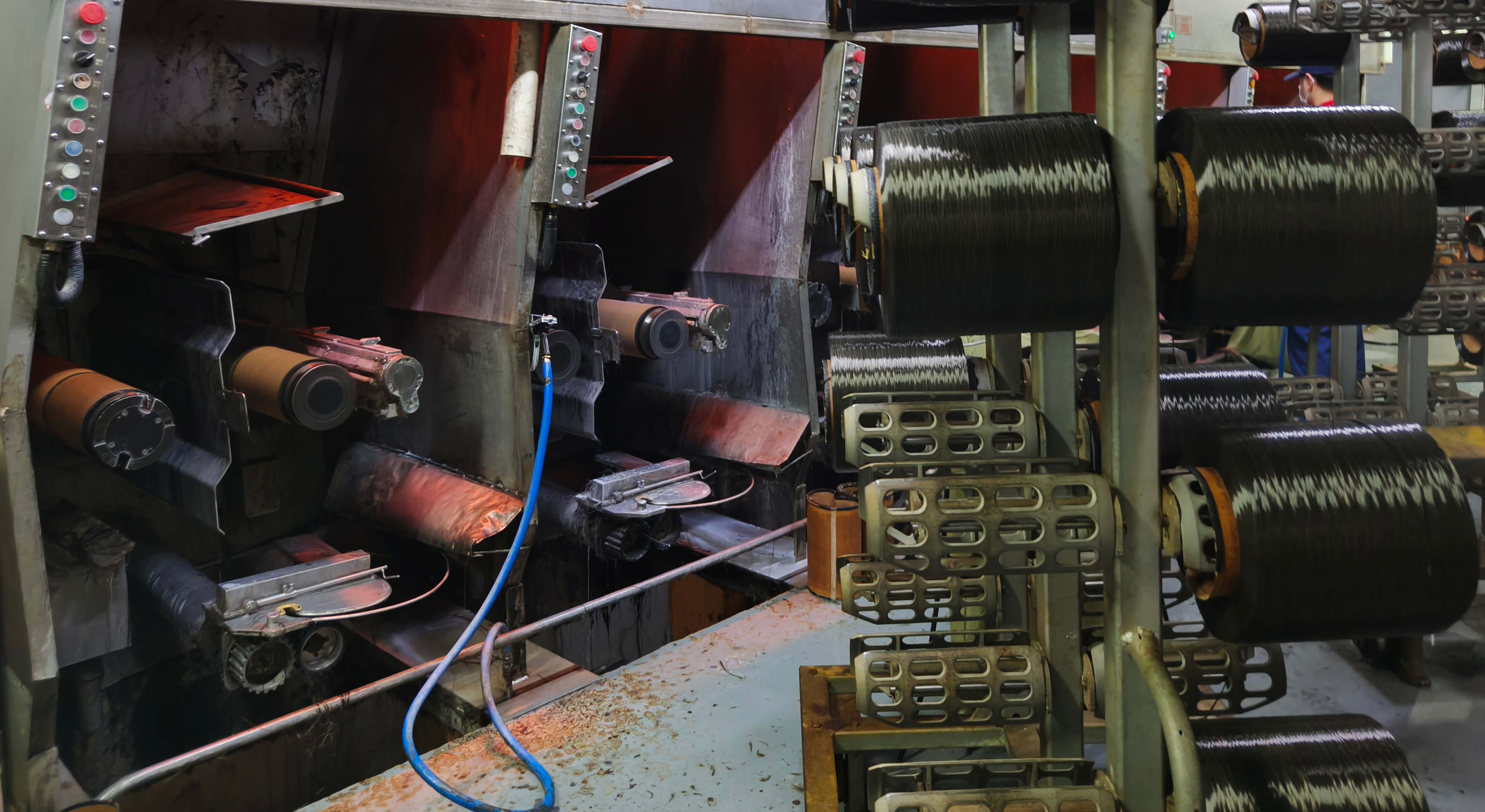
Basalt fiber is an inorganic fibrous material produced by drawing strands from natural basalt ore after it has been melted at high temperatures. It has garnered widespread attention for its exceptional physicochemical properties — particularly its performance in high-temperature environments.
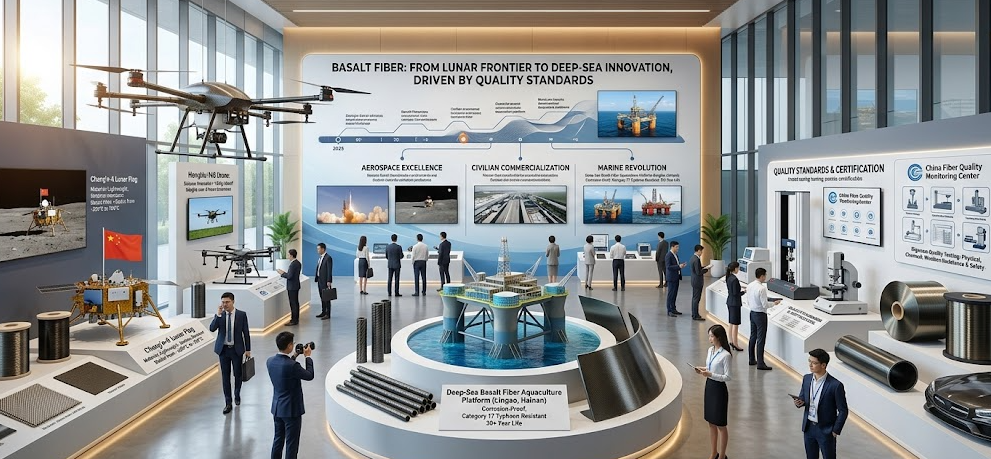
Recently, with the successful realization of major applications — such as the Chang'e-6 lunar exploration mission and the world's first deep-sea basalt fiber aquaculture platform — basalt fiber is rapidly accelerating its transformation from a laboratory research outcome into a strategic new material with tangible industrial productivity.