

Leave Your Message
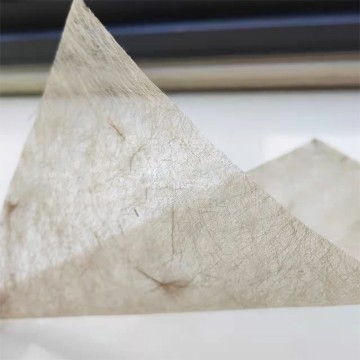
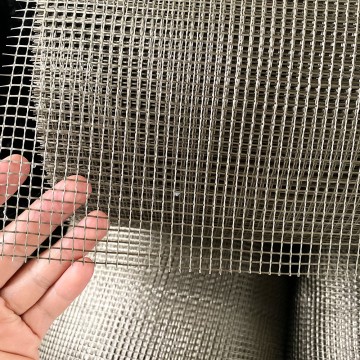
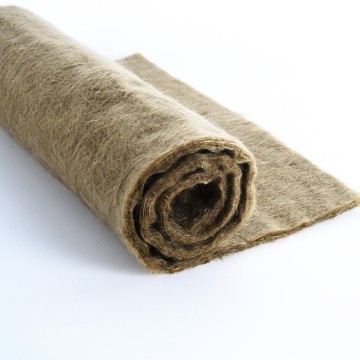
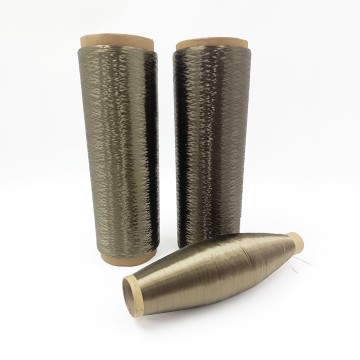
As global infrastructure demands escalate and industrial safety standards tighten, the requirement for advanced construction bars capable of performing in fire-resistant clothing and high-temperature thermal barrier systems has never been more critical. Traditional steel reinforcement bars, while structurally proven, fall short when exposed to prolonged extreme heat — they conduct thermal energy, corrode under aggressive chemical environments, and add substantial weight to structures. The emergence of basalt fiber construction bars has fundamentally changed this equation.
Basalt fiber construction bars are manufactured from natural volcanic basalt rock, melted at temperatures between 1,450°C and 1,500°C and drawn into continuous filaments. The resulting material exhibits a melting point exceeding 1,000°C, making it inherently fire-resistant and ideal for thermal barrier applications where structural integrity under heat is non-negotiable.
The global market for fire-resistant and high-temperature resistant construction materials is experiencing exponential growth. Stringent building codes introduced across North America, Europe, and Asia-Pacific now mandate fire-resistance ratings for structural reinforcement components in commercial buildings, tunnels, petrochemical plants, and aerospace facilities. This regulatory shift has created a substantial commercial opportunity for basalt fiber construction bars as a direct replacement for conventional steel and glass fiber alternatives.
According to industry analysis, the basalt fiber composite market is projected to surpass USD 450 million by 2030, with the construction and thermal protection segments accounting for the largest share of demand. Key drivers include:
China currently leads global basalt fiber production, with manufacturers like China Beihai — founded in 2015 and headquartered in Jiujiang, Jiangxi Province — at the forefront of R&D, production scale-up, and international market penetration. The domestic Chinese market alone has seen annual basalt fiber demand grow at over 18% CAGR, fueled by national infrastructure investment and expanding industrial safety requirements.
Basalt fiber yarns and rovings derived from the same raw material as construction bars are woven into fire-resistant fabrics for protective clothing used by firefighters, industrial workers, and military personnel. The non-combustible nature of basalt fiber — it does not melt, drip, or produce toxic gases when exposed to flame — makes it superior to aramid (Kevlar) alternatives in sustained high-heat exposure scenarios.
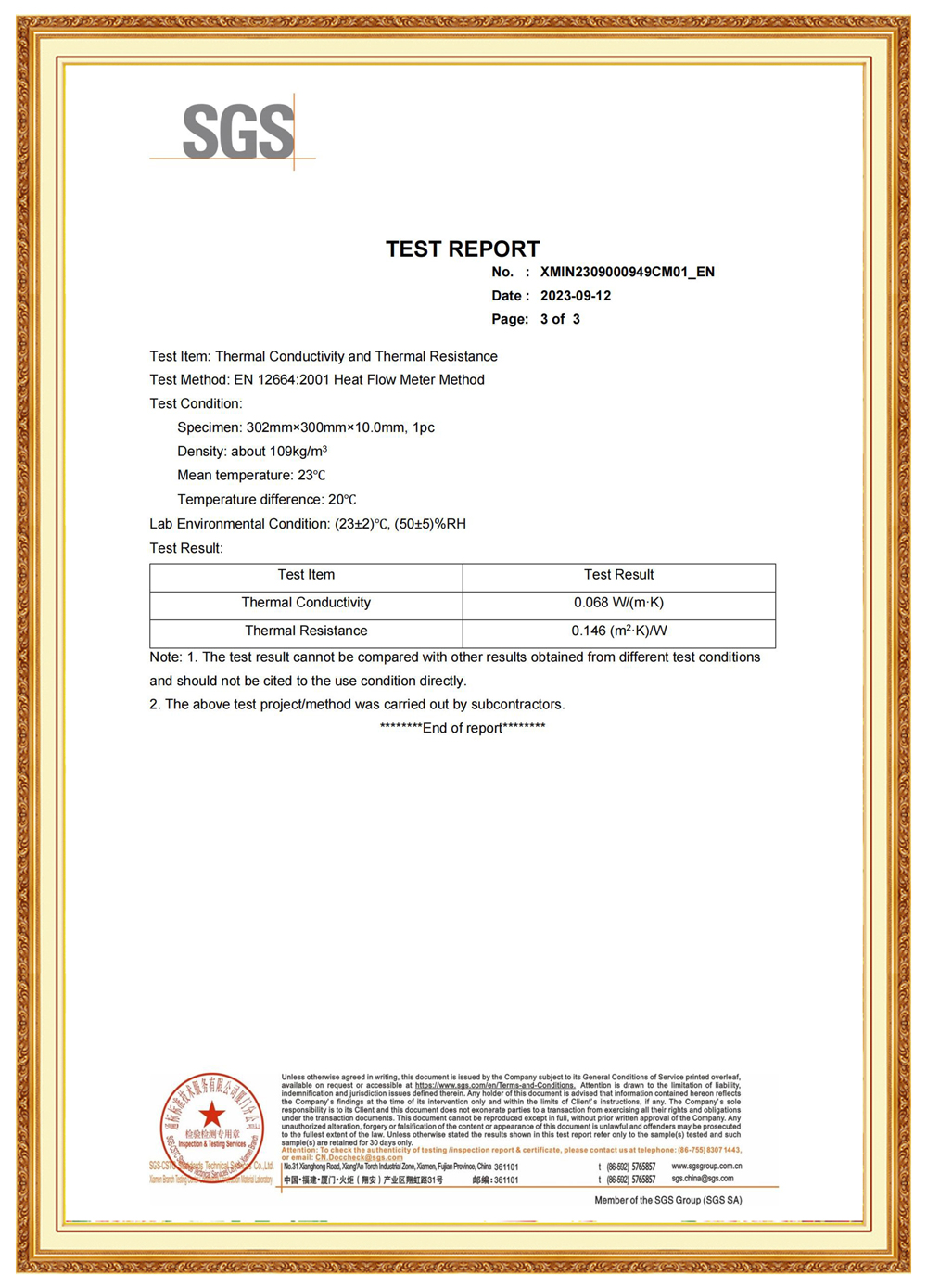
In PPE manufacturing, basalt fiber's thermal conductivity is approximately 0.031–0.038 W/(m·K), significantly lower than glass fiber, meaning protective garments maintain a cooler inner surface even when the outer layer faces direct flame impingement. This property is critical for firefighting suits, foundry worker aprons, and chemical plant protective overalls.
Industrial furnaces, kilns, petrochemical reactors, and power generation equipment all require robust thermal barrier systems that prevent heat transfer to surrounding structural elements. Basalt fiber needled mats and construction bars serve as the reinforcing backbone of these systems, offering:
Road and rail tunnels represent one of the most demanding environments for construction bar performance. In a tunnel fire scenario, temperatures can exceed 1,200°C (RABT/ZTV fire curve), causing spalling of concrete and catastrophic structural failure when conventional steel rebar is used. Basalt fiber rebar, with its inherent fire resistance and low thermal conductivity, dramatically reduces spalling risk and maintains structural load-bearing capacity for significantly longer evacuation windows.
European tunnel projects have increasingly specified basalt fiber reinforcement in lining segments, particularly in the invert and side walls where fire exposure risk is highest. The material's corrosion resistance also eliminates the long-term degradation associated with chloride-induced steel corrosion in coastal and subsea tunnel environments.
Spacecraft re-entry vehicles, missile nose cones, and aircraft engine nacelles require materials that can withstand extreme thermal shock while maintaining structural integrity. Basalt fiber composites — including bars, fabrics, and chopped strand mats — are increasingly being evaluated and deployed in these applications. China Beihai's basalt fiber materials have been noted in connection with aerospace applications including lunar exploration missions, demonstrating the material's readiness for the most demanding thermal environments on Earth and beyond.
Bridges near industrial zones, oil refineries, and port facilities face elevated fire risk from tanker accidents and industrial incidents. Basalt fiber construction bars embedded in bridge deck and pier concrete provide passive fire protection — maintaining structural performance for longer periods than steel-reinforced equivalents, buying critical time for emergency response and evacuation.
Non-combustible basalt fiber maintains structural integrity at temperatures exceeding 1,000°C, far outperforming steel and polymer-based alternatives in fire scenarios.
Thermal conductivity of 0.031–0.038 W/(m·K) ensures effective heat barrier performance, protecting adjacent structures and personnel from thermal transfer.
Exceptional resistance to acids, alkalis, salts, and hydrocarbon environments makes basalt bars ideal for petrochemical and marine thermal barrier installations.
Tensile strength of 1,000–4,840 MPa at one-quarter the weight of steel, enabling lighter protective structures without sacrificing load-bearing performance.
Produced from 100% natural volcanic rock with no chemical additives, basalt fiber is fully recyclable and has a significantly lower carbon footprint than steel production.
Unlike steel, basalt fiber is electromagnetically transparent — critical for installations near radar systems, communication infrastructure, and sensitive electronic equipment.
Next-generation basalt construction bars are being developed with embedded fiber optic sensors for real-time structural health monitoring in high-temperature environments. This "smart rebar" technology enables continuous assessment of thermal stress, load distribution, and potential failure points in critical infrastructure — a convergence of materials science and Industry 4.0 principles.
Research is advancing on hybrid systems combining basalt fiber bars with aerogel insulation panels and intumescent coatings to create multi-layer thermal barriers with unprecedented performance ratings. These systems are targeted at LNG terminal construction, nuclear facility decommissioning projects, and next-generation high-speed rail tunnel infrastructure.
The textile industry is increasingly adopting basalt fiber rovings and yarns for next-generation fire-resistant fabrics. 3D-woven basalt fiber structures are being developed for protective suits that offer multi-directional strength, thermal insulation, and flexibility — addressing the comfort limitations of current aramid-based firefighting garments.
International standards bodies including ISO, ASTM, and EN are actively developing dedicated standards for basalt fiber construction bars in fire-resistance applications. This standardization process — already underway in China with GB/T standards — will accelerate global adoption by providing engineers and specifiers with clear performance benchmarks and design guidelines.
| Property | Basalt Fiber Rebar | Steel Rebar | Glass Fiber Rebar |
|---|---|---|---|
| Tensile Strength | 1,000–1,500 MPa | 500–600 MPa | 700–900 MPa |
| Density | 1.8–2.1 g/cm³ | 7.85 g/cm³ | 2.1–2.2 g/cm³ |
| Max Service Temp. | 700°C (peak 1,000°C) | ~400°C | ~300°C |
| Corrosion Resistance | Excellent | Poor | Good |
| Thermal Conductivity | Very Low | Very High | Low |
| Electromagnetic Neutrality | Yes | No | Yes |
Premium natural basalt rock sourced and quality-tested for optimal mineral composition
Basalt melted at 1,450–1,500°C in precision-controlled furnaces
Continuous filaments drawn through platinum-rhodium bushings to precise diameters
Surface sizing applied for compatibility with resin systems and thermal barrier matrices
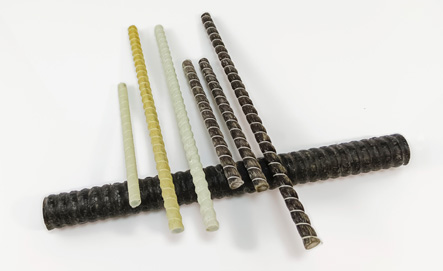
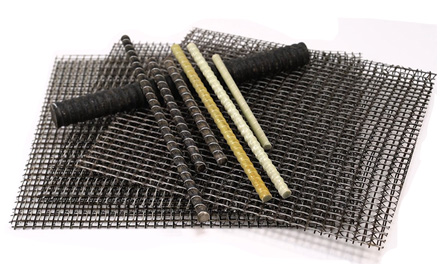
Rovings pultrusion-formed into construction bars with helical surface for concrete bonding
Full mechanical, thermal, and fire-resistance testing per international standards
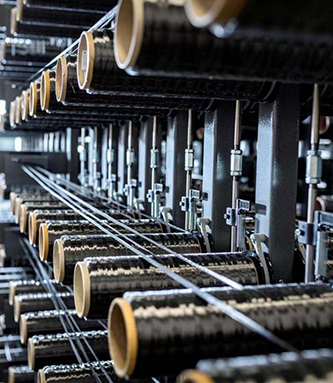
China Beihai is founded in 2015 and located in Jiujiang, Jiangxi Province. China Beihai is a high-tech enterprise focusing on the research, development, production and sales of high-performance basalt continuous fiber and its production equipment manufacturing, as well as a leading enterprise in the domestic basalt fiber industry.

At China Beihai group, we specialize in the production of a wide range of products including basalt fiber mat (Basalt fiber chopped strand mat, Basalt fiber cloth), basalt fiber roving, basalt fiber yarn, basalt fiber chopped strands, and basalt fiber products (Basalt Fiber rebar, basalt fiber sleeves and tape). Our products are designed to meet the diverse needs of various industries, providing high-quality solutions for our customers.

At China Beihai group, we are dedicated to the production of a wide array of basalt-based products, ranging from basalt fiber mat, fabric, and roving to chopped strand and specialized construction materials. Our focus is on delivering high-quality, sustainable solutions for industries such as construction, geotechnical engineering, and manufacturing.

Choosing to work with China Beihai means working with a leading manufacturer of basalt products. Our commitment to quality, innovation and sustainability sets us apart, ensuring our customers receive best-in-class solutions. When you partner with China Beihai, you can trust that you are working with a reliable and forward-thinking supplier for all your basalt product needs.
Basalt fiber is ideal for your engineering projects. Its high strength, corrosion resistance and lightweight properties allow it to easily solve a variety of challenges. In buildings, bridges, roads and other infrastructure projects, basalt fibers demonstrate outstanding performance, extending structural life and reducing maintenance costs. Choose basalt fiber, choose reliability and durability.
For fire-resistant clothing and high-temperature thermal barrier applications specifically, basalt fiber construction bars represent the convergence of material science innovation and practical engineering necessity. The product range encompasses Basalt Fiber Roving and Basalt Fiber Rebar — two cornerstone product lines that address the full spectrum of thermal protection requirements from individual PPE to large-scale industrial thermal barrier systems.
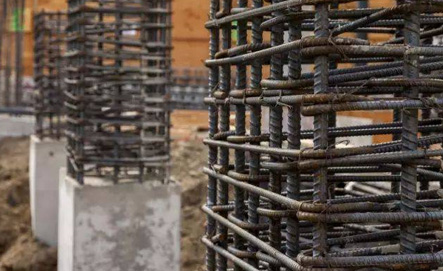
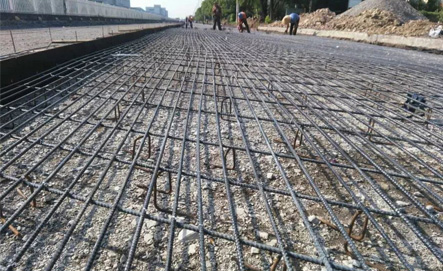
Basalt Fiber Rebar for Reinforcement in Concrete Construction — Basalt fiber rebar is a high-strength alternative to traditional steel bars and is used in a wide range of applications for reinforcing concrete structures in various fields. Its excellent performance makes it ideal for a variety of construction applications such as bridges, highways, buildings and other infrastructure projects where fire resistance and thermal barrier performance are required.
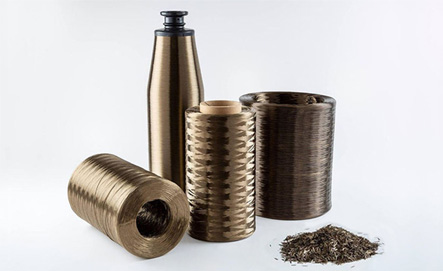
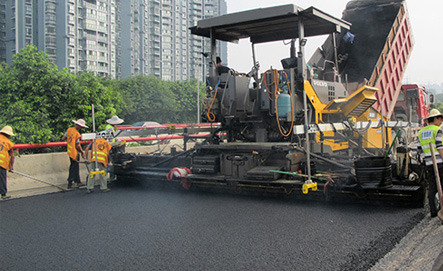
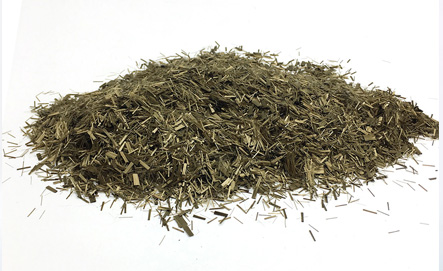
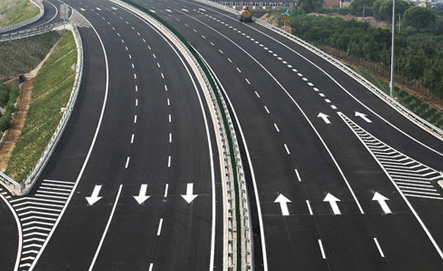

Our basalt products have diverse applications in the field of house construction, including fire-resistant thermal barrier walls and structural reinforcement.

In the aerospace field, basalt fibers are ideal for manufacturing aircraft wings, engine thermal barriers, and high-temperature-resistant components.

Basalt fibers are used in spacecraft shell materials, thermal protection systems, and high-temperature-resistant components of aircraft engines.

Basalt-added concrete offers increased strength, durability, crack resistance, improved chemical resistance and improved workability for fire-rated structures.

Basalt fiber composites enable lightweight, fire-resistant automotive components, addressing the trend of lightweight automobile materials.

Basalt's high strength, durability and fire-protective properties make it ideal for protecting bridge abutment structures from fire, corrosion and the natural environment.

The corrosion resistance and thermal stability of basalt fiber gives it a unique advantage in the petrochemical field for thermal barrier and fire-resistant applications.

Basalt fiber as a high-performance composite material with lightweight, high strength, corrosion resistance, and fire resistance for marine thermal barrier systems.
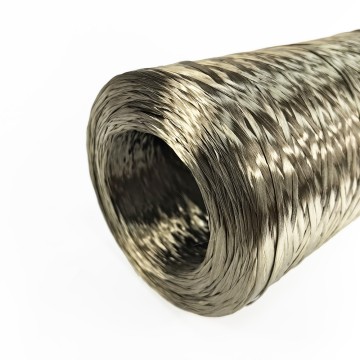
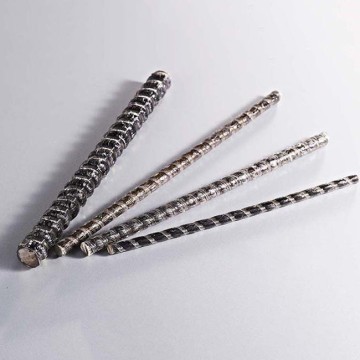
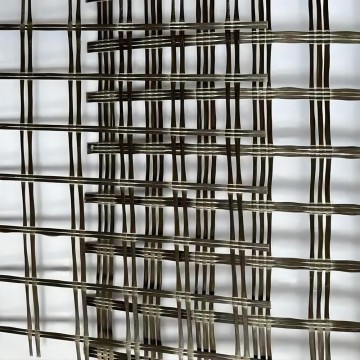



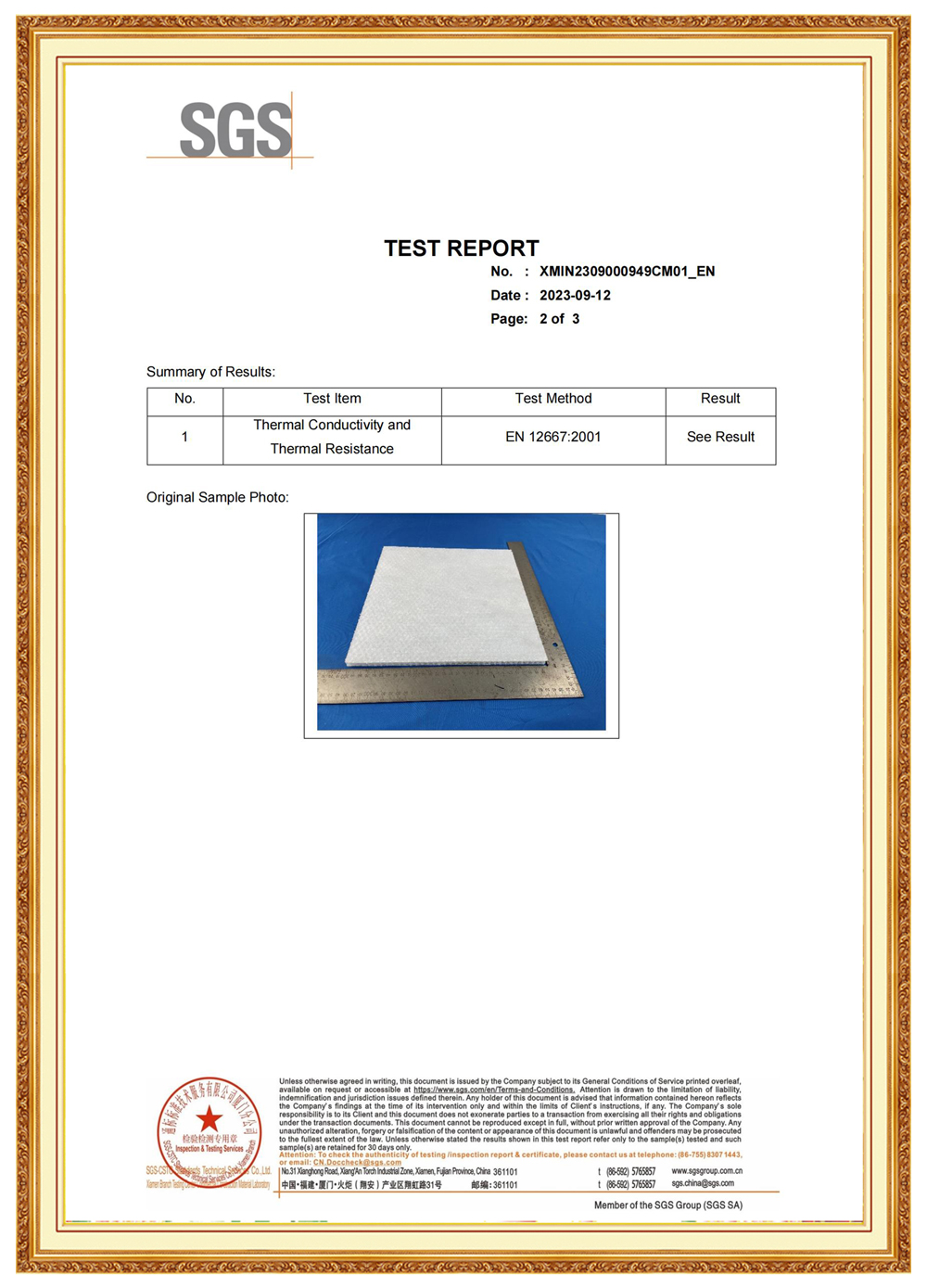

As drones slice through the sky to monitor wildfires, and intelligent robots execute repetitive tasks with precision on the factory floor, the efficient operation of this smart equipment is often underpinned by a "hardcore support" that is easily overlooked: a novel material derived from volcanic rock — basalt fiber. Though unassuming in appearance, its unique properties have made it the key to unlocking the performance limits of drones and robots, quietly driving a materials revolution within the realm of intelligent equipment.
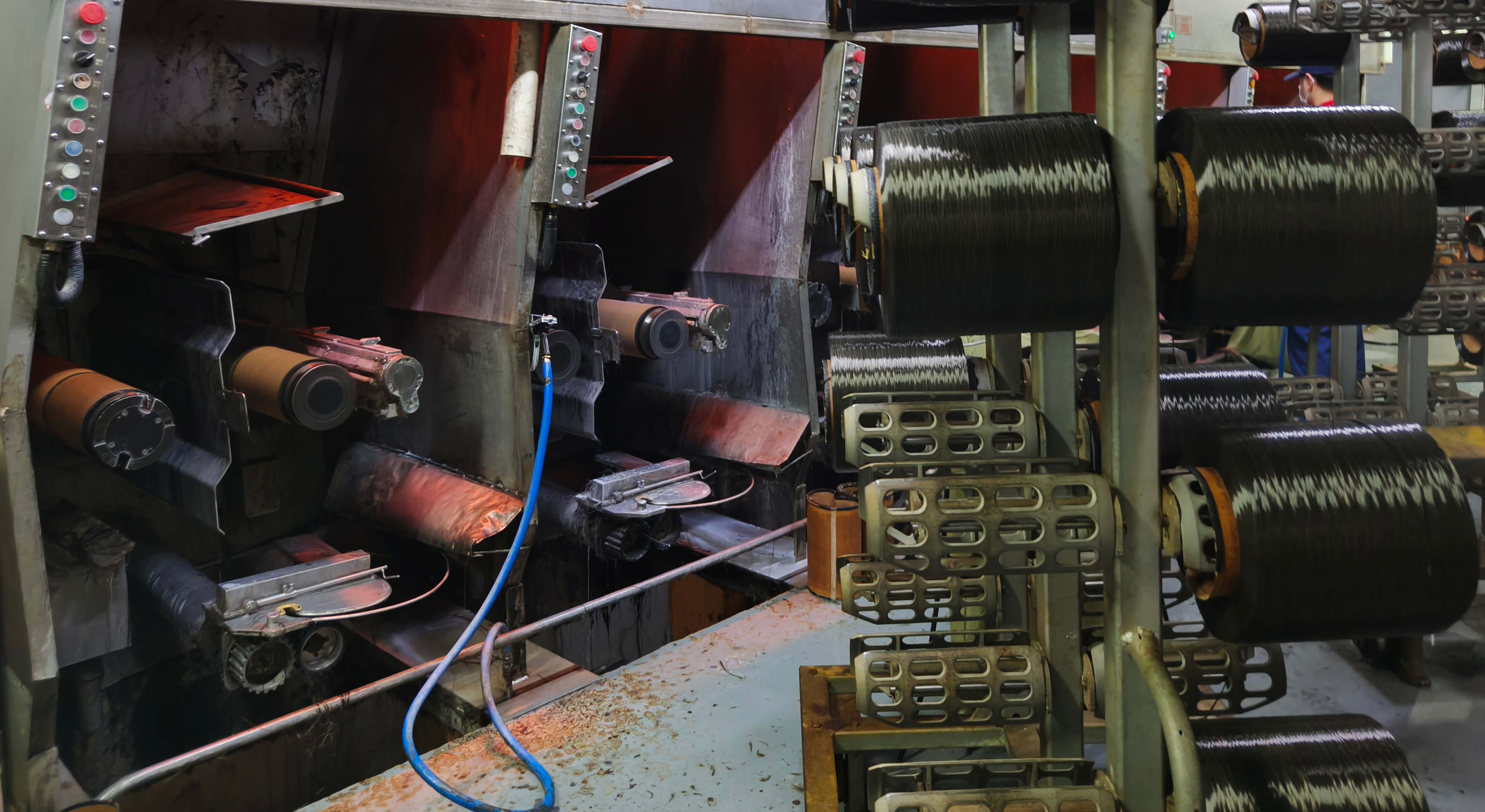
Basalt fiber is an inorganic fibrous material produced by drawing strands from natural basalt ore after it has been melted at high temperatures. It has garnered widespread attention for its exceptional physicochemical properties — particularly its performance in high-temperature environments.

Recently, with the successful realization of major applications — such as the Chang'e-6 lunar exploration mission and the world's first deep-sea basalt fiber aquaculture platform — basalt fiber is rapidly accelerating its transformation from a laboratory research outcome into a strategic new material with tangible industrial productivity.