
Leave Your Message
The global FRP (Fiber Reinforced Polymer) reinforcement market for roads and bridges is experiencing accelerated growth, driven by aging infrastructure, stringent sustainability mandates, and the proven long-term cost advantages of composite materials over traditional steel. Governments across North America, Europe, and Asia-Pacific are actively incorporating FRP specifications into national bridge codes and highway construction standards.
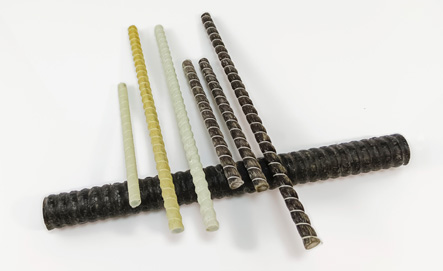
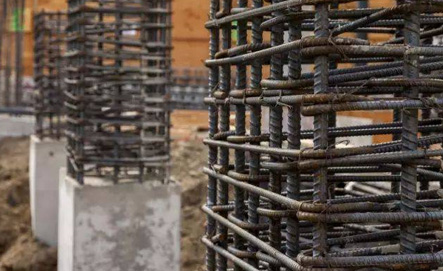
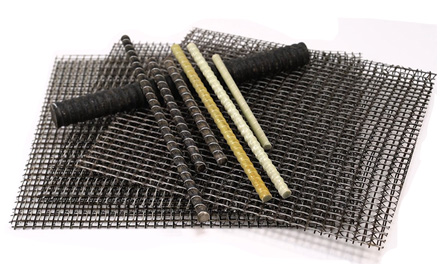
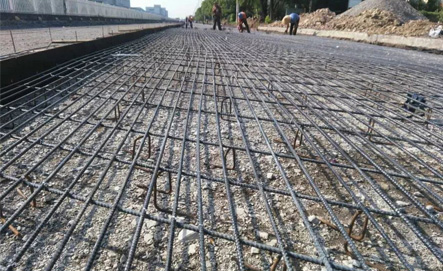
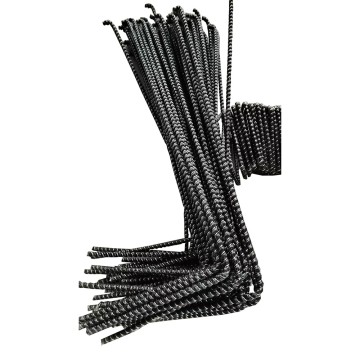
Basalt FRP reinforcement is transforming how engineers approach road and bridge design. From urban expressways to remote mountain crossings, here are the critical application scenarios where BFRP delivers unmatched value.
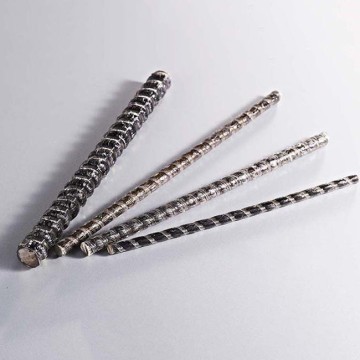
Bridge decks are the most corrosion-vulnerable structural element due to direct exposure to de-icing chemicals, moisture, and traffic loads. Replacing steel with Basalt FRP rebar eliminates chloride-induced corrosion entirely, extending deck service life from 25 to 75+ years and reducing costly resurfacing cycles.
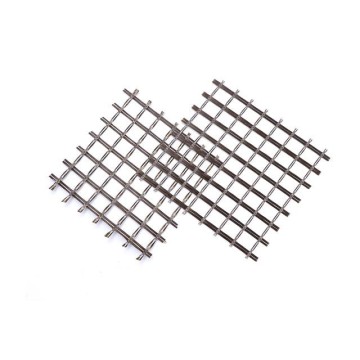
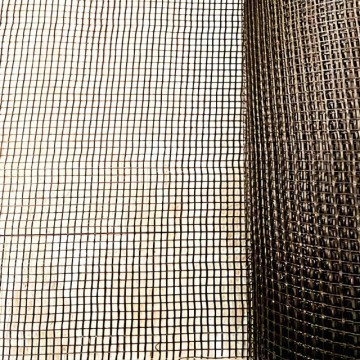
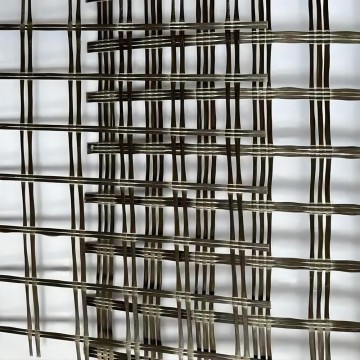
Basalt fiber geogrid and mesh embedded within asphalt layers significantly improve resistance to rutting, reflective cracking, and thermal fatigue. Studies show BFRP-reinforced asphalt extends pavement life by 40–60%, reducing the frequency of costly road rehabilitation projects on high-traffic national highways.
In salt-spray environments, conventional steel reinforcement can begin corroding within 5–10 years. Basalt FRP's complete immunity to chloride attack makes it the definitive solution for sea-crossing bridges, harbor approach roads, and tidal zone infrastructure where maintenance access is limited and costly.
Tunnel environments combine high humidity, chemical exposure, and constrained maintenance access. BFRP rebar in tunnel lining segments and cut-and-cover structures eliminates corrosion risk while its non-magnetic properties prevent interference with rail signaling systems and ventilation sensor networks.
Geotechnical structures reinforced with Basalt FRP geogrid and mesh demonstrate superior long-term tensile retention in soil environments. BFRP geogrids resist alkali degradation from cement-treated subgrades, making them ideal for highway embankments, MSE walls, and slope protection systems.
The electromagnetic transparency of Basalt FRP is a critical enabling property for next-generation smart infrastructure. BFRP-reinforced road slabs allow buried inductive charging coils, weigh-in-motion sensors, and IoT monitoring nodes to operate without signal interference — a key requirement for EV charging lanes and autonomous vehicle corridors.
Governments worldwide are setting net-zero targets for infrastructure. Basalt fiber — derived from natural volcanic rock with no synthetic additives — offers a significantly lower carbon footprint than steel production. Life-cycle assessment studies confirm BFRP-reinforced bridges emit 30–45% less CO₂ over their service life, aligning with EU Green Deal and US Infrastructure Investment Act sustainability requirements.
Advanced infrastructure projects now leverage Building Information Modeling (BIM) with embedded FRP material data. Basalt FRP suppliers are increasingly providing digital material libraries compatible with BIM platforms, enabling engineers to simulate long-term structural performance, optimize reinforcement layouts, and predict maintenance schedules with AI-driven analytics.
BFRP rebar is now recognized in ACI 440, ISO 10406, and Chinese national standards GB/T 26743. As design codes mature, structural engineers gain confidence in specifying BFRP for primary structural reinforcement — a shift that is rapidly expanding the addressable market from niche applications to mainstream bridge and highway construction.
The rapid deployment of electric vehicle infrastructure is creating new demand for non-conductive road reinforcement. BFRP's electrical transparency enables wireless inductive charging systems embedded in highway lanes — a technology being piloted in Sweden, Israel, and South Korea — where steel rebar would block or distort charging magnetic fields.
Accelerated Bridge Construction (ABC) techniques using prefabricated BFRP-reinforced deck panels are gaining traction globally. The lightweight nature of BFRP reduces crane requirements and installation time, while corrosion-free performance eliminates the need for protective coatings on precast elements — streamlining production and reducing total project costs.
For bridge rehabilitation projects, hybrid reinforcement systems combining existing steel with externally bonded BFRP sheets and strips are emerging as a cost-effective strengthening solution. This approach can restore or exceed original design capacity without full deck replacement, offering a 60–70% cost saving versus complete reconstruction.
Our state-of-the-art production facilities in Jiujiang, Jiangxi Province utilize advanced single-furnace continuous drawing technology to produce high-consistency basalt fiber roving and rebar with tight quality tolerances.
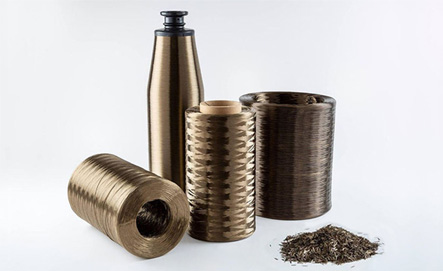
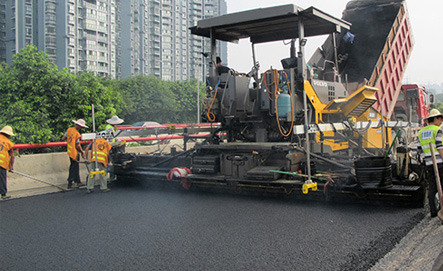
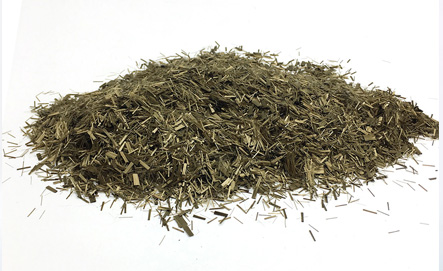
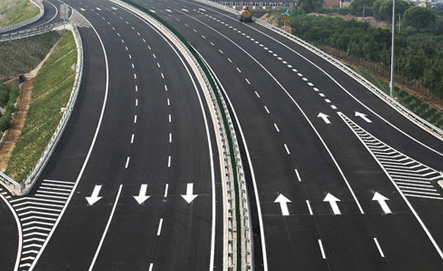
Basalt fiber is ideal for your engineering projects. Its high strength, corrosion resistance and lightweight properties allow it to easily solve a variety of challenges. In buildings, bridges, roads and other infrastructure projects, basalt fibers demonstrate outstanding performance, extending structural life and reducing maintenance costs. Choose basalt fiber — choose reliability and durability.
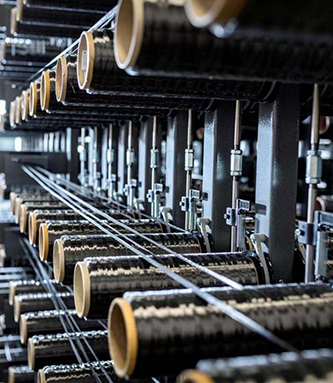
China Beihai is founded in 2015 and located in Jiujiang, Jiangxi Province. China Beihai is a high-tech enterprise focusing on the research, development, production and sales of high-performance basalt continuous fiber and its production equipment manufacturing, as well as a leading enterprise in the domestic basalt fiber industry.

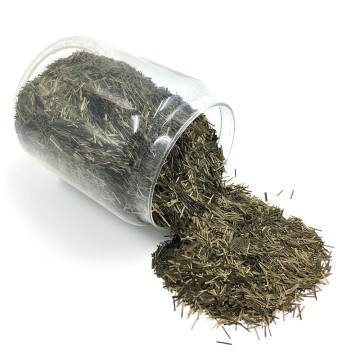
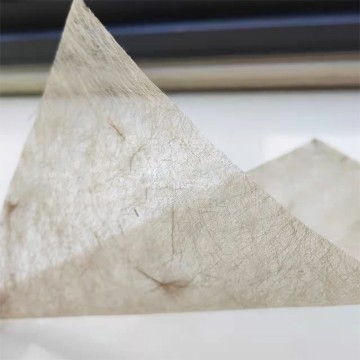
At China Beihai group, we specialize in the production of a wide range of products including basalt fiber mat, basalt fiber roving, basalt fiber yarn, basalt fiber chopped strands, and basalt fiber products (Basalt Fiber rebar, basalt fiber sleeves and tape). Our products are designed to meet the diverse needs of various industries, providing high-quality solutions for our customers.

At China Beihai group, we are dedicated to the production of a wide array of basalt-based products, ranging from basalt fiber mat, fabric, and roving to chopped strand and specialized construction materials. Our focus is on delivering high-quality, sustainable solutions for industries such as construction, geotechnical engineering, and manufacturing.

Choosing to work with China Beihai means working with a leading manufacturer of basalt products. Our commitment to quality, innovation and sustainability sets us apart, ensuring our customers receive best-in-class solutions for their diverse needs. When you partner with China Beihai, you can trust that you are working with a reliable and forward-thinking partner for all your basalt product needs.
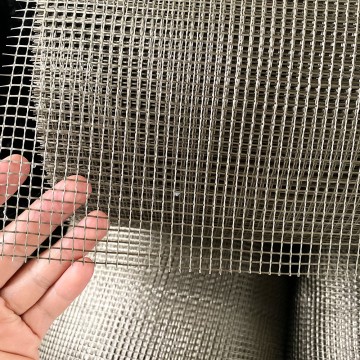
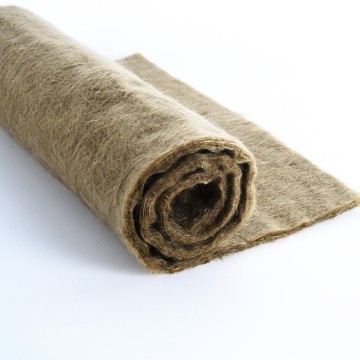
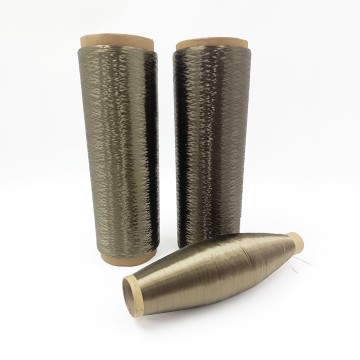

Our basalt products have diverse applications in the field of house construction.

In the aerospace field, basalt fibers are ideal for manufacturing aircraft wings and engine components.

Basalt fibers used in spacecraft shell materials, thermal protection systems, and high-temperature engine components.

Basalt-added concrete offers increased strength, crack resistance, improved chemical resistance and workability.

Wide application of basalt fiber composites in the automobile field, addressing the trend of lightweight materials.

Basalt's high strength and durability make it ideal for protecting bridge structures from corrosion and environmental forces.

The corrosion resistance of basalt fiber gives it a unique advantage in the petrochemical field.

Basalt fiber composites offer lightweight, high-strength solutions for marine structural and hull applications.


As drones slice through the sky to monitor wildfires, and intelligent robots execute repetitive tasks with precision on the factory floor, the efficient operation of this smart equipment is often underpinned by a novel material derived from volcanic rock — basalt fiber. Produced by melting natural basalt rock at temperatures ranging from 1,450°C to 1,500°C and drawing it into fibers, this novel inorganic material boasts a multitude of advantages including lightweight strength, weather resistance, corrosion resistance, and eco-friendliness.
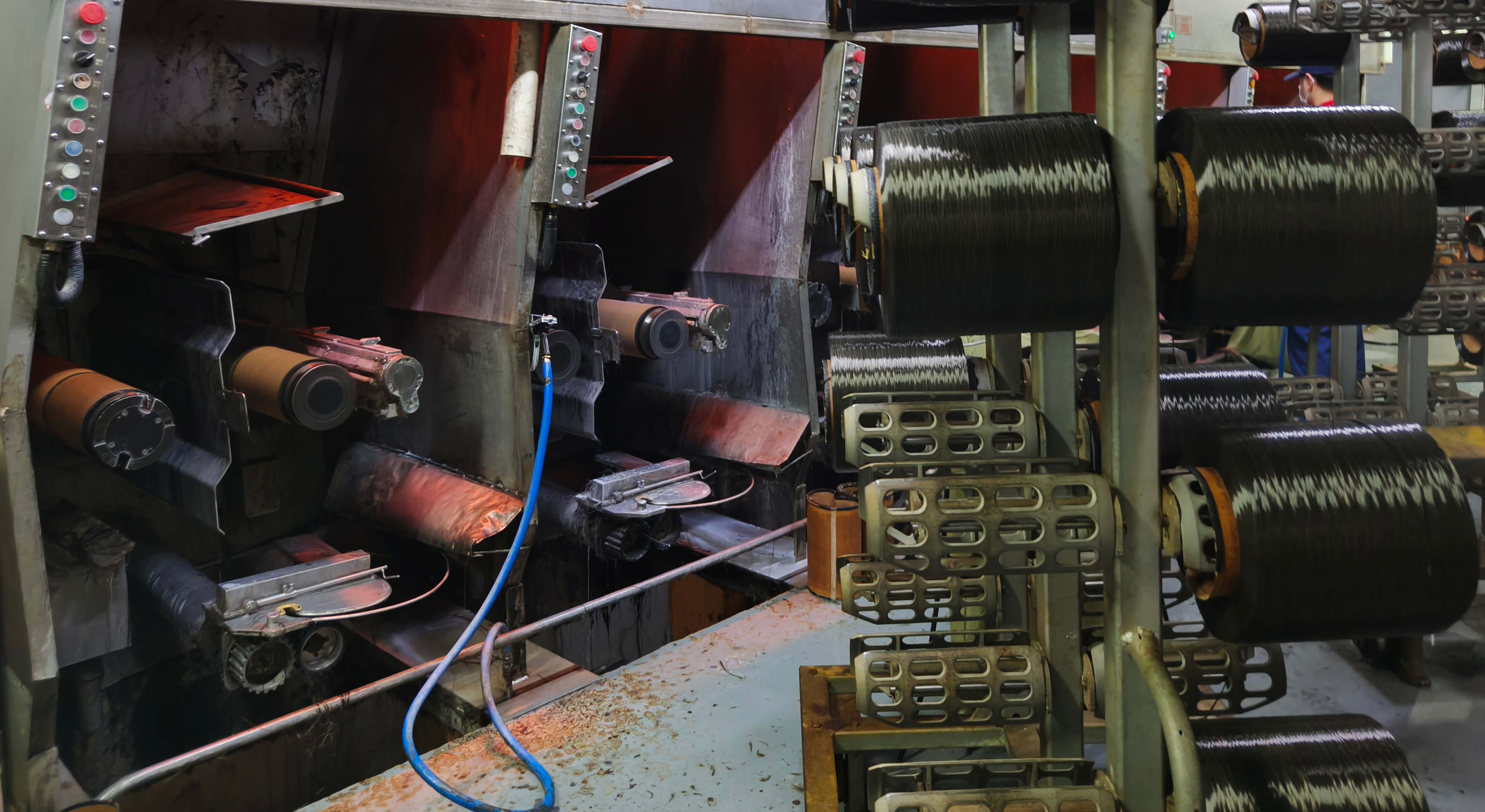
Basalt fiber is an inorganic fibrous material produced by drawing strands from natural basalt ore after it has been melted at high temperatures. It has garnered widespread attention for its exceptional physicochemical properties — particularly its performance in high-temperature environments.
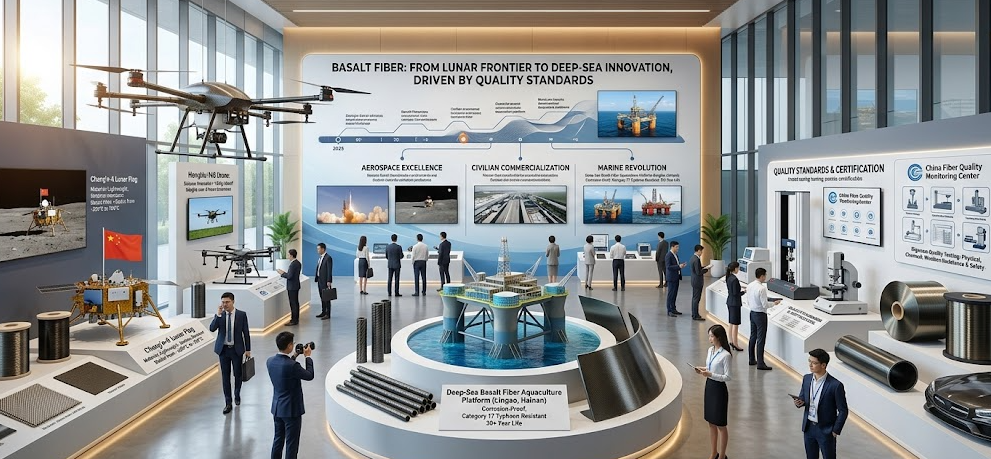
With the successful realization of major applications such as the Chang'e-6 lunar exploration mission and the world's first deep-sea basalt fiber aquaculture platform, basalt fiber is rapidly accelerating its transformation from laboratory research into a strategic new material with tangible industrial productivity.