Market Status
Commercial & Industrial Landscape
The global market for fire-resistant fiber composites and high-temperature thermal barrier materials is experiencing accelerated growth, driven by tightening safety regulations, industrial automation, and the global energy transition.
📊 Global Market Overview
The fire-resistant textile and thermal insulation composite market was valued at approximately USD 6.8 billion in 2023 and is projected to reach USD 11.4 billion by 2030, growing at a CAGR of 7.6%. Within this landscape, basalt fiber-reinforced composites — including glass fiber concrete variants — are among the fastest-growing sub-segments, fueled by their superior performance-to-cost ratio compared to ceramic fiber or aerogel-based alternatives.
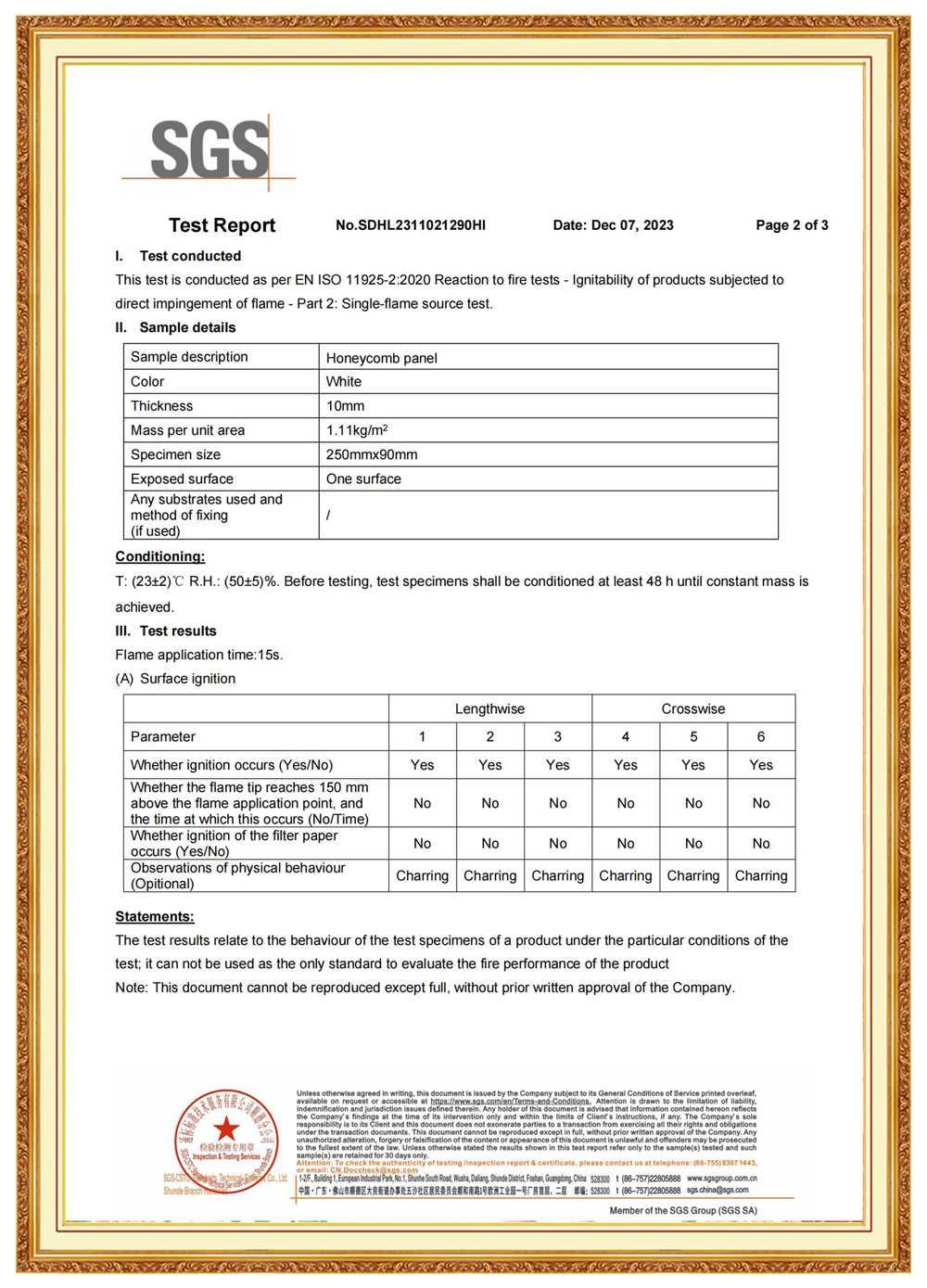
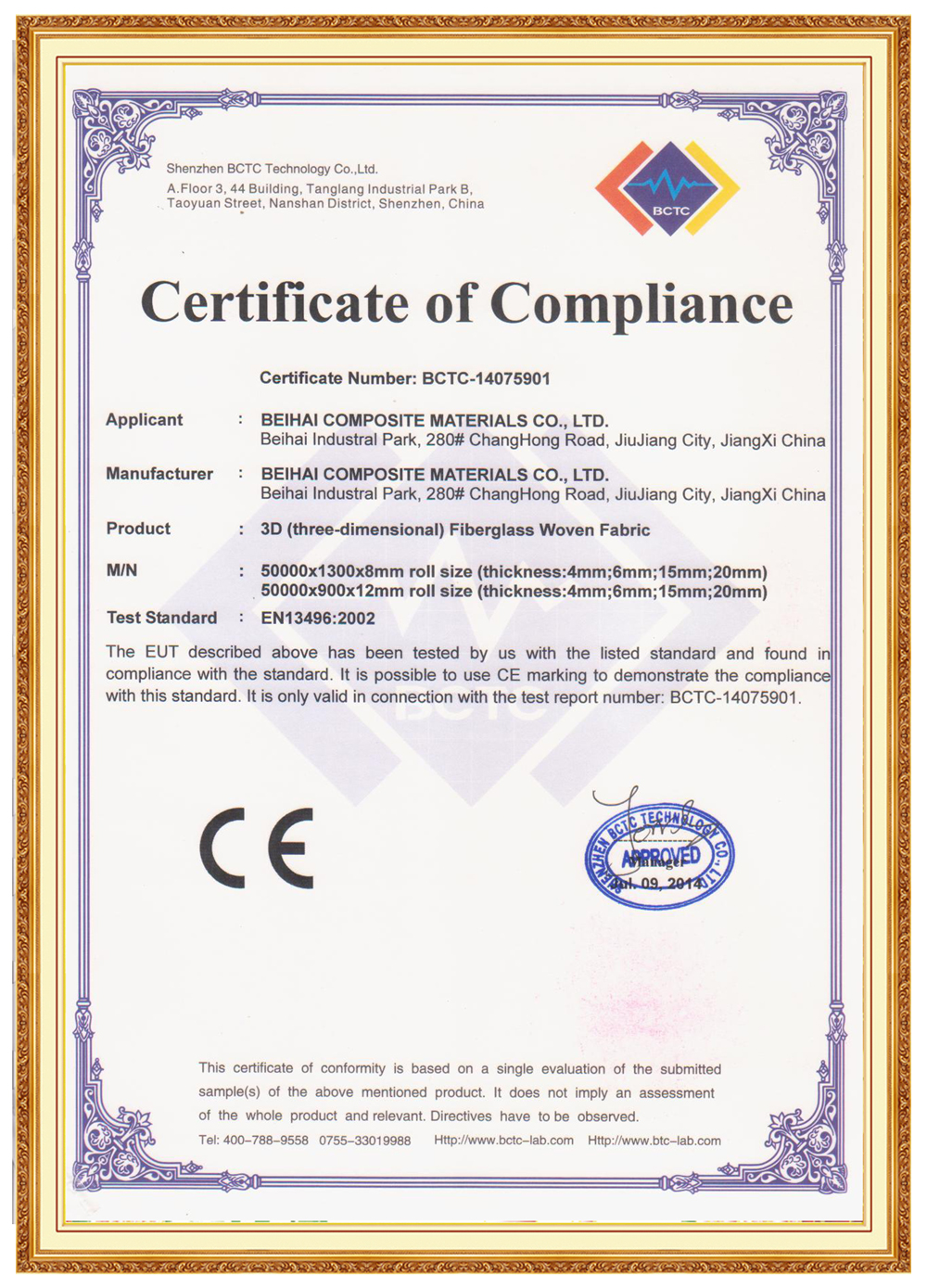
Key industrial end-users include oil and gas processing facilities, steel smelting plants, automotive manufacturing lines, aerospace component manufacturers, and municipal fire departments upgrading their protective equipment procurement programs. Regulatory frameworks such as EN ISO 11612 (Europe), NFPA 2112 (North America), and GB 8965 (China) are mandating higher thermal performance thresholds, directly stimulating demand for advanced fiber concrete systems.
🏭 Industrial Application Status in Fire-Resistant Clothing
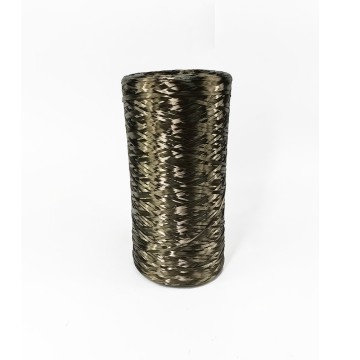
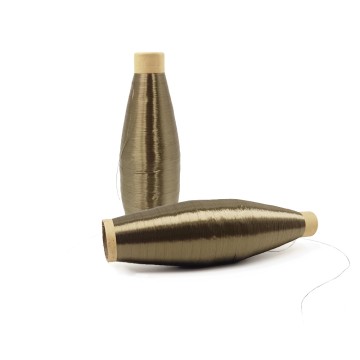
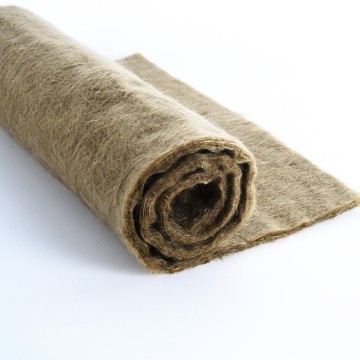
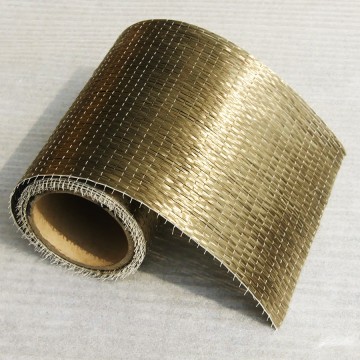
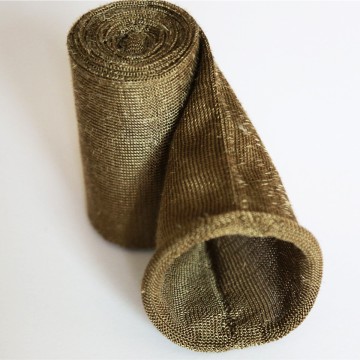
Modern fire-resistant (FR) protective clothing has evolved far beyond simple woven aramid layers. Today's high-performance FR garments integrate glass fiber concrete woven substrates, basalt fiber needled mats, and hybrid composite laminates to achieve multi-layered thermal protection. The outer shell, moisture barrier, and thermal liner of a professional firefighter's proximity suit may each incorporate basalt or glass fiber elements at different structural levels.
Industrial sectors such as petrochemical refining, aluminum smelting, glass manufacturing, and foundry operations require workers to don FR clothing rated for radiant heat exposure up to 40 kW/m². Traditional materials struggle at this level; basalt fiber fabrics and GFC-based laminates maintain their protective performance without melting, dripping, or generating toxic fumes — critical attributes in enclosed industrial environments.
🌡️ High-Temperature Thermal Barrier Systems
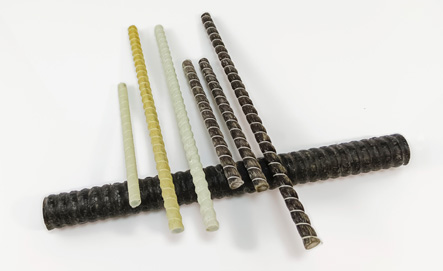
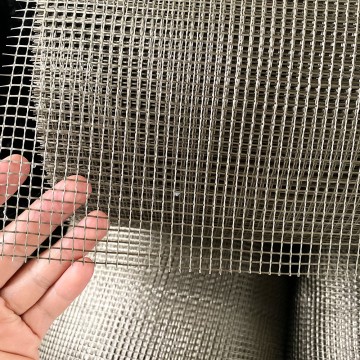
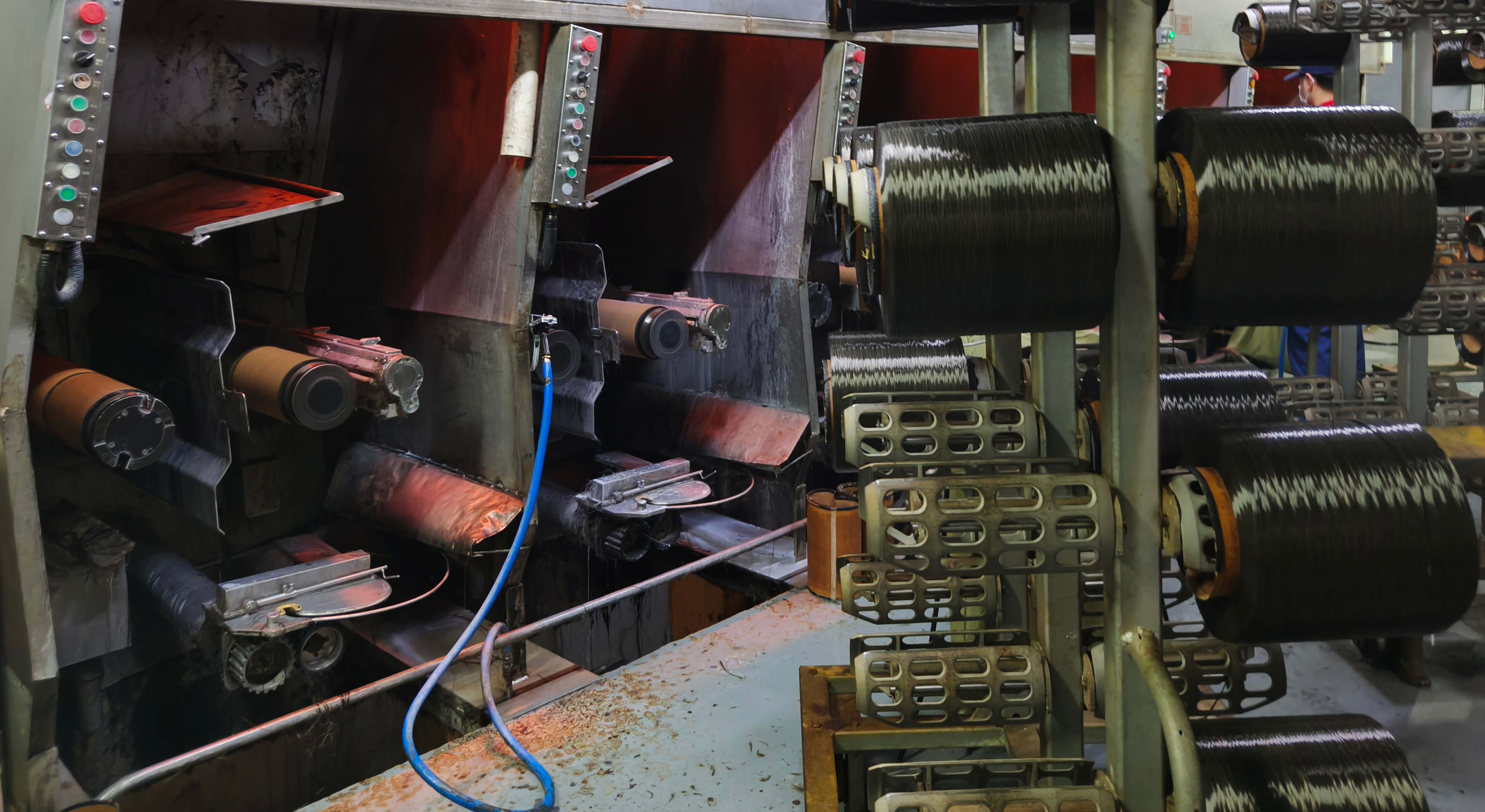
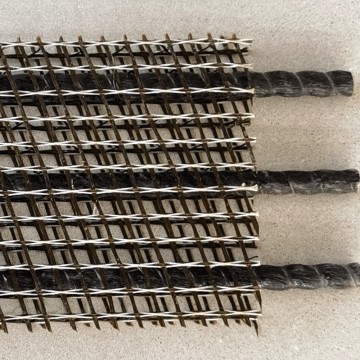
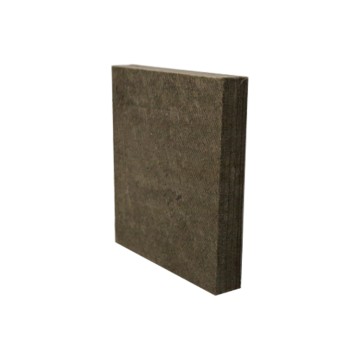
In industrial thermal management, glass fiber concrete thermal barriers are used to line furnace walls, insulate pipe systems, create fire compartmentalization panels in buildings, and shield sensitive electronics from heat ingress. The combination of a cementitious matrix with continuous basalt or glass fiber reinforcement creates a panel that is simultaneously rigid, lightweight, thermally resistant, and mechanically durable — properties unattainable in any single-material system.
The construction industry is increasingly adopting GFC facade panels with embedded thermal barrier properties, reducing both fire risk and building energy consumption in a single material solution. In the automotive sector, basalt fiber thermal shields are replacing traditional aluminum foil-fiberglass assemblies, reducing weight by up to 35% while improving thermal isolation performance by 20%.