
Leave Your Message
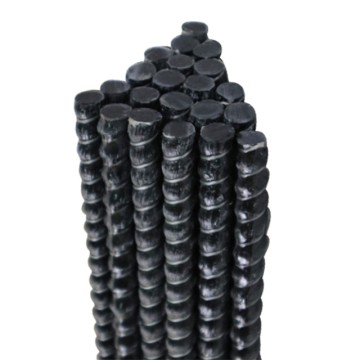
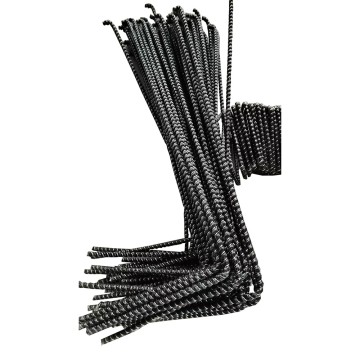
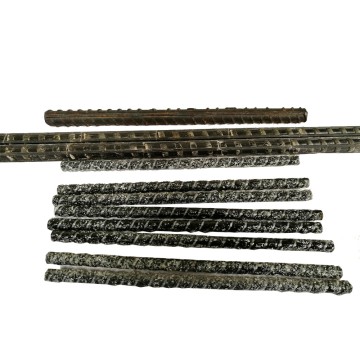
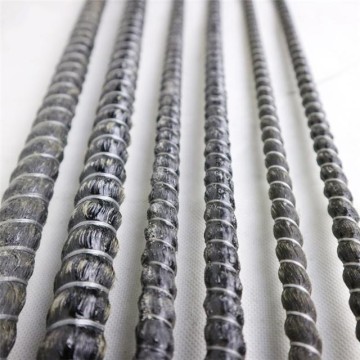
Precision-engineered basalt fiber rebar products specifically suited for marine vessel construction, offshore platforms, and shipyard infrastructure in Ontario and beyond.
Basalt fiber rebar delivers a decisive combination of performance properties that address the most critical engineering challenges in marine and shipbuilding construction.
Immune to saltwater, chloride ions and marine chemical attack — eliminating the primary failure mode of steel rebar in marine environments.
Zero electromagnetic interference — critical for navigation systems, radar equipment, and sensitive onboard electronics in modern vessels.
Tensile strength exceeding 1,000 MPa — significantly higher than conventional steel rebar, enabling lighter yet stronger structural designs.
Maintains structural integrity at elevated temperatures, making it ideal for engine rooms, exhaust zones and fire-resistant ship compartments.
Ontario's shipbuilding and marine engineering sector represents one of Canada's most strategically important industrial verticals. With major shipyards operating along the Great Lakes, St. Lawrence Seaway, and coastal regions, Ontario-based construction projects demand reinforcement materials that can withstand prolonged exposure to freshwater and saltwater environments alike.
Traditional steel rebar, while historically dominant, presents critical long-term liabilities in marine construction — including galvanic corrosion, increased maintenance costs, and structural weight penalties. The emergence of basalt fiber reinforced polymer (BFRP) rebar as a high-performance alternative has accelerated rapidly across Ontario's shipbuilding supply chains since 2018.
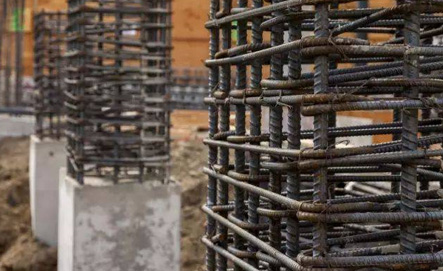
Shipyards in Hamilton, Thunder Bay, Kingston, and the Greater Toronto Area have increasingly specified BFRP rebar for dock infrastructure, dry-dock reinforced concrete structures, ship-lifting platforms, and marine berthing facilities — driven by lifecycle cost advantages and tightening environmental compliance standards.
Key Market Signal: Ontario's National Shipbuilding Strategy allocations and provincial infrastructure investment programs have created sustained demand for next-generation composite reinforcement materials, with BFRP rebar adoption growing at an estimated 18–22% annually in marine-adjacent construction segments.
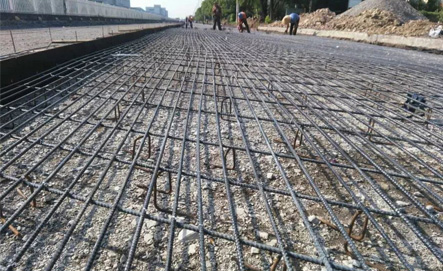
The convergence of sustainability mandates, digital shipbuilding, and advanced materials science is reshaping how Ontario's marine sector specifies structural reinforcement.
IMO 2050 decarbonization targets and Canada's Net-Zero Emissions Accountability Act are driving shipbuilders to adopt low-embodied-carbon materials. Basalt fiber rebar — produced from natural volcanic rock without chemical additives — offers a significantly lower carbon footprint compared to steel, positioning it as a preferred material in green-certified shipbuilding projects.
Advanced shipyards are integrating BFRP rebar data into BIM (Building Information Modeling) and digital twin platforms, enabling real-time structural health monitoring. Basalt fiber's electromagnetic transparency allows embedded sensor networks to function without interference — a capability unavailable with conventional steel reinforcement.
Ontario shipbuilders are increasingly adopting modular construction methodologies where prefabricated reinforced concrete modules are assembled at sea or in controlled environments. The lightweight nature of BFRP rebar (approximately 1/4 the weight of steel) reduces crane loads, accelerates assembly timelines, and lowers overall project costs.
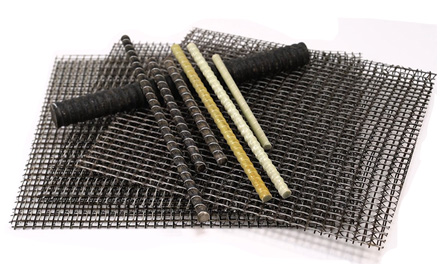
Emerging engineering practice combines basalt FRP rebar with basalt fiber mesh and chopped strand composites to create multi-layered reinforcement systems. These hybrid approaches deliver optimized crack resistance, impact absorption, and fatigue performance in hull concrete structures and dry-dock floors subject to cyclic loading.
Canada's growing interest in Arctic shipping routes and offshore resource extraction is creating new demand for reinforcement materials capable of performing in extreme cold and freeze-thaw cycling. Basalt fiber rebar demonstrates superior thermal stability across a temperature range of -260°C to +700°C, making it uniquely suited for Arctic marine infrastructure.
International standards bodies including ASTM, ISO, and Transport Canada are progressively formalizing BFRP rebar specifications for marine applications. Ontario shipbuilders benefit from China Beihai's comprehensive certification portfolio, ensuring compliance with international quality benchmarks and facilitating smoother project approvals.
From dry-dock construction to onboard structural reinforcement, basalt fiber rebar addresses critical engineering requirements across every phase of the shipbuilding lifecycle.
Reinforced concrete is extensively used in ship hull sections, ballast tanks, and bilge structures. BFRP rebar replaces steel in these applications, eliminating rust-induced concrete spalling — a leading cause of costly hull repairs. The result is a structurally sound hull with a dramatically extended maintenance-free service life.
Ontario's dry-dock floors, dock walls, and pump station structures are subjected to constant wetting and drying cycles combined with heavy dynamic loads from vessel movements. BFRP rebar provides the corrosion immunity and load-bearing capacity needed to maintain structural integrity over decades without the costly remediation associated with corroded steel reinforcement.
Modern vessels integrate sophisticated navigation, radar, sonar, and communication systems that are highly sensitive to electromagnetic interference. Non-conductive, non-magnetic BFRP rebar is the engineered choice for reinforcing structural elements adjacent to or housing these critical systems — ensuring signal integrity and system reliability.
Ship engine rooms, exhaust manifold areas, and boiler rooms demand reinforcement materials capable of maintaining structural performance at sustained elevated temperatures. High-temperature-resistant basalt rebar retains its mechanical properties far beyond the performance thresholds of standard FRP materials, providing reliable reinforcement in thermally demanding shipboard environments.
Wharves, jetties, and berthing dolphins in Ontario's Great Lakes ports experience aggressive chloride-laden environments and significant impact loading from vessel berthing operations. BFRP rebar eliminates the corrosion-driven deterioration that plagues conventional steel-reinforced port infrastructure, reducing lifecycle costs by up to 40% over a 50-year service period.
Ballast tanks represent one of the most aggressive corrosion environments in shipbuilding — alternating between full immersion and humid air exposure. BFRP rebar's complete immunity to electrochemical corrosion makes it the definitive solution for reinforcing ballast tank concrete linings, extending tank service life and reducing inspection and repair frequency.
Non-magnetic BFRP rebar is increasingly specified in naval vessel construction where magnetic signature reduction is a strategic requirement. By replacing ferromagnetic steel reinforcement with basalt fiber composites, shipbuilders can significantly reduce a vessel's magnetic anomaly detection (MAD) signature — a critical performance parameter for mine countermeasure and submarine vessels.
As Ontario shipyards align with circular economy principles, the end-of-life recyclability of structural materials is gaining importance. Basalt fiber rebar, derived from natural volcanic rock, presents a more environmentally benign disposal profile than synthetic polymer composites, supporting shipbuilders' sustainability reporting and ESG commitments.
| Performance Parameter | Basalt Fiber Rebar (BFRP) | Conventional Steel Rebar | Advantage |
|---|---|---|---|
| Tensile Strength | ≥ 1,000 MPa | 400–600 MPa | ✅ BFRP 2–2.5× stronger |
| Unit Weight | ~1.9–2.1 g/cm³ | ~7.85 g/cm³ | ✅ BFRP 4× lighter |
| Corrosion Resistance | Excellent (immune) | Poor (requires coating) | ✅ BFRP eliminates corrosion |
| Magnetic Properties | Non-magnetic | Strongly magnetic | ✅ BFRP for EM-sensitive zones |
| Electrical Conductivity | Non-conductive | Highly conductive | ✅ BFRP for electrical isolation |
| Temperature Range | -260°C to +700°C | Limited at high temp | ✅ BFRP superior range |
| Lifecycle Cost (50yr) | Low (minimal maintenance) | High (corrosion repair) | ✅ BFRP up to 40% lower cost |
| Environmental Impact | Low (natural origin) | High (mining, processing) | ✅ BFRP greener choice |
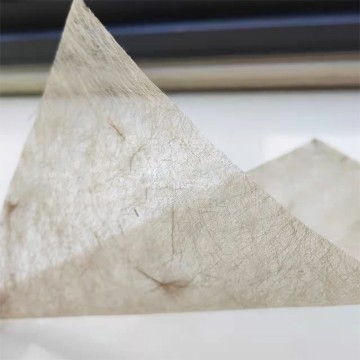
Basalt Fiber Surfacing Tissue Mat engineered to provide a smooth resin-rich surface layer for fiber reinforced plastic marine composites.
read more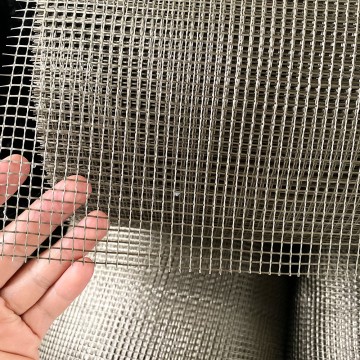
High-performance Basalt Fiber Mesh providing superior reinforcement for concrete and plaster applications in marine environments.
read more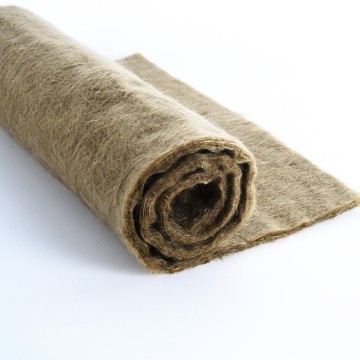
High-density insulation material manufactured by mechanically bonding continuous basalt fibers for shipboard thermal protection.
read more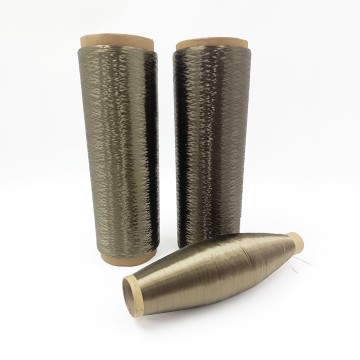
Engineered by twisting multiple continuous filaments to enhance mechanical strength and processing stability for marine composite applications.
read moreFrom shipbuilding to aerospace, basalt fiber products deliver exceptional performance across the most demanding industrial sectors.

Diverse applications in house construction and civil engineering infrastructure.

Ideal for manufacturing aircraft wings and engine components requiring lightweight strength.

Spacecraft shell materials, thermal protection systems, and high-temperature-resistant engine components.

Increased strength, durability, crack resistance, and improved chemical resistance in concrete structures.

Lightweight composite solutions driving the automotive industry's material innovation agenda.

High strength and durability protecting bridge abutments from corrosion and environmental forces.

Unique corrosion resistance advantages in demanding petrochemical processing environments.

Non-magnetic, non-conductive, corrosion-free reinforcement engineered for Ontario shipbuilding excellence.
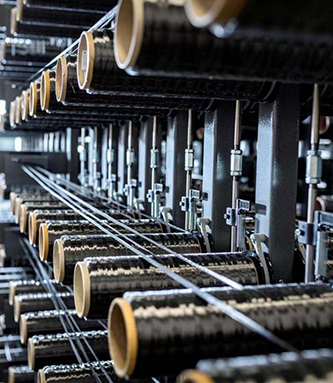
China Beihai is founded in 2015 and located in Jiujiang, Jiangxi Province. China Beihai is a high-tech enterprise focusing on the research, development, production and sales of high-performance basalt continuous fiber and its production equipment manufacturing, as well as a leading enterprise in the domestic basalt fiber industry.
We specialize in the production of a wide range of products including basalt fiber mat, basalt fiber roving, basalt fiber yarn, basalt fiber chopped strands, and basalt fiber products including basalt fiber rebar, basalt fiber sleeves and tape. Our products are designed to meet the diverse needs of various industries, providing high-quality solutions for our customers.
View More
At China Beihai group, we specialize in the production of a wide range of products including basalt fiber mat (Basalt fiber chopped strand mat, Basalt fiber cloth), basalt fiber roving, basalt fiber yarn, basalt fiber chopped strands, and basalt fiber products (Basalt Fiber rebar, basalt fiber sleeves and tape). Our products are designed to meet the diverse needs of various industries, providing high-quality solutions for our customers.

At China Beihai group, we are dedicated to the production of a wide array of basalt-based products, ranging from basalt fiber mat, fabric, and roving to chopped strand and specialized construction materials. Our focus is on delivering high-quality, sustainable solutions for industries such as construction, geotechnical engineering, shipbuilding, and manufacturing. With a commitment to innovation and excellence, we strive to cater to the unique requirements of our clients by offering a comprehensive selection of basalt-derived products.

Choosing to work with China Beihai means working with a leading manufacturer of basalt products. Our commitment to quality, innovation and sustainability sets us apart, ensuring our customers receive best-in-class solutions for their diverse needs. Reliability and customer satisfaction — we offer a wide range of high-quality basalt materials and construction products, backed by our dedication to excellence and industry expertise. When you partner with China Beihai, you can trust that you are working with a reliable and forward-thinking supplier for all your basalt product needs.
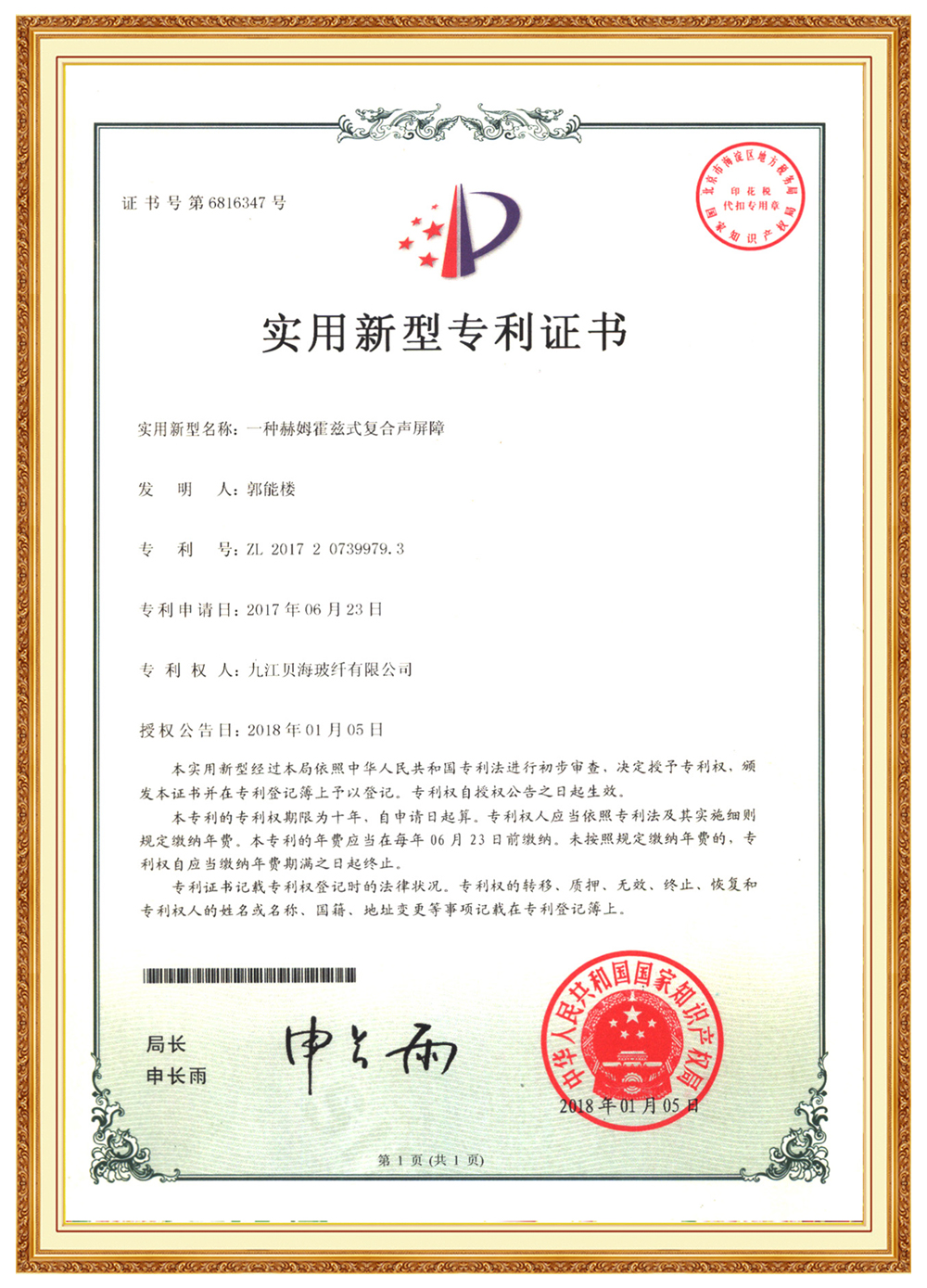
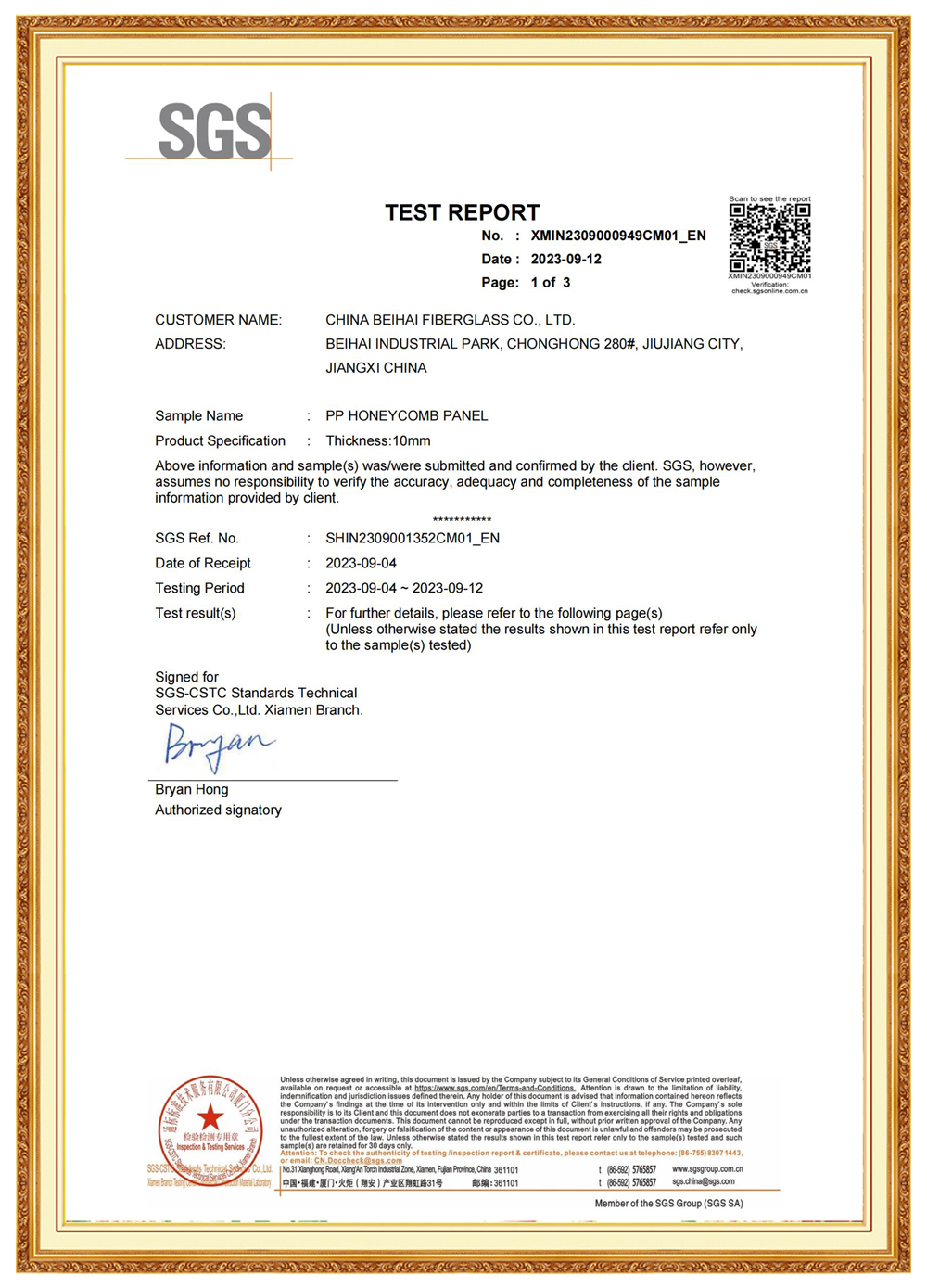
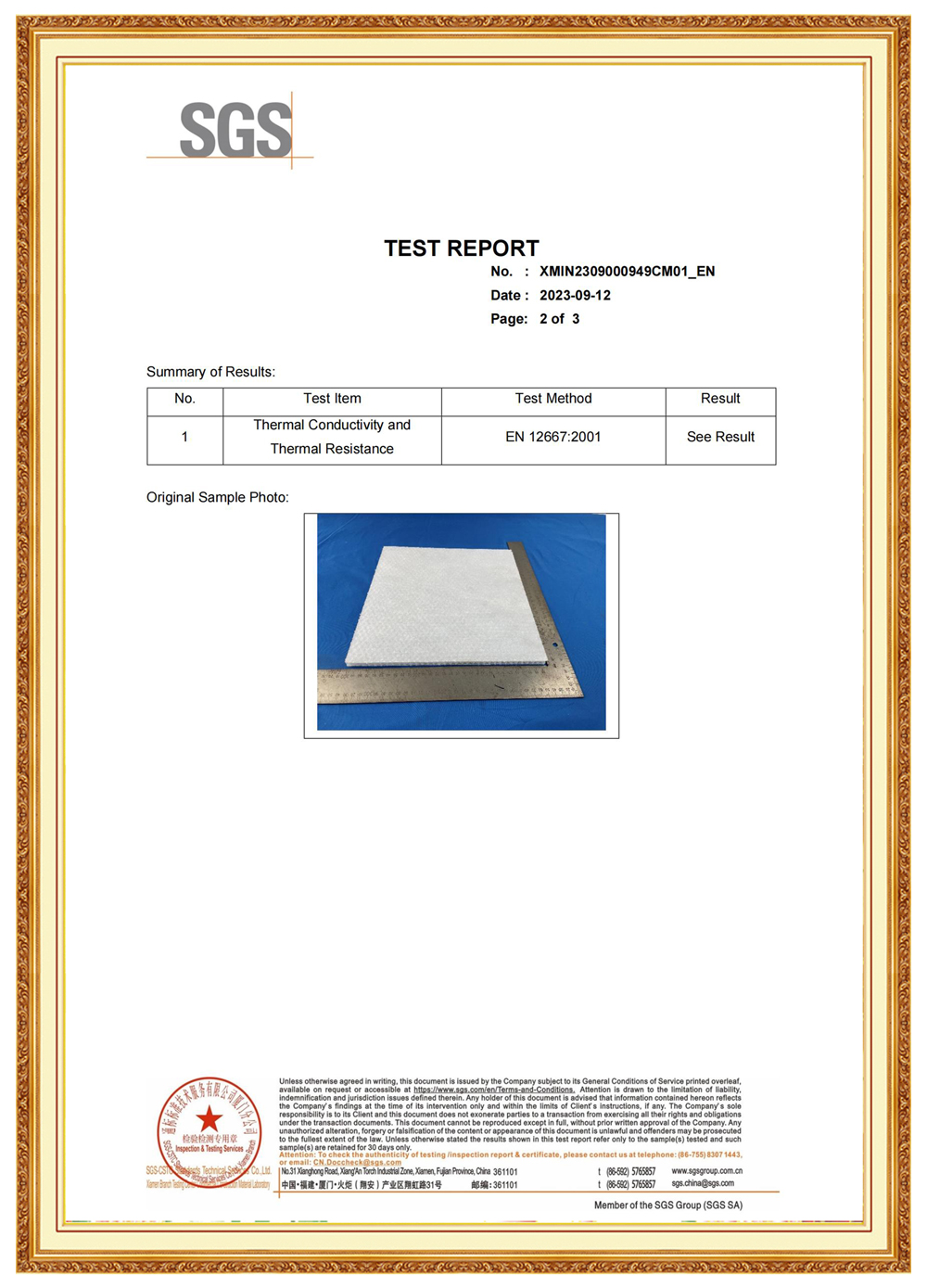
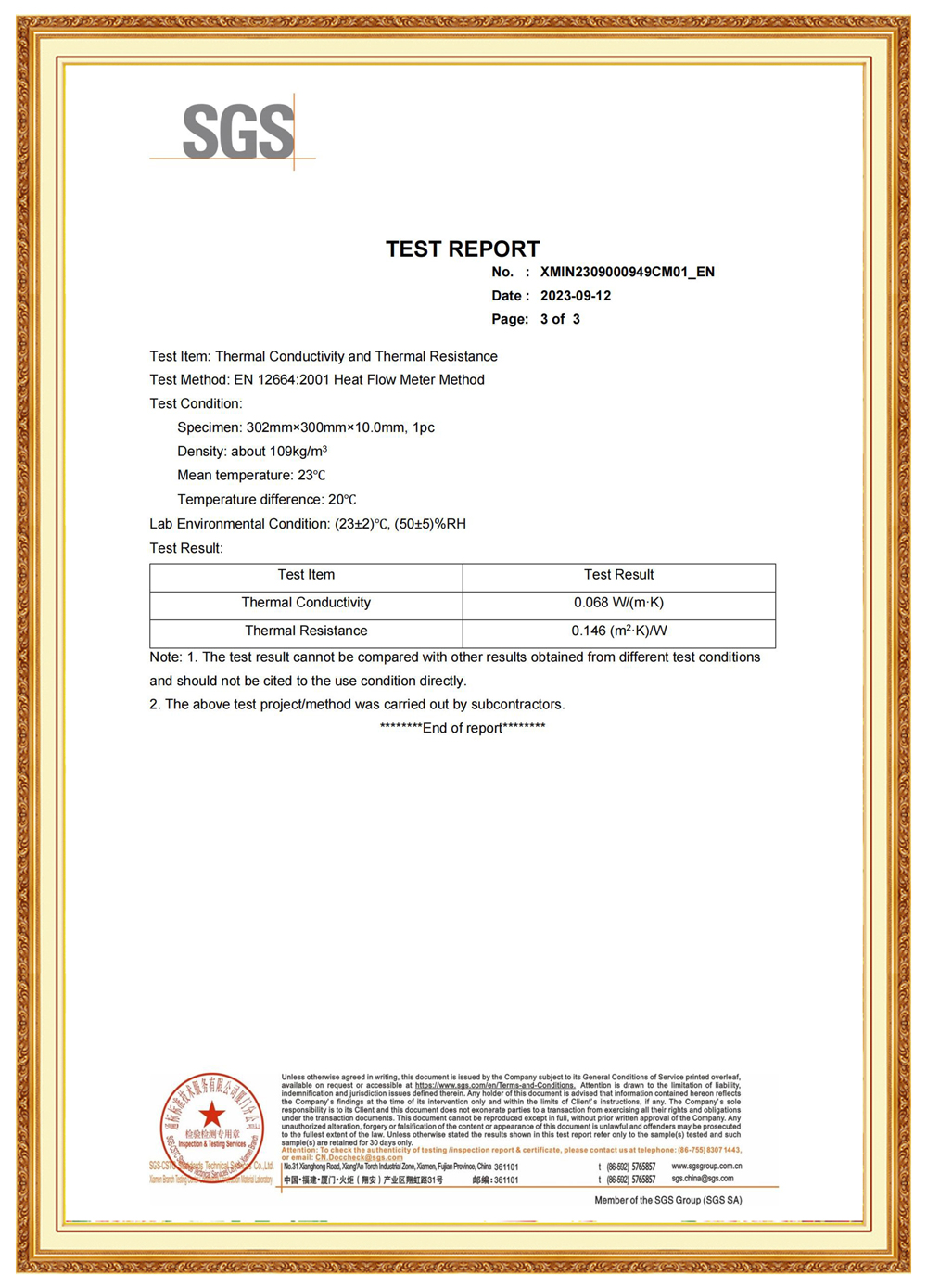
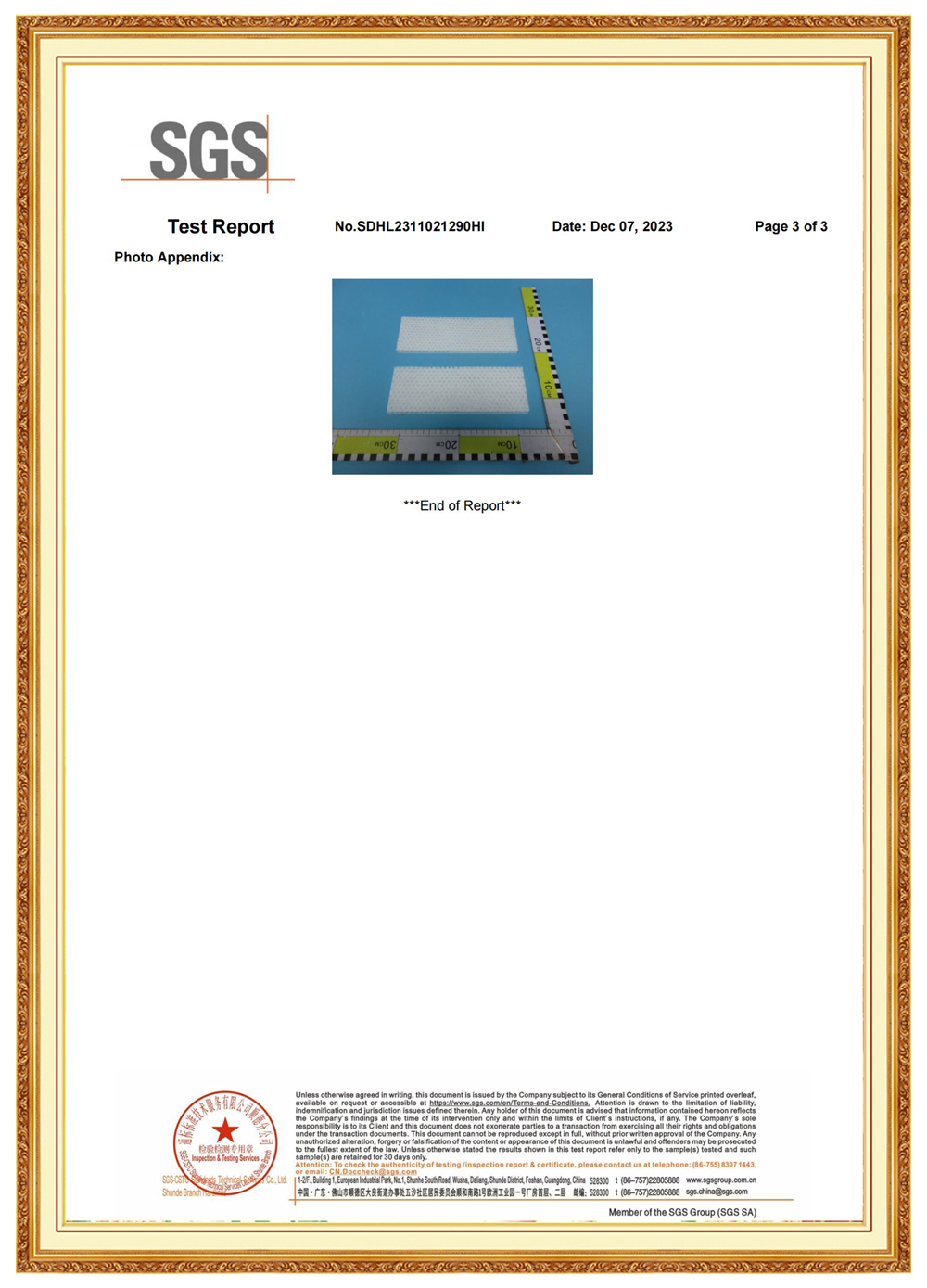
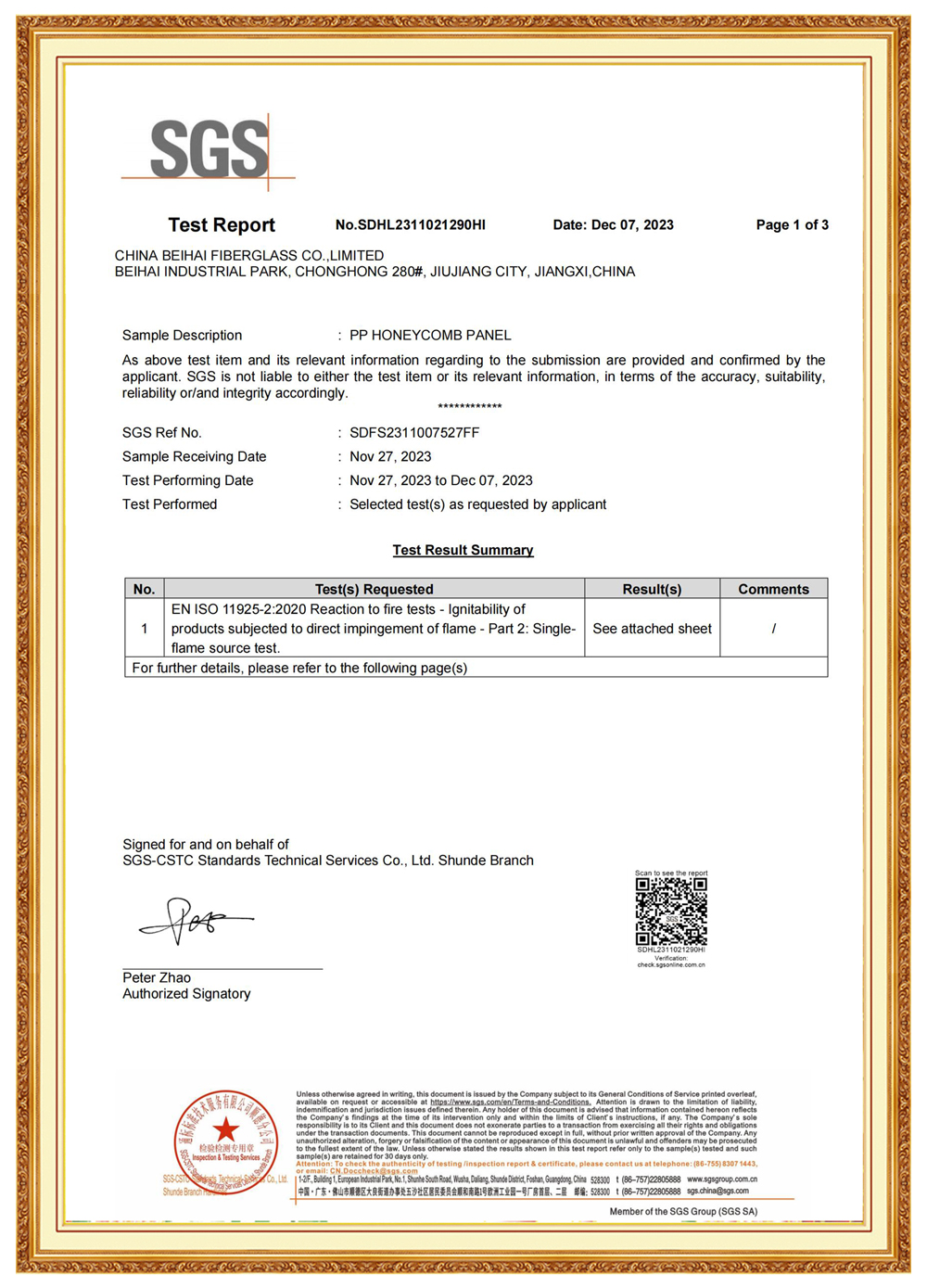
China Beihai's basalt fiber rebar products are backed by internationally recognized certifications, ensuring compliance with the rigorous quality standards demanded by Ontario's shipbuilding and marine engineering sectors.


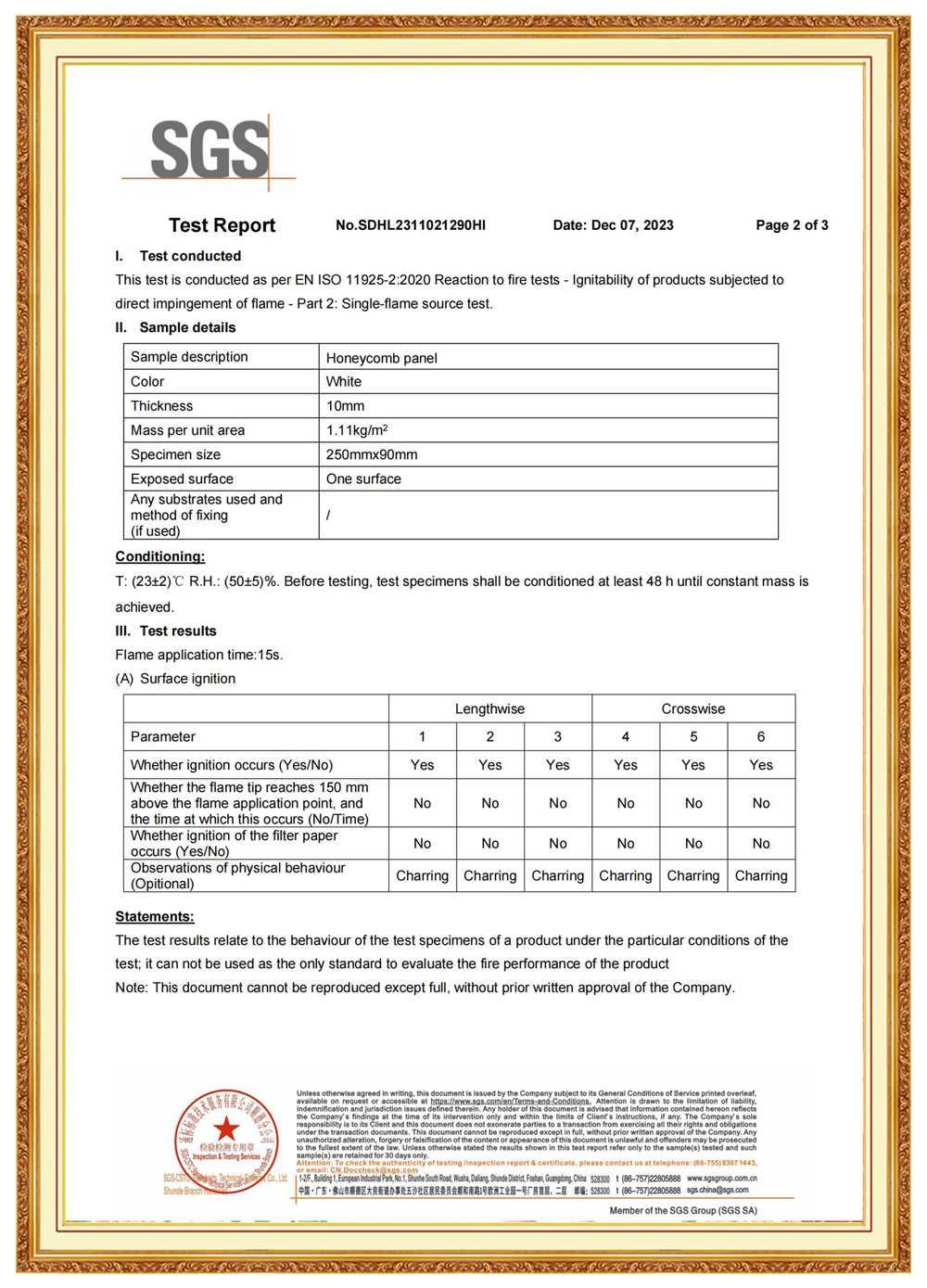
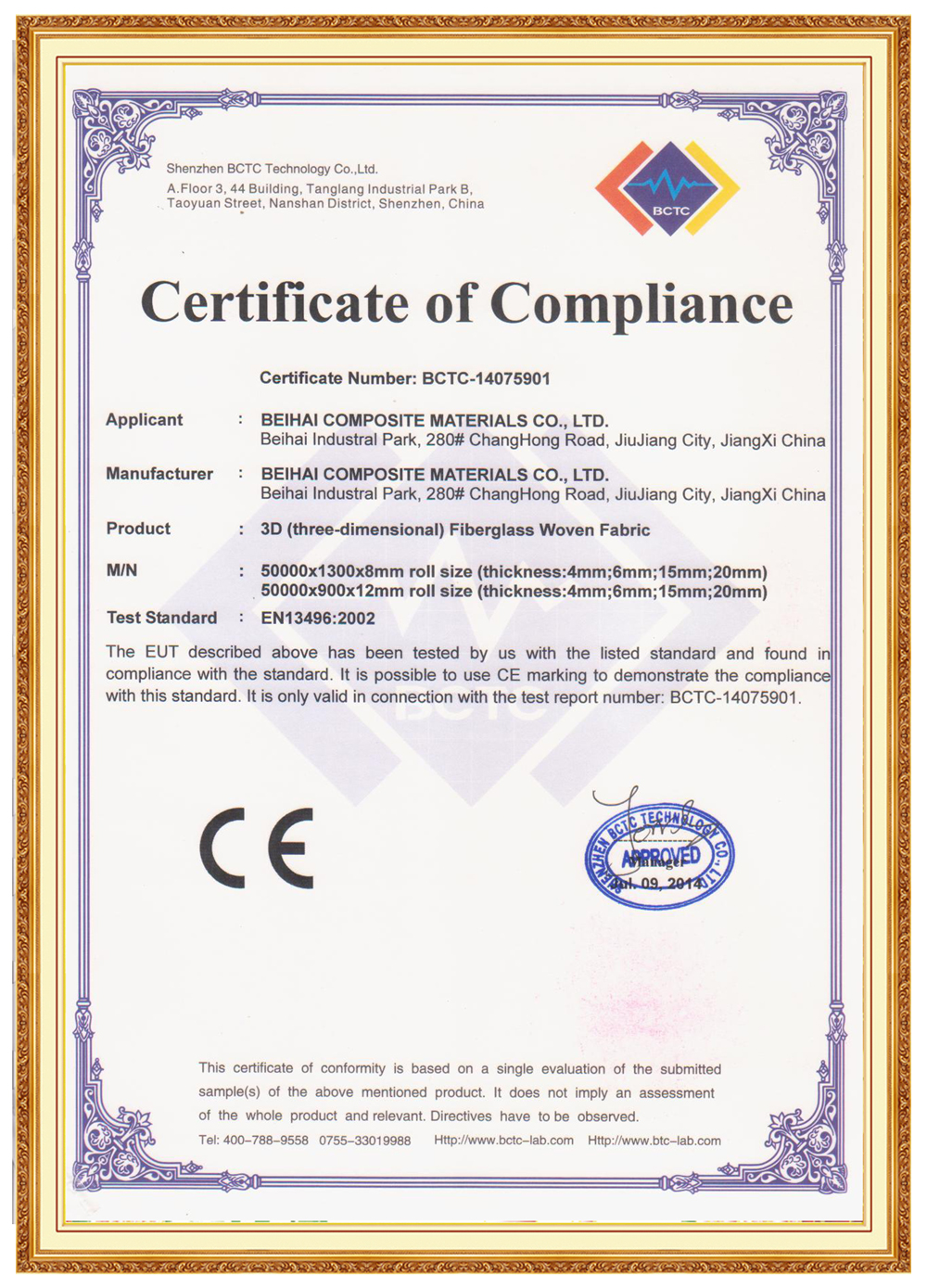

As drones slice through the sky to monitor wildfires, and intelligent robots execute repetitive tasks with precision on the factory floor, the efficient operation of this smart equipment is often underpinned by a "hardcore support" that is easily overlooked: a novel material derived from volcanic rock — basalt fiber. Though unassuming in appearance, its unique properties have made it the key to unlocking the performance limits of drones and robots, quietly driving a materials revolution within the realm of intelligent equipment.
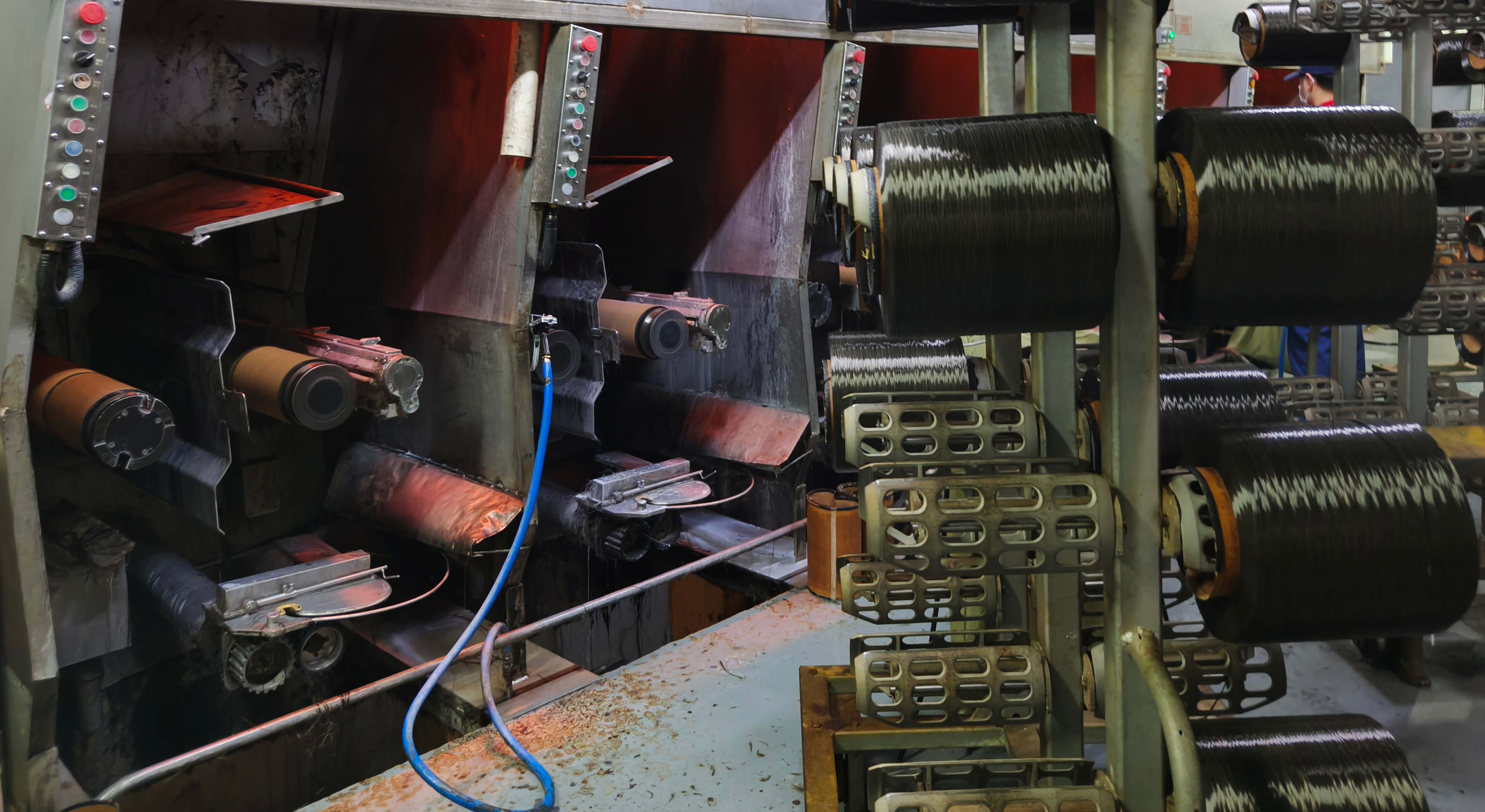
Basalt fiber is an inorganic fibrous material produced by drawing strands from natural basalt ore after it has been melted at high temperatures. It has garnered widespread attention for its exceptional physicochemical properties — particularly its performance in high-temperature environments.
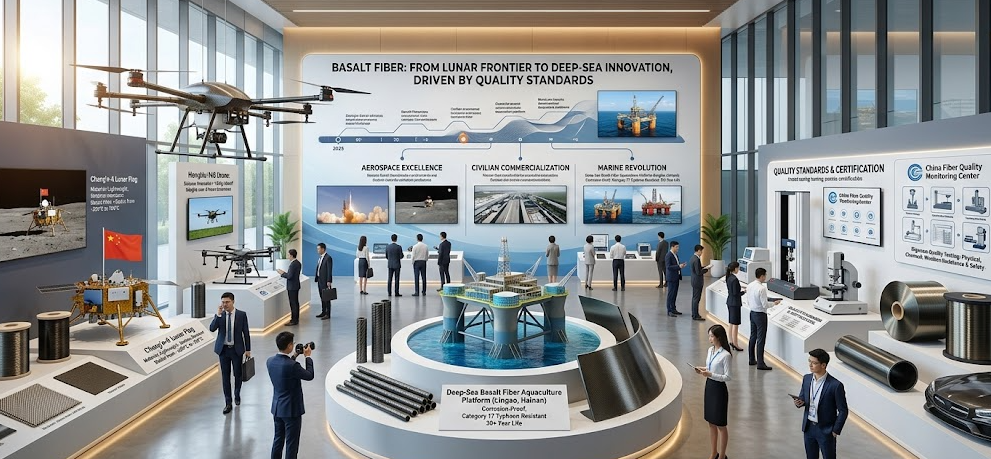
Recently, with the successful realization of major applications — such as the Chang'e-6 lunar exploration mission and the world's first deep-sea basalt fiber aquaculture platform — basalt fiber is rapidly accelerating its transformation from a laboratory research outcome into a strategic new material.
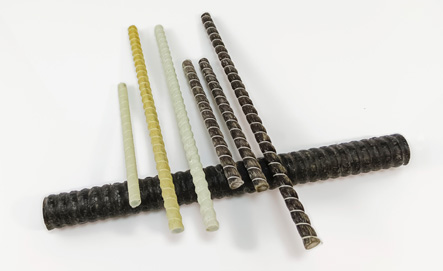
Explore our comprehensive range of basalt fiber rebar products, each engineered to meet specific performance requirements across Ontario's marine, shipbuilding, and coastal construction sectors.