
Leave Your Message
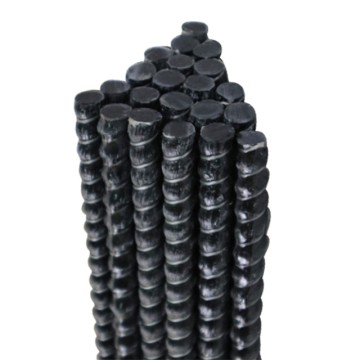
Engineered for the harshest marine environments — our basalt fiber rebar delivers unmatched corrosion resistance, lightweight strength, and long-term durability for shipbuilding and offshore structures.
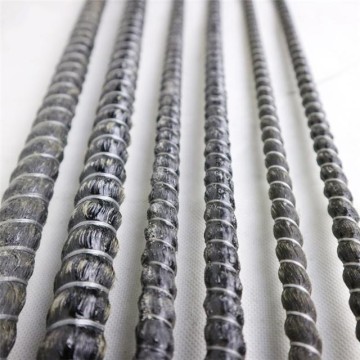
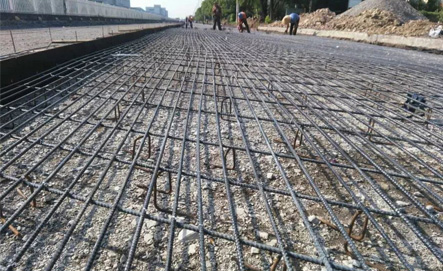
The global shipbuilding industry is undergoing a fundamental materials transformation. Traditional steel rebar, long the backbone of marine concrete structures, is increasingly being replaced by advanced composite alternatives. Ontario Basalt Fiber Rebar (BFRP) — produced from natural volcanic basalt rock — offers tensile strength up to 1,200 MPa, is 4× lighter than steel, and demonstrates zero corrosion in saltwater environments over 50+ year projected lifespans. As shipyards in Canada, Europe, South Korea, and China accelerate adoption of green and durable construction materials, Ontario-grade basalt rebar is emerging as the definitive choice for drydocks, ship hulls, jetties, offshore platforms, and naval infrastructure.
Basalt fiber rebar outperforms steel and other FRP alternatives across every critical metric that matters in marine and shipbuilding environments.
Unlike steel, basalt rebar does not rust or degrade in saltwater, chloride-rich, or acidic marine environments. Ships and offshore structures reinforced with basalt rebar eliminate costly corrosion maintenance cycles and extend service life by decades.
Basalt fiber rebar is fully non-magnetic and electrically non-conductive — a critical advantage in naval vessel construction, submarine hull reinforcement, and shipboard MRI or sensitive electronic equipment rooms where electromagnetic interference must be eliminated.
With a density of just 1.9–2.1 g/cm³ versus steel's 7.85 g/cm³, basalt rebar reduces structural dead load significantly. For large vessels and floating platforms, this translates directly into greater cargo capacity, improved fuel efficiency, and enhanced buoyancy management.
Basalt fiber maintains structural integrity from -260°C to +700°C, making it suitable for engine room bulkheads, fire-resistant structural panels, and high-temperature zones in industrial vessels and naval ships.
Produced from naturally occurring volcanic rock without chemical additives, basalt rebar aligns with global IMO and ISO green shipbuilding standards. It generates a significantly lower carbon footprint compared to steel production, supporting shipyards' ESG commitments.
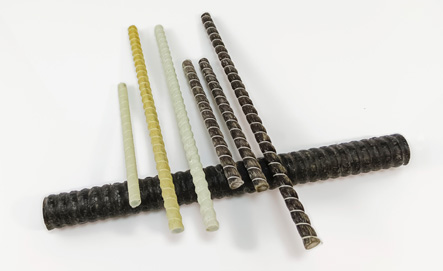
Available in diameters from 4mm to 30mm, basalt rebar can be cut, shaped, and installed using standard construction tools without specialized equipment. Its flexibility reduces labor costs in shipyard environments and simplifies logistics for offshore projects.
From drydock foundations to naval vessel hulls, basalt fiber rebar is transforming how the marine industry builds, maintains, and extends the life of critical infrastructure.
Basalt rebar reinforces concrete ballast tanks, bilge keel structures, and hull foundations — resisting seawater ingress and chloride-induced degradation over the vessel's full operational life.
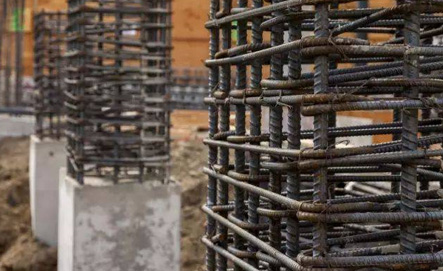
Drydock walls, slipways, and quay structures reinforced with basalt rebar eliminate the need for cathodic protection systems, dramatically reducing lifecycle maintenance costs for shipyard operators.
Oil and gas platforms, floating production units (FPSOs), and offshore wind turbine foundations benefit from basalt rebar's combination of high load-bearing capacity and total immunity to marine corrosion.
Non-magnetic basalt rebar is ideal for naval minesweepers, submarines, and stealth vessels where electromagnetic signature reduction is operationally critical — a capability steel rebar cannot provide.
Port access bridges, loading jetties, and marine terminals use basalt rebar in tidal and splash zones where chloride exposure is most severe — achieving 3× the service life of conventional steel-reinforced structures.
Basalt rebar's thermal stability up to 700°C makes it the preferred reinforcement for fire-rated bulkheads, engine room partitions, and safety compartments in commercial and military vessels.
Subsea tunnel segments and immersed tube tunnels connecting port facilities benefit from basalt rebar's permanent resistance to groundwater, seawater, and chemical attack without any protective coating requirements.
Deep-sea basalt fiber aquaculture platforms — including the world's first of its kind — demonstrate the material's viability in permanent offshore installations subject to continuous saltwater immersion and biofouling environments.
The global basalt fiber rebar market for marine and shipbuilding applications is projected to grow at a CAGR exceeding 12% through 2030, driven by tightening environmental regulations, rising steel costs, and accelerating demand for maintenance-free marine infrastructure.
The International Maritime Organization's (IMO) 2050 decarbonization strategy and the EU Green Deal are compelling shipyards globally to adopt low-carbon construction materials. Basalt rebar, produced with a carbon footprint 60–75% lower than steel, is increasingly specified in green-certified shipbuilding projects across Northern Europe, Canada, and the Asia-Pacific region.
Ontario's established manufacturing infrastructure, proximity to Great Lakes shipbuilding clusters, and strong trade connections with US Gulf Coast and Atlantic shipyards position basalt rebar producers to serve a rapidly growing North American market. The region's focus on coast guard vessels, icebreakers, and Great Lakes commercial shipping creates consistent high-volume demand.
Global steel price volatility — with spot prices fluctuating 40–80% in recent years — is prompting shipbuilding procurement teams to evaluate lifecycle cost rather than upfront material cost. When total cost of ownership including corrosion protection, maintenance, and structural replacement is factored in, basalt rebar delivers 30–50% cost savings over a 25-year vessel operational period.
NATO member navies and allied defense shipbuilders are actively testing basalt fiber rebar for non-magnetic vessel construction. The material's electromagnetic neutrality eliminates magnetic anomaly detection (MAD) signatures in minesweepers and patrol vessels, opening a high-value defense procurement channel that is expected to represent a $2.8B global opportunity by 2028.
The rapid global expansion of offshore wind — with over 380 GW of capacity planned by 2030 — requires massive volumes of corrosion-resistant rebar for monopile foundations, transition pieces, and offshore substation platforms. Basalt rebar is increasingly specified for splash-zone and submerged structural elements where steel corrosion has historically caused premature failures.
China Beihai's involvement in the world's first deep-sea basalt fiber aquaculture platform demonstrates the material's readiness for permanent offshore deployment. This landmark project validates basalt rebar performance data under continuous saltwater immersion and extreme pressure conditions, accelerating regulatory approval timelines for marine construction specifications worldwide.
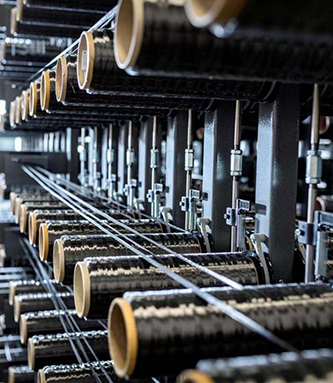
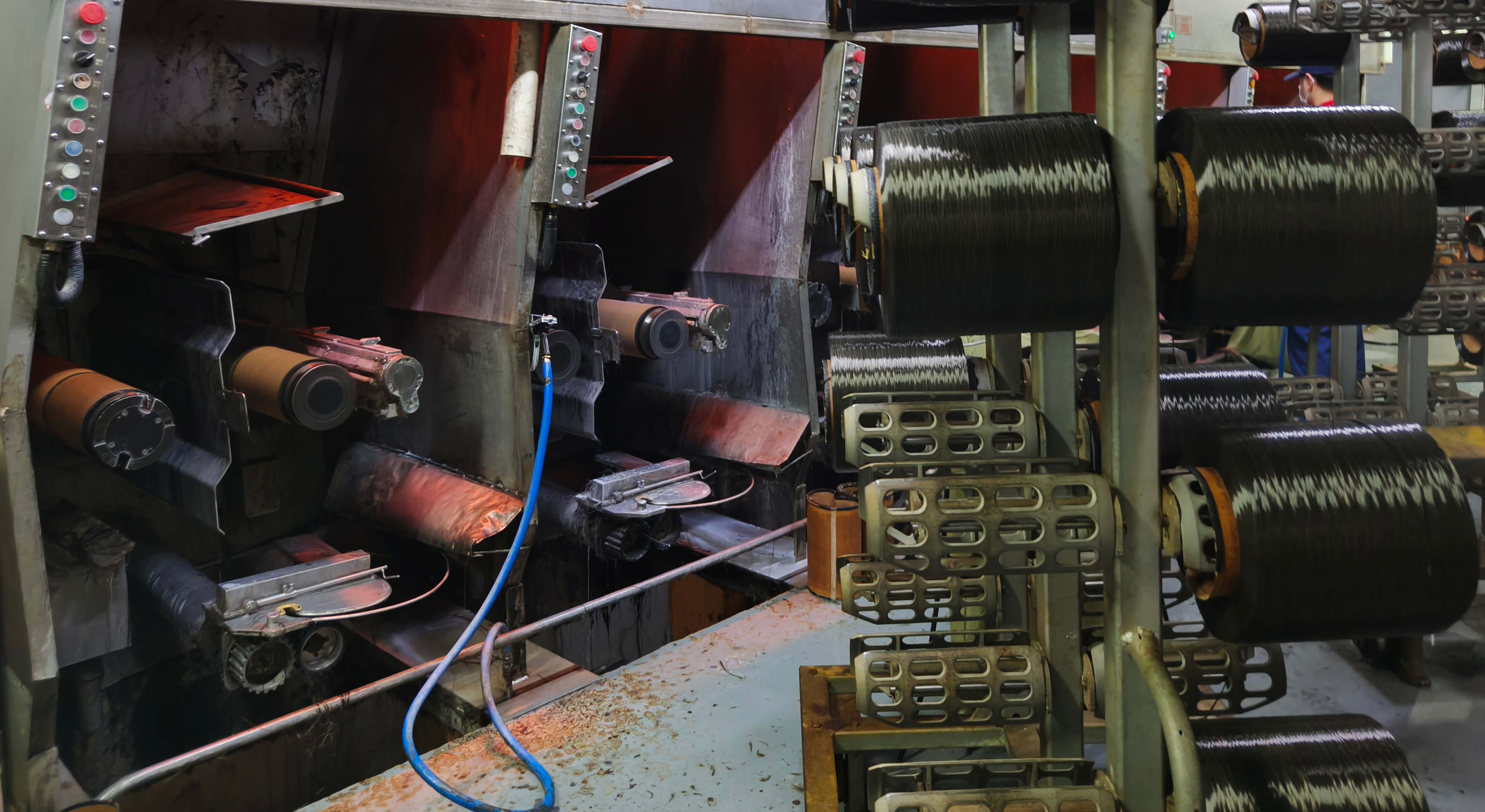
China Beihai is founded in 2015 and located in Jiujiang, Jiangxi Province. China Beihai is a high-tech enterprise focusing on the research, development, production and sales of high-performance basalt continuous fiber and its production equipment manufacturing, as well as a leading enterprise in the domestic basalt fiber industry.
With over a decade of innovation in basalt fiber technology, China Beihai supplies Ontario-grade basalt rebar to shipbuilding, offshore, naval, and marine infrastructure projects across more than 40 countries. Our manufacturing facilities operate under rigorous quality management systems, and our products are certified to international marine construction standards.
View More About Us
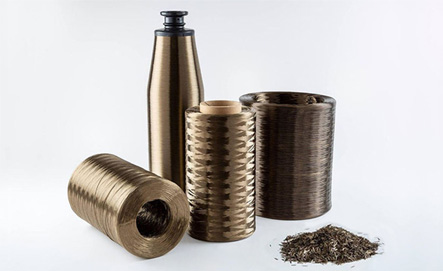
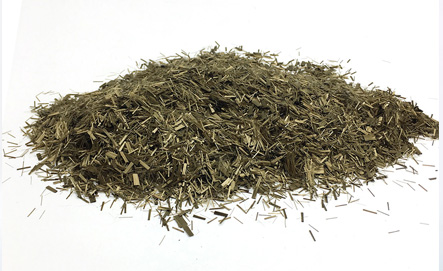
At China Beihai group, we specialize in the production of a wide range of products including basalt fiber mat (Basalt fiber chopped strand mat, Basalt fiber cloth), basalt fiber roving, basalt fiber yarn, basalt fiber chopped strands, and basalt fiber products (Basalt Fiber rebar, basalt fiber sleeves and tape). Our products are designed to meet the diverse needs of various industries, providing high-quality solutions for our customers.

At China Beihai group, we are dedicated to the production of a wide array of basalt-based products, ranging from basalt fiber mat, fabric, and roving to chopped strand and specialized construction materials. Our focus is on delivering high-quality, sustainable solutions for industries such as construction, geotechnical engineering, and manufacturing. With a commitment to innovation and excellence, we strive to cater to the unique requirements of our clients by offering a comprehensive selection of basalt-derived products.

Choosing to work with China Beihai means working with a leading manufacturer of basalt products. Our commitment to quality, innovation and sustainability sets us apart, ensuring our customers receive best-in-class solutions for their diverse needs. Reliability and customer satisfaction, we offer a wide range of high-quality basalt materials and construction products, backed by our dedication to excellence and industry expertise. When you partner with China Beihai, you can trust that you are working with a reliable and forward-thinking partner — a trusted supplier for all your basalt product needs.
Basalt fiber is ideal for your engineering projects. Its high strength, corrosion resistance and lightweight properties allow it to easily solve a variety of challenges. In buildings, bridges, roads and other infrastructure projects, basalt fibers demonstrate outstanding performance, extending structural life and reducing maintenance costs. Choose basalt fiber, choose reliability and durability.

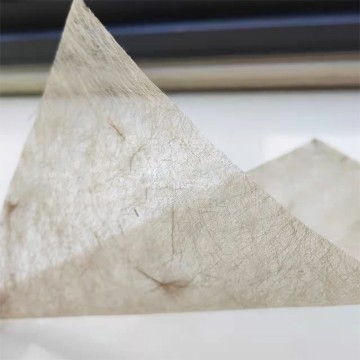
Basalt Fiber Surfacing Tissue Mat is a non-woven thin sheet engineered to provide a smooth resin-rich surface layer for fiber reinforced plastic applications in marine environments.
read more ›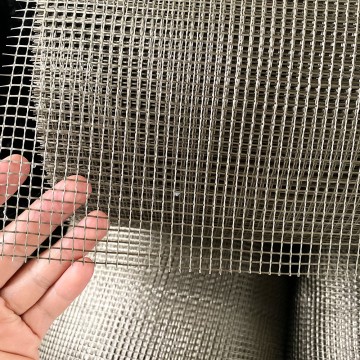
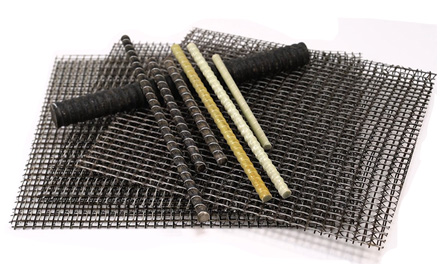
Our high performance Basalt Fiber Mesh provides a superior reinforcement solution for concrete and plaster applications where high alkali resistance and marine durability are essential.
read more ›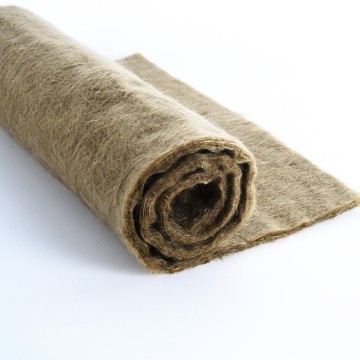
Our Basalt Fiber Needled Mat is a high-density insulation material manufactured by mechanically bonding continuous basalt fibers — ideal for vessel engine rooms and fire-rated compartments.
read more ›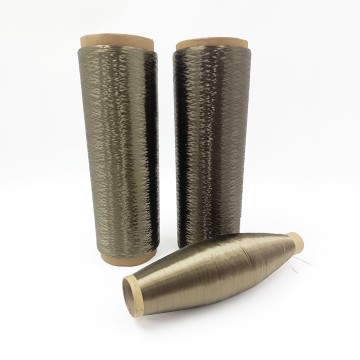
Our Basalt Fiber Twisted Yarn is engineered by twisting multiple continuous filaments to enhance mechanical strength and processing stability for demanding marine applications.
read more ›
01

02

03

04

05

06

07

08
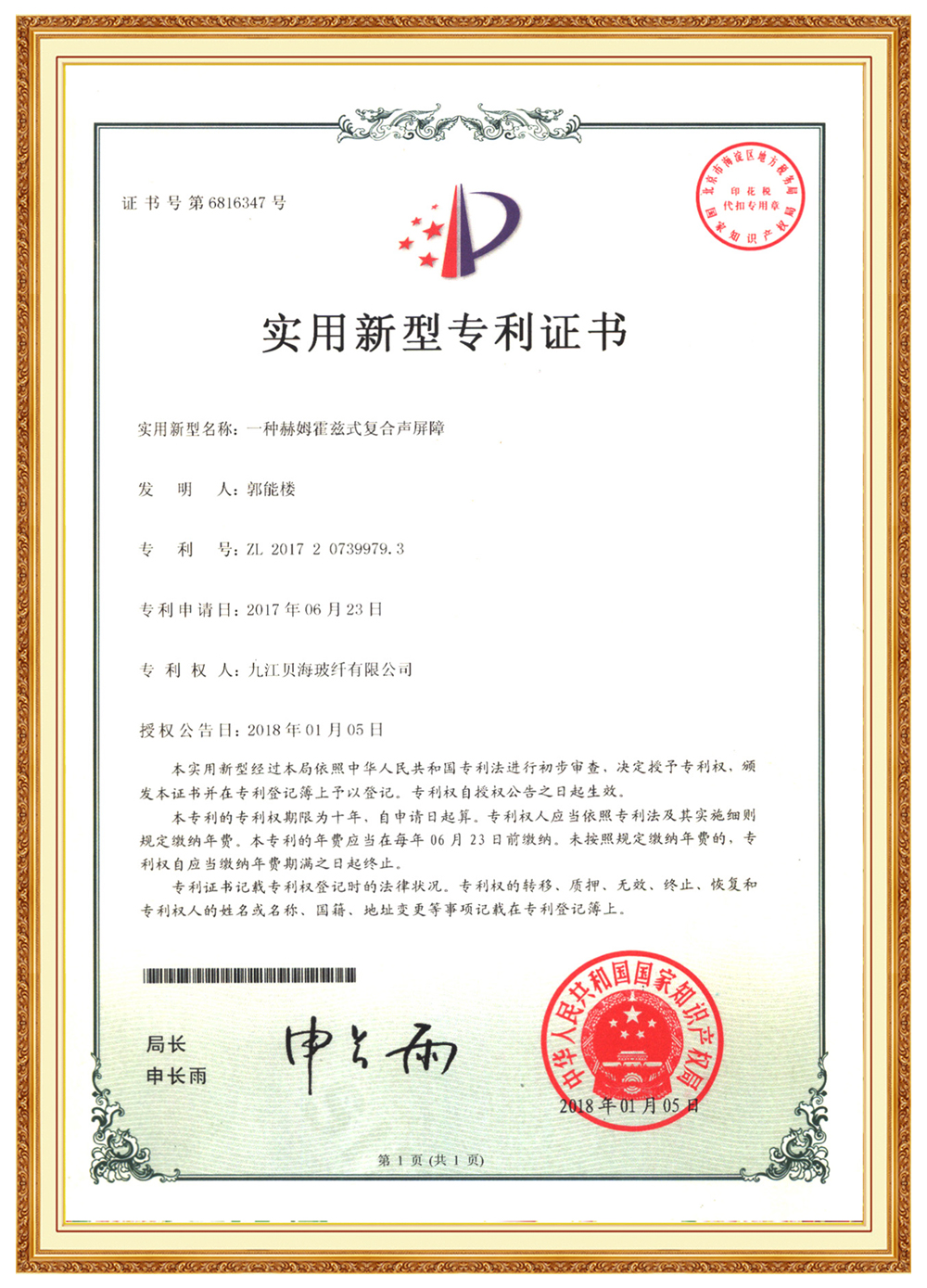
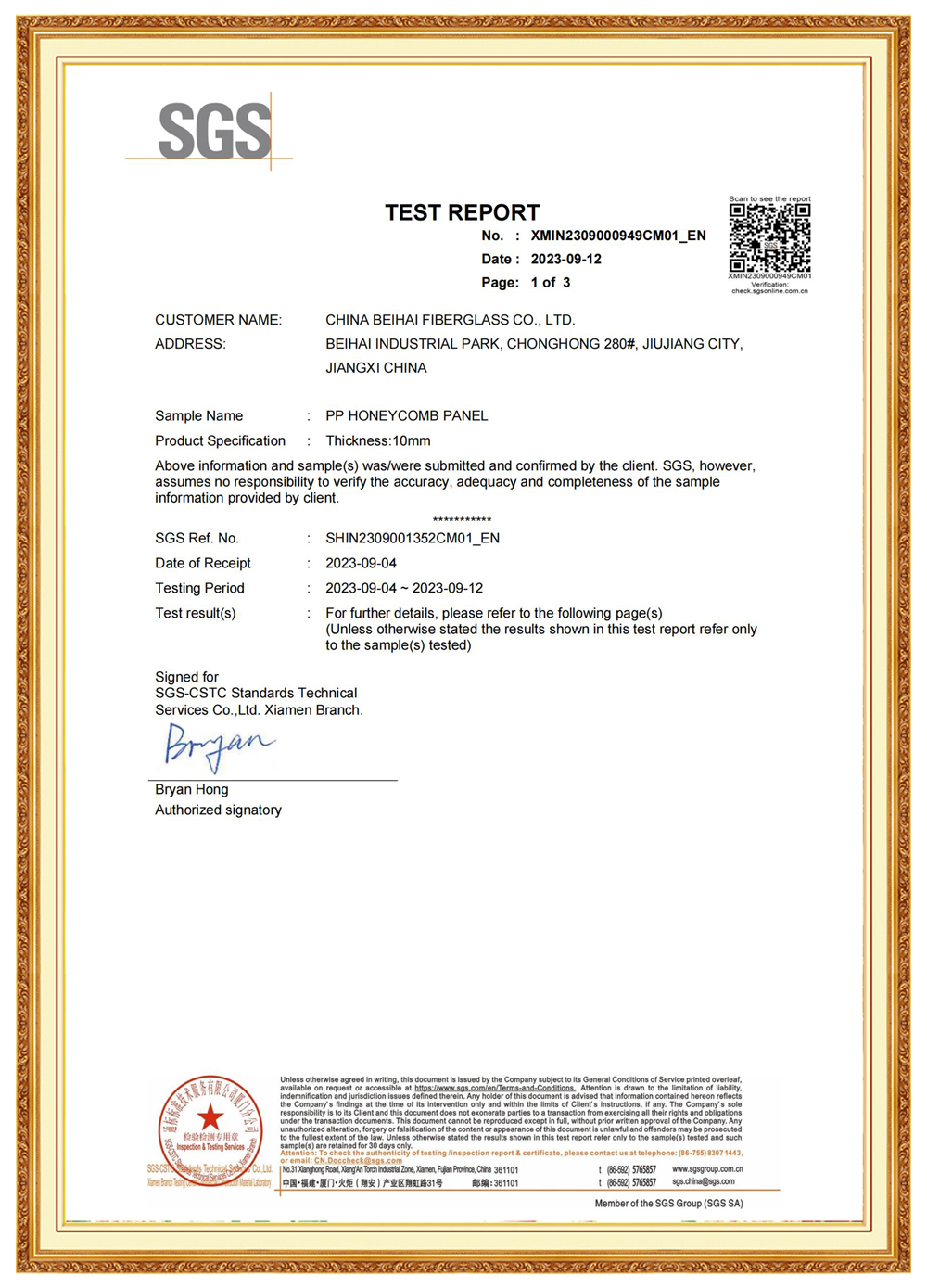
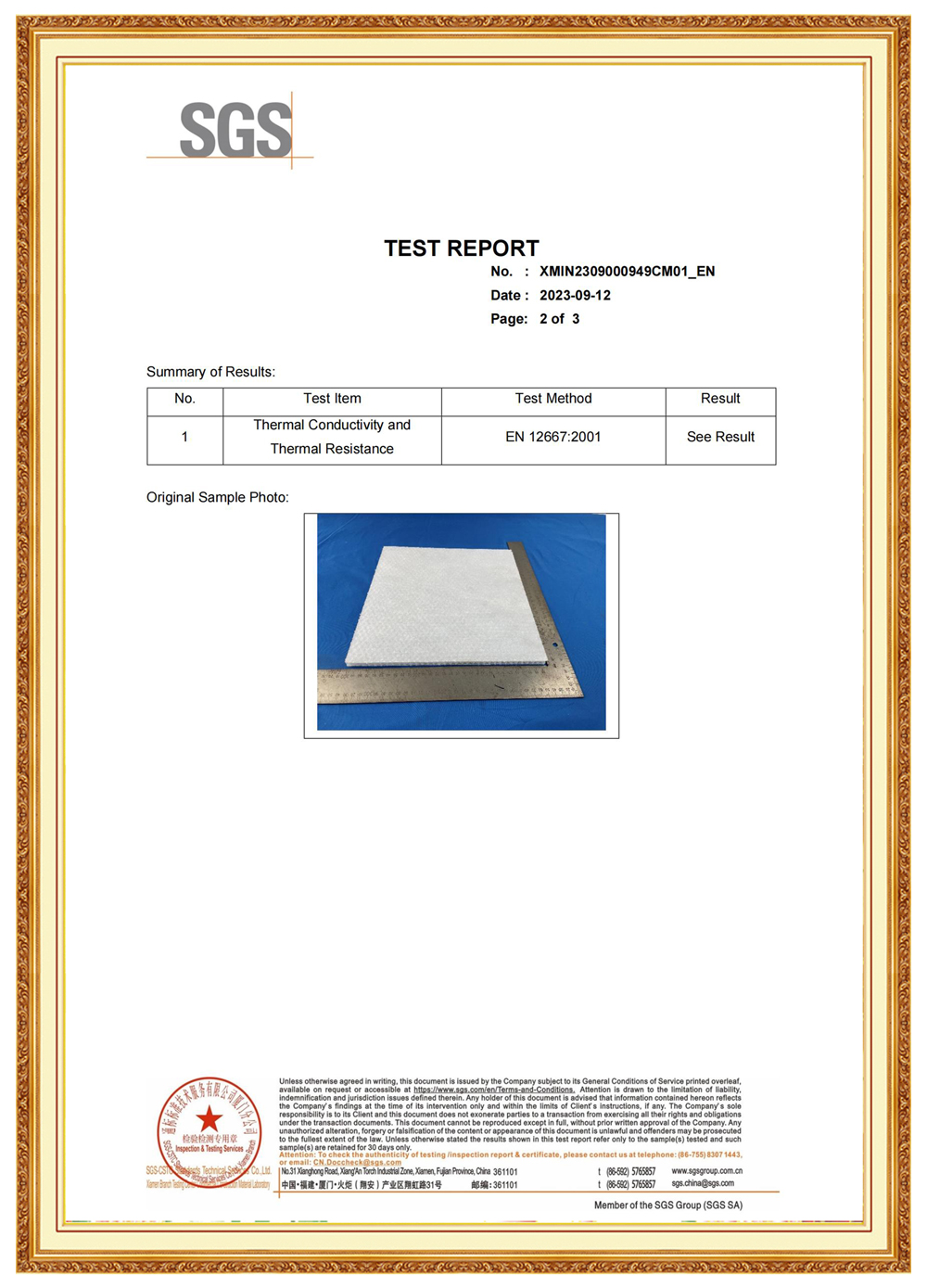
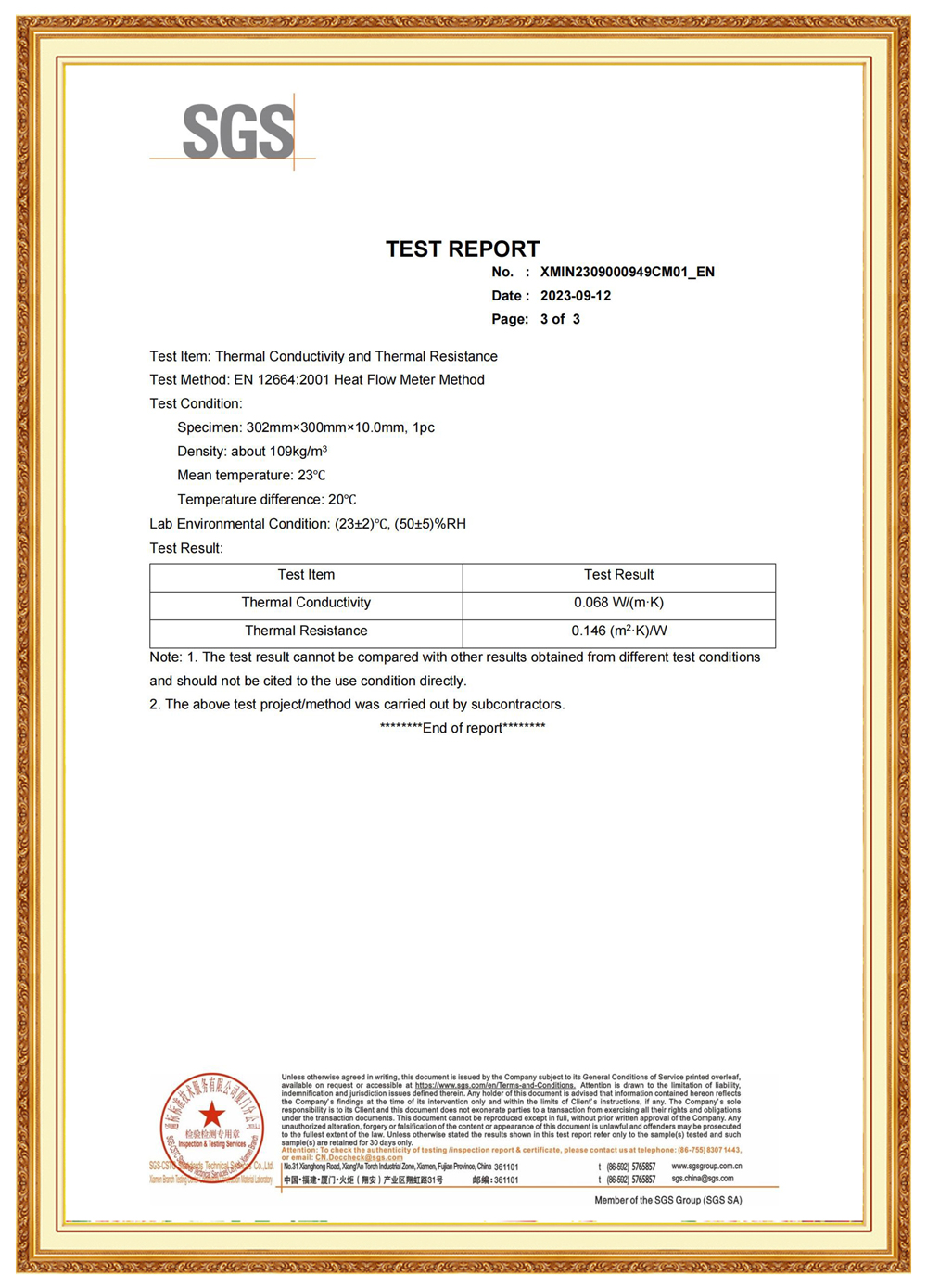
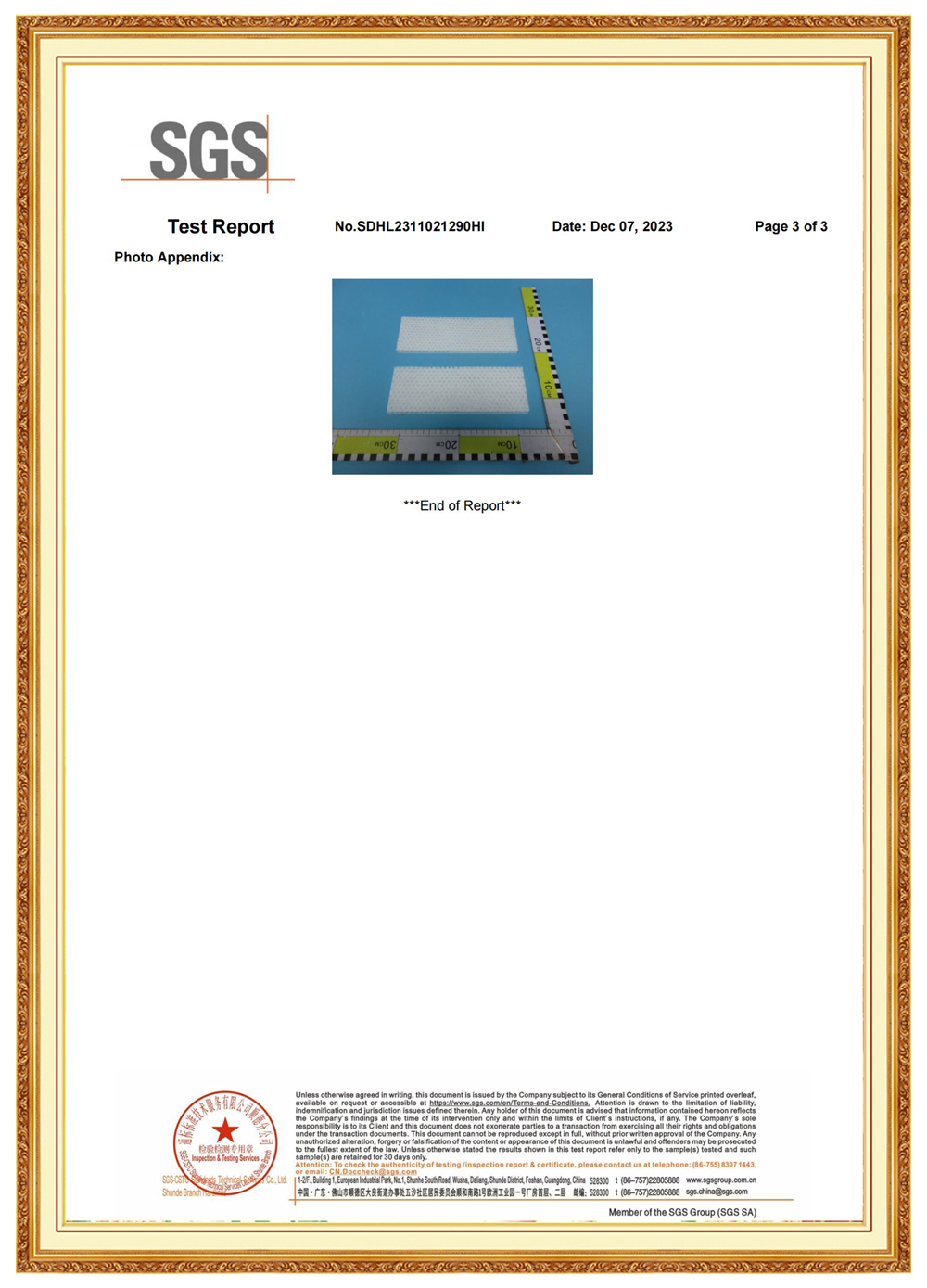
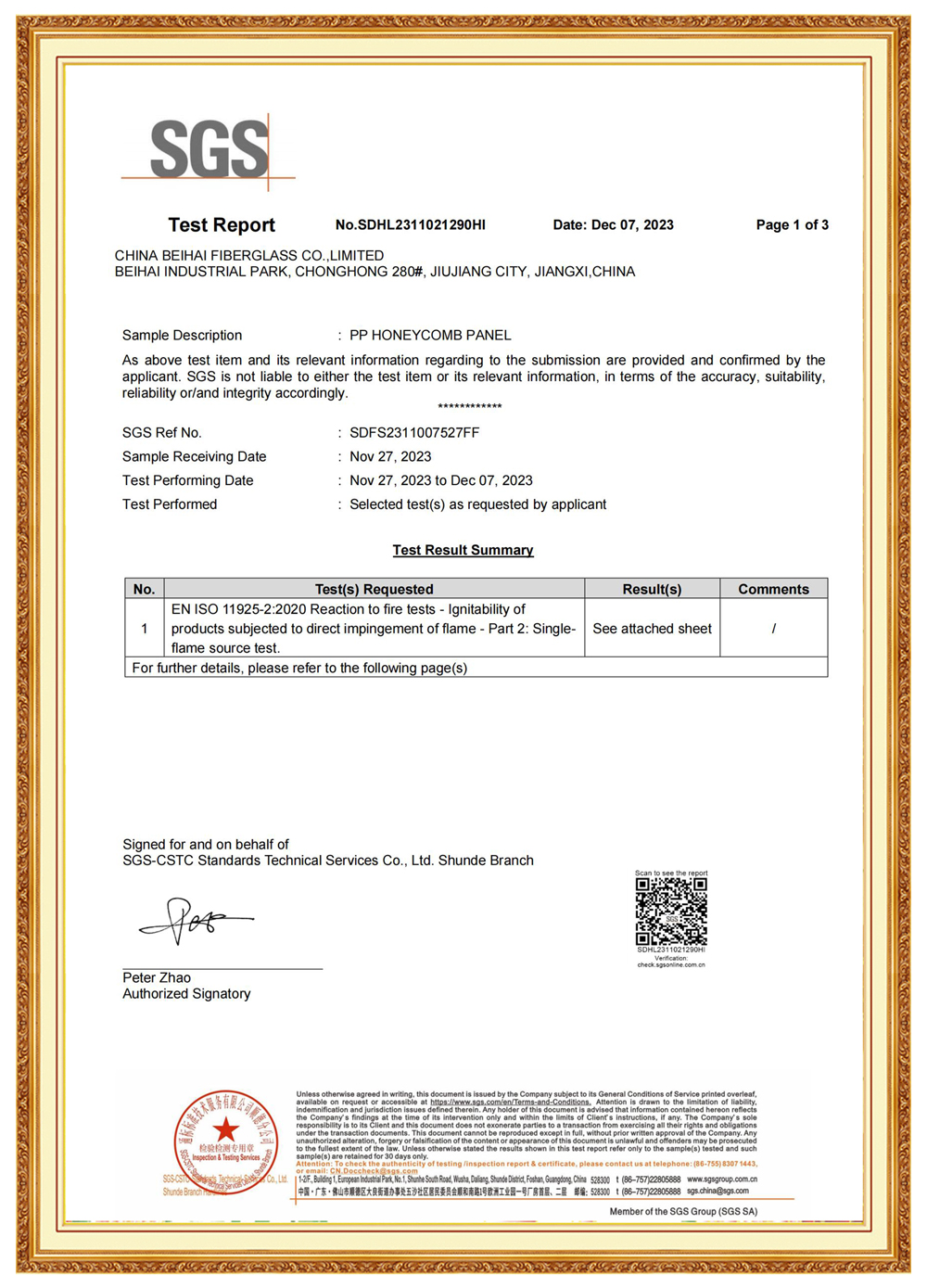
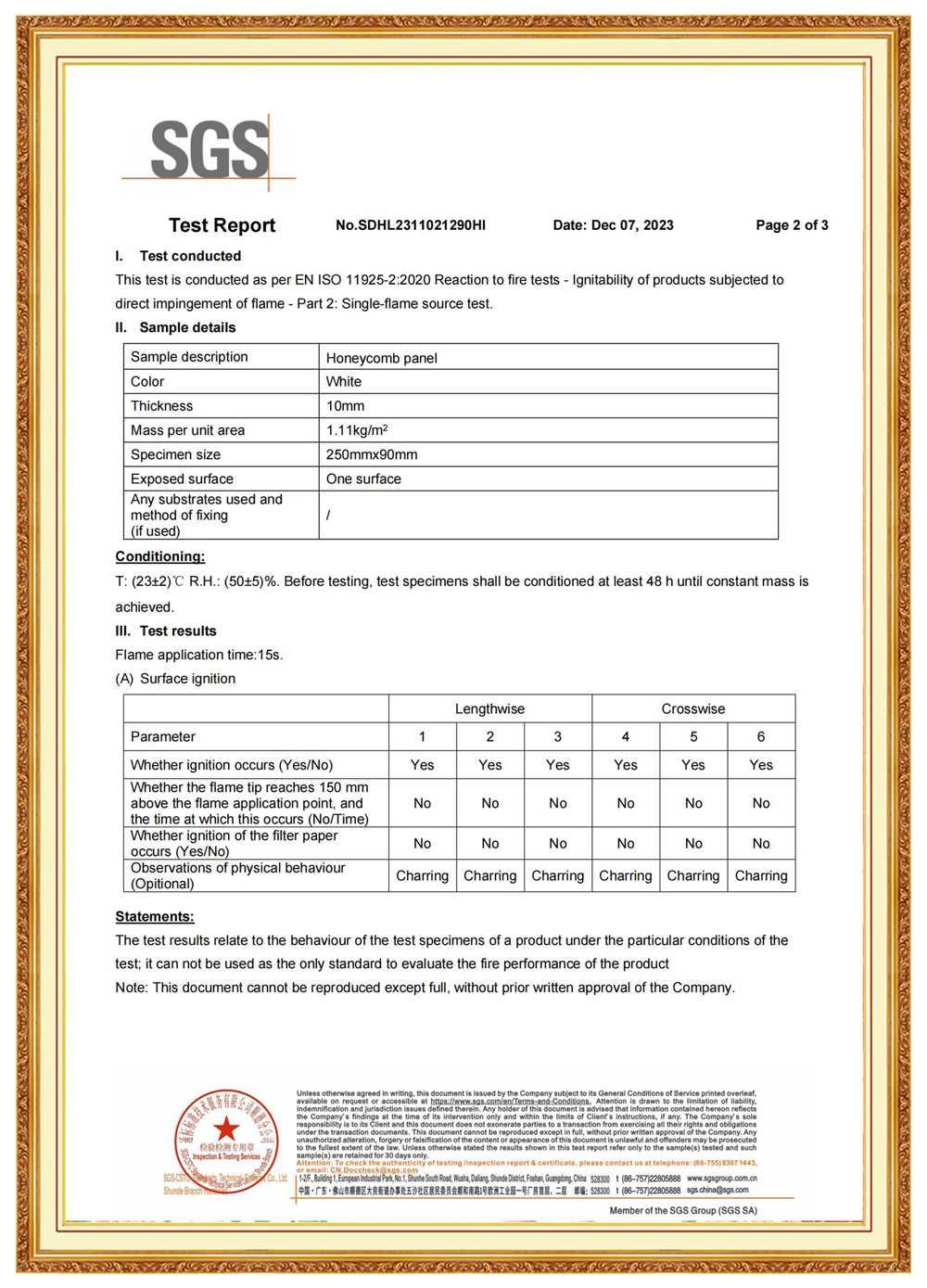
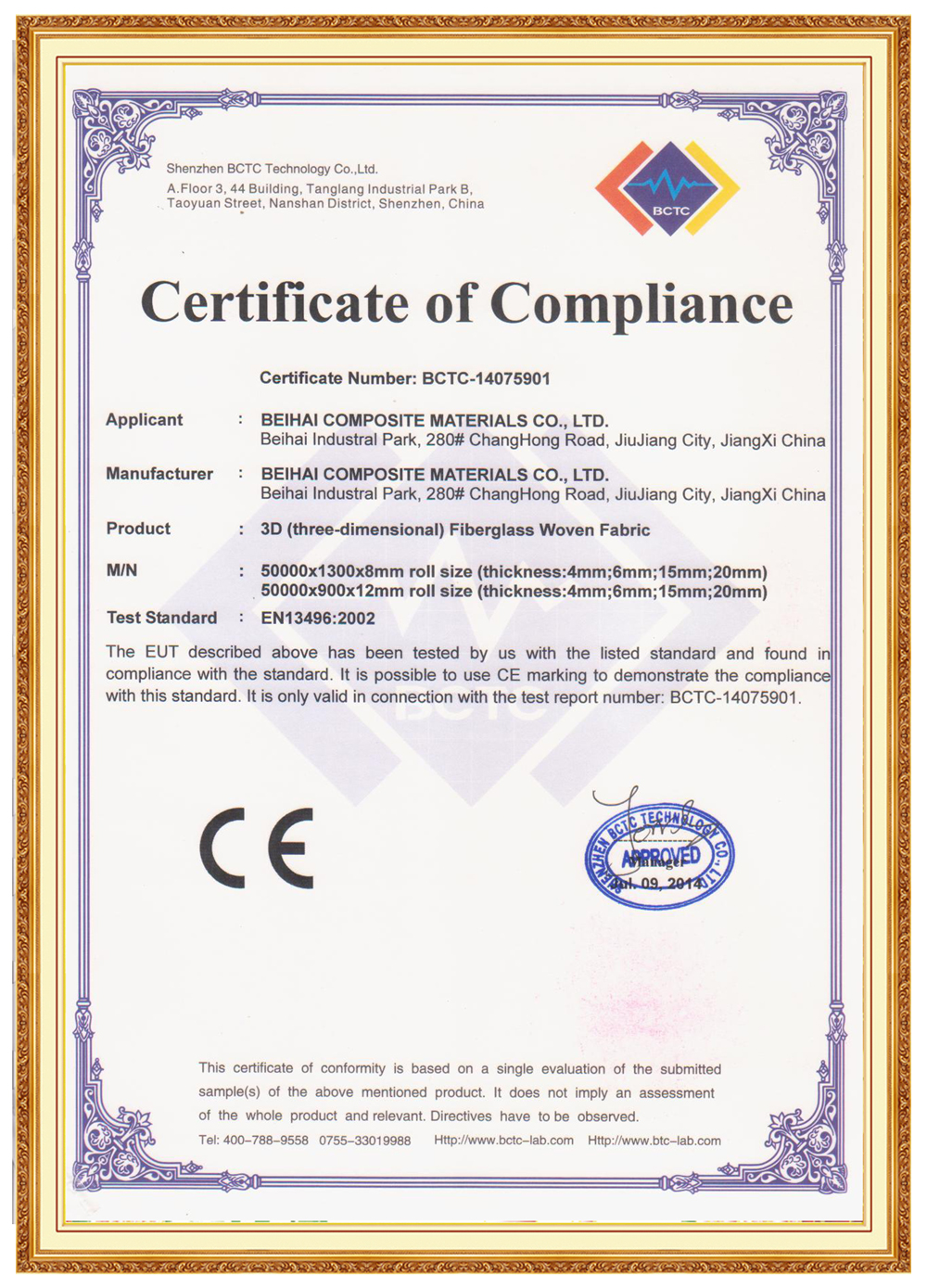
China Beihai's basalt fiber rebar products are certified to international quality, safety, and environmental standards — ensuring compliance with marine construction specifications worldwide.


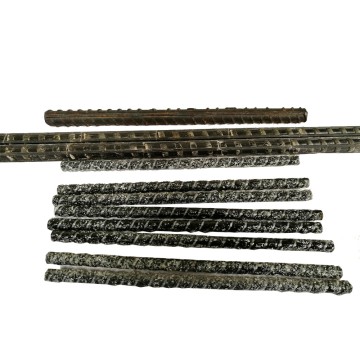
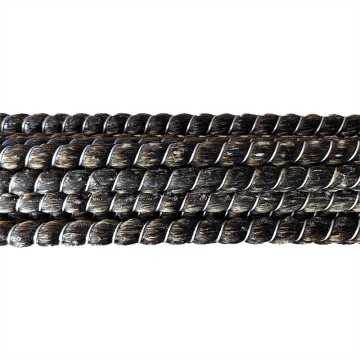
Explore our complete lineup of high-performance basalt fiber rebar products — each engineered to meet the demanding specifications of marine, offshore, and shipbuilding construction projects.