
Leave Your Message
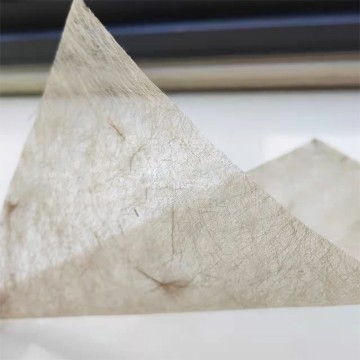
Basalt Fiber Surfacing Tissue Mat is a non-woven thin sheet engineered to provide a smooth resin-rich surface layer for fiber reinforced plastic automotive components...
read more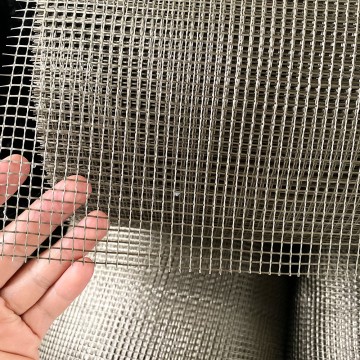
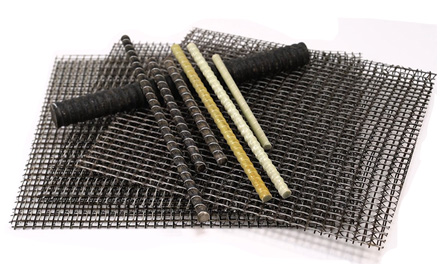
Our high-performance Basalt Fiber Mesh provides a superior reinforcement solution for automotive composite panels where high alkali resistance and low weight are critical...
read more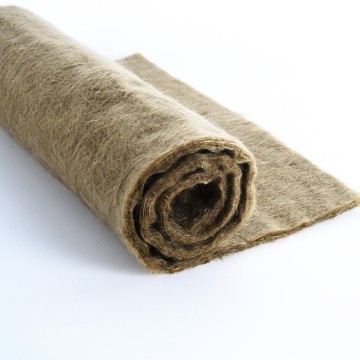
Our Basalt Fiber Needled Mat is a high-density insulation material ideal for automotive underbody heat shields and engine compartment thermal protection...
read more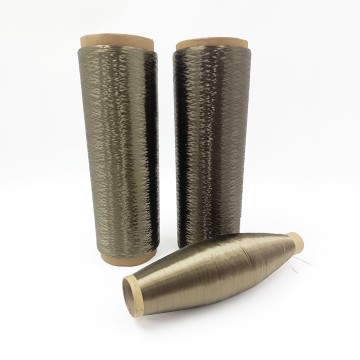
Our Basalt Fiber Twisted Yarn is engineered by twisting multiple continuous filaments to enhance mechanical strength for automotive-grade composite fabric manufacturing...
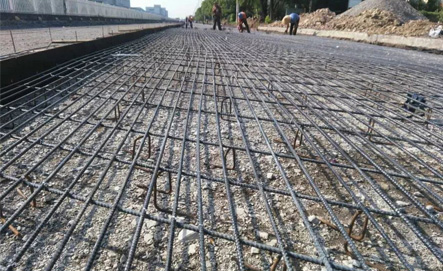
read moreThe term "Re Bar Steel" — short for reinforcing bar steel — has long been synonymous with construction and civil engineering. However, the automotive industry is undergoing a profound transformation, and advanced rebar-type composite materials, particularly basalt fiber rebar, are emerging as a disruptive alternative to traditional steel reinforcement bars in vehicle structural components.
As global automakers face mounting pressure from tightening emissions regulations, rising fuel-efficiency standards, and the explosive growth of electric vehicles (EVs), the demand for lightweight yet structurally robust materials has never been greater. Basalt fiber rebar — derived from natural volcanic rock — offers a compelling combination of high tensile strength, low density, and exceptional corrosion resistance that positions it as an ideal candidate for next-generation automotive lightweight components.
Unlike conventional steel rebar, basalt fiber rebar weighs approximately 75–80% less while delivering comparable or superior tensile performance. This dramatic weight reduction directly translates into improved vehicle range, better handling dynamics, and reduced lifecycle carbon emissions — all critical metrics in the modern automotive landscape.
The global automotive lightweight materials market was valued at over USD 95 billion in 2023 and is projected to exceed USD 175 billion by 2032, growing at a CAGR of approximately 7.5%. Within this landscape, fiber-reinforced composites — including basalt fiber rebar systems — represent one of the fastest-growing segments, driven by the dual imperatives of electrification and decarbonization.
Traditional high-strength steel (HSS) and advanced high-strength steel (AHSS) still dominate automotive structural applications due to their established supply chains and cost advantages. However, basalt fiber rebar composites are gaining traction in specific high-value applications where their superior strength-to-weight ratio and corrosion immunity justify the premium investment.
Major Tier-1 automotive suppliers in Europe, North America, and China have initiated qualification programs for basalt fiber composite rebar in battery electric vehicle (BEV) platforms, particularly for battery enclosure reinforcement frames, where electromagnetic neutrality and corrosion resistance are critical differentiators over steel alternatives.
China has emerged as the world's leading producer of basalt continuous fiber, accounting for over 60% of global production capacity. Companies such as China Beihai Group — founded in 2015 and headquartered in Jiujiang, Jiangxi Province — have been instrumental in scaling up production of high-performance basalt fiber products for automotive and industrial applications.
China Beihai is a high-tech enterprise focusing on the research, development, production and sales of high-performance basalt continuous fiber and its production equipment manufacturing, as well as a leading enterprise in the domestic basalt fiber industry.
The integration of basalt fiber rebar into China's new energy vehicle (NEV) supply chain is accelerating, supported by government-backed R&D initiatives and the country's ambitious carbon neutrality targets. Chinese automakers including BYD, SAIC, and Geely have explored basalt fiber composites for floor panels, door inlays, and structural cross-members.
Basalt fiber has successfully been deployed in the Chang'e-6 lunar exploration mission and the world's first deep-sea basalt fiber aquaculture platform — demonstrating its readiness for the most demanding engineering environments, including next-generation automotive platforms.
At just 2.6–2.8 g/cm³ density — compared to 7.85 g/cm³ for steel — basalt fiber rebar delivers dramatic weight savings critical for EV range optimization and fuel economy targets.
Unlike steel rebar which corrodes in salt, moisture, and chemical environments, basalt fiber rebar is completely immune to oxidation — eliminating rust-induced structural degradation over the vehicle's lifetime.
Basalt fiber is non-conductive and non-magnetic, making it the ideal reinforcement material for EV battery enclosures and sensor-rich autonomous driving platforms where electromagnetic interference must be minimized.
Retaining structural integrity up to 700°C, basalt fiber rebar composites are well-suited for underhood components, exhaust proximity structures, and brake system reinforcements where thermal loads are extreme.
Produced from natural volcanic basalt rock with no chemical additives, basalt fiber has a significantly lower carbon footprint than carbon fiber and fiberglass, aligning with automotive OEMs' sustainability mandates.
Basalt fiber rebar can be formed into complex geometries, pultruded profiles, and woven preforms — enabling automotive designers to optimize load paths and integrate structural functions into multi-material assemblies.
As electric vehicle platforms prioritize range extension, basalt fiber rebar composites are being integrated into battery pack housings, floor structures, and crash management systems. The elimination of steel's weight penalty directly extends driving range — a key competitive differentiator for EV manufacturers.
Advanced pultrusion, filament winding, and automated fiber placement (AFP) technologies are reducing the manufacturing cost of basalt fiber rebar components, making them increasingly competitive with steel on a total cost of ownership basis for high-volume automotive production.
Research institutions and automotive OEMs are developing hybrid structural systems that combine the ductility and energy absorption of steel with the lightweight and corrosion resistance of basalt fiber rebar — creating optimized multi-material architectures for crash safety and NVH performance.
ISO, ASTM, and automotive-specific standards bodies are actively developing qualification frameworks for basalt fiber composite rebar in structural automotive applications, accelerating OEM adoption by providing clear performance benchmarks and material specifications.
Unlike carbon fiber, basalt fiber composites show promise for thermal recycling processes, aligning with the automotive industry's end-of-life vehicle (ELV) directives and circular economy commitments. This recyclability advantage is expected to drive increased specification by European automakers subject to strict ELV regulations.
The proliferation of LIDAR, radar, and camera sensor arrays in autonomous vehicles creates new demands for structurally integrated, RF-transparent mounting brackets and housings — a perfect application space for basalt fiber rebar composites, which offer both structural performance and electromagnetic transparency.
Facing the trend of lightweight automobile materials, China Beihai Group has repeatedly conducted tests during the research and development of basalt fiber composites, and realized the wide application of basalt fiber products in the automobile field. Below are the most impactful application scenarios currently in commercial deployment or advanced development.
Basalt fiber rebar grids are embedded within composite battery enclosure frames for BEVs, providing structural rigidity, thermal insulation, and electromagnetic shielding without the weight and corrosion risks of steel inserts. This application is seeing rapid adoption in China's NEV sector.
Pultruded basalt fiber rebar profiles replace steel side impact beams in door assemblies, reducing door weight by up to 40% while meeting FMVSS 214 side impact standards. The corrosion-free nature eliminates the need for protective coatings, simplifying manufacturing.
In performance vehicles and commercial EVs, basalt fiber rebar composite tubes and profiles are used as subframe reinforcements and underbody stiffeners, delivering significant unsprung mass reduction that improves ride dynamics and reduces road load fatigue on suspension components.
Basalt fiber rebar reinforced composite panels are deployed as underbody protection systems in SUVs and off-road vehicles, offering superior resistance to stone impacts, chemical splash, and moisture compared to steel skid plates at a fraction of the weight.
Basalt fiber's exceptional thermal stability — retaining properties up to 700°C — makes it ideal for exhaust proximity heat shields and catalytic converter surrounds, replacing heavy steel stampings with lightweight composite alternatives that improve fuel economy and reduce NVH.
Basalt fiber rebar inserts are being evaluated for brake caliper mounting brackets and suspension arm reinforcements in motorsport and high-performance road car applications, where the combination of low weight, high stiffness, and thermal resistance offers a compelling performance advantage.
Basalt fiber is ideal for your automotive engineering projects. Its high strength, corrosion resistance and lightweight properties allow it to easily solve a variety of challenges. In buildings, bridges, roads and other infrastructure projects, basalt fibers demonstrate outstanding performance, extending structural life and reducing maintenance costs. Choose basalt fiber, choose reliability and durability.
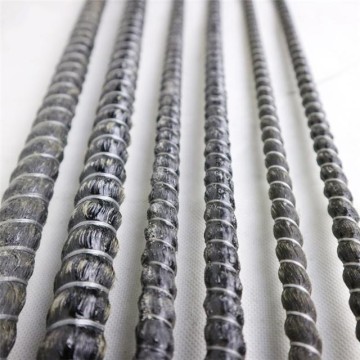
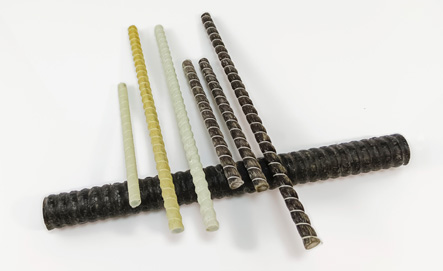
Basalt Fiber Rebar for Reinforcement in Automotive Lightweight Components is a high-strength composite bar manufactured from continuous basalt filaments impregnated with high-performance resin systems. It serves as a direct structural substitute for steel rebar in composite automotive assemblies, offering unmatched corrosion immunity, electromagnetic neutrality, and specific strength superior to many metallic alternatives.

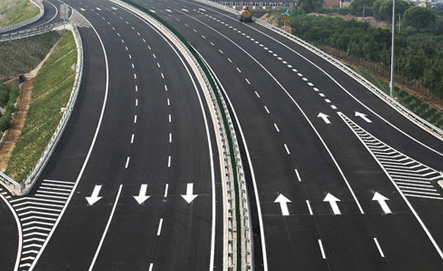
Our basalt products have diverse applications in the field of house construction.

In the aerospace field, basalt fibers are ideal for manufacturing aircraft wings and engine components.

Basalt fibers used in spacecraft shell materials, thermal protection systems, and high-temperature engine components.

Basalt-added concrete offers increased strength, durability, crack resistance and improved chemical resistance.

Wide application of basalt fiber products in the automobile field for lightweight structural components.

High strength and durability make basalt ideal for protecting bridge abutments from collision, fire, and corrosion.

The corrosion resistance of basalt fiber gives it a unique advantage in the petrochemical field.

Basalt fiber composites excel in marine environments, offering corrosion immunity and structural performance.
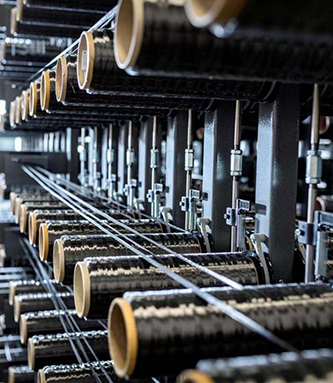
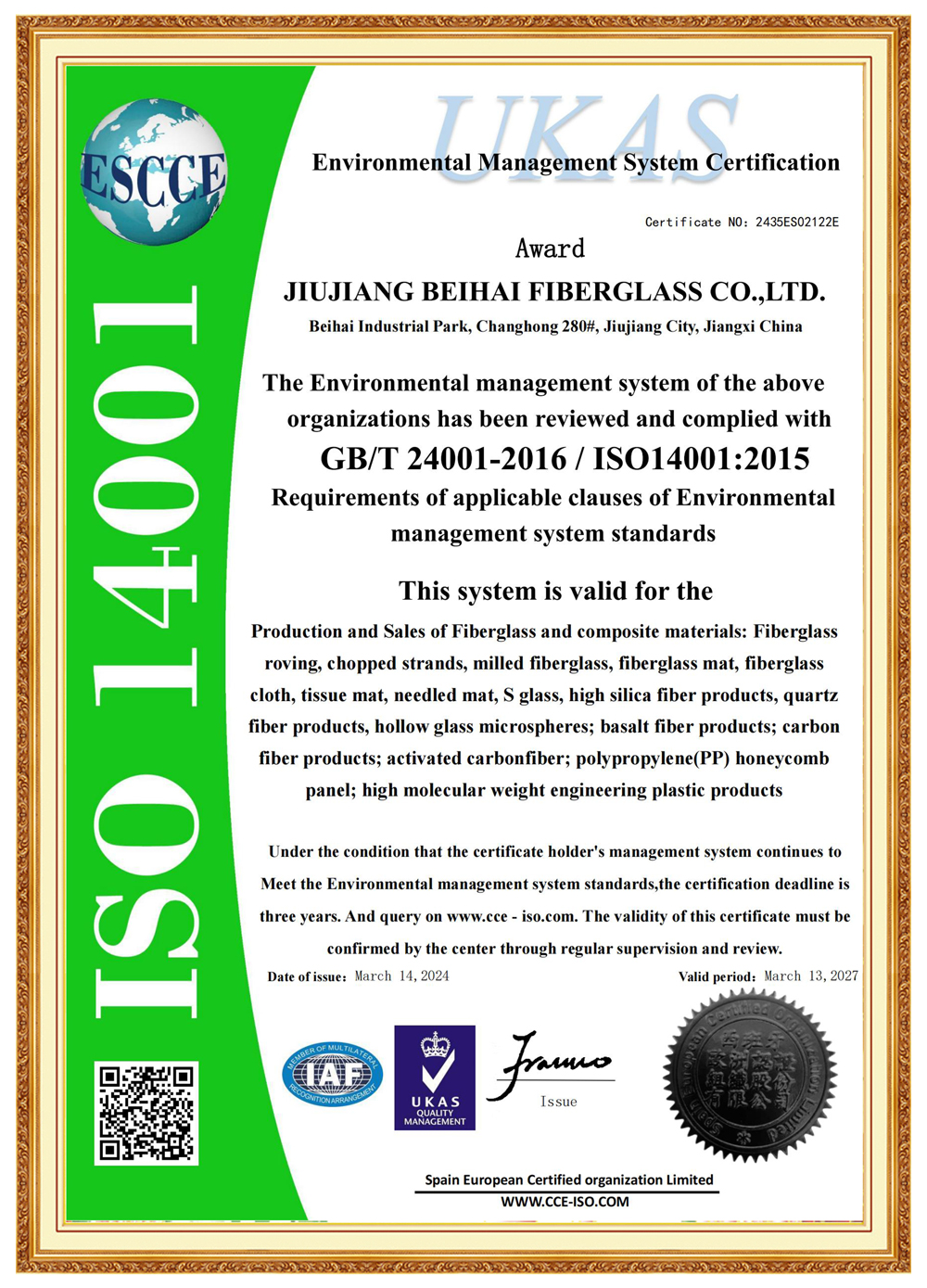
China Beihai is founded in 2015 and located in Jiujiang, Jiangxi Province. China Beihai is a high-tech enterprise focusing on the research, development, production and sales of high-performance basalt continuous fiber and its production equipment manufacturing, as well as a leading enterprise in the domestic basalt fiber industry.
Our commitment to quality, innovation and sustainability sets us apart, ensuring our customers receive best-in-class solutions for their diverse needs — from automotive lightweighting to aerospace thermal protection and civil infrastructure reinforcement.
View More
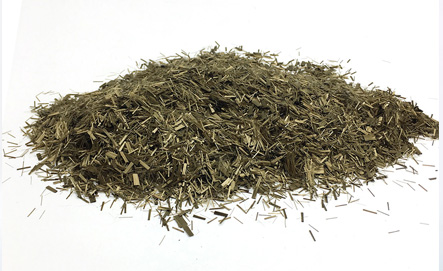
At China Beihai group, we specialize in the production of a wide range of products including basalt fiber mat (Basalt fiber chopped strand mat, Basalt fiber cloth), basalt fiber roving, basalt fiber yarn, basalt fiber chopped strands, and basalt fiber products (Basalt Fiber rebar, basalt fiber sleeves and tape). Our products are designed to meet the diverse needs of various industries, providing high-quality solutions for our customers.

At China Beihai group, we are dedicated to the production of a wide array of basalt-based products, ranging from basalt fiber mat, fabric, and roving to chopped strand and specialized construction materials. Our focus is on delivering high-quality, sustainable solutions for industries such as construction, geotechnical engineering, and manufacturing. With a commitment to innovation and excellence, we strive to cater to the unique requirements of our clients by offering a comprehensive selection of basalt-derived products.

Choosing to work with China Beihai means working with a leading manufacturer of basalt products. Our commitment to quality, innovation and sustainability sets us apart, ensuring our customers receive best-in-class solutions for their diverse needs. Reliability and customer satisfaction, we offer a wide range of high-quality basalt materials and construction products, backed by our dedication to excellence and industry expertise. When you partner with China Beihai, you can trust that you are working with a reliable and forward-thinking partner — a trusted supplier for all your basalt product needs.
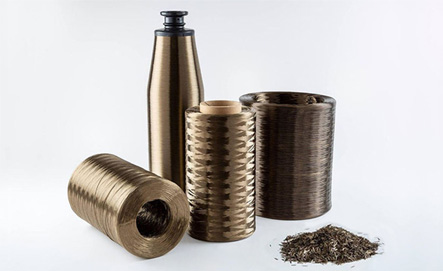
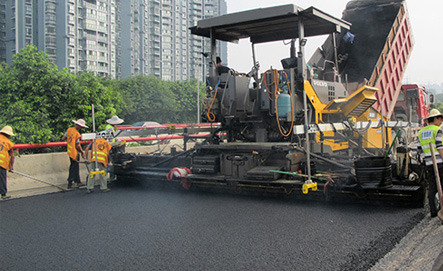

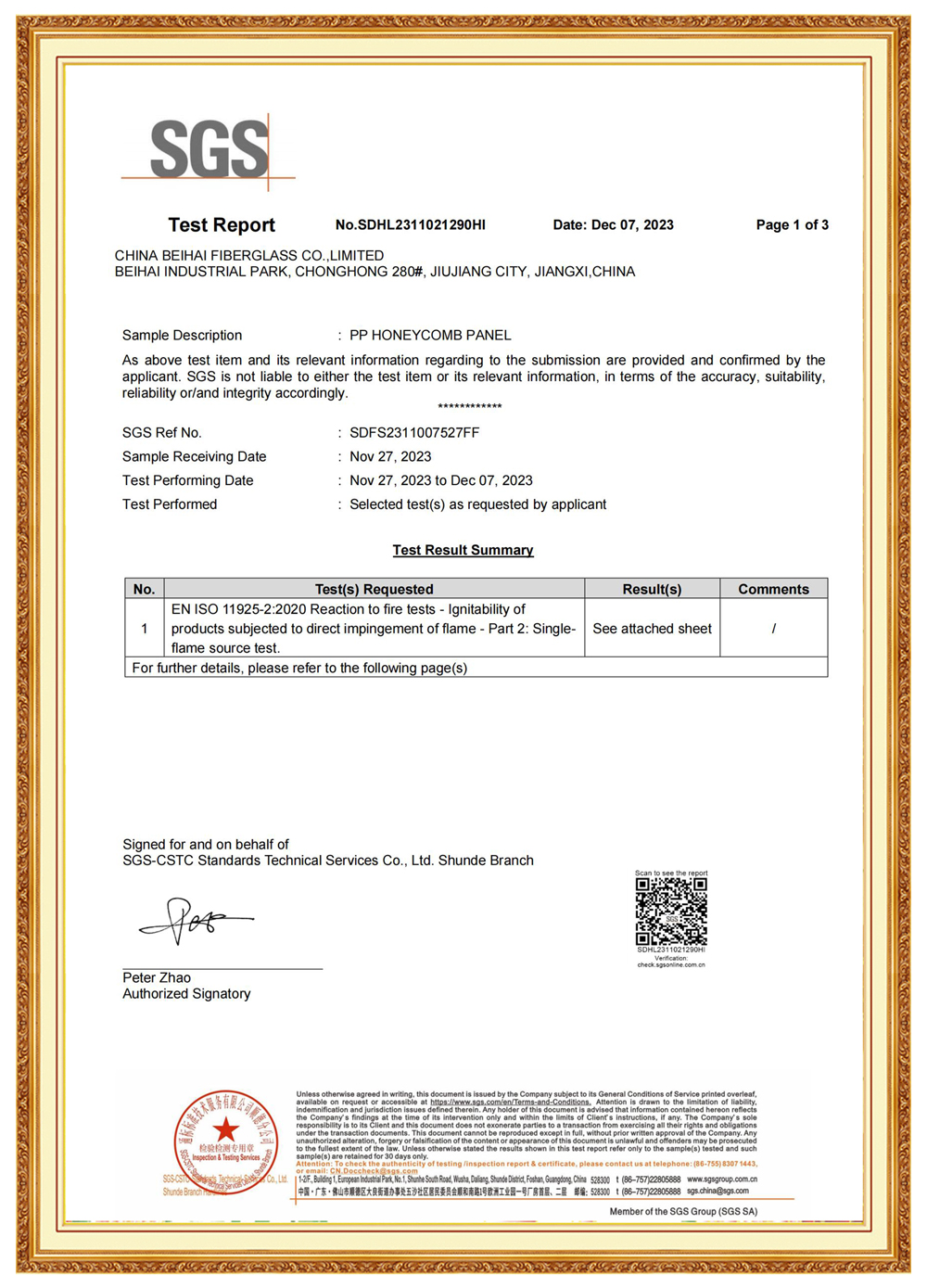
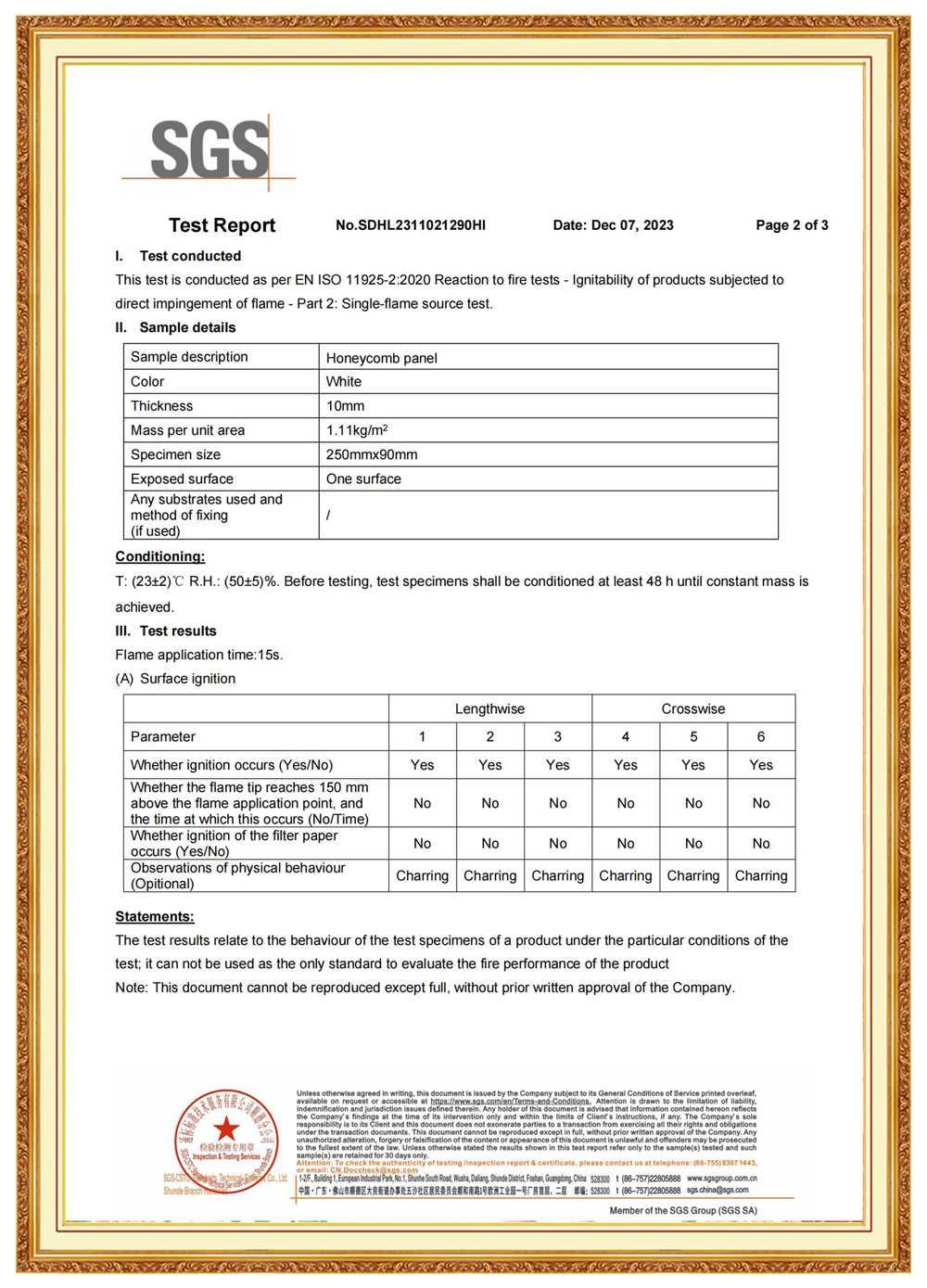
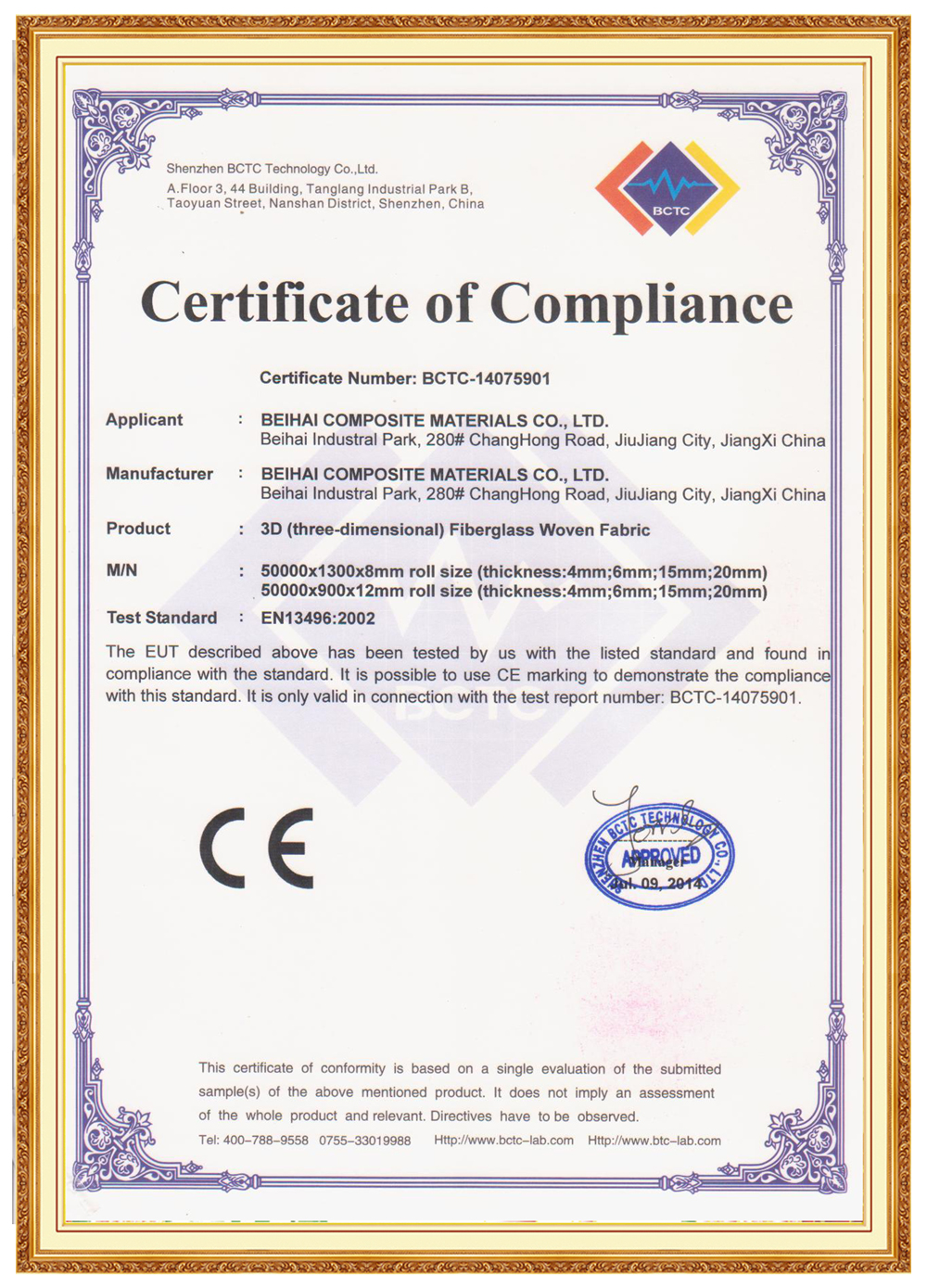

As drones slice through the sky to monitor wildfires, and intelligent robots execute repetitive tasks with precision on the factory floor, the efficient operation of this smart equipment is often underpinned by a "hardcore support" that is easily overlooked: a novel material derived from volcanic rock — basalt fiber. Though unassuming in appearance, its unique properties have made it the key to unlocking the performance limits of drones and robots, quietly driving a materials revolution within the realm of intelligent equipment.
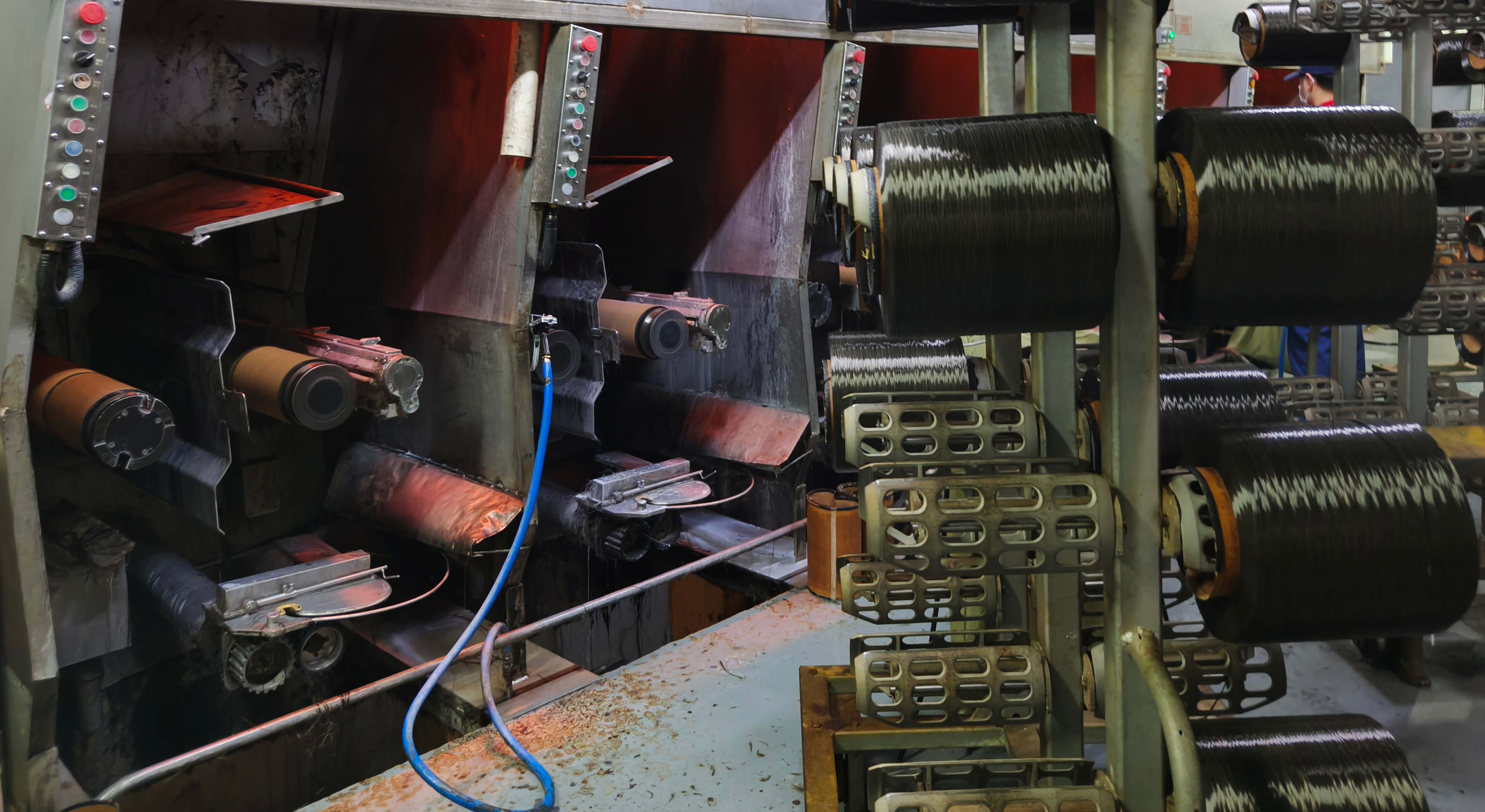
Basalt fiber is an inorganic fibrous material produced by drawing strands from natural basalt ore after it has been melted at high temperatures. It has garnered widespread attention for its exceptional physicochemical properties — particularly its performance in high-temperature environments.
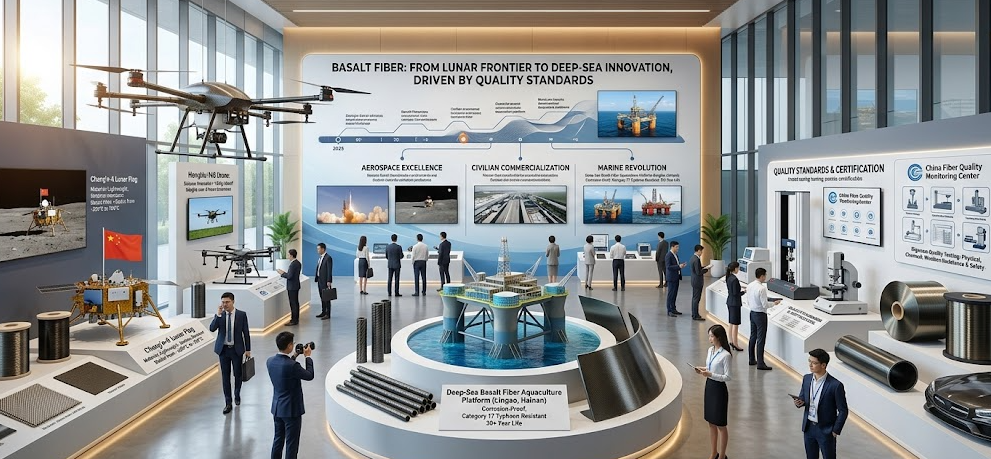
Recently, with the successful realization of major applications — such as the Chang'e-6 lunar exploration mission and the world's first deep-sea basalt fiber aquaculture platform — basalt fiber is rapidly accelerating its transformation from a laboratory research outcome into a strategic new material with tangible industrial productivity.
Basalt Fiber Surfacing Tissue Mat is a non-woven thin sheet engineered to provide a smooth resin-rich surface layer for fiber reinforced plastic automotive components...
read more
Our high-performance Basalt Fiber Mesh provides a superior reinforcement solution for automotive composite panels where high alkali resistance is critical...
read more
Our Basalt Fiber Needled Mat is a high-density insulation material ideal for automotive underbody heat shields and engine compartment thermal protection...
read more
Our Basalt Fiber Twisted Yarn is engineered by twisting multiple continuous filaments to enhance mechanical strength for automotive-grade composite fabric manufacturing...
read more
High-strength basalt fiber rebar for reinforcing automotive composite structures — ideal for battery enclosures, door beams, and chassis reinforcement applications...
read more
Engineered basalt fiber rebar systems for electric vehicle battery pack structural frames — delivering electromagnetic neutrality and superior corrosion resistance...
read more
High-performance basalt fiber roving optimized for pultrusion, filament winding, and weaving processes in automotive composite component manufacturing...
read more
Precision-cut basalt fiber chopped strands for sheet molding compound (SMC) and bulk molding compound (BMC) automotive body panel and structural applications...
read more