
Leave Your Message
Explore our core product range engineered for thermal barriers, structural reinforcement, and fire-resistant performance in demanding environments.
In an era where industrial safety standards are becoming increasingly stringent and infrastructure demands are reaching new extremes, the integration of basalt fiber rebar and basalt-reinforced concrete into fire-resistant clothing substrates and high-temperature thermal barrier systems represents one of the most significant material science breakthroughs of the past decade. Derived from naturally occurring volcanic basalt rock, these advanced fiber composites offer a compelling combination of thermal stability, structural integrity, chemical inertness, and lightweight performance that traditional steel rebar and conventional insulation materials simply cannot match.
The global market for fire-resistant materials and high-temperature thermal barriers is projected to exceed USD 12 billion by 2030, driven by accelerating demand from petrochemical plants, aerospace manufacturing, tunnel construction, nuclear facilities, and industrial furnace environments. Within this landscape, basalt fiber — particularly in the form of rebar reinforcement for concrete and woven fabrics for protective clothing — has emerged as the material of choice for engineers, safety professionals, and procurement specialists worldwide.
Basalt fiber maintains structural integrity and tensile strength at continuous operating temperatures up to 700°C, and can withstand short-term exposure up to 1,000°C — making it the premier choice for high-temperature thermal barrier engineering and fire-resistant protective systems where conventional materials fail.
The commercial adoption of basalt fiber rebar (BFRP rebar) within fire-resistant concrete and high-temperature thermal barrier construction has accelerated dramatically since 2018. Major infrastructure projects across Europe, North America, the Middle East, and Asia-Pacific have begun specifying BFRP rebar as a standard component in structures exposed to elevated thermal loads — including tunnel linings, industrial floor slabs, firewall partitions, and blast-resistant panels.
In the oil & gas sector, basalt fiber rebar is now routinely embedded in concrete secondary containment systems surrounding high-temperature pipelines and storage vessels. Unlike steel rebar, which expands differentially under thermal cycling and can cause concrete spalling — a critical failure mode in fire scenarios — BFRP rebar maintains dimensional stability across a wide thermal range, dramatically reducing the risk of structural compromise during fire events.
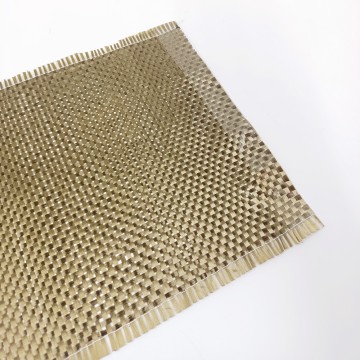
The fire-resistant clothing industry has simultaneously discovered the transformative potential of basalt fiber yarns and woven fabrics. When basalt fiber cloth is integrated as an interlining or outer shell layer in protective garments for foundry workers, firefighters, and industrial operators, it provides a passive thermal barrier that outperforms aramid fibers in sustained high-temperature exposure scenarios, while offering superior chemical resistance and dimensional stability after repeated laundering cycles.
BFRP rebar is specified in tunnel fire protection linings across major European and Asian rail projects, replacing steel in zones where fire resistance ratings above 120 minutes are mandated.
Basalt-reinforced concrete thermal barriers are deployed around LNG storage, refinery process units, and offshore platform firewall systems, where corrosion resistance and thermal stability are simultaneously critical.
Basalt fiber woven fabrics and twisted yarns are integrated into fire-resistant workwear for steel mills, aluminum smelters, and glass manufacturing plants, providing certified thermal protection to EN ISO 11612 standards.
The convergence of tightening global fire safety regulations, the push for sustainable construction materials, and rapid advances in composite manufacturing technology is creating powerful tailwinds for basalt fiber adoption in both rebar-reinforced concrete and protective textile applications.
From underground infrastructure to extreme industrial environments, basalt fiber delivers proven performance across the most demanding thermal protection scenarios.
Basalt fiber rebar embedded in tunnel lining concrete maintains structural cohesion during fire events, preventing catastrophic spalling and collapse. Its non-magnetic, non-conductive properties also eliminate interference with rail signaling systems, making it the ideal reinforcement material for metro and high-speed rail tunnel projects worldwide.
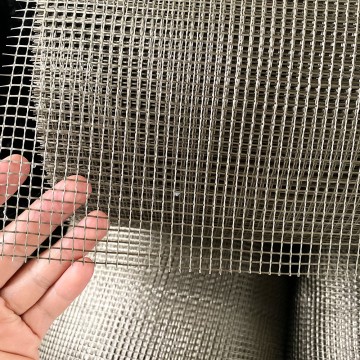
Basalt fiber mesh and rebar are used to reinforce refractory concrete in industrial furnace walls, cement kiln linings, and glass melting tank structures, where continuous operating temperatures exceed 600°C. The material's low thermal conductivity simultaneously reduces heat loss through the furnace wall, improving energy efficiency.
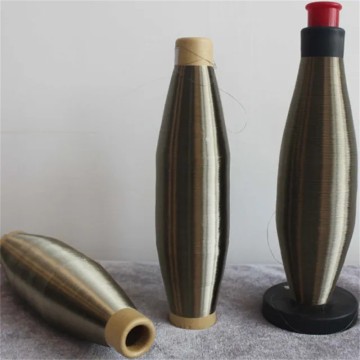
Basalt fiber twisted yarn and plain weave cloth are woven into the outer shells and thermal interlining layers of fire-resistant jackets, trousers, and gloves used by foundry operators, welders, and emergency responders. The fabric achieves Thermal Protective Performance (TPP) ratings exceeding 40 cal/cm², surpassing many aramid-based alternatives at a lower material cost.
The non-magnetic, chemically inert nature of basalt fiber rebar makes it uniquely suited for reinforcing concrete containment structures in nuclear power plants and hazardous chemical storage facilities, where steel rebar corrosion or magnetic interference would compromise long-term safety and monitoring system integrity.
Basalt fiber composites are being evaluated as thermal protection system (TPS) components for hypersonic vehicle leading edges and re-entry vehicle heat shields, where the material's combination of low density, high specific strength, and ablation resistance offers a cost-competitive alternative to ceramic matrix composites in certain temperature regimes.
On offshore oil platforms and LNG carrier vessels, basalt fiber reinforced concrete fire barriers and basalt fabric thermal blankets provide A-60 rated fire division performance while resisting the simultaneous attack of seawater corrosion — a combination that steel-reinforced systems cannot reliably sustain over a 25-year service life.
Basalt fiber is ideal for your engineering projects. Its high strength, corrosion resistance and lightweight properties allow it to easily solve a variety of challenges in buildings, bridges, roads and other infrastructure projects, extending structural life and reducing maintenance costs.
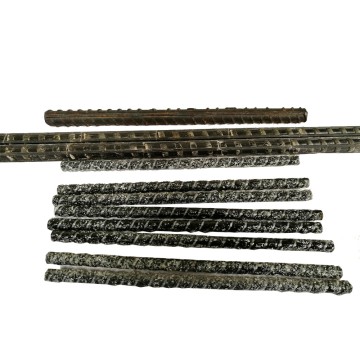
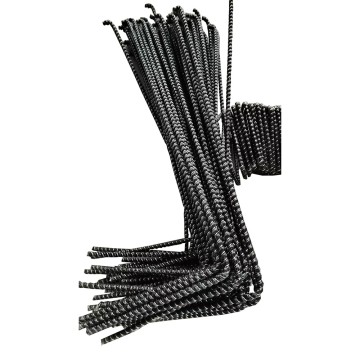
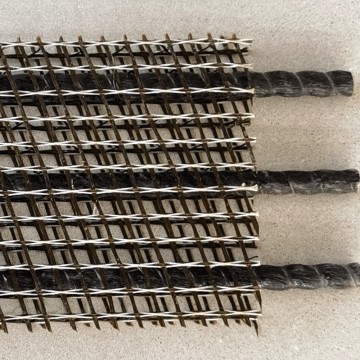
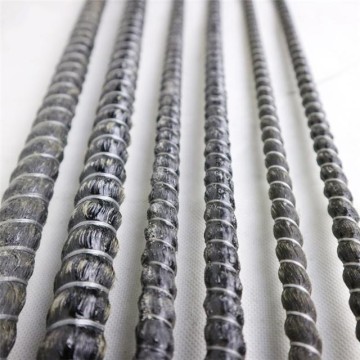
Basalt fiber rebar is a high-strength alternative to traditional steel bars and is used in a wide range of applications for reinforcing concrete structures in various fields. Its excellent performance makes it ideal for a variety of construction applications such as bridges, highways, buildings, tunnels, and other infrastructure projects where fire resistance and thermal stability are critical design requirements. When embedded in concrete, BFRP rebar does not corrode, does not conduct heat or electricity, and maintains its bond strength even after prolonged exposure to elevated temperatures — properties that make it the definitive choice for fire-resistant structural systems and high-temperature thermal barrier construction.
FIND OUT MORE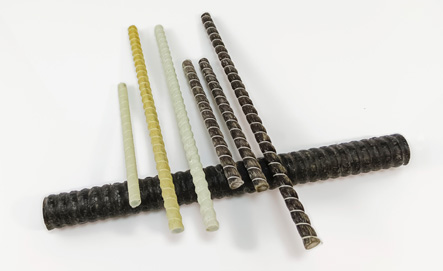
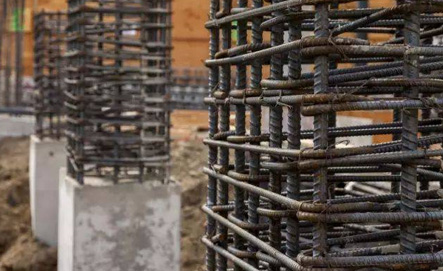
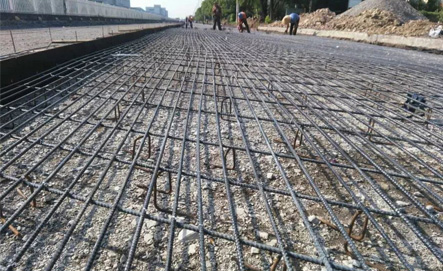

Fire-resistant concrete reinforcement and thermal barrier wall systems for high-rise and industrial buildings.

Thermal shielding and fire barrier composites for aircraft engine nacelles and structural panels.

High-temperature resistant components for spacecraft thermal protection systems and engine heat shields.

BFRP rebar reinforced concrete delivers superior fire resistance, crack resistance, and chemical durability.

Lightweight thermal barrier composites for EV battery enclosures and exhaust heat management systems.

Basalt's high strength, durability and fire resistance make it ideal for protecting bridge structures from fire, corrosion, and environmental exposure.

Corrosion-resistant and fire-rated thermal barrier systems for refineries, LNG storage, and chemical processing plants.

A-class fire division panels and thermal insulation systems for offshore platforms and LNG carrier vessels.
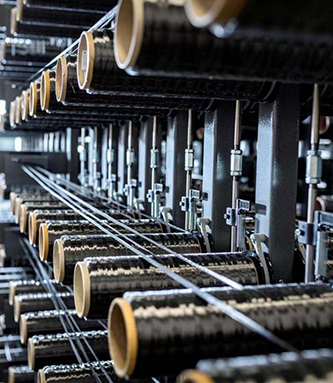
China Beihai is founded in 2015 and located in Jiujiang, Jiangxi Province. China Beihai is a high-tech enterprise focusing on the research, development, production and sales of high-performance basalt continuous fiber and its production equipment manufacturing, as well as a leading enterprise in the domestic basalt fiber industry.
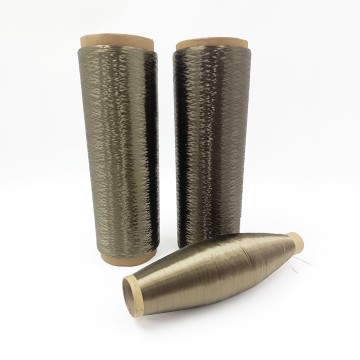
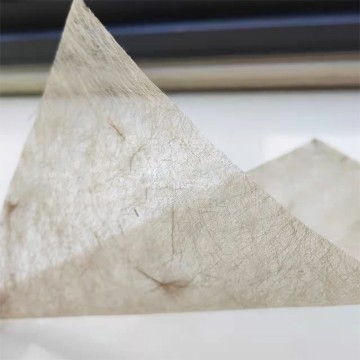
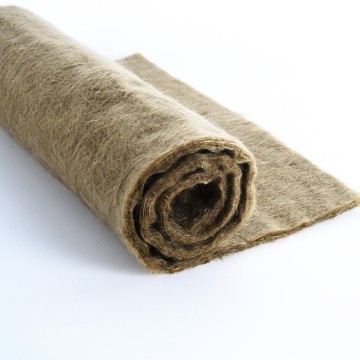
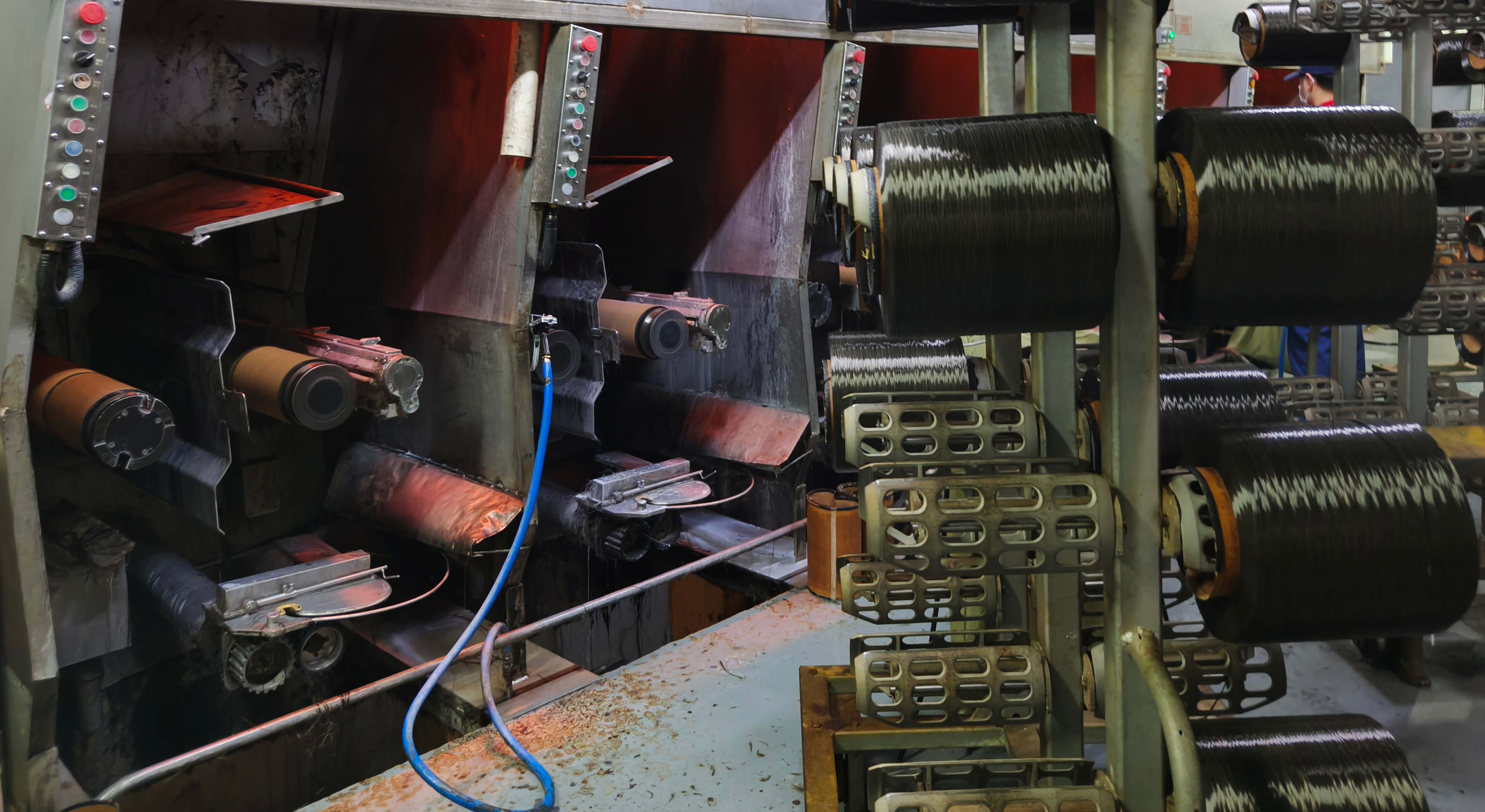
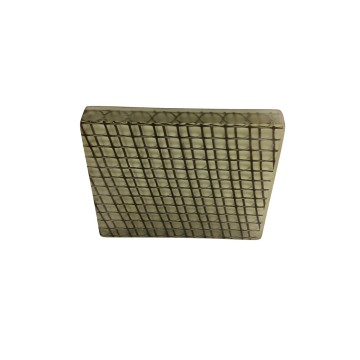
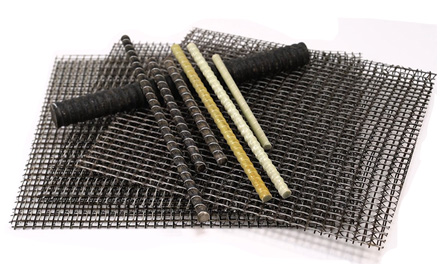
Our product portfolio spans basalt fiber mat, basalt fiber cloth, basalt fiber roving, basalt fiber yarn, basalt fiber chopped strands, basalt fiber rebar, basalt fiber sleeves and tape — all engineered to deliver superior fire resistance, thermal stability, and structural performance for global industrial and construction markets.
View More
At China Beihai group, we specialize in the production of a wide range of products including basalt fiber mat (Basalt fiber chopped strand mat, Basalt fiber cloth), basalt fiber roving, basalt fiber yarn, basalt fiber chopped strands, and basalt fiber products (Basalt Fiber rebar, basalt fiber sleeves and tape). Our products are designed to meet the diverse needs of various industries, providing high-quality solutions for our customers.

At China Beihai group, we are dedicated to the production of a wide array of basalt-based products, ranging from basalt fiber mat, fabric, and roving to chopped strand and specialized construction materials. Our focus is on delivering high-quality, sustainable solutions for industries such as construction, geotechnical engineering, and manufacturing.

Choosing to work with China Beihai means working with a leading manufacturer of basalt products. Our commitment to quality, innovation and sustainability sets us apart, ensuring our customers receive best-in-class solutions for their diverse needs. When you partner with China Beihai, you can trust that you are working with a reliable and forward-thinking supplier for all your basalt product needs.
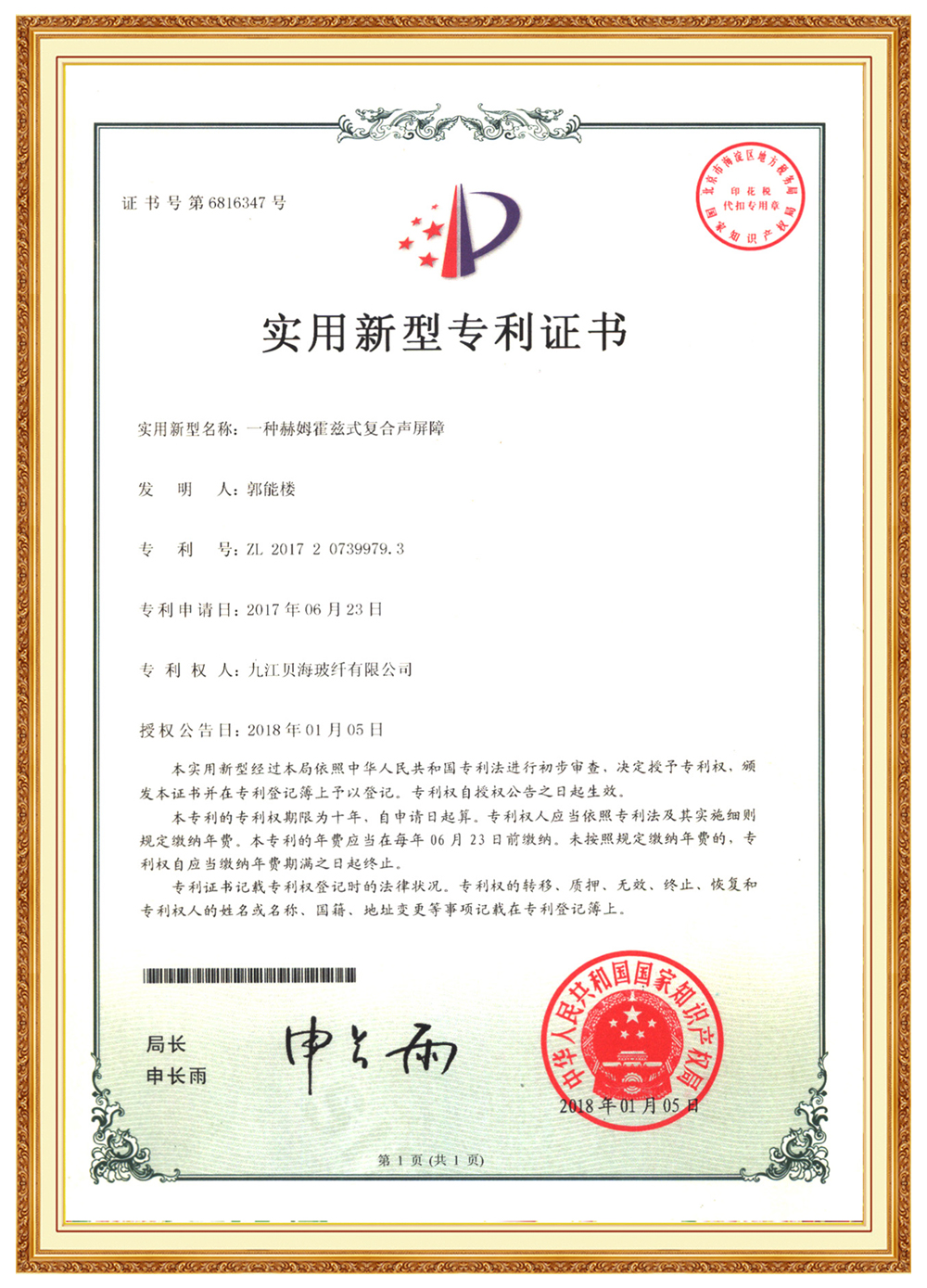
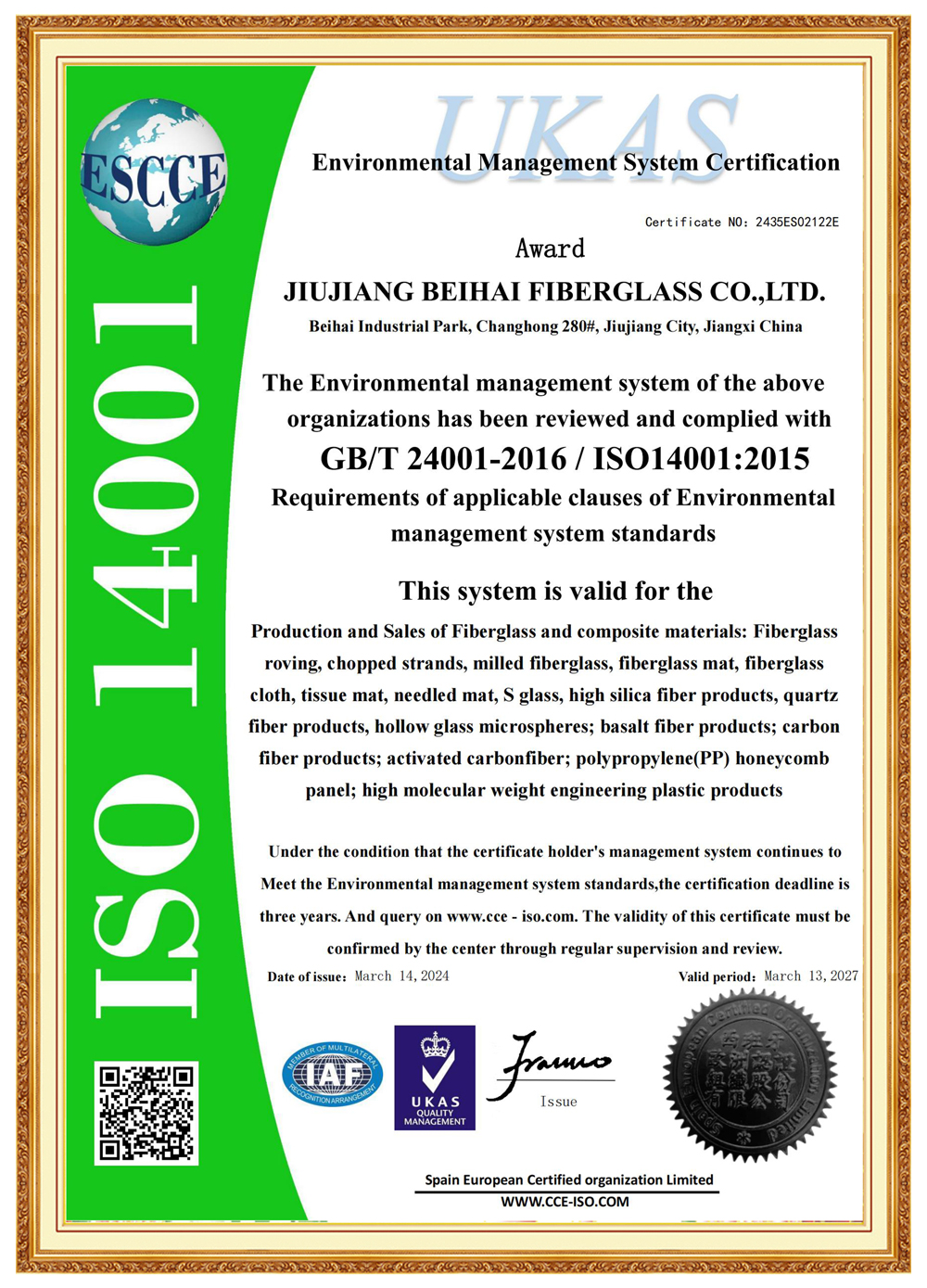
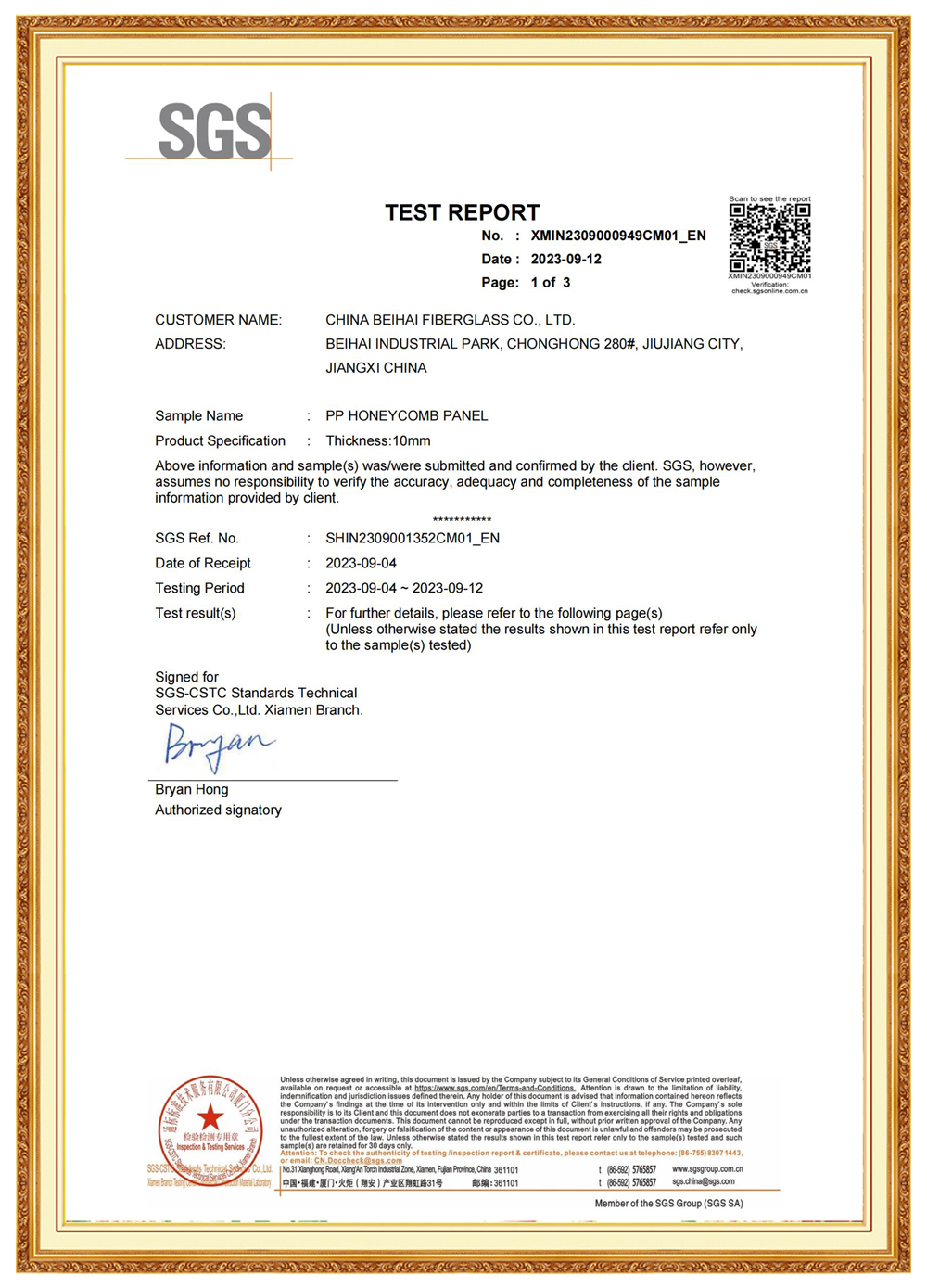
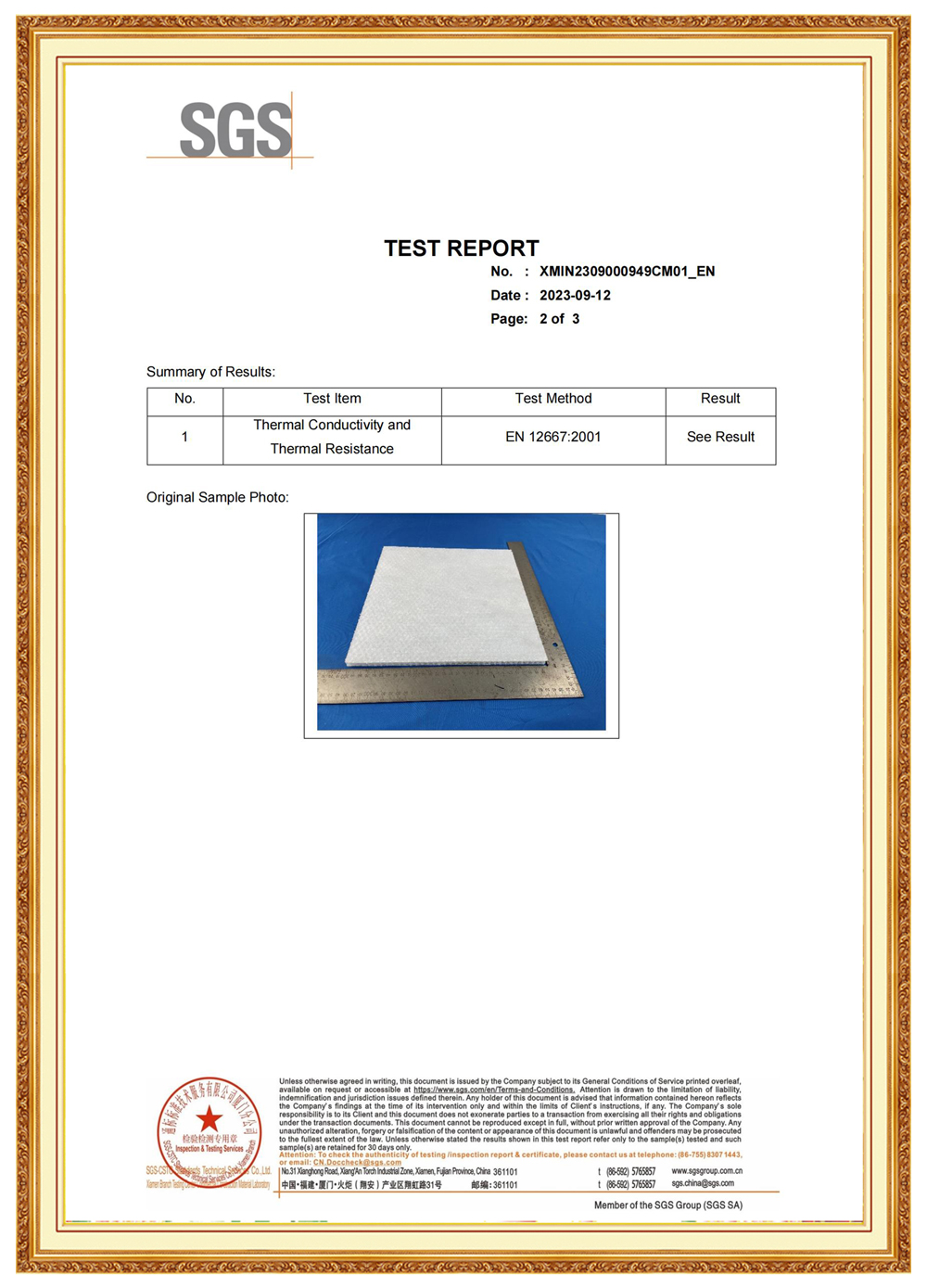
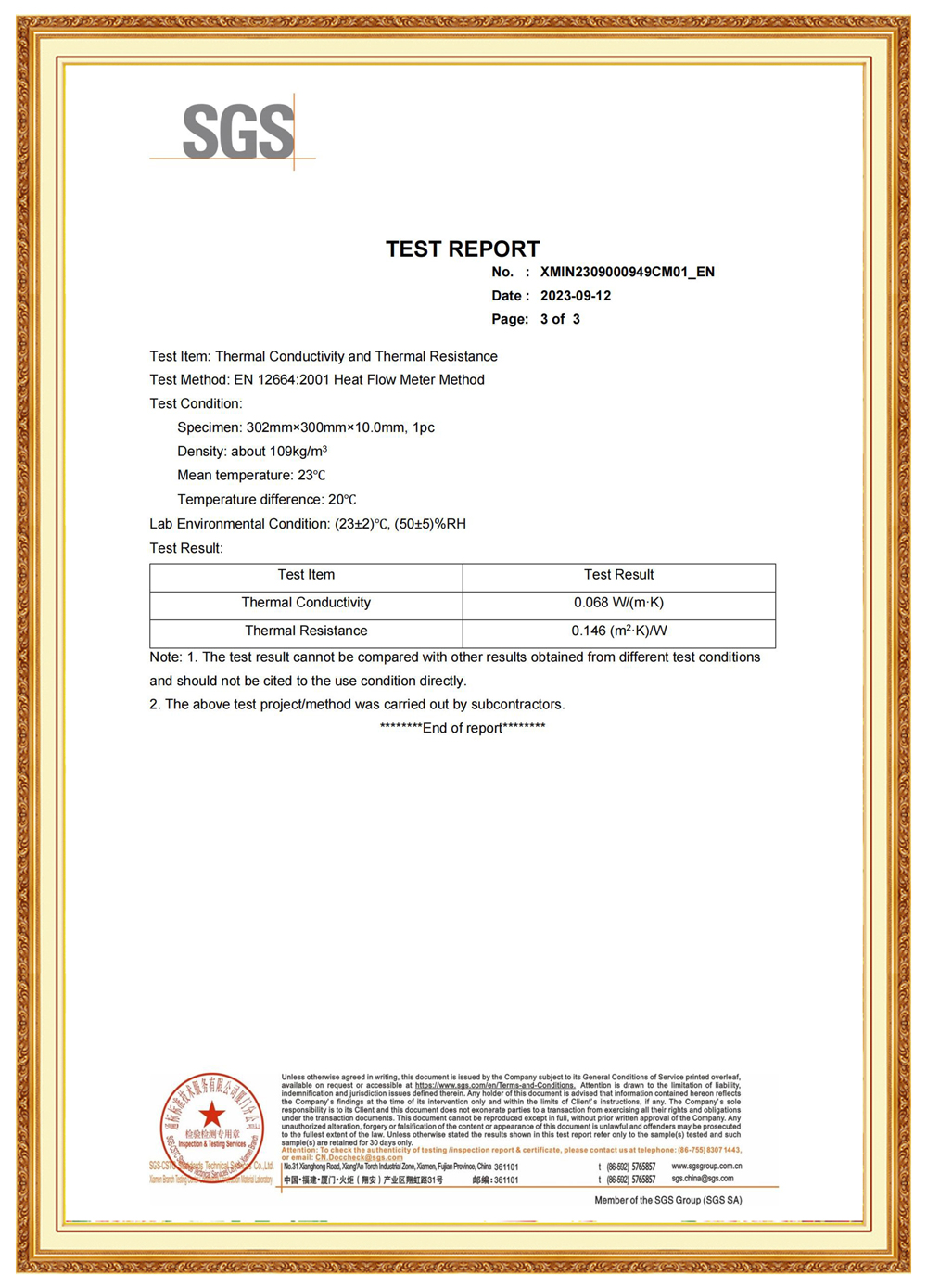
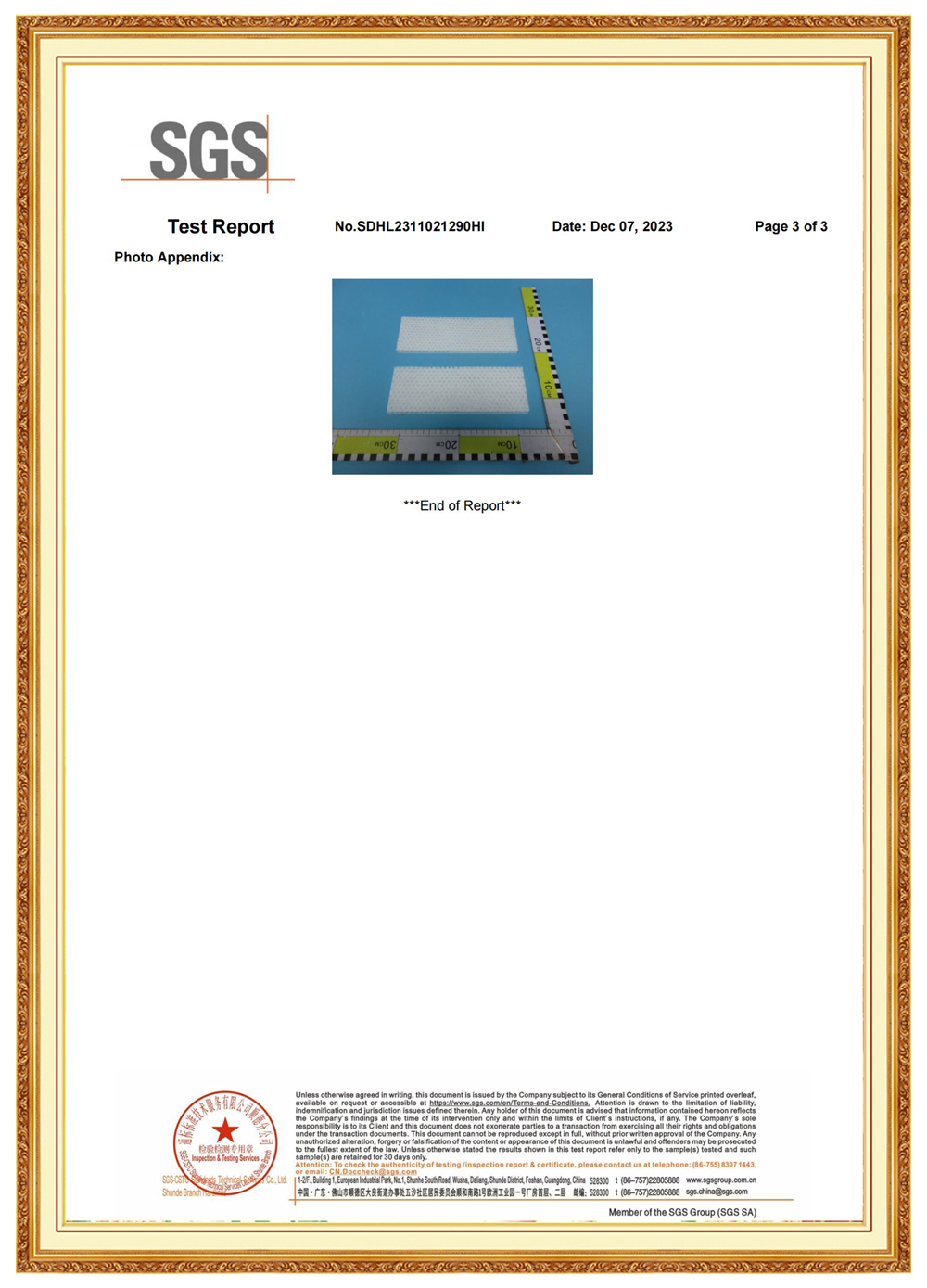
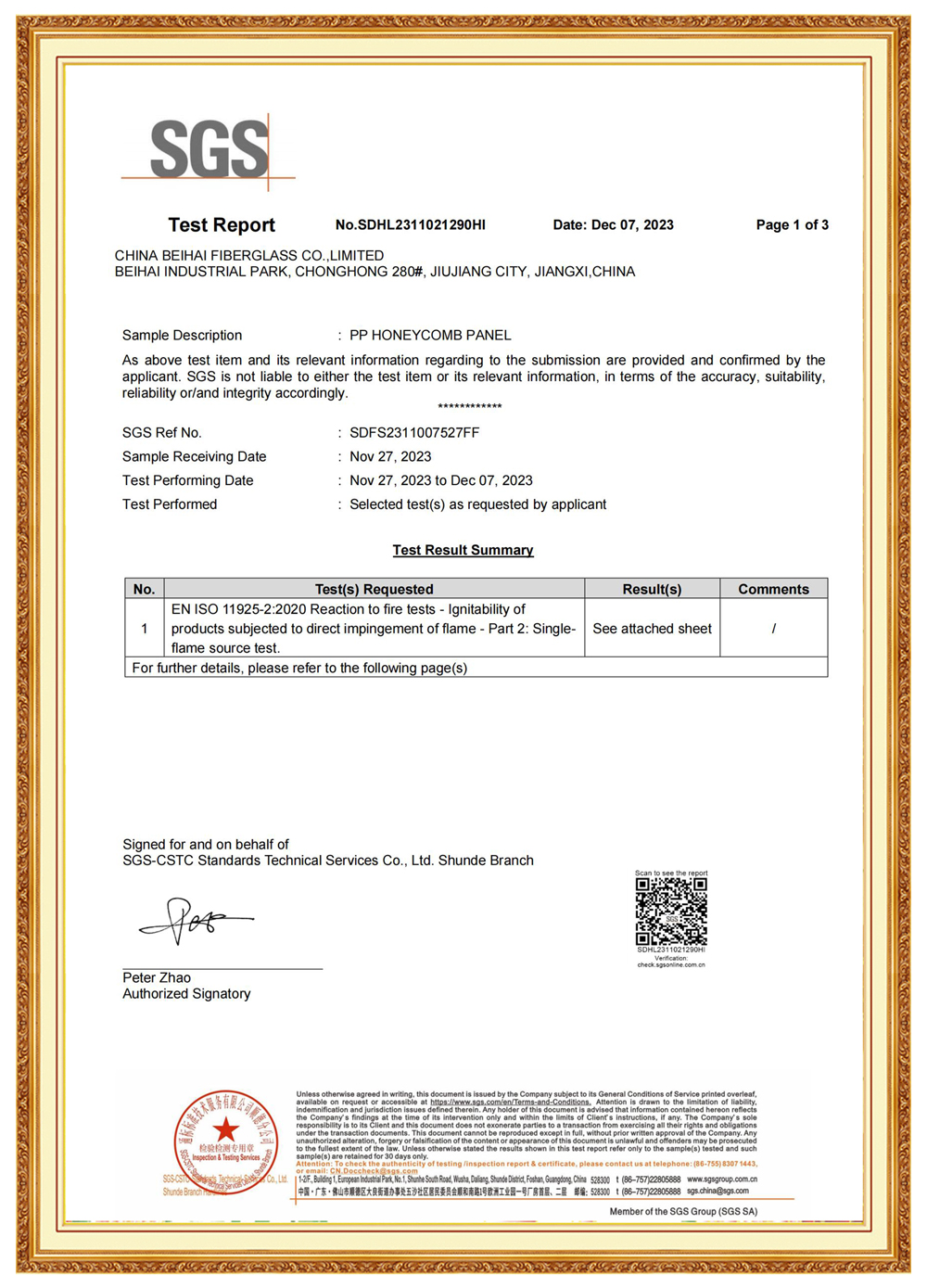
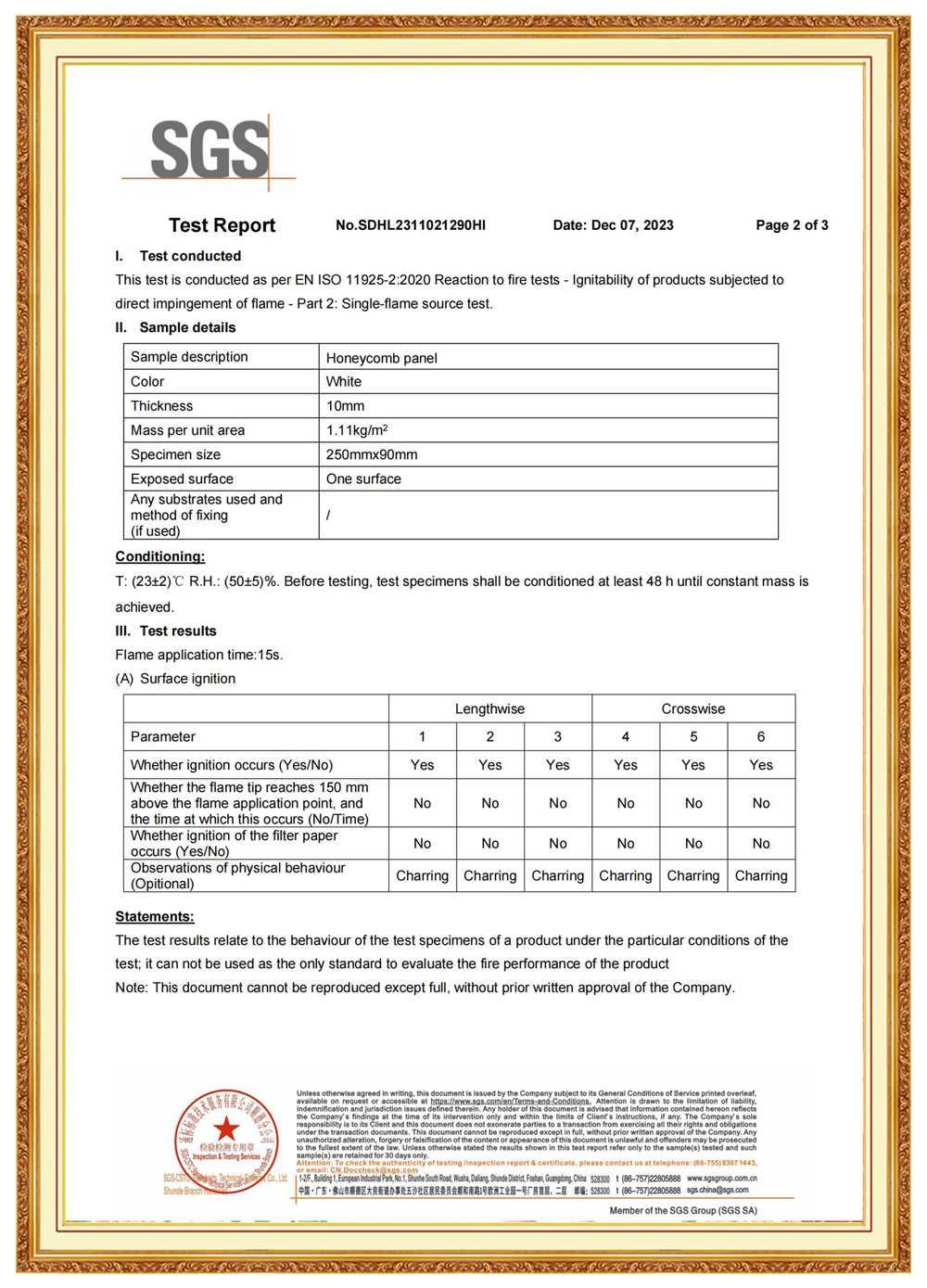
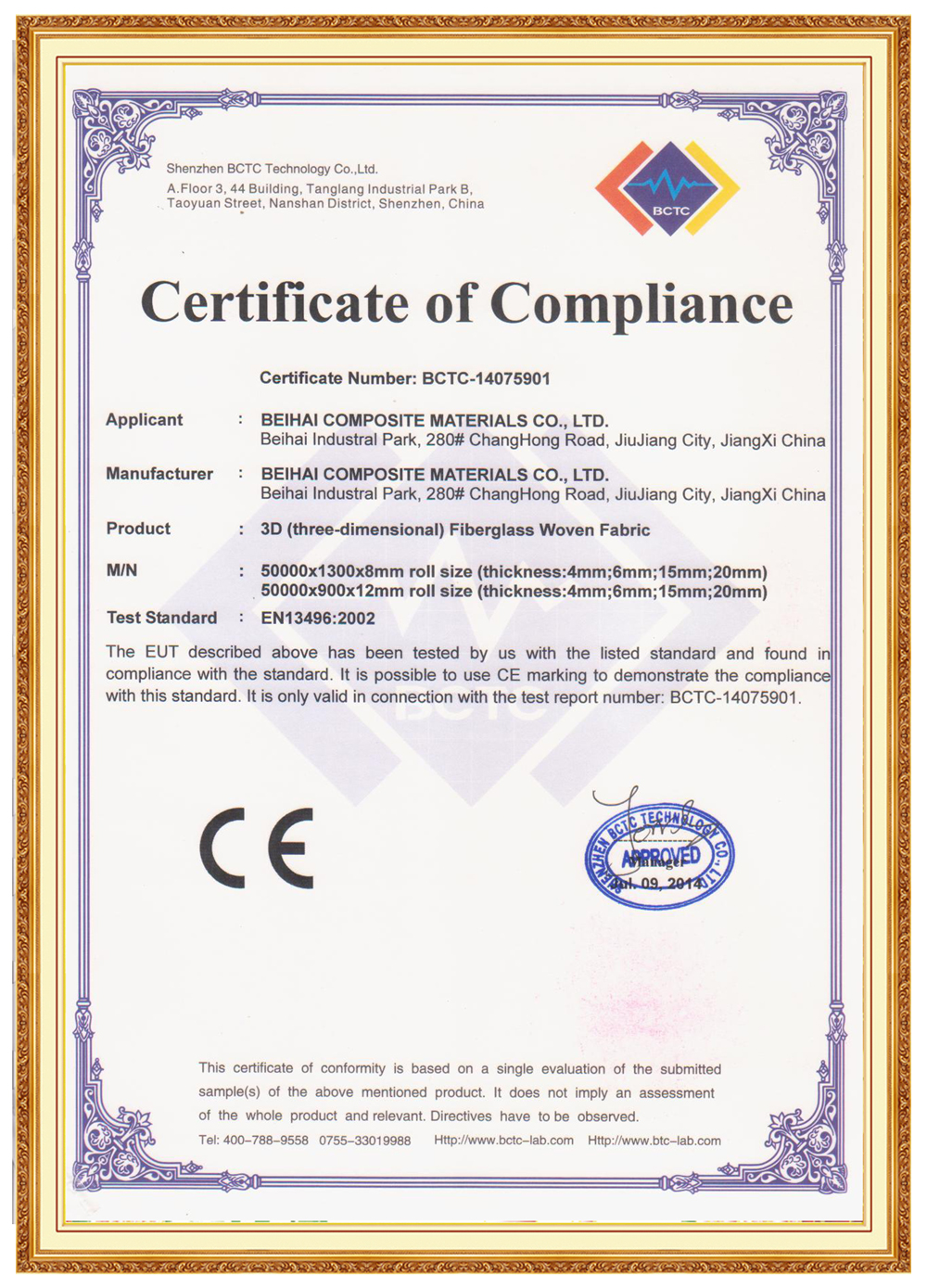
Our products are backed by internationally recognized quality certifications, ensuring compliance with global fire resistance, thermal protection, and structural reinforcement standards.