

Leave Your Message
Precision-engineered basalt fiber products designed to meet the rigorous demands of aerospace engine casing liners and thermal protection layer applications.
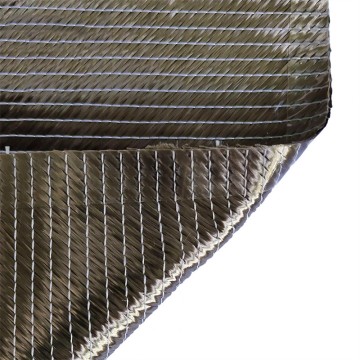 Basalt Fiber Biaxial Fabric +45°/-45° and 0°/90° Series — Aerospace Engine Casing Liner Reinforcement
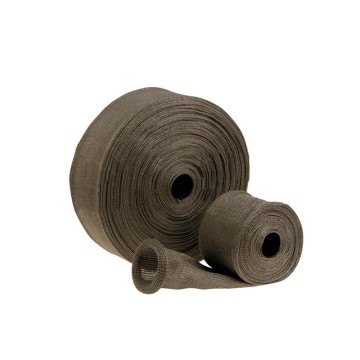 Insulation Basalt Fiber Wrapping Tape and Sleeving — Thermal Protection Layer Solutions
 High Temperature Resistance Basalt Fiber Sleeves And Tape — Engine Casing Thermal Shield
 High-Strength Corrosion-Resistant Basalt Rebar — Aerospace Structural Reinforcement
Understanding the industrial landscape, performance requirements, and transformative potential of advanced fiber reinforcement in aerospace propulsion systems.
The aerospace industry operates at the absolute frontier of materials science. Jet engines and rocket propulsion systems routinely expose structural components to temperatures exceeding 1,000°C, corrosive combustion gases, intense mechanical vibration, and cyclic thermal stress. In this demanding environment, the choice of reinforcement material for engine casing liners and thermal protection layers is not merely an engineering decision — it is a critical safety and performance imperative.
Traditionally, nickel superalloys and titanium steel composites have dominated aerospace engine casing construction. While these materials offer proven thermal stability, they carry significant penalties in weight, cost, and manufacturability. The emergence of basalt fiber rebar and advanced steel hybrid systems represents a paradigm shift — enabling designers to achieve superior thermal insulation, structural integrity, and corrosion resistance at a fraction of the weight and cost of conventional metallic solutions.
Basalt fiber, derived from volcanic rock melted at temperatures between 1,450°C and 1,500°C and drawn into continuous filaments, exhibits a unique combination of properties that make it exceptionally well-suited for aerospace thermal protection applications. When integrated with precision-engineered steel rebar frameworks, the resulting composite systems deliver multi-layered protection that addresses the full spectrum of engine casing liner requirements.
Conventional carbon steel rebar begins to lose structural integrity above 400°C, making it unsuitable for direct application in engine casing environments without extensive protective coatings. Basalt fiber rebar (BFRP), by contrast, maintains mechanical performance at temperatures up to 700°C and beyond, with specialized formulations capable of withstanding short-duration exposure to even higher thermal loads.
Key performance advantages of basalt rebar over conventional steel in aerospace thermal protection contexts include:
Basalt fiber maintains structural integrity at temperatures up to 700°C+, making it ideal for engine casing liner thermal barriers and exhaust channel protection layers.
At 4–5× lighter than steel with comparable tensile strength, basalt rebar enables significant weight reduction in aerospace structural assemblies without compromising load-bearing performance.
Complete immunity to electrochemical corrosion ensures long-term structural reliability in the chemically aggressive environment of jet engine combustion chambers and exhaust systems.
The global aerospace composites market, valued at over USD 35 billion in 2023, is projected to exceed USD 65 billion by 2032, driven primarily by the accelerating adoption of fiber-reinforced materials in propulsion system components. Within this market, the segment addressing engine nacelles, casing liners, and thermal protection systems represents one of the fastest-growing application areas, with compound annual growth rates (CAGR) of 8–11% forecast through the decade.
Leading aerospace OEMs including Boeing, Airbus, GE Aviation, Pratt & Whitney, and Safran have all intensified R&D investment in non-metallic and hybrid composite casing technologies. The primary drivers include:
In this context, basalt fiber reinforcement systems — particularly when combined with ceramic matrix composite (CMC) or polymer matrix composite (PMC) binders — are emerging as a compelling alternative to carbon fiber and glass fiber solutions, offering superior thermal stability at competitive cost points.
The inner liner of a jet engine casing serves as the primary thermal and acoustic barrier between the hot gas path and the outer structural casing. Basalt fiber biaxial fabrics (+45°/-45° and 0°/90° orientations) are increasingly specified for this application due to their ability to provide multi-directional reinforcement against both hoop stress (from combustion pressure) and axial stress (from thrust loads and thermal gradients). The woven architecture of biaxial basalt fabric allows precise fiber angle optimization to match the specific stress state of each liner zone, from the high-temperature combustor section to the cooler fan casing region.
Basalt fiber wrapping tapes and sleeving products are employed as primary thermal protection layers on engine bleed air ducting, fuel supply lines, hydraulic lines, and electrical wiring harnesses routed through high-temperature engine bay zones. The continuous filament structure of basalt fiber sleeving provides a conformable, seamless thermal barrier that maintains insulation performance across complex three-dimensional routing geometries — a capability that rigid metallic or ceramic insulation panels cannot replicate. Temperature ratings of up to 982°C for standard basalt sleeving, and beyond 1,200°C for needled mat constructions, cover the full range of engine bay thermal environments encountered in modern turbofan and turboprop installations.
For applications requiring both the structural continuity of steel and the thermal insulation properties of basalt fiber, hybrid rebar matrices are engineered by co-winding or co-weaving basalt fiber tows with stainless steel wire or Inconel wire reinforcement. These hybrid systems leverage the complementary properties of both materials: steel provides high-temperature creep resistance and dimensional stability under sustained mechanical load, while basalt fiber contributes thermal insulation, corrosion protection, and weight reduction. Such hybrid matrices are finding application in the structural frames of engine nacelle assemblies, turbine containment rings, and afterburner duct liners in military jet aircraft.
The thermal protection systems (TPS) of spacecraft re-entry vehicles must withstand aerodynamic heating rates that can reach tens of megawatts per square meter during atmospheric re-entry. Basalt fiber needled mats and high-density chopped strand reinforced ablative composites are under active development as low-cost TPS alternatives to traditional materials such as PICA (Phenolic Impregnated Carbon Ablator) and SIRCA (Silicone Impregnated Reusable Ceramic Ablator). The natural volcanic origin of basalt fiber gives it an inherent affinity for the high-temperature silicate chemistry of ablative TPS formulations, enabling improved integration between fiber reinforcement and ablative resin matrices.
Emerging technologies and market forces shaping the next generation of basalt fiber reinforcement for engine casing and thermal protection applications.
The transition to ultra-high bypass ratio (UHBR) turbofan engines with turbine inlet temperatures exceeding 2,000°C is driving demand for basalt fiber composite liners capable of providing effective thermal protection at reduced wall thickness and weight. Manufacturers are developing basalt fiber/CMC hybrid systems that combine the formability of fiber reinforcement with the extreme temperature capability of ceramic matrix phases.
The global hypersonic weapons and vehicle development programs across the US, China, Russia, and Europe are creating an urgent market for advanced thermal protection materials. Basalt fiber's natural high-temperature origin and competitive cost structure position it as a candidate material for hypersonic vehicle leading edge protection, control surface thermal barriers, and propulsion system integration structures.
The aerospace industry's net-zero carbon commitments are driving materials selection toward naturally sourced, low-embodied-carbon reinforcement systems. Basalt fiber, produced from abundant volcanic rock without chemical processing, offers a significantly lower carbon footprint than carbon fiber or glass fiber alternatives, aligning with the sustainability mandates of major aerospace OEMs and their supply chains.
Advanced computational design tools, including AI-driven topology optimization and machine learning-based process simulation, are enabling the design of basalt fiber rebar architectures precisely tailored to the three-dimensional stress and thermal gradient fields within specific engine casing geometries. This capability is accelerating the qualification of basalt fiber systems for flight-critical aerospace applications.
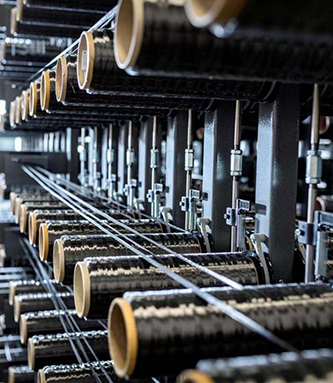
China Beihai is founded in 2015 and located in Jiujiang, Jiangxi Province. China Beihai is a high-tech enterprise focusing on the research, development, production and sales of high-performance basalt continuous fiber and its production equipment manufacturing, as well as a leading enterprise in the domestic basalt fiber industry.

At China Beihai group, we specialize in the production of a wide range of products including basalt fiber mat (Basalt fiber chopped strand mat, Basalt fiber cloth), basalt fiber roving, basalt fiber yarn, basalt fiber chopped strands, and basalt fiber products (Basalt Fiber rebar, basalt fiber sleeves and tape). Our products are designed to meet the diverse needs of various industries, providing high-quality solutions for our customers.

At China Beihai group, we are dedicated to the production of a wide array of basalt-based products, ranging from basalt fiber mat, fabric, and roving to chopped strand and specialized construction materials. Our focus is on delivering high-quality, sustainable solutions for industries such as construction, geotechnical engineering, aerospace, and manufacturing.

Choosing to work with China Beihai means working with a leading manufacturer of basalt products. Our commitment to quality, innovation and sustainability sets us apart, ensuring our customers receive best-in-class solutions for their diverse needs. When you partner with China Beihai, you can trust that you are working with a reliable and forward-thinking partner for all your basalt product needs.
Basalt fiber is ideal for your engineering projects. Its high strength, corrosion resistance and lightweight properties allow it to easily solve a variety of challenges. In buildings, bridges, roads and other infrastructure projects, basalt fibers demonstrate outstanding performance, extending structural life and reducing maintenance costs. Choose basalt fiber, choose reliability and durability.
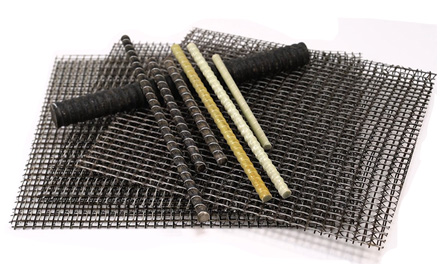
Basalt Fiber Rebar for Reinforcement in Concrete Construction and Aerospace Structural Applications. Basalt fiber rebar is a high-strength alternative to traditional steel bars and is used in a wide range of applications for reinforcing concrete structures in various fields, and its excellent performance makes it ideal for a variety of construction applications such as bridges, highways, buildings and other infrastructure projects — as well as for emerging aerospace thermal protection and structural reinforcement applications.
Find Out More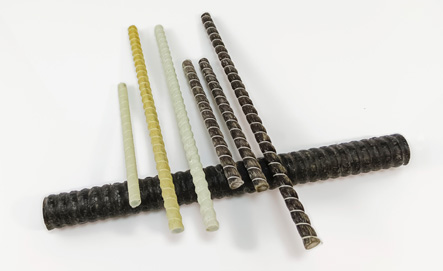
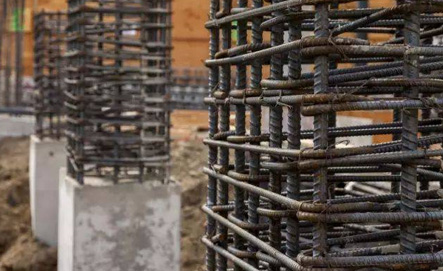
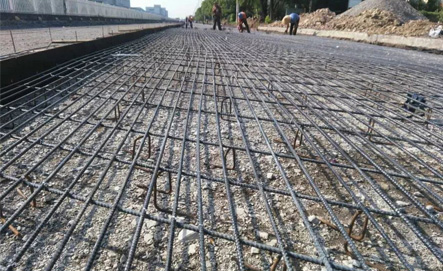
From aerospace engine casing liners and thermal protection systems to civil infrastructure and marine engineering — basalt fiber delivers performance across every demanding sector.

Our basalt products have diverse applications in the field of house construction, providing superior reinforcement and durability.

In the aerospace field, basalt fibers are ideal for manufacturing aircraft wings, engine casing liners, and engine components.

Basalt fibers are used in spacecraft shell materials, thermal protection systems, and high-temperature-resistant components of aircraft engines.

Basalt-added concrete offers increased strength, durability, crack resistance, improved chemical resistance and improved workability.

Basalt fiber composites enable wide application in the automobile field, supporting the trend toward lightweight vehicle materials.

Basalt's high strength, durability and protective properties make it ideal for protecting bridge abutment structures from corrosion and environmental impact.

The corrosion resistance of basalt fiber gives it a unique advantage in the petrochemical field, withstanding aggressive chemical environments.

Basalt fiber composites with lightweight, high strength, corrosion resistance and acid and alkali resistance are ideal for marine structural applications.
Our most specified basalt fiber products for aerospace engine casing liner and thermal protection layer applications.
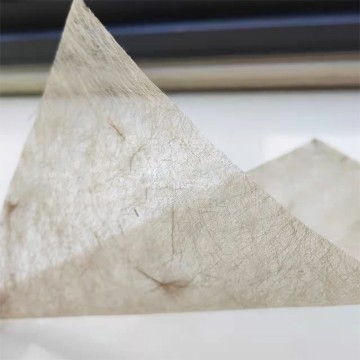
Basalt Fiber Surfacing Tissue Mat is a non-woven thin sheet engineered to provide a smooth resin-rich surface layer for fiber reinforced plastic composites in engine casing liner applications.
read more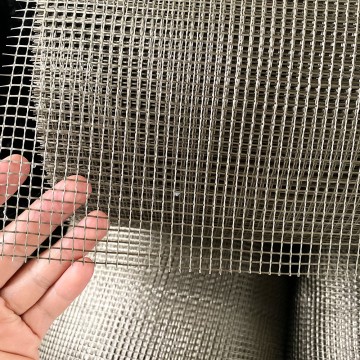
Our high-performance Basalt Fiber Mesh provides a superior reinforcement solution for thermal protection composite structures where high alkali resistance and dimensional stability are critical.
read more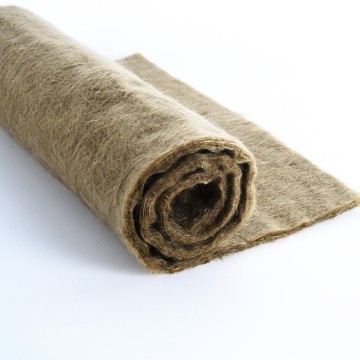
Our Basalt Fiber Needled Mat is a high-density insulation material manufactured by mechanically bonding continuous basalt fibers, providing outstanding thermal protection for engine casing assemblies.
read more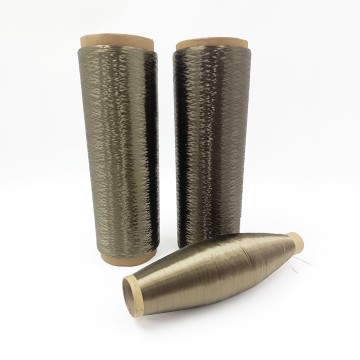
Our Basalt Fiber Twisted Yarn is engineered for weaving and sewing applications in high-temperature engine casing liner constructions, delivering exceptional mechanical strength and process stability.
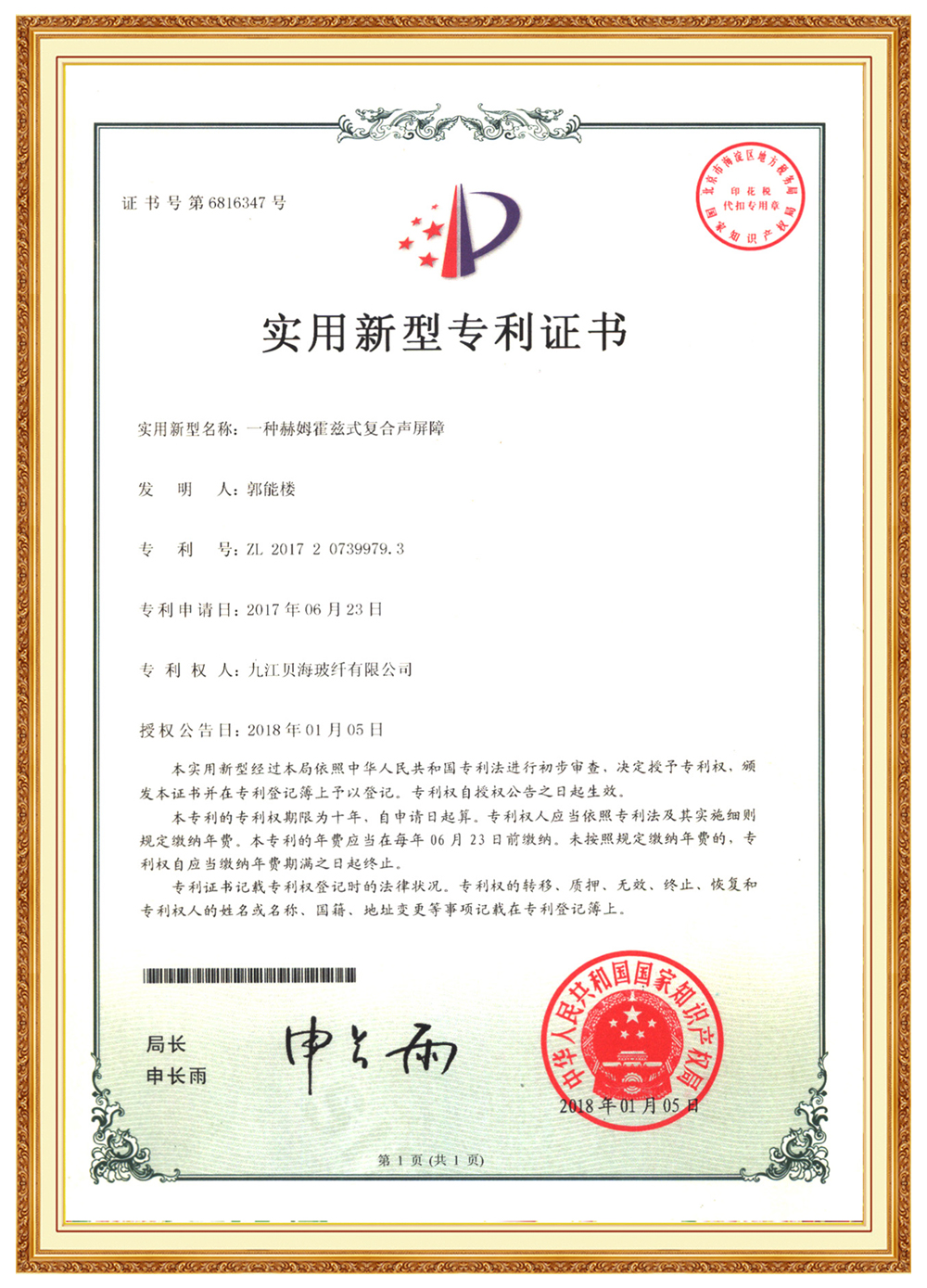
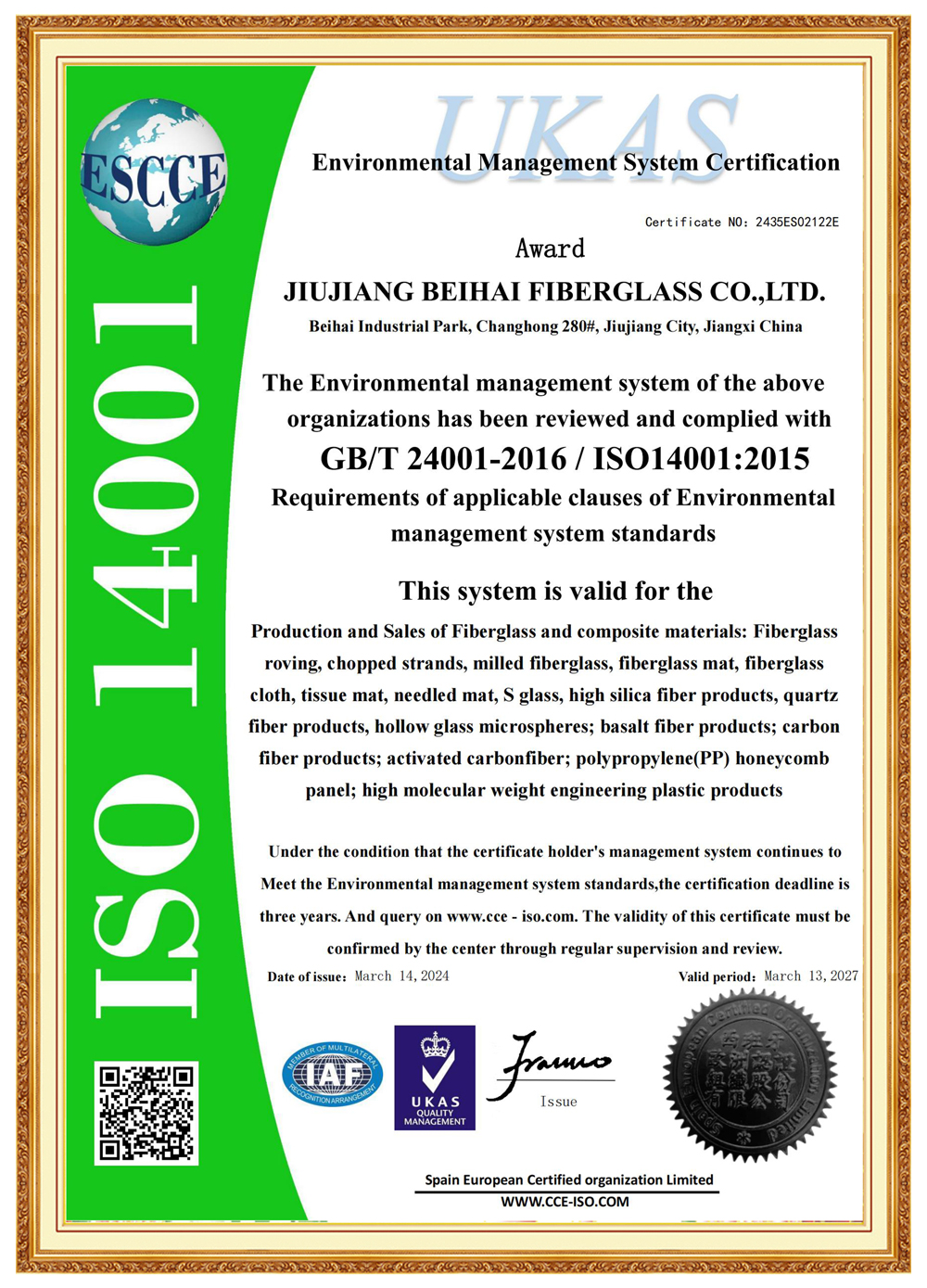
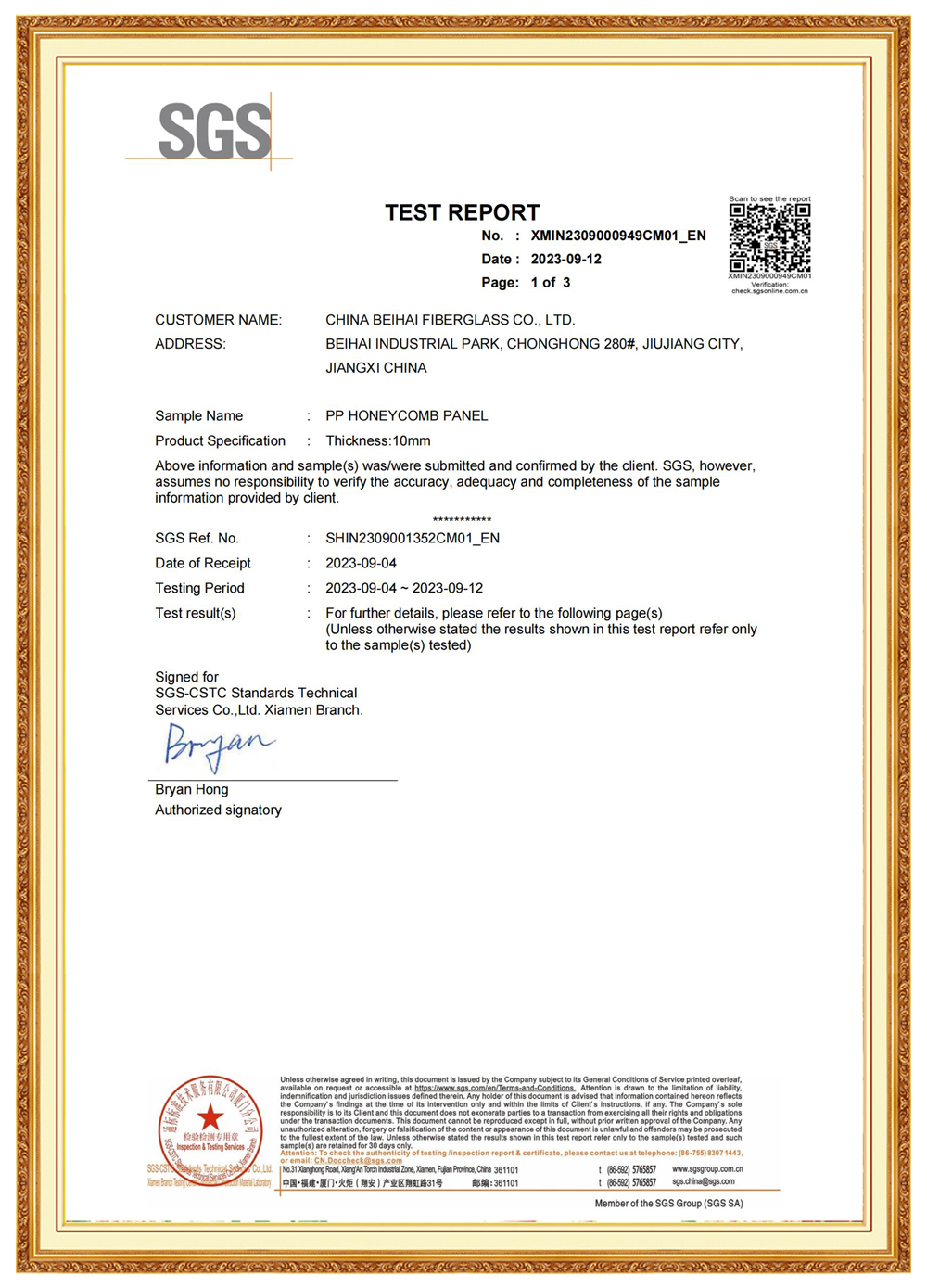
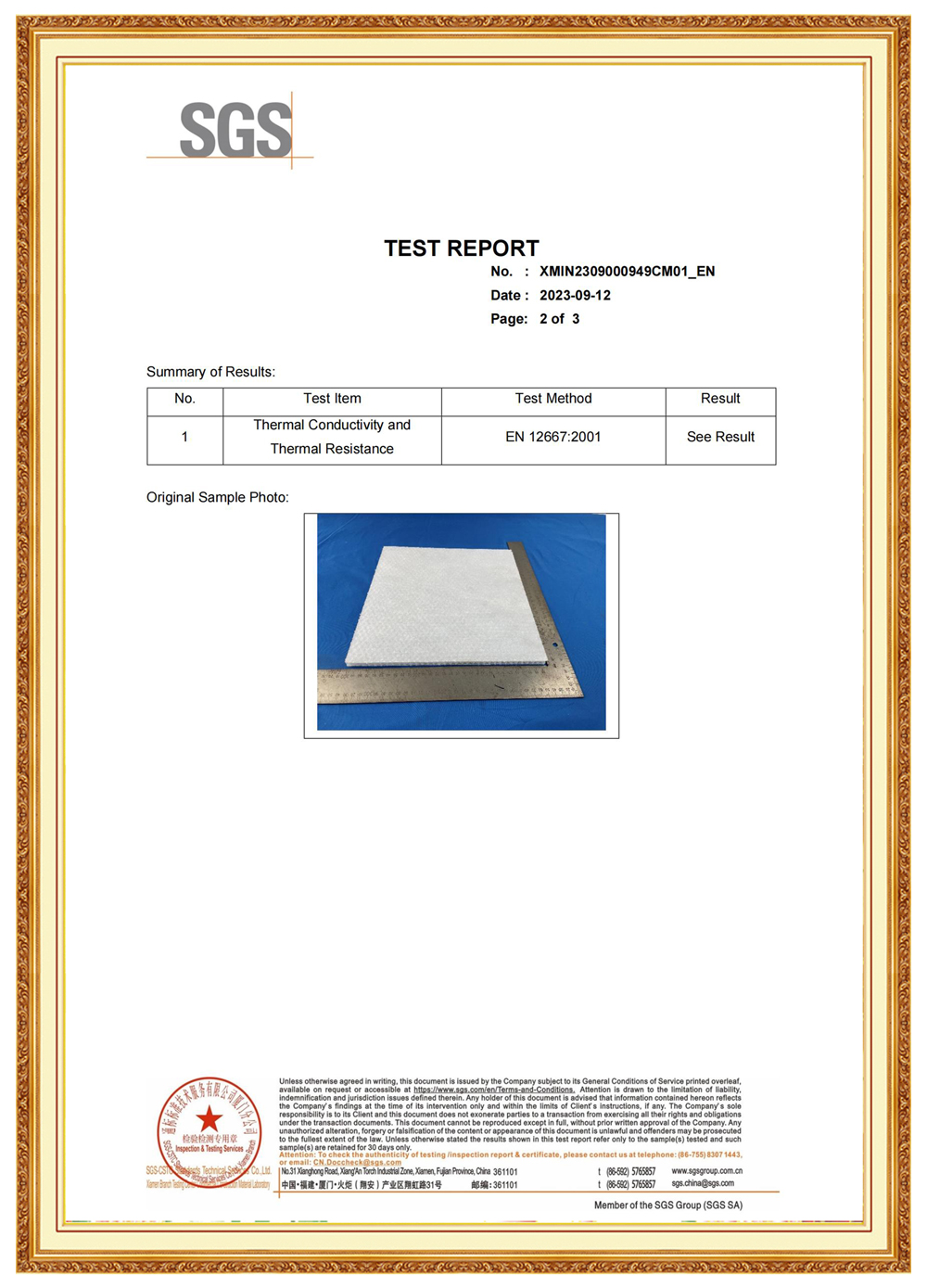
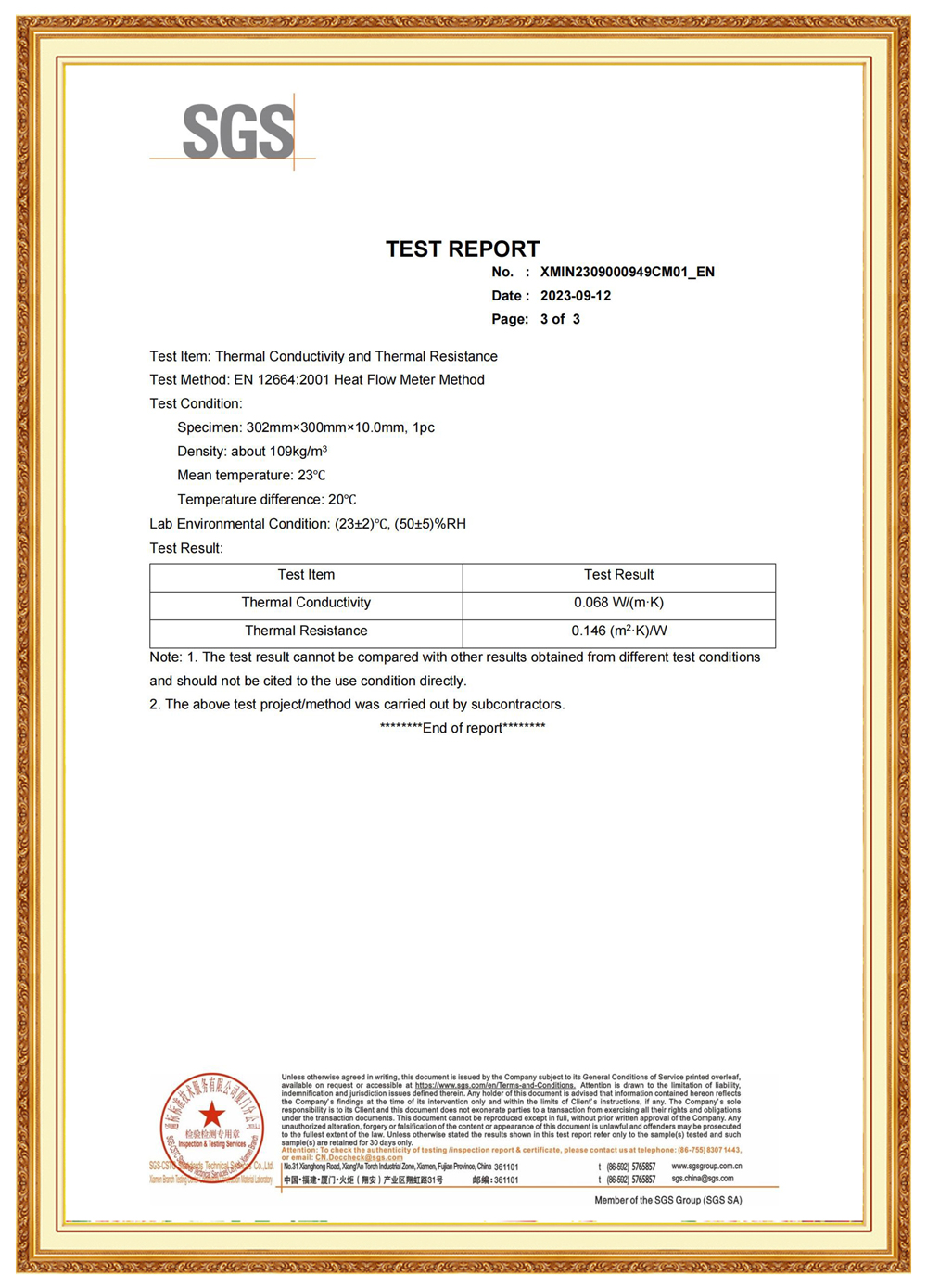
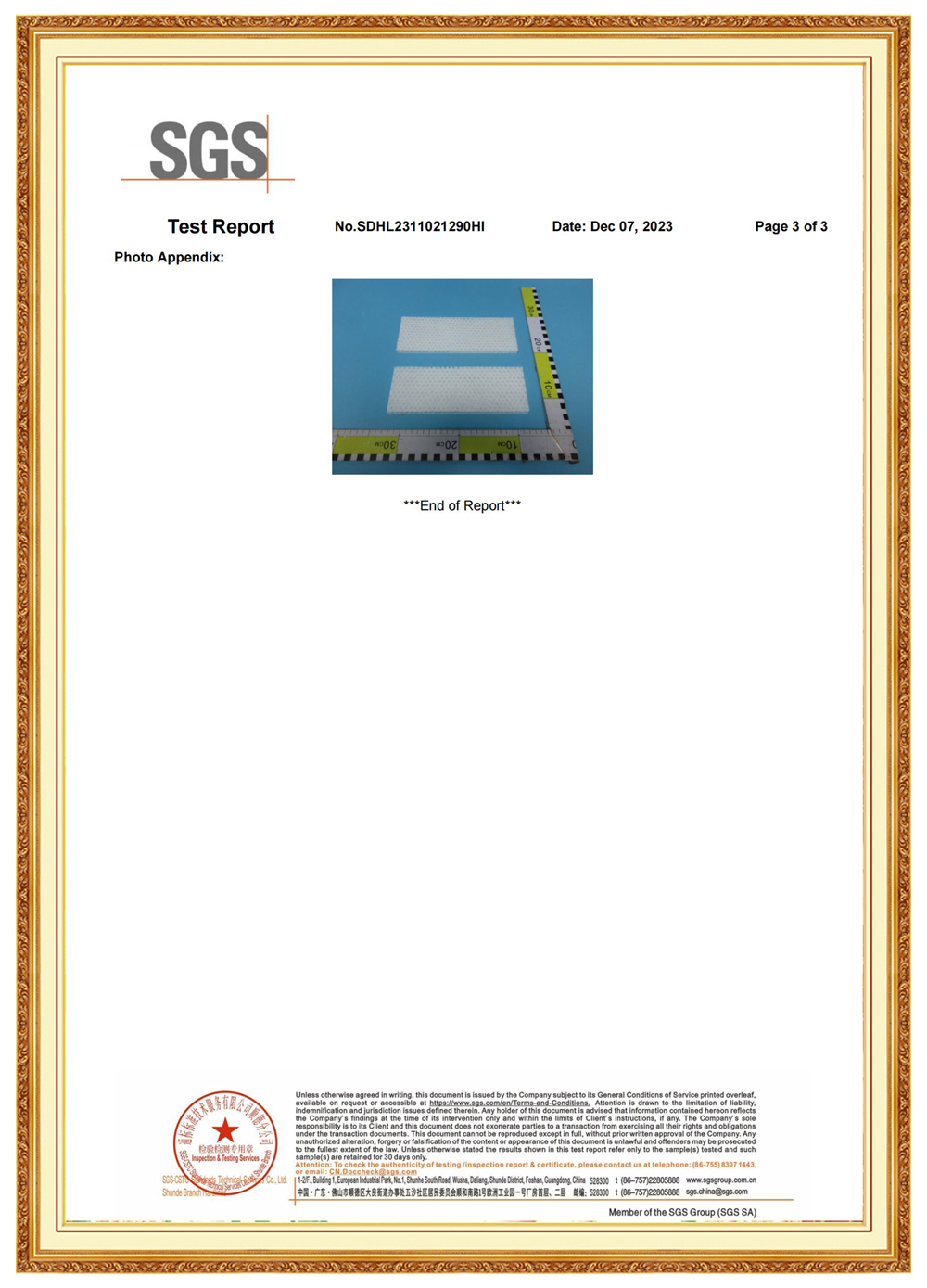
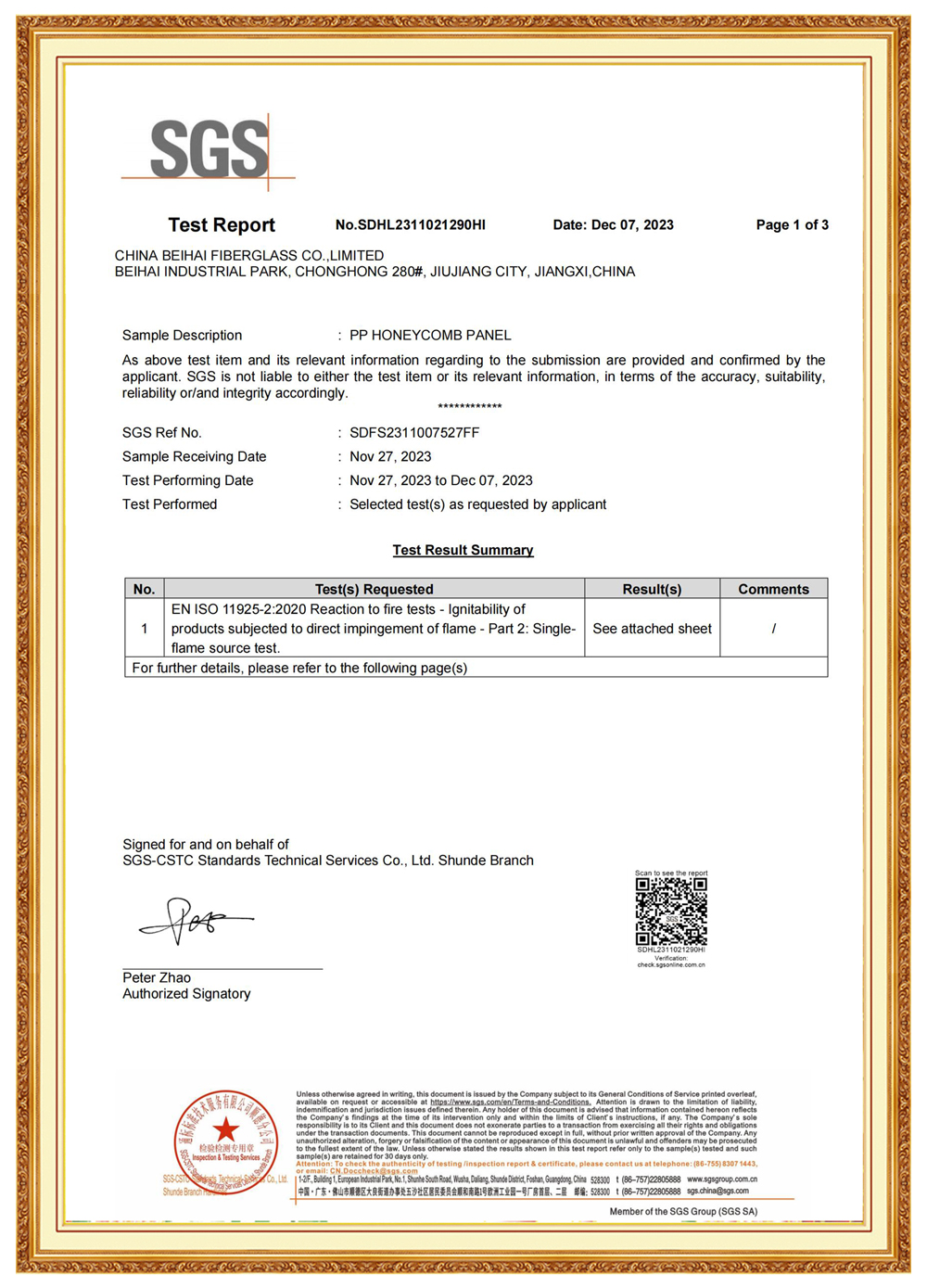
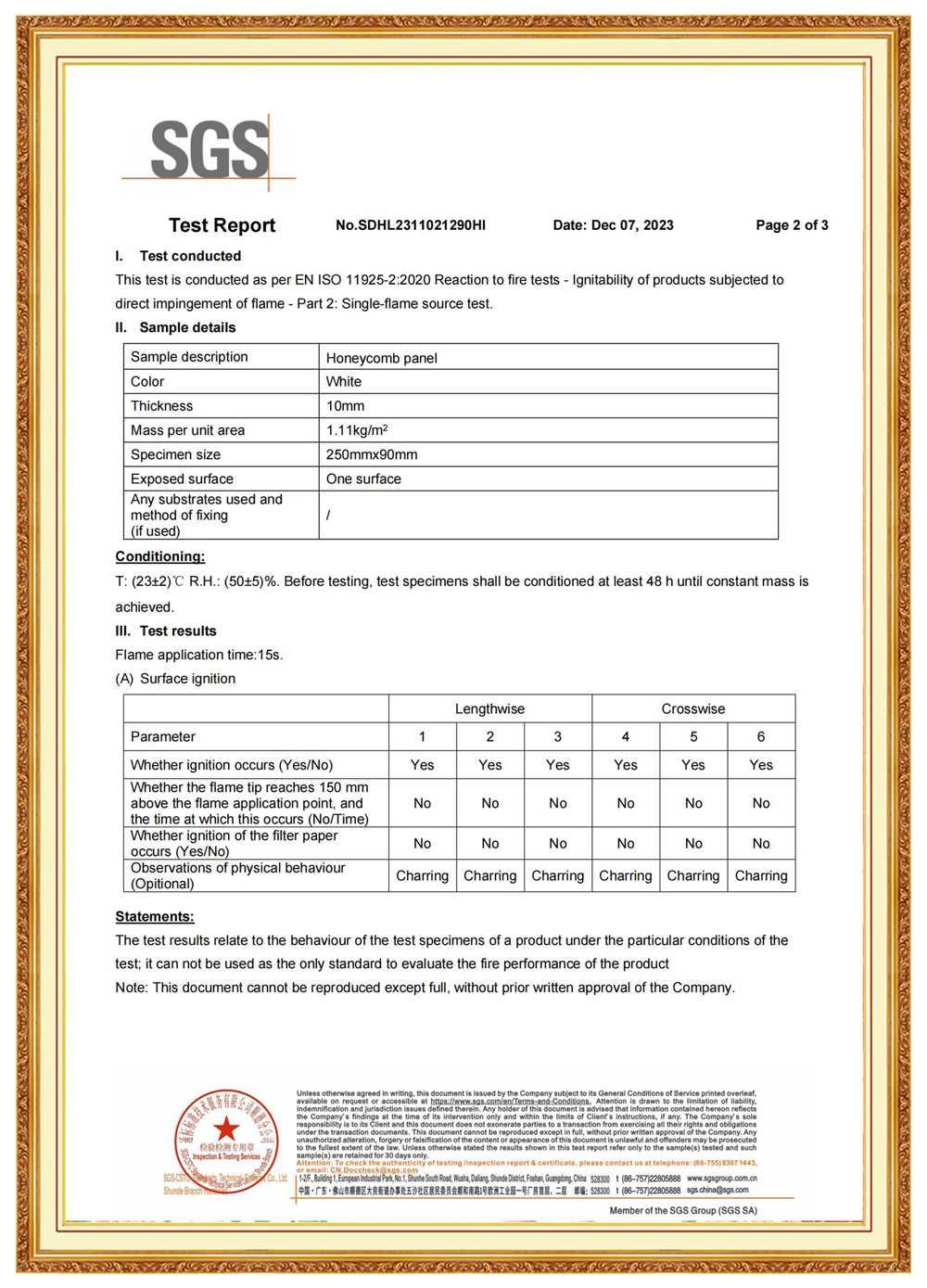
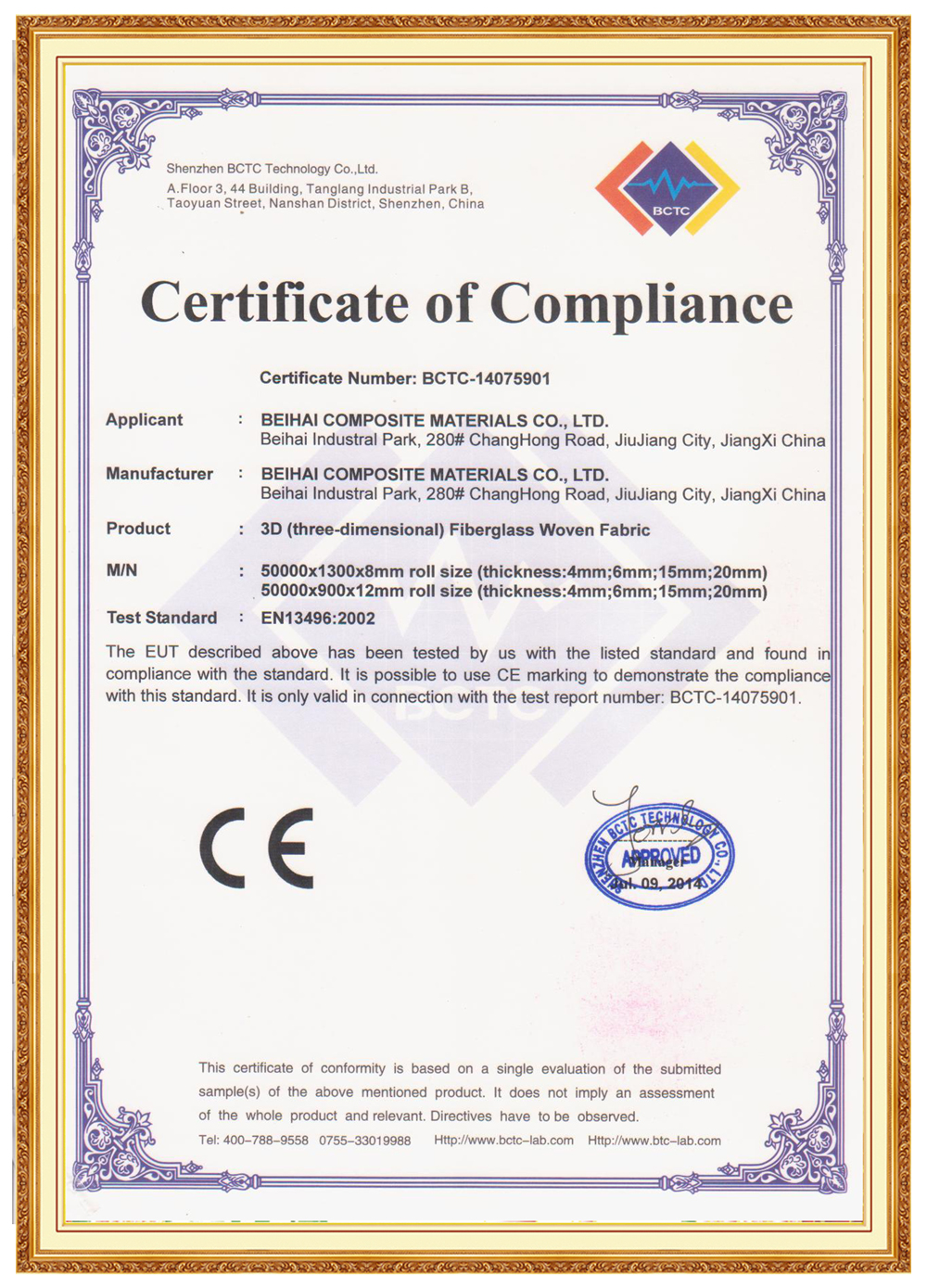
read moreChina Beihai's basalt fiber products are backed by internationally recognized quality certifications, ensuring compliance with aerospace-grade material standards.

Stay updated with the latest developments in basalt fiber technology and aerospace materials innovation.
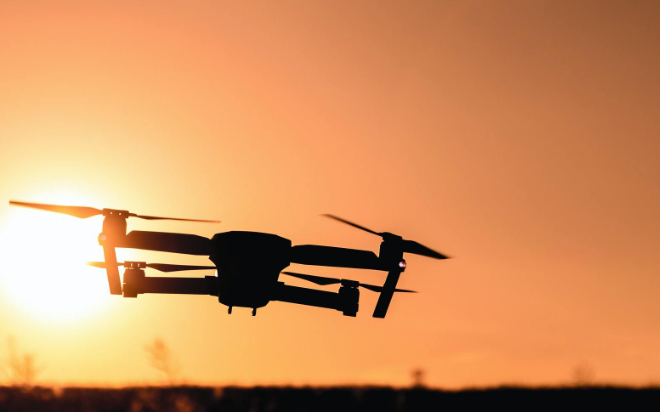
As drones slice through the sky to monitor wildfires, and intelligent robots execute repetitive tasks with precision on the factory floor, the efficient operation of this smart equipment is often underpinned by a novel material derived from volcanic rock — basalt fiber. Though unassuming in appearance, its unique properties have made it the key to unlocking the performance limits of drones and robots, quietly driving a materials revolution within the realm of intelligent equipment.
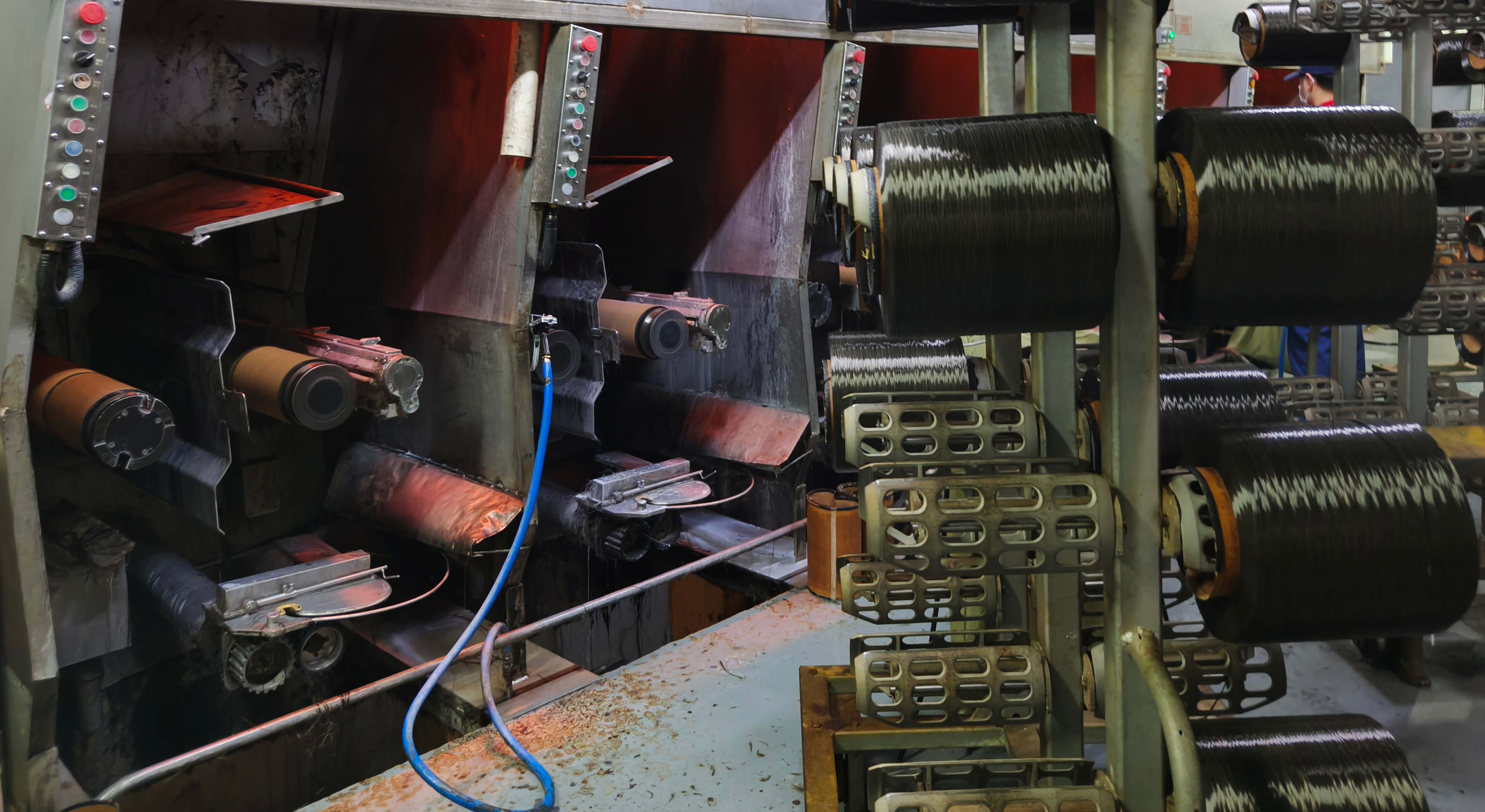
Basalt fiber is an inorganic fibrous material produced by drawing strands from natural basalt ore after it has been melted at high temperatures, demonstrating unique value in numerous applications that demand resilience against extreme temperatures.
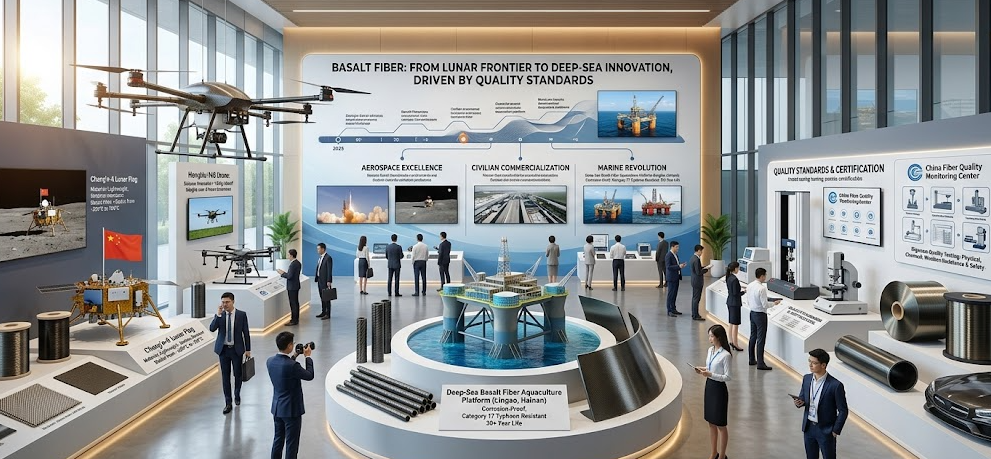
With the successful realization of major applications such as the Chang'e-6 lunar exploration mission and the world's first deep-sea basalt fiber aquaculture platform, basalt fiber is rapidly accelerating its transformation into a strategic new material.
Explore our full portfolio of basalt fiber rebar and reinforcement products engineered for aerospace engine casing liners, thermal protection layers, and high-performance structural reinforcement.
Basalt Fiber Biaxial Fabric +45°/-45° and 0°/90° Series — Engine Casing Liner Reinforcement
Insulation Basalt Fiber Wrapping Tape and Sleeving — Thermal Protection Layer Solutions
High Temperature Resistance Basalt Fiber Sleeves And Tape — Aerospace Engine Thermal Shield
High-Strength Corrosion-Resistant Basalt Rebar — Aerospace Structural Reinforcement
 Wear-Resistant Basalt Fiber Rebar — Aerospace Engine Casing Liner Systems
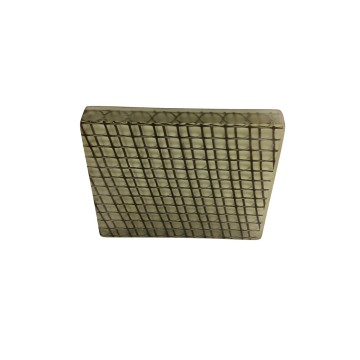 High Tensile Strength 3D Basalt Fiber Mesh — Thermal Protection Layer & Composite Reinforcement
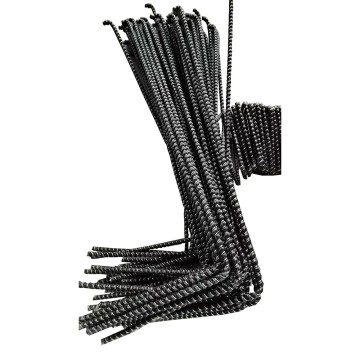 High Temperature Resistant Basalt Rebar — Aerospace Engine Casing & Thermal System Applications
 Basalt Rebar for Bridge, Road Construction & Aerospace Structural Reinforcement