
Leave Your Message
High-performance basalt fiber solutions engineered for structural reinforcement, thermal insulation and composite enhancement
The global construction and infrastructure sector represents one of the largest consumers of reinforcing materials. Traditional steel rebar has long been the backbone of concrete reinforcement — from residential buildings to mega-scale bridges, tunnels and marine structures. The global rebar market was valued at over USD 220 billion in 2023 and continues to grow steadily, driven by rapid urbanization across Asia-Pacific, the Middle East and Africa, as well as large-scale infrastructure renewal programs in developed economies.
However, conventional steel rebar faces persistent challenges: susceptibility to corrosion in chloride-rich and alkaline environments, significant self-weight adding to structural loads, electromagnetic interference issues in sensitive facilities, and rising carbon footprints associated with steel production. These pain points have accelerated the adoption of next-generation composite reinforcement materials — most notably basalt fiber rebar — as a technically superior and environmentally responsible alternative.
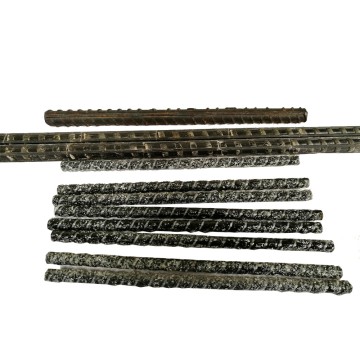
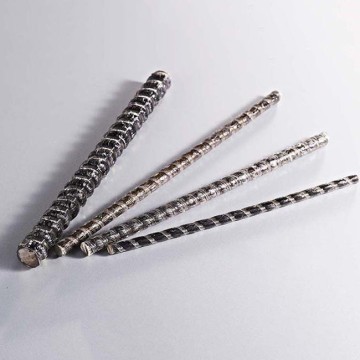
Basalt fiber rebar delivers tensile strength 2–3× higher than conventional steel rebar at just one-quarter of the weight, while eliminating corrosion-related maintenance costs that account for up to 30% of total lifecycle expenditure in aggressive environments.
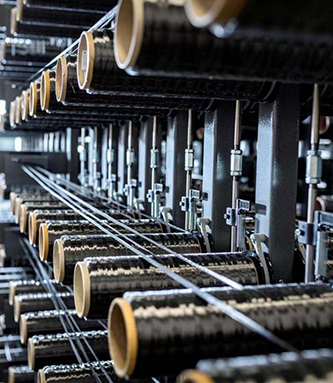
From green construction mandates to smart infrastructure, discover the forces driving material innovation
Global net-zero commitments are pushing contractors and specifiers to replace carbon-intensive steel with low-embodied-carbon alternatives. Basalt fiber rebar production emits significantly less CO₂ than steel manufacturing, aligning with ESG reporting requirements and green building certifications such as LEED and BREEAM.
Next-generation infrastructure increasingly incorporates embedded sensors for structural health monitoring. Unlike steel, basalt fiber rebar is electromagnetically transparent, making it ideal for structures housing MRI facilities, radar installations, toll systems and IoT-enabled smart bridges where signal interference must be eliminated.
Billions of dollars are being invested in offshore wind foundations, coastal sea walls, port terminals and subsea tunnels. These environments subject conventional steel to extreme chloride-induced corrosion. Basalt fiber rebar's inherent chemical inertness makes it the material of choice for structures in seawater and saline soil conditions.
The shift toward off-site prefabrication demands lighter reinforcement materials to reduce transport costs and improve handling safety. Basalt fiber rebar, being one-quarter the weight of steel, dramatically simplifies logistics, reduces crane loads on site and accelerates assembly timelines for modular building systems.
Aging road, bridge and tunnel stock in North America and Europe represents a multi-trillion-dollar rehabilitation opportunity. Basalt fiber cloth, mesh and rebar are increasingly specified for repair and strengthening of deteriorated concrete structures, offering a durable, lightweight solution that extends service life by decades.
Regulatory bodies including ASTM, ISO and national standards organizations are progressively incorporating FRP (fiber reinforced polymer) rebar specifications. This growing codification is removing the last major barrier to mainstream adoption of basalt fiber rebar in public infrastructure projects globally.
Basalt fiber rebar and composite products are transforming how we build across every major infrastructure sector
Bridge structures in coastal and de-icing salt environments suffer from severe chloride-induced corrosion of steel rebar, leading to concrete spalling and premature structural failure. Basalt fiber rebar eliminates this failure mode entirely. Its high tensile strength, zero corrosion potential and low thermal expansion coefficient make it the optimal reinforcement for bridge decks, pier caps and approach slabs. Several major highway authorities in Europe and North America have completed pilot bridge projects using basalt rebar, reporting maintenance cost reductions of 40–60% over 20-year periods.
In high-rise construction, reducing structural dead load is critical for optimizing foundation design and seismic performance. Basalt fiber reinforced concrete slabs and walls deliver equivalent structural capacity at reduced weight, enabling taller structures on constrained urban sites. The material's non-magnetic and electrically non-conductive properties are particularly valued in data centers, hospitals and financial trading floors where electromagnetic cleanliness is paramount.
Tunnel environments combine high humidity, chemical groundwater exposure and mechanical stress — a combination that rapidly degrades steel reinforcement. Basalt fiber rebar and mesh provide a corrosion-immune reinforcement solution for tunnel linings, metro station structures and underground car parks. The material's compatibility with shotcrete application processes further streamlines tunnel construction workflows.
Continuously reinforced concrete pavements (CRCP) for highways and airport runways benefit significantly from basalt fiber reinforcement. The material's high modulus of elasticity controls crack width, while its corrosion immunity eliminates the pumping and blow-up failures associated with corroded steel in CRCP. Several international airport authorities are evaluating basalt rebar for runway reconstruction projects targeting 60-year design lives.
Marine infrastructure demands materials that can withstand continuous seawater immersion, tidal cycling and biofouling. Basalt fiber rebar's complete immunity to chloride-induced corrosion, combined with its high tensile strength, makes it the definitive reinforcement choice for sea walls, jetties, breakwaters and floating pontoons. Lifecycle cost analyses consistently show 30–50% total cost savings versus conventionally reinforced equivalents when accounting for avoided maintenance and replacement costs.
Wastewater treatment plants, desalination facilities and chemical storage tanks operate in highly aggressive chemical environments that destroy conventional steel reinforcement within years. Basalt fiber rebar maintains full structural integrity in pH ranges from 2 to 13, making it the preferred reinforcement for tank walls, clarifier structures and chemical containment bunds where long-term chemical resistance is non-negotiable.
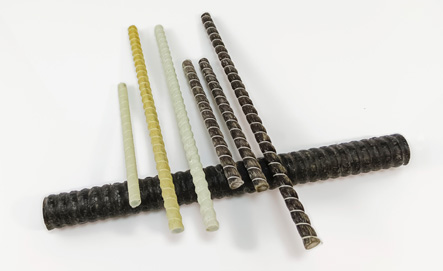
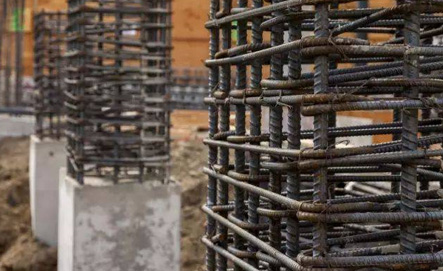
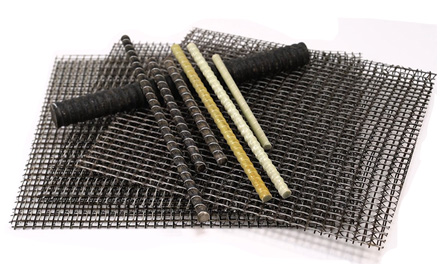
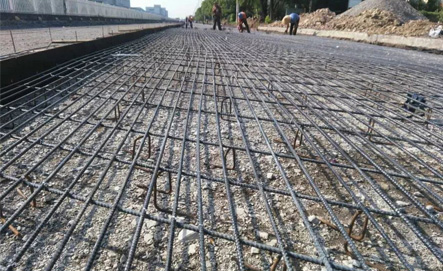
Basalt fiber is ideal for your engineering projects. Its high strength, corrosion resistance and lightweight properties allow it to easily solve a variety of challenges in buildings, bridges, roads and other infrastructure projects.








Engineered basalt fiber materials delivering superior performance across structural, thermal and composite applications
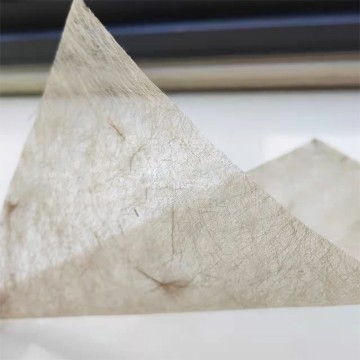
Basalt Fiber Surfacing Tissue Mat is a non-woven thin sheet engineered to provide a smooth resin-rich surface layer for fiber reinforced plastic applications.
Read More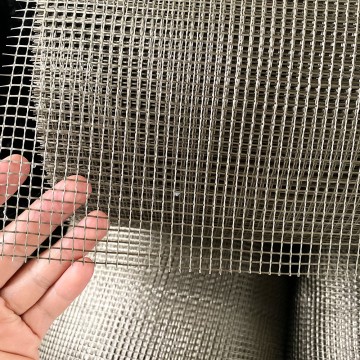
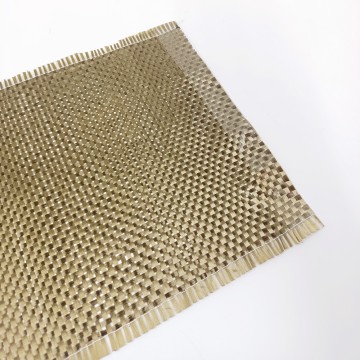
High-performance Basalt Fiber Mesh providing superior reinforcement for concrete and plaster applications with high alkali resistance.
Read More
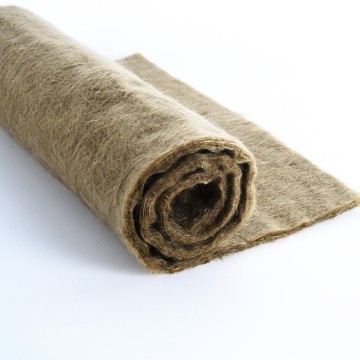
High-density insulation material manufactured by mechanically bonding continuous basalt fibers without any chemical binders.
Read More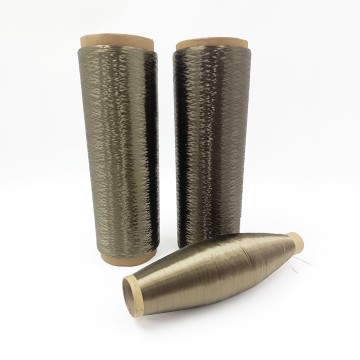
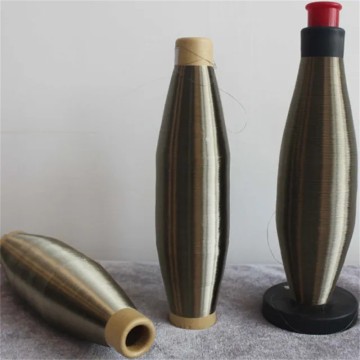
Engineered by twisting multiple continuous filaments to enhance mechanical strength and processing stability for high-temperature sewing applications.
Read More
China Beihai is founded in 2015 and located in Jiujiang, Jiangxi Province. China Beihai is a high-tech enterprise focusing on the research, development, production and sales of high-performance basalt continuous fiber and its production equipment manufacturing, as well as a leading enterprise in the domestic basalt fiber industry.
View More
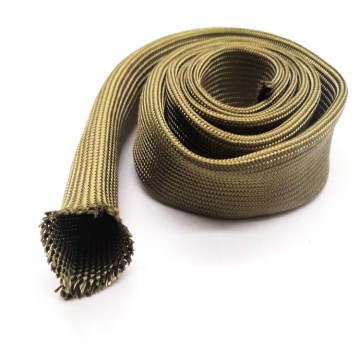
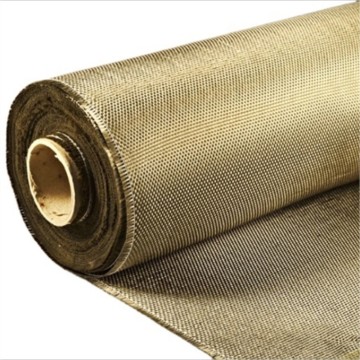
At China Beihai group, we specialize in the production of a wide range of products including basalt fiber mat, basalt fiber cloth, basalt fiber roving, basalt fiber yarn, basalt fiber chopped strands, basalt fiber rebar, basalt fiber sleeves and tape. Our products are designed to meet the diverse needs of various industries, providing high-quality solutions for our customers.

At China Beihai group, we are dedicated to the production of a wide array of basalt-based products. Our focus is on delivering high-quality, sustainable solutions for industries such as construction, geotechnical engineering, and manufacturing. With a commitment to innovation and excellence, we strive to cater to the unique requirements of our clients.

Choosing to work with China Beihai means working with a leading manufacturer of basalt products. Our commitment to quality, innovation and sustainability sets us apart, ensuring our customers receive best-in-class solutions. When you partner with China Beihai, you can trust that you are working with a reliable and forward-thinking supplier for all your basalt product needs.
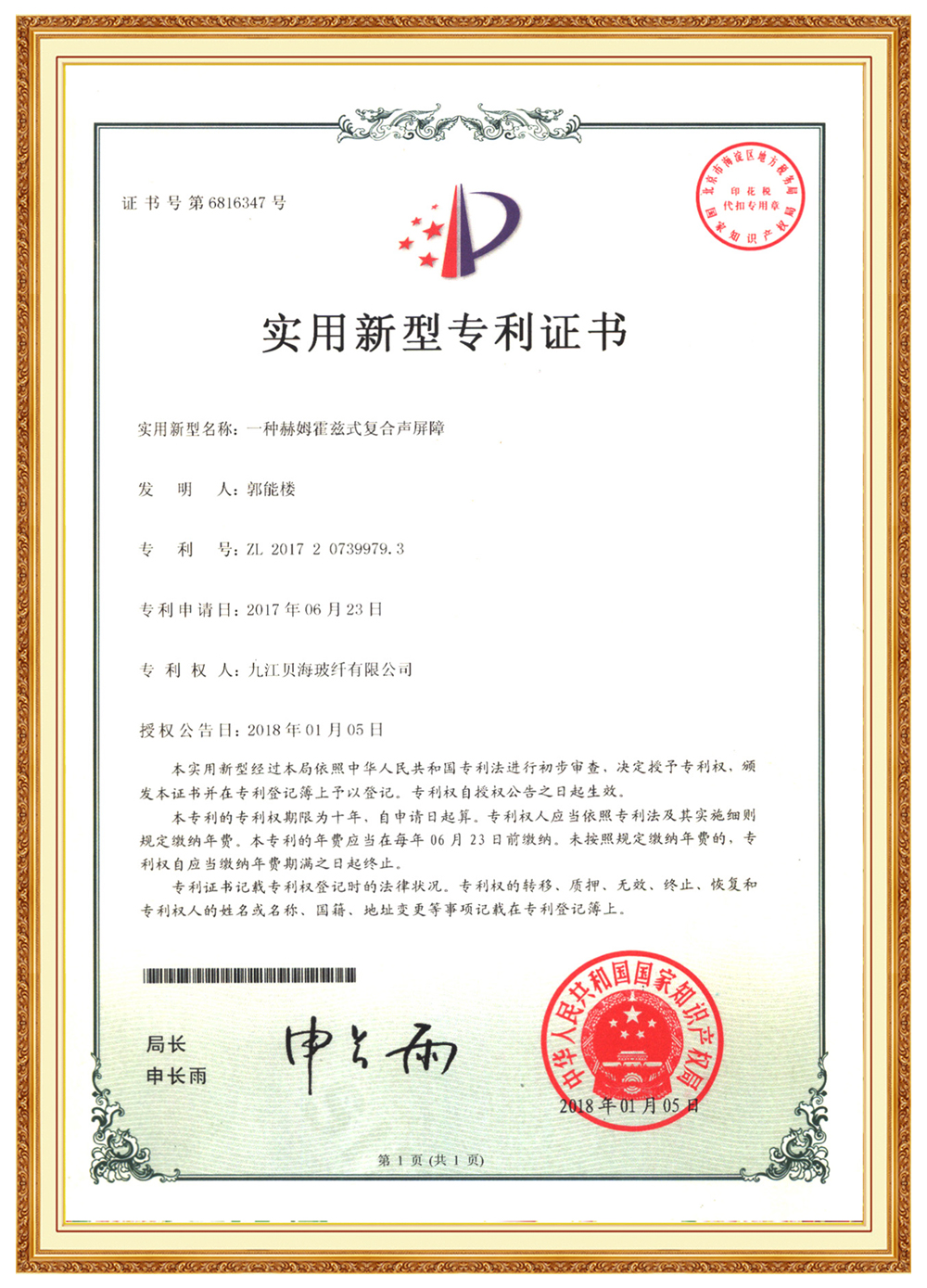
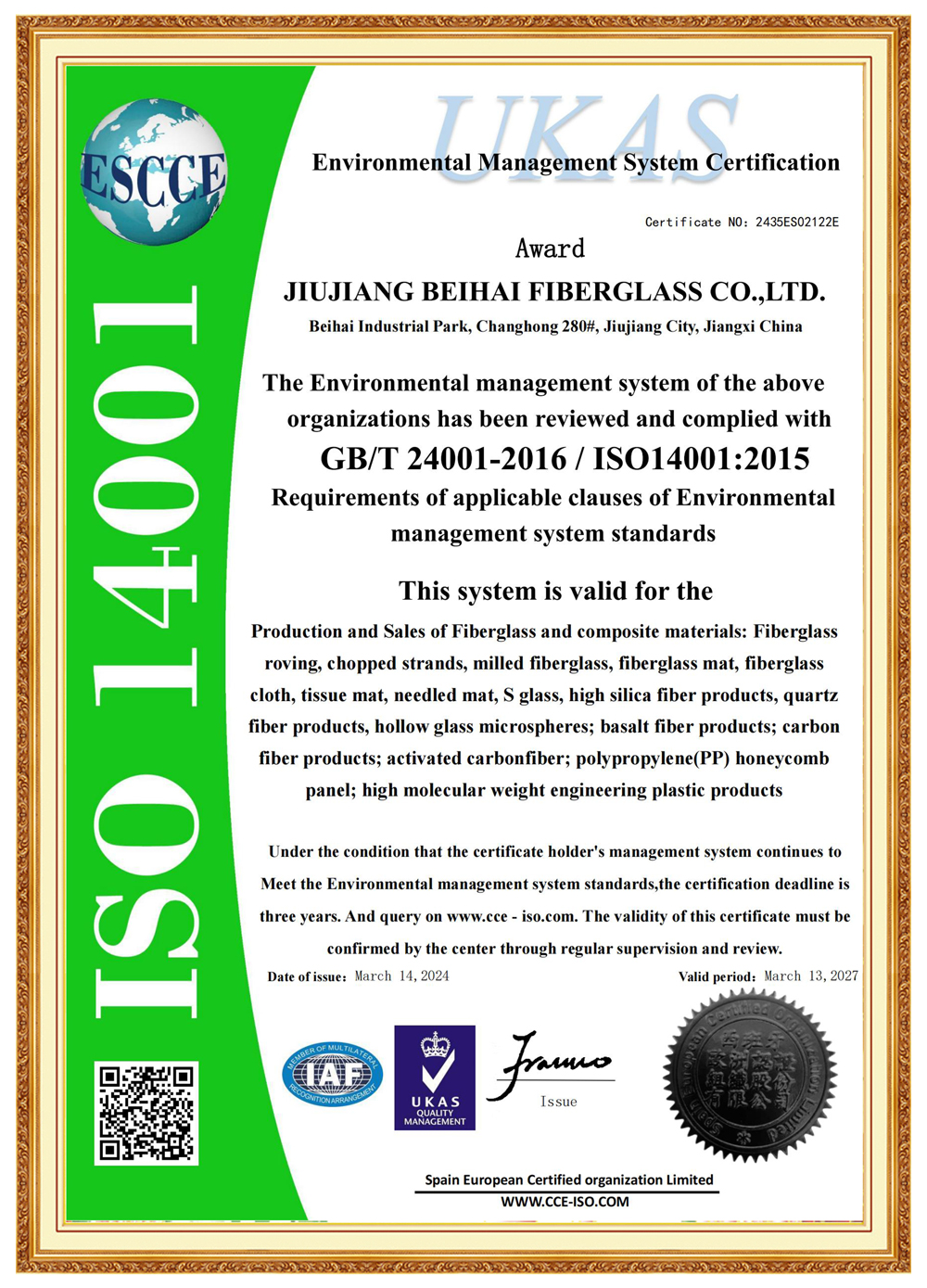
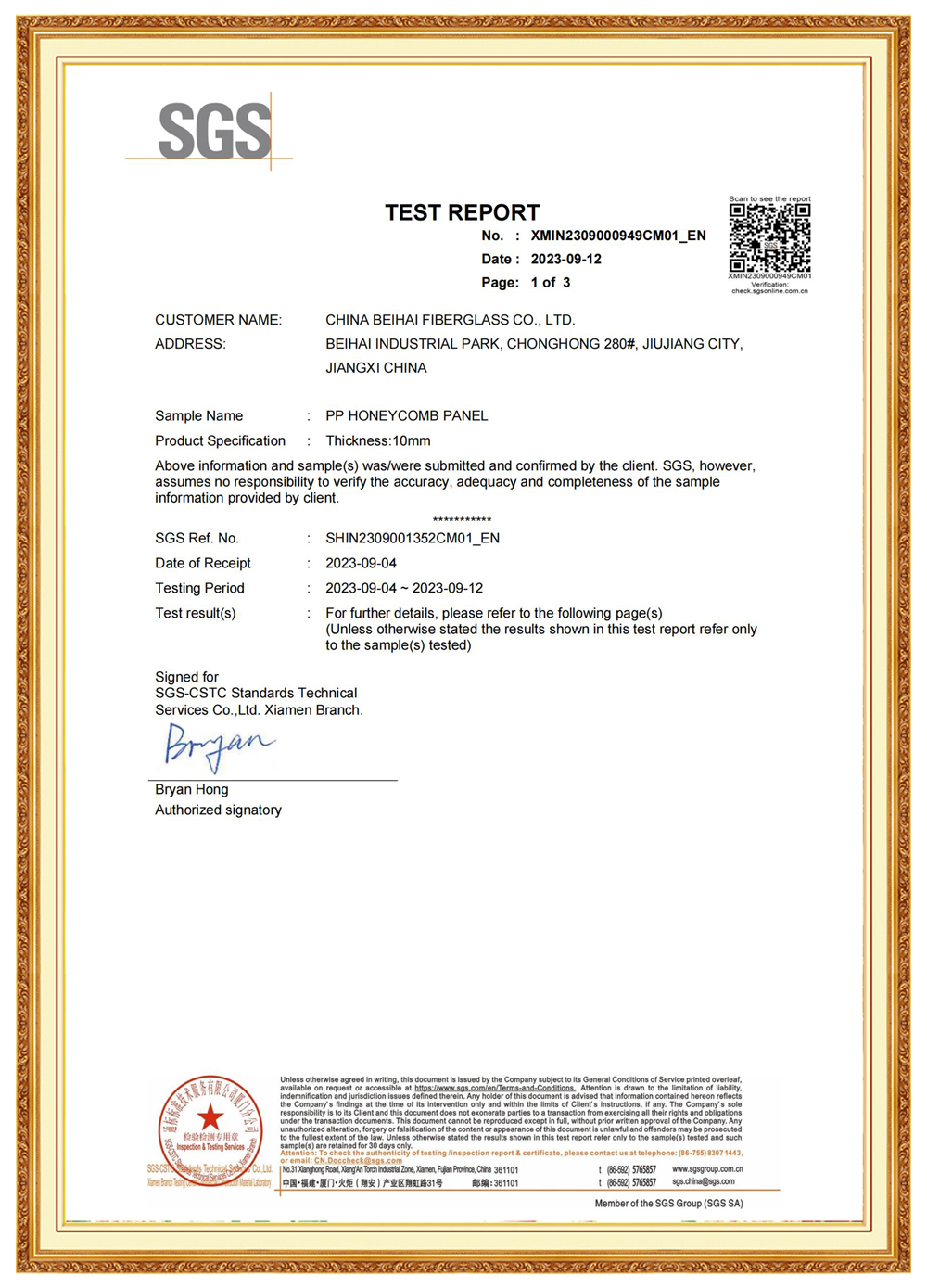
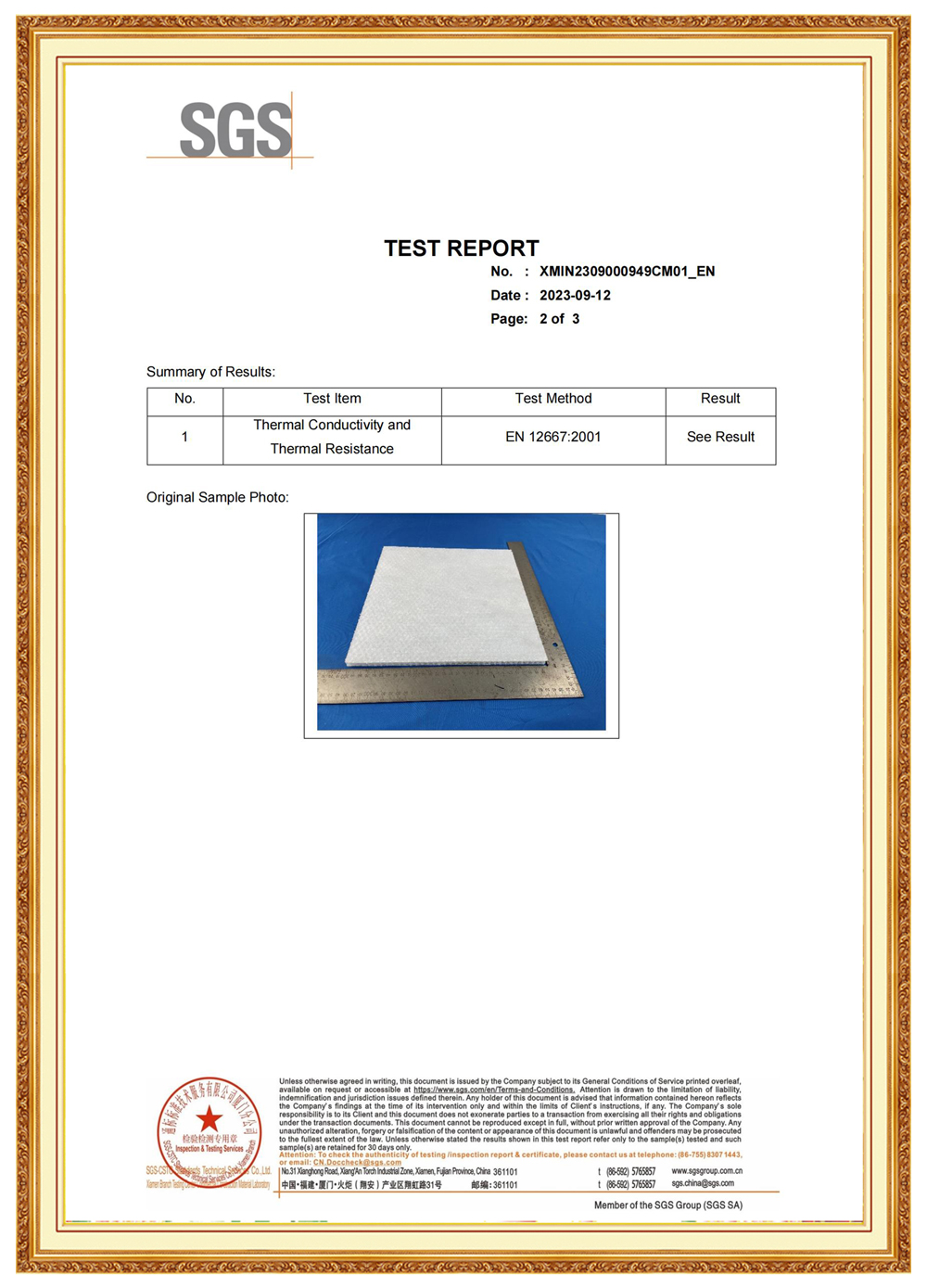
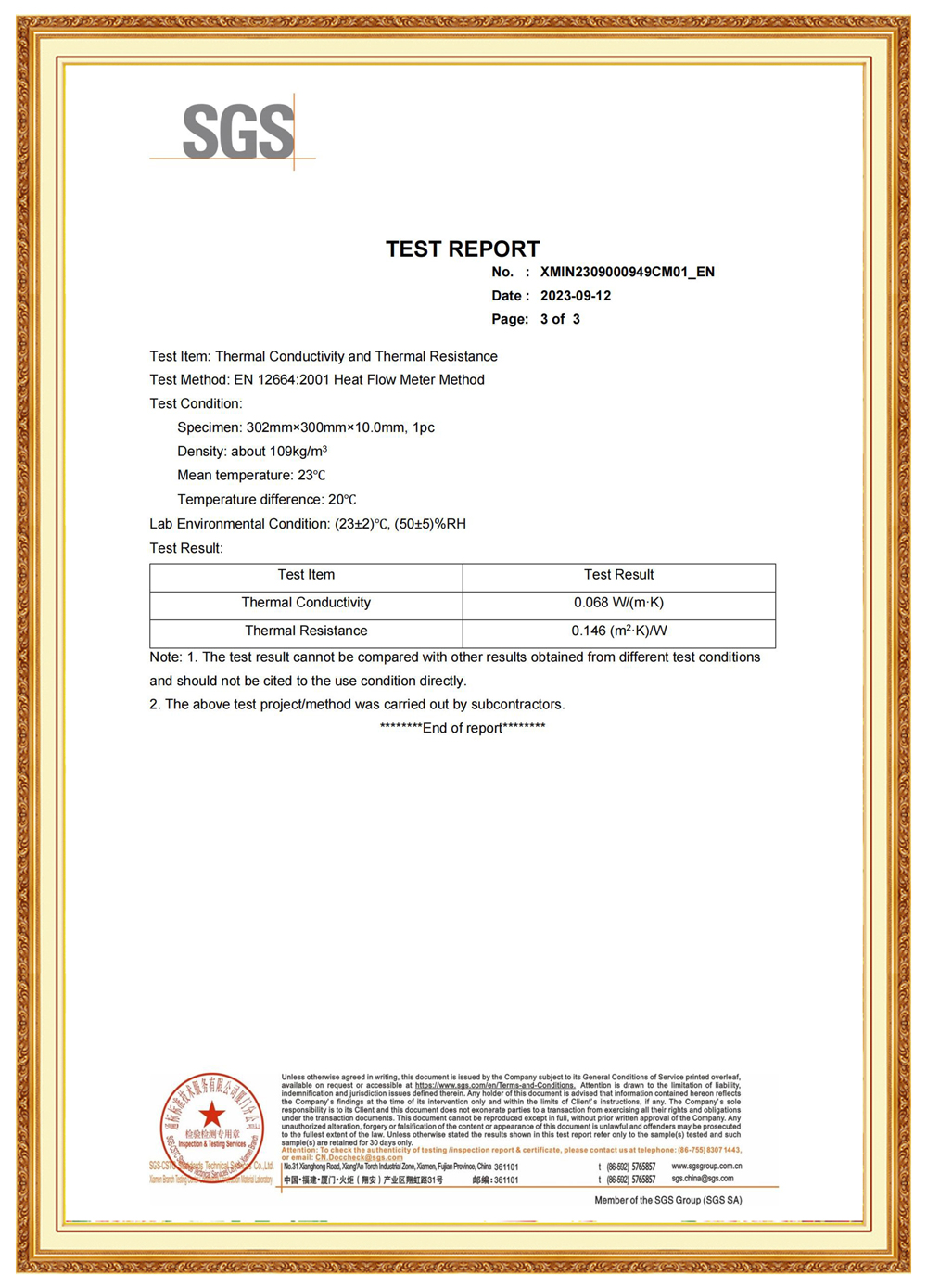
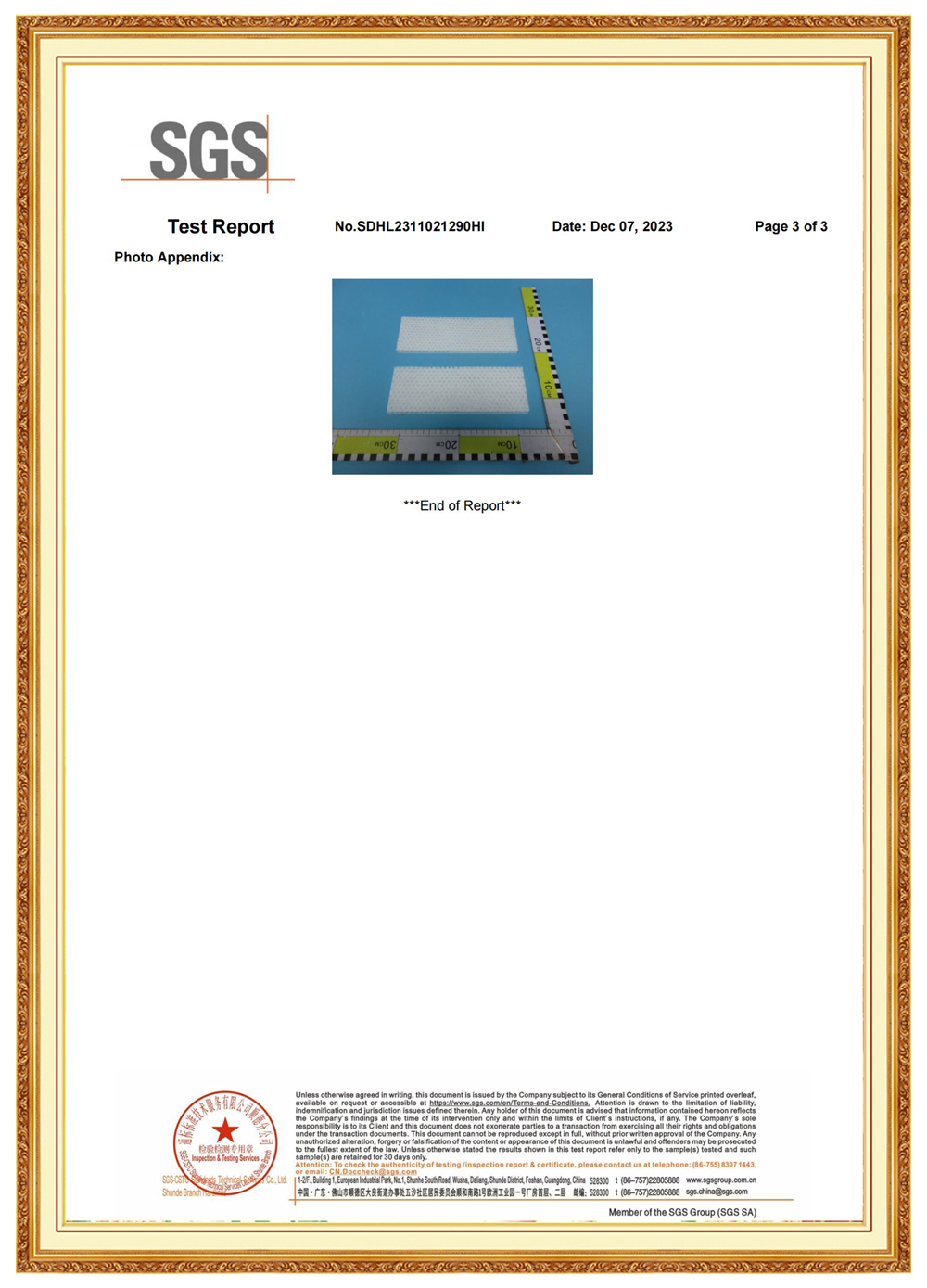
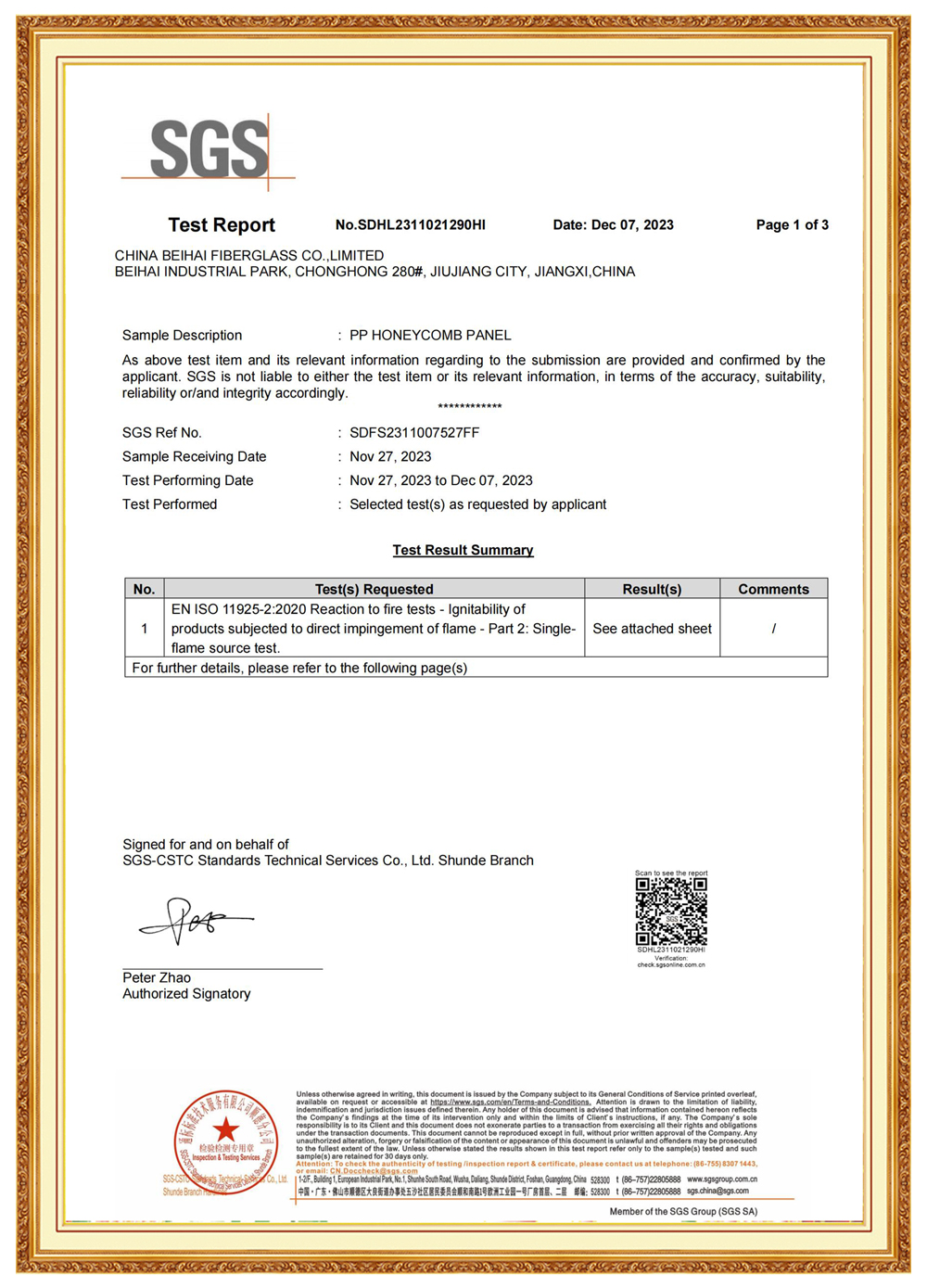
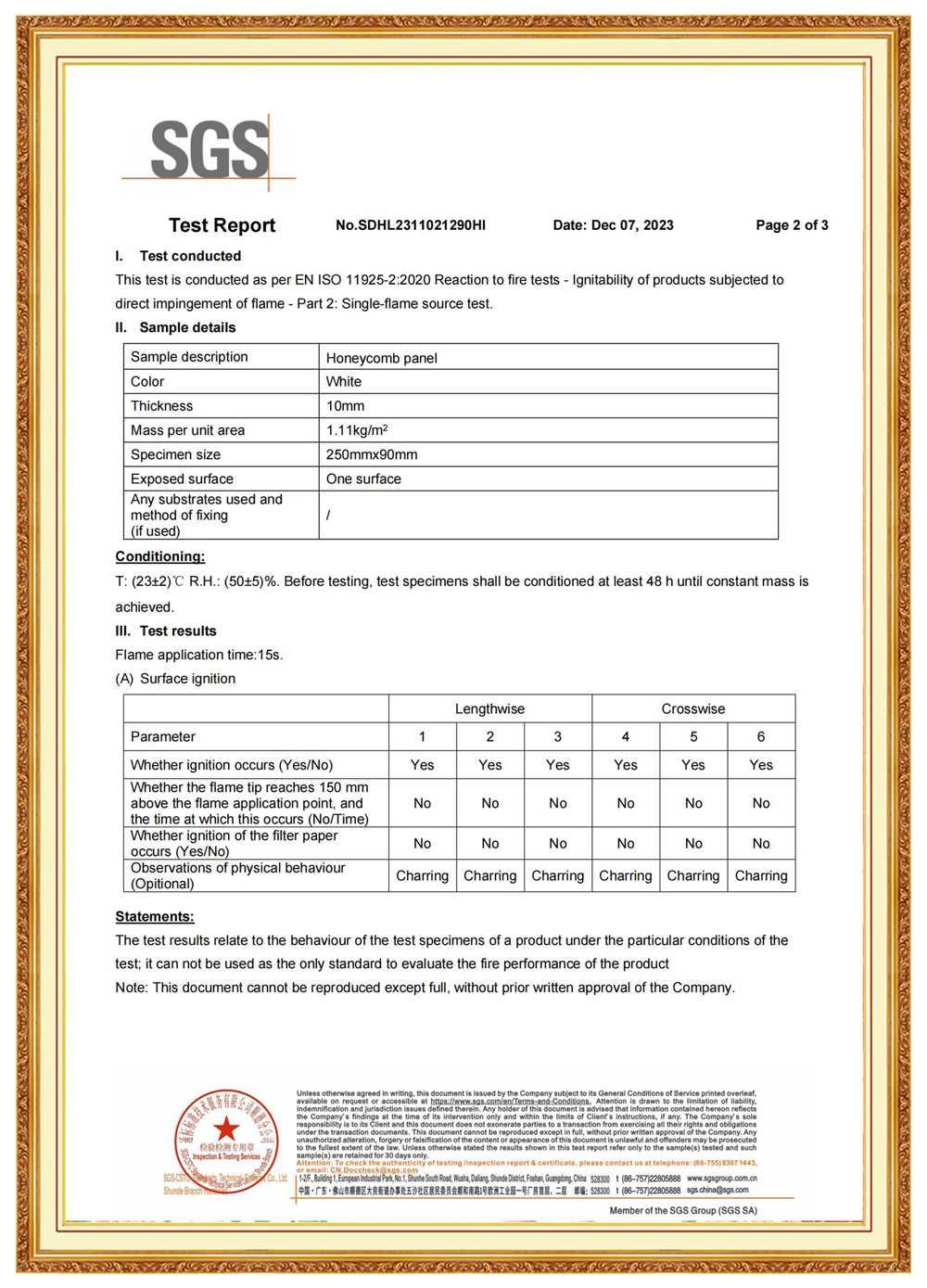
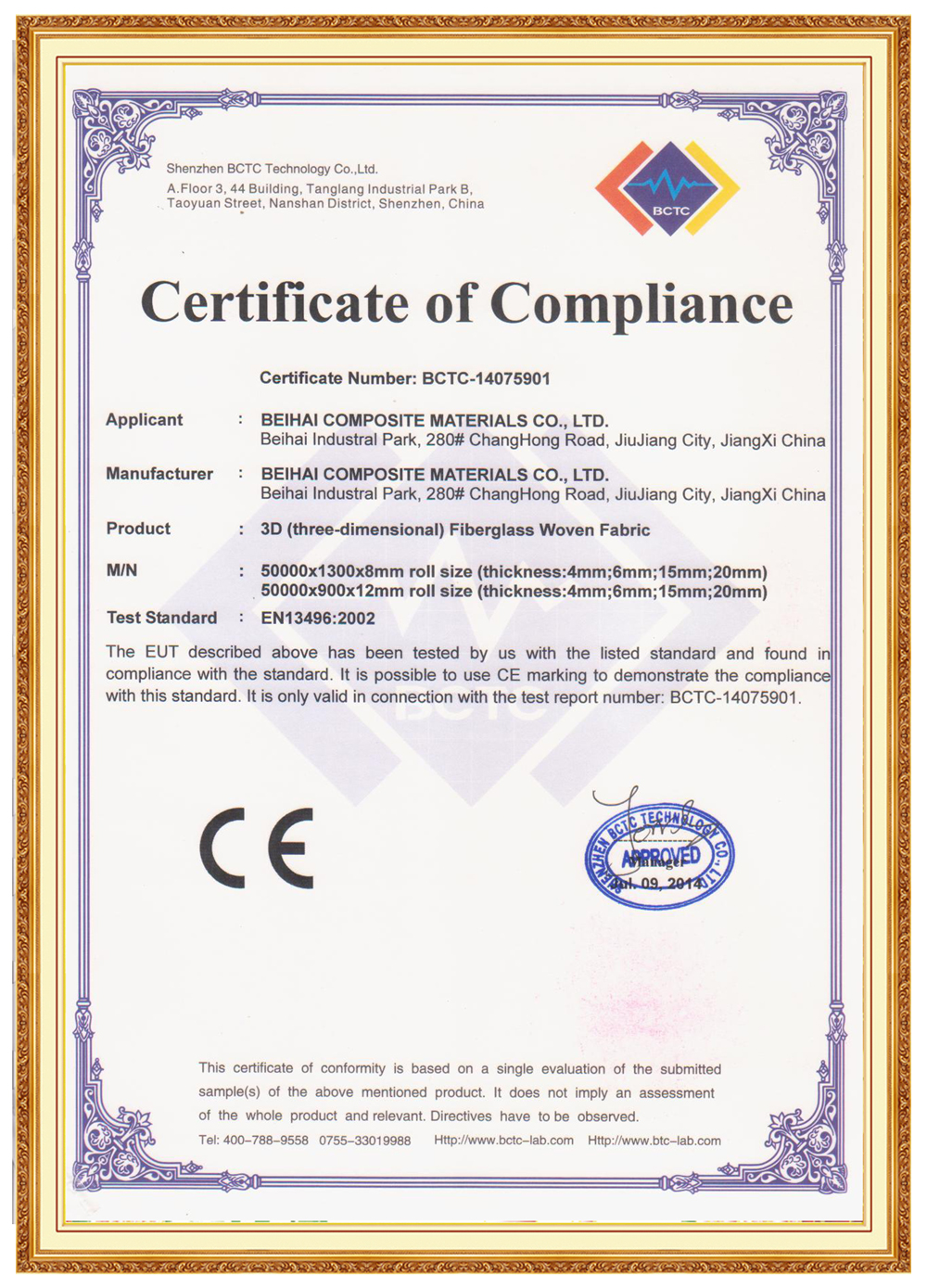
Quality-assured and internationally certified for construction and infrastructure applications

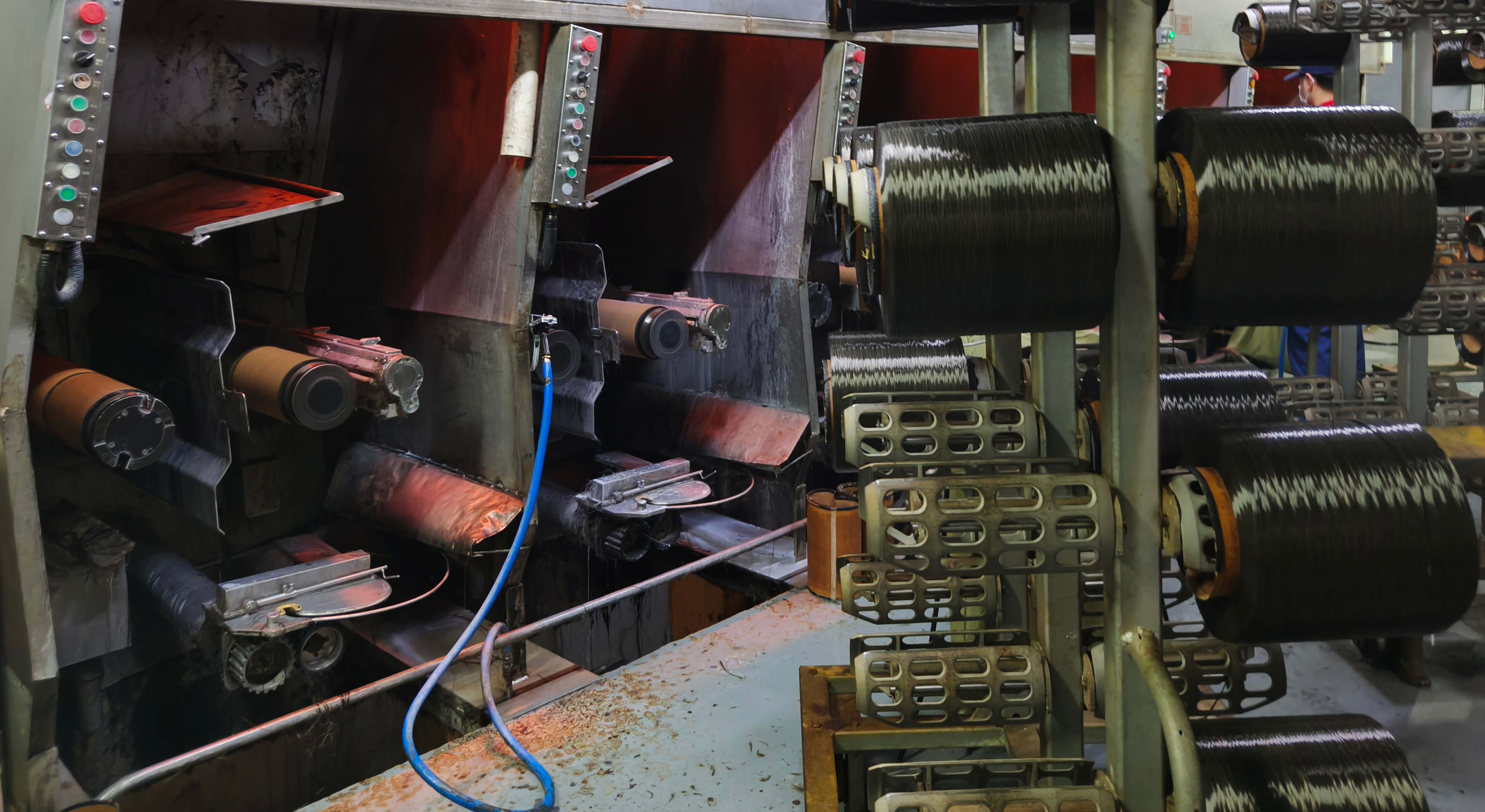
Basalt fiber is an inorganic fibrous material produced by drawing strands from natural basalt ore after it has been melted at high temperatures, demonstrating unique value in numerous applications demanding resilience against extreme temperatures.
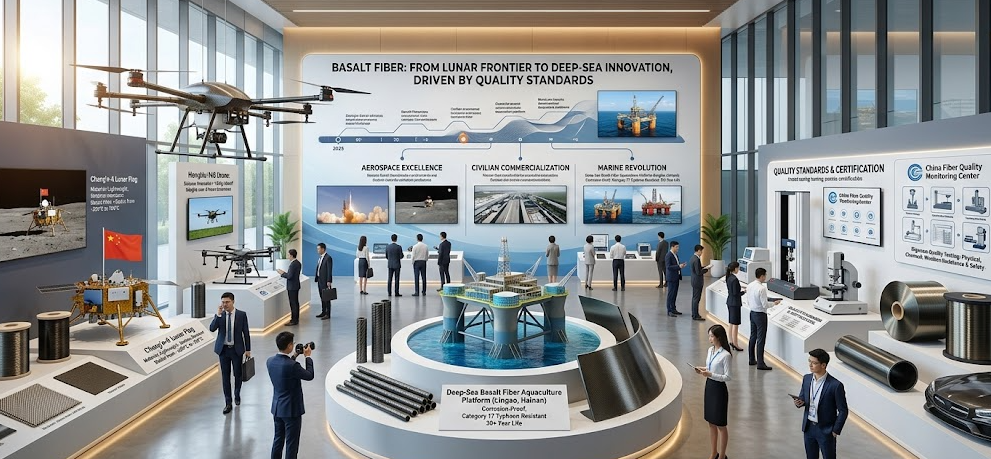
With successful applications including the Chang'e-6 lunar exploration mission and the world's first deep-sea basalt fiber aquaculture platform, basalt fiber is rapidly accelerating its transformation into a strategic new material with tangible industrial productivity.
Explore our full basalt fiber product portfolio — from structural rebar to protective sleeves, thermal mats and woven fabrics