
The Evolution of Reinforcement Materials in Canadian Infrastructure
Canada’s vast geography, extreme seasonal temperature fluctuations, and extensive use of de-icing salts present a unique and brutal set of challenges for concrete infrastructure. From the freezing corridors of the Trans-Canada Highway to the moist, saline environments of coastal ports in British Columbia and the Atlantic provinces, traditional steel reinforcement is constantly under threat. Over the last decade, Canadian engineers, municipalities, and commercial developers have been actively seeking advanced alternatives to standard carbon steel rebar. While steel remains a cornerstone of heavy structural engineering, the emergence of Basalt Fiber Reinforced Polymer (BFRP) rebar has triggered a quiet revolution in the Canadian manufacturing and procurement landscape.
As a leading supplier serving the Canadian market, we recognize that local developers require more than just materials; they require certified, high-performance solutions that align with CSA (Canadian Standards Association) guidelines. The demand for durable, corrosion-resistant, and low-carbon footprint alternatives has positioned basalt fiber products as a highly viable, cost-effective substitute for traditional epoxy-coated and stainless steel rebars. With Canada’s federal commitment to achieve net-zero emissions by 2050, construction projects are increasingly evaluated not just on initial material costs, but on their total lifecycle environmental impact and structural longevity.
Why Traditional Steel Rebar Faces Severe Climate Challenges in Canada
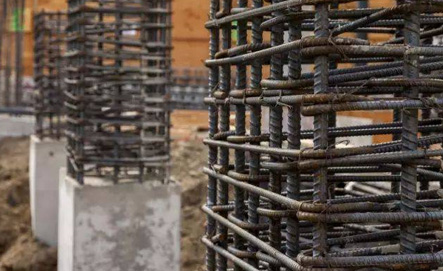
In Canada, the winter maintenance of roads, bridges, and parking structures relies heavily on chemical de-icers. Sodium chloride, calcium chloride, and magnesium chloride are applied in millions of tons annually across Ontario, Quebec, and the Prairies. While these agents keep roads safe, they penetrate concrete pores and reach the embedded steel rebar, initiating an electrochemical reaction. The resulting rust expands to up to six times the original volume of the steel, generating immense internal pressure that leads to concrete cracking, spalling, and eventually structural failure.
The financial toll of steel corrosion on Canadian tax payers is staggering. Billions of dollars are spent annually on concrete repairs and bridge deck rehabilitations. Furthermore, the freeze-thaw cycles characteristic of Canadian winters exacerbate this issue. Moisture entering micro-cracks expands upon freezing, accelerating the physical degradation of the concrete matrix. This has led to a paradigm shift where civil engineering departments in provinces like Alberta and Quebec are mandating the use of non-corrosive reinforcement materials for critical infrastructure components, such as bridge barriers, toll booths, marine docks, and light rail transit (LRT) systems.
Freeze-Thaw Durability
Basalt fiber materials exhibit a thermal expansion coefficient highly compatible with concrete, preventing structural stress during Canada's extreme temperature swings from -40°C to +35°C.
100% Corrosion Resistance
Impervious to chloride ions, acids, and alkalis. BFRP rebar completely eliminates the risk of rust, ensuring a design life of over 100 years without maintenance.
Electromagnetic Neutrality
Non-conductive properties make basalt rebar the ideal choice for Canadian hospital MRI rooms, toll stations, and high-voltage power transmission foundations.
Enter Basalt Fiber Rebar (BFRP): The Next-Generation Alternative to Steel
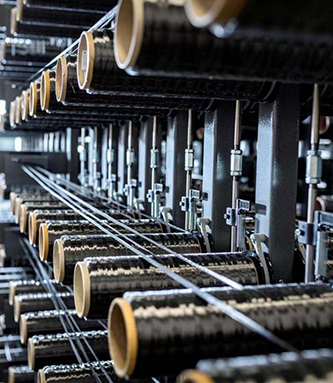
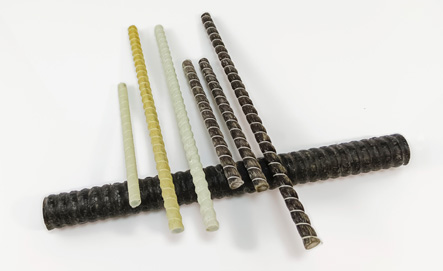
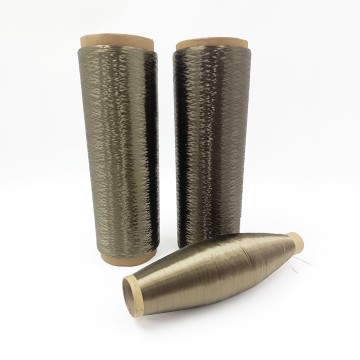
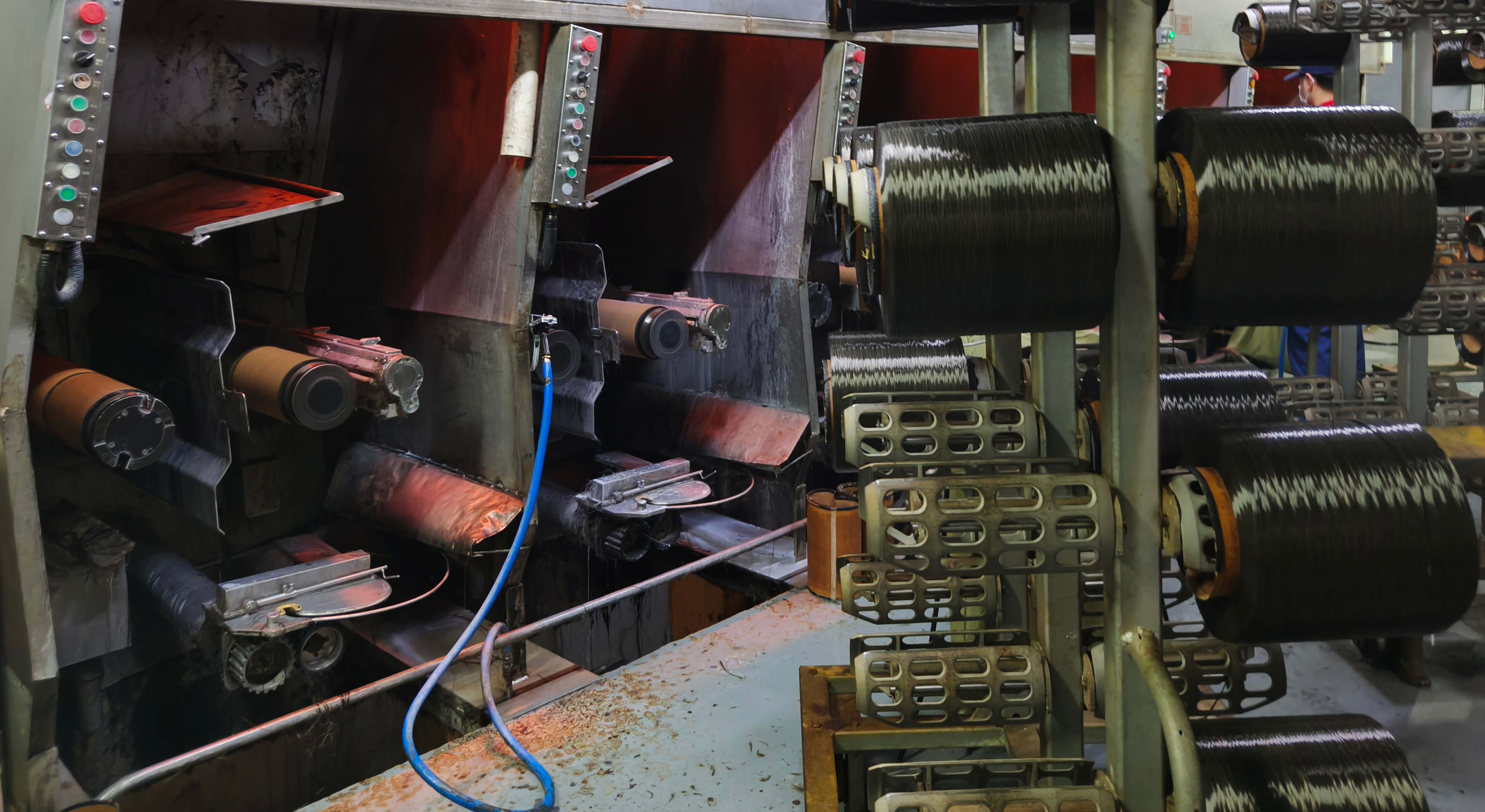
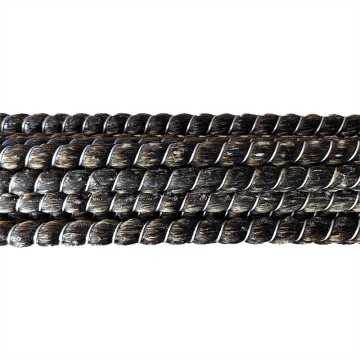
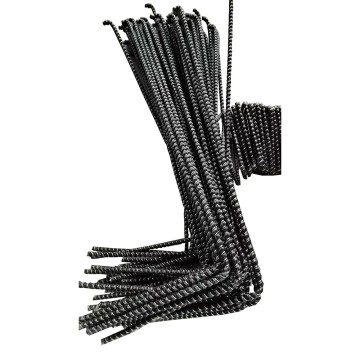
Basalt Fiber Reinforced Polymer (BFRP) is manufactured by melting natural volcanic basalt rock at temperatures exceeding 1,450°C, drawing it into continuous filaments, and bonding them with high-performance resins. The resulting rebar offers a suite of physical properties that directly address the pain points of Canadian construction projects:
- Tensile Strength: BFRP has a tensile strength up to three times greater than grade 400 steel, allowing for optimized design configurations.
- Lightweight Advantage: Weighing only one-fourth of equivalent steel rebar, BFRP dramatically reduces freight costs across Canada's vast transportation networks and simplifies on-site manual handling, lowering labor costs and reducing workplace injuries.
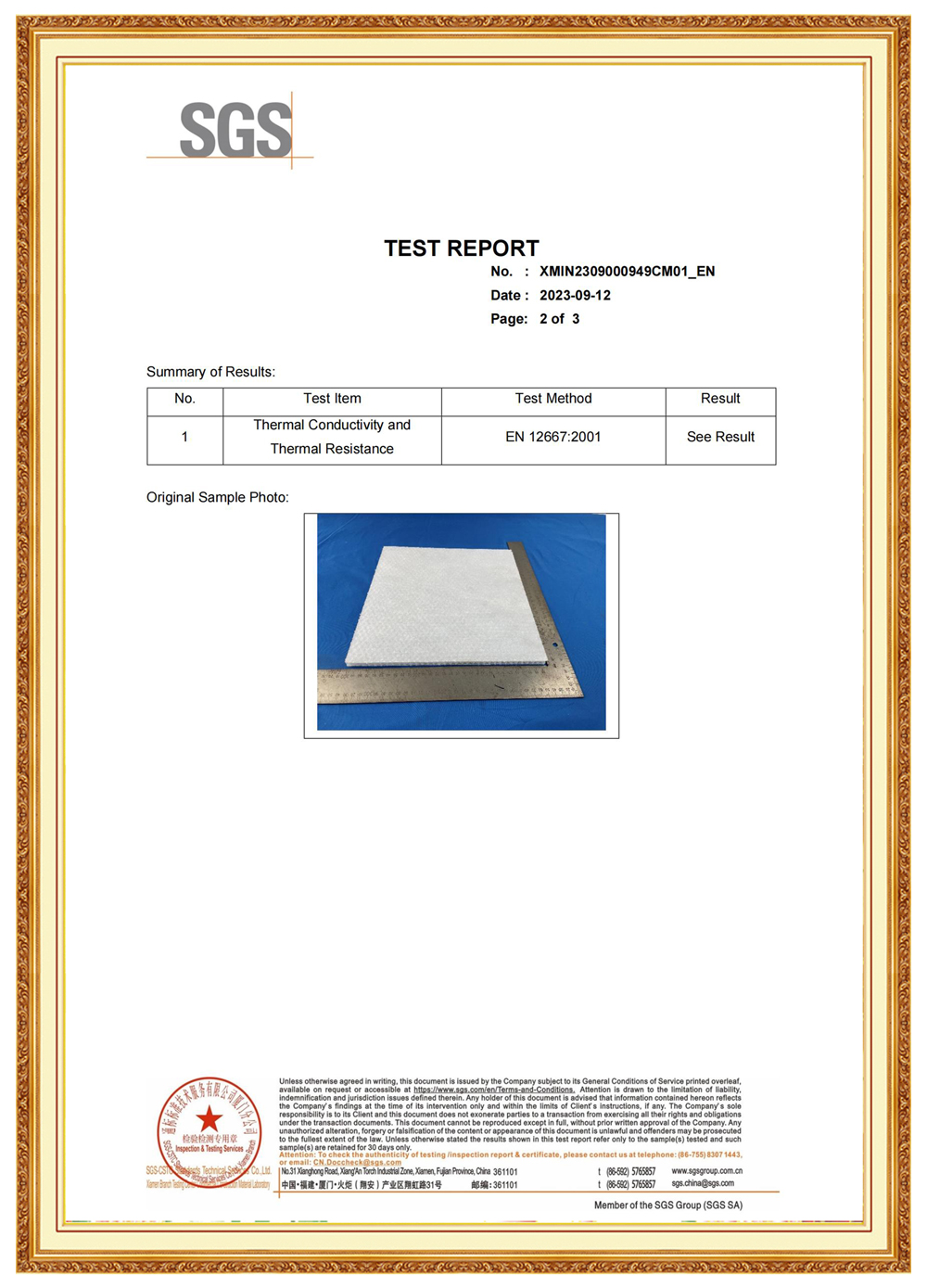
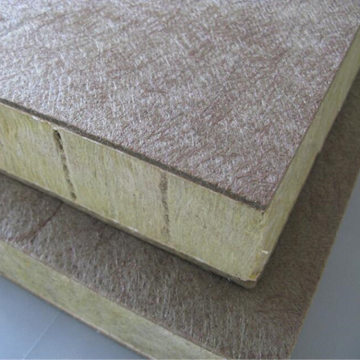
- Thermal Isolation: Unlike highly conductive steel, basalt fiber has extremely low thermal conductivity. This is crucial for energy-efficient building envelopes in Canada, as it eliminates thermal bridging in precast concrete sandwich panels.
- Sustainability: The production of basalt fiber generates significantly lower carbon emissions compared to steel smelting, helping Canadian projects earn LEED points and align with green building mandates.
Key Industrial & Commercial Applications Across Canada
1. Bridge Decks and Highway Infrastructure (Ontario & Quebec)
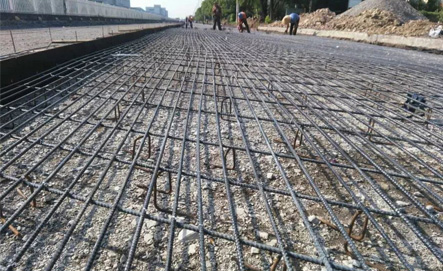
The Ministry of Transportation of Ontario (MTO) and Transports Québec have been at the forefront of testing and adopting composite rebars. Bridge deck slabs, approach slabs, and traffic barriers exposed to continuous splashing of salt-laden slush are prime candidates for BFRP. By replacing steel with basalt rebar in these high-exposure zones, municipalities can extend the service life of bridges to over a century, avoiding the disruptive and costly detours associated with mid-life deck replacements.
2. Marine and Coastal Engineering (British Columbia & Atlantic Canada)
In ports like Vancouver, Prince Rupert, Halifax, and St. John's, concrete structures are subjected to the dual action of seawater tides and mechanical wave impacts. Traditional steel rebar in seawalls, piers, and dry docks degrades rapidly under marine conditions. Basalt fiber's natural resistance to salt water and chemical attack makes it an outstanding choice for coastal defense structures, floating docks, and harbor foundations.
3. Industrial and Petrochemical Facilities (Alberta)
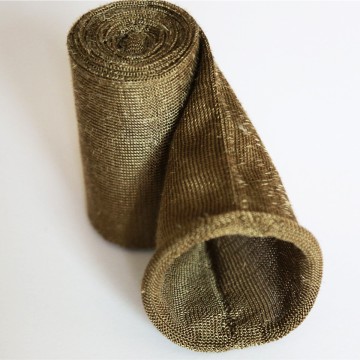
In the oil sands of Fort McMurray and petrochemical processing plants in Edmonton, concrete foundations are often exposed to aggressive industrial chemicals, acids, and high temperatures. High-temperature resistant basalt rebar and chemically stable basalt sleeves provide the necessary structural integrity and thermal insulation to withstand these harsh processing environments, ensuring continuous operational safety.
4. High-Performance Civil and Commercial Buildings
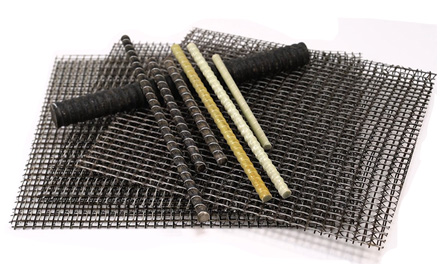
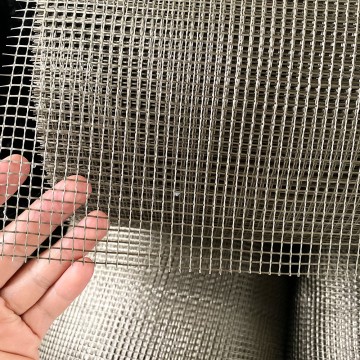
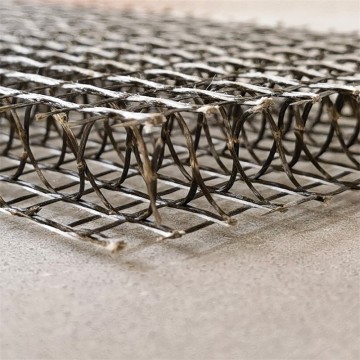
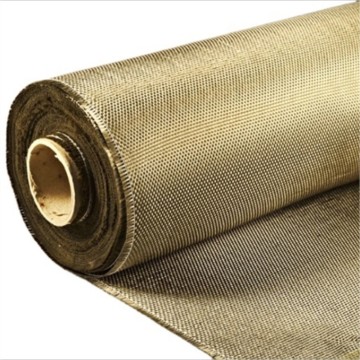
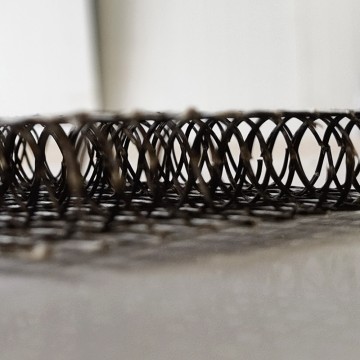
In major urban centers like Toronto, Montreal, and Calgary, modern architectural designs prioritize energy efficiency and smart technology. Basalt fiber mesh is widely used for reinforcing thin-walled architectural concrete facades and floor screeds. Its non-conductive nature also prevents interference with high-frequency communication systems, smart-grid sensors, and automated tolling systems installed within concrete structures.
Market Trends: Net-Zero Goals and Sustainable Construction in Canada
The Canadian construction sector is undergoing a profound transformation driven by ESG (Environmental, Social, and Governance) criteria. The federal government's "Buy Clean" initiatives prioritize building materials with lower carbon footprints. Steel manufacturing is notoriously energy-intensive and carbon-heavy. In contrast, basalt fiber is derived from abundant volcanic rock through a cleaner melting process, offering a dramatic reduction in embodied carbon. By integrating basalt products into their supply chains, Canadian developers can secure competitive quotes while demonstrating a clear commitment to environmental sustainability, positioning themselves favorably for public-sector contracts.
Navigating Quotes and Manufacturing Standards for the Canadian Market
When sourcing rebar and steel alternatives for Canadian projects, compliance with local engineering codes is paramount. In Canada, composite reinforcing materials are governed by standards such as CSA S807 (Specification for fibre-reinforced polymers) and CSA S6 (Canadian Highway Bridge Design Code). Our manufacturing facilities utilize advanced quality control processes to ensure that all basalt fiber rebar, mesh, and structural fabrics meet or exceed these rigorous mechanical standards.
To request a tailored quote for the Canadian market, buyers should provide detailed project specifications, including required tensile modulus, bar diameters (ranging from 4mm to 30mm), and environmental exposure conditions. Our team provides comprehensive logistics support, navigating customs and trans-Canadian shipping routes to deliver high-performance reinforcement materials directly to job sites in Toronto, Vancouver, Montreal, Calgary, and beyond.