

Leave Your Message
Specially selected for Indonesia's tropical coastal environment and major infrastructure projects. Each product delivers superior corrosion resistance, high tensile strength, and long service life — ideal for Indonesia's bridges, toll roads, seaports, and high-rise buildings.
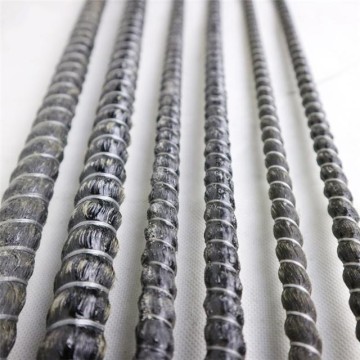


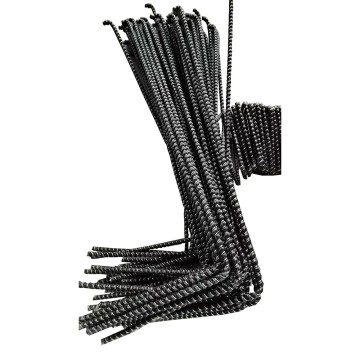
Indonesia is one of Southeast Asia's fastest-growing construction markets. With a population exceeding 270 million and an ambitious national infrastructure program — including the Nusantara Capital City relocation project, Trans-Java Toll Road expansion, and major seaport upgrades — demand for advanced reinforcement materials is surging. Traditional steel rebar is increasingly challenged by Indonesia's tropical humidity, coastal salinity, and seismic conditions, creating a strong commercial case for high-performance basalt fiber rebar (BFRP).
Indonesia's urban population is projected to reach 70% by 2045. Millions of new residential and commercial buildings require durable, cost-effective reinforcement. Basalt rebar's lightweight nature reduces labor costs and speeds up construction timelines across Jakarta, Surabaya, Medan, and Makassar.
With over 54,000 km of coastline, Indonesia faces severe corrosion challenges for steel rebar in seaports, jetties, breakwaters, and coastal bridges. Basalt FRP rebar eliminates chloride-induced corrosion, dramatically extending the service life of marine structures along the Indonesian archipelago.
Located on the Pacific Ring of Fire, Indonesia experiences frequent earthquakes. Basalt rebar's high tensile strength-to-weight ratio and flexibility make it an ideal reinforcement material for earthquake-resistant building designs, particularly in high-risk zones such as Lombok, Sulawesi, and Sumatra.
Indonesia's Proyek Strategis Nasional (PSN) encompasses hundreds of strategic infrastructure projects including toll roads, railways, dams, and airports. These large-scale projects demand materials that offer long-term durability and low maintenance — precisely where basalt rebar delivers superior value.
Indonesia's growing petrochemical, mining, and energy sectors require construction materials that withstand chemical exposure and high temperatures. Basalt rebar's chemical inertness and thermal stability make it the preferred choice for industrial flooring, chemical plant foundations, and power station structures.
Indonesia's government has committed to reducing carbon emissions and promoting green construction. Basalt fiber rebar — produced from natural volcanic rock without chemical additives — aligns perfectly with Indonesia's sustainability goals and green building certification standards such as GREENSHIP.
The following reference pricelist is tailored for the Indonesian market. Prices are indicative and subject to order volume, specifications, and shipping terms. Contact us for a customized quotation for your specific project in Indonesia.
| Product | Diameter | Tensile Strength | Application | MOQ | Price Reference (USD/kg) |
|---|---|---|---|---|---|
| Anti-corrosion Basalt Rebar (Epoxy) | 4–16mm | ≥1000 MPa | Coastal & Marine Structures | 500 kg | Contact for Quote |
| High-Strength Corrosion-Resistant Rebar | 6–25mm | ≥1100 MPa | Bridges, Toll Roads, Highways | 500 kg | Contact for Quote |
| Bridge & Road Construction Rebar | 8–30mm | ≥1000 MPa | PSN Infrastructure Projects | 1000 kg | Contact for Quote |
| High Temperature Resistant Rebar | 4–20mm | ≥950 MPa | Industrial & Petrochemical Plants | 500 kg | Contact for Quote |
| Non-Conductive Insulated Rebar (MRI/Power) | 6–20mm | ≥1000 MPa | Hospitals, Power Stations | 300 kg | Contact for Quote |
| Standard Basalt Rebar (4–30mm) | 4–30mm | ≥900 MPa | General Construction | 500 kg | Contact for Quote |
| Non-Magnetic BFRP Rebar (EM Transparent) | 6–16mm | ≥1000 MPa | MRI Rooms, Research Facilities | 300 kg | Contact for Quote |
| High Strength Rebar for Underground Works | 8–25mm | ≥1100 MPa | Tunnels, Underground Structures | 500 kg | Contact for Quote |
The Indonesian construction materials market is undergoing a significant transformation. As awareness of the limitations of traditional steel rebar grows — particularly in tropical, coastal, and seismic environments — basalt fiber reinforced polymer (BFRP) rebar is emerging as the next-generation solution for Indonesia's infrastructure challenges.
Indonesia's Ministry of Public Works (PUPR) is increasingly evaluating BFRP rebar for PSN projects. Pilot applications in coastal bridges and flood-prone road sections have demonstrated 40–60% reduction in lifecycle maintenance costs compared to conventional steel rebar, accelerating policy-level adoption.
Indonesia's ambition to become a global maritime hub under the Sea Toll Road program is driving massive investment in port infrastructure. Basalt rebar's immunity to saltwater corrosion makes it the material of choice for jetty slabs, quay walls, and offshore platform structures across the archipelago.
The relocation of Indonesia's capital to Nusantara in East Kalimantan represents one of the world's largest infrastructure projects. With strict sustainability and durability requirements for government buildings, smart city infrastructure, and transport networks, basalt rebar is positioned as a key material supplier for this historic development.
Indonesia's Green Building Council (GBCI) and GREENSHIP certification programs are gaining traction among developers. Basalt rebar — manufactured from natural volcanic rock with zero toxic byproducts — contributes to green material credits, making it increasingly attractive for eco-certified residential and commercial developments.
Indonesia holds the world's largest geothermal energy reserves. Construction of geothermal power plants and high-temperature industrial facilities demands reinforcement materials with exceptional thermal stability. Basalt rebar — with operating temperatures up to 700°C — is uniquely suited for these demanding energy sector applications.
Indonesian construction companies are increasingly sourcing advanced materials through digital B2B platforms. China Beihai's direct supply model — with competitive FOB pricing, flexible MOQ, and technical support in Bahasa Indonesia — is enabling faster market penetration across Java, Sumatra, Kalimantan, and Sulawesi.
Why Basalt Rebar?
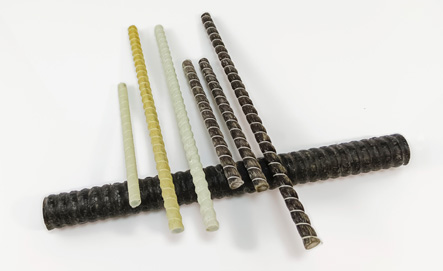
Basalt fiber rebar is a high-strength alternative to traditional steel bars and is used in a wide range of applications for reinforcing concrete structures. Its excellent performance makes it ideal for Indonesia's bridges, highways, buildings, seaports, and other infrastructure projects. Basalt fiber is ideal for your engineering projects — its high strength, corrosion resistance, and lightweight properties allow it to easily solve a variety of challenges in Indonesia's tropical and coastal environment.
In buildings, bridges, roads and other infrastructure projects across Indonesia, basalt fibers demonstrate outstanding performance, extending structural life and reducing maintenance costs. Choose basalt fiber, choose reliability and durability.
FIND OUT MORE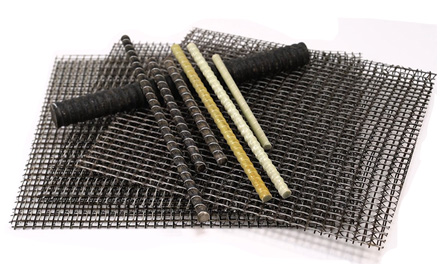
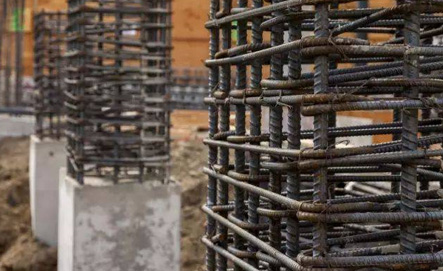
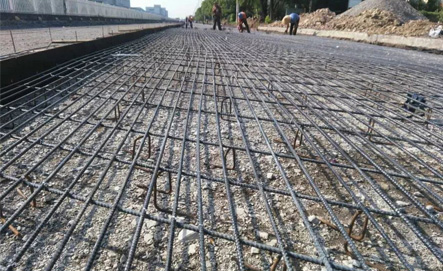
From the bustling streets of Jakarta to the remote islands of Maluku, basalt fiber rebar is transforming how Indonesia builds. Here are the key application scenarios driving adoption across the archipelago.

High-rise apartments, government buildings, and commercial centers across Jakarta, Surabaya, and Nusantara use basalt rebar for superior structural integrity.

Trans-Java and Trans-Sumatra toll road bridges benefit from basalt rebar's corrosion resistance and high strength-to-weight ratio in tropical conditions.

Seaports in Tanjung Priok, Makassar, and Batam use basalt rebar to eliminate chloride-induced corrosion in jetties, quay walls, and marine foundations.

Chemical-resistant basalt rebar is ideal for foundations and flooring in Indonesia's Cilacap, Balikpapan, and Bontang petrochemical industrial zones.

High-temperature resistant basalt rebar is used in geothermal power plant structures in Sumatra, Java, and Sulawesi where thermal stability is critical.

Indonesia's vast maritime industry uses basalt rebar in dry dock structures, shipyard facilities, and offshore platform foundations across the archipelago.

Manufacturing plants in Karawang, Bekasi, and Batam industrial estates benefit from non-magnetic, non-conductive basalt rebar in sensitive production environments.

New airport expansions at Soekarno-Hatta, Kertajati, and Yogyakarta International Airport incorporate basalt rebar for long-life runway and terminal foundations.
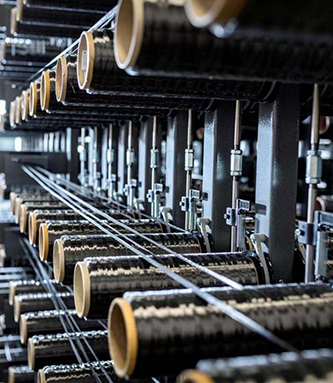
China Beihai is founded in 2015 and located in Jiujiang, Jiangxi Province. China Beihai is a high-tech enterprise focusing on the research, development, production and sales of high-performance basalt continuous fiber and its production equipment manufacturing, as well as a leading enterprise in the domestic basalt fiber industry. We proudly serve the Indonesia market with competitive pricing, flexible MOQ, and full technical support.
View More
At China Beihai group, we specialize in the production of a wide range of products including basalt fiber mat, basalt fiber roving, basalt fiber yarn, basalt fiber chopped strands, and basalt fiber products (Basalt Fiber rebar, basalt fiber sleeves and tape). Our products are designed to meet the diverse needs of various industries, providing high-quality solutions for our customers.

At China Beihai group, we are dedicated to the production of a wide array of basalt-based products, ranging from basalt fiber mat, fabric, and roving to chopped strand and specialized construction materials. Our focus is on delivering high-quality, sustainable solutions for industries such as construction, geotechnical engineering, and manufacturing.

Choosing to work with China Beihai means working with a leading manufacturer of basalt products. Our commitment to quality, innovation and sustainability sets us apart, ensuring our customers receive best-in-class solutions for their diverse needs. When you partner with China Beihai, you can trust that you are working with a reliable and forward-thinking partner for all your basalt product needs.
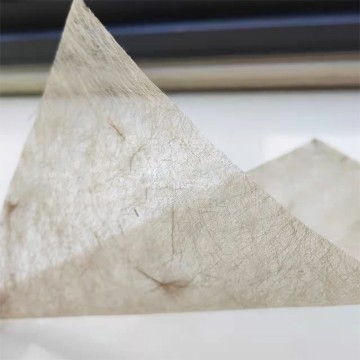
Basalt Fiber Surfacing Tissue Mat is a non-woven thin sheet engineered to provide a smooth resin-rich surface layer for fiber reinforced plastic applications across Indonesia.
Read More →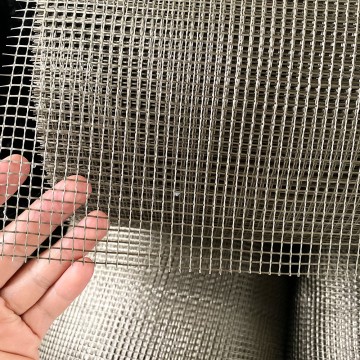
Our high-performance Basalt Fiber Mesh provides a superior reinforcement solution for concrete and plaster applications in Indonesia's tropical building environment.
Read More →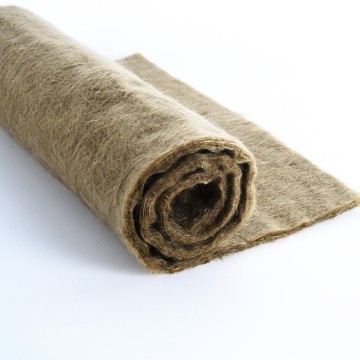
Our Basalt Fiber Needled Mat is a high-density insulation material ideal for Indonesia's geothermal power plants and high-temperature industrial facilities.
Read More →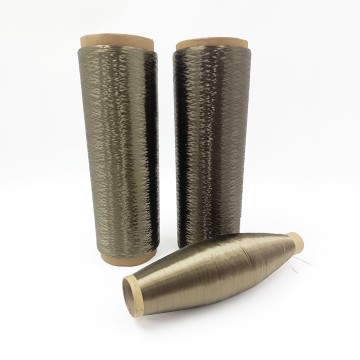
Our Basalt Fiber Twisted Yarn is engineered for Indonesia's industrial weaving and high-temperature sewing applications, offering superior mechanical strength.
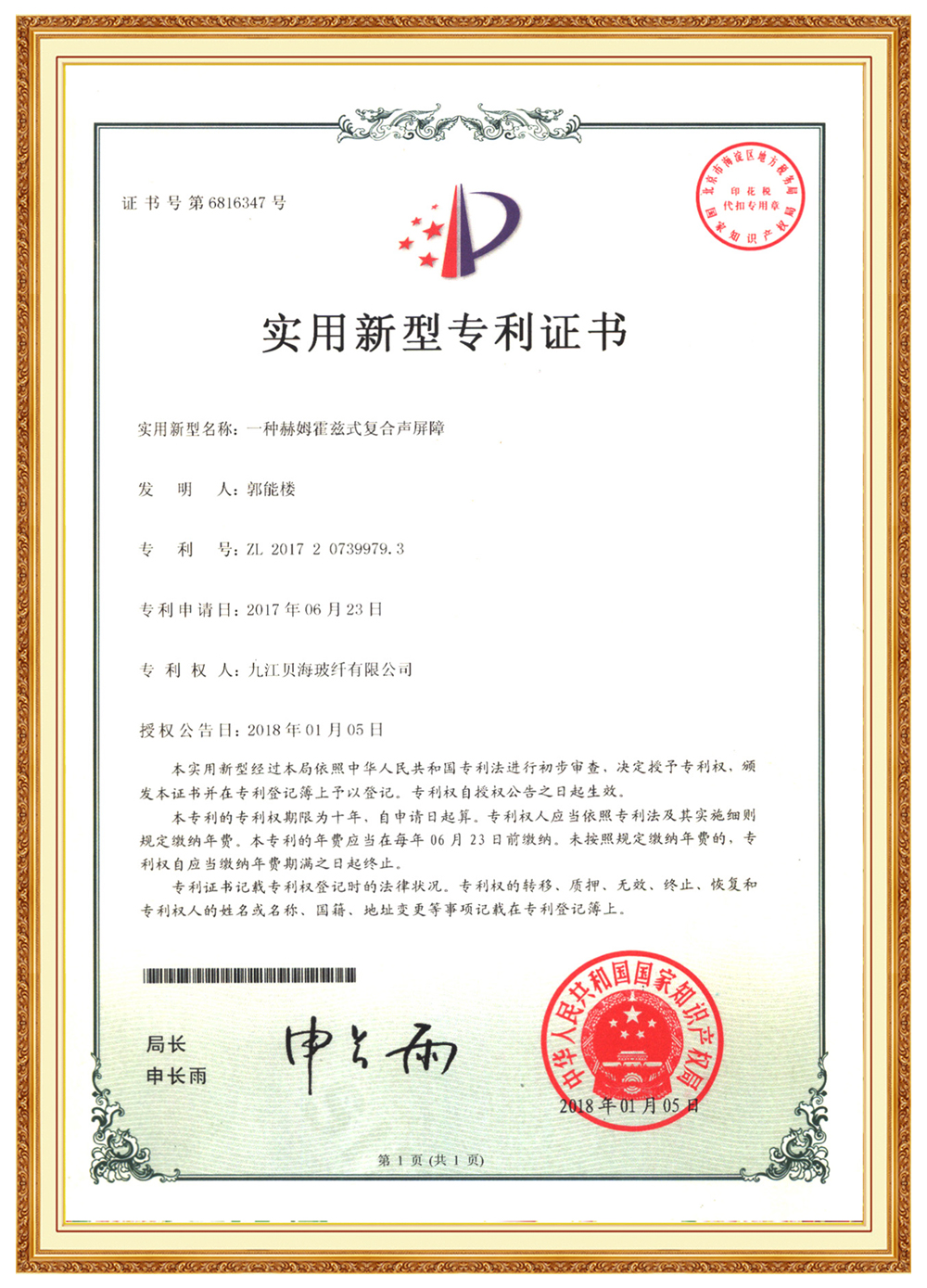
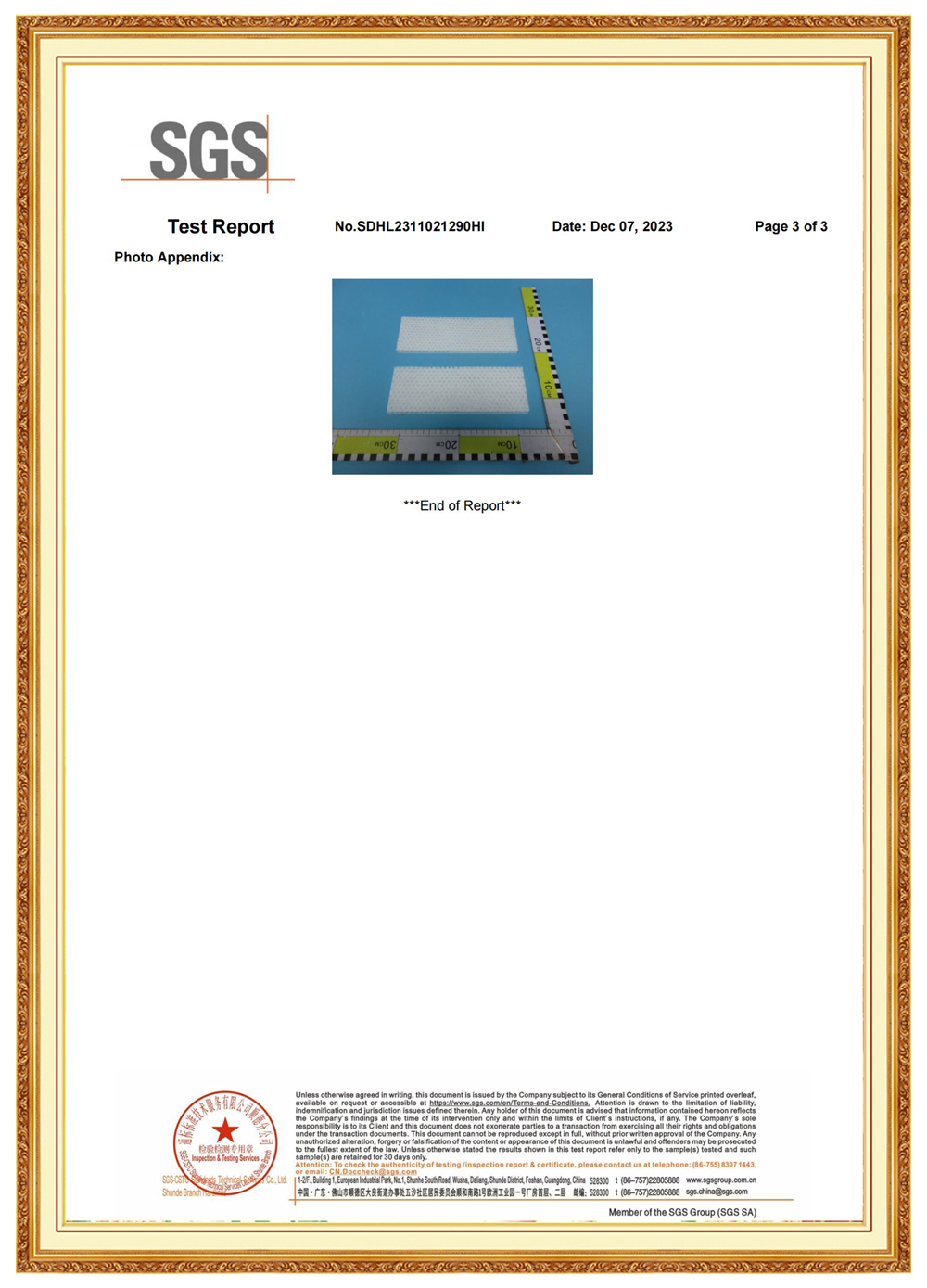
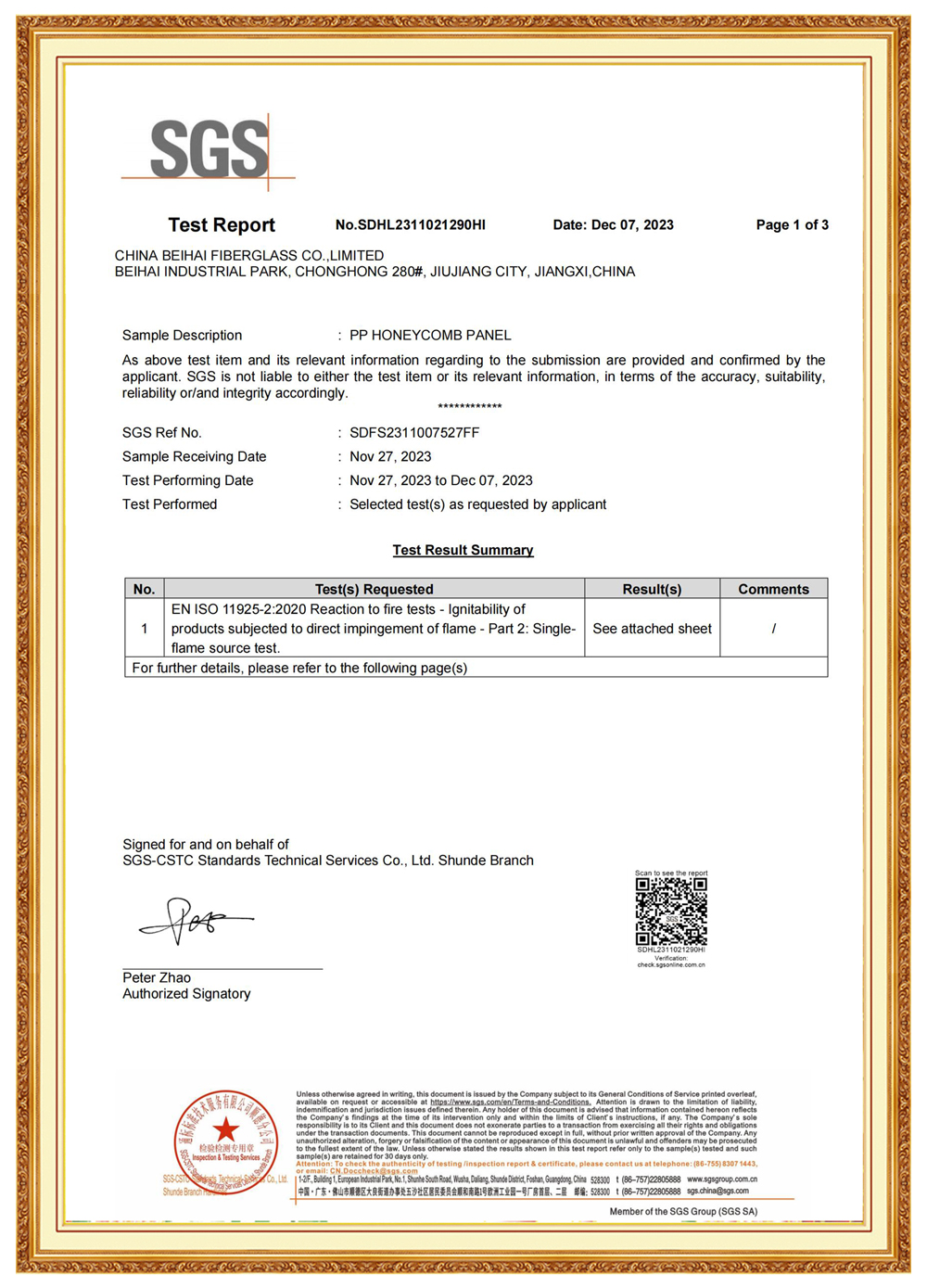
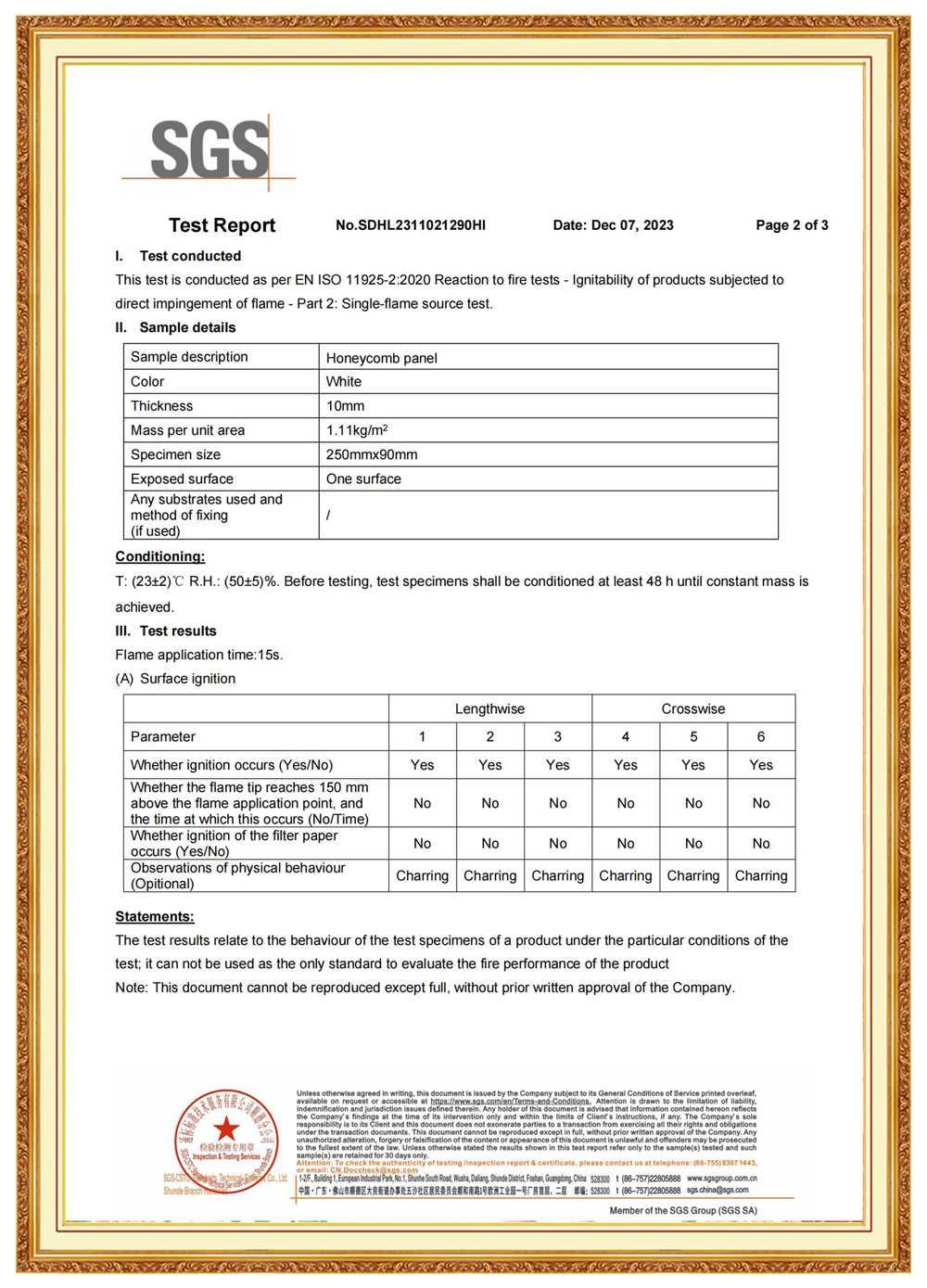
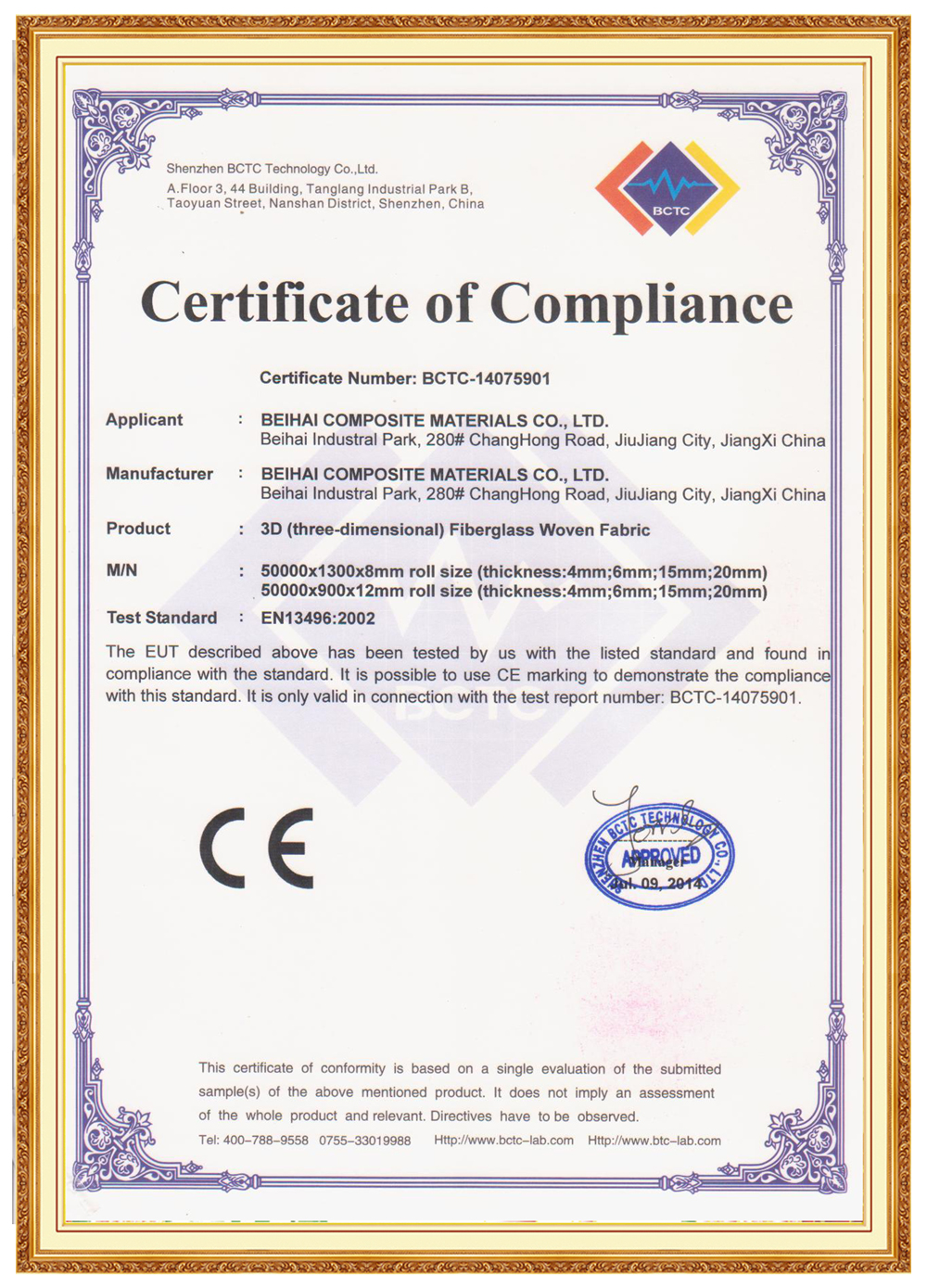
Read More →China Beihai's basalt fiber rebar products are certified to international quality standards, ensuring compliance with Indonesia's SNI construction requirements and global export regulations. Our certifications guarantee consistent quality, safety, and performance for every project in Indonesia.
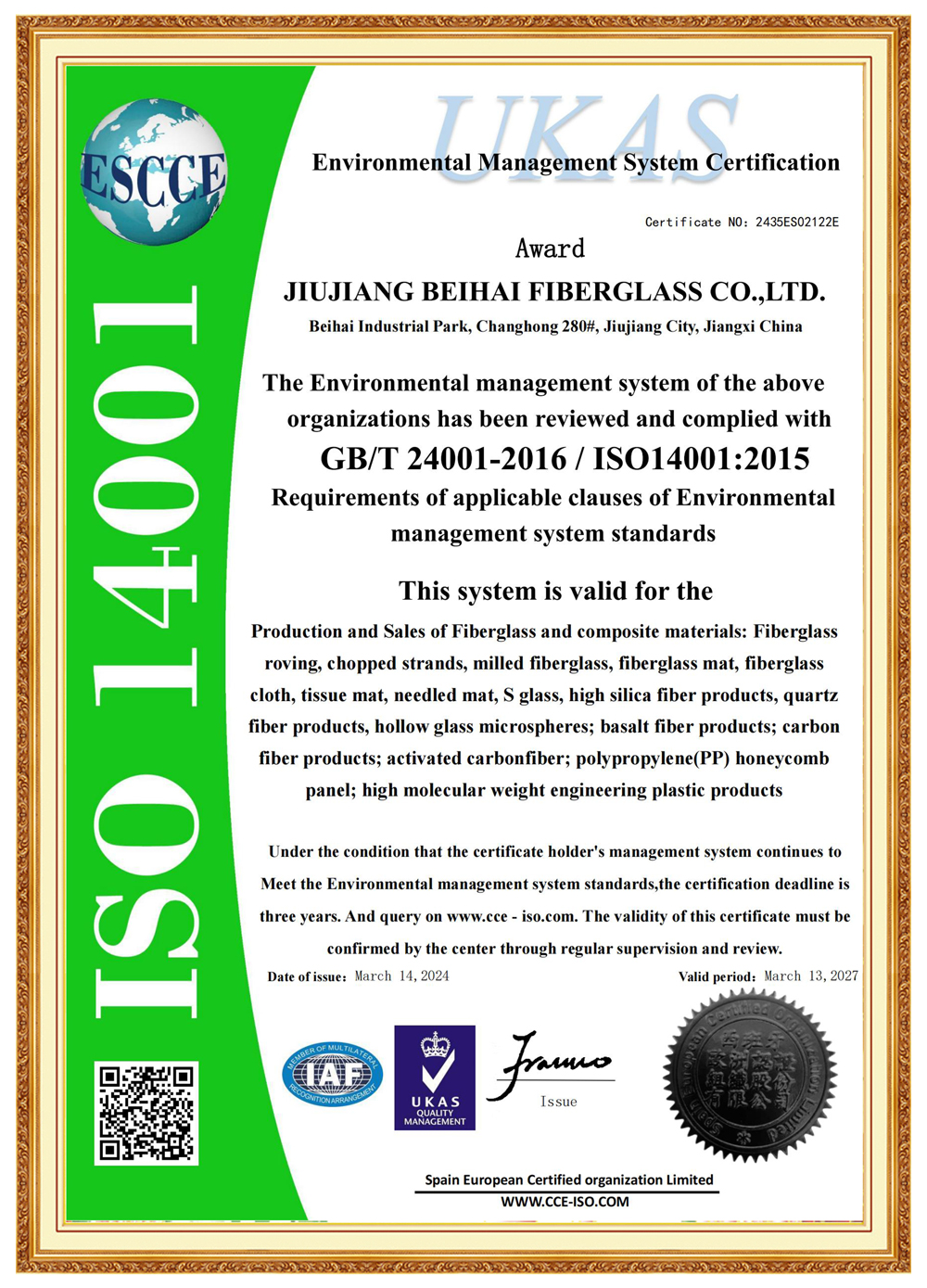

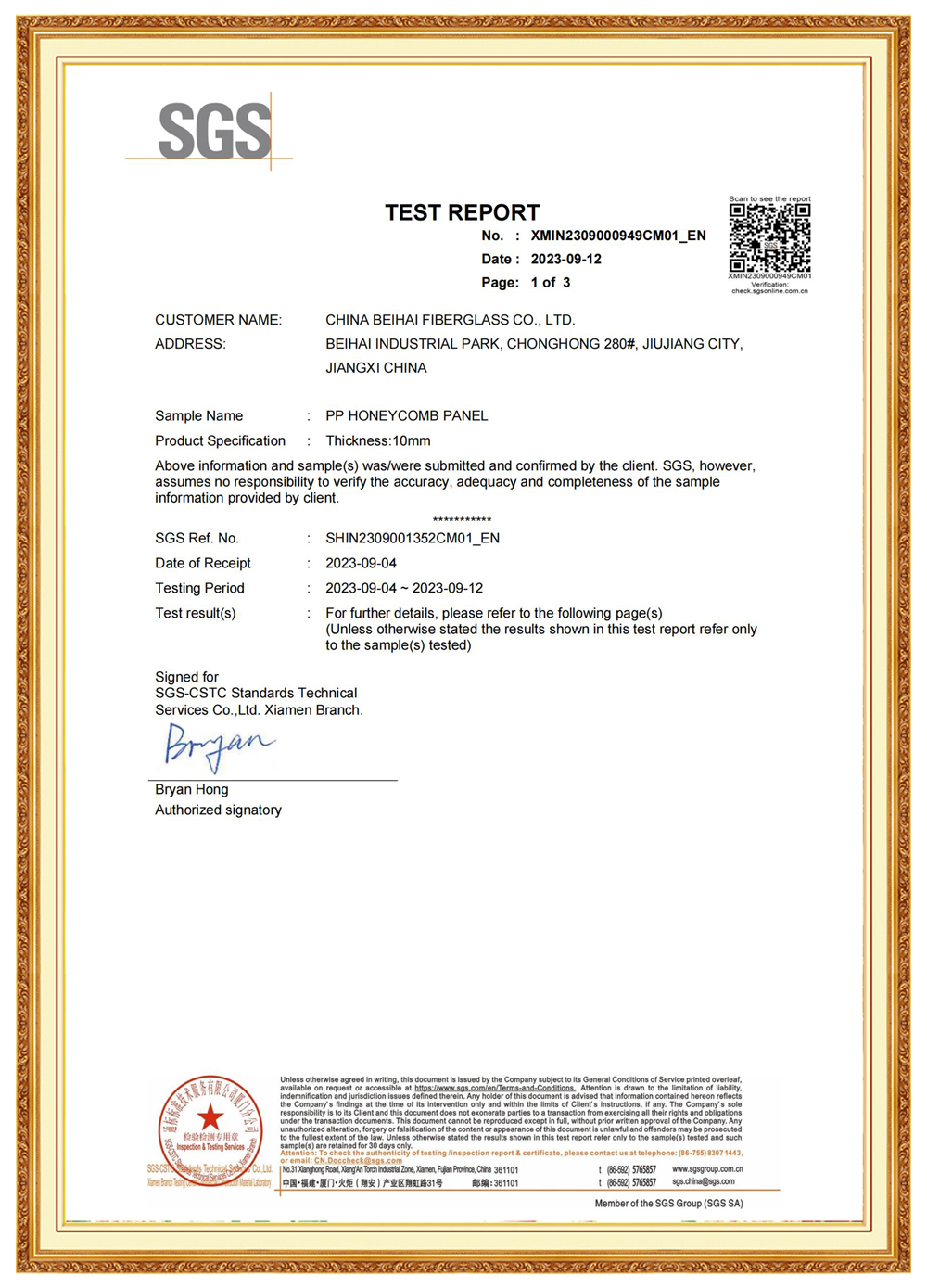
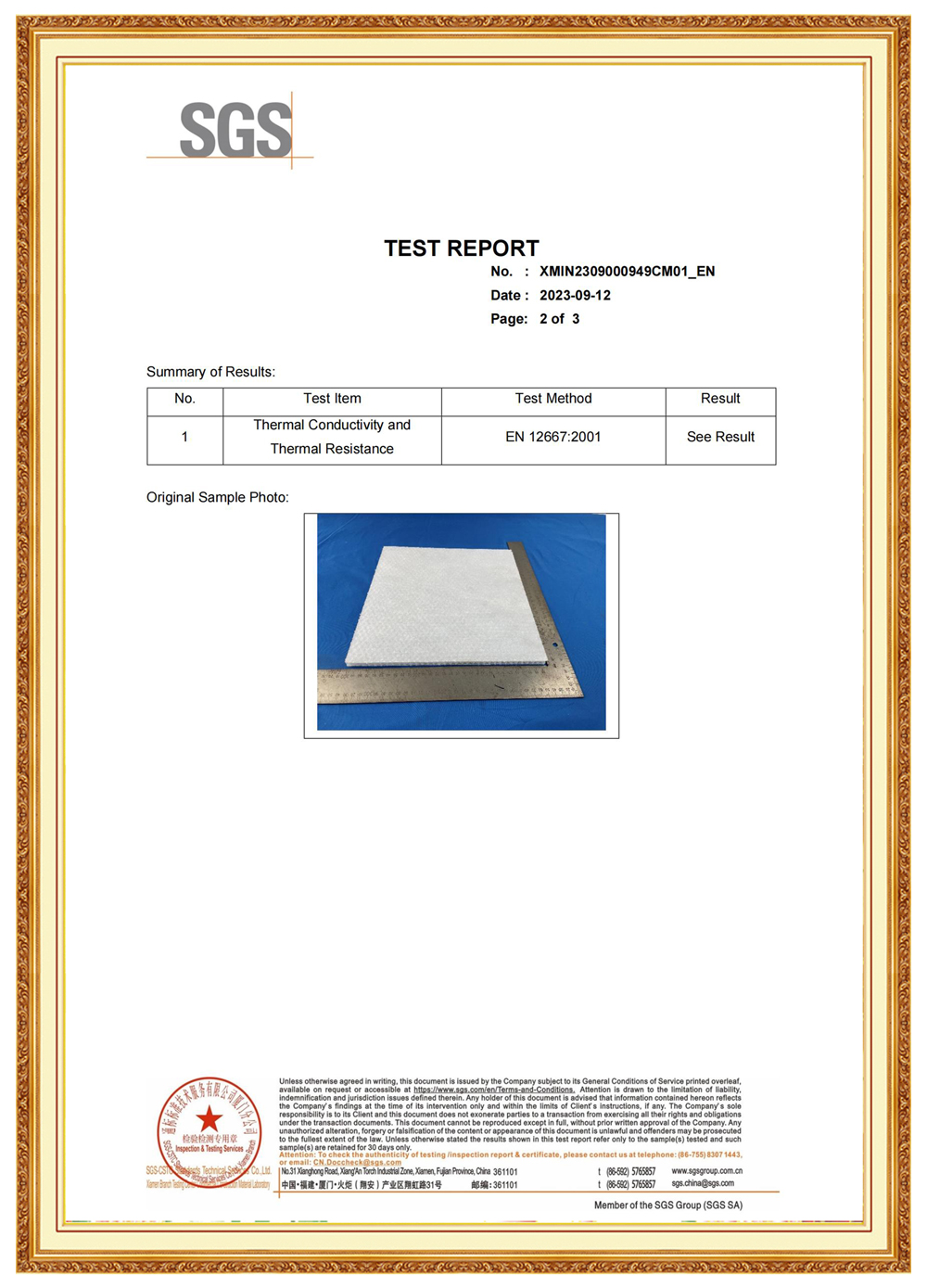
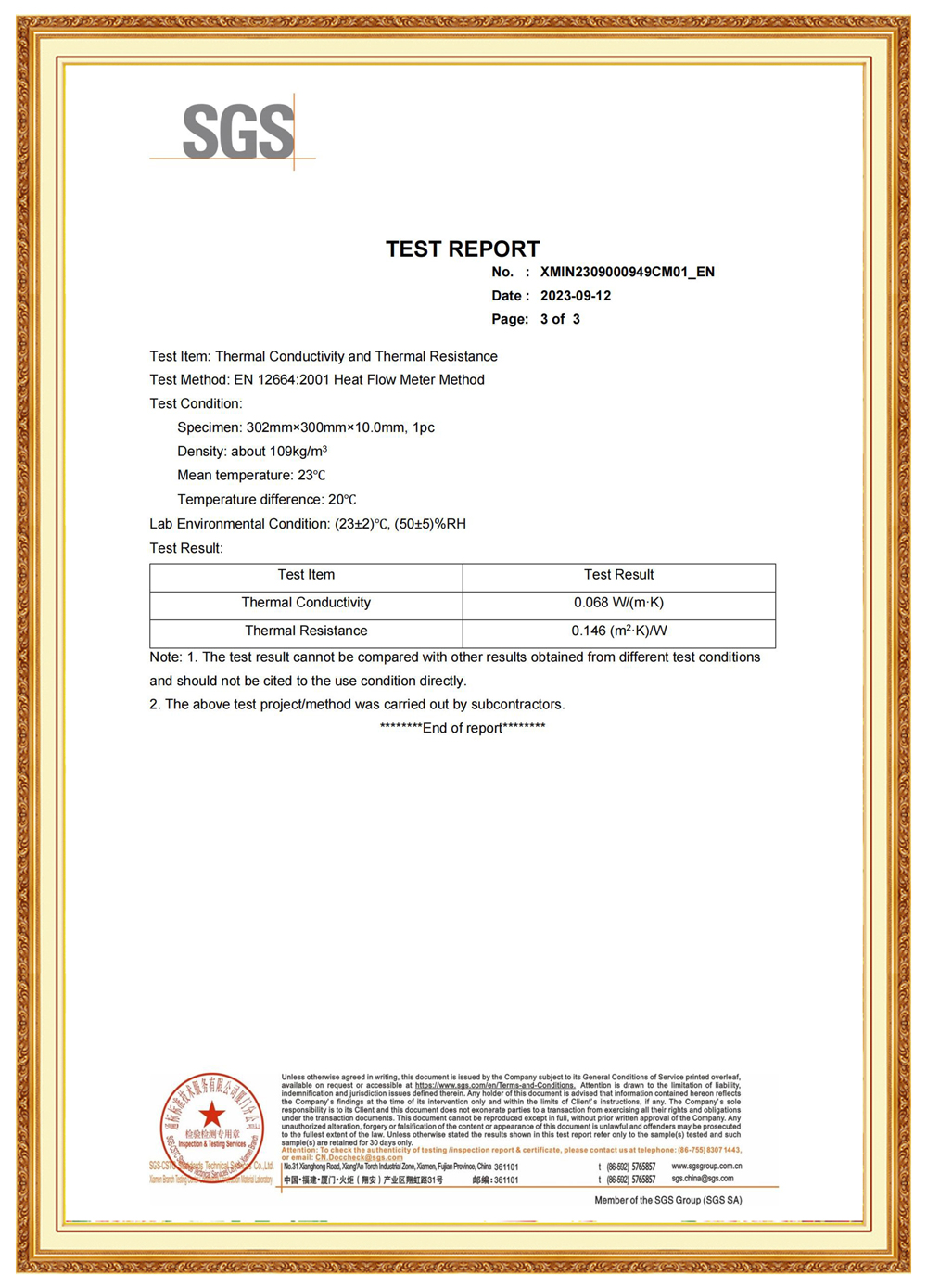
Whether you are building toll roads across Java, developing seaport facilities in Sulawesi, or constructing the new capital city of Nusantara — China Beihai's basalt fiber rebar delivers the performance, durability, and value your project demands. Get your customized pricelist and technical specifications today.
Request Indonesia PricelistExplore our full range of basalt fiber rebar products, each engineered to meet the specific demands of Indonesia's diverse construction and industrial sectors. All products are available for direct export to Indonesia with competitive pricing and technical support.
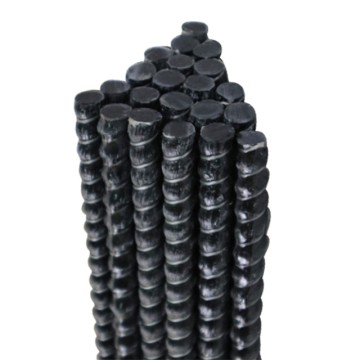
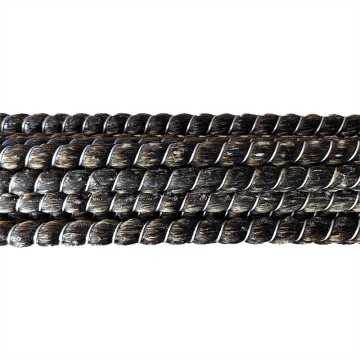
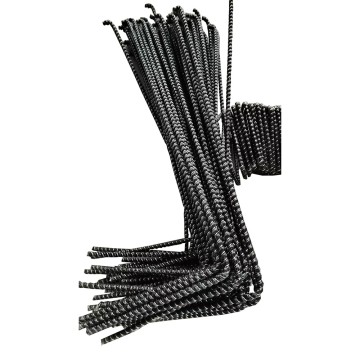


As drones slice through the sky to monitor wildfires, and intelligent robots execute repetitive tasks with precision on the factory floor, the efficient operation of this smart equipment is often underpinned by a "hardcore support" that is easily overlooked: a novel material derived from volcanic rock — basalt fiber. Though unassuming in appearance, its unique properties have made it the key to unlocking the performance limits of drones and robots, quietly driving a materials revolution within the realm of intelligent equipment.
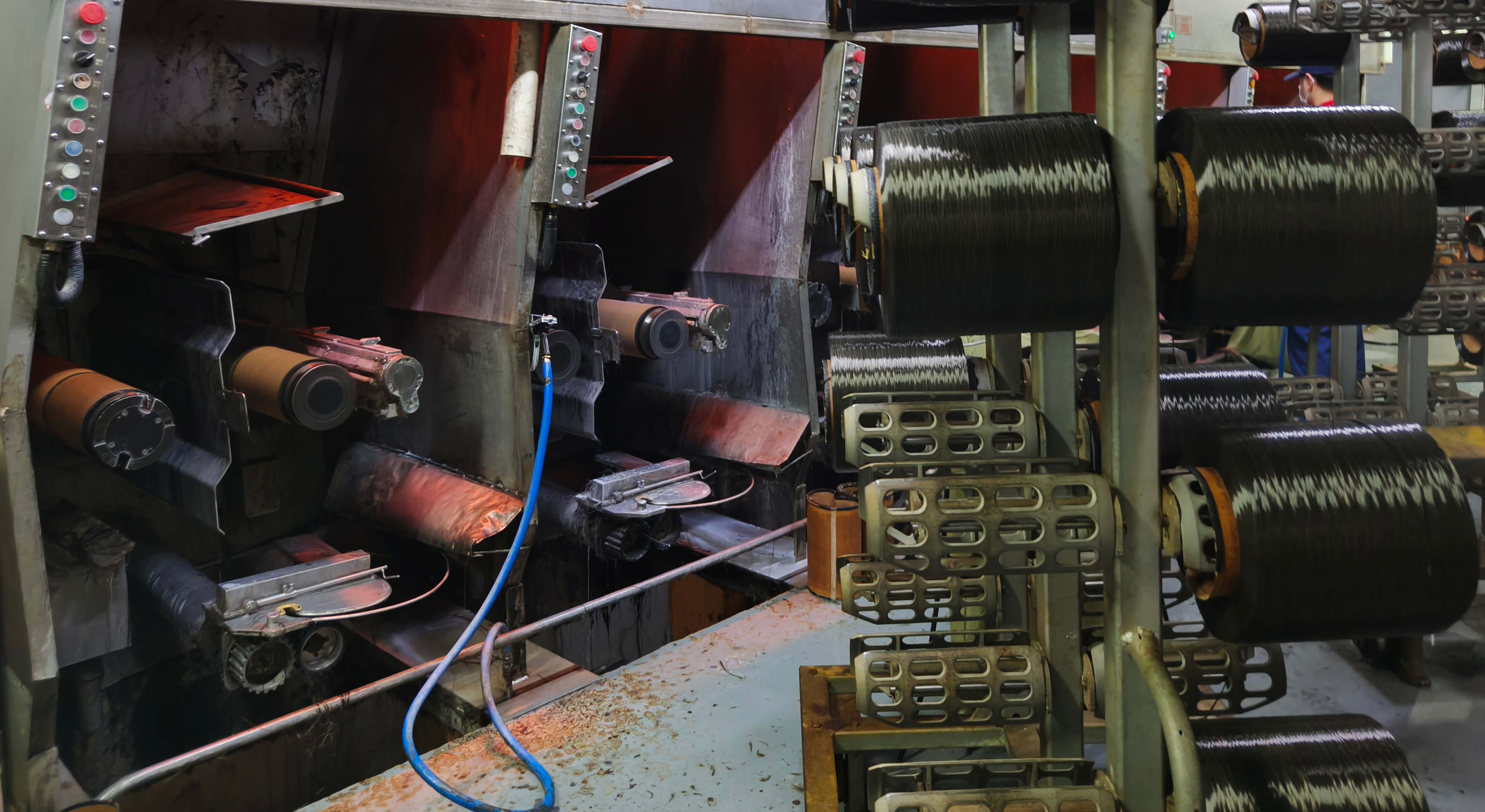
Basalt fiber is an inorganic fibrous material produced by drawing strands from natural basalt ore after it has been melted at high temperatures. It has garnered widespread attention for its exceptional physicochemical properties — particularly its performance in high-temperature environments.
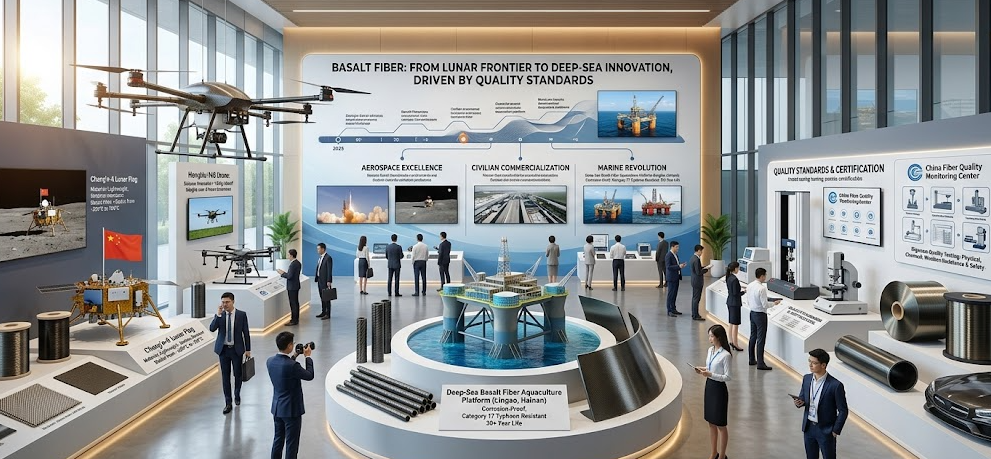
Recently, with the successful realization of major applications — such as the Chang'e-6 lunar exploration mission and the world's first deep-sea basalt fiber aquaculture platform — basalt fiber is rapidly accelerating its transformation from a laboratory research outcome into a strategic new material with tangible industrial productivity.
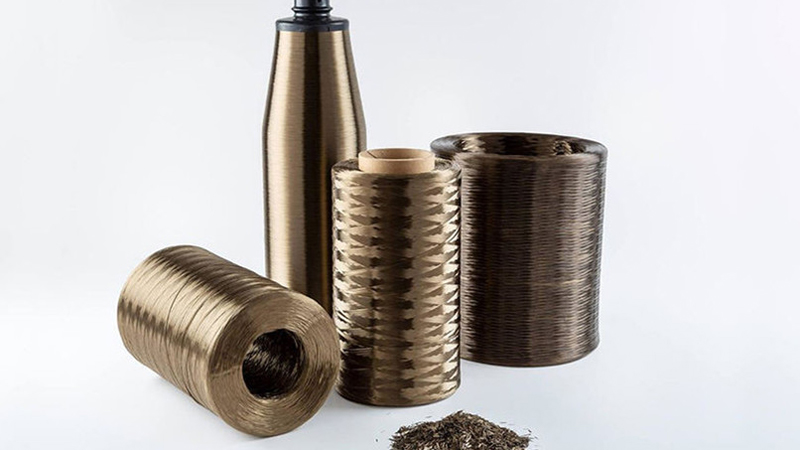
Basalt fiber continues to gain recognition globally as a sustainable, high-performance alternative to glass and carbon fiber. Discover why leading engineers and developers in Indonesia are making the switch to basalt-based reinforcement solutions.