
Leave Your Message
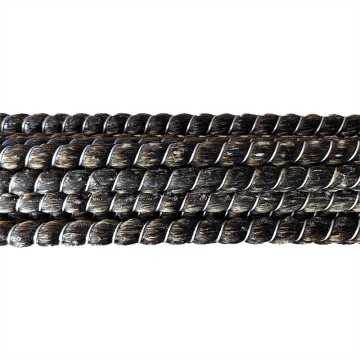
Specially engineered rebar solutions providing electromagnetic transparency, thermal resistance, and structural integrity for New Energy Vehicle battery enclosures and modules.
As the global New Energy Vehicle (NEV) industry accelerates toward mass adoption, battery pack design has emerged as the most critical engineering frontier. The structural materials used to reinforce, protect, and thermally manage battery modules must satisfy an extraordinarily demanding set of requirements — simultaneously being lightweight, non-conductive, non-magnetic, corrosion-resistant, and capable of withstanding elevated temperatures.
Traditional steel rebar fails on nearly every one of these criteria for EV battery applications. Steel conducts electricity, generates magnetic interference with battery management systems (BMS), adds significant weight, and corrodes in the chemically aggressive environment of lithium-ion battery enclosures. Basalt Fiber Reinforced Polymer (BFRP) rebar bundles represent a paradigm shift — a material solution that is inherently electromagnetic-transparent, chemically inert, and far lighter than steel.
⚡ BFRP rebar bundles are 75% lighter than steel, yet deliver tensile strength exceeding 1,000 MPa — making them the premier structural reinforcement choice for next-generation NEV battery packs.
The global NEV battery pack market is undergoing rapid structural transformation. Advanced composite materials like basalt fiber rebar are becoming strategically essential as battery manufacturers pursue higher energy density, improved safety, and lower lifecycle costs.
Global NEV sales surpassed 14 million units in 2023, with projections exceeding 40 million by 2030. China, Europe, and North America are leading adoption, creating unprecedented demand for advanced battery pack structural materials. BFRP rebar suppliers are positioned at the forefront of this supply chain evolution.
The industry shift to Cell-to-Pack and Cell-to-Body (CTB) architectures eliminates traditional module casings, placing greater structural demands directly on pack-level reinforcement materials. BFRP rebar bundles provide the non-conductive structural lattice essential for these next-generation designs without compromising energy density.
Tightening global regulations (UN ECE R100, GB 38031-2020, EU Battery Regulation) mandate enhanced thermal runaway containment. Basalt fiber's natural thermal stability and non-combustibility make BFRP rebar bundles a compliance-enabling material for battery pack firewall and containment structures.
As solid-state batteries move toward commercialization (2027–2030), operating temperatures and pressures within battery packs will increase significantly. BFRP rebar bundles, with their high-temperature resistance and pressure tolerance, are uniquely suited to the structural demands of solid-state battery pack architectures.
Basalt fiber is produced from natural volcanic rock without chemical additives, yielding a significantly lower carbon footprint than carbon fiber or fiberglass. As NEV manufacturers face mounting ESG pressure and lifecycle assessment requirements, BFRP rebar bundles offer a verifiable sustainability advantage in battery pack construction.
With basalt reserves distributed globally and China's established basalt fiber manufacturing infrastructure, BFRP rebar bundles offer NEV battery manufacturers a resilient, cost-competitive alternative to carbon fiber — reducing supply chain vulnerability while maintaining superior performance characteristics.
Beyond simple structural reinforcement, basalt fiber rebar bundles serve multiple specialized functions throughout the NEV battery pack ecosystem — from cell-level isolation to pack-level crash protection.
BFRP rebar bundles are used as internal structural members within battery modules, providing mechanical separation and compression support between cell groups. Their non-conductive nature eliminates the risk of inter-cell electrical shorting that steel rebar would introduce, while their high compressive strength prevents module deformation under crash loads — a critical safety requirement in NCAP testing protocols.
In liquid-cooled battery pack architectures, BFRP rebar bundles serve as non-reactive structural supports for cooling plate assemblies. Their chemical resistance to glycol-based coolants and thermal stability ensure long-term dimensional stability of the thermal management framework, preventing coolant channel deformation that could compromise cooling efficiency over the battery's 10–15 year service life.
When a lithium-ion cell enters thermal runaway, temperatures can exceed 600°C locally. BFRP rebar bundles embedded within firewall panels and containment barriers maintain structural integrity at these temperatures, providing the 5-minute minimum containment window required by international safety standards to allow vehicle occupant evacuation before structural failure occurs.
Battery Management System sensors, temperature probes, and voltage monitoring arrays require electromagnetic-transparent structural housings to function accurately. BFRP rebar bundles provide the structural framework for these sensor mounting systems without introducing electromagnetic interference. Similarly, for vehicles equipped with wireless inductive charging, BFRP structural elements in the underbody battery enclosure prevent signal attenuation.
NEV battery packs face unique crash protection challenges — side pole impacts and underbody road debris strikes are primary failure modes. BFRP rebar bundle reinforced composite panels in the battery pack side rails and underbody armor provide high specific energy absorption, protecting cells from intrusion while the non-conductive matrix prevents electrical hazards to first responders in post-collision scenarios.
Commercial electric vehicles — including electric buses, logistics trucks, and construction equipment — operate under significantly higher mechanical loads and in more chemically aggressive environments than passenger EVs. BFRP rebar bundles in these heavy-duty battery pack applications must withstand vibration, chemical exposure, and temperature cycling that would rapidly degrade conventional materials, making basalt fiber's combination of properties uniquely valuable in this high-growth market segment.
China Beihai Group's decade of basalt fiber expertise translates directly into superior rebar bundle performance for the world's most demanding NEV battery applications.
Our BFRP rebar bundles achieve tensile strength exceeding 1,200 MPa with elastic modulus up to 90 GPa — outperforming conventional fiberglass rebar in every structural metric critical to battery pack integrity.
Available in diameters from 4mm to 30mm with tight dimensional tolerances, our rebar bundles integrate seamlessly into battery pack tooling and composite manufacturing processes without costly secondary machining.
Produced from 100% natural basalt volcanic rock without chemical additives or synthetic resins in the fiber itself, our rebar bundles carry verifiable environmental credentials that support NEV manufacturers' ESG reporting requirements.
From raw basalt melting to finished rebar bundle, China Beihai controls every production stage — ensuring consistent quality, rapid customization, and supply chain reliability that Tier-1 NEV battery manufacturers demand.
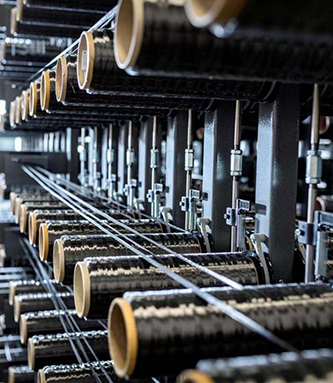
China Beihai is founded in 2015 and located in Jiujiang, Jiangxi Province. China Beihai is a high-tech enterprise focusing on the research, development, production and sales of high-performance basalt continuous fiber and its production equipment manufacturing, as well as a leading enterprise in the domestic basalt fiber industry.
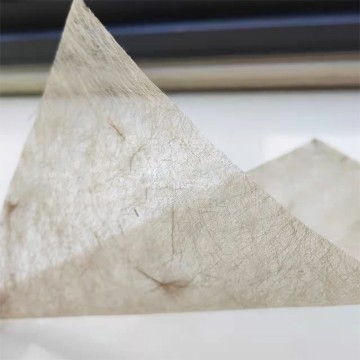
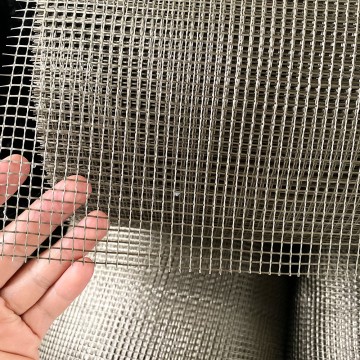
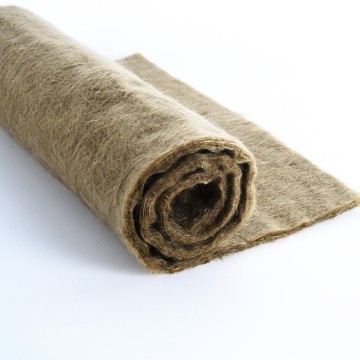
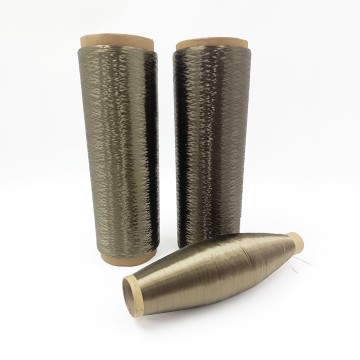
Our comprehensive product portfolio spans basalt fiber mat (chopped strand mat, fabric), basalt fiber roving, basalt fiber yarn, basalt fiber chopped strands, basalt fiber rebar, basalt fiber sleeves and tape — all engineered to deliver high-performance solutions across construction, automotive, aerospace, and energy storage industries.
Choosing to work with China Beihai means partnering with a manufacturer whose commitment to quality, innovation, and sustainability sets the standard for the global basalt fiber industry. When NEV battery manufacturers need a reliable, forward-thinking materials partner, China Beihai delivers.
Learn More About Us
At China Beihai group, we specialize in the production of a wide range of products including basalt fiber mat, basalt fiber cloth, basalt fiber roving, basalt fiber yarn, basalt fiber chopped strands, and basalt fiber products including Basalt Fiber rebar, basalt fiber sleeves and tape. Our products are designed to meet the diverse needs of various industries, providing high-quality solutions for our customers.

At China Beihai group, we are dedicated to the production of a wide array of basalt-based products, ranging from basalt fiber mat, fabric, and roving to chopped strand and specialized construction materials. Our focus is on delivering high-quality, sustainable solutions for industries such as construction, geotechnical engineering, and manufacturing.

Choosing to work with China Beihai means working with a leading manufacturer of basalt products. Our commitment to quality, innovation and sustainability sets us apart, ensuring our customers receive best-in-class solutions for their diverse needs. When you partner with China Beihai, you can trust that you are working with a reliable and forward-thinking supplier for all your basalt product needs.
Basalt fiber is ideal for your NEV battery engineering projects. Its high strength, corrosion resistance, electromagnetic transparency, and lightweight properties allow it to easily solve a variety of challenges in modern electric vehicle battery pack design.
In battery enclosures, thermal management systems, firewall structures, and crash protection components, basalt fiber rebar demonstrates outstanding performance — extending battery pack service life and reducing maintenance costs across the full EV lifecycle. Choose basalt fiber rebar bundles: choose reliability, safety, and durability for the NEV era.
Basalt Fiber Rebar for Reinforcement in NEV Battery Pack Structures
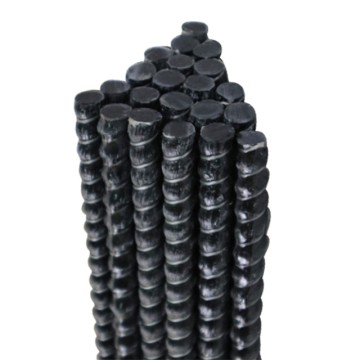
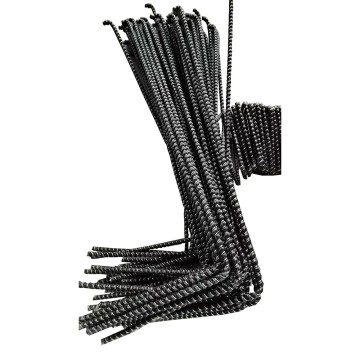
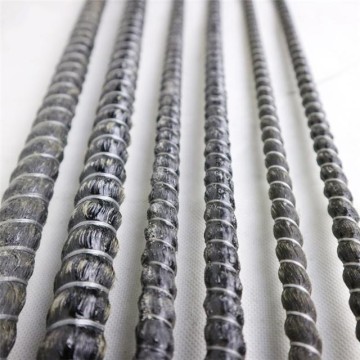
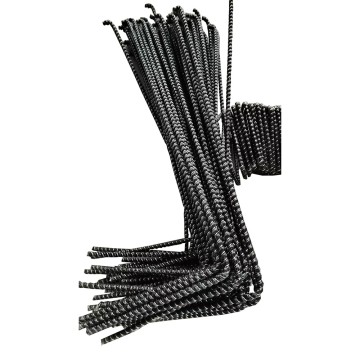
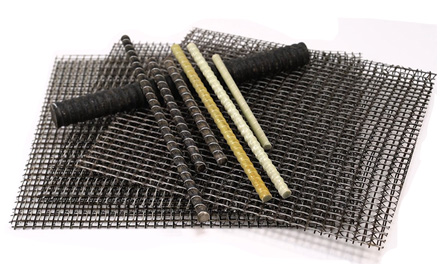
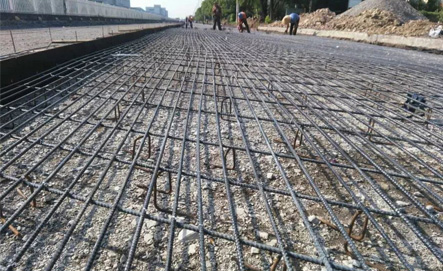
Basalt fiber rebar is a high-strength alternative to traditional steel bars and is used in a wide range of applications for reinforcing concrete structures and composite battery enclosures in various fields. Its excellent performance — including non-conductivity, non-magnetism, high temperature resistance, and alkali resistance — makes it ideal for a variety of NEV battery pack applications such as cell module separators, pack-level firewall reinforcement, BMS sensor housing structures, and thermal management system frameworks.
FIND OUT MORE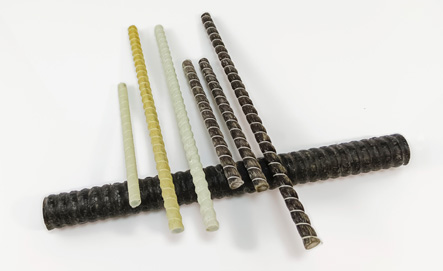
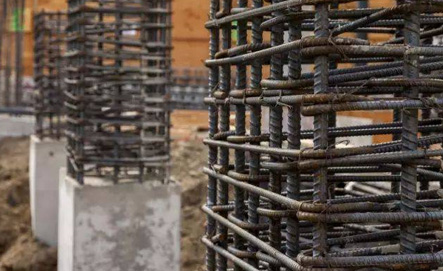
From NEV battery systems to aerospace, construction, and marine engineering — basalt fiber delivers proven performance across the world's most demanding industries.

Our basalt products have diverse applications in the field of house construction.

In the aerospace field, basalt fibers are ideal for manufacturing aircraft wings and engine components.

Basalt fibers enable spacecraft shell materials, thermal protection systems, and high-temperature-resistant engine components.

Basalt-added concrete offers increased strength, durability, crack resistance, and improved chemical resistance.

Facing the trend of lightweight automobile materials, basalt fiber composites enable wide application in the NEV and automotive field.

Basalt's high strength, durability and protective properties make it ideal for protecting bridge abutment structures from vehicle collisions and corrosion.

The corrosion resistance of basalt fiber gives it a unique advantage in the petrochemical field.

Basalt fiber composites: lightweight, high strength, corrosion resistant — ideal for marine engineering and ship construction.
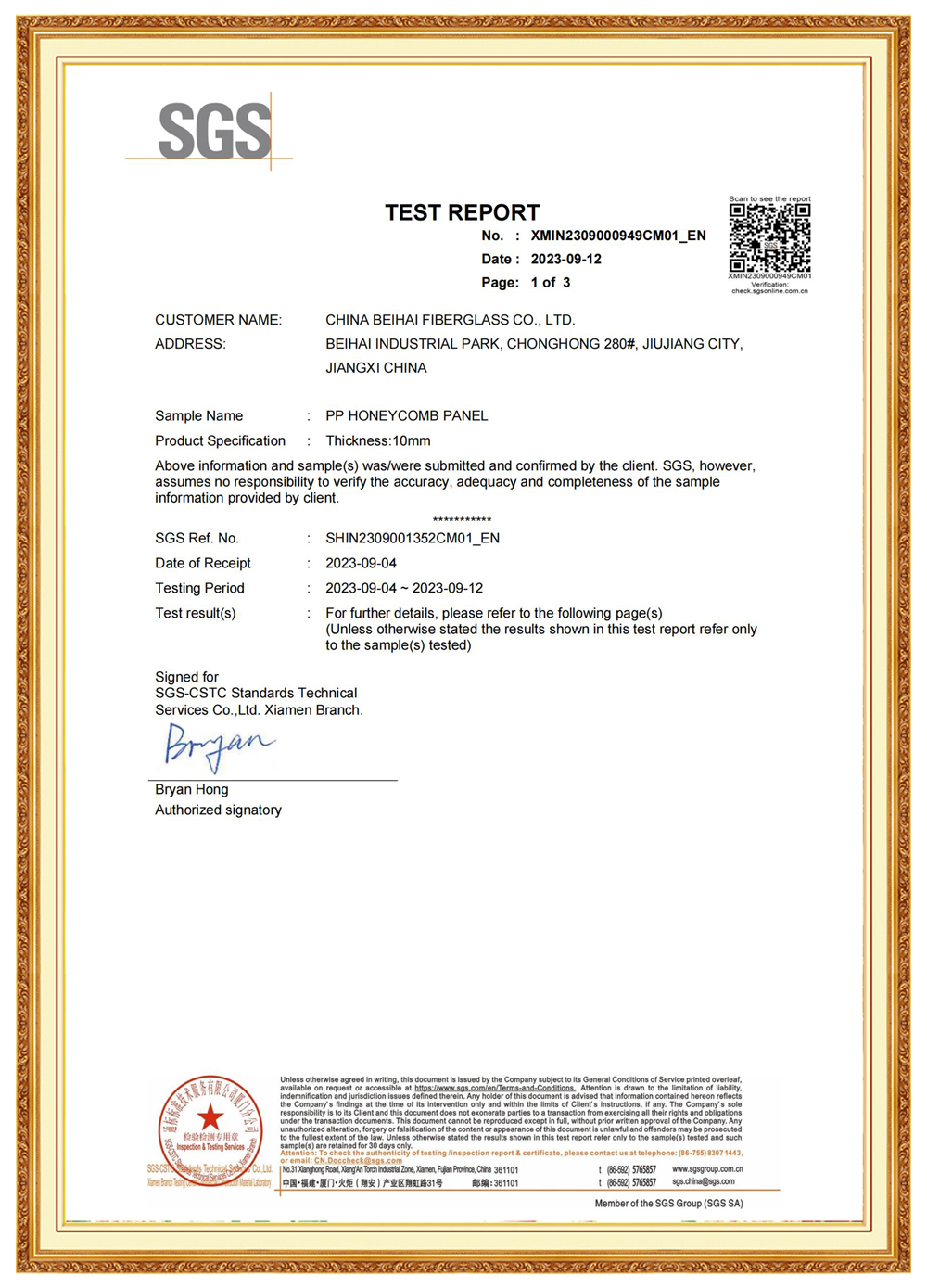
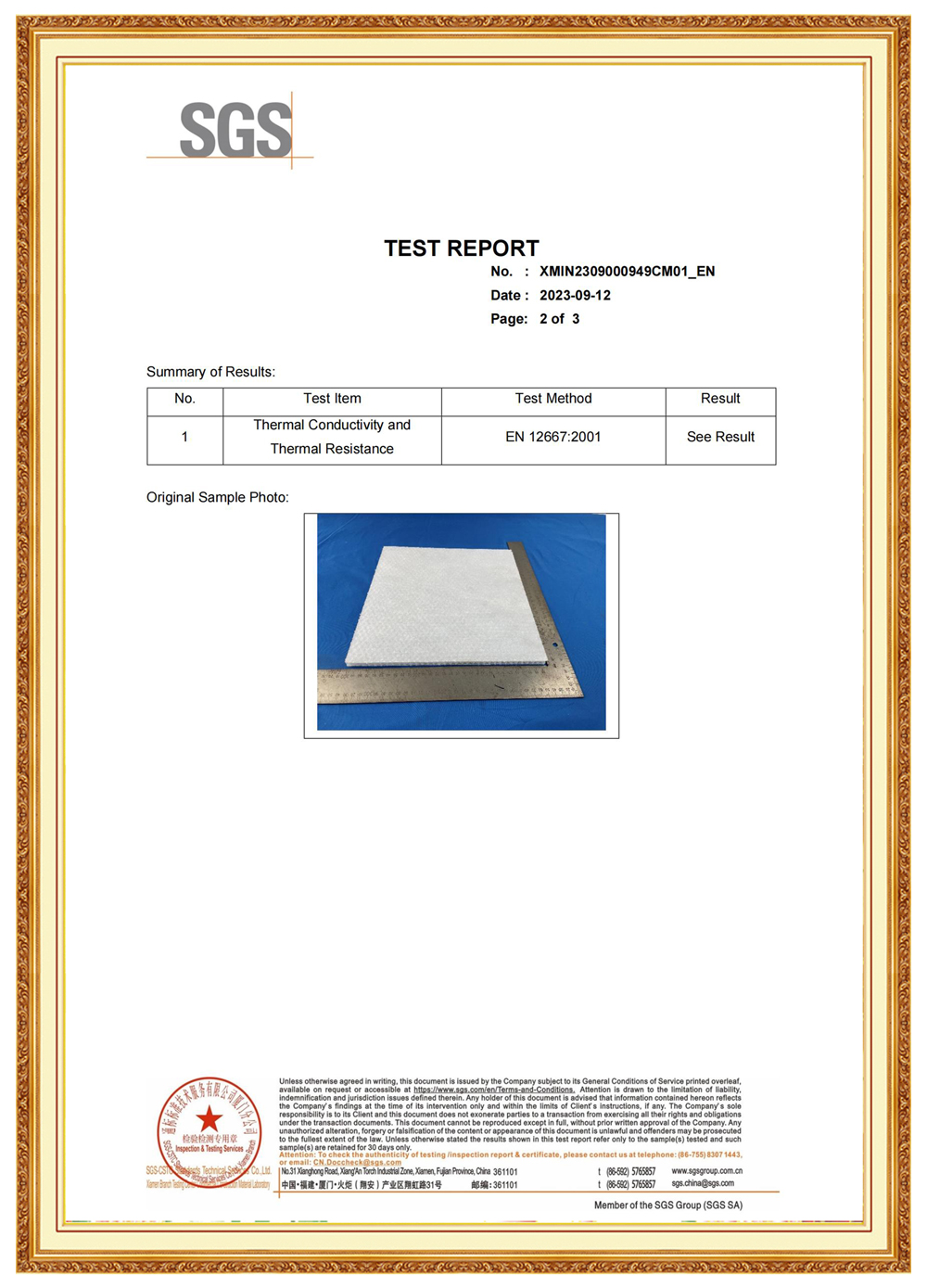
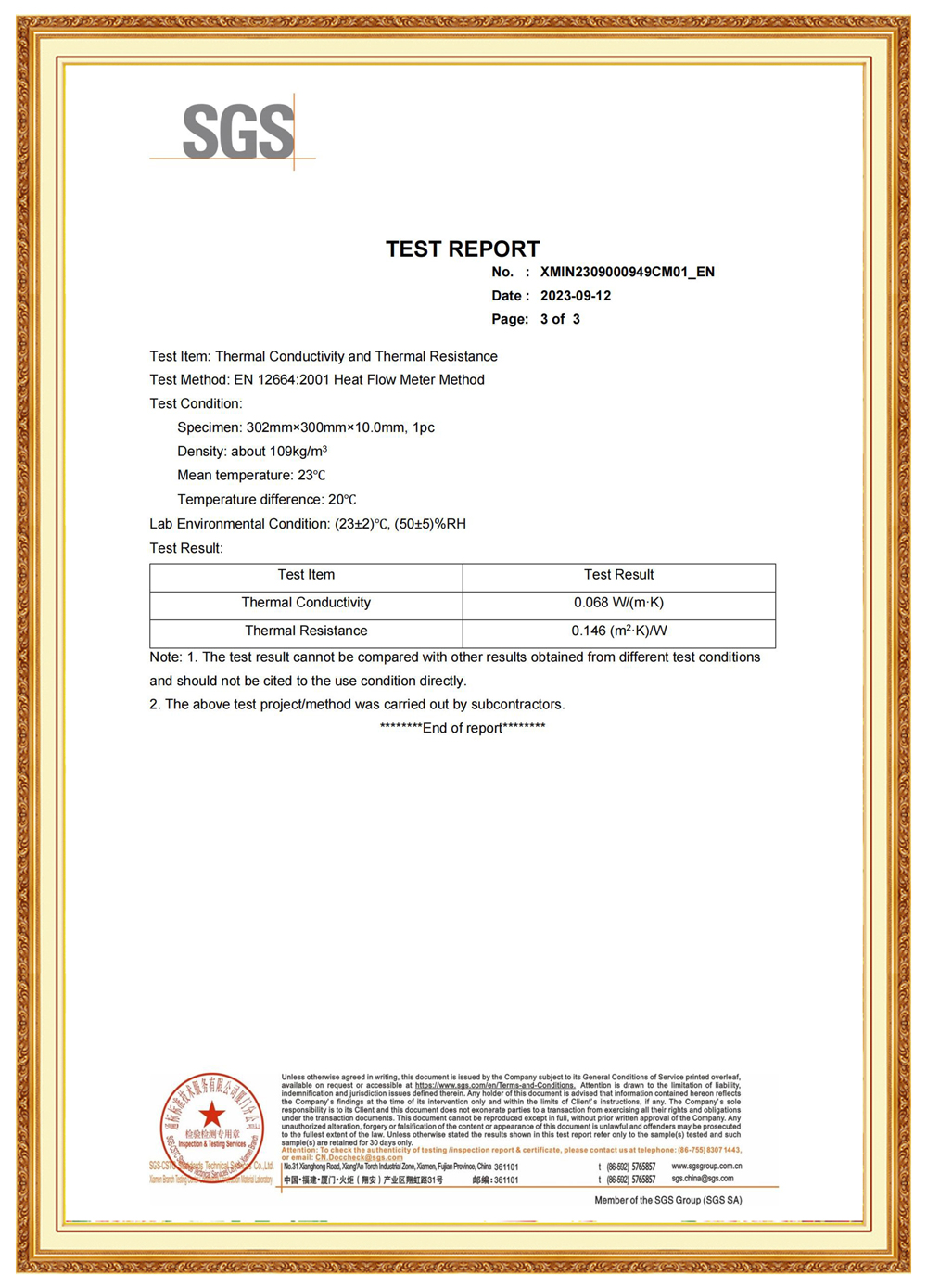
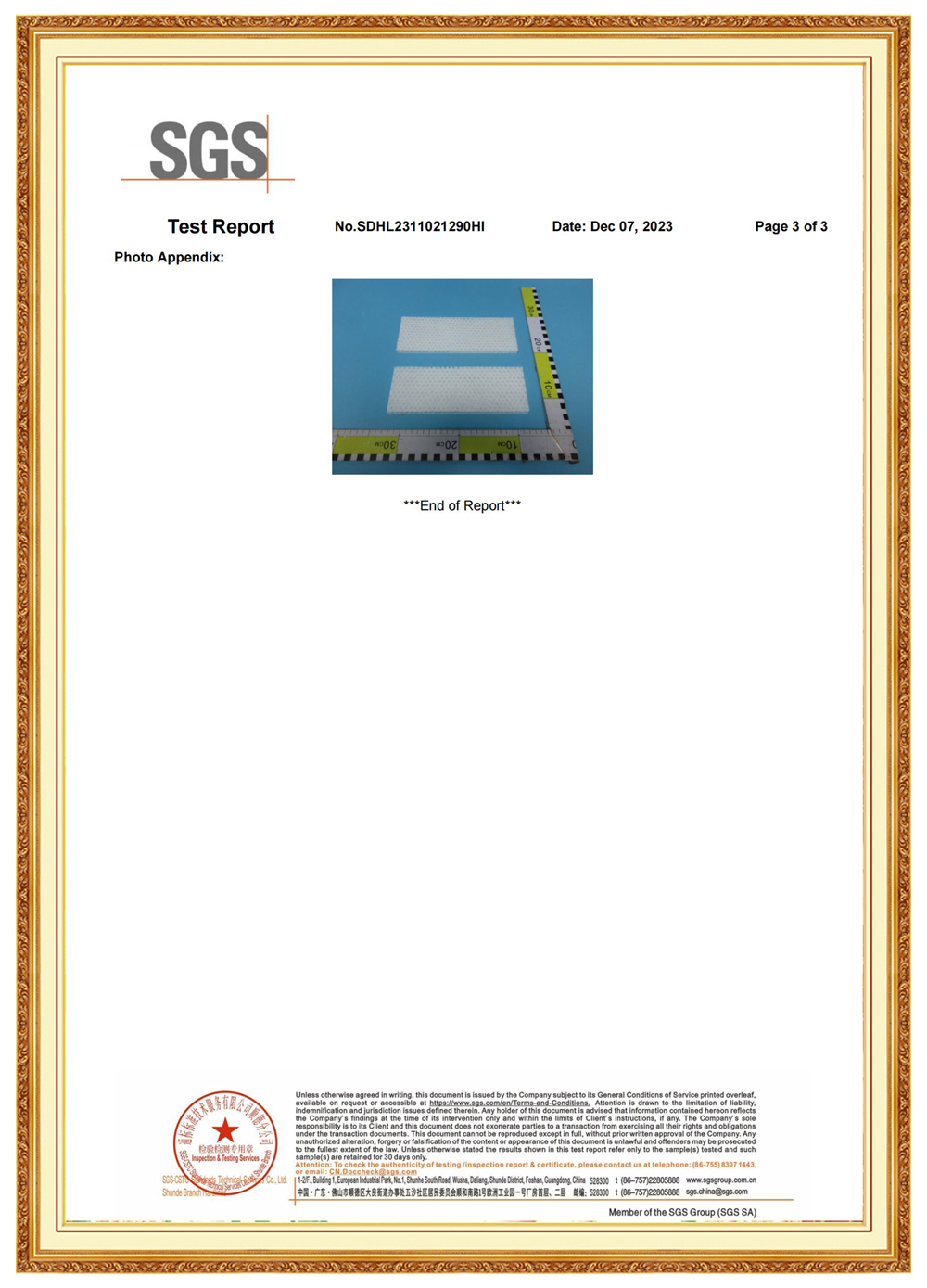
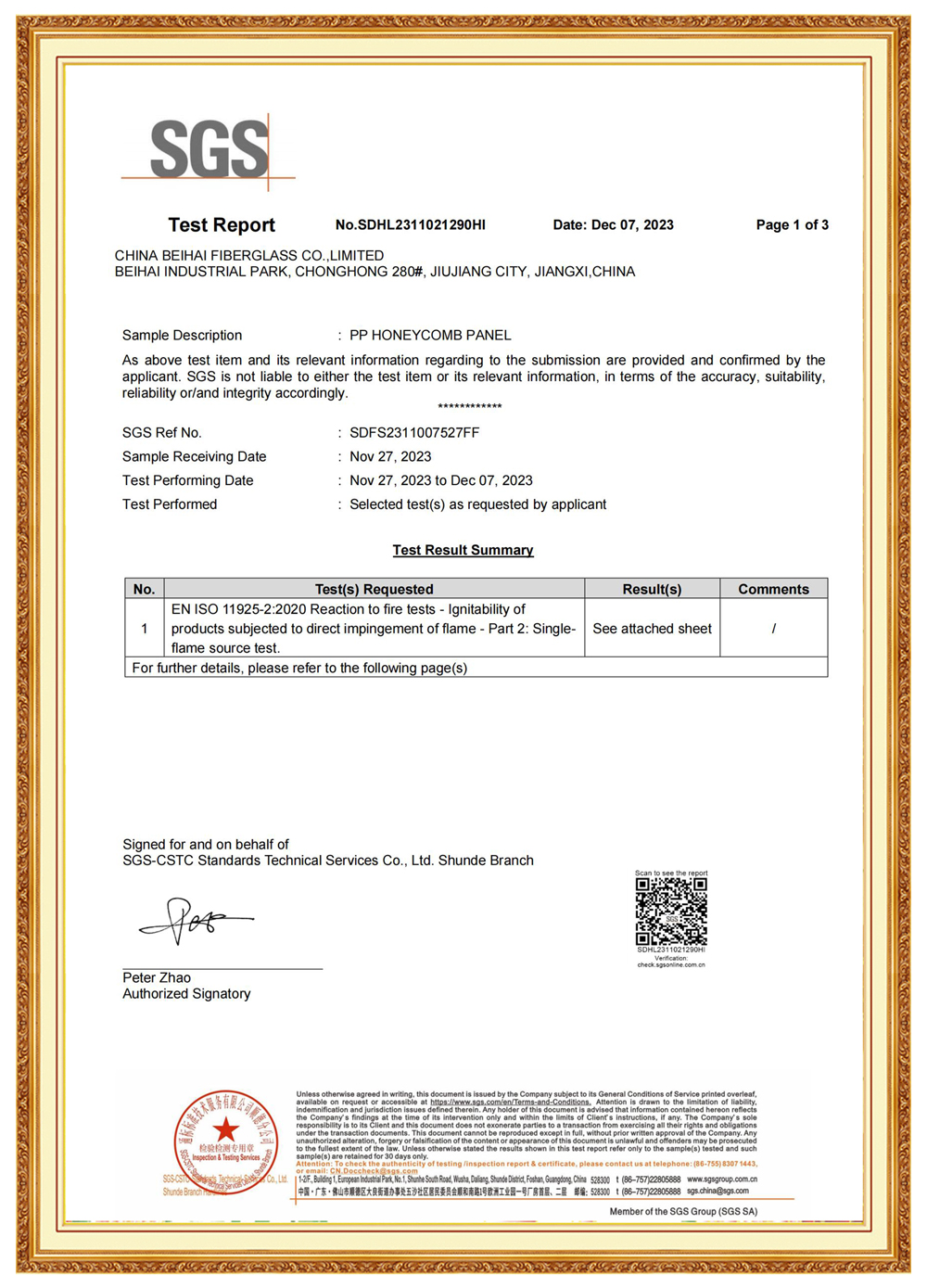
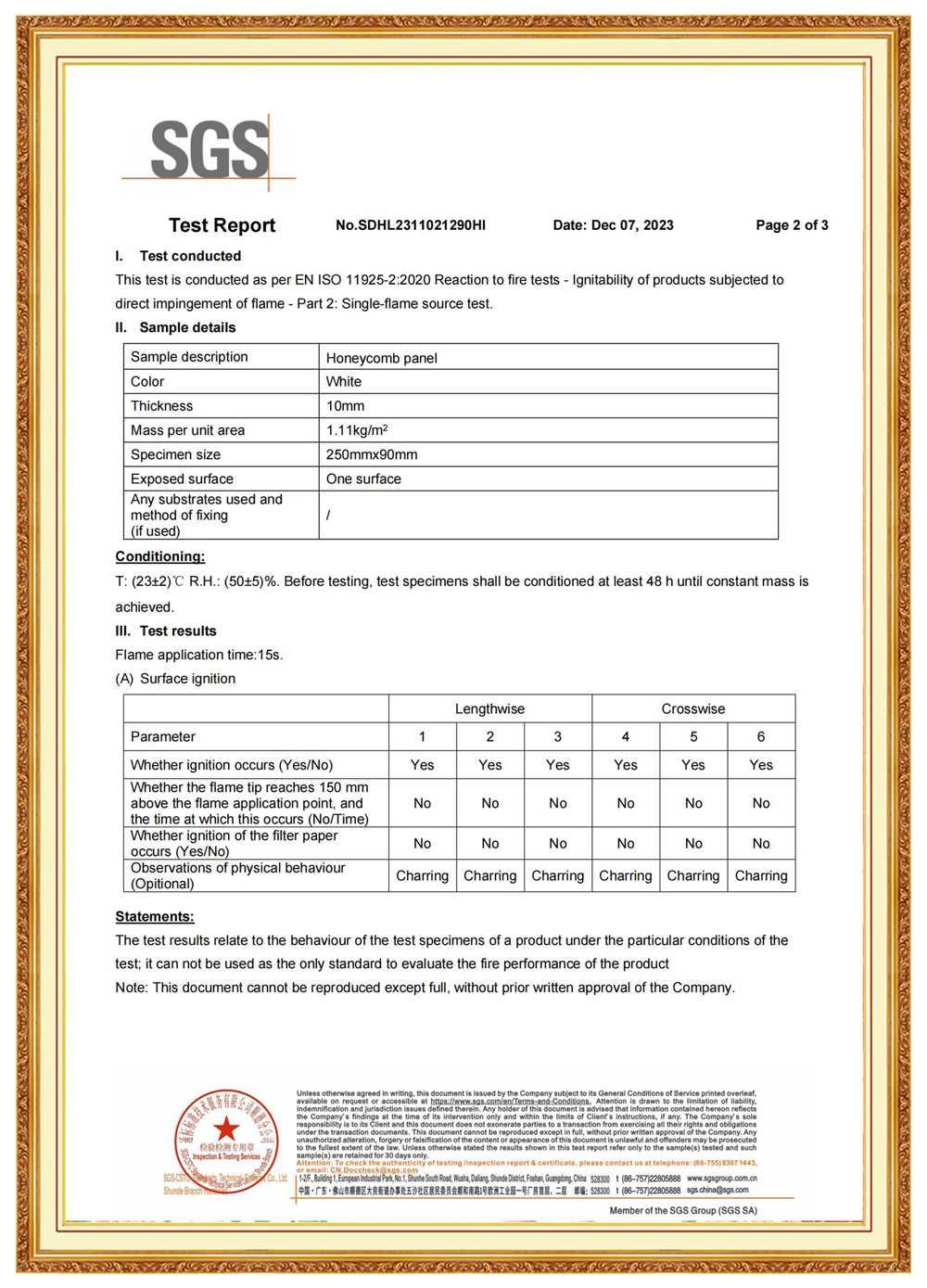
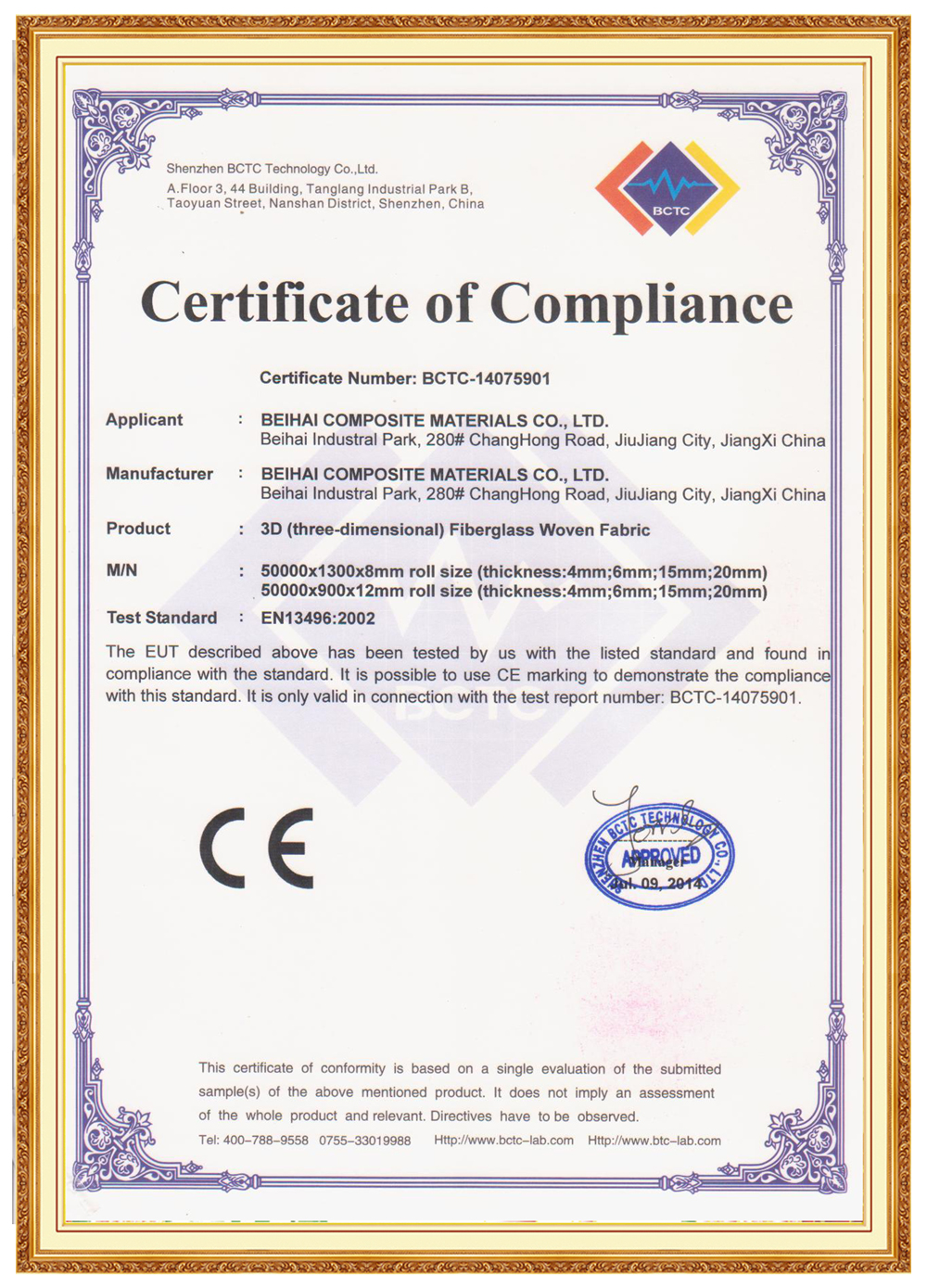
China Beihai's basalt fiber rebar bundles are backed by comprehensive international quality certifications, ensuring compliance with NEV industry standards and global regulatory requirements.




As drones slice through the sky to monitor wildfires, and intelligent robots execute repetitive tasks with precision on the factory floor, the efficient operation of this smart equipment is often underpinned by a "hardcore support" that is easily overlooked: a novel material derived from volcanic rock — basalt fiber. Though unassuming in appearance, its unique properties have made it the key to unlocking the performance limits of drones and robots, quietly driving a materials revolution within the realm of intelligent equipment.
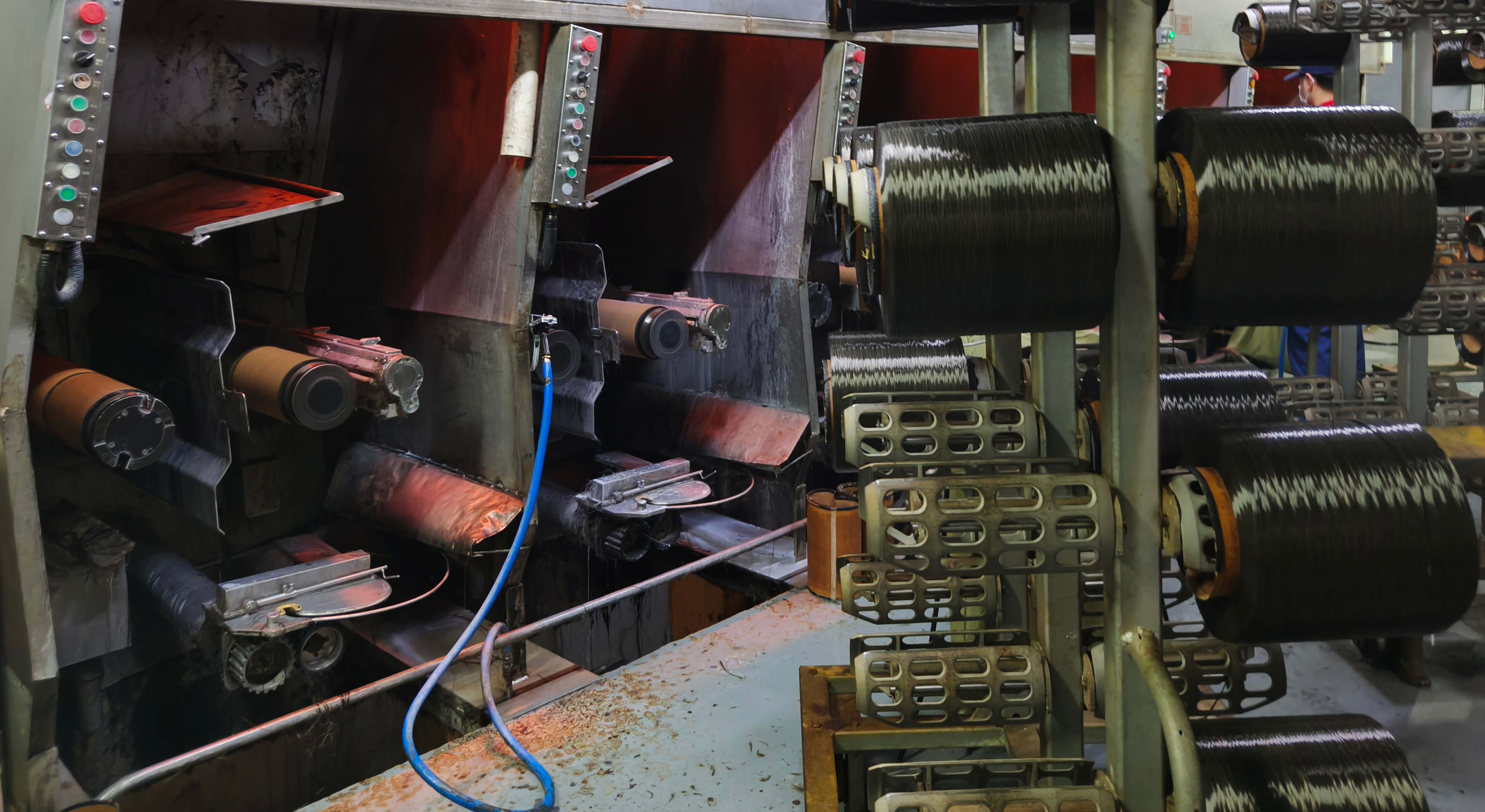
Basalt fiber is an inorganic fibrous material produced by drawing strands from natural basalt ore after it has been melted at high temperatures. It has garnered widespread attention for its exceptional physicochemical properties — particularly its performance in high-temperature environments.
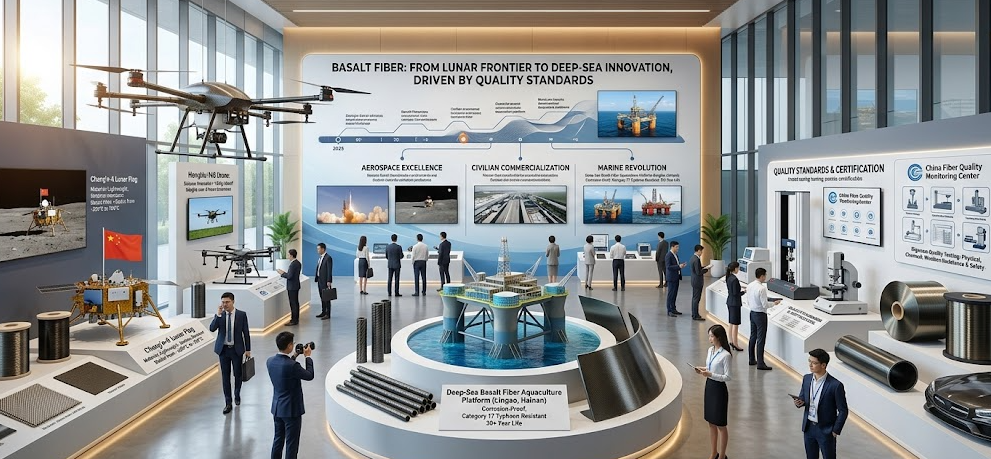
Recently, with the successful realization of major applications — such as the Chang'e-6 lunar exploration mission and the world's first deep-sea basalt fiber aquaculture platform — basalt fiber is rapidly accelerating its transformation from a laboratory research outcome into a strategic new material with tangible industrial productivity.
Explore our full range of engineered basalt fiber rebar solutions — each designed to address specific structural, thermal, and electromagnetic challenges in modern NEV battery pack design.