
Leave Your Message
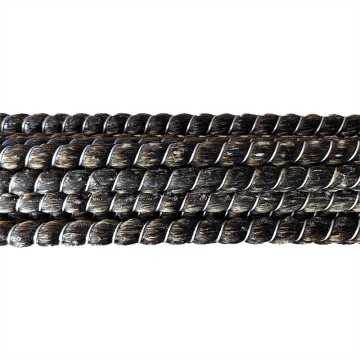
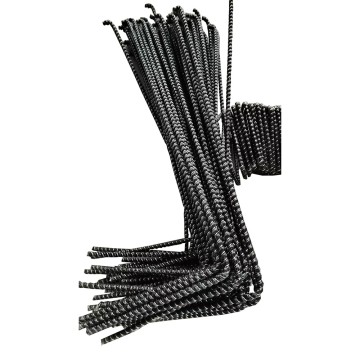
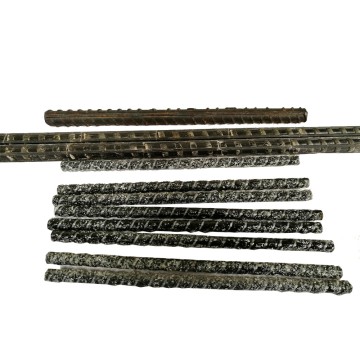
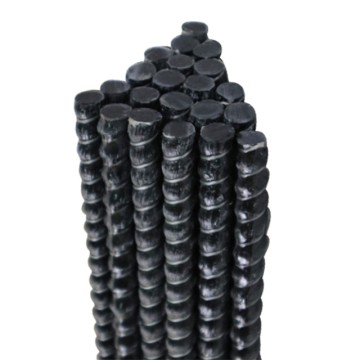
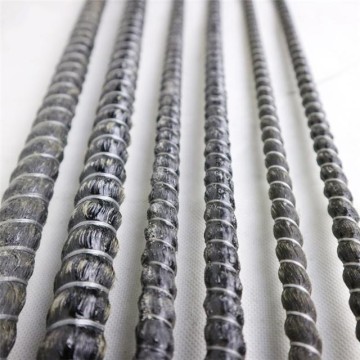
A rebar bundle for pultruded profiles refers to a precisely organized grouping of basalt fiber reinforced polymer (BFRP) bars that are supplied in bundled form, specifically engineered to be integrated into or alongside pultruded FRP structural profiles. Pultrusion is a continuous manufacturing process that pulls fiber reinforcements through a resin bath and a heated die, producing constant cross-section composite profiles with outstanding strength-to-weight ratios.
When basalt fiber rebar bundles are paired with pultruded profiles, the combination delivers a synergistic structural system — the rebar bundle provides tensile reinforcement while the pultruded profile contributes dimensional stability, shear resistance, and surface integrity. This pairing is rapidly gaining traction across civil engineering, marine construction, and industrial infrastructure sectors worldwide.
China Beihai, founded in 2015 and headquartered in Jiujiang, Jiangxi Province, is a pioneering high-tech enterprise in basalt continuous fiber manufacturing, delivering world-class rebar bundles and composite solutions to global markets.
Learn About China BeihaiBasalt fiber rebar delivers tensile strength exceeding 1,000 MPa — up to 3× that of conventional steel — making it the ideal tensile reinforcement core within pultruded structural profiles for demanding load-bearing applications.
Unlike steel, basalt rebar bundles exhibit zero chloride or alkali corrosion — a critical advantage for pultruded profiles deployed in coastal infrastructure, marine platforms, sewage systems, and chemical plants.
At only 25% the weight of equivalent steel reinforcement, basalt rebar bundles dramatically reduce the dead load of pultruded profile assemblies, simplifying installation logistics and enabling longer spans.
Basalt rebar is non-conductive and non-magnetic, making it the preferred reinforcement for pultruded profiles used in MRI rooms, power stations, electromagnetic-sensitive environments, and rail infrastructure.
The global BFRP rebar market is projected to grow at a CAGR exceeding 12% through 2030, driven by escalating infrastructure investment in Asia-Pacific, North America, and the Middle East. Rebar bundles for pultruded profiles represent one of the fastest-growing sub-segments, as engineers increasingly specify FRP composite systems over conventional steel-reinforced concrete in corrosive or electromagnetically sensitive environments.
Government-led infrastructure renewal programs — from the U.S. Infrastructure Investment and Jobs Act to China's 14th Five-Year Plan — are accelerating adoption of durable, low-maintenance composite reinforcement. Basalt rebar bundles integrated into pultruded profiles offer a 50–100 year service life with minimal maintenance, significantly reducing lifecycle costs compared to steel-reinforced alternatives.
With the construction industry under increasing pressure to decarbonize, basalt fiber — derived entirely from natural volcanic rock without chemical additives — stands out as an inherently eco-friendly material. Rebar bundles for pultruded profiles contribute to green building certifications (LEED, BREEAM) by reducing embodied carbon, eliminating corrosion-related repair waste, and supporting circular economy principles.
International standards bodies including ACI (440.1R), fib, and ISO are progressively incorporating BFRP rebar specifications into structural design codes. This standardization momentum is removing the primary barrier to large-scale adoption of basalt rebar bundles in pultruded profile systems, giving engineers the regulatory confidence to specify these materials in public infrastructure projects.
AI-driven quality control systems and automated pultrusion lines are enabling tighter tolerances in rebar bundle geometry and resin impregnation consistency. China Beihai's advanced production facilities leverage real-time process monitoring to ensure every rebar bundle meets exacting dimensional and mechanical specifications for seamless integration with pultruded profile systems.
The offshore wind energy sector, deep-sea aquaculture platforms, and coastal flood defense infrastructure represent transformative new markets for basalt rebar bundles in pultruded profiles. The world's first deep-sea basalt fiber aquaculture platform — a landmark project demonstrating the material's viability in extreme marine environments — has catalyzed significant interest from offshore engineering contractors globally.
Bridge decks and piers in marine or deicing-salt environments suffer chronic corrosion with conventional steel reinforcement. Basalt rebar bundles embedded within pultruded FRP deck profiles eliminate this failure mode entirely. The composite system provides the tensile continuity required by structural codes while the pultruded profile shell offers shear transfer and surface protection, achieving 75+ year maintenance-free service life in aggressive chloride environments.
MRI suites require a completely metal-free structural environment to prevent magnetic field distortion and radiofrequency interference. Pultruded profiles reinforced with non-conductive, non-magnetic basalt rebar bundles provide the structural framing solution that satisfies both load-bearing requirements and electromagnetic transparency demands, enabling architects to design larger, more complex MRI facilities without compromising imaging performance.
High-voltage electrical infrastructure demands reinforcement materials that will not create eddy currents, magnetic heating, or conductive pathways. Basalt rebar bundles for pultruded profiles are the engineered solution for transformer housings, cable tray supports, switchgear enclosures, and structural platforms in power generation facilities, combining electrical isolation with the structural integrity needed to support heavy electrical equipment.
Tunnel lining segments and underground utility structures face persistent groundwater infiltration and chemical attack from soil contaminants. High-strength basalt rebar bundles integrated into pultruded profile systems for tunnel segment formwork and secondary lining provide exceptional resistance to alkali attack from cement hydration products, ensuring structural integrity throughout the tunnel's design life without the risk of rebar-induced spalling.
Processing facilities handling acids, alkalis, solvents, and hydrocarbons subject structural elements to chemical environments that rapidly degrade conventional steel reinforcement. Basalt rebar bundles within pultruded profiles for grating systems, walkways, handrails, and structural frames in these environments deliver unmatched chemical resistance, reducing maintenance shutdowns and extending facility operational life.
Radar-transparent structural enclosures, antenna support structures, and electromagnetic compatibility (EMC) test facilities require reinforcement that is both structurally capable and electromagnetically inert. Basalt rebar bundles in pultruded profile systems satisfy these dual requirements, enabling the construction of radar domes, anechoic chambers, and electronic warfare test facilities that would be impossible with conventional metallic reinforcement.
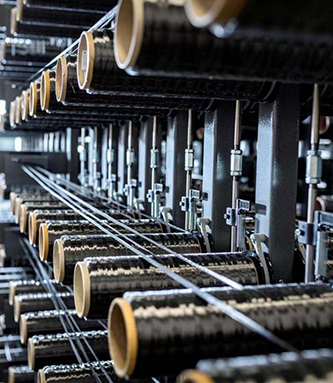
China Beihai is founded in 2015 and located in Jiujiang, Jiangxi Province. China Beihai is a high-tech enterprise focusing on the research, development, production and sales of high-performance basalt continuous fiber and its production equipment manufacturing, as well as a leading enterprise in the domestic basalt fiber industry.
Our product portfolio spans basalt fiber mat (chopped strand mat and basalt fiber cloth), basalt fiber roving, basalt fiber yarn, basalt fiber chopped strands, basalt fiber rebar, basalt fiber sleeves and tape — all engineered to meet the diverse demands of global industries including construction, geotechnical engineering, aerospace, and manufacturing.
View More
At China Beihai group, we specialize in the production of a wide range of products including basalt fiber mat (Basalt fiber chopped strand mat, Basalt fiber cloth), basalt fiber roving, basalt fiber yarn, basalt fiber chopped strands, and basalt fiber products (Basalt Fiber rebar, basalt fiber sleeves and tape). Our products are designed to meet the diverse needs of various industries, providing high-quality solutions for our customers.

At China Beihai group, we are dedicated to the production of a wide array of basalt-based products, ranging from basalt fiber mat, fabric, and roving to chopped strand and specialized construction materials. Our focus is on delivering high-quality, sustainable solutions for industries such as construction, geotechnical engineering, and manufacturing. With a commitment to innovation and excellence, we strive to cater to the unique requirements of our clients.

Choosing to work with China Beihai means working with a leading manufacturer of basalt products. Our commitment to quality, innovation and sustainability sets us apart, ensuring our customers receive best-in-class solutions for their diverse needs. When you partner with China Beihai, you can trust that you are working with a reliable and forward-thinking partner — a thought supplier for all your basalt product needs.
Basalt fiber is ideal for your engineering projects. Its high strength, corrosion resistance and lightweight properties allow it to easily solve a variety of challenges. In buildings, bridges, roads and other infrastructure projects, basalt fibers demonstrate outstanding performance, extending structural life and reducing maintenance costs. Choose basalt fiber, choose reliability and durability.
Basalt Fiber Rebar is a high-strength alternative to traditional steel bars and is used in a wide range of applications for reinforcing concrete structures in various fields. Its excellent performance makes it ideal for a variety of construction applications such as bridges, highways, buildings and other infrastructure projects.
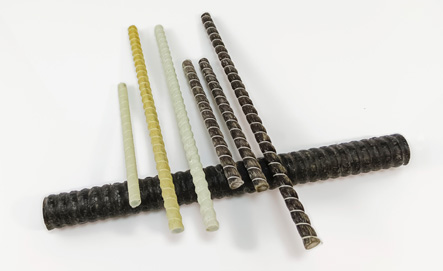
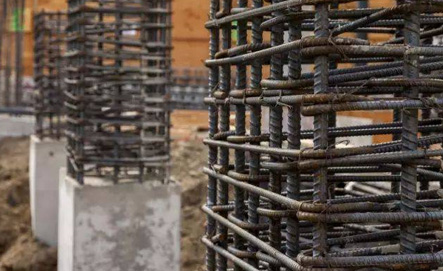
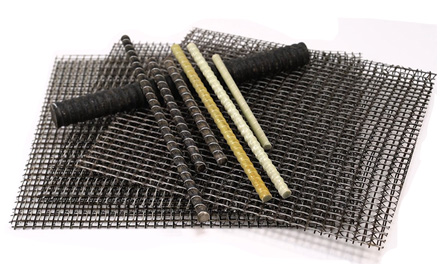
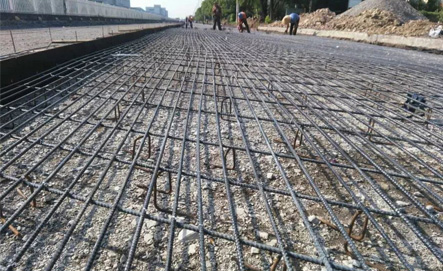
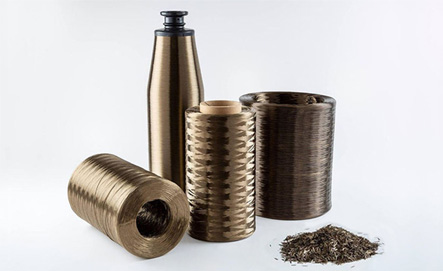
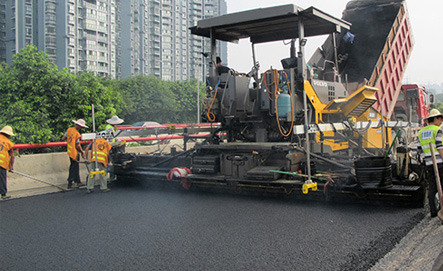
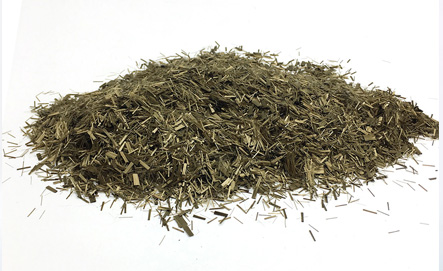
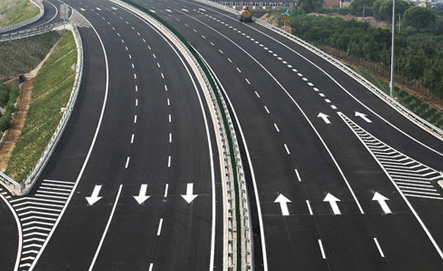
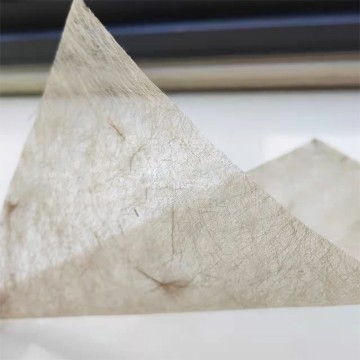
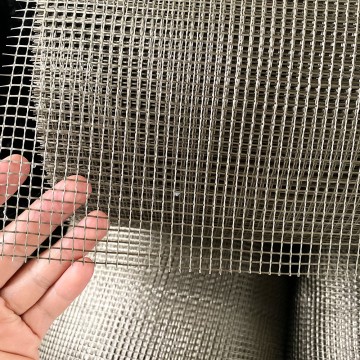
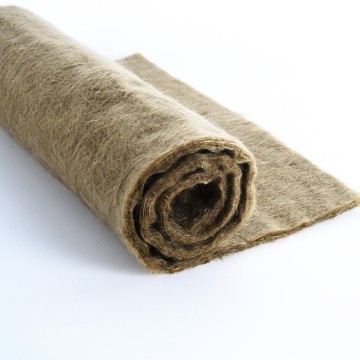
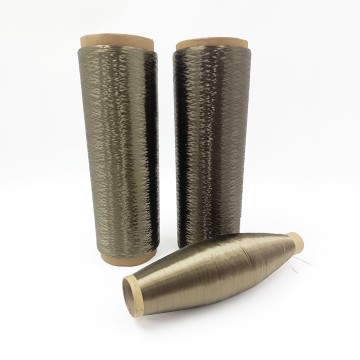

Our basalt rebar bundles and pultruded profiles have diverse applications in the field of building construction, delivering durable, corrosion-free structural reinforcement.

In the aerospace field, basalt fibers are ideal for manufacturing aircraft wings and engine components where lightweight strength is paramount.

Through fine process control and surface treatment technologies, basalt fibers are used in spacecraft shell materials, thermal protection systems, and high-temperature-resistant engine components.

Basalt-reinforced concrete offers increased strength, durability, crack resistance, improved chemical resistance and workability for demanding engineering projects.

Facing the trend of lightweight automobile materials, basalt fiber composites have achieved wide application in the automobile field through extensive R&D testing.

Basalt's high strength, durability and protective properties make it ideal for protecting bridge abutment structures from vehicle collisions, fire, corrosion and the natural environment.

The corrosion resistance of basalt fiber gives it a unique advantage in the petrochemical field, where aggressive chemical environments rapidly degrade conventional materials.

Basalt fiber composites provide lightweight, high-strength, corrosion-resistant solutions for ship hulls, marine platforms, and offshore structural applications.
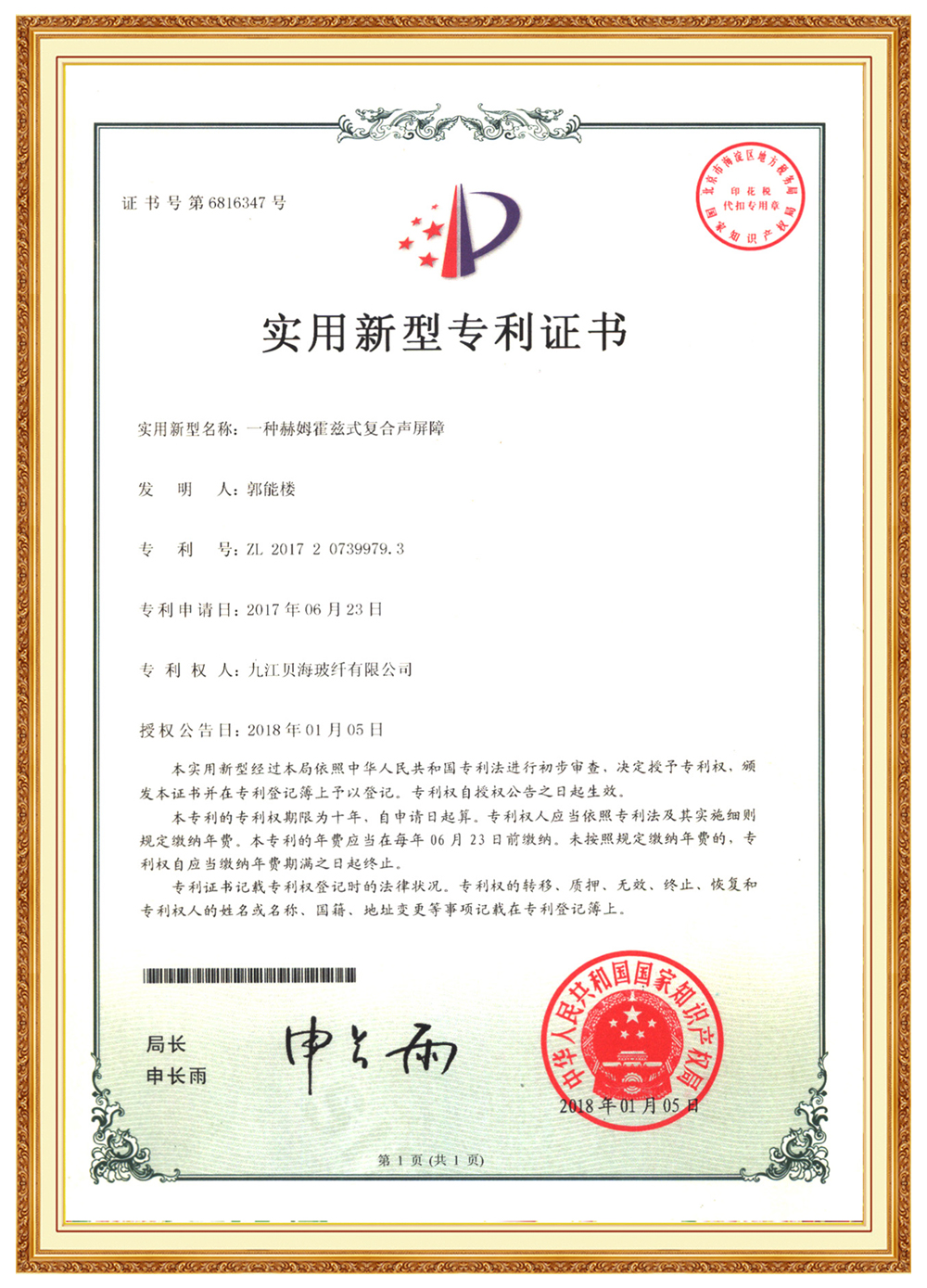


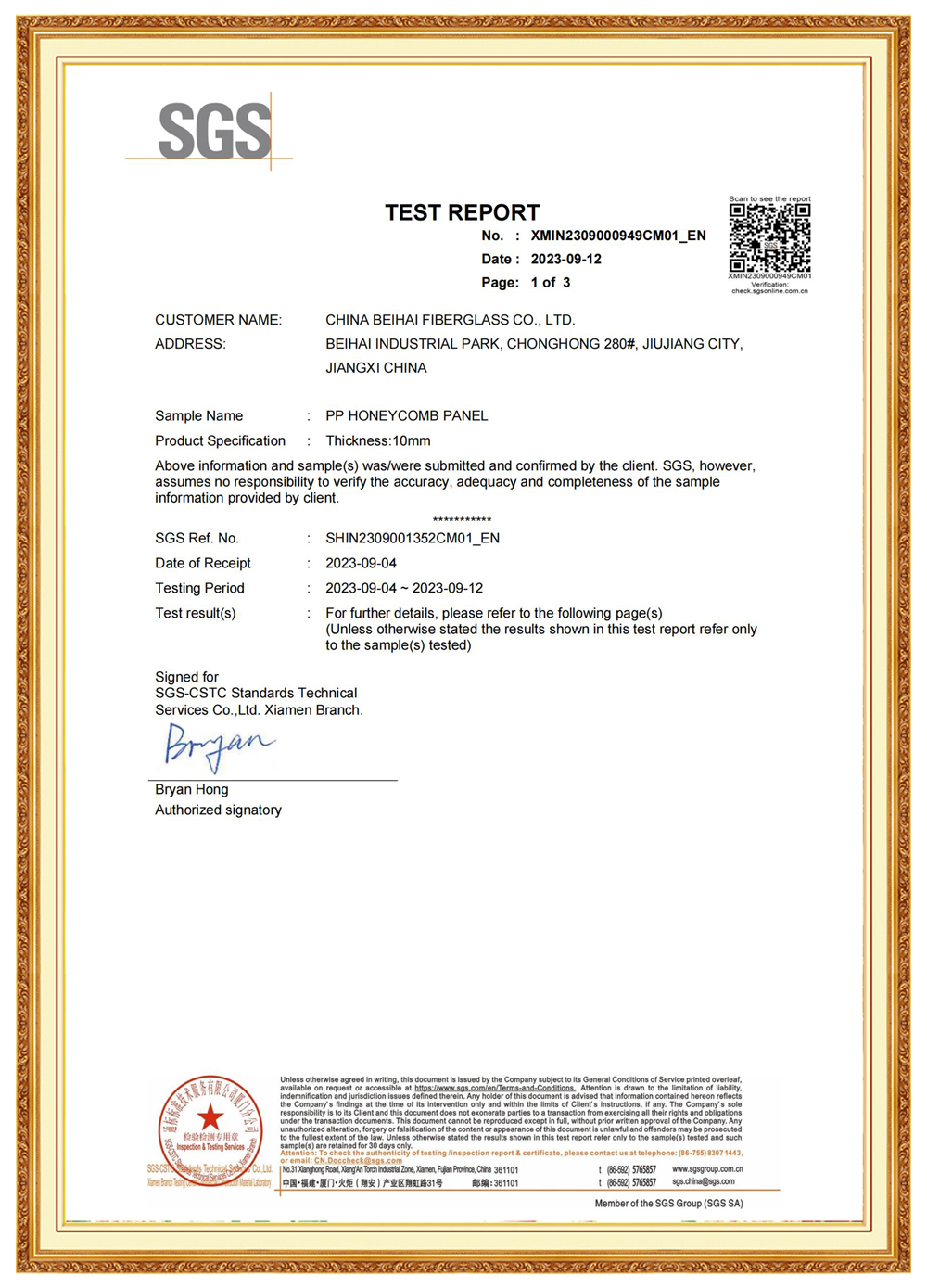
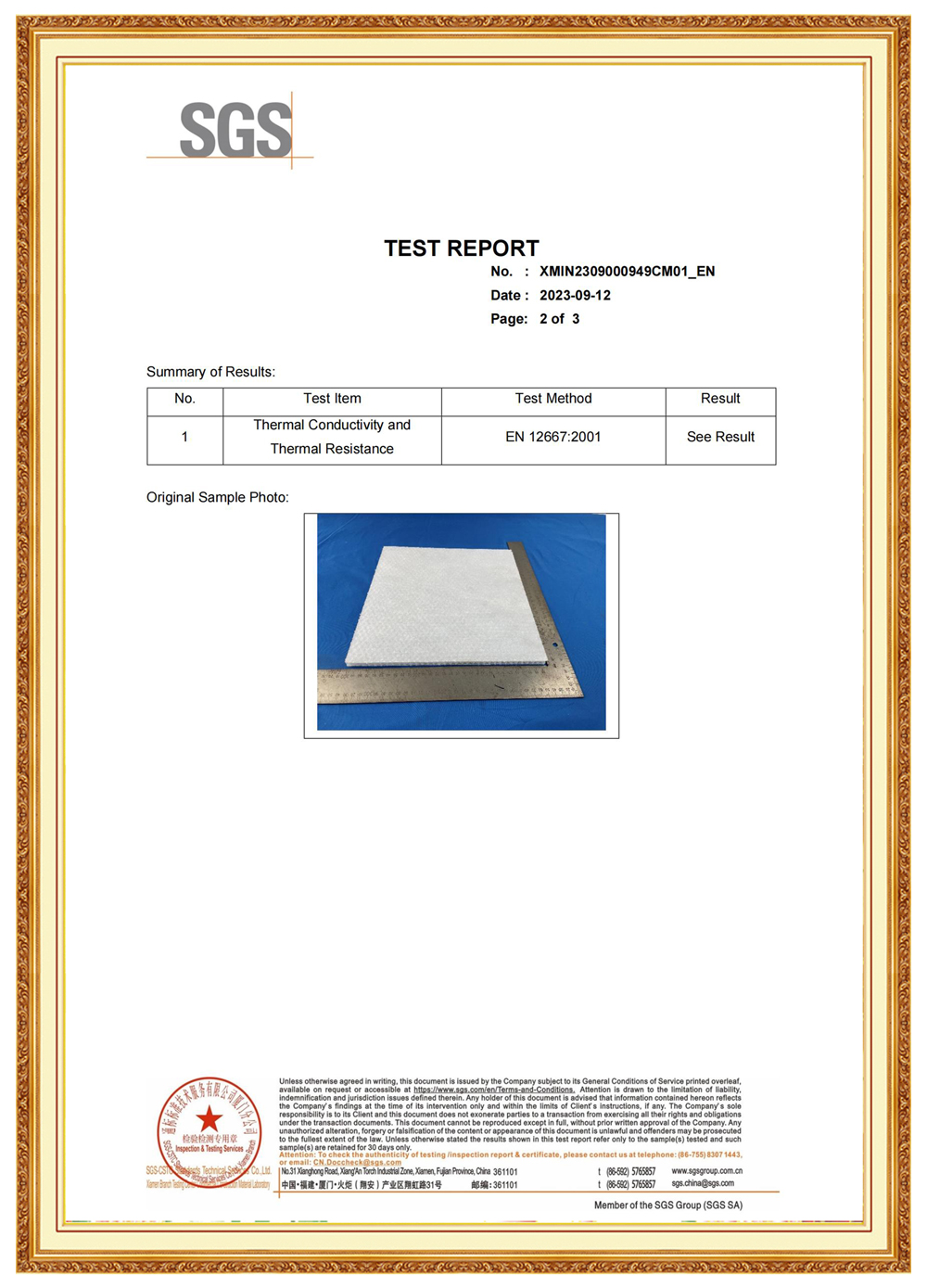
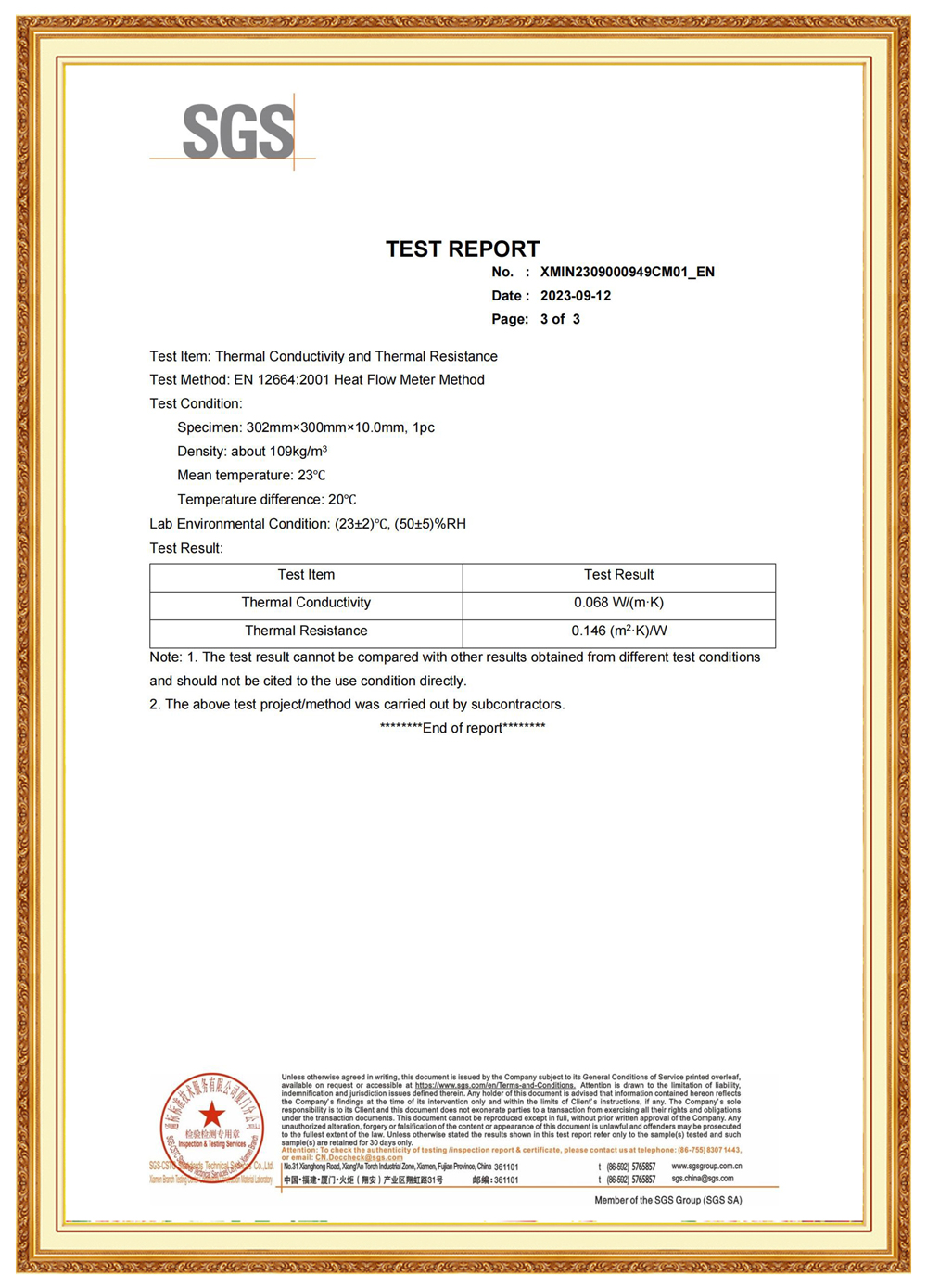
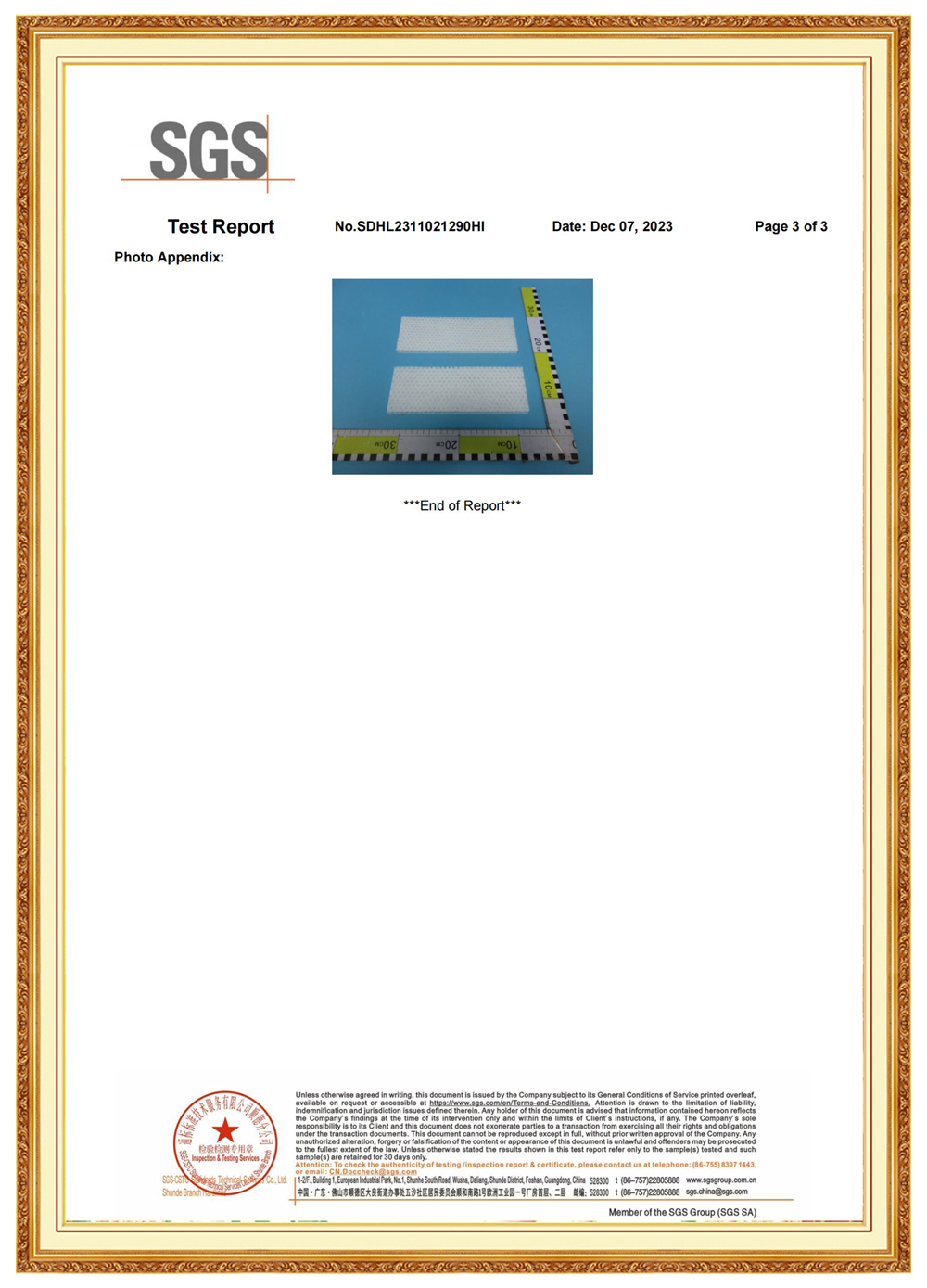
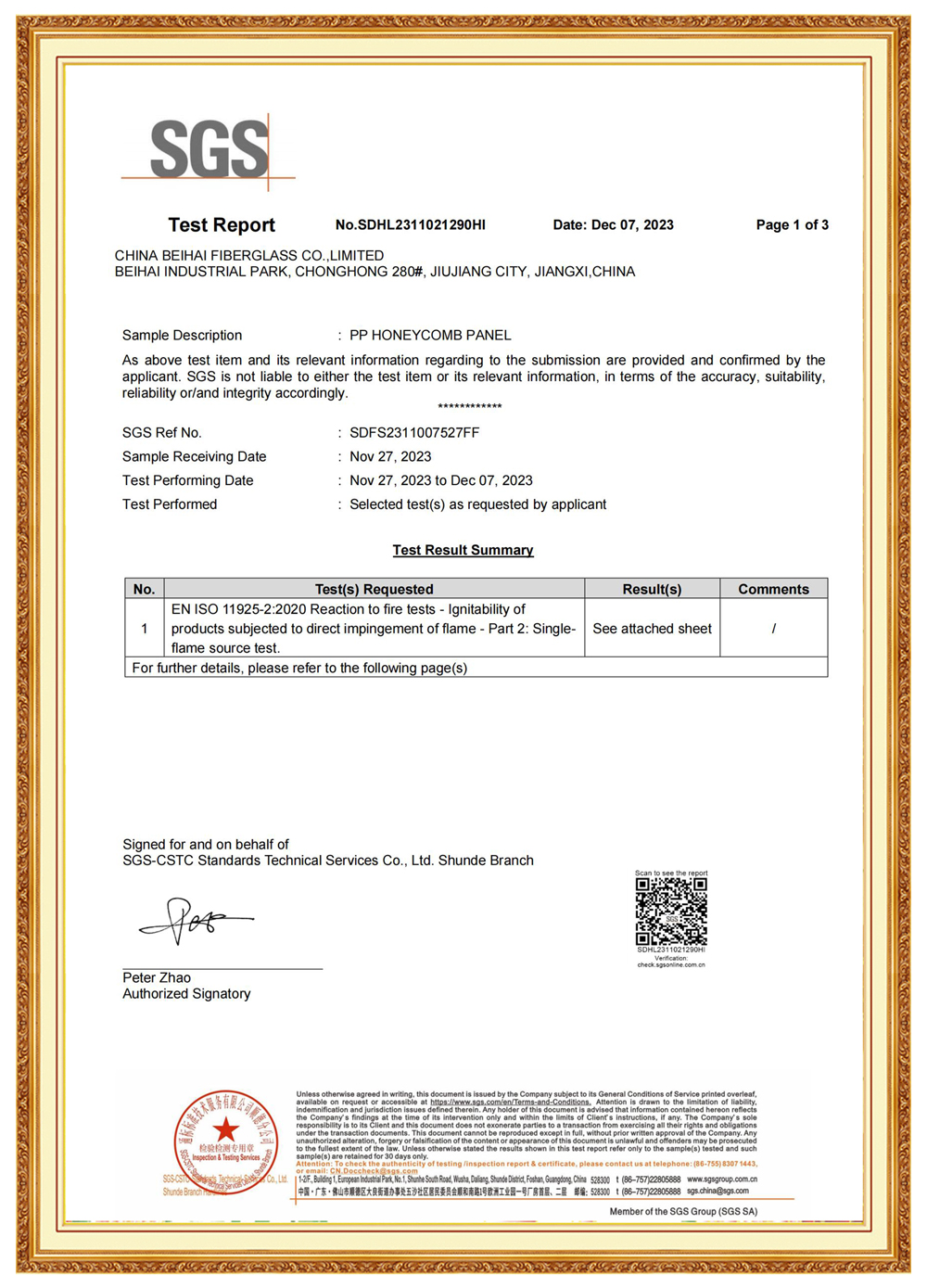
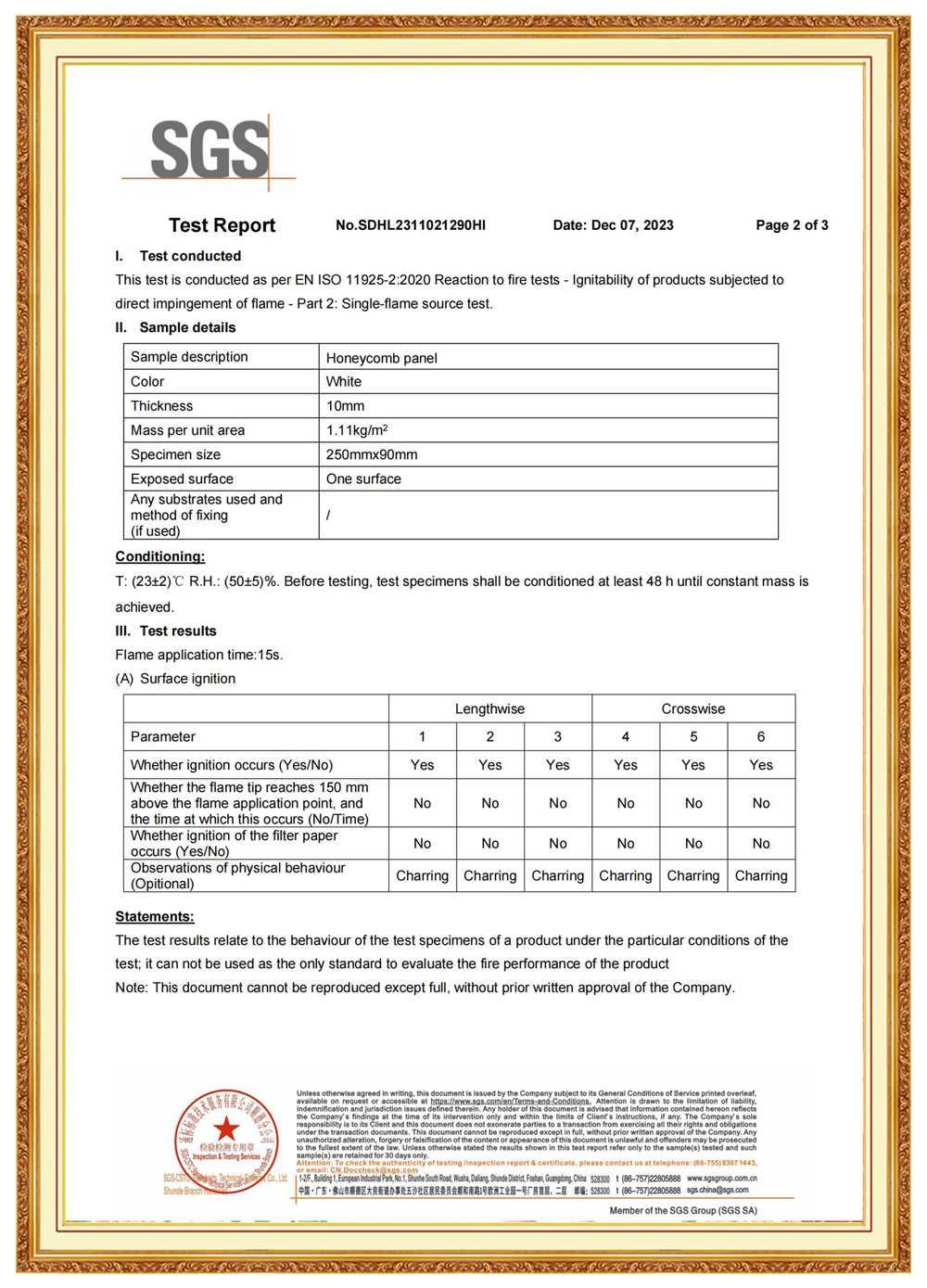
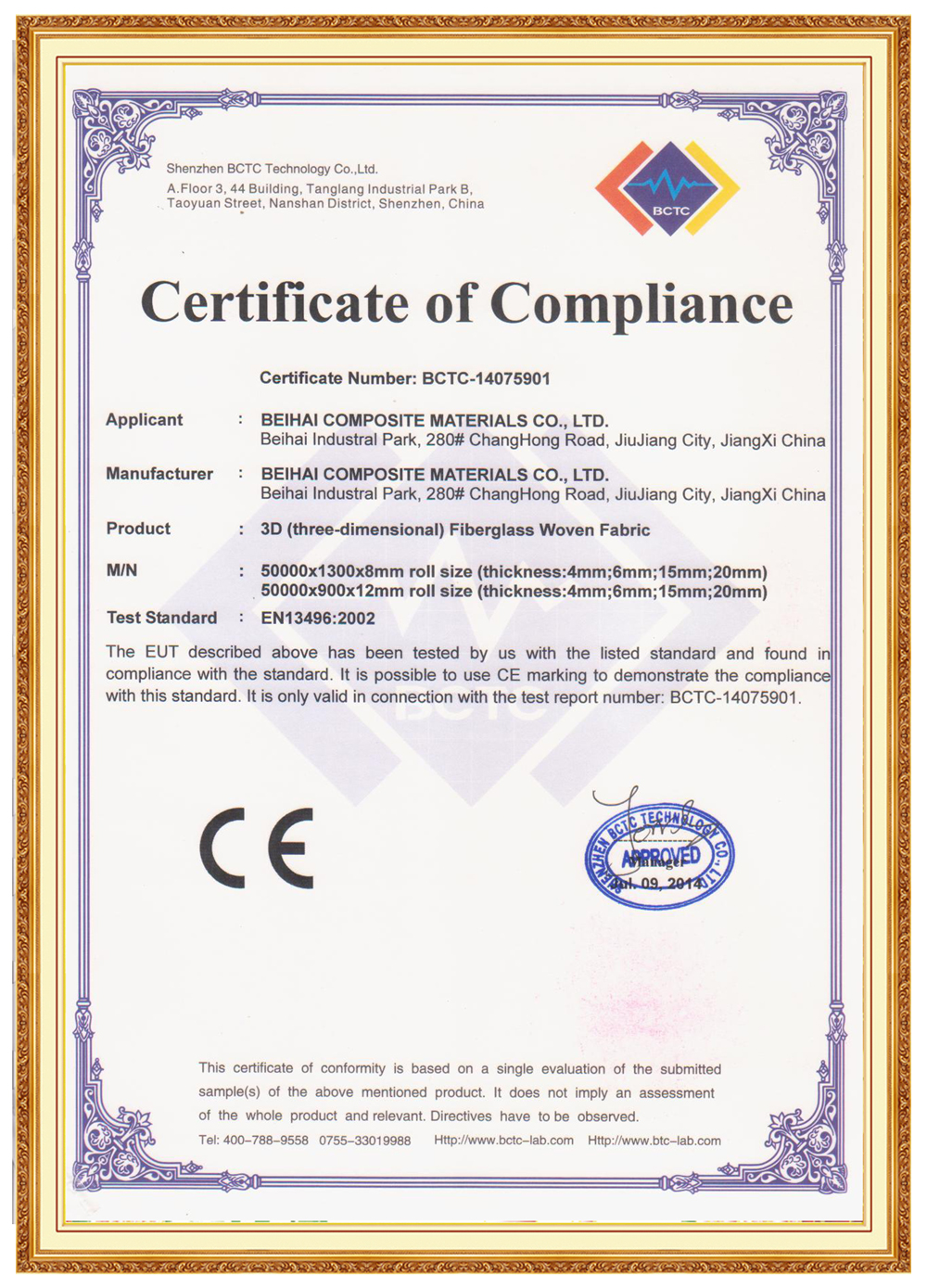

As drones slice through the sky to monitor wildfires, and intelligent robots execute repetitive tasks with precision on the factory floor, the efficient operation of this smart equipment is often underpinned by a "hardcore support" that is easily overlooked: a novel material derived from volcanic rock — basalt fiber. Produced by melting natural basalt rock at temperatures ranging from 1,450°C to 1,500°C and drawing it into fibers, this novel inorganic material boasts a multitude of advantages including lightweight strength, weather resistance, corrosion resistance, and eco-friendliness.
Read More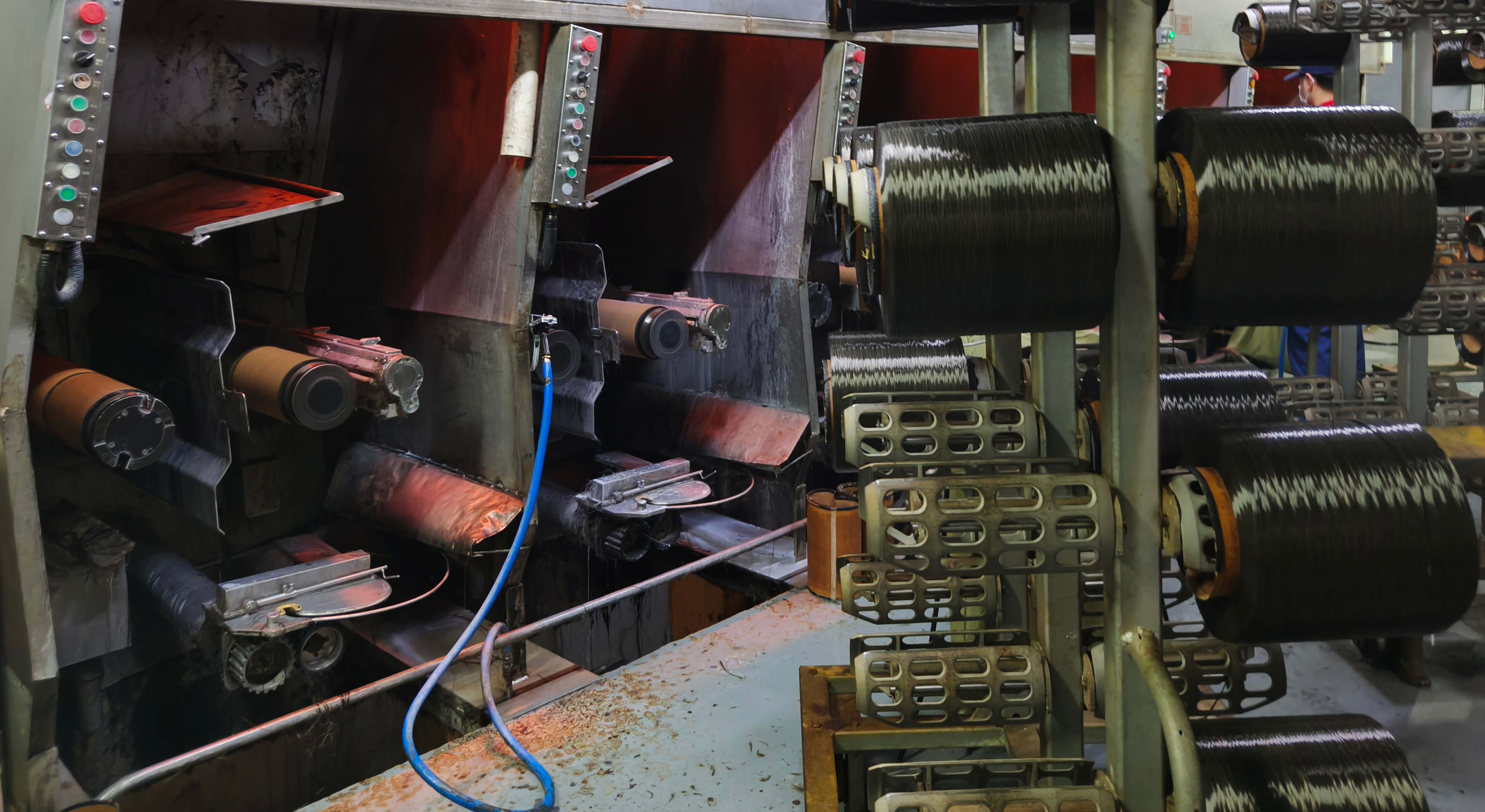
Basalt fiber is an inorganic fibrous material produced by drawing strands from natural basalt ore after it has been melted at high temperatures. High-temperature-resistant basalt fiber demonstrates unique value in numerous applications that demand resilience against extreme temperatures.
Read More →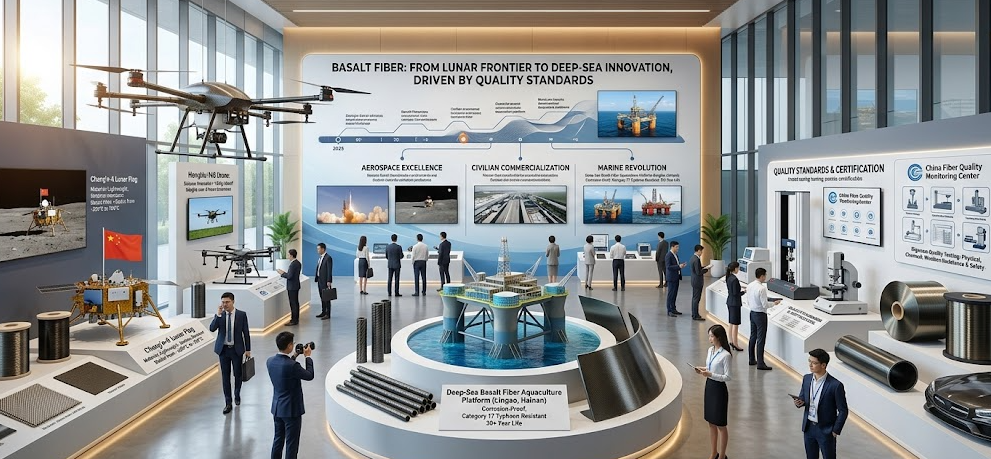
With the successful realization of major applications such as the Chang'e-6 lunar exploration mission and the world's first deep-sea basalt fiber aquaculture platform, basalt fiber is rapidly accelerating its transformation from a laboratory research outcome into a strategic new material with tangible industrial productivity.
Read More →