Deep Application Scenarios: Where Rebar Installation Meets Aerospace Precision
The installation of basalt fiber rebar within aerospace engine casing liners and thermal protection layers is not a simple substitution exercise — it demands a sophisticated understanding of composite mechanics, thermal management principles, and aerospace manufacturing standards. Below, we examine the most significant application scenarios in depth.
1. Turbofan Engine Nacelle Liner Reinforcement
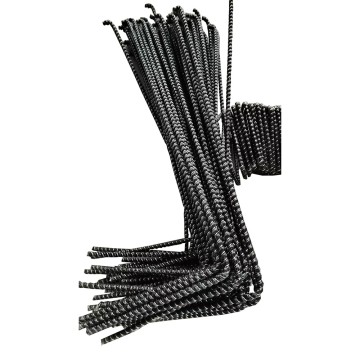
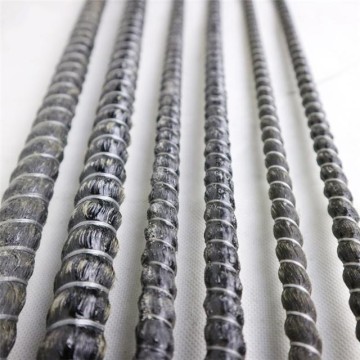
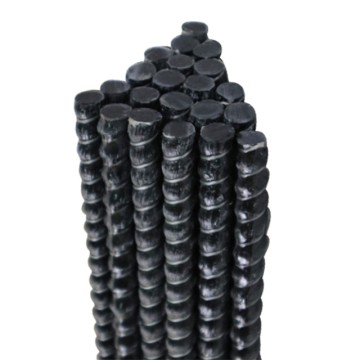
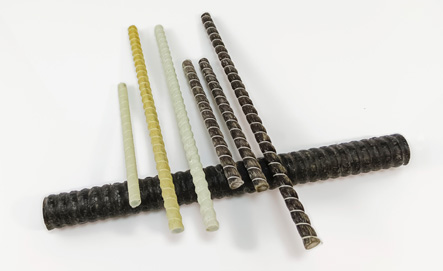
Modern turbofan engines generate combustion temperatures that can exceed 1,600°C at the combustor exit, with nacelle liner structures required to manage sustained thermal loads in the 400–700°C range during cruise conditions. BFRP rebar is installed as a three-dimensional reinforcement skeleton within phenolic or bismaleimide (BMI) resin matrix composite liners, providing tensile reinforcement in both axial and hoop directions.
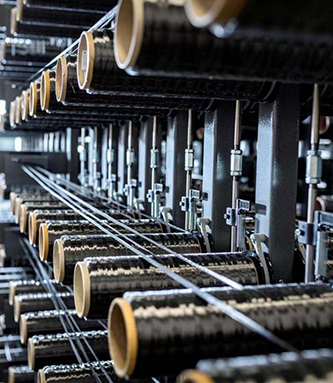
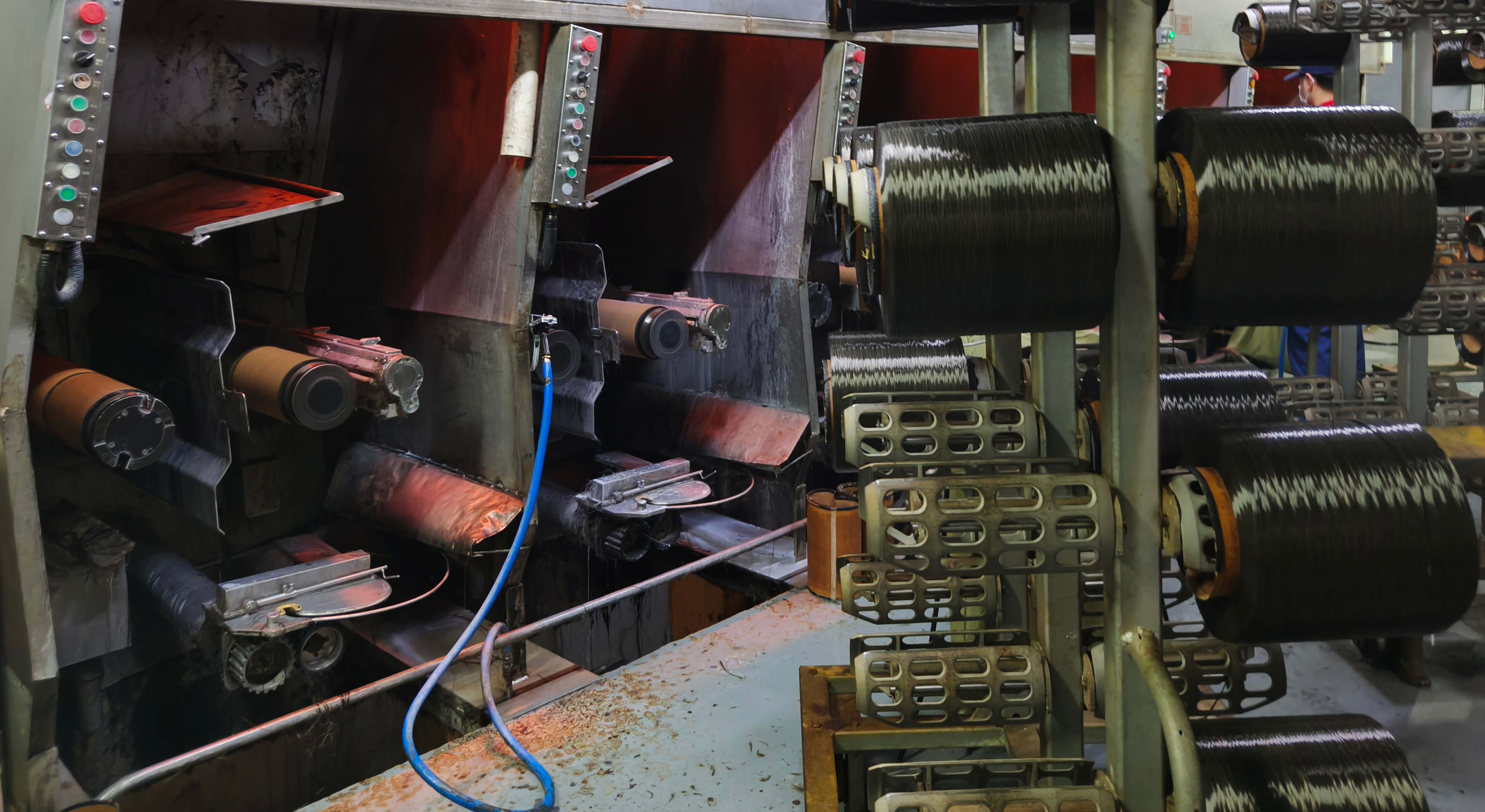
The non-magnetic nature of basalt rebar is particularly valuable here, as engine nacelles increasingly incorporate embedded sensor networks for structural health monitoring (SHM). Steel rebar would create magnetic interference with these systems; BFRP rebar does not. Installation involves precision filament winding or pultrusion processes, with rebar grids bonded into multi-ply woven basalt fabric laminates before autoclave curing.
2. Thermal Protection System (TPS) Structural Backing
Spacecraft and hypersonic vehicle thermal protection systems face the most extreme thermal environments in aerospace engineering — surface temperatures during atmospheric re-entry can exceed 1,600°C for short durations. While ablative materials handle the outermost thermal barrier, the structural backing layers that support and retain TPS tiles or blankets require reinforcement that can survive both the thermal soak and the mechanical loads of re-entry deceleration.
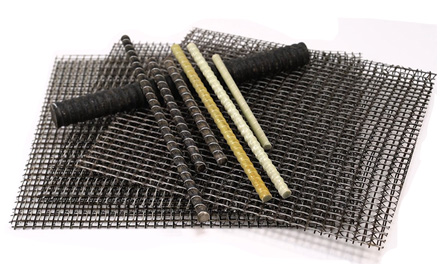
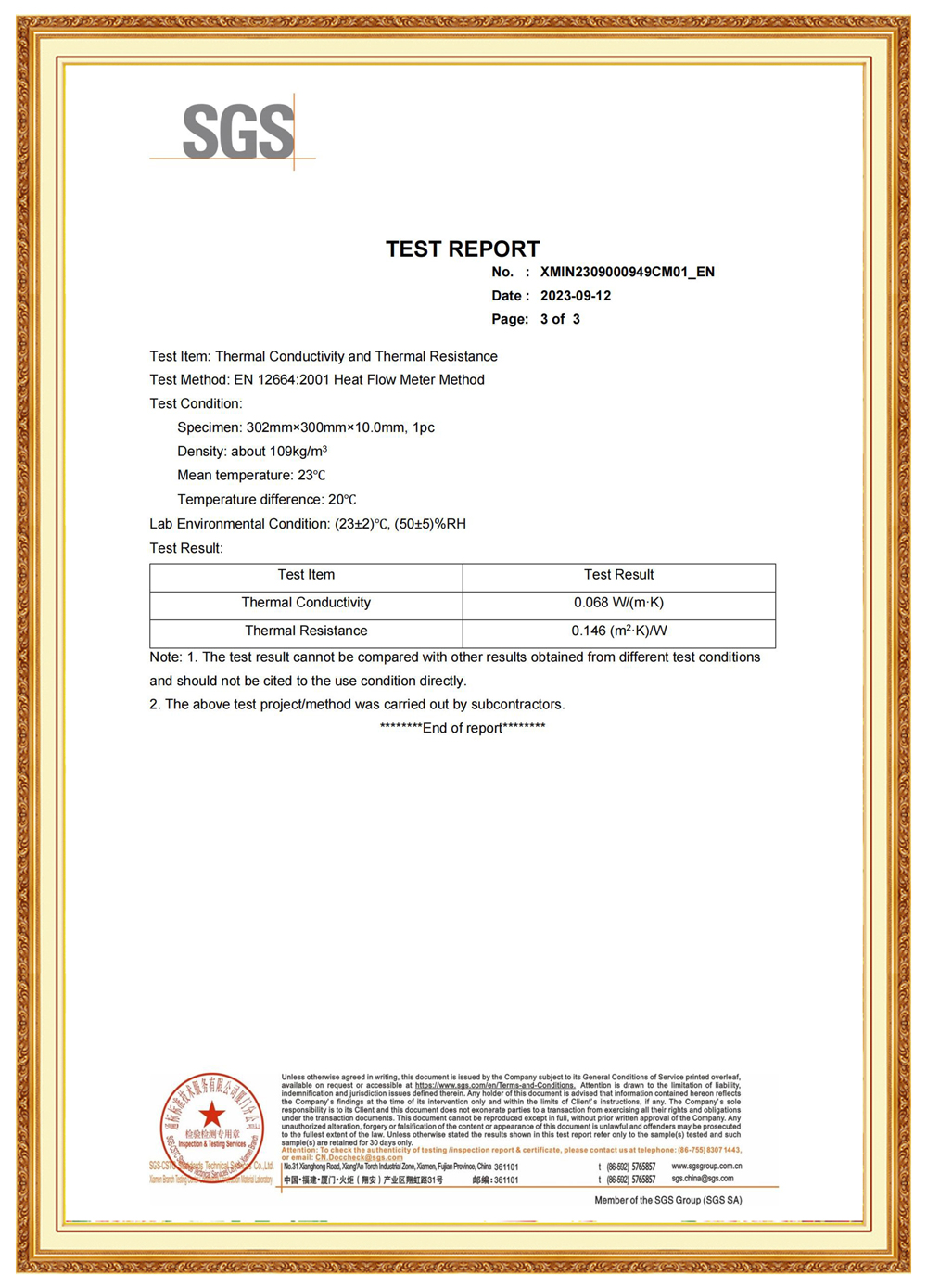
BFRP rebar grids are installed within the sub-TPS structural layer, typically embedded in a ceramic-filled epoxy or polyimide matrix. The rebar provides crack arrest capability, preventing the propagation of thermally induced micro-cracks that could compromise TPS tile retention. China Beihai's high-temperature resistant basalt rebar has demonstrated exceptional performance in this role, with thermal conductivity values of approximately 0.031–0.038 W/m·K providing additional insulation benefit within the structural layer.
3. Combustion Chamber Liner Composite Structures
Gas turbine combustion chamber liners operate in the most thermally aggressive region of the engine, where metal liners have historically required complex film cooling systems to survive. Advanced ceramic matrix composite (CMC) liners reinforced with BFRP rebar offer a pathway to higher operating temperatures with reduced cooling air requirements — directly improving thermal efficiency and reducing NOx emissions.
In this application, basalt fiber rebar is installed as a secondary reinforcement within the CMC preform structure, providing through-thickness reinforcement that prevents delamination under the combined thermal and mechanical loads of combustion. The alkali resistance of basalt fiber is critical here, as combustion environments can generate alkaline condensates at certain operating conditions.
4. Fan Blade Containment Ring Reinforcement
The fan blade containment ring is a safety-critical structure that must absorb the kinetic energy of a released fan blade without catastrophic failure — a certification requirement under FAA and EASA regulations. BFRP rebar installation within composite containment rings provides enhanced energy absorption capability through controlled progressive failure mechanisms, while the non-magnetic properties allow the ring to be located adjacent to engine control electronics without interference.
🚀
Aerospace-Grade Quality Assurance in Every Installation
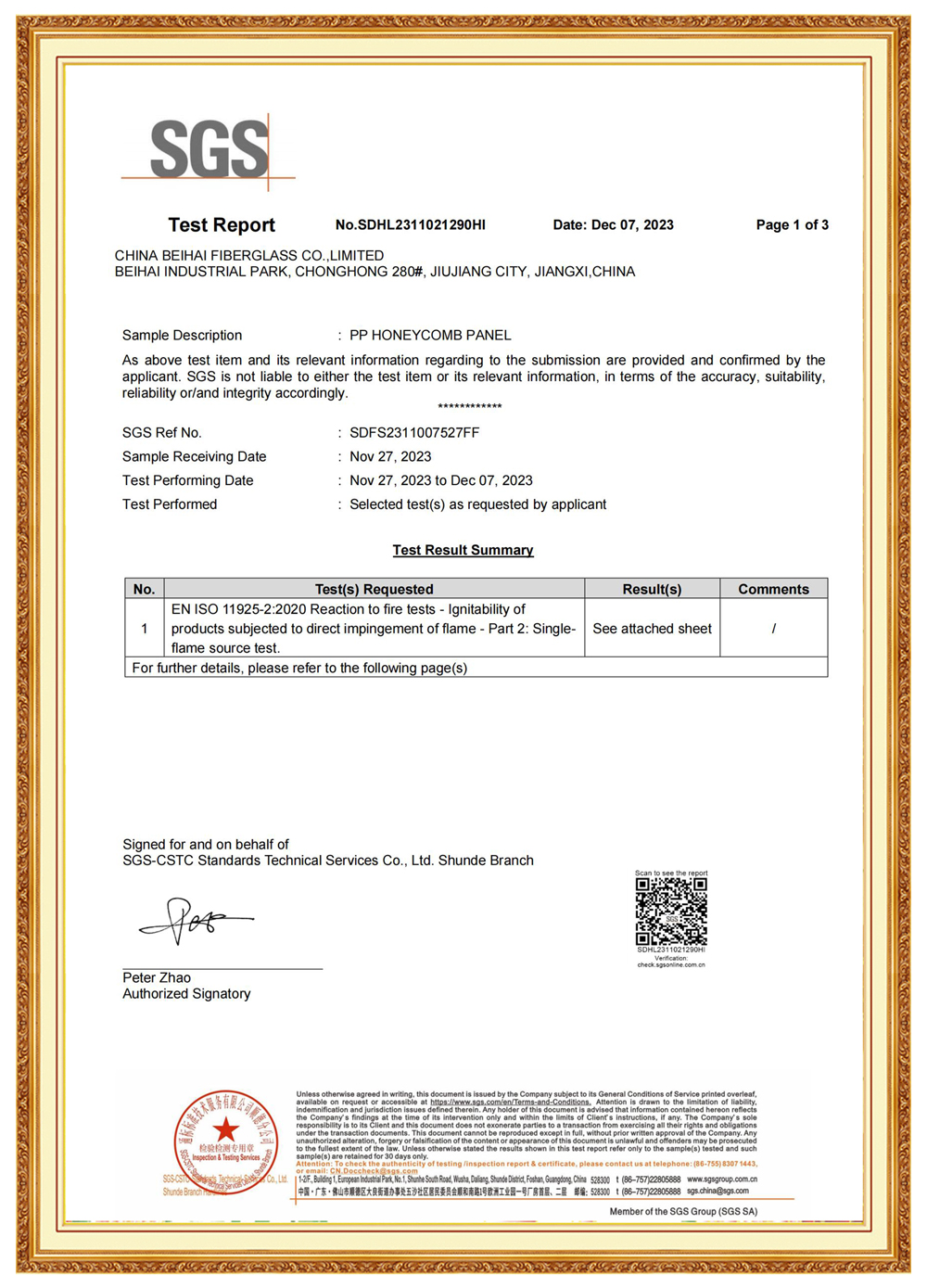
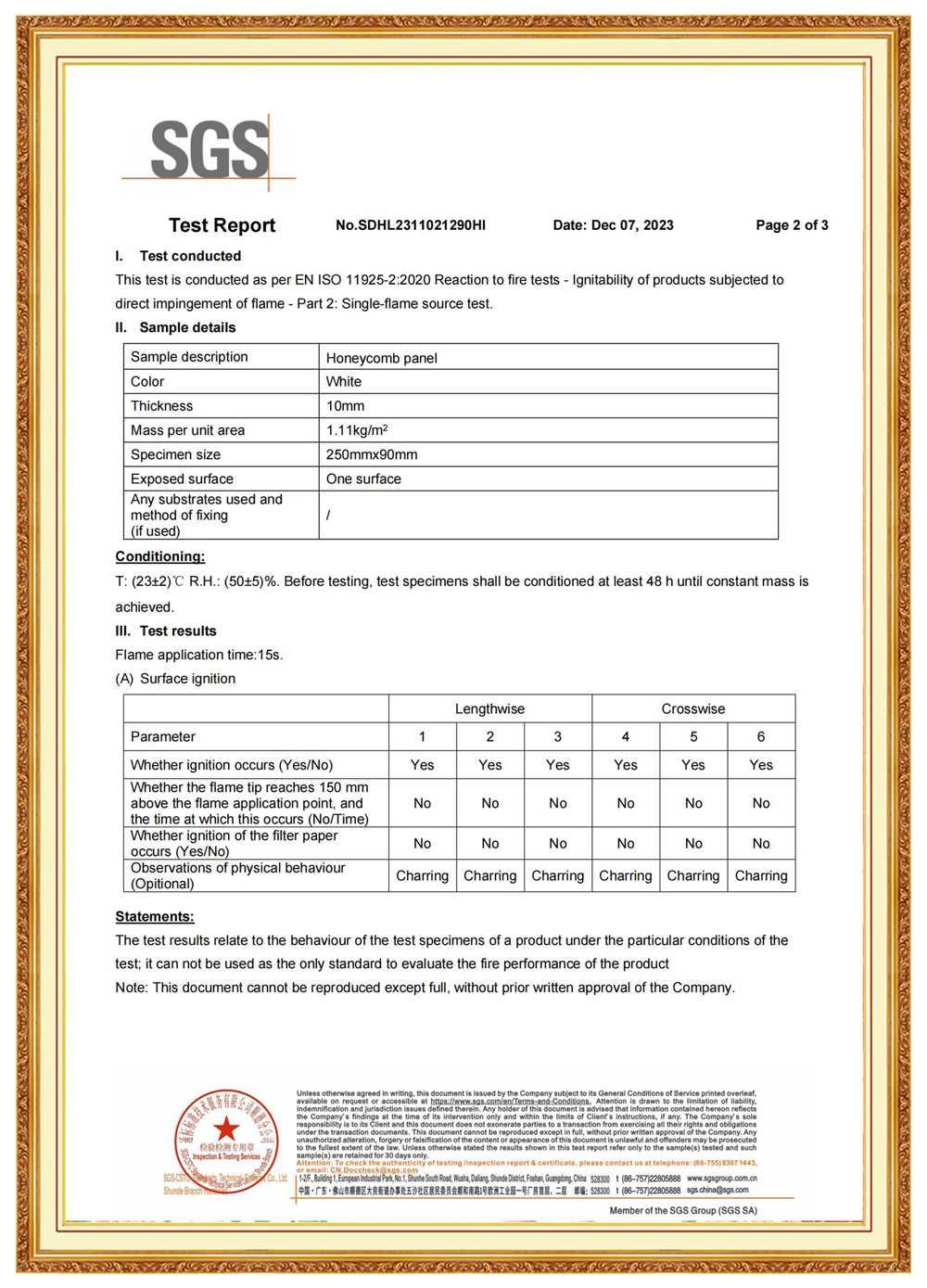
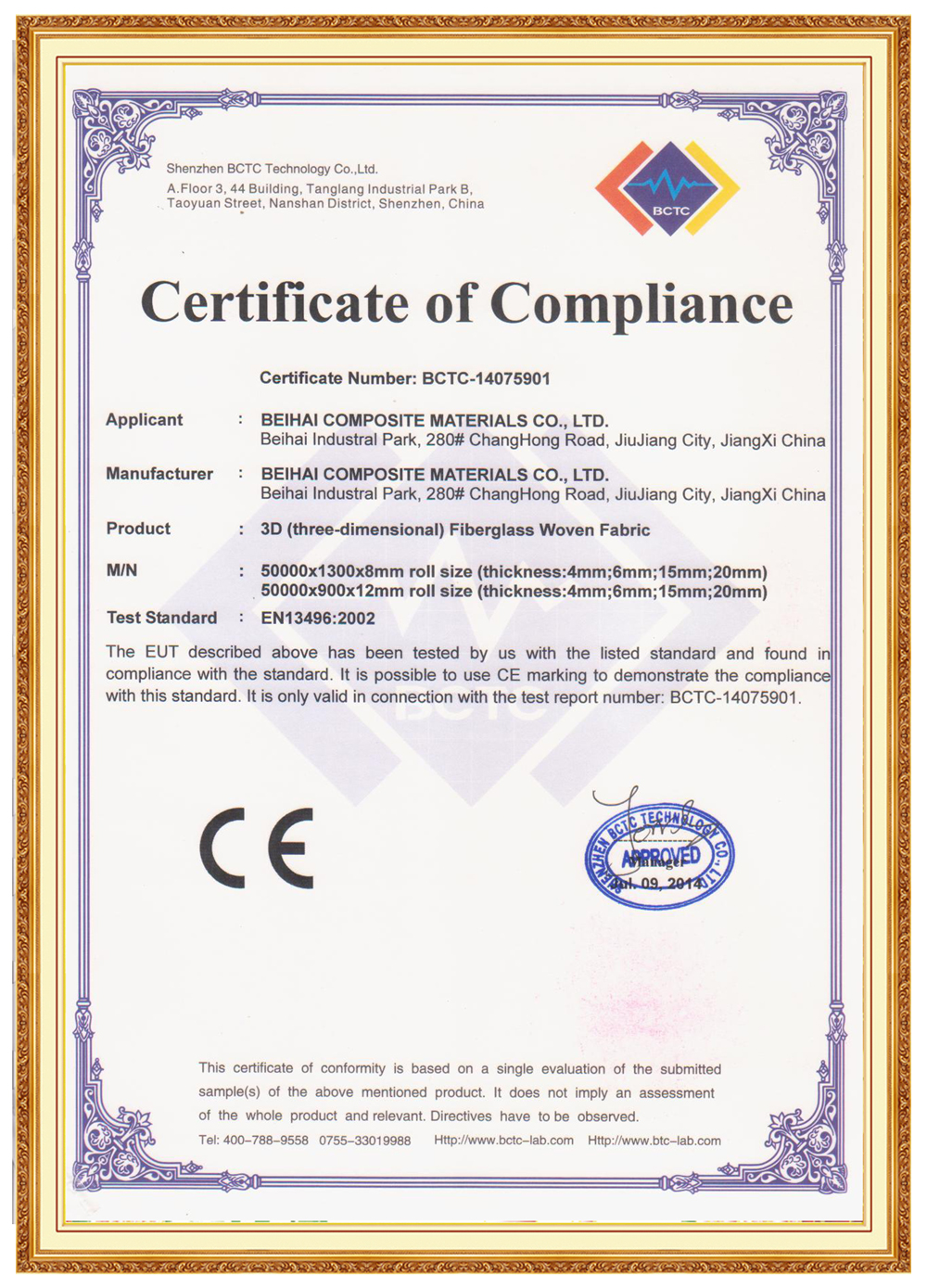
All basalt fiber rebar products from China Beihai undergo rigorous quality certification processes including tensile strength testing per ASTM D7205, thermal cycling qualification per MIL-STD-810, and electromagnetic compatibility verification. Our manufacturing processes are aligned with ISO 9001 quality management standards, ensuring consistent performance in the most demanding aerospace applications.
Development Trends: The Future of Rebar in Aerospace Thermal Engineering
Several converging technological and commercial trends are accelerating the adoption of BFRP rebar in aerospace engine casing and thermal protection applications:
-
Hypersonic Vehicle Development: The global race to develop hypersonic cruise missiles, space planes, and reusable launch vehicles is creating unprecedented demand for thermal protection materials capable of surviving Mach 5+ flight conditions. BFRP rebar integrated into advanced TPS structures is emerging as a key enabling technology for these programs.
-
Sustainable Aviation Fuel (SAF) Compatibility: As the aviation industry transitions to sustainable aviation fuels, combustion chemistry changes are altering the thermal and chemical environment within engine components. Basalt fiber rebar's broad chemical resistance provides a robust solution that remains compatible across fuel types.
-
Additive Manufacturing Integration: Emerging 3D printing technologies for composite aerospace structures are beginning to incorporate continuous fiber reinforcement, including basalt fiber rebar elements. This enables complex geometries in engine casing components that were previously impossible to manufacture with conventional rebar installation methods.
-
Digital Twin & SHM Integration: The non-conductive nature of BFRP rebar enables the embedding of fiber optic sensing networks directly within reinforced structures without signal interference, supporting real-time structural health monitoring via digital twin platforms — a rapidly growing requirement in both commercial and defense aerospace programs.
-
Cost Parity with Carbon Fiber: As basalt fiber production scales globally, with manufacturers like China Beihai expanding production capacity, the cost gap between basalt and carbon fiber composites continues to narrow. Industry analysts project basalt fiber composites achieving cost parity with standard-modulus carbon fiber in aerospace applications within the next decade.
Installation Engineering: Best Practices for Aerospace Thermal Applications
Successful rebar installation in aerospace engine casing and thermal protection applications requires adherence to stringent engineering protocols. Key considerations include surface preparation of the composite matrix to ensure optimal fiber-matrix adhesion, precise rebar spacing and orientation to achieve the required reinforcement efficiency, temperature management during cure to prevent thermal degradation of the resin matrix, and non-destructive testing (NDT) using ultrasonic C-scan or X-ray computed tomography to verify installation quality.
China Beihai provides comprehensive technical support for aerospace rebar installation projects, including custom rebar geometry specification, resin system compatibility assessment, and installation procedure qualification testing. Our engineering team works directly with aerospace OEMs and Tier 1 suppliers to ensure that BFRP rebar installations meet or exceed the performance requirements of their specific application.