
Leave Your Message
The global explosion-proof UAV and drone market has entered a phase of rapid industrial scaling. As of 2024, the industrial drone sector is valued at over $14 billion globally, with explosion-proof and hazardous-environment variants growing at a compound annual rate exceeding 18%. Key end-users include oil & gas inspection firms, mining conglomerates, military logistics operators, and chemical plant monitoring authorities — all demanding drones capable of operating safely in ATEX-classified zones.
Traditional drone fuselages have long relied on carbon fiber composites or aluminum alloy frames. However, carbon fiber's inherent electrical conductivity creates serious ignition risks in flammable atmospheres, and aluminum alloys add excessive weight while offering limited chemical resistance. This has opened a critical market gap that basalt fiber rebar installation is uniquely positioned to fill.
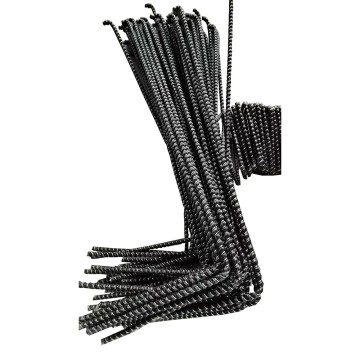
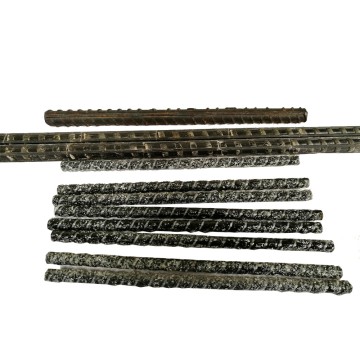
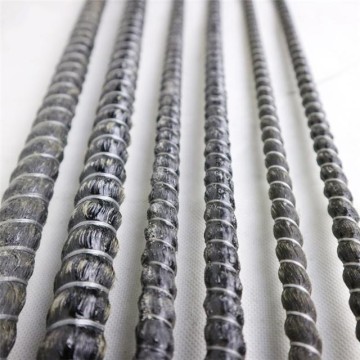
Basalt fiber rebar — manufactured from natural volcanic basalt rock melted at 1,450–1,500°C and drawn into continuous fibers — delivers a non-conductive, chemically inert, and structurally robust reinforcement solution. When integrated into UAV fuselage frames and propeller blade spars, it eliminates the static discharge and electromagnetic interference (EMI) risks that make conventional materials unsuitable for explosion-proof certification.
Basalt fiber rebar is inherently non-conductive and non-magnetic, making it the ideal structural reinforcement for explosion-proof UAV fuselages operating in ATEX Zone 1 and Zone 2 environments where spark generation must be absolutely eliminated.
Several converging macro-trends are accelerating the adoption of basalt rebar installation in UAV structural engineering:
The explosion-proof drone segment is projected to reach $4.2 billion by 2030, driven by mandatory inspection regulations in the energy sector and the global expansion of hazardous industrial facilities requiring remote aerial monitoring.
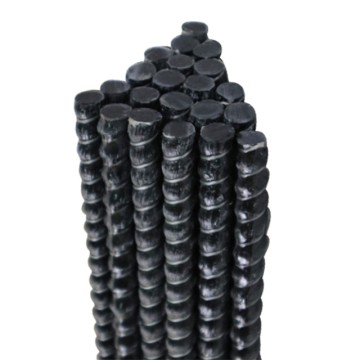
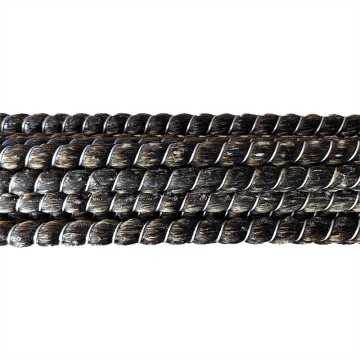
The structural installation of basalt fiber rebar within UAV fuselages involves precision layup processes where BFRP (Basalt Fiber Reinforced Polymer) rods are integrated into the primary load-bearing frame ribs, longitudinal stringers, and bulkhead connections. Unlike conventional steel rebar used in civil construction, UAV-grade basalt rebar is produced in ultra-fine diameters (4–12mm) with helical surface texturing to maximize bonding with epoxy resin matrices.
In propeller blade manufacturing, basalt rebar is installed as a spar reinforcement element running along the blade's neutral axis. This configuration provides exceptional bending stiffness and fatigue resistance under the cyclic aerodynamic loads experienced during flight, while the non-conductive nature of the material prevents any charge accumulation that could trigger ignition in fuel-rich atmospheres.
Basalt fiber rebar generates zero electrical conductivity and produces no sparks upon impact, making it intrinsically safe for ATEX-certified explosion-proof UAV fuselages and propeller blade assemblies operating near flammable gases or dust.
Retains full structural integrity up to 700°C continuous service temperature. Ideal for UAVs deployed in petrochemical flare monitoring, volcanic survey missions, and industrial furnace inspection where extreme thermal environments are routine.
With tensile strength exceeding 1,000 MPa at a density of only 2.65 g/cm³, basalt rebar delivers a specific strength that enables dramatic weight reduction in UAV airframes without compromising structural safety margins required for explosion-proof certification.
Chemically inert to acids, alkalis, saltwater, and industrial solvents. Explosion-proof drones operating in offshore oil platforms, chemical processing plants, and mine shafts benefit from dramatically extended service life and reduced maintenance cycles.
Derived from natural volcanic basalt rock with minimal processing energy and zero toxic emissions during production. Basalt rebar supports green manufacturing mandates increasingly required by aerospace and defense procurement authorities worldwide.
Unlike carbon fiber, basalt fiber is electromagnetically transparent, preventing signal shielding that would interfere with onboard navigation sensors, GPS receivers, and communication systems critical to autonomous explosion-proof UAV operations.
In ATEX Zone 1 classified environments surrounding distillation columns and storage tank farms, explosion-proof UAVs equipped with basalt rebar-reinforced fuselages perform continuous visual and thermal inspections. The non-conductive rebar framework eliminates ignition risk from static discharge while the corrosion-resistant matrix withstands hydrogen sulfide and hydrocarbon vapor exposure. Rebar installation in the central fuselage spine and motor mount brackets has been validated to reduce airframe weight by 22% versus aluminum equivalents.
Methane-rich mine atmospheres demand absolute spark suppression. Basalt fiber rebar-reinforced propeller blade spars and fuselage longerons provide the structural rigidity needed for confined-space navigation while guaranteeing zero ignition potential. The material's vibration damping coefficient — 0.006 versus 0.002 for carbon fiber — additionally reduces structural fatigue in the high-vibration mine environment, extending drone service intervals and reducing total cost of ownership.
During chemical leak scenarios, first-responder UAVs must enter acid vapor and solvent-rich zones to deliver sensor packages or communications relays. Basalt rebar's pH-neutral stability across the full acid-alkali spectrum ensures structural integrity is maintained throughout extended exposure. Installation of basalt rebar reinforcement rings around payload bay openings prevents stress concentration cracking that would compromise the explosion-proof sealed enclosure standard.
Salt spray, high humidity, and cyclic thermal loading create uniquely aggressive conditions for offshore inspection drones. Basalt rebar-reinforced airframe structures demonstrate zero corrosion after 2,000-hour salt spray testing per ISO 9227 standards. The material's hydrophobic fiber surface prevents moisture ingress into the composite matrix, maintaining structural stiffness and preventing delamination in the fuselage shell panels and propeller blade root fittings critical to explosion-proof integrity.
Scientific and geological survey drones operating near active volcanic vents, industrial furnaces, or wildfire perimeters require structural materials capable of sustained high-temperature exposure. Basalt fiber rebar maintains over 85% of its room-temperature tensile strength at 400°C — a performance level unmatched by glass fiber or standard CFRP alternatives. Rebar installation in the thermal protection sub-frame allows these drones to approach heat sources that would cause catastrophic failure in conventionally constructed airframes.
EOD drone platforms require explosion-proof structural design not only for operator safety but to prevent secondary detonation risks. Basalt fiber rebar installation in EOD UAV fuselages eliminates ferromagnetic signatures that could trigger magnetically-sensitive IEDs, while the non-conductive framework prevents radio frequency interference with the drone's command link. Defense procurement agencies across NATO member states are increasingly specifying basalt fiber composites in EOD UAV structural requirements.
Machine learning algorithms are being deployed to optimize basalt rebar placement within UAV fuselage structures, using finite element analysis (FEA) data to minimize material usage while maximizing structural performance at critical load paths. This computational design approach reduces airframe weight by an additional 15–20% compared to conventional engineering methods.
Research institutions are developing hybrid laminates combining basalt fiber rebar with isolated carbon fiber tows to achieve optimized stiffness-to-weight ratios in non-sparking configurations. By confining carbon fiber to interior structural zones fully encapsulated within basalt fiber outer plies, the composite achieves ATEX compliance while benefiting from carbon's superior elastic modulus in specific load-bearing applications.
International standards bodies including ISO, ASTM, and EN are actively developing specific material qualification standards for basalt fiber composites in explosion-proof aerial platforms. China's GB/T standards for BFRP rebar are being adopted as reference frameworks by international drone manufacturers, positioning Chinese basalt fiber producers — including China Beihai — as global technical standard-setters in this emerging field.
Next-generation explosion-proof UAVs are integrating fiber Bragg grating (FBG) sensors directly into basalt rebar installation pathways within fuselage structures. These embedded optical sensors provide real-time strain, temperature, and damage detection data, enabling predictive maintenance systems that dramatically improve operational safety in hazardous industrial environments where unplanned drone failures could trigger catastrophic incidents.
Unveiling the Infinite Potential of Basalt. Basalt fiber is ideal for your engineering projects. Its high strength, corrosion resistance and lightweight properties allow it to easily solve a variety of challenges. In buildings, bridges, roads and other infrastructure projects, basalt fibers demonstrate outstanding performance, extending structural life and reducing maintenance costs. Choose basalt fiber, choose reliability and durability.
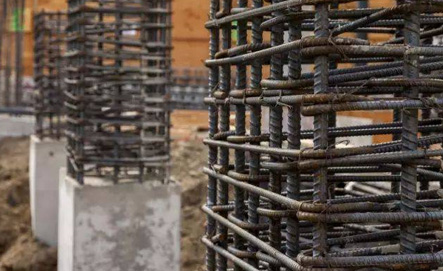
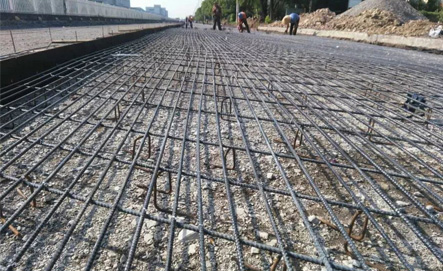
Basalt fiber rebar is a high-strength alternative to traditional steel bars and is used in a wide range of applications for reinforcing concrete structures in various fields, and its excellent performance makes it ideal for a variety of construction applications such as bridges, highways, buildings and other infrastructure projects — as well as advanced applications in explosion-proof UAV fuselages and propeller blade structural reinforcement.
FIND OUT MORE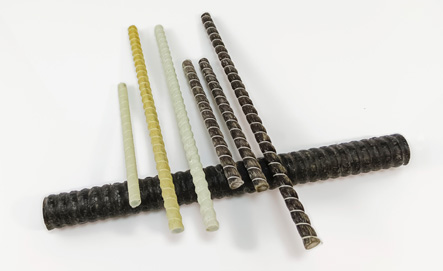
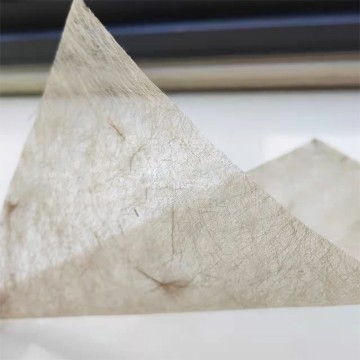
Basalt Fiber Surfacing Tissue Mat is a non woven thin sheet engineered to provide a smooth resin rich surface layer for fiber reinforced plastic composites used in UAV fuselage outer skins.
read more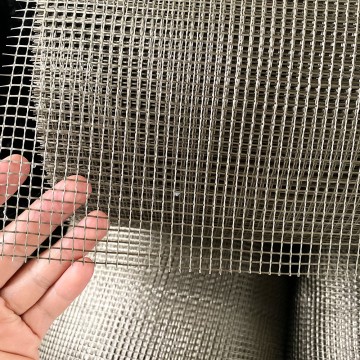
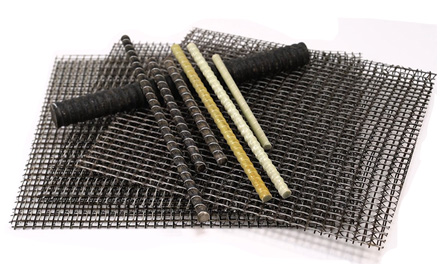
High performance Basalt Fiber Mesh provides a superior reinforcement solution for composite applications where high alkali resistance and structural integrity are paramount in explosion-proof environments.
read more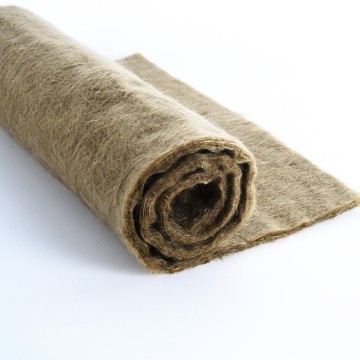
Basalt Fiber Needled Mat is a high density insulation material manufactured by mechanically bonding continuous basalt fibers, ideal for thermal management in explosion-proof drone systems.
read more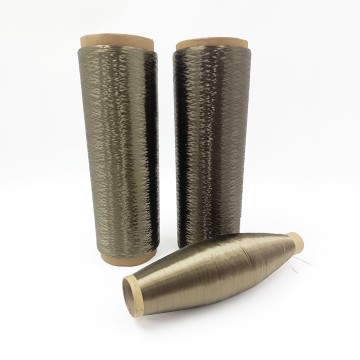
Basalt Fiber Twisted Yarn engineered by twisting multiple continuous filaments to enhance mechanical strength and processing stability for advanced UAV composite manufacturing.
read more
Diverse applications in house construction and infrastructure reinforcement.

Ideal for aircraft wings, engine components, and explosion-proof UAV airframes.

Spacecraft shell materials, thermal protection systems, and high-temperature engine components.

Increased strength, durability, crack resistance, and improved chemical resistance in engineering projects.

Lightweight basalt fiber composites driving the trend of automotive material weight reduction.

High strength and durability protecting bridge structures from collision, fire, and corrosion.

Unique corrosion resistance advantage for explosion-proof applications in the petrochemical field.

High-performance composites for marine environments with outstanding saltwater corrosion resistance.
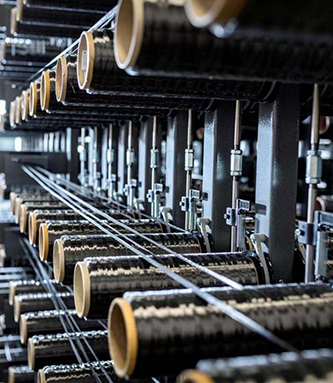
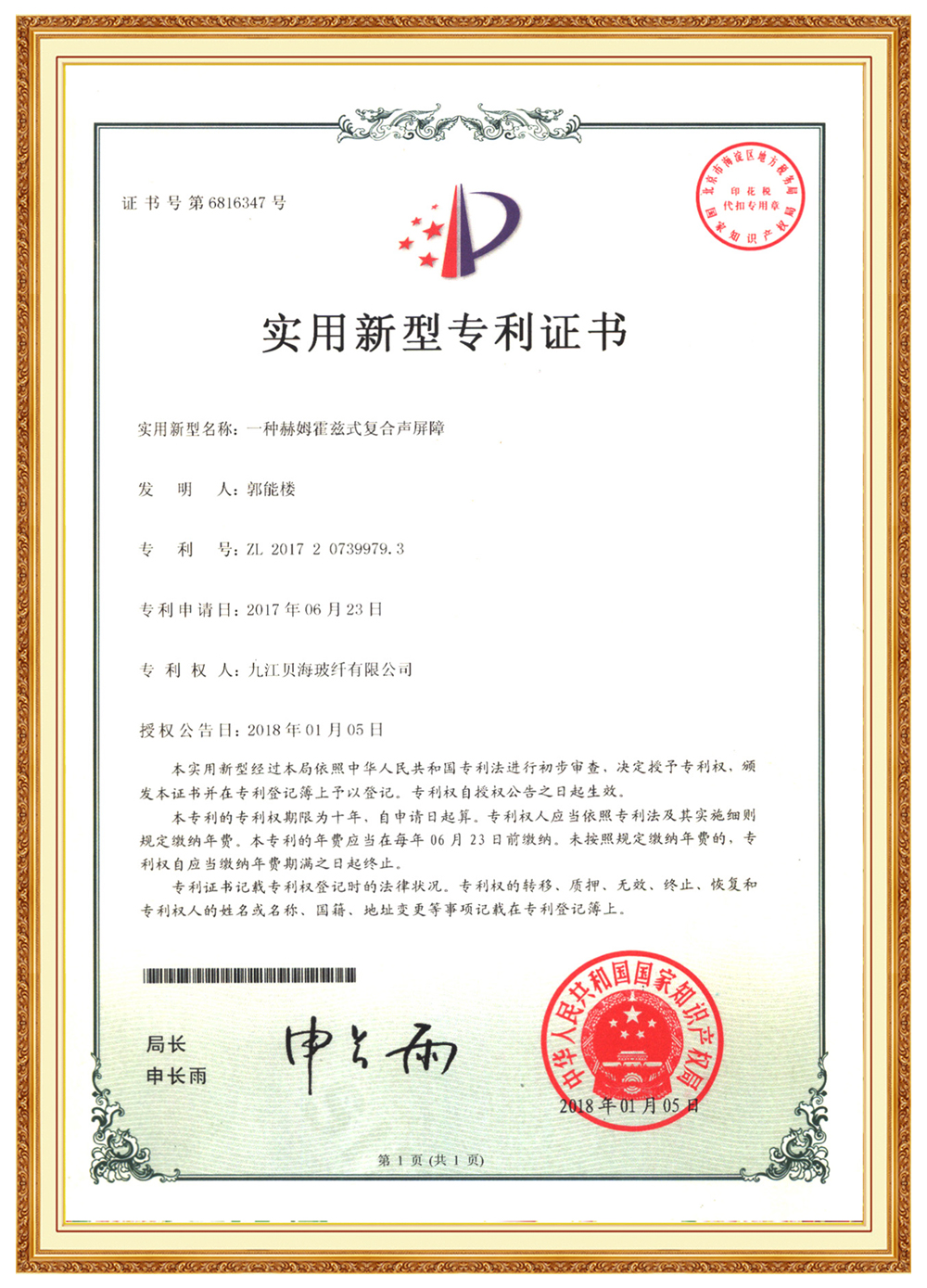
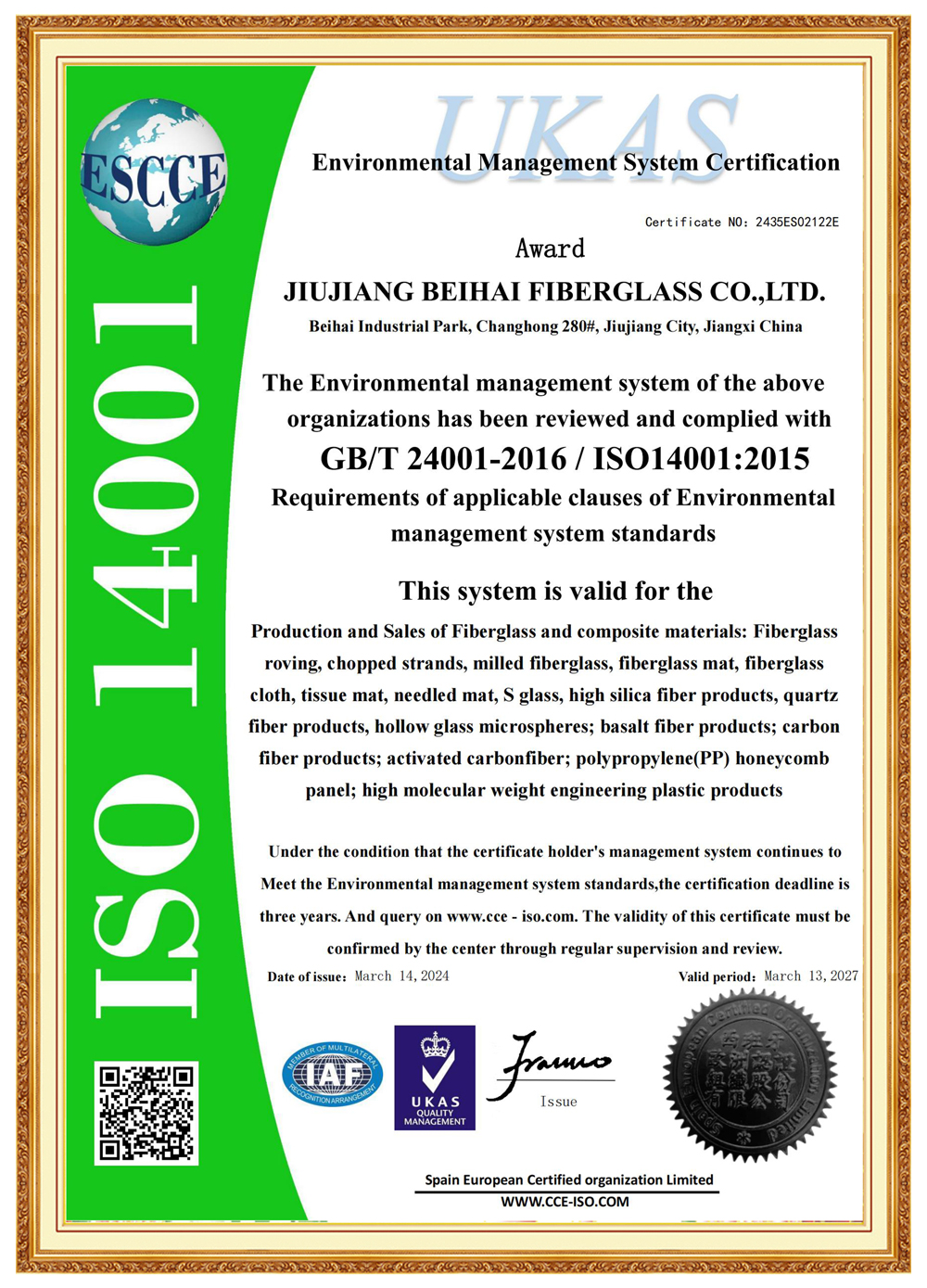
China Beihai is founded in 2015 and located in Jiujiang, Jiangxi Province. China Beihai is a high-tech enterprise focusing on the research, development, production and sales of high-performance basalt continuous fiber and its production equipment manufacturing, as well as a leading enterprise in the domestic basalt fiber industry.
At China Beihai group, we specialize in the production of a wide range of products including basalt fiber mat, basalt fiber roving, basalt fiber yarn, basalt fiber chopped strands, basalt fiber rebar, basalt fiber sleeves and tape. Our products are designed to meet the diverse needs of various industries, providing high-quality solutions for our customers — including advanced rebar installation solutions for explosion-proof UAV fuselages and propeller blades.
View More
At China Beihai group, we specialize in the production of a wide range of products including basalt fiber mat (Basalt fiber chopped strand mat, Basalt fiber cloth), basalt fiber roving, basalt fiber yarn, basalt fiber chopped strands, and basalt fiber products (Basalt Fiber rebar, basalt fiber sleeves and tape). Our products are designed to meet the diverse needs of various industries, providing high-quality solutions for our customers.

At China Beihai group, we are dedicated to the production of a wide array of basalt-based products, ranging from basalt fiber mat, fabric, and roving to chopped strand and specialized construction materials. Our focus is on delivering high-quality, sustainable solutions for industries such as construction, geotechnical engineering, and manufacturing. With a commitment to innovation and excellence, we strive to cater to the unique requirements of our clients by offering a comprehensive selection of basalt-derived products.

Choosing to work with China Beihai means working with a leading manufacturer of basalt products. Our commitment to quality, innovation and sustainability sets us apart, ensuring our customers receive best-in-class solutions for their diverse needs. Reliability and customer satisfaction, we offer a wide range of high-quality basalt materials and construction products, backed by our dedication to excellence and industry expertise. When you partner with China Beihai, you can trust that you are working with a reliable and forward-thinking partner for all your basalt product needs.

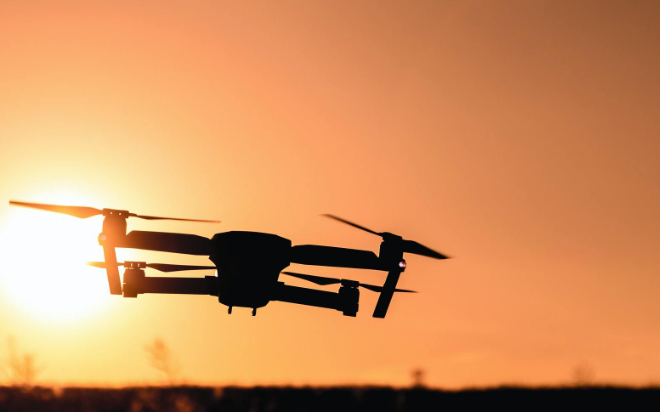
As drones slice through the sky to monitor wildfires, and intelligent robots execute repetitive tasks with precision on the factory floor, the efficient operation of this smart equipment is often underpinned by a "hardcore support" that is easily overlooked: a novel material derived from volcanic rock — basalt fiber. Though unassuming in appearance, its unique properties have made it the key to unlocking the performance limits of drones and robots, quietly driving a materials revolution within the realm of intelligent equipment.
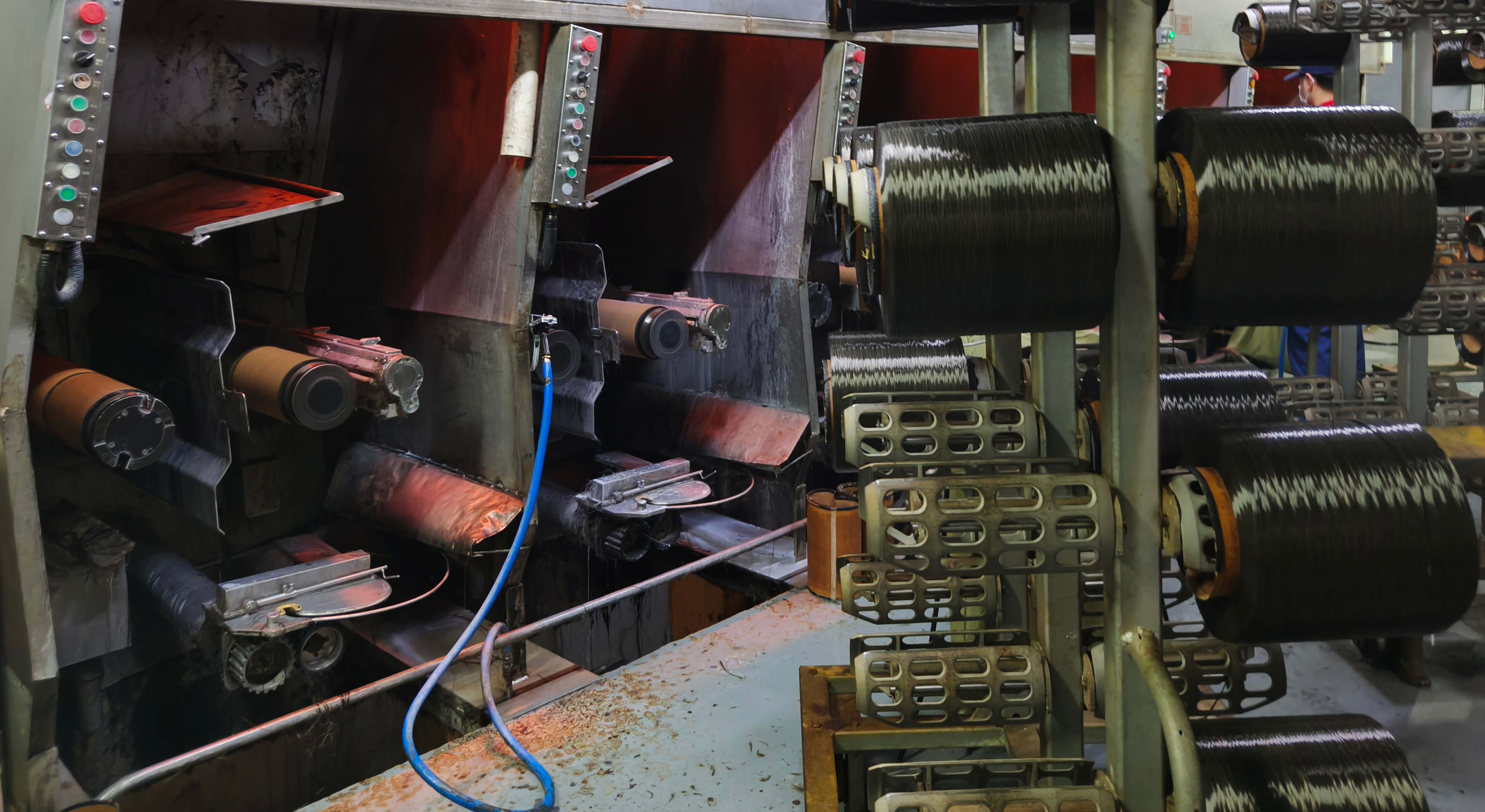
Basalt fiber is an inorganic fibrous material produced by drawing strands from natural basalt ore after it has been melted at high temperatures. It has garnered widespread attention for its exceptional physicochemical properties — particularly its performance in high-temperature environments.
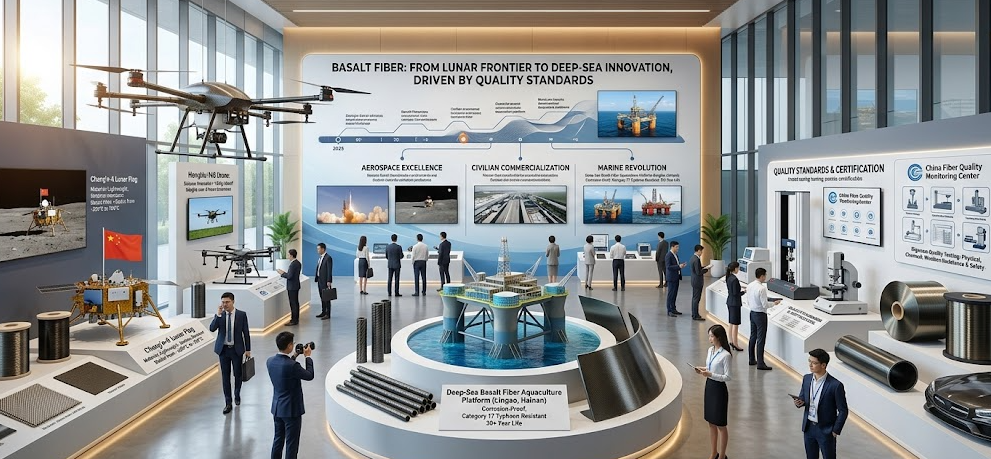
Recently, with the successful realization of major applications — such as the Chang'e-6 lunar exploration mission and the world's first deep-sea basalt fiber aquaculture platform — basalt fiber is rapidly accelerating its transformation from a laboratory research outcome into a strategic new material with tangible industrial productivity.