
Leave Your Message
Rebar installation for pultruded profiles refers to the systematic embedding and integration of fiber-reinforced polymer (FRP) rebars — particularly Basalt Fiber Reinforced Polymer (BFRP) bars — within pultruded composite structural sections. Pultrusion is a continuous manufacturing process that produces composite profiles of constant cross-section, including I-beams, channels, angles, tubes, and custom shapes, by pulling fiber reinforcements through a resin bath and heated forming die.
Integrating BFRP rebar into pultruded profiles delivers a structurally superior, corrosion-free, and electromagnetically neutral reinforcement system that is rapidly replacing traditional steel in demanding civil, industrial, and specialty engineering applications worldwide.
The synergy between pultrusion technology and basalt fiber rebar creates composite elements with exceptional longitudinal tensile strength, minimal weight, and long-term durability — ideal for environments where steel corrosion would otherwise compromise structural integrity.
Basalt Fiber Rebar delivers tensile strength 3–4× that of conventional steel rebar at just one-quarter the weight. It is completely immune to chloride-induced corrosion, electrically non-conductive, and thermally stable across a range of –260°C to +700°C — making it the definitive reinforcement solution for pultruded structural profiles in aggressive environments.
Unlike steel, basalt fiber rebar is completely impervious to chloride ions, sulfates, and acidic environments. This makes it ideal for marine structures, wastewater infrastructure, chemical plants, and coastal construction where pultruded profiles are exposed to relentless corrosive attack.
Basalt FRP rebar is electromagnetically transparent — a critical property for MRI rooms, power substations, rail infrastructure, and military installations where metal reinforcement would create interference or safety hazards within pultruded structural profiles.
With tensile strength exceeding 1,000 MPa, BFRP rebar integrated into pultruded profiles provides exceptional load-bearing capacity for bridges, elevated walkways, industrial platforms, and structural decking systems, surpassing conventional steel in tensile performance.
Basalt fiber rebar maintains structural integrity from –260°C to +700°C. In fire-resistant pultruded profiles for tunnels, industrial facilities, and offshore platforms, this thermal stability provides critical safety margins unavailable with polymer-only composites.
Manufactured from 100% natural volcanic basalt rock without chemical additives, BFRP rebar represents a green alternative to steel and carbon fiber. Its extended service life and zero-maintenance profile reduce lifecycle carbon footprint significantly in pultruded profile applications.
Basalt fiber rebar can be cut with standard tools, is flexible enough for curved pultruded profile geometries, and requires no special protective coatings during installation. Its light weight reduces labor costs and simplifies logistics on complex construction sites.
Select the appropriate pultruded profile cross-section (I-beam, channel, tube, or custom shape) based on structural load calculations. Define rebar diameter (4–30mm) and placement pattern aligned with principal stress directions.
Cut BFRP rebar to required lengths using a diamond blade or abrasive disc cutter. Clean cut ends and inspect for delamination. Apply end caps or epoxy coating to cut surfaces for enhanced durability in aggressive environments.
Position rebar within the pultruded profile cavity or alongside the profile using FRP-compatible plastic spacers and tie wires. Maintain specified cover depth. Ensure correct alignment before concrete placement or resin infusion.
Pour or inject concrete or resin matrix around the positioned rebar within the pultruded profile formwork. Vibrate carefully to eliminate voids. Cure according to specified temperature and time protocols to achieve full composite bond strength.
The global FRP rebar market is projected to exceed USD 1.2 billion by 2030, with basalt fiber variants capturing an increasing share due to their cost-effectiveness versus carbon fiber and superior performance versus glass fiber in pultruded structural applications. Infrastructure renewal programs across North America, Europe, and Asia-Pacific are primary growth drivers.
International design codes including ACI 440, ASTM D7957, and ISO standards are progressively incorporating BFRP rebar specifications, enabling engineers to confidently specify basalt fiber reinforcement for pultruded profile systems in regulated construction projects globally.
The electromagnetic transparency of BFRP rebar enables embedding of IoT sensors, strain gauges, and structural health monitoring systems directly within pultruded profiles — creating intelligent infrastructure capable of real-time performance reporting without signal interference.
The combination of pultruded profiles reinforced with BFRP rebar is increasingly adopted in modular bridge construction, prefabricated pedestrian walkways, and rapid-deployment military infrastructure where lightweight, corrosion-free, and high-strength performance is non-negotiable.
BFRP rebar in pultruded deck panels and bridge beams eliminates chloride-induced corrosion in coastal and de-icing salt environments, extending service life beyond 100 years with zero maintenance.
Pultruded profiles reinforced with basalt rebar are deployed in parking structures, retaining walls, foundation systems, and high-rise façade anchoring where corrosion-free performance is critical.
Non-conductive, non-magnetic BFRP rebar within pultruded profiles provides structural reinforcement for MRI suites, electrical substations, and power generation facilities without electromagnetic interference.
Jetties, sea walls, offshore platform decking, and aquaculture facilities benefit from BFRP rebar's complete immunity to saltwater corrosion when integrated into pultruded FRP structural profiles.
BFRP rebar in pultruded tunnel lining segments and support profiles resists groundwater, sulfate attack, and carbonation — critical advantages in metro, road, and utility tunnel construction worldwide.
Chemical plant flooring, tank surrounds, pipe supports, and process platforms constructed with BFRP-reinforced pultruded profiles withstand aggressive chemical exposure that destroys conventional steel structures.
Lightweight pultruded profiles with basalt fiber rebar reinforcement are adopted in aerospace ground support structures, radar installations, and military field infrastructure requiring rapid deployment and durability.
Railway sleepers, noise barrier panels, retaining walls, and highway median barriers manufactured from BFRP-reinforced pultruded profiles deliver superior lifecycle performance versus traditional precast concrete.
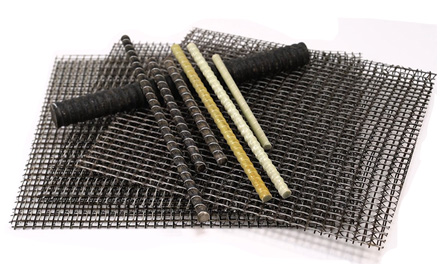
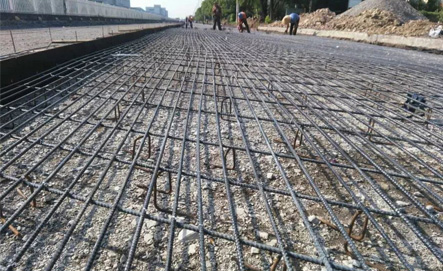
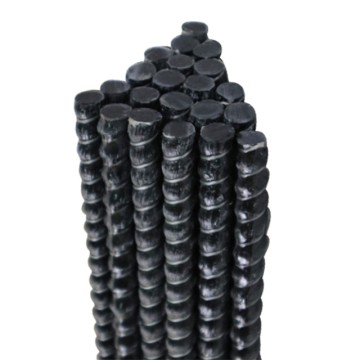
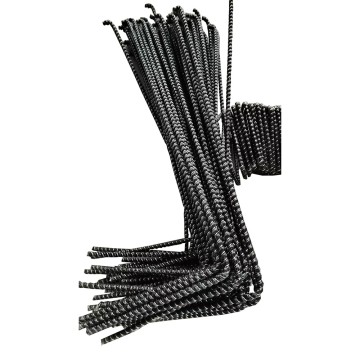
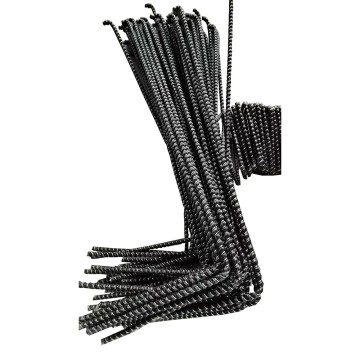
Basalt fiber rebar is a high-strength alternative to traditional steel bars and is used in a wide range of applications for reinforcing concrete structures and pultruded composite profiles. Its excellent performance makes it ideal for construction applications such as bridges, highways, buildings, marine structures, and other infrastructure projects.
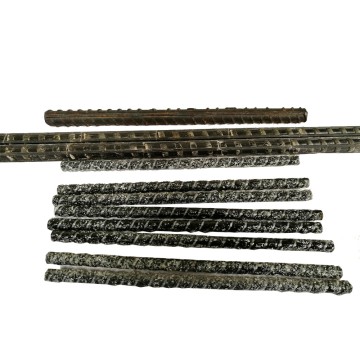
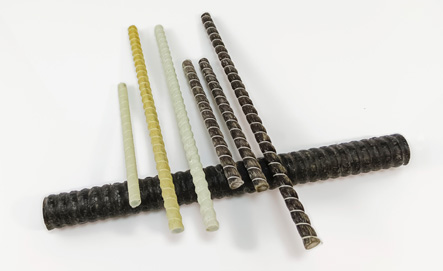
Available in diameters from 4mm to 30mm, our BFRP rebar can be precisely specified to match the structural demands of any pultruded profile system — from lightweight pedestrian decking to heavy-duty industrial platforms and bridge superstructures.
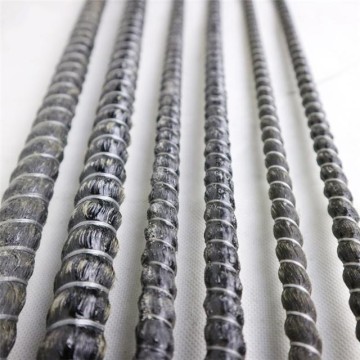
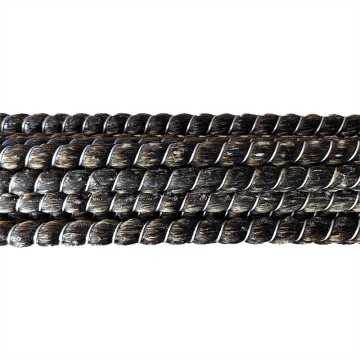
The helical surface deformation pattern of our basalt rebar ensures superior mechanical bond with both cementitious matrices and polymer resins used in pultruded profile manufacturing, delivering consistent composite action and reliable structural performance.
FIND OUT MORE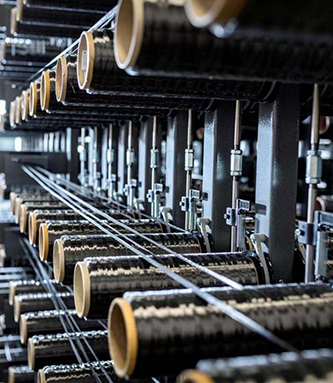
China Beihai is founded in 2015 and located in Jiujiang, Jiangxi Province. China Beihai is a high-tech enterprise focusing on the research, development, production and sales of high-performance basalt continuous fiber and its production equipment manufacturing, as well as a leading enterprise in the domestic basalt fiber industry.
We specialize in the production of a wide range of products including basalt fiber mat, basalt fiber cloth, basalt fiber roving, basalt fiber yarn, basalt fiber chopped strands, and basalt fiber products including Basalt Fiber Rebar, basalt fiber sleeves and tape — all engineered for superior performance in pultruded profile and structural reinforcement applications.
View More
At China Beihai group, we specialize in the production of a wide range of products including basalt fiber mat (Basalt fiber chopped strand mat, Basalt fiber cloth), basalt fiber roving, basalt fiber yarn, basalt fiber chopped strands, and basalt fiber products (Basalt Fiber rebar, basalt fiber sleeves and tape). Our products are designed to meet the diverse needs of various industries, providing high-quality solutions for our customers.

At China Beihai group, we are dedicated to the production of a wide array of basalt-based products, ranging from basalt fiber mat, fabric, and roving to chopped strand and specialized construction materials. Our focus is on delivering high-quality, sustainable solutions for industries such as construction, geotechnical engineering, and manufacturing. With a commitment to innovation and excellence, we strive to cater to the unique requirements of our clients by offering a comprehensive selection of basalt-derived products.

Choosing to work with China Beihai means working with a leading manufacturer of basalt products. Our commitment to quality, innovation and sustainability sets us apart, ensuring our customers receive best-in-class solutions for their diverse needs. Reliability and customer satisfaction are at our core — we offer a wide range of high-quality basalt materials and construction products, backed by our dedication to excellence and industry expertise. When you partner with China Beihai, you can trust that you are working with a reliable and forward-thinking supplier for all your basalt product needs.
Basalt fiber is ideal for your engineering projects. Its high strength, corrosion resistance and lightweight properties allow it to easily solve a variety of challenges. In buildings, bridges, roads and other infrastructure projects, basalt fibers demonstrate outstanding performance, extending structural life and reducing maintenance costs. Choose basalt fiber — choose reliability and durability.

Our basalt products have diverse applications in the field of house construction.

In the aerospace field, basalt fibers are ideal for manufacturing aircraft wings and engine components.

Basalt fibers enable spacecraft shell materials, thermal protection systems, and high-temperature-resistant engine components.

Basalt-added concrete offers increased strength, durability, crack resistance, and improved chemical resistance.

Lightweight basalt fiber composites are widely applied in the automobile field for structural and body components.

Basalt's high strength and durability make it ideal for protecting bridge abutment structures from corrosion and collision.

The corrosion resistance of basalt fiber gives it a unique advantage in the petrochemical field.

Basalt fiber composites deliver outstanding performance in marine environments resistant to saltwater and biofouling.
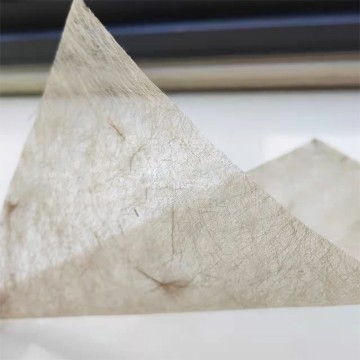
Basalt Fiber Surfacing Tissue Mat is a non-woven thin sheet engineered to provide a smooth resin-rich surface layer for fiber reinforced plastic pultruded profiles and composite panels.
Read More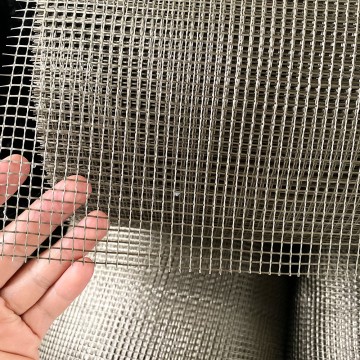
Our high-performance Basalt Fiber Mesh provides a superior reinforcement solution for concrete and plaster applications where high alkali resistance is required in composite pultruded systems.
Read More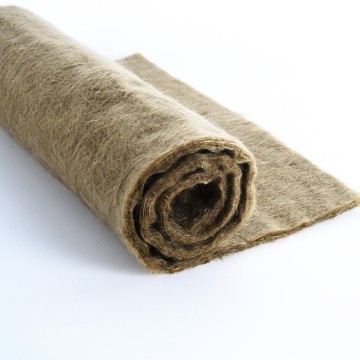
Our Basalt Fiber Needled Mat is a high-density insulation material manufactured by mechanically bonding continuous basalt fibers without chemical binders — ideal for high-temperature pultruded profile applications.
Read More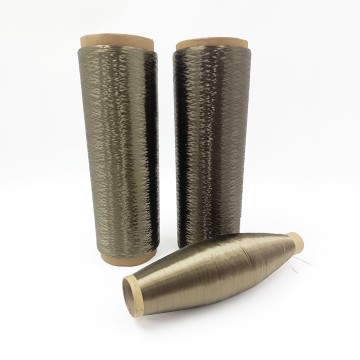
Our Basalt Fiber Twisted Yarn is engineered by twisting multiple continuous filaments to enhance mechanical strength and processing stability for pultruded profile manufacturing and high-temperature sewing applications.
Read More


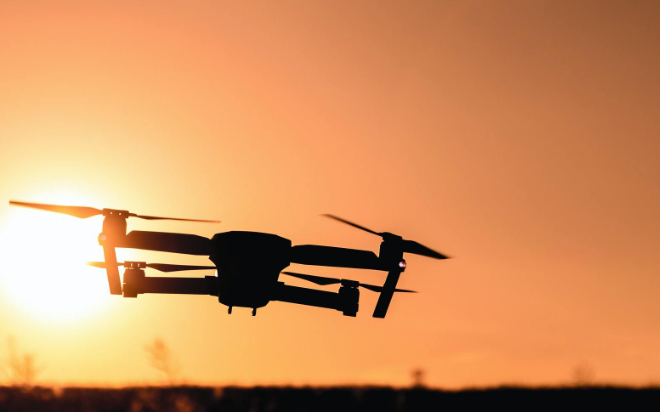
As drones slice through the sky to monitor wildfires, and intelligent robots execute repetitive tasks with precision on the factory floor, the efficient operation of this smart equipment is often underpinned by a novel material derived from volcanic rock — basalt fiber. Though unassuming in appearance, its unique properties have made it the key to unlocking the performance limits of drones and robots, quietly driving a materials revolution within the realm of intelligent equipment.
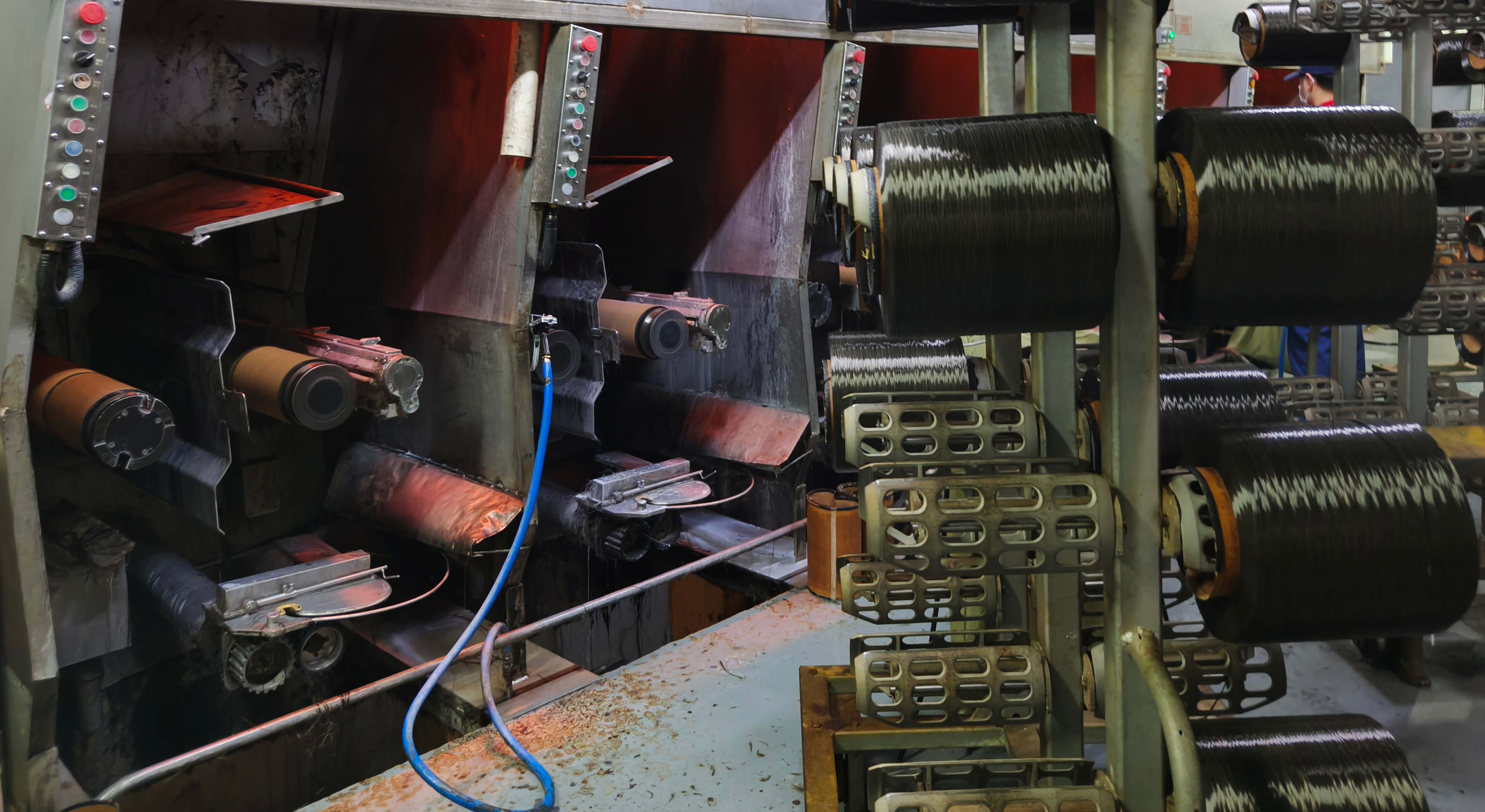
Basalt fiber is an inorganic fibrous material produced by drawing strands from natural basalt ore after it has been melted at high temperatures. It has garnered widespread attention for its exceptional physicochemical properties — particularly its performance in high-temperature environments.
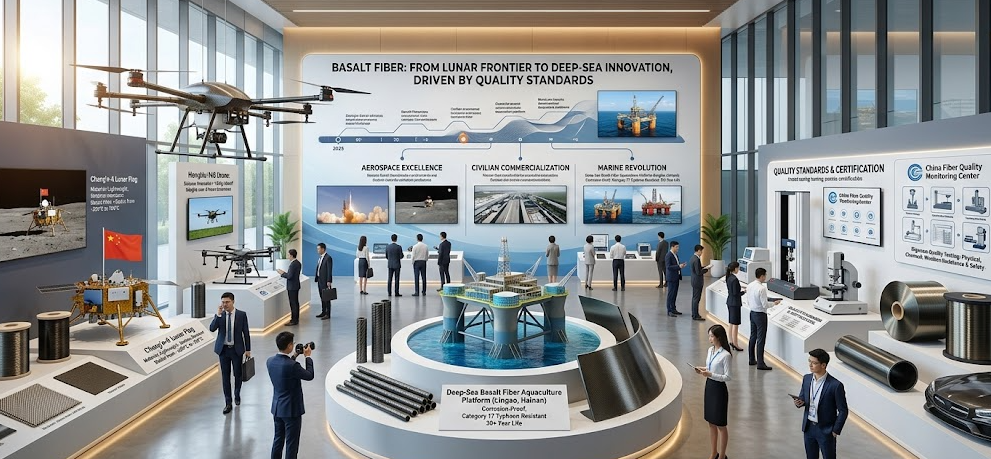
With the successful realization of major applications — such as the Chang'e-6 lunar exploration mission and the world's first deep-sea basalt fiber aquaculture platform — basalt fiber is rapidly accelerating its transformation from laboratory research into a strategic new material with tangible industrial productivity.