
Leave Your Message
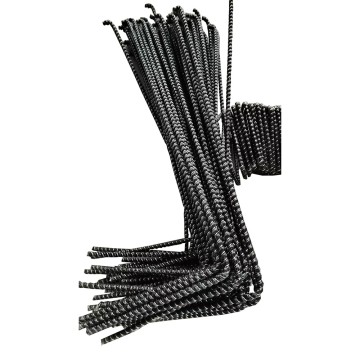
Explore our leading basalt fiber rebar products engineered for fire-resistant clothing reinforcement, high-temperature thermal barrier systems, and extreme industrial applications.
Understanding the commercial and industrial landscape driving demand for advanced thermal reinforcement materials.
In an era defined by increasingly demanding safety standards and extreme operational environments, the role of reinforcing rebar in fire-resistant clothing systems and high-temperature thermal barriers has never been more critical. Traditional steel rebar, while strong, suffers from significant thermal conductivity and corrosion vulnerability — limitations that have catalyzed a global shift toward advanced composite alternatives. Basalt fiber rebar, derived from naturally occurring volcanic rock melted at temperatures between 1,450°C and 1,500°C, has emerged as the definitive next-generation solution for industries requiring structural reinforcement that simultaneously delivers fire resistance, thermal insulation, and long-term durability.
The global fire-resistant materials market exceeded USD 12 billion in 2023 and is projected to grow at a compound annual growth rate (CAGR) of over 7% through 2030. Within this landscape, the demand for high-performance reinforcing elements — particularly in protective clothing frameworks, thermal barrier panels, and industrial insulation systems — is accelerating rapidly. Basalt fiber rebar is uniquely positioned to capture this growth, offering a combination of properties that no single conventional material can match.
Basalt fiber rebar maintains structural integrity at continuous operating temperatures up to 700°C and can withstand short-term exposure up to 900°C — far exceeding the performance thresholds of standard steel or glass fiber alternatives, making it the material of choice for fire-resistant and high-temperature thermal barrier engineering.
The adoption of basalt fiber rebar in fire-resistant clothing and high-temperature thermal barrier systems reflects a broader industrial transformation. Historically, fire-resistant personal protective equipment (PPE) relied on woven aramid fabrics, ceramic fiber mats, and steel wire mesh as structural reinforcement layers. While effective, these materials presented challenges including high cost, significant weight penalties, electromagnetic interference, and corrosion susceptibility in harsh chemical environments.
Basalt fiber rebar addresses all of these pain points simultaneously. Its non-conductive, non-magnetic nature eliminates electromagnetic interference — a critical requirement in environments near high-voltage equipment or sensitive instrumentation. Its inherent chemical resistance to acids, alkalis, and industrial solvents ensures longevity in petrochemical, metallurgical, and marine environments. Meanwhile, its thermal conductivity — approximately 0.031–0.038 W/(m·K) — is dramatically lower than steel, making it an effective thermal barrier component rather than a thermal bridge.
Major industrial sectors including oil and gas, aerospace, military defense, metallurgy, and advanced manufacturing have begun integrating basalt rebar-reinforced composite panels into their thermal protection systems (TPS). The material's lightweight profile — approximately 25% of the weight of equivalent steel reinforcement — also enables the design of more ergonomic, wearable fire-resistant garment frameworks without compromising protection levels.
Several converging trends are shaping the future of basalt rebar in fire-resistant and thermal barrier applications:
Modern fire-resistant clothing for industrial workers, firefighters, and military personnel requires structural reinforcement elements that maintain their shape and protective geometry under extreme thermal stress. Basalt fiber rebar — processed into thin, flexible composite strips — serves as the skeletal framework within multi-layer protective garments. Unlike steel wire inserts, basalt composite strips do not conduct heat to the wearer's body, do not corrode from perspiration or chemical exposure, and do not trigger metal detector alarms in security-sensitive environments. Their high tensile strength ensures the garment structure remains intact even after exposure to open flames or radiant heat sources exceeding 500°C.
In foundries, steel mills, glass manufacturing facilities, and petrochemical refineries, thermal barrier panels must withstand prolonged exposure to radiant heat, molten metal splash, and corrosive chemical vapors. Basalt fiber rebar-reinforced panels offer a superior alternative to traditional refractory concrete or ceramic fiber boards. The rebar provides tensile reinforcement that prevents cracking under thermal cycling stress, while the basalt fiber matrix itself contributes to the panel's overall thermal insulation performance. These panels are now specified in new construction and retrofit projects across Asia, Europe, and North America.
The aerospace sector demands materials that perform reliably across extreme temperature ranges — from cryogenic conditions in fuel systems to hypersonic re-entry heat loads. Basalt fiber rebar composite structures have been evaluated for use in spacecraft thermal protection panels, satellite structural components, and aircraft engine nacelle insulation. The material's low thermal expansion coefficient and high dimensional stability under thermal cycling make it particularly suitable for precision aerospace applications where dimensional accuracy is paramount.
Nuclear power plants, thermal power stations, and industrial boiler installations require structural reinforcement materials that are non-magnetic, non-conductive, and resistant to radiation-induced degradation. Basalt fiber rebar satisfies all three requirements simultaneously. Its application in MRI rooms, power station control areas, and high-voltage electrical infrastructure represents a rapidly growing market segment where the material's electromagnetic transparency provides decisive advantages over steel alternatives.
Offshore oil platforms and marine vessels face the dual challenge of corrosive saltwater environments combined with stringent fire safety requirements. Basalt fiber rebar-reinforced fire barriers provide the structural integrity required to contain fires while resisting the accelerated corrosion that rapidly degrades steel-reinforced alternatives in marine environments. The material's proven performance in saltwater immersion tests — demonstrating less than 2% strength loss after 5,000 hours of exposure — makes it the preferred choice for offshore thermal barrier applications.
The convergence of material science, sustainability mandates, and industrial safety requirements is driving rapid innovation in basalt rebar thermal applications.
Hybrid basalt-epoxy-aerogel composites are setting new benchmarks for simultaneous structural strength, fire resistance, and thermal insulation in a single material system.
Fiber optic sensors integrated within basalt rebar frameworks enable real-time structural health monitoring and temperature mapping in high-temperature industrial environments.
Basalt fiber production requires no chemical additives and generates significantly lower CO₂ emissions than steel or carbon fiber, aligning with global ESG and net-zero commitments.
Defense agencies worldwide are evaluating basalt composite systems for next-generation body armor, vehicle fire barriers, and aircraft thermal protection panels.
New ISO and ASTM testing protocols specifically for BFRP rebar in fire-resistant applications are accelerating mainstream adoption across regulated industries globally.
Aging industrial facilities are increasingly specifying basalt rebar for thermal barrier retrofit projects, driven by superior lifecycle cost performance versus steel alternatives.
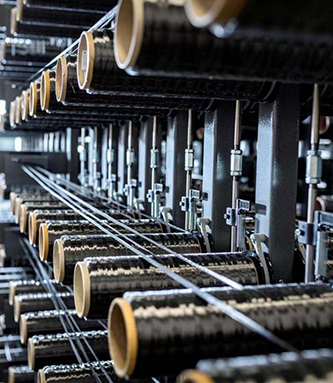
China Beihai is founded in 2015 and located in Jiujiang, Jiangxi Province. China Beihai is a high-tech enterprise focusing on the research, development, production and sales of high-performance basalt continuous fiber and its production equipment manufacturing, as well as a leading enterprise in the domestic basalt fiber industry.
View More
At China Beihai group, we specialize in the production of a wide range of products including basalt fiber mat, basalt fiber roving, basalt fiber yarn, basalt fiber chopped strands, and basalt fiber products (Basalt Fiber rebar, basalt fiber sleeves and tape). Our products are designed to meet the diverse needs of various industries, providing high-quality solutions for our customers.

At China Beihai group, we are dedicated to the production of a wide array of basalt-based products, ranging from basalt fiber mat, fabric, and roving to chopped strand and specialized construction materials. Our focus is on delivering high-quality, sustainable solutions for industries such as construction, geotechnical engineering, and manufacturing.

Choosing to work with China Beihai means working with a leading manufacturer of basalt products. Our commitment to quality, innovation and sustainability sets us apart, ensuring our customers receive best-in-class solutions for their diverse needs. When you partner with China Beihai, you can trust that you are working with a reliable and forward-thinking partner for all your basalt product needs.
Basalt fiber is ideal for your engineering projects. Its high strength, corrosion resistance and lightweight properties allow it to easily solve a variety of challenges. In buildings, bridges, roads and other infrastructure projects, basalt fibers demonstrate outstanding performance, extending structural life and reducing maintenance costs. Choose basalt fiber, choose reliability and durability.
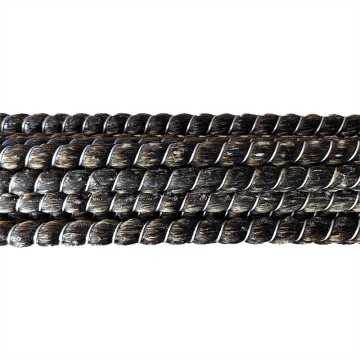
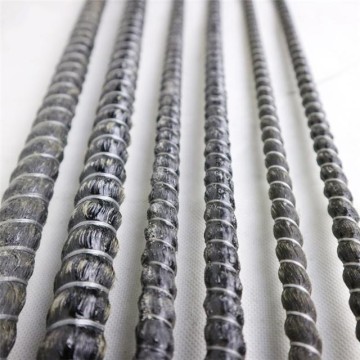
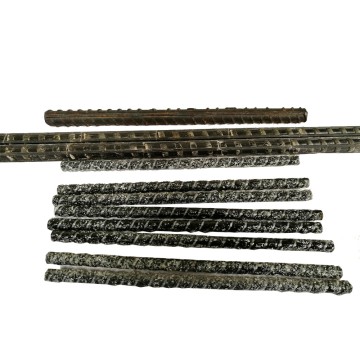
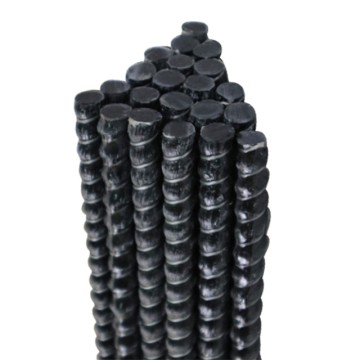
Basalt fiber rebar is a high-strength alternative to traditional steel bars and is used in a wide range of applications for reinforcing concrete structures in various fields. Its excellent performance makes it ideal for a variety of construction applications such as bridges, highways, buildings and other infrastructure projects — with the added benefit of outstanding fire resistance and high-temperature thermal stability that steel cannot provide.
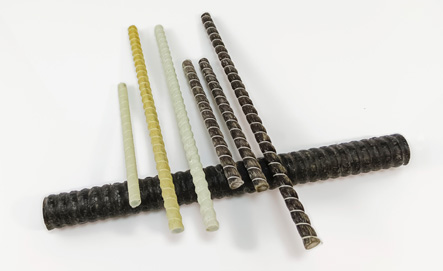
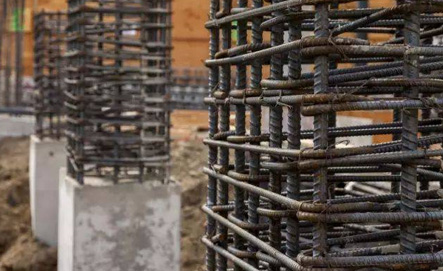
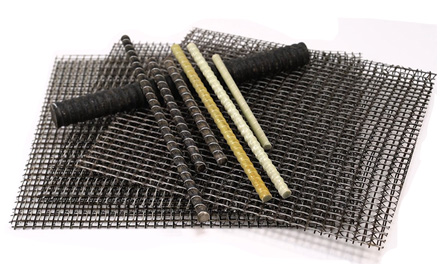
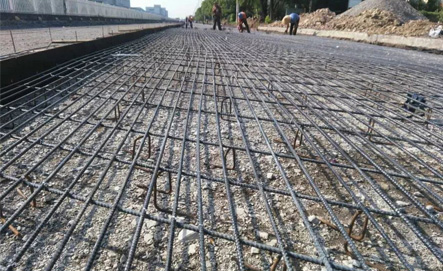
Basalt fiber rebar's unique combination of fire resistance, thermal stability, and structural strength enables transformative applications across diverse industrial sectors.

Our basalt products have diverse applications in the field of house construction, including fire-resistant structural reinforcement and thermal barrier wall systems.

In the aerospace field, basalt fibers are ideal for manufacturing aircraft wings, engine thermal barriers, and fire-resistant structural components.

Basalt fibers are used in spacecraft shell materials, thermal protection systems, and high-temperature-resistant components of aircraft engines.

Basalt-added concrete offers increased strength, durability, crack resistance, improved chemical resistance and improved workability in engineering projects.

Facing the trend of lightweight automobile materials, basalt fiber composites enable wide application in fire-resistant automotive components and thermal barriers.

Basalt's high strength, durability and protective properties make it ideal for protecting bridge abutment structures from vehicle collisions, fire, corrosion and natural environment.

The corrosion resistance and fire resistance of basalt fiber gives it a unique advantage in petrochemical fire barrier and thermal insulation applications.

Basalt fiber as a high-performance composite material offers lightweight, high strength, corrosion resistance, and fire resistance for marine thermal barrier systems.
hot products
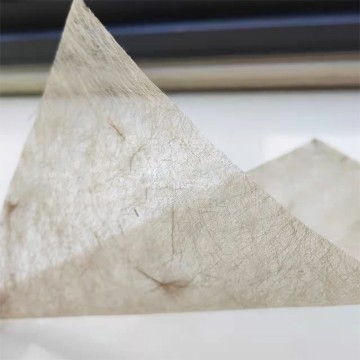
Basalt Fiber Surfacing Tissue Mat is a non woven thin sheet engineered to provide a smooth resin rich surface layer for fiber reinforced plastic applications with superior fire resistance.
read more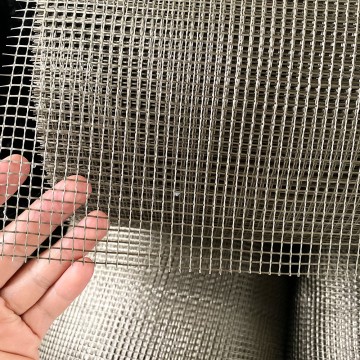
Our high performance Basalt Fiber Mesh provides a superior reinforcement solution for concrete and plaster applications where high alkali resistance and thermal stability are required.
read more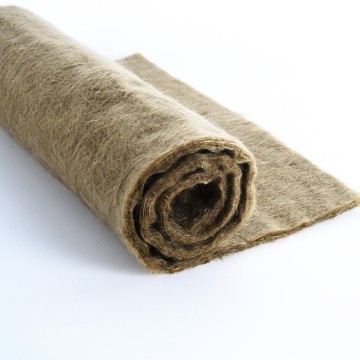
Our Basalt Fiber Needled Mat is a high density insulation material manufactured by mechanically bonding continuous basalt fibers without any chemical binders for extreme thermal barrier applications.
read more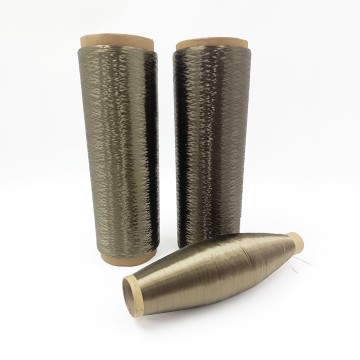
Our Basalt Fiber Twisted Yarn is engineered by twisting multiple continuous filaments to enhance mechanical strength and processing stability for fire-resistant textile and thermal barrier manufacturing.
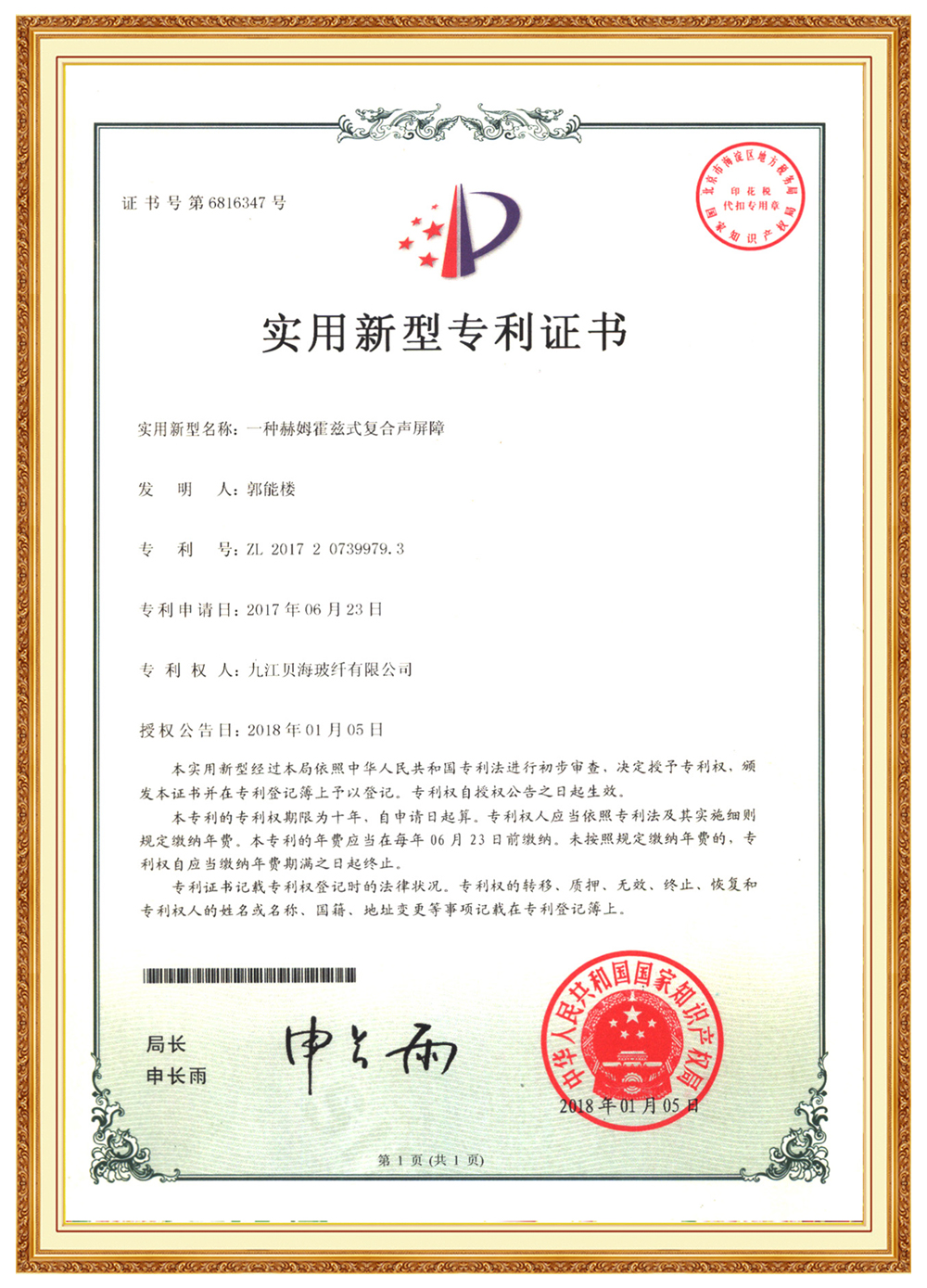
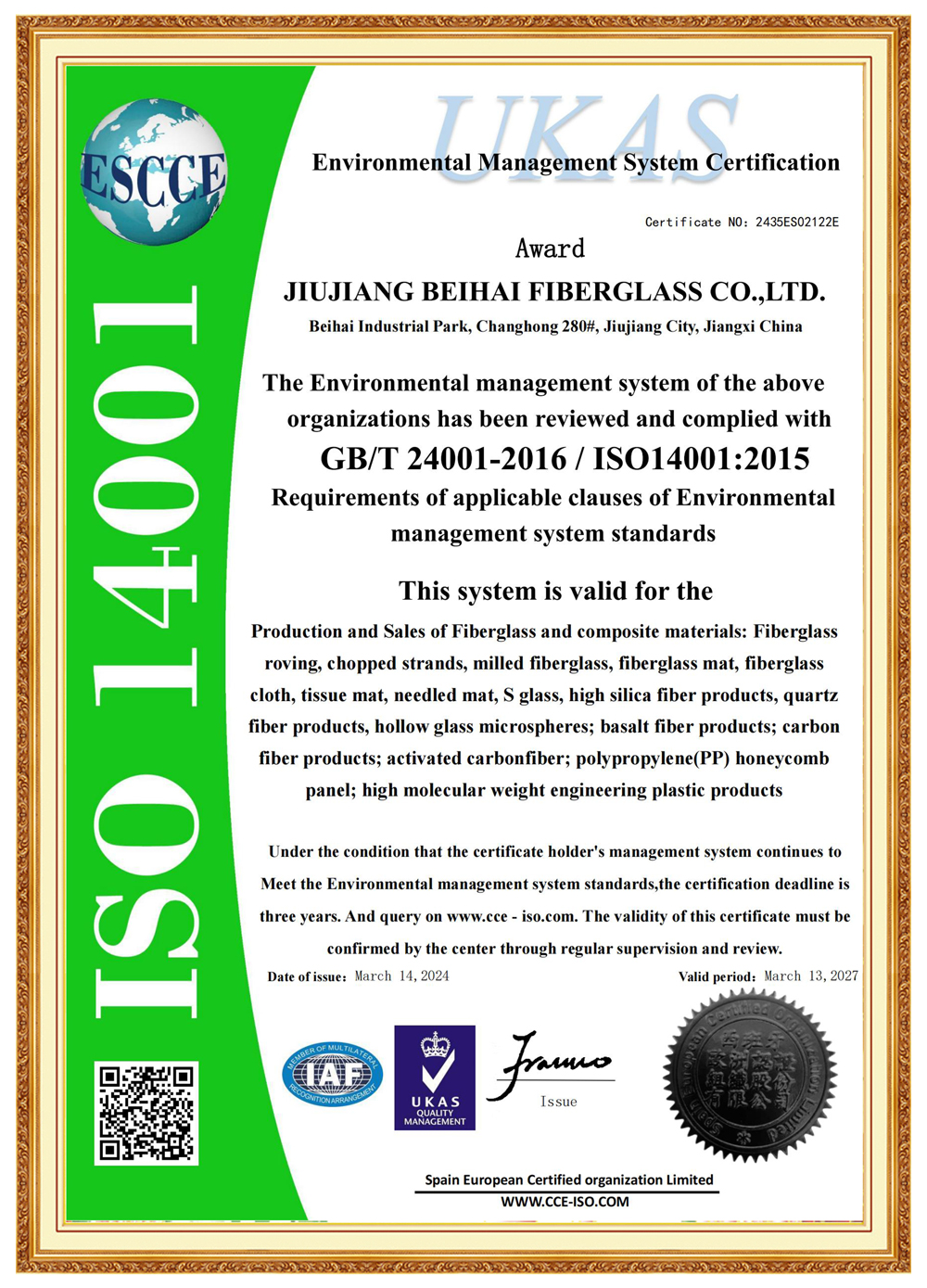
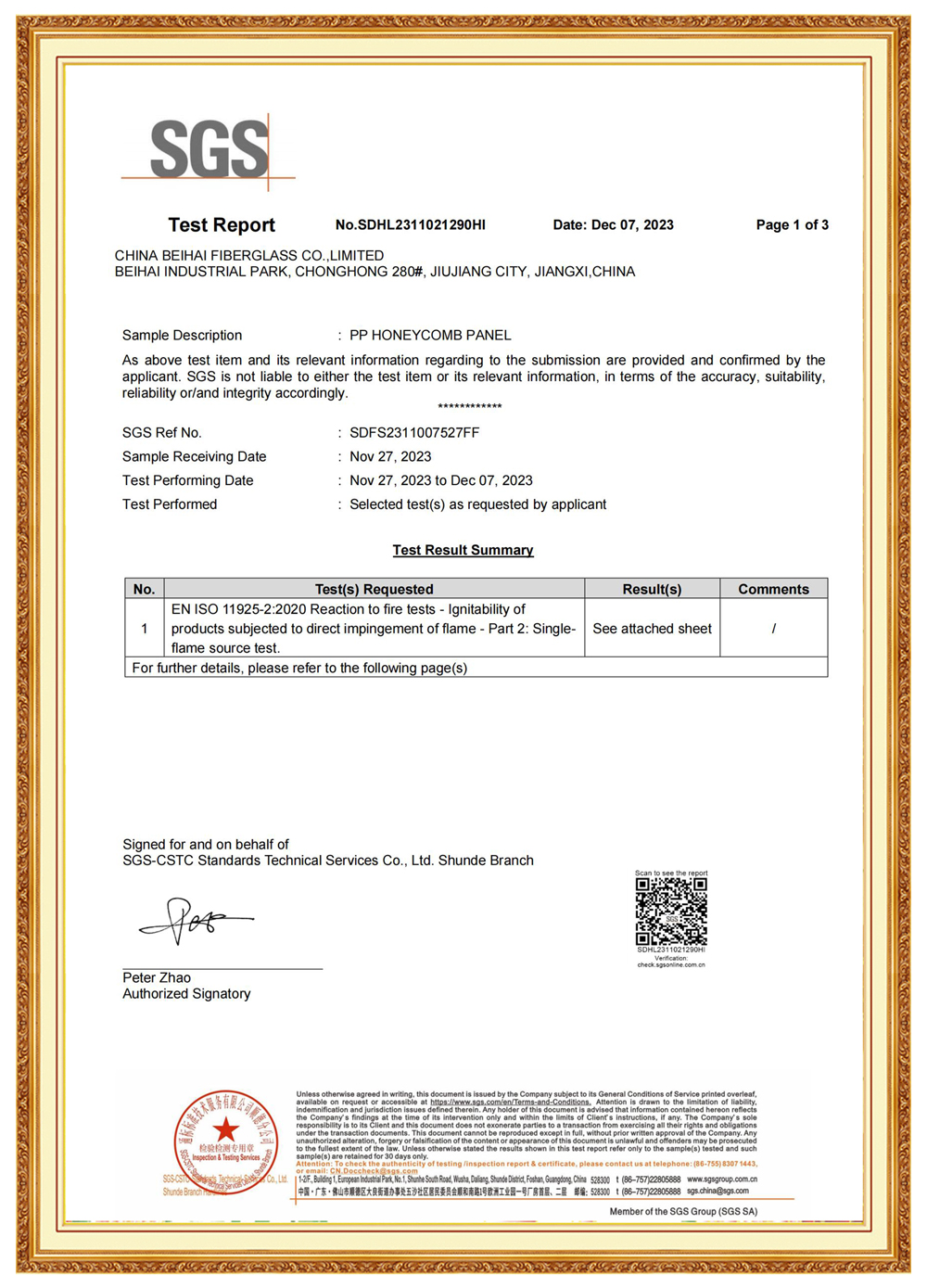
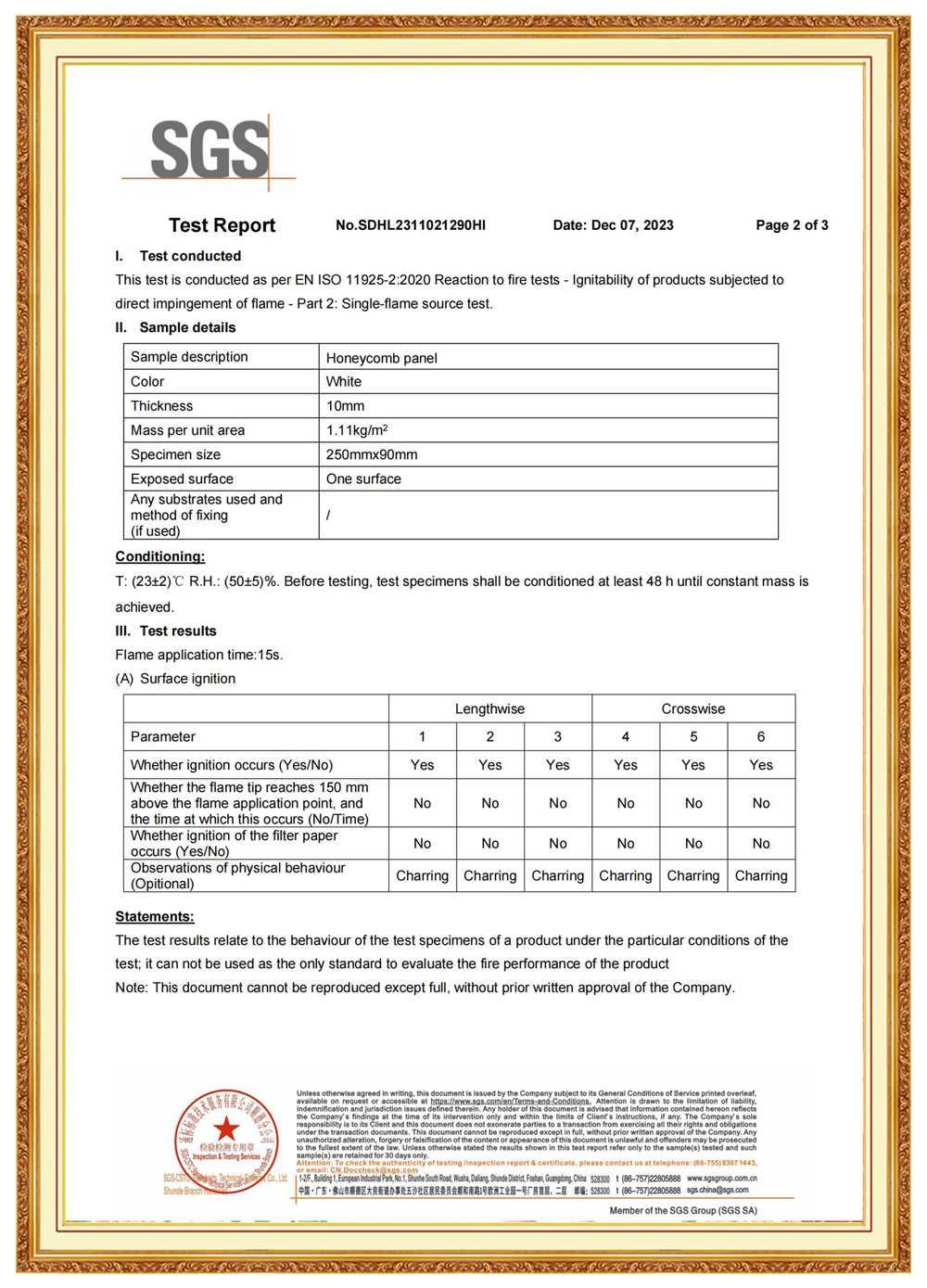
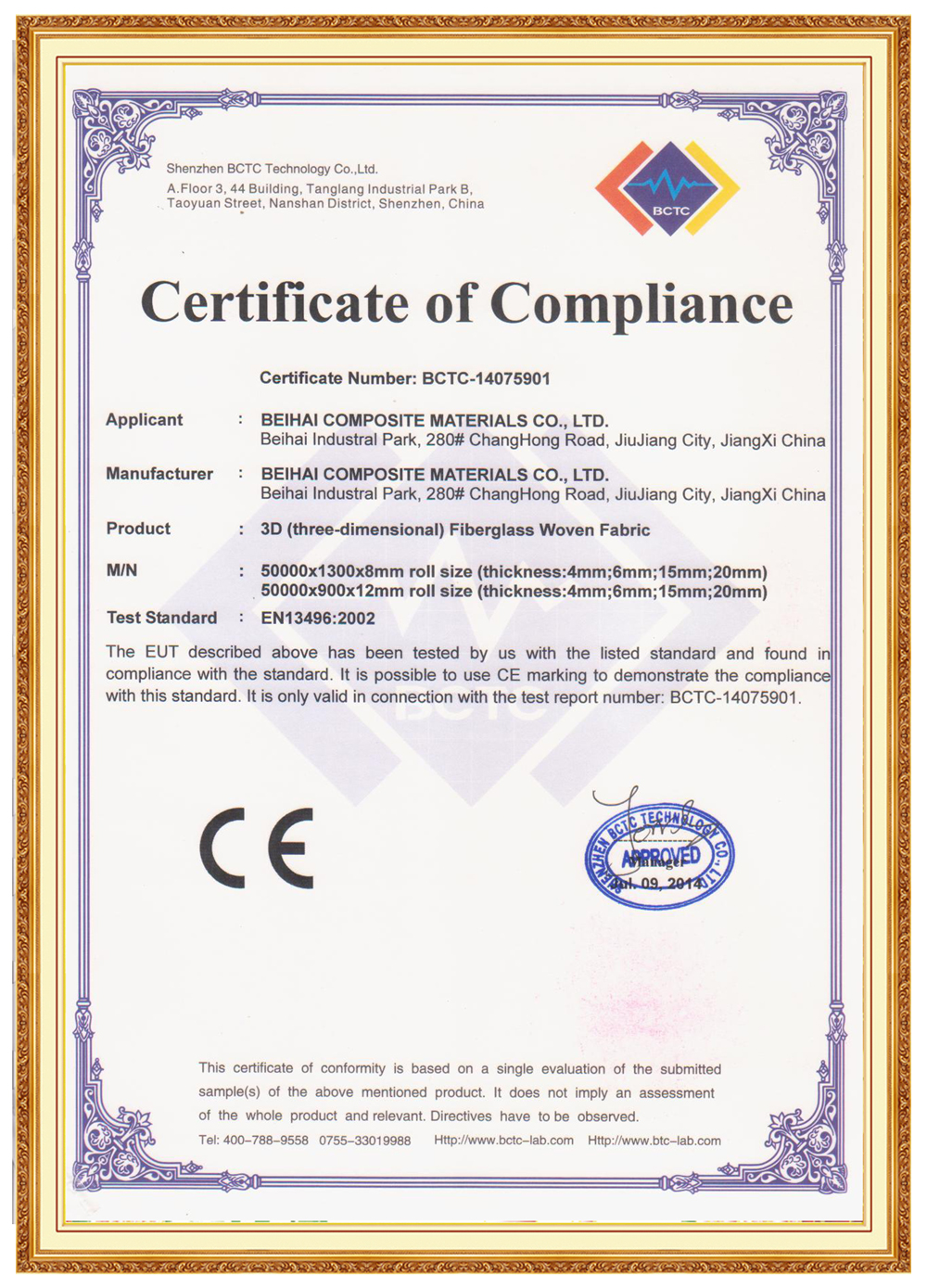
read moreChina Beihai's basalt fiber products are backed by internationally recognized quality certifications, ensuring compliance with the most stringent fire-resistant and thermal barrier material standards.

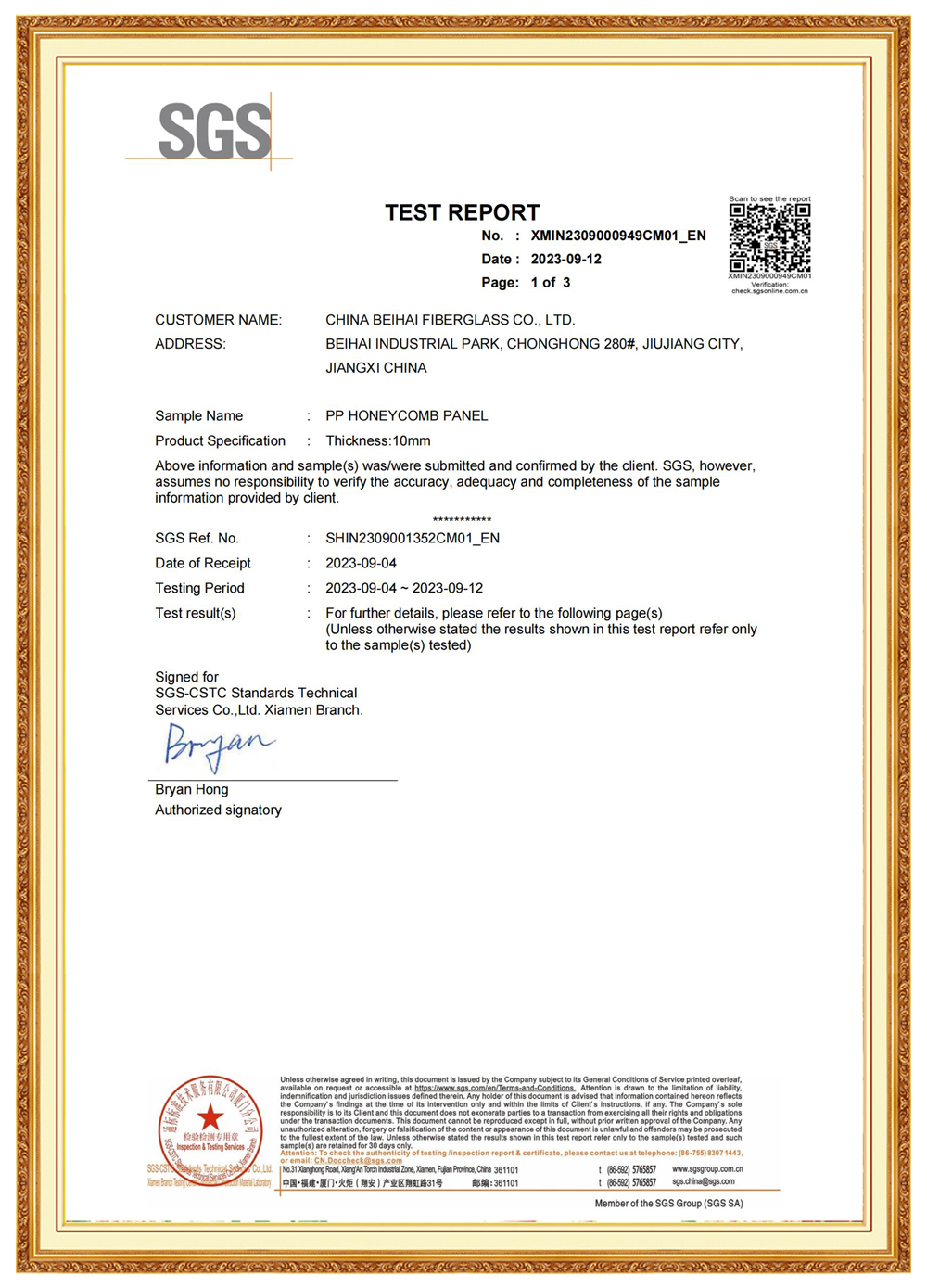
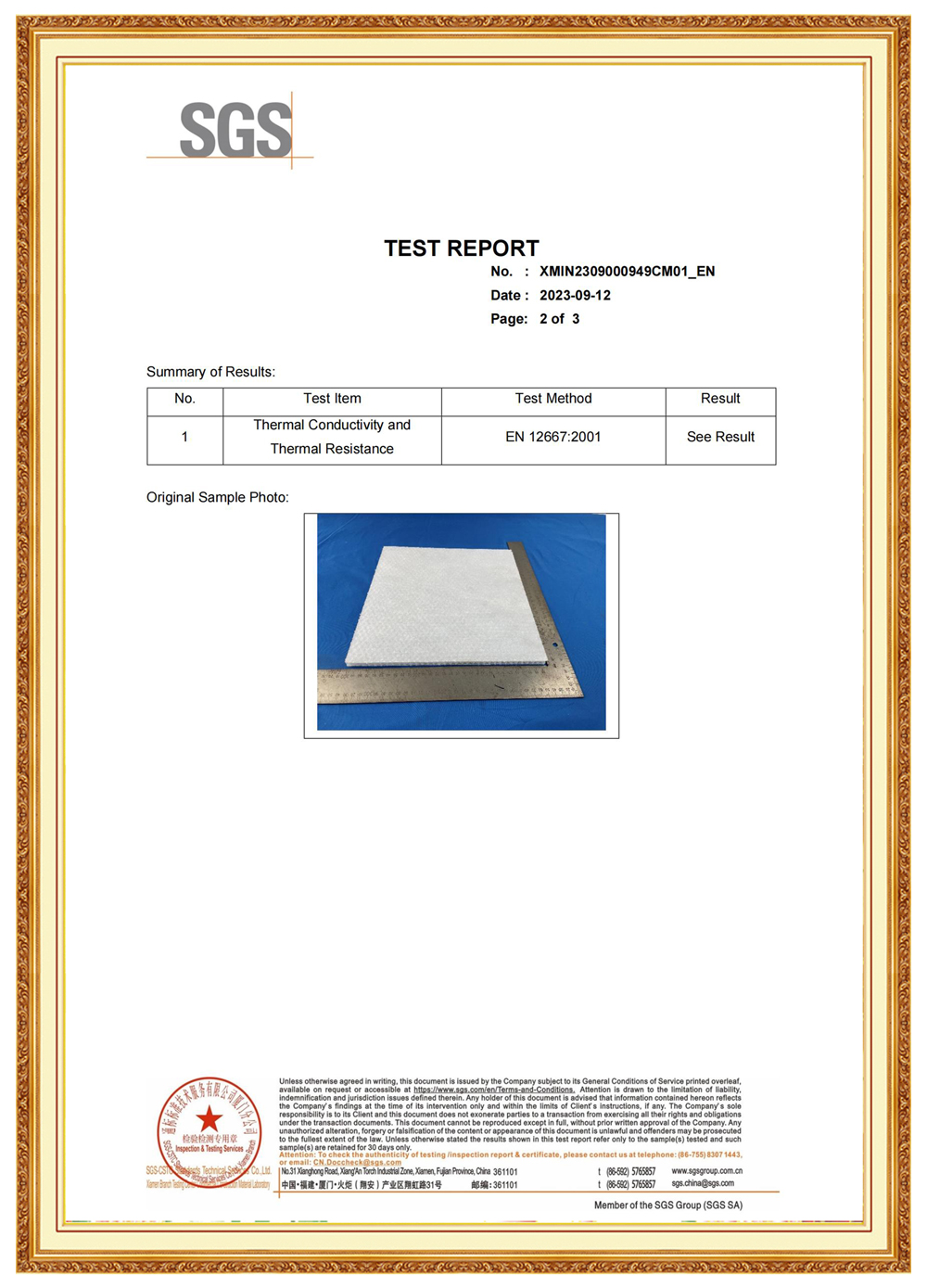
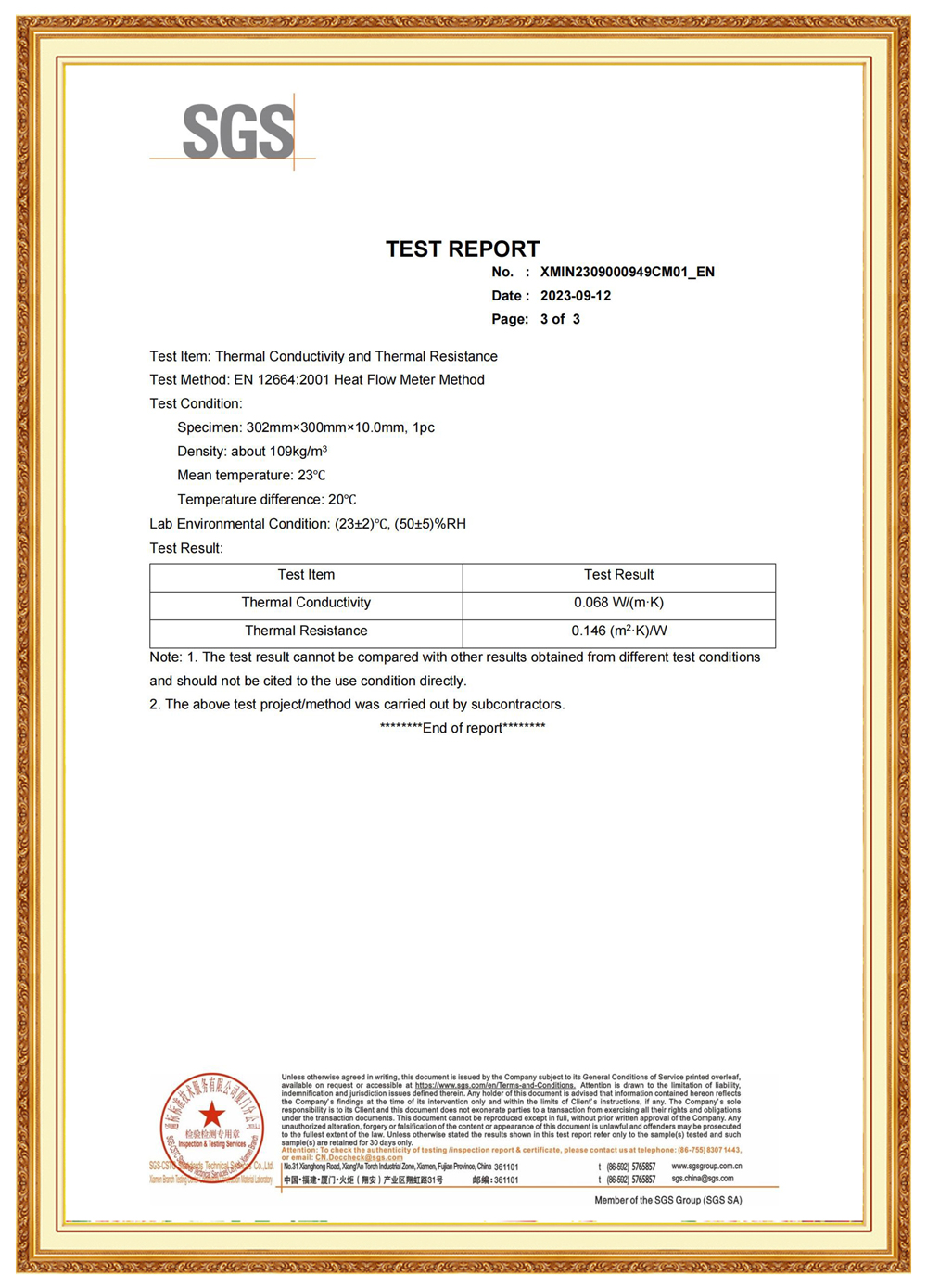
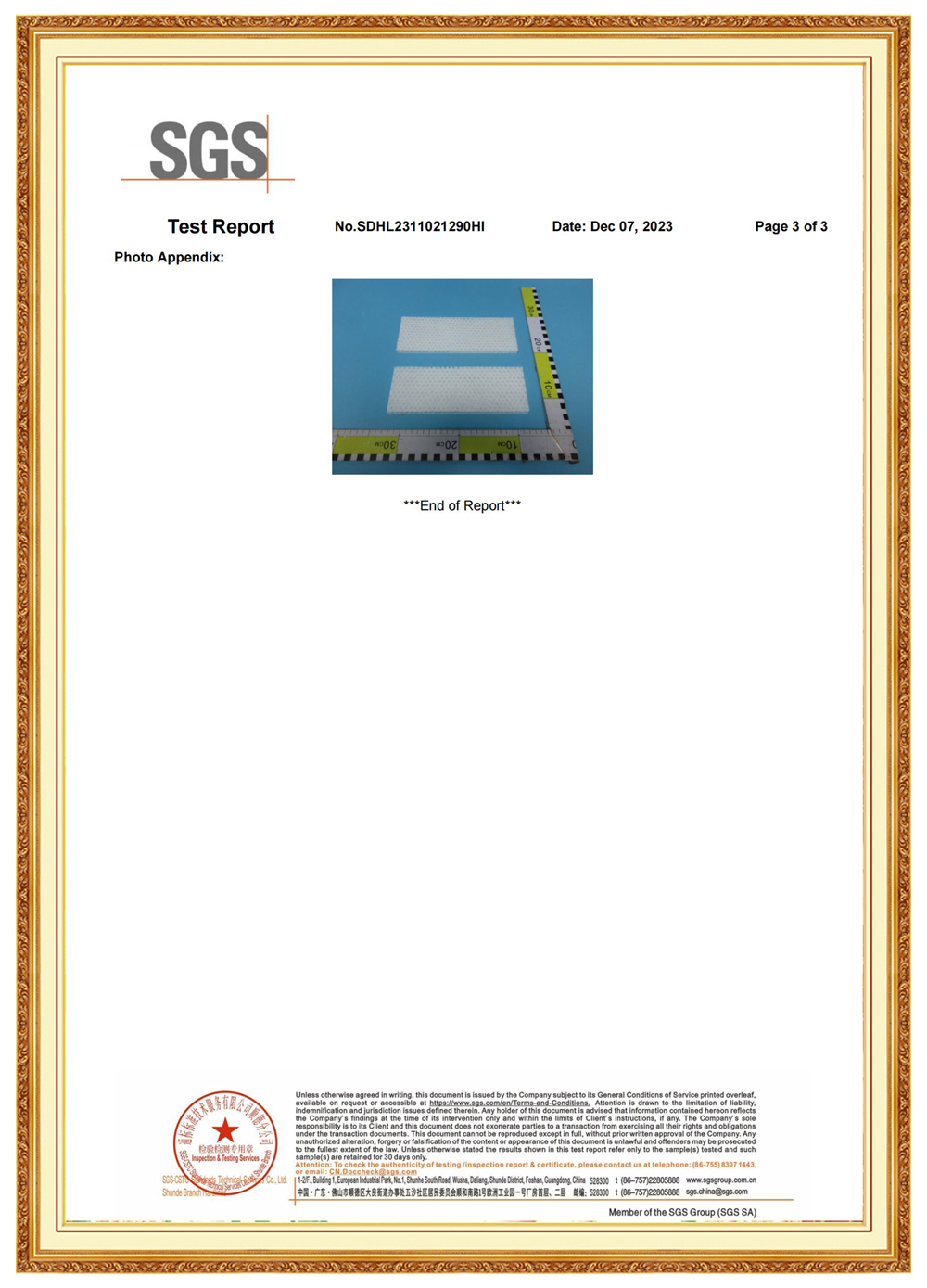
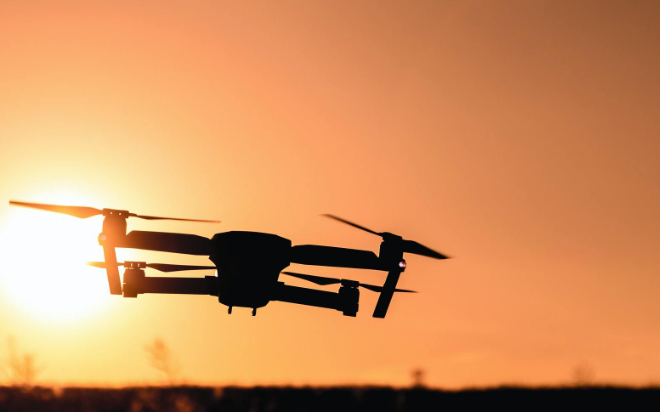
As drones slice through the sky to monitor wildfires, and intelligent robots execute repetitive tasks with precision on the factory floor, the efficient operation of this smart equipment is often underpinned by a "hardcore support" that is easily overlooked: a novel material derived from volcanic rock — basalt fiber. Though unassuming in appearance, its unique properties have made it the key to unlocking the performance limits of drones and robots, quietly driving a materials revolution within the realm of intelligent equipment.
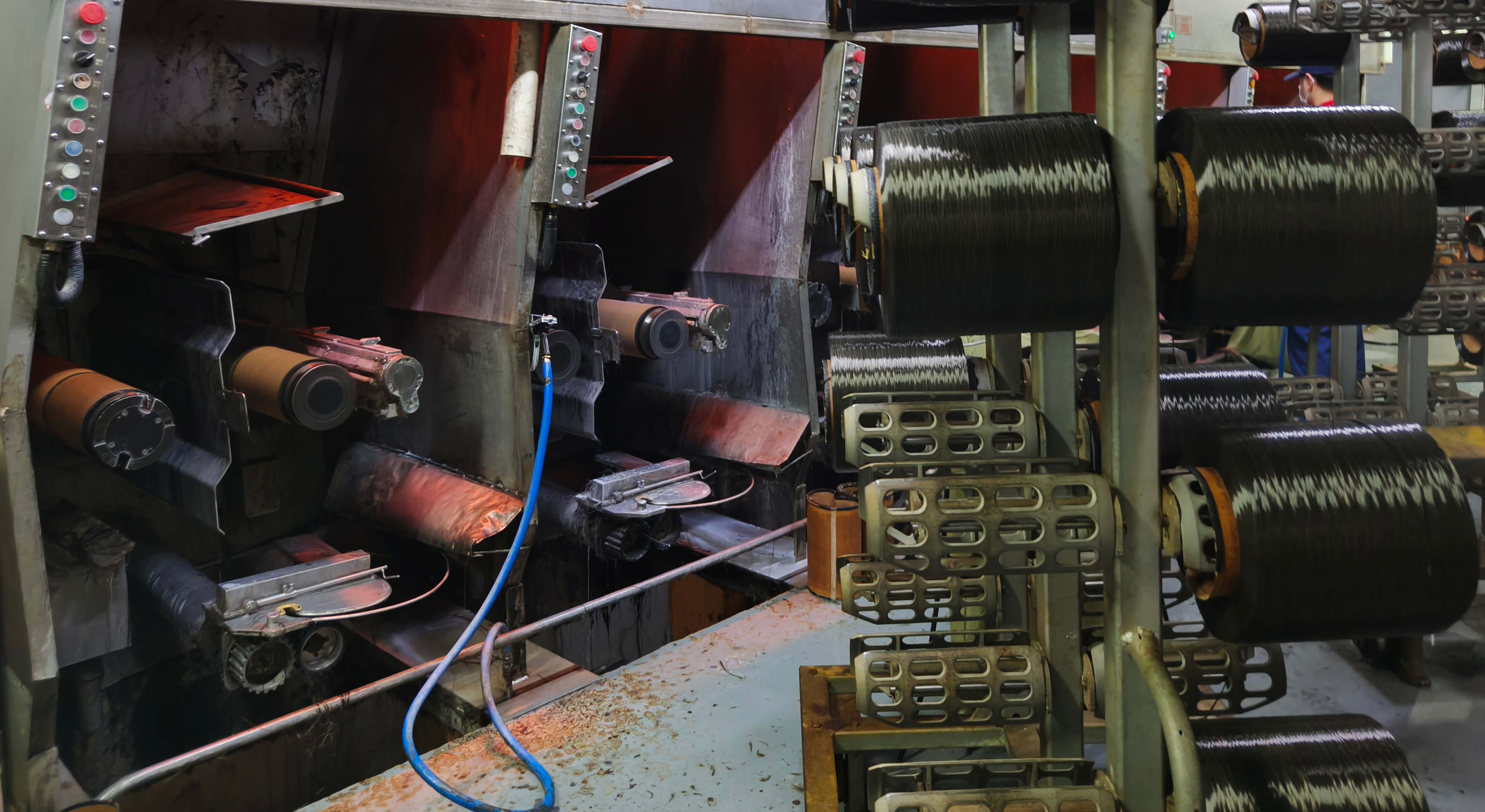
Basalt fiber is an inorganic fibrous material produced by drawing strands from natural basalt ore after it has been melted at high temperatures. It has garnered widespread attention for its exceptional physicochemical properties — particularly its performance in high-temperature environments.
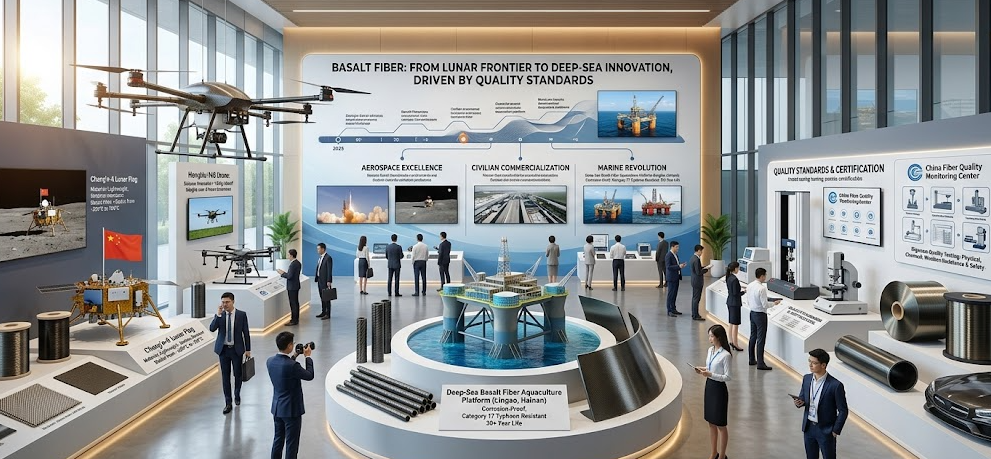
Recently, with the successful realization of major applications — such as the Chang'e-6 lunar exploration mission and the world's first deep-sea basalt fiber aquaculture platform — basalt fiber is rapidly accelerating its transformation from a laboratory research outcome into a strategic new material with tangible industrial productivity.
From underground construction to electromagnetic-transparent MRI environments — our comprehensive basalt fiber rebar lineup covers every high-temperature and fire-resistant reinforcement requirement.