
Leave Your Message
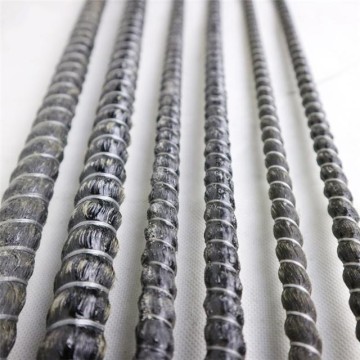
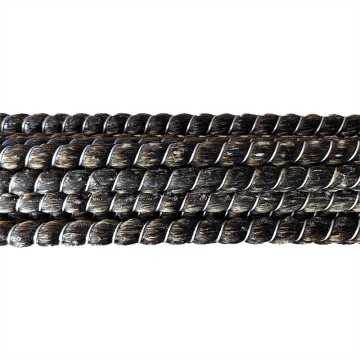
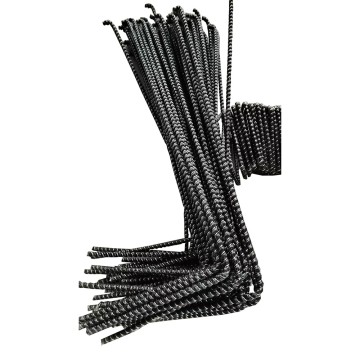
Specially selected high-performance basalt fiber rebar solutions tailored for Vietnam's tropical climate, coastal infrastructure, and rapid urban development demands.
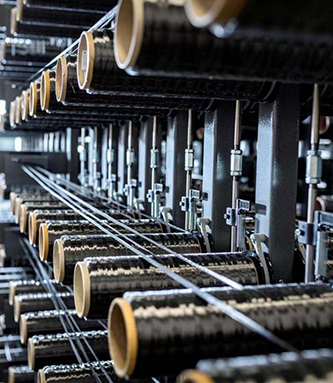
China Beihai is founded in 2015 and located in Jiujiang, Jiangxi Province. China Beihai is a high-tech enterprise focusing on the research, development, production and sales of high-performance basalt continuous fiber and its production equipment manufacturing, as well as a leading enterprise in the domestic basalt fiber industry.
As a trusted supplier serving the Vietnam market, China Beihai delivers world-class reinforcing rebar solutions that meet the rigorous demands of Vietnam's coastal, tropical, and seismic construction environments.
★ "Choosing China Beihai means choosing a reliable, forward-thinking partner for all your basalt fiber and reinforcing rebar needs in Vietnam."

At China Beihai group, we specialize in the production of a wide range of products including basalt fiber mat (Basalt fiber chopped strand mat, Basalt fiber cloth), basalt fiber roving, basalt fiber yarn, basalt fiber chopped strands, and basalt fiber products (Basalt Fiber rebar, basalt fiber sleeves and tape). Our products are designed to meet the diverse needs of various industries, providing high-quality solutions for our customers.

At China Beihai group, we are dedicated to the production of a wide array of basalt-based products, ranging from basalt fiber mat, fabric, and roving to chopped strand and specialized construction materials. Our focus is on delivering high-quality, sustainable solutions for industries such as construction, geotechnical engineering, and manufacturing. With a commitment to innovation and excellence, we strive to cater to the unique requirements of our clients by offering a comprehensive selection of basalt-derived products.

Choosing to work with China Beihai means working with a leading manufacturer of basalt products. Our commitment to quality, innovation and sustainability sets us apart, ensuring our customers receive best-in-class solutions for their diverse needs. Reliability and customer satisfaction, we offer a wide range of high-quality basalt materials and construction products, backed by our dedication to excellence and industry expertise. When you partner with China Beihai, you can trust that you are working with a reliable and forward-thinking partner — a thought supplier for all your basalt product needs.
Basalt fiber is ideal for your engineering projects. Its high strength, corrosion resistance and lightweight properties allow it to easily solve a variety of challenges. In buildings, bridges, roads and other infrastructure projects, basalt fibers demonstrate outstanding performance, extending structural life and reducing maintenance costs. Choose basalt fiber, choose reliability and durability.
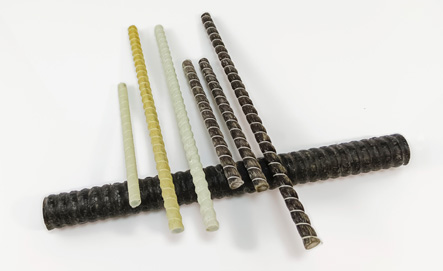
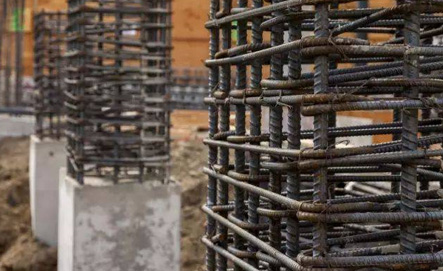
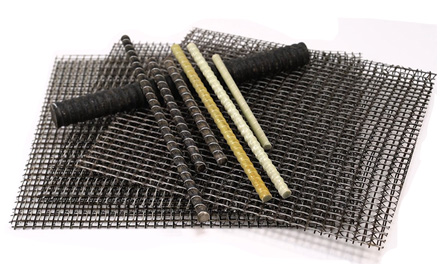
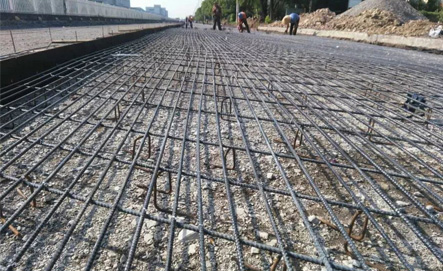
Basalt fiber rebar achieves tensile strength of 1,000–1,500 MPa, far exceeding conventional steel rebar, providing superior load-bearing capacity for Vietnam's high-rise buildings and long-span bridges.
Completely immune to chloride-induced corrosion, making it the perfect choice for Vietnam's 3,260 km coastline infrastructure, seaports, offshore platforms, and tidal zone structures.
At only 1/4 the weight of steel, basalt rebar dramatically reduces structural dead load and speeds up construction timelines — a major advantage for Vietnam's fast-paced construction industry.
Maintains structural integrity across extreme temperature ranges (-200°C to +700°C) and resists acids and alkalis — critical for Vietnam's industrial zones and chemical processing facilities.
Made from natural volcanic basalt rock with no chemical additives, basalt rebar aligns perfectly with Vietnam's green construction standards and sustainable development goals (SDGs).
Projected service life exceeding 100 years with minimal maintenance, reducing lifecycle costs significantly for Vietnam's public infrastructure investment programs.
Vietnam is one of Southeast Asia's fastest-growing construction markets. Understanding the local industry context is essential for selecting the right reinforcing rebar solutions.
Vietnam's construction steel market is one of the largest in Southeast Asia, with annual rebar consumption exceeding 12 million tonnes. The country's rapid urbanization — particularly in Ho Chi Minh City, Hanoi, Da Nang, and Hai Phong — has driven unprecedented demand for reinforcing materials across residential, commercial, and infrastructure segments.
Traditional steel rebar remains dominant, but growing awareness of corrosion-related structural failures — particularly in coastal provinces like Quang Ninh, Khanh Hoa, and Ba Ria-Vung Tau — is accelerating adoption of advanced composite alternatives such as basalt fiber rebar (BFRP).
The Vietnamese government's ambitious infrastructure programs, including the North-South Expressway Project, urban metro lines in Hanoi and Ho Chi Minh City, and the Long Thanh International Airport, are creating massive demand for high-performance, durable reinforcing materials that can withstand Vietnam's challenging tropical and coastal environments.
Vietnam's manufacturing sector, which has attracted over $200 billion in FDI over the past decade, requires robust industrial facility construction. Factories producing electronics, textiles, and automotive components need corrosion-resistant structural reinforcement to ensure long-term operational integrity in Vietnam's humid tropical climate.
Several converging factors are driving the adoption of basalt fiber rebar in Vietnam's construction ecosystem:
Coastal Infrastructure Challenges: Vietnam's extensive coastline subjects conventional steel rebar to aggressive chloride attack, leading to premature structural deterioration. Basalt rebar's complete immunity to corrosion makes it the superior long-term investment for coastal bridges, seawalls, piers, and marine structures.
Government Green Building Mandates: Vietnam's Ministry of Construction has progressively tightened green building standards, encouraging the use of sustainable, low-carbon construction materials. Basalt fiber rebar — produced from natural volcanic rock — perfectly aligns with these environmental requirements.
Metro & Underground Construction Boom: Hanoi Metro Lines 3 and 4, and Ho Chi Minh City Metro Line 2, require non-magnetic, non-conductive reinforcement materials for signaling system compatibility. Basalt FRP rebar provides exactly this electromagnetic transparency.
Rising Labor Costs: The lightweight nature of basalt rebar (75% lighter than steel) reduces installation labor costs significantly — an increasingly important factor as Vietnam's construction labor costs rise year-on-year.
From the Mekong Delta to the Northern Highlands, basalt fiber rebar is transforming how Vietnam builds its future infrastructure.
High-rise residential and commercial towers in District 1, Thu Duc City, and Binh Duong New City benefit from basalt rebar's high tensile strength and lightweight properties, reducing structural dead load and construction costs.
Non-conductive, non-magnetic basalt FRP rebar is ideal for tunnel lining and platform construction in Vietnam's expanding metro networks, ensuring zero electromagnetic interference with train control systems.
Dikes, flood barriers, and water management structures in the Mekong Delta require maximum corrosion resistance in permanently wet, saline conditions. Basalt rebar delivers exceptional durability in these extreme environments.
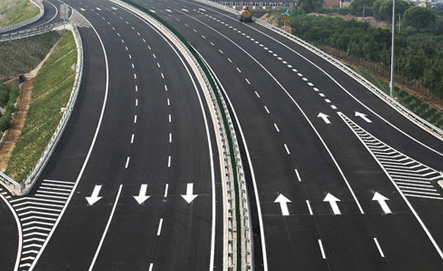
Bridge decks, piers, and abutments along Vietnam's 2,000 km North-South Expressway project benefit from basalt rebar's superior fatigue resistance and immunity to deicing salt corrosion in highland sections.
Ports in Hai Phong, Da Nang, and Vung Tau require reinforcement materials that withstand continuous saltwater exposure. Basalt rebar eliminates the costly rebar replacement cycles that plague traditional steel in marine environments.
Manufacturing facilities in VSIP, Amata, and Thang Long Industrial Parks use basalt rebar for chemical-resistant floor slabs, warehouse structures, and utility infrastructure serving Vietnam's export manufacturing sector.
Vietnam's landmark Long Thanh International Airport project demands the highest standards in structural reinforcement. Basalt rebar provides the tensile strength and durability required for runways, terminals, and support structures.
Irrigation channels, fish farm structures, and agricultural storage facilities across Vietnam's Central Highlands and Mekong Delta benefit from basalt rebar's resistance to fertilizer chemicals and continuous moisture exposure.
The basalt fiber rebar industry in Vietnam is at an inflection point, driven by policy, technology, and market forces that are reshaping construction material choices.
Vietnam's revised Construction Law and LOTUS Green Building Rating System are increasingly favoring low-carbon, sustainable construction materials. Basalt fiber rebar — produced with minimal environmental impact from natural volcanic rock — is well-positioned to benefit from this regulatory tailwind.
Vietnam's government has committed over $60 billion to infrastructure development through 2030, including expressways, airports, seaports, and urban rail. This massive pipeline creates sustained demand for advanced reinforcing materials that outperform conventional steel in challenging environments.
Vietnam's construction standards bodies are progressively adopting international FRP rebar specifications (ACI 440, ISO 10406), creating a clearer regulatory pathway for basalt rebar specification in public infrastructure projects.
As production scales up and supply chains mature, the lifecycle cost advantage of basalt rebar over steel is becoming increasingly compelling for Vietnamese contractors and developers who factor in maintenance and replacement costs over a 50+ year project horizon.
China Beihai's advanced basalt fiber rebar technology provides Vietnam's construction industry with material solutions that address the country's most pressing structural challenges:
As Vietnam's construction industry matures and quality standards rise, the shift toward advanced composite reinforcing materials like basalt fiber rebar represents not just a material upgrade — but a fundamental evolution in how Vietnam builds infrastructure designed to last for generations.
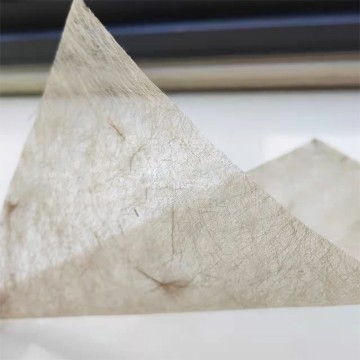
Basalt Fiber Surfacing Tissue Mat is a non-woven thin sheet engineered to provide a smooth resin-rich surface layer for fiber reinforced plastic applications.
read more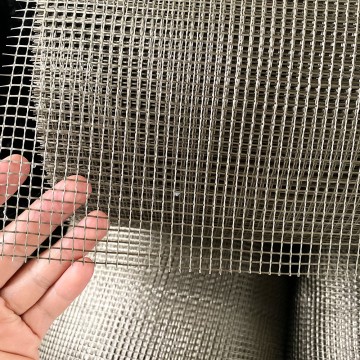
Our high-performance Basalt Fiber Mesh provides a superior reinforcement solution for concrete and plaster applications where high alkali resistance is required.
read more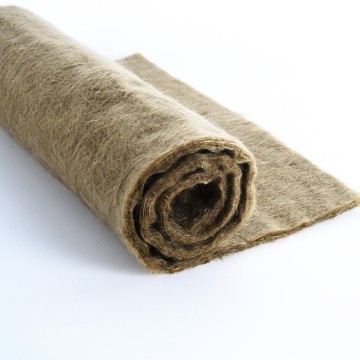
Our Basalt Fiber Needled Mat is a high-density insulation material manufactured by mechanically bonding continuous basalt fibers without any chemical binders.
read more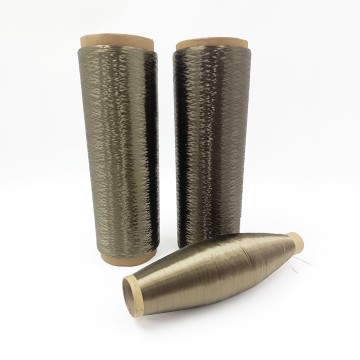
Our Basalt Fiber Twisted Yarn is engineered by twisting multiple continuous filaments to enhance mechanical strength and processing stability.
read moreFrom building construction to petrochemicals, our basalt products serve Vietnam's most demanding industrial and infrastructure sectors.

Our basalt products have diverse applications in the field of house construction across Vietnam's rapidly expanding urban centers.

In the aerospace field, basalt fibers are ideal for manufacturing aircraft wings and engine components with superior strength-to-weight ratios.

Through fine process control and surface treatment technologies, basalt fibers are used in spacecraft shell materials, thermal protection systems, and high-temperature-resistant components.

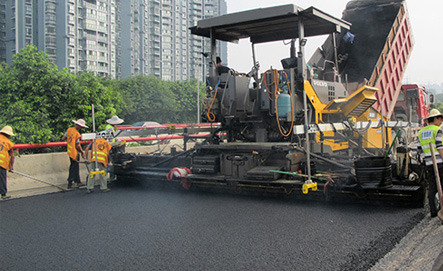
Basalt-added concrete offers increased strength and durability, crack resistance, improved chemical resistance and improved workability for Vietnam's construction projects.

Facing the trend of lightweight automobile materials, basalt fiber composites find wide application in Vietnam's growing automotive manufacturing sector.

Basalt's high strength, durability and protective properties make it ideal for protecting Vietnam's bridge abutment structures from corrosion and the natural environment.

The corrosion resistance of basalt fiber gives it a unique advantage in Vietnam's petrochemical field, particularly in Vung Tau's offshore oil and gas sector.

Basalt fiber composites — lightweight, high-strength, corrosion-resistant — serve Vietnam's thriving shipbuilding and marine engineering industries.
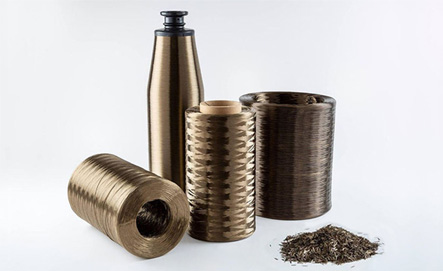
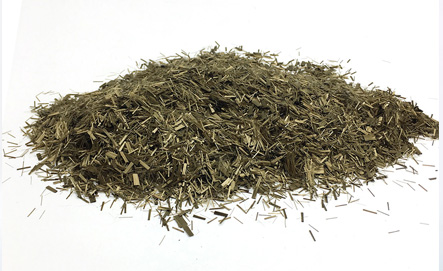
Our basalt fiber roving serves as the foundational raw material for a wide range of composite products used across Vietnam's construction, automotive, and industrial manufacturing sectors. With consistent filament diameter and superior tensile properties, our roving delivers reliable performance in pultrusion, filament winding, and weaving processes.
Available in a range of tex counts to suit different processing requirements, our basalt fiber roving is the preferred choice for Vietnamese composite manufacturers seeking to upgrade from conventional glass fiber to higher-performance basalt-based solutions.
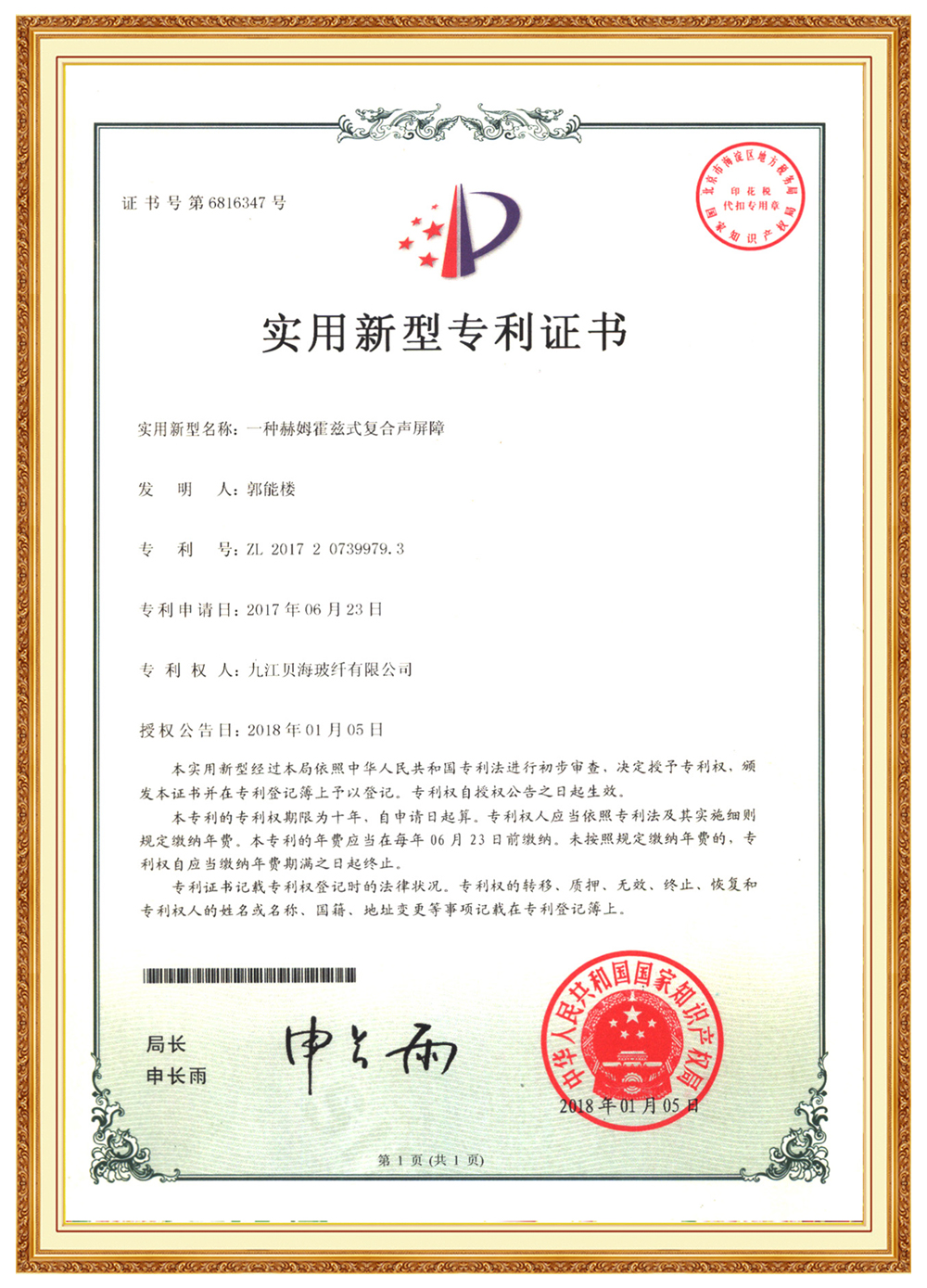
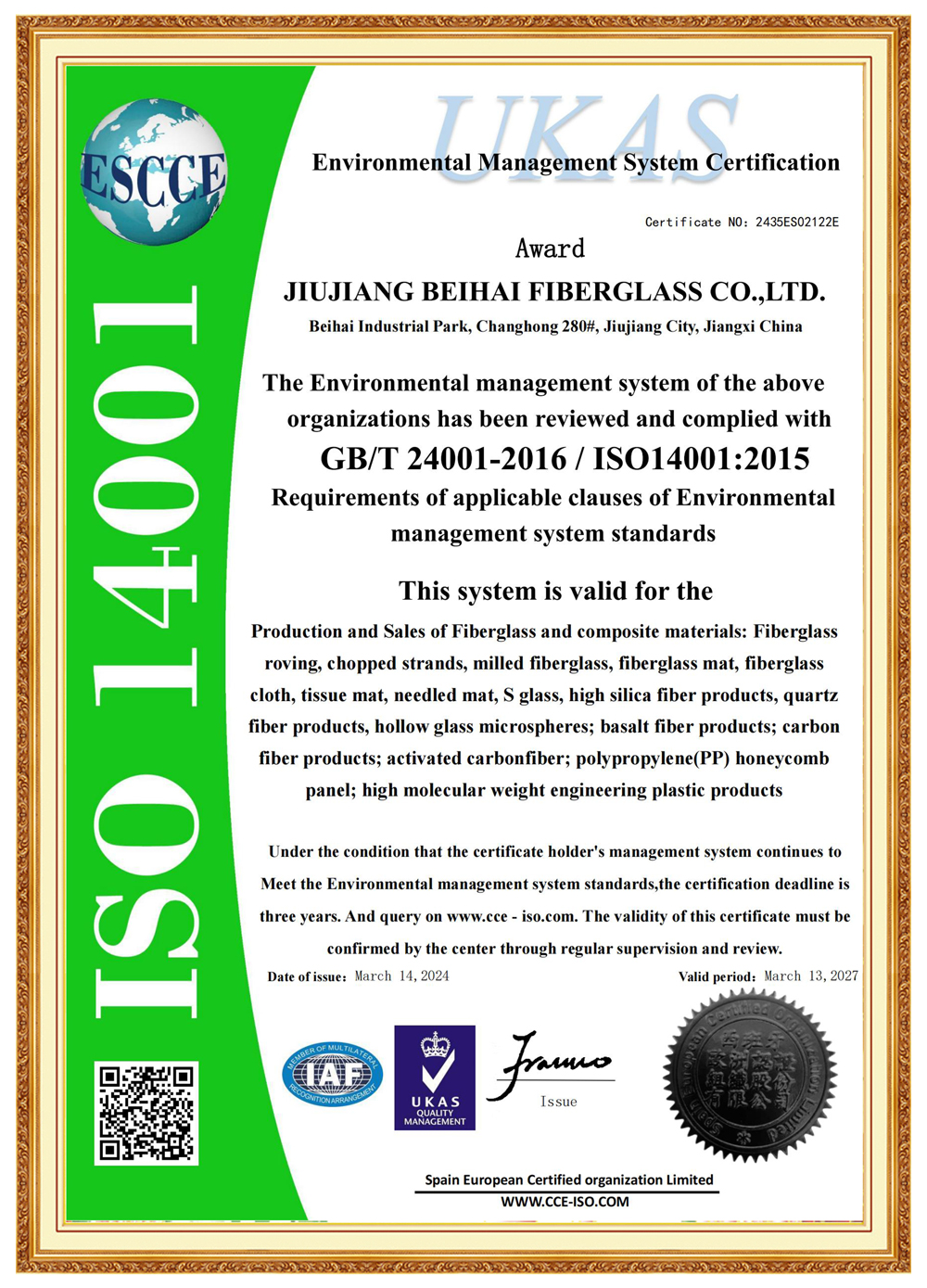
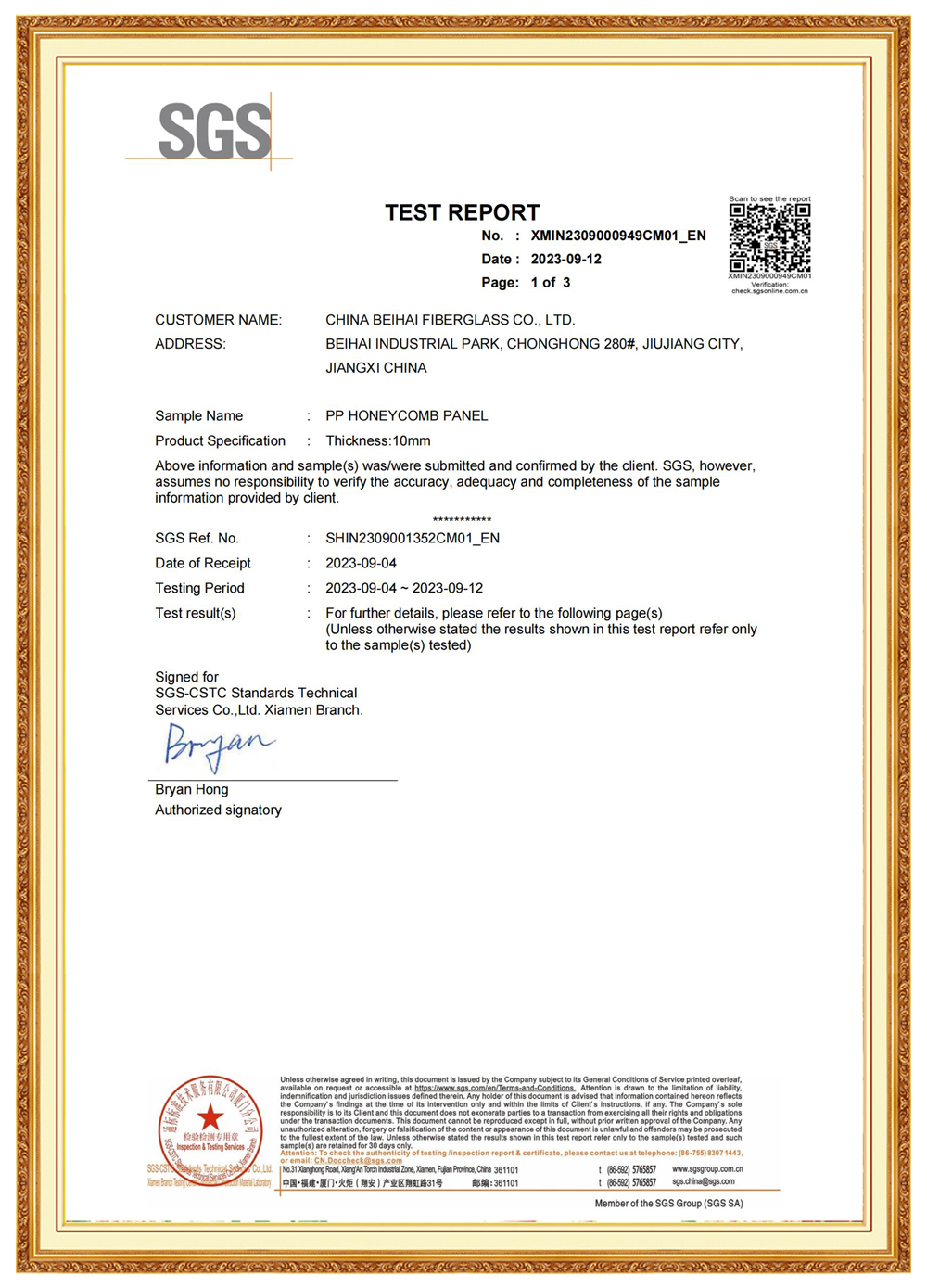
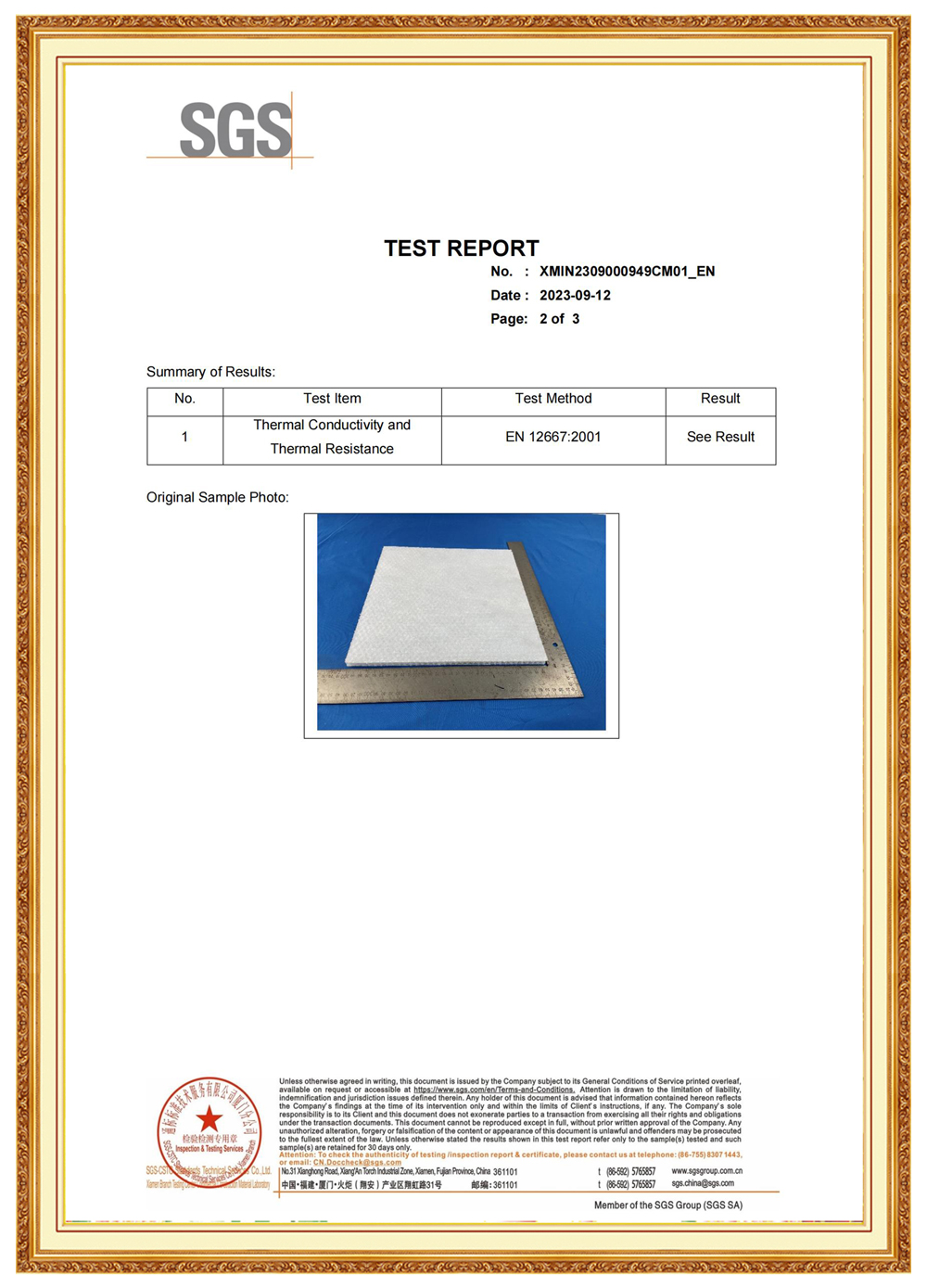
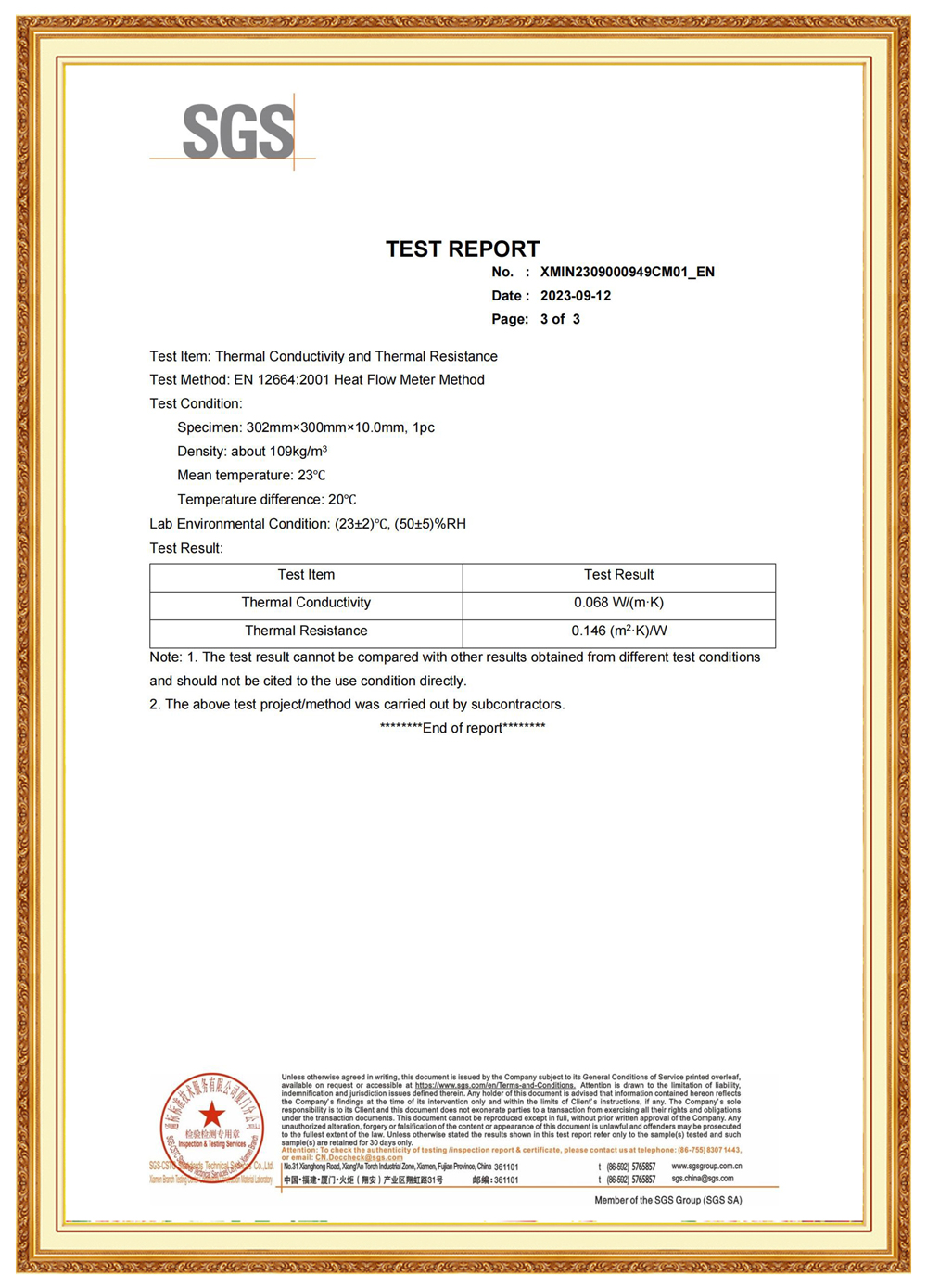
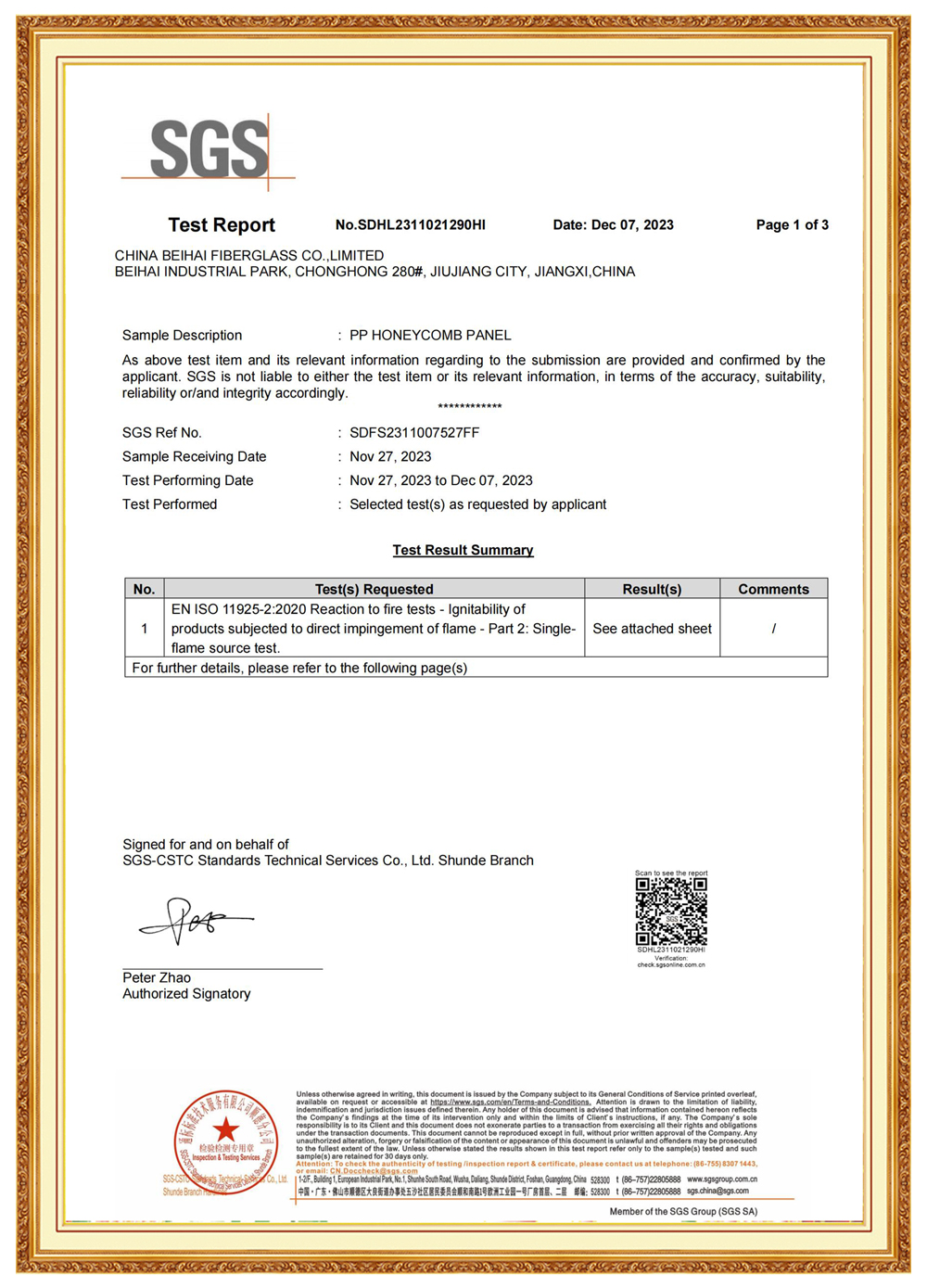
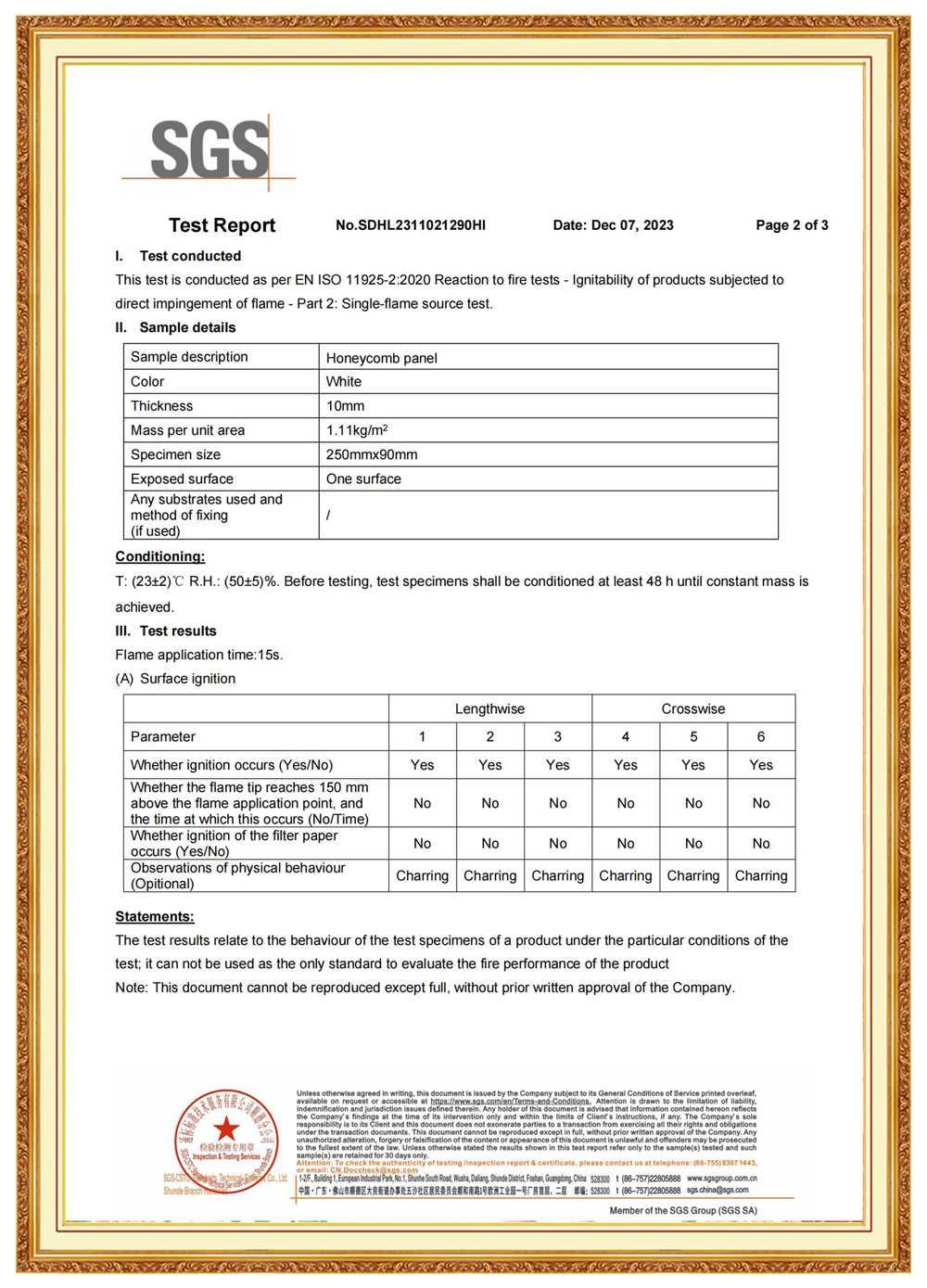
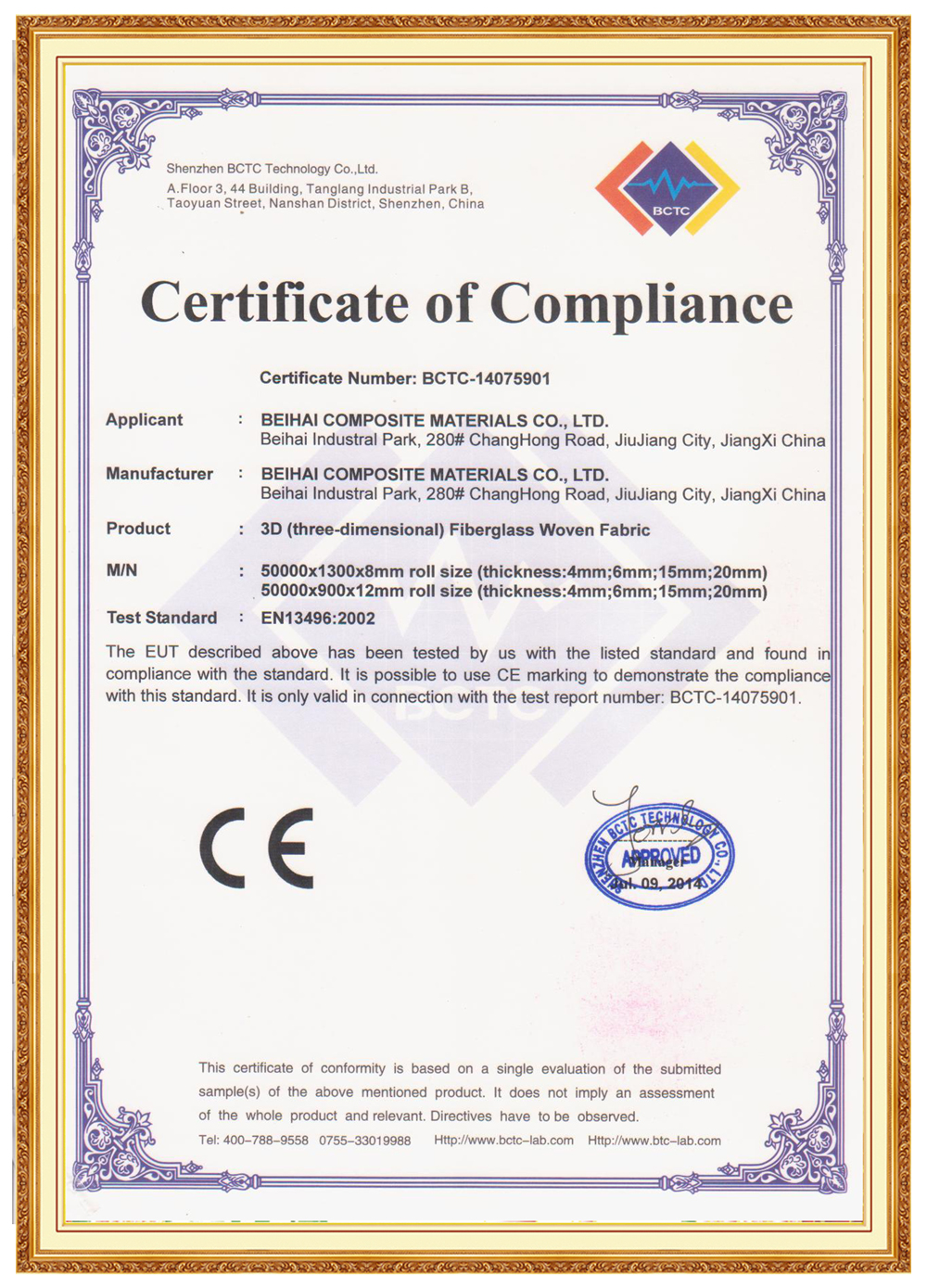
China Beihai's products are backed by internationally recognized quality certifications, ensuring compliance with global and Vietnamese construction standards.


As drones slice through the sky to monitor wildfires, and intelligent robots execute repetitive tasks with precision on the factory floor, the efficient operation of this smart equipment is often underpinned by basalt fiber — a novel material derived from volcanic rock that is quietly driving a materials revolution within the realm of intelligent equipment.
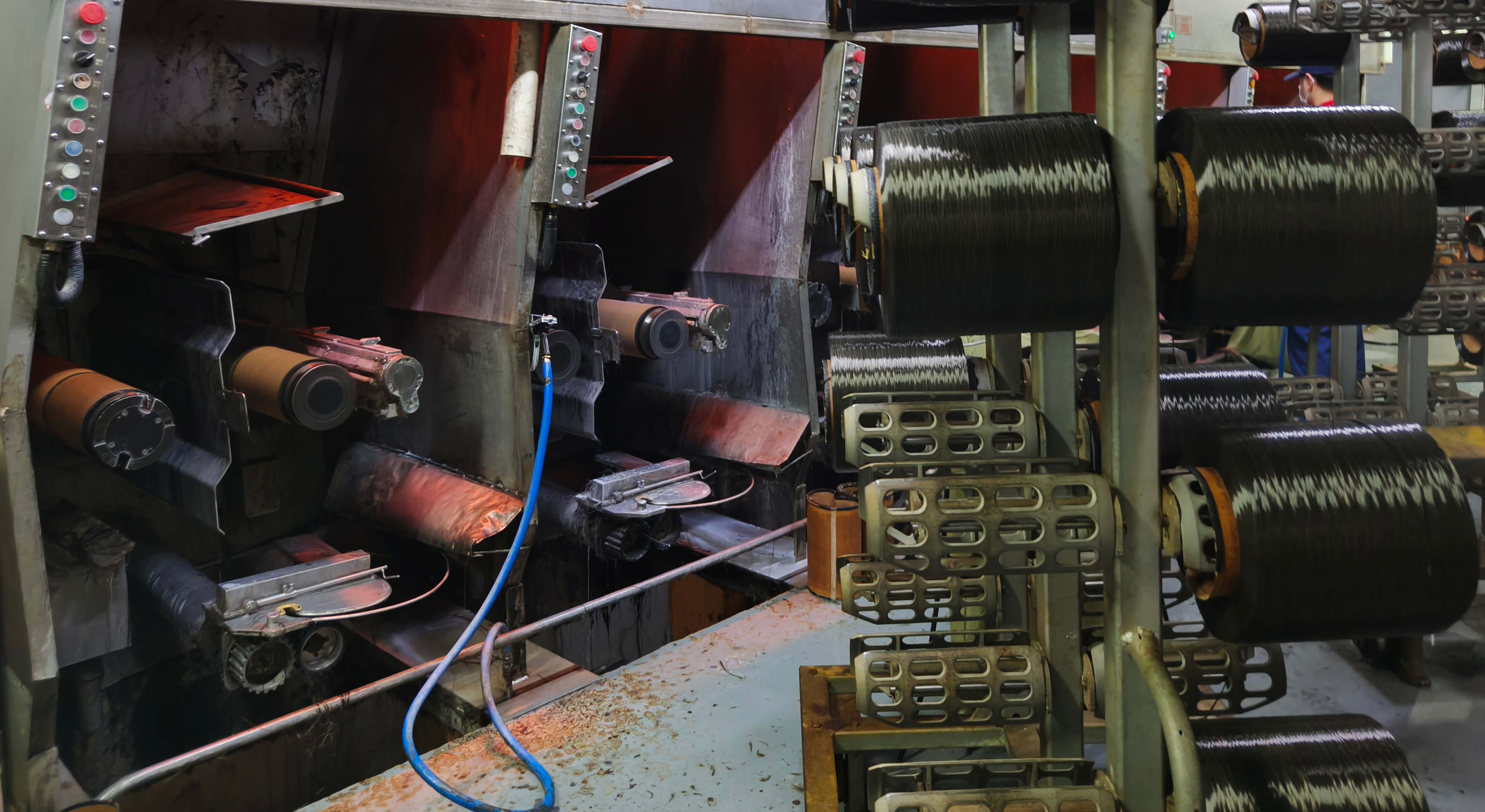
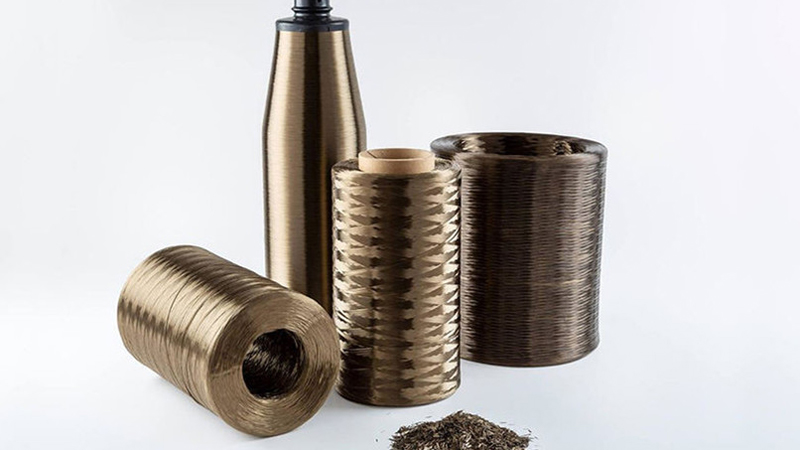
Basalt fiber is an inorganic fibrous material produced by drawing strands from natural basalt ore after it has been melted at high temperatures. It has garnered widespread attention for its exceptional physicochemical properties — particularly its performance in high-temperature environments.
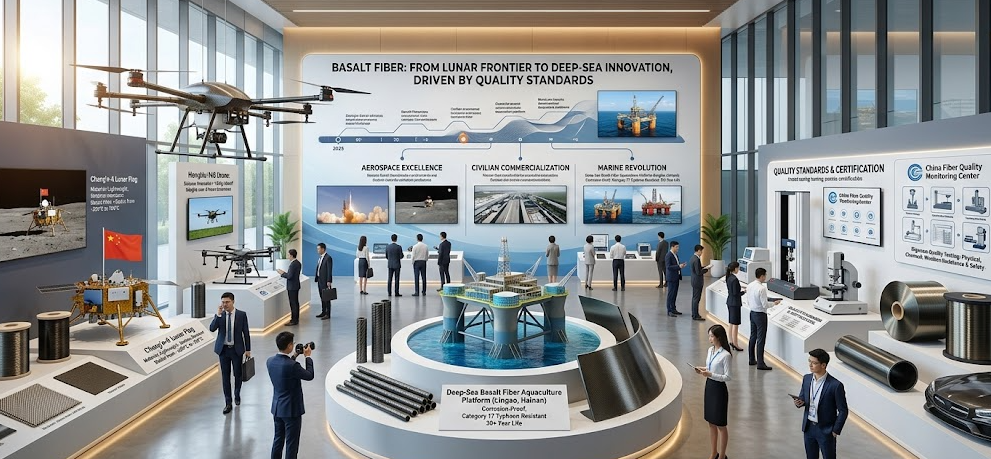
With the successful realization of major applications such as the Chang'e-6 lunar exploration mission and the world's first deep-sea basalt fiber aquaculture platform, basalt fiber is rapidly accelerating its transformation from a laboratory research outcome into a strategic new material with tangible industrial productivity.
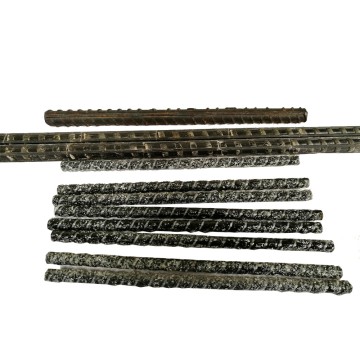
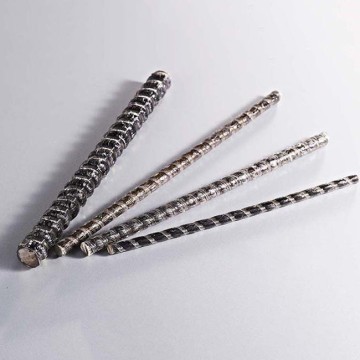
Explore our comprehensive range of basalt fiber rebar products engineered for every construction and infrastructure application across Vietnam.