
Leave Your Message
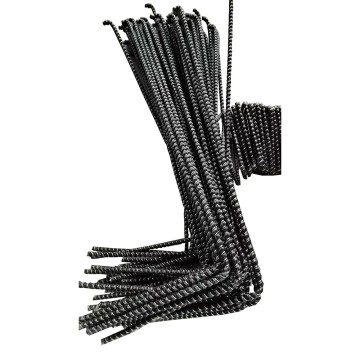
High-performance basalt fiber rebar engineered to meet the demands of modern American construction and infrastructure projects — corrosion-resistant, lightweight, and built to last.
The United States represents one of the world's largest markets for reinforcing bar (rebar) products, driven by massive infrastructure investment, residential construction booms, and the growing demand for corrosion-resistant composite alternatives.
The U.S. rebar market is undergoing a significant transformation. Traditionally dominated by conventional carbon steel rebar, the industry is now witnessing accelerated adoption of Fiber Reinforced Polymer (FRP) rebar — particularly Basalt FRP (BFRP) — driven by tightening infrastructure codes, sustainability mandates, and the demand for longer-lasting structures in coastal and chemically aggressive environments.
According to industry analysts, the U.S. FRP rebar market is projected to grow at a CAGR exceeding 8% through 2030, fueled by the Infrastructure Investment and Jobs Act (IIJA), which allocates over $1.2 trillion toward roads, bridges, transit, and utilities — sectors where corrosion-resistant rebar delivers compelling lifecycle cost advantages.
States including Florida, California, Texas, and New York are leading adopters of BFRP rebar in coastal bridge decks, marine structures, and transportation corridors where saltwater corrosion has historically devastated steel-reinforced concrete.
American construction projects utilize a diverse range of rebar types, each suited to specific structural, environmental, and regulatory requirements. Understanding the differences is key to selecting the right reinforcement solution.
Basalt Fiber Reinforced Polymer (BFRP) rebar is rapidly gaining recognition across American DOTs, engineering firms, and construction companies as the superior long-term alternative to steel and traditional FRP bars — offering unmatched corrosion resistance, electromagnetic transparency, and structural performance.
The most widely used rebar type in US construction. Cost-effective and high-strength, but susceptible to corrosion in moisture-rich or chloride-exposed environments. Typically used in interior concrete structures, residential foundations, and non-coastal applications.
Steel rebar coated with a fusion-bonded epoxy layer to improve corrosion resistance. Widely specified by US state DOTs for bridge decks and parking structures. However, coating damage during installation can compromise long-term performance.
Hot-dip galvanized steel rebar offering superior corrosion protection compared to black rebar. Used in marine environments, water treatment facilities, and transportation infrastructure where long service life is required.
Provides exceptional corrosion resistance and is specified for critical infrastructure such as bridge substructures in coastal US cities, tunnel linings, and high-value architectural concrete. Higher initial cost offset by dramatically reduced maintenance.
A lightweight, non-corrosive composite rebar made with glass fibers. Used in US marine structures, seawalls, and chemical plants. Non-magnetic and non-conductive properties make it suitable for MRI rooms and electrical substations.
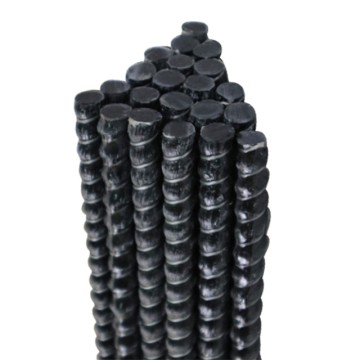
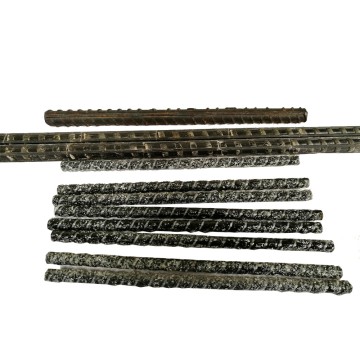
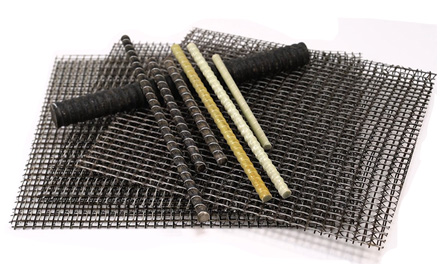
Manufactured from natural volcanic basalt rock, BFRP rebar offers superior tensile strength, alkali resistance, and thermal stability compared to GFRP. Increasingly adopted in US bridge decks, coastal highways, underground construction, and medical facilities requiring non-magnetic reinforcement.
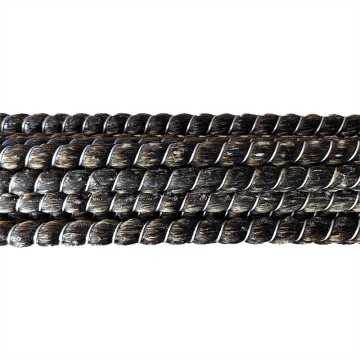
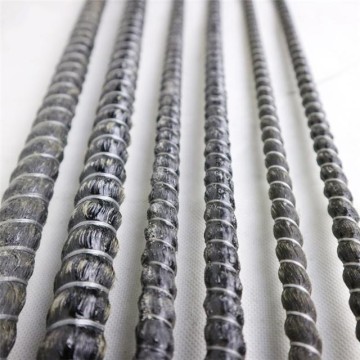
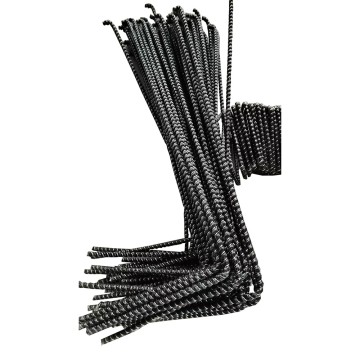
Basalt Fiber Rebar is a high-strength alternative to traditional steel bars and is used in a wide range of applications for reinforcing concrete structures in various fields. Its excellent performance makes it ideal for bridges, highways, buildings, and other infrastructure projects across the United States.
For American engineers and contractors, BFRP rebar delivers compelling advantages: it is approximately 4 times lighter than steel, yet offers tensile strength up to 1,500 MPa. It does not corrode, does not conduct electricity, and is electromagnetically transparent — opening entirely new application categories in the US market.
FIND OUT MORE →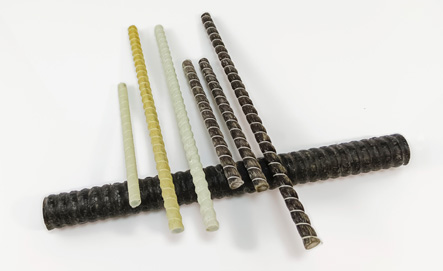
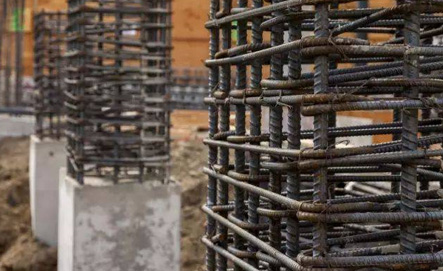
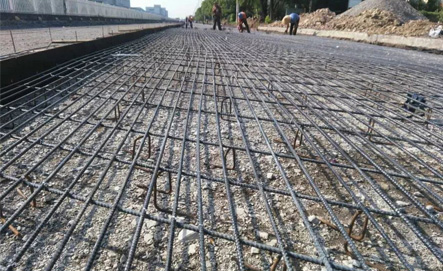
From the salt-spray-laden bridges of Florida to the seismically active infrastructure of California, basalt FRP rebar is being deployed across America's most demanding construction environments.
The Federal Highway Administration (FHWA) estimates that over 42,000 US bridges are structurally deficient, with corrosion being the primary cause of deterioration. BFRP rebar is being actively trialed and deployed in bridge deck replacements in Florida, New Jersey, and Michigan — states with high road salt usage — delivering 50-year maintenance-free performance projections that steel simply cannot match.
Hospitals and diagnostic imaging centers across the US require non-magnetic, non-conductive reinforcement within and around MRI suites to prevent electromagnetic interference. Basalt FRP rebar's inherent non-magnetic properties make it the code-compliant and technically superior choice for healthcare construction in major US metropolitan areas including New York, Los Angeles, and Chicago.
The US Gulf Coast, Atlantic Seaboard, and Pacific Coast feature thousands of miles of marine infrastructure — piers, seawalls, jetties, and coastal bridges — chronically damaged by saltwater chloride intrusion. BFRP rebar eliminates corrosion entirely, making it the preferred choice for coastal state DOTs seeking to reduce lifecycle costs and extend structural service life.
Major US urban transit authorities — including those in New York, Los Angeles, and Washington DC — are specifying high-strength composite rebar for underground tunnel linings, subway station structures, and utility tunnels where groundwater, chlorides, and aggressive soils accelerate steel corrosion. BFRP rebar's high tensile strength and chemical inertness make it an ideal solution.
US power generation facilities, electrical substations, and transmission infrastructure require non-conductive reinforcement to prevent eddy currents and electromagnetic interference. Basalt fiber rebar's insulating properties make it the engineered material of choice for reinforced concrete in electrical utility construction across the United States.
As green building standards such as LEED and WELL gain traction in the US, developers and architects are specifying sustainable, long-life materials including BFRP rebar in high-performance concrete structures. From luxury high-rises in Miami to sustainable mixed-use developments in Portland, basalt rebar is becoming a hallmark of forward-thinking American construction.
The American rebar industry is at an inflection point, with composite and basalt fiber technologies poised to capture significant market share from traditional steel reinforcement over the next decade.
ACI 440 and AASHTO design guidelines for FRP rebar are being updated and expanded, providing US engineers with the design frameworks needed to confidently specify BFRP rebar in public infrastructure projects. This regulatory momentum is a primary catalyst for market growth.
With the US construction sector under increasing pressure to reduce embodied carbon, basalt fiber rebar — manufactured from abundant natural volcanic rock with a significantly lower carbon footprint than steel production — is positioned as a key material in America's green infrastructure transition.
Leading basalt rebar manufacturers are deploying AI-driven quality control systems, automated pultrusion lines, and real-time process monitoring to ensure consistent product quality that meets stringent US market specifications and ASTM testing standards.
As US procurement policies increasingly favor domestic and near-shore supply chains, international basalt rebar manufacturers are establishing distribution partnerships, warehousing, and technical support networks within the United States to ensure reliable just-in-time delivery for major construction projects.
The IIJA's focus on resilient, long-life infrastructure is directly aligned with the value proposition of BFRP rebar. State DOTs are increasingly including composite rebar as an approved alternative in bridge and highway specifications, unlocking billions in addressable project value.
US universities including MIT, Georgia Tech, and the University of Florida are conducting long-term durability studies on BFRP rebar in concrete, generating the peer-reviewed data needed to support broader code adoption and engineer confidence across the American market.
Basalt fiber is ideal for your engineering projects. Its high strength, corrosion resistance and lightweight properties allow it to easily solve a variety of challenges across multiple industries.

Our basalt products have diverse applications in the field of house construction, extending structural life and reducing maintenance costs.

In the aerospace field, basalt fibers are ideal for manufacturing aircraft wings and engine components requiring lightweight strength.

Basalt fibers enable use in spacecraft shell materials, thermal protection systems, and high-temperature-resistant aircraft engine components.

Basalt-added concrete offers increased strength, durability, crack resistance, improved chemical resistance, and improved workability.

Facing the trend of lightweight automobile materials, basalt fiber composites deliver wide application in the automotive field.

Basalt's high strength and durability make it ideal for protecting bridge abutment structures from corrosion and the natural environment.

The corrosion resistance of basalt fiber gives it a unique advantage in the petrochemical field and chemical processing plants.

Basalt fiber composites provide lightweight, high-strength, corrosion-resistant solutions for marine and offshore engineering applications.
Explore our most popular basalt fiber products trusted by construction professionals and engineers across the United States and globally.
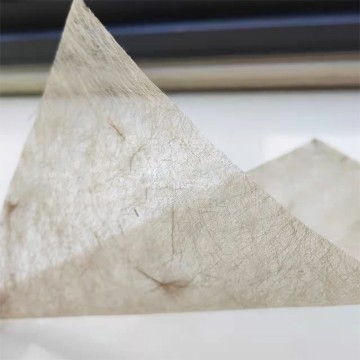
Basalt Fiber Surfacing Tissue Mat is a non-woven thin sheet engineered to provide a smooth resin-rich surface layer for fiber reinforced plastic applications.
Read More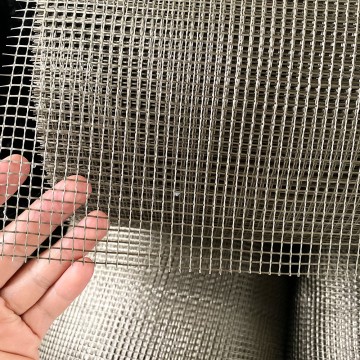
Our high-performance Basalt Fiber Mesh provides superior reinforcement for concrete and plaster applications where high alkali resistance is required.
Read More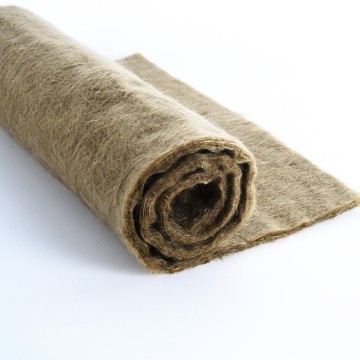
Our Basalt Fiber Needled Mat is a high-density insulation material manufactured by mechanically bonding continuous basalt fibers without any chemical binders.
Read More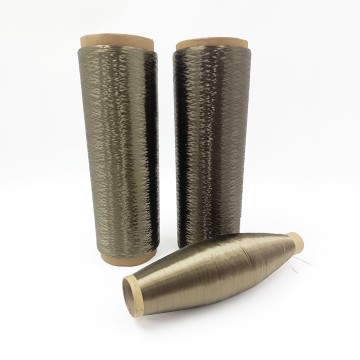
Our Basalt Fiber Twisted Yarn is engineered by twisting multiple continuous filaments to enhance mechanical strength and processing stability for industrial applications.
Read More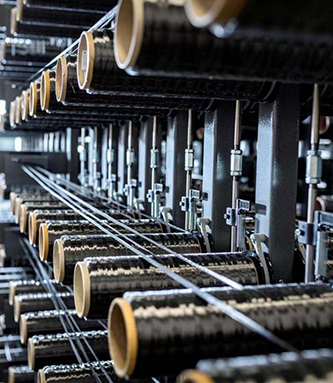
China Beihai is founded in 2015 and located in Jiujiang, Jiangxi Province. China Beihai is a high-tech enterprise focusing on the research, development, production and sales of high-performance basalt continuous fiber and its production equipment manufacturing, as well as a leading enterprise in the domestic basalt fiber industry.
Serving the United States market with world-class basalt fiber rebar and composite products, China Beihai combines cutting-edge manufacturing technology with deep industry expertise to deliver solutions that meet the rigorous demands of American construction standards and specifications.
View More About Us
At China Beihai group, we specialize in the production of a wide range of products including basalt fiber mat (basalt fiber chopped strand mat, basalt fiber cloth), basalt fiber roving, basalt fiber yarn, basalt fiber chopped strands, and basalt fiber products (basalt fiber rebar, basalt fiber sleeves and tape). Our products are designed to meet the diverse needs of various industries, providing high-quality solutions for our customers.

At China Beihai group, we are dedicated to the production of a wide array of basalt-based products, ranging from basalt fiber mat, fabric, and roving to chopped strand and specialized construction materials. Our focus is on delivering high-quality, sustainable solutions for industries such as construction, geotechnical engineering, and manufacturing. With a commitment to innovation and excellence, we strive to cater to the unique requirements of our clients by offering a comprehensive selection of basalt-derived products.

Choosing to work with China Beihai means working with a leading manufacturer of basalt products. Our commitment to quality, innovation and sustainability sets us apart, ensuring our customers receive best-in-class solutions for their diverse needs. Reliability and customer satisfaction are at our core — we offer a wide range of high-quality basalt materials and construction products, backed by our dedication to excellence and industry expertise. When you partner with China Beihai, you can trust that you are working with a reliable and forward-thinking supplier for all your basalt product needs.
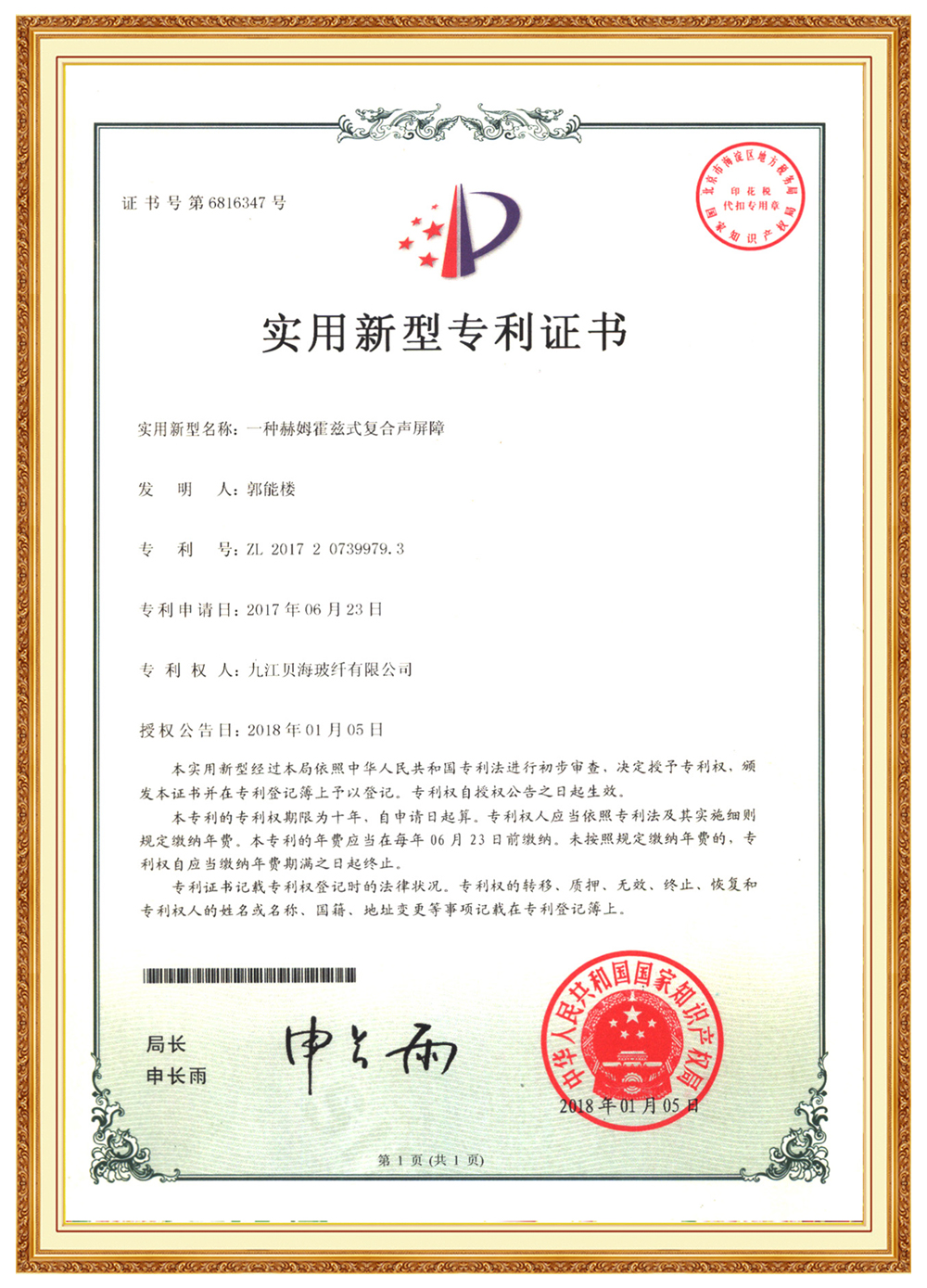
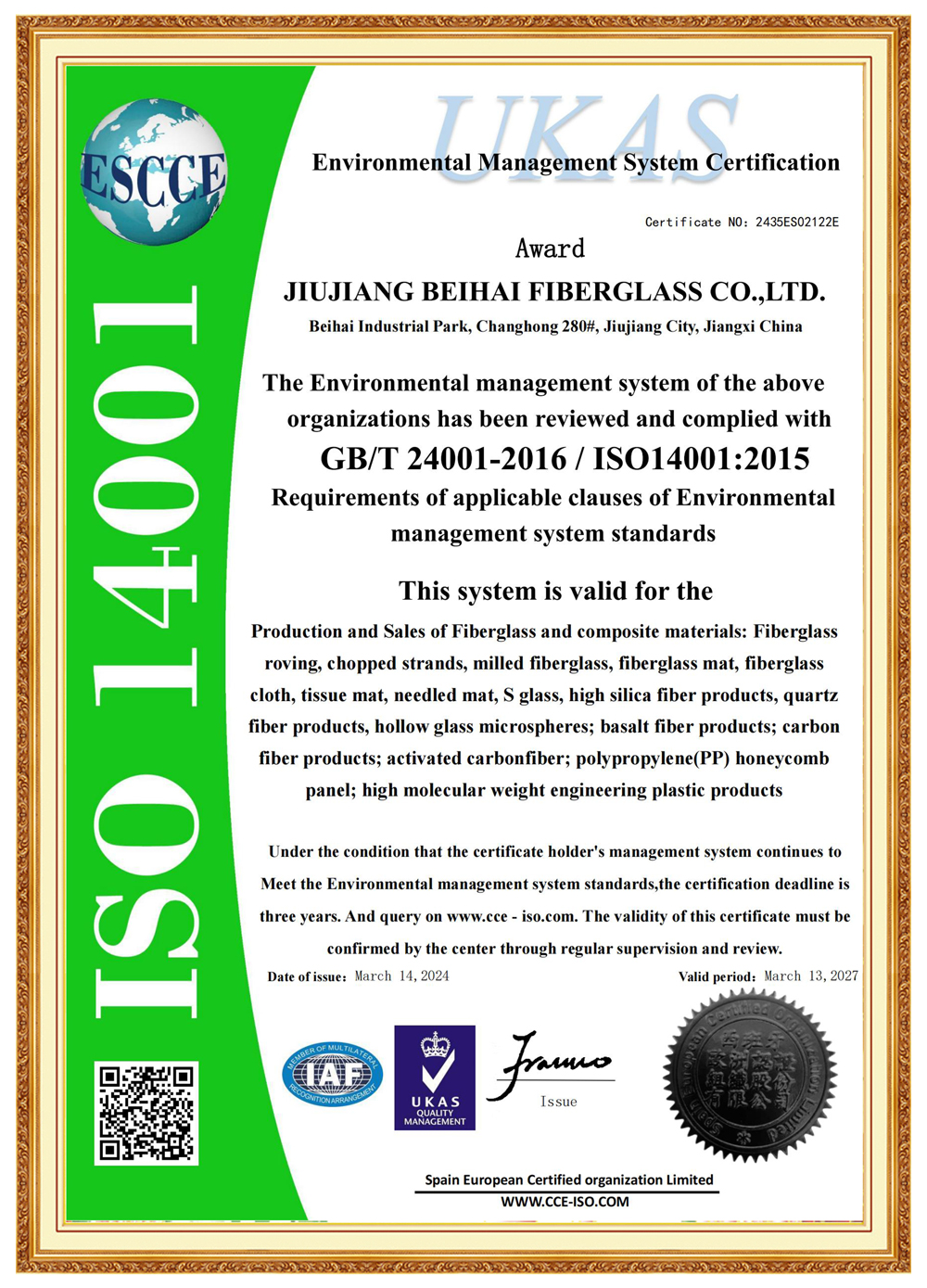
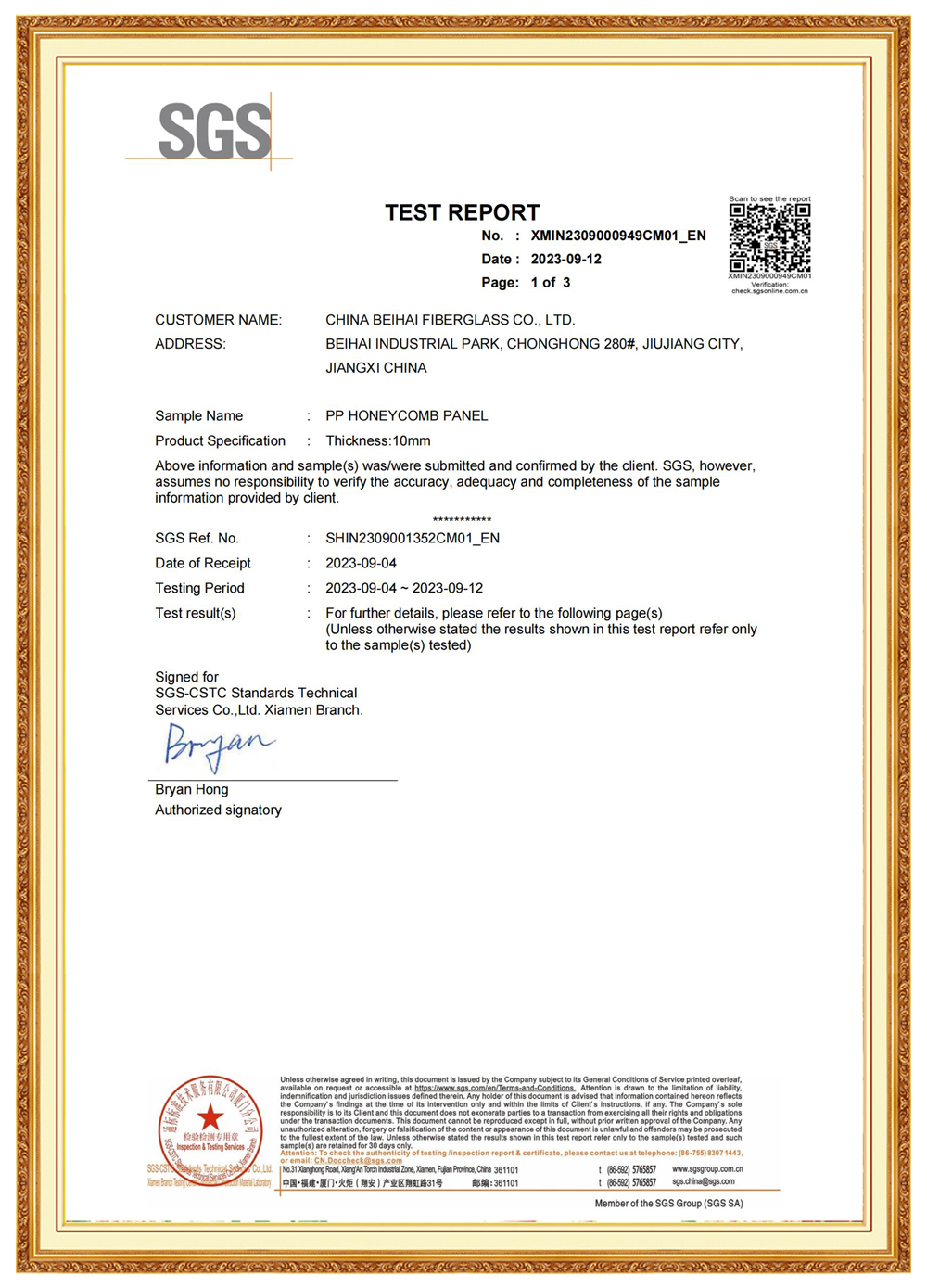
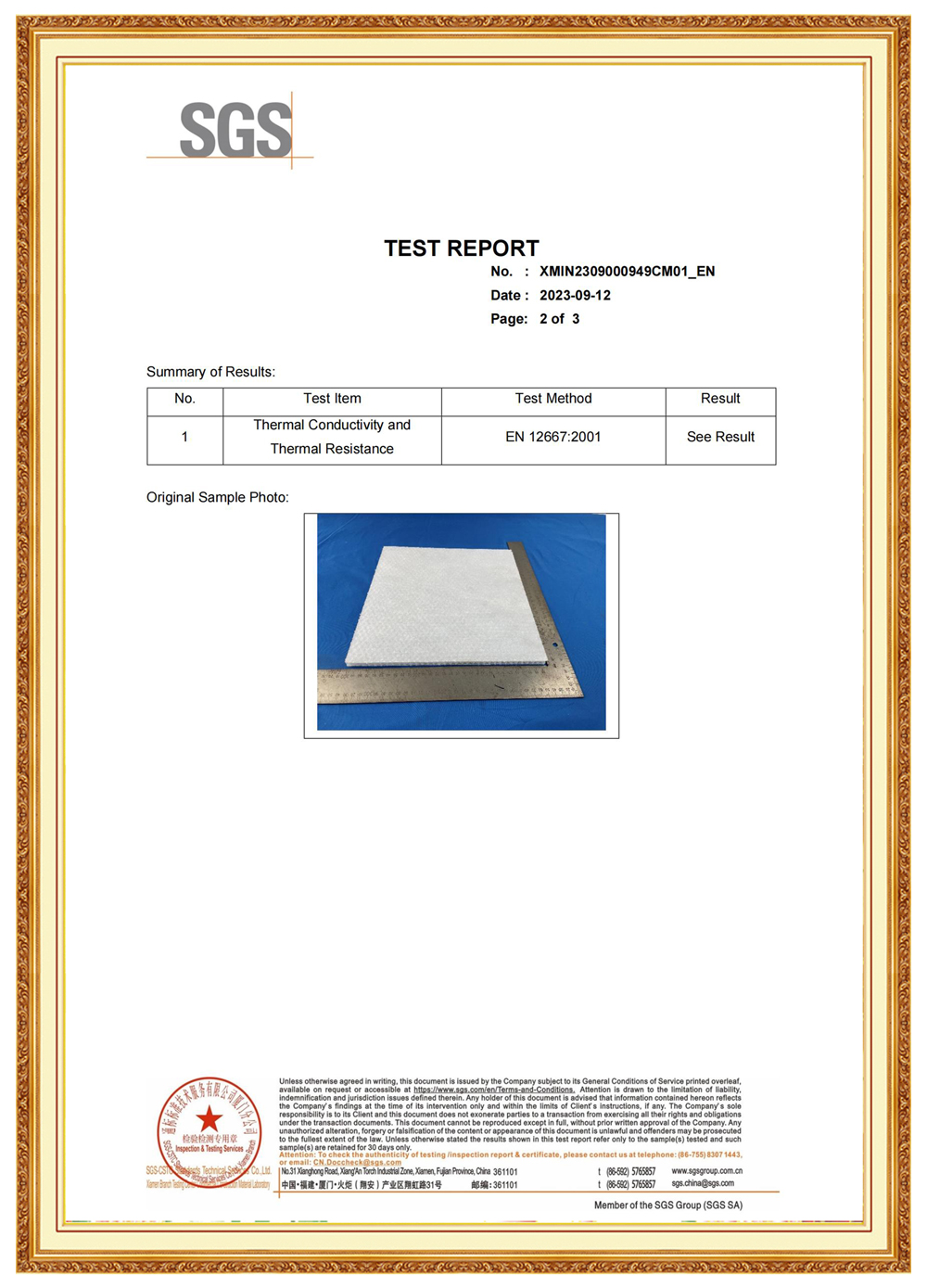
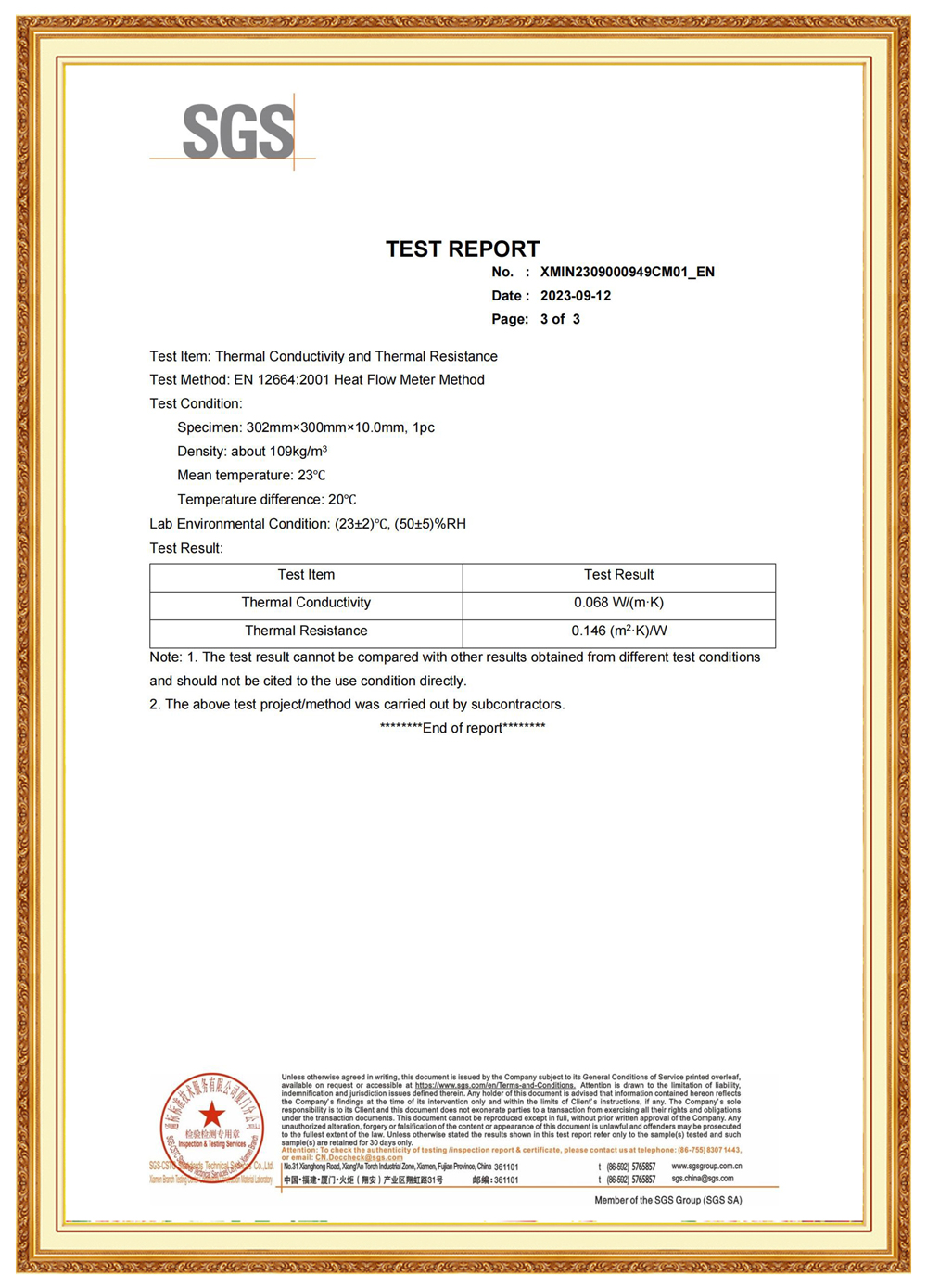
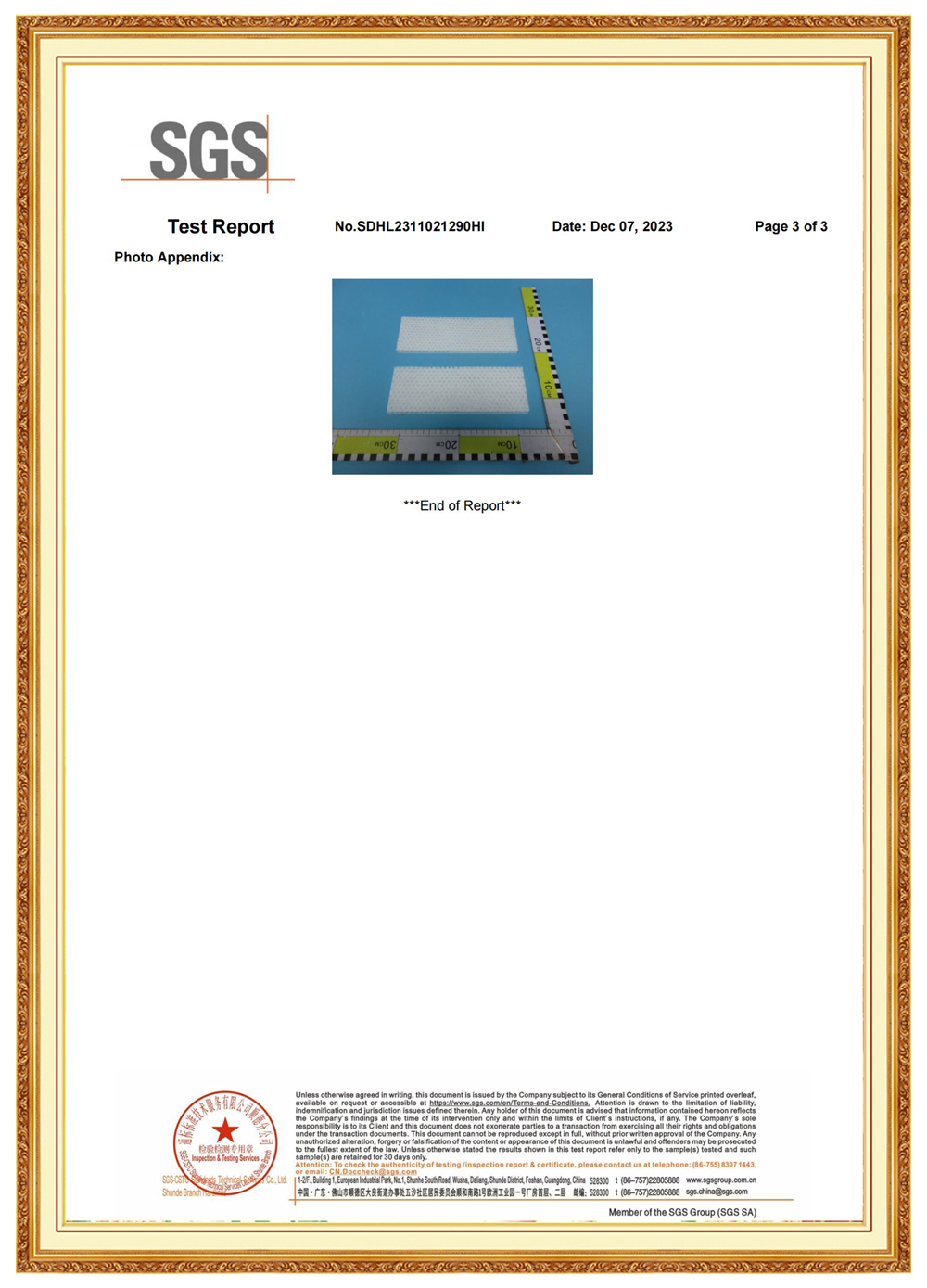
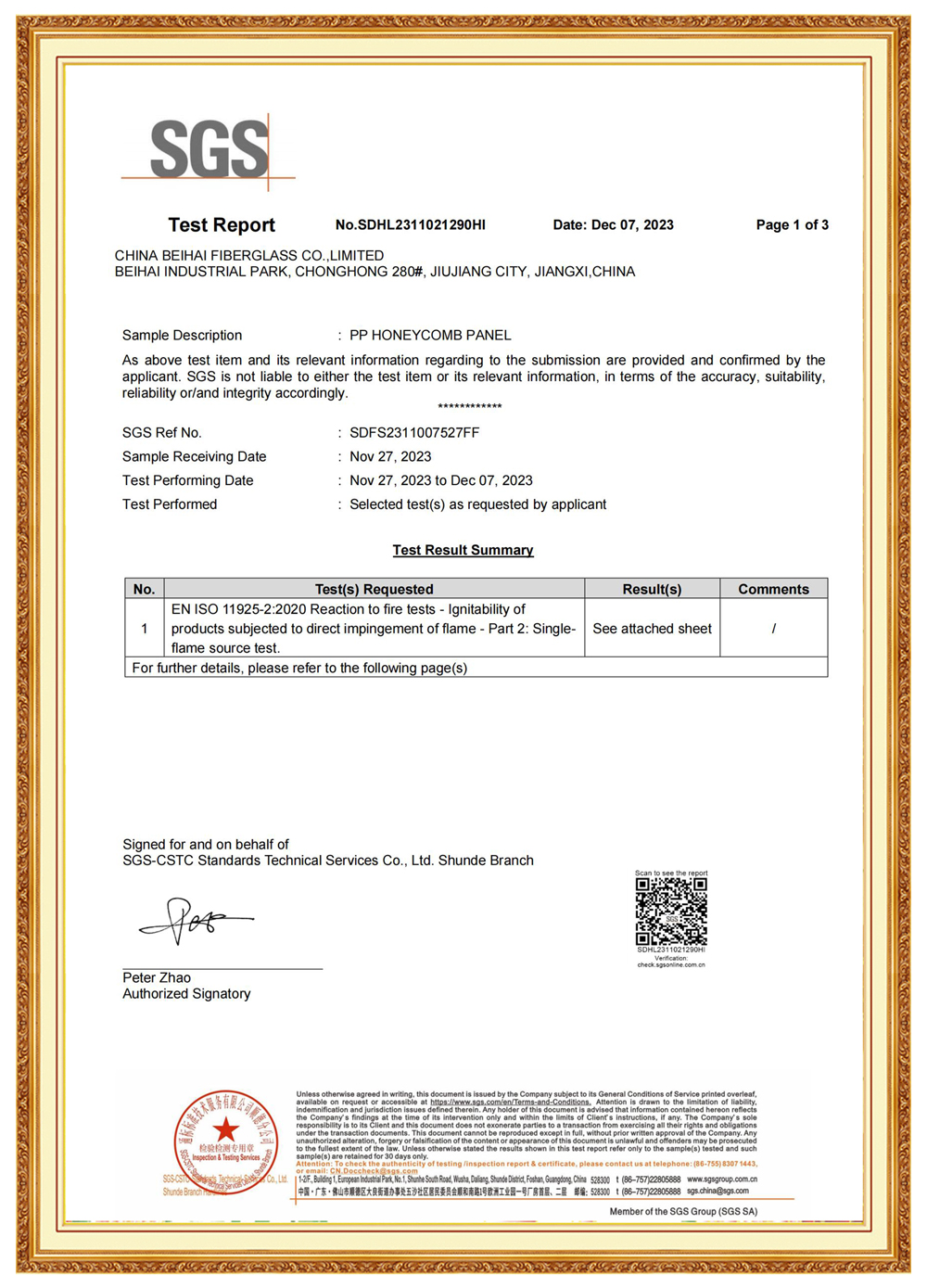
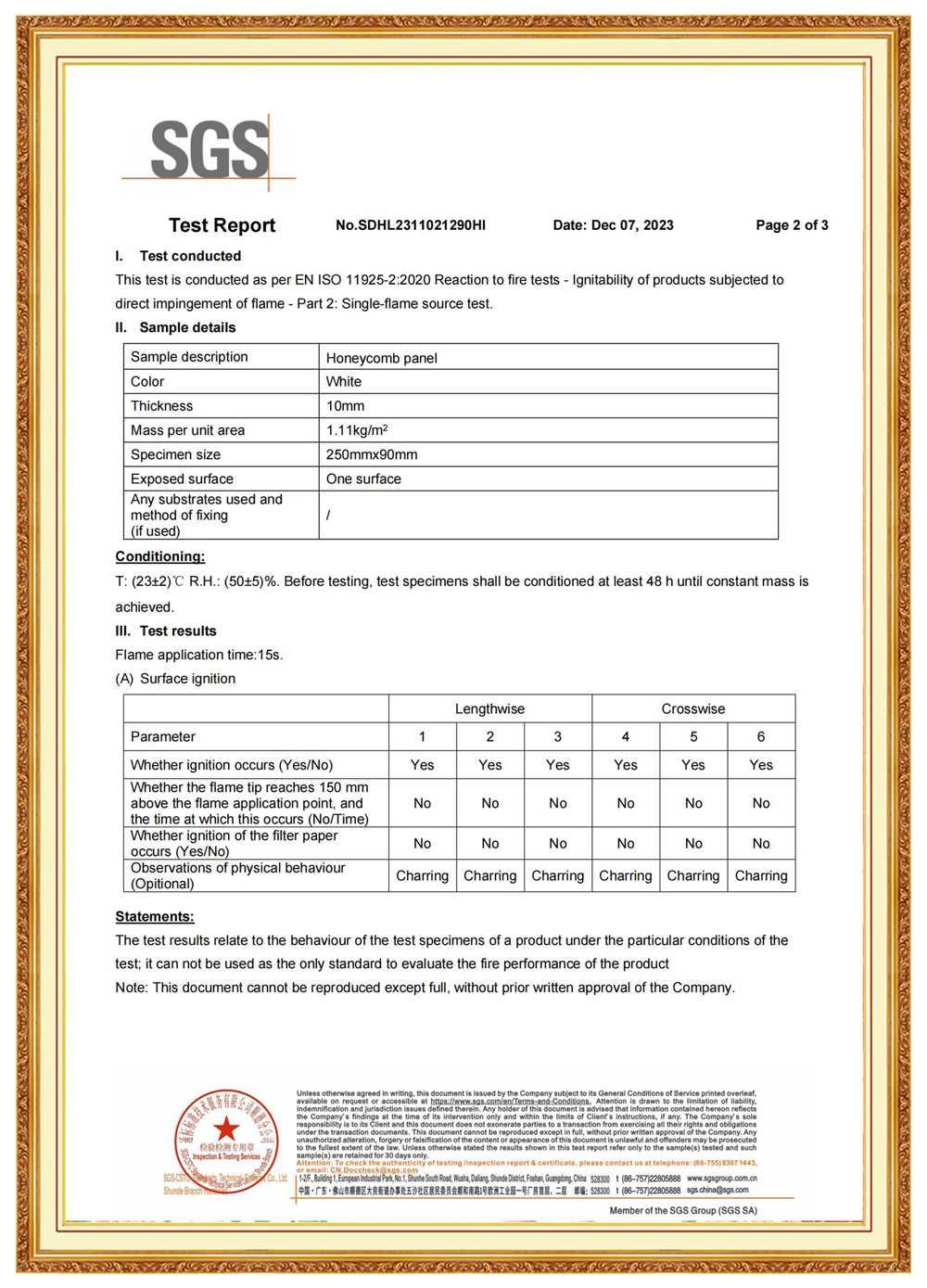
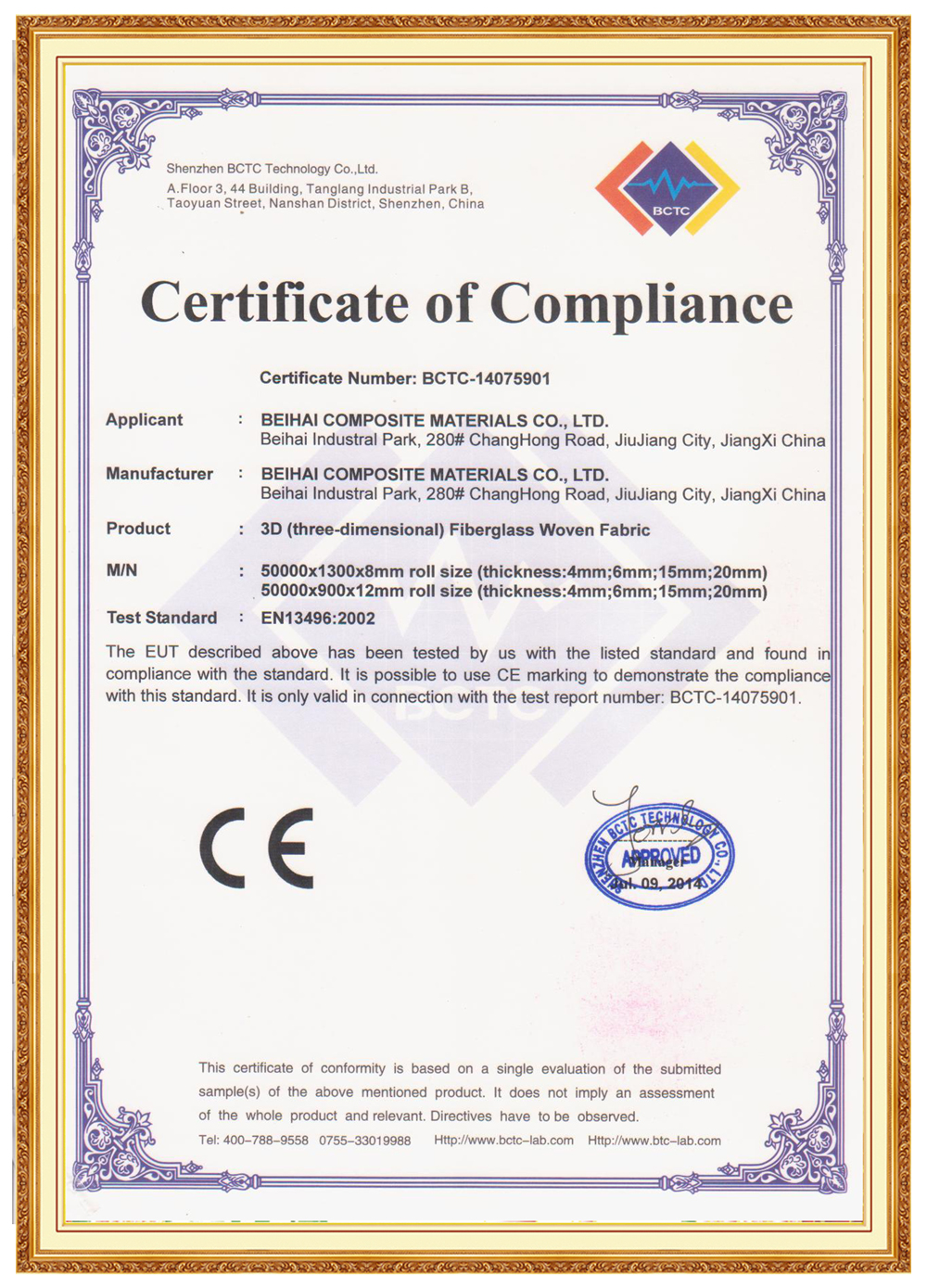
China Beihai's basalt fiber rebar products are backed by internationally recognized certifications, ensuring compliance with global quality standards and the rigorous requirements of the US construction market.

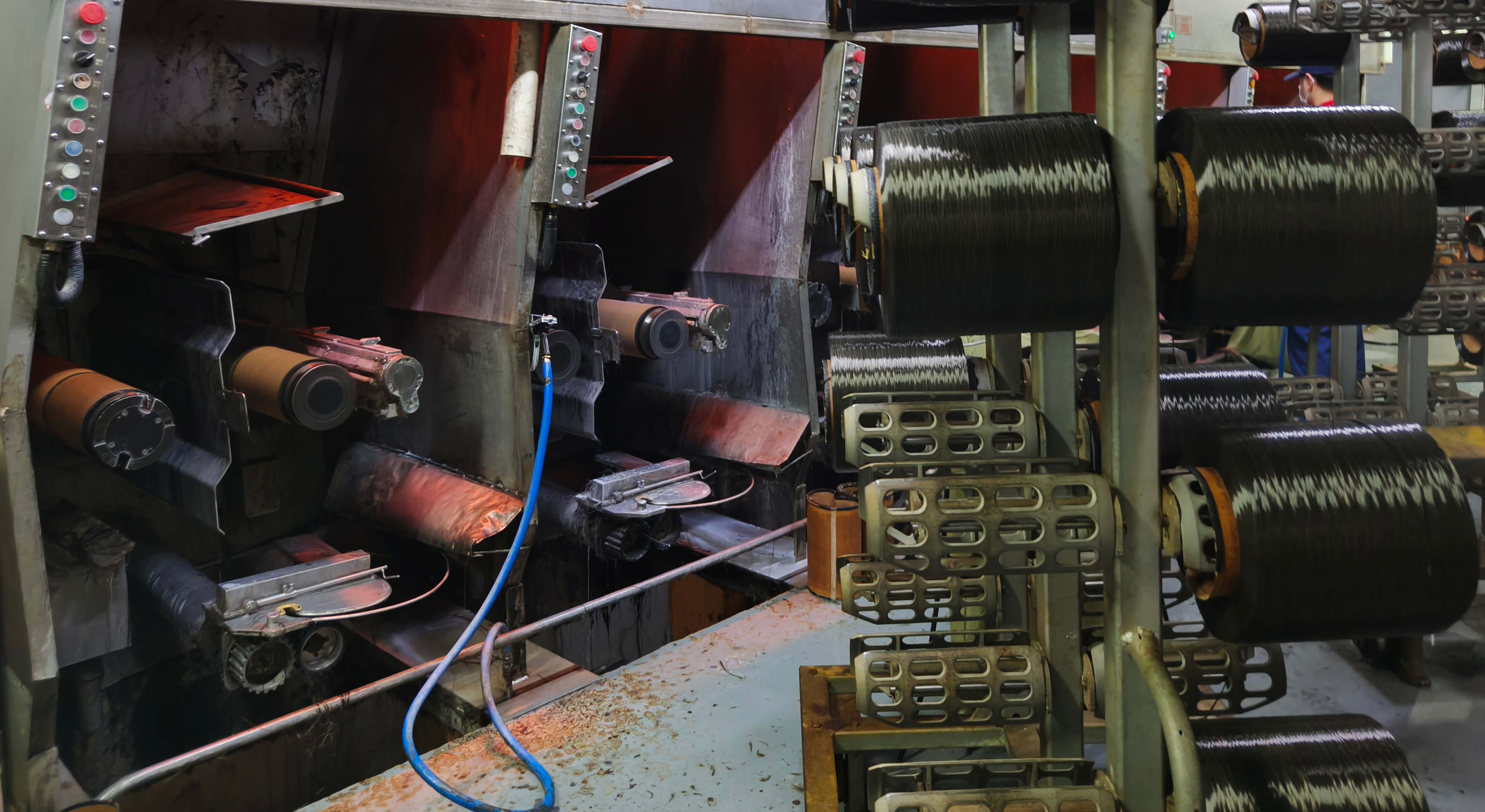
Basalt fiber is an inorganic fibrous material produced by drawing strands from natural basalt ore after it has been melted at high temperatures. High-temperature-resistant basalt fiber demonstrates unique value in numerous applications that demand resilience against extreme temperatures.
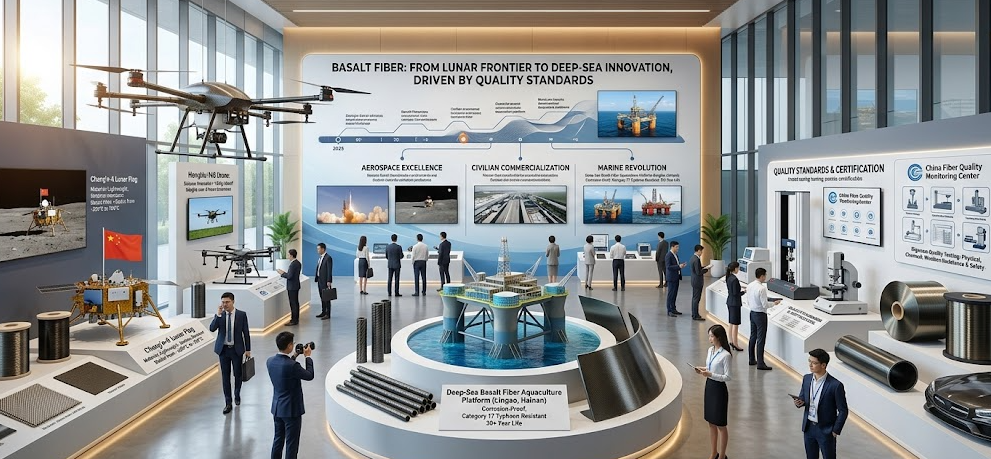
With successful applications in the Chang'e-6 lunar exploration mission and the world's first deep-sea basalt fiber aquaculture platform, basalt fiber is rapidly accelerating its transformation from laboratory research into a strategic new material with tangible industrial productivity.
From standard structural reinforcement to specialized non-conductive and high-temperature resistant variants, our full product range addresses every rebar application requirement across the United States.