
Leave Your Message
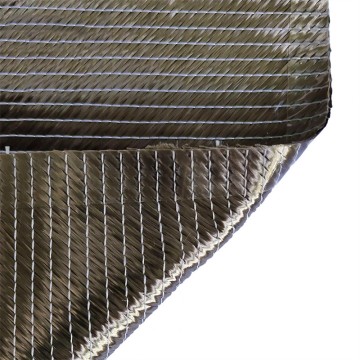
Engineered for high alkali resistance, extreme temperature resilience, and structural longevity.
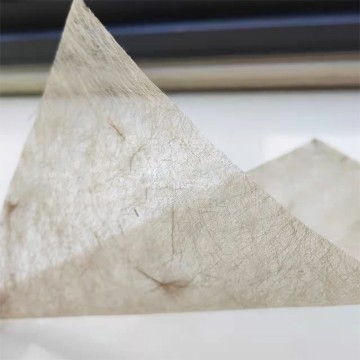
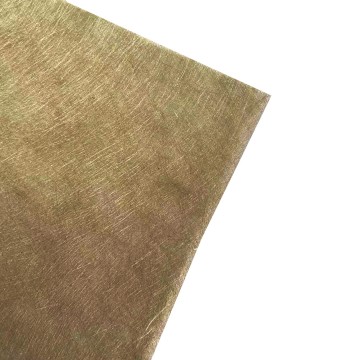
Non-woven thin sheet engineered to provide a smooth, resin-rich surface layer for fiber-reinforced plastics, optimized for corrosion resistance in German chemical facilities.
Read More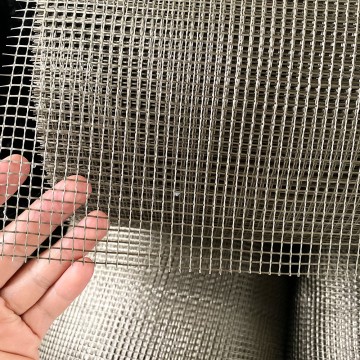
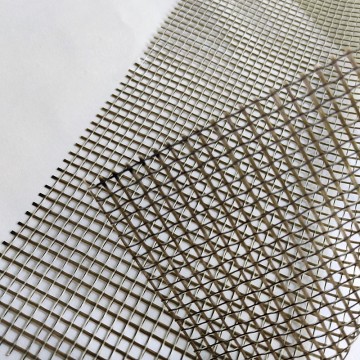
Superior reinforcement solution for concrete and plaster applications where high alkali resistance is mandatory. Extensively used in German thermal insulation systems (WDVS).
Read More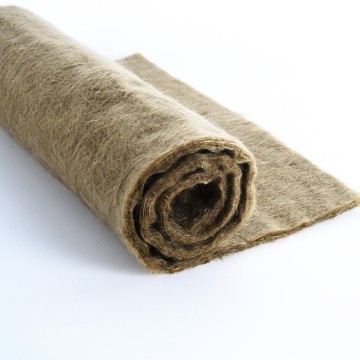
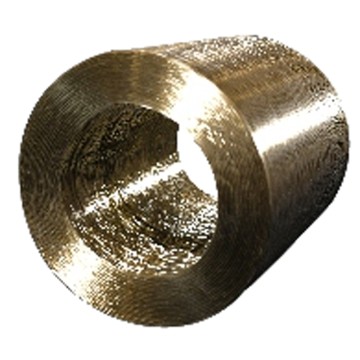
High-density insulation material manufactured by mechanically bonding continuous basalt fibers without chemical binders. Ideal for German automotive exhaust systems.
Read More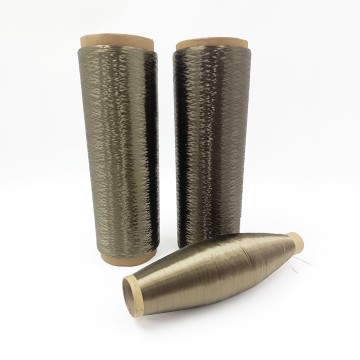
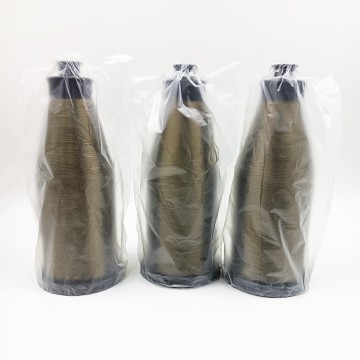
Engineered by twisting multiple continuous filaments to enhance mechanical strength and processing stability for high-temperature sewing in European industrial textiles.
Read MoreGermany is undergoing a profound transformation in its civil engineering standards. Under the Federal Government's Climate Action Programme 2030 and the strict guidelines for sustainable building (Nachhaltiges Bauen), developers, municipal authorities, and structural engineers are actively seeking carbon-reducing, durable alternatives to traditional steel reinforcement. Basalt Fiber Reinforced Polymer (BFRP) rebar, commonly known as Basalt Bars (Basaltstäbe), has emerged as the premier high-tech solution. Derived from natural volcanic rock, basalt bars offer a unique combination of extreme tensile strength, zero corrosion susceptibility, and an exceptionally low environmental footprint.
In Germany, structural integrity, long-term safety, and lifecycle cost analysis (LCCA) dictate material selection. BFRP bars offer distinct physical and chemical advantages that traditional concrete reinforcing steel (Betonstahl) simply cannot match:
The versatility of basalt bars makes them suitable for a wide range of specialized applications across Germany:
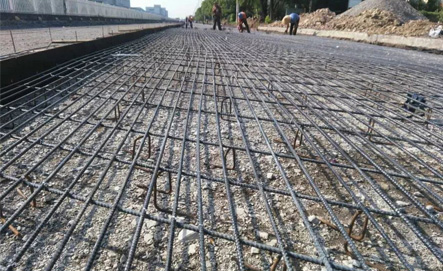
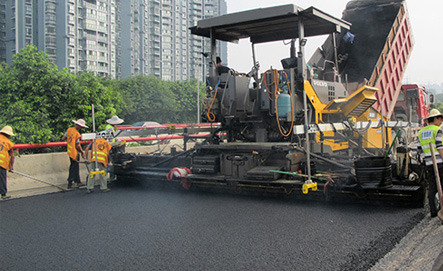
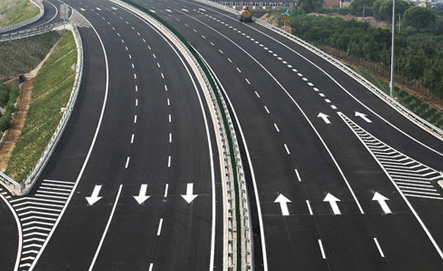
1. Autobahn Bridge Decks and Barrier Walls: The application of basalt rebars in bridge deck slabs and edge beams (Brückenkappen) prevents damage from winter de-icing agents, ensuring the structural stability of vital transport corridors without requiring frequent traffic-disrupting repairs.
2. Tunnel Linings and Underground Stations: For projects like the Hamburg Elbtunnel expansions or Munich subway extensions, basalt fiber mesh and bars provide superior reinforcement for shotcrete linings. Because basalt is easily cut by tunnel boring machines (TBMs), it is ideal for temporary "soft-eye" openings.
3. Wastewater Treatment Plants and Agricultural Silos: Concrete tanks in German sewage treatment facilities and agricultural biogas plants are exposed to highly acidic environments. Basalt bars do not degrade under chemical attack, guaranteeing decades of leak-proof operation.
4. Precast Concrete Elements (Betonfertigteile): German precast factories utilize basalt bars to manufacture lightweight facade panels. Since there is no risk of rust, the concrete cover layer can be reduced to a minimum, saving raw materials and enabling sleek, modern architectural designs.
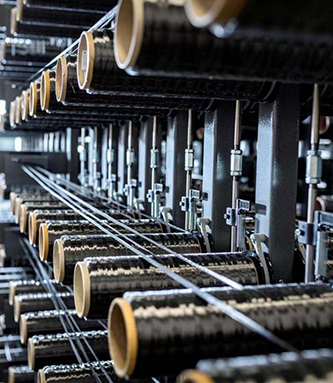
Founded in 2015 and located in Jiujiang, Jiangxi Province, China Beihai is a state-of-the-art, high-tech enterprise focusing on the research, development, production, and sales of high-performance continuous basalt fiber and advanced production equipment. As a leading enterprise in the global basalt fiber industry, we combine advanced manufacturing technology with strict quality control to supply the demanding European markets, particularly Germany.
Our commitment to innovation and sustainability ensures that our German clients receive best-in-class solutions backed by comprehensive technical documentation and competitive factory-direct pricing.
View More About Us
We specialize in the production of a wide range of basalt fiber products, including basalt fiber mat (chopped strand mat, basalt fiber cloth), basalt fiber roving, basalt fiber yarn, chopped strands, and structural basalt rebar, sleeves, and tape. Our products are engineered to meet the diverse needs of Germany's industrial and construction sectors.

We deliver high-quality, sustainable solutions for civil engineering, geotechnical reinforcement, automotive manufacturing, and aerospace sectors. With a strong focus on R&D, we customize fiber diameters, sizing formulations, and rebar surface profiles to match German DIBt approvals and European EN standards.

Choosing China Beihai means collaborating with a premier global manufacturer. Our state-of-the-art production facility ensures consistent mechanical properties, reliable supply chains, and transparent wholesale pricing. We offer streamlined logistics to Germany, utilizing the China-Europe Railway Express (Duisburg hub) and major sea routes to Hamburg, ensuring timely delivery for large-scale infrastructure projects.
Basalt fiber is ideal for your engineering projects. Its high strength, corrosion resistance, and lightweight properties allow it to easily solve a variety of infrastructure challenges.
Basalt fiber rebar is a high-strength, non-corrosive alternative to traditional steel bars. It is widely used for reinforcing concrete structures in bridges, highways, chemical plants, and marine environments. Its outstanding performance makes it the ideal choice for Germany's modern infrastructure upgrades, extending structural lifespans while reducing long-term maintenance costs.
Our factory provides custom diameters (from 4mm to 32mm) with sand-coated or ribbed surfaces to ensure optimal bonding strength within the concrete matrix.
Find Out More Solutions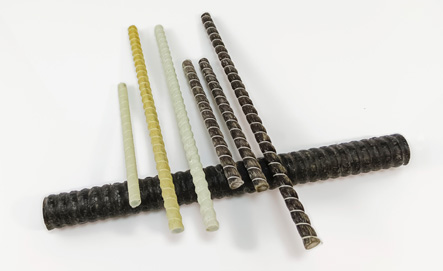
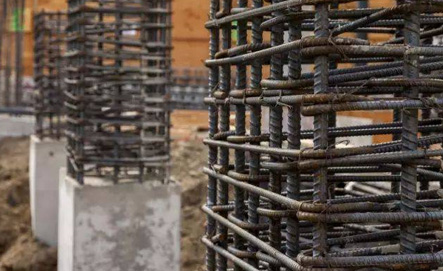
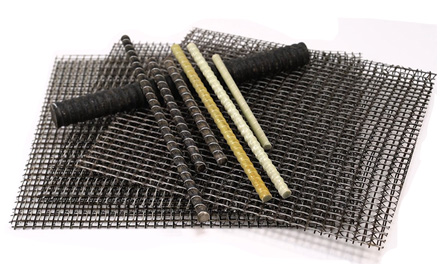
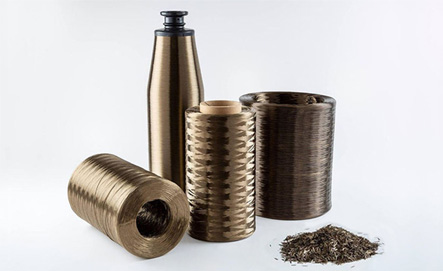
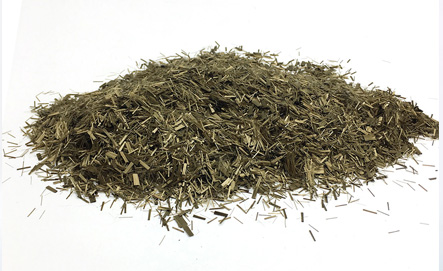
Our continuous basalt fiber roving is designed for filament winding, pultrusion, and weaving applications. It exhibits exceptional compatibility with epoxy, polyester, and vinyl ester resins. Highly valued by German manufacturers for producing composite pipes, pressure vessels, and wind turbine blades, our roving delivers high tensile modulus and excellent chemical resistance.
How basalt fiber technology is driving innovation across Germany's key industrial sectors.
Reinforcing sustainable residential and commercial concrete structures in Munich and Berlin, reducing carbon footprints.

Utilized in lightweight aircraft cabin interiors and non-structural components to improve fuel efficiency for European aviation hubs.

High-temperature thermal protection systems and composite structures developed for advanced European space programs.
Basalt fiber chopped strands added to German high-performance concrete (HPC) to prevent micro-cracking and improve durability.

Replacing glass fiber in composite body panels, underbody shields, and brake pads for leading automotive manufacturers in Baden-Württemberg.

Protecting bridge columns along the Rhine and Danube rivers against vehicle impact, water currents, and chemical corrosion.
Reinforcing concrete containment bunds and flooring in chemical parks, ensuring absolute resistance to aggressive acids and alkalis.

Reinforcement of marine structures, harbor docks, and ship hulls exposed to extreme offshore saline environments.
When planning large-scale infrastructure or commercial developments in Germany, understanding the financial and logistical aspects of importing basalt bars is critical. As a direct-manufacturer factory, China Beihai offers transparent, volume-based pricing models designed to provide maximum cost efficiency for European buyers.
We provide comprehensive support for exporting to Germany. Shipping options include:
1. Sea Freight (FCL/LCL): Direct shipping routes from Chinese ports to the Port of Hamburg or Port of Bremen. This is the most cost-effective option for large-scale, planned construction projects.
2. Rail Freight (New Silk Road): Transport via the China-Europe Railway Express directly to the Duisburg Intermodal Terminal (Duisport). This reduces transit time to approximately 15-18 days, offering an excellent balance between speed and cost.
All shipments are accompanied by complete quality certificates, test reports (tensile strength, elastic modulus, shear strength), and customs documentation to ensure smooth import clearance under EU regulations.
Strict quality assurance systems conforming to international and European standards.
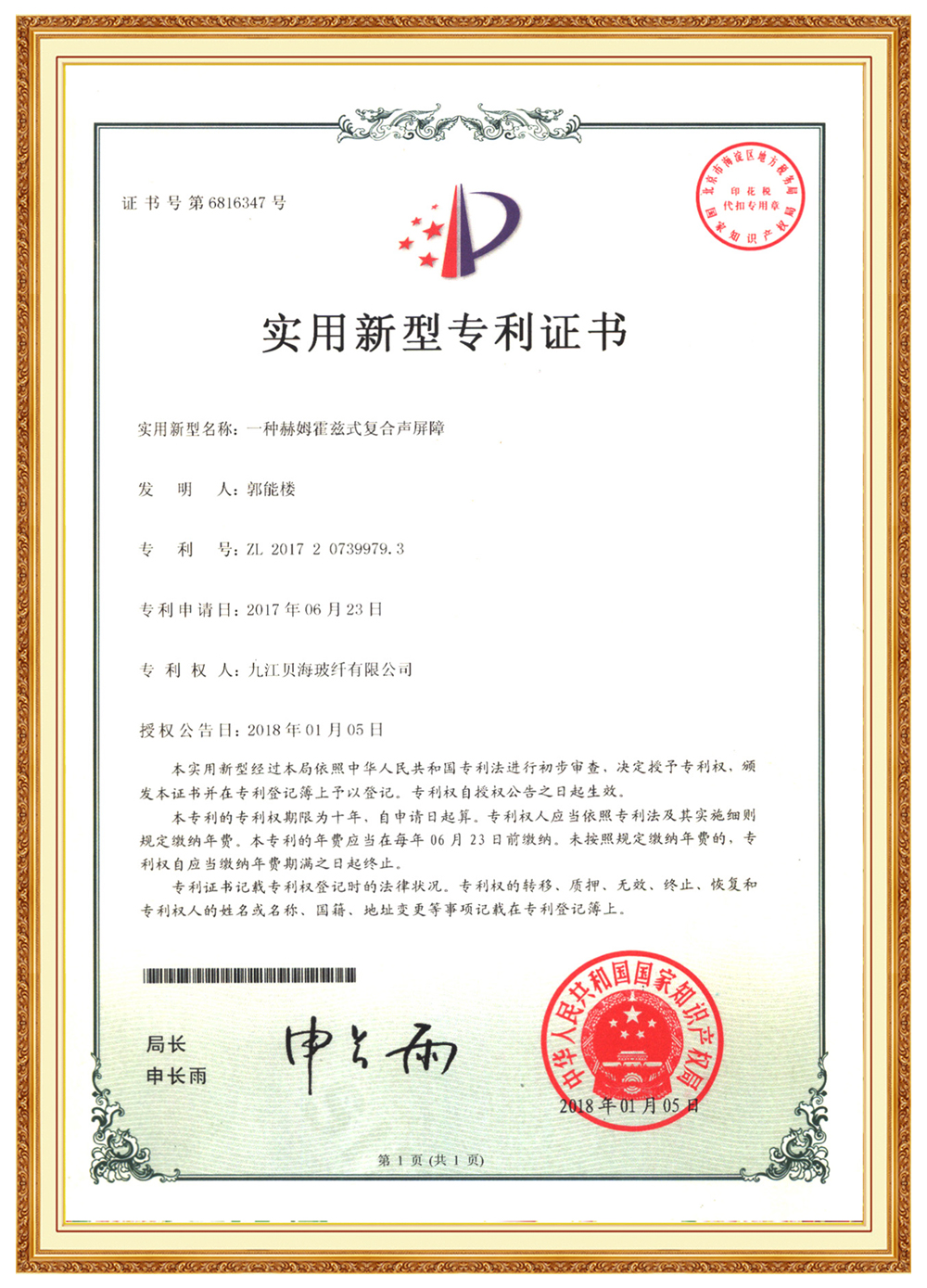
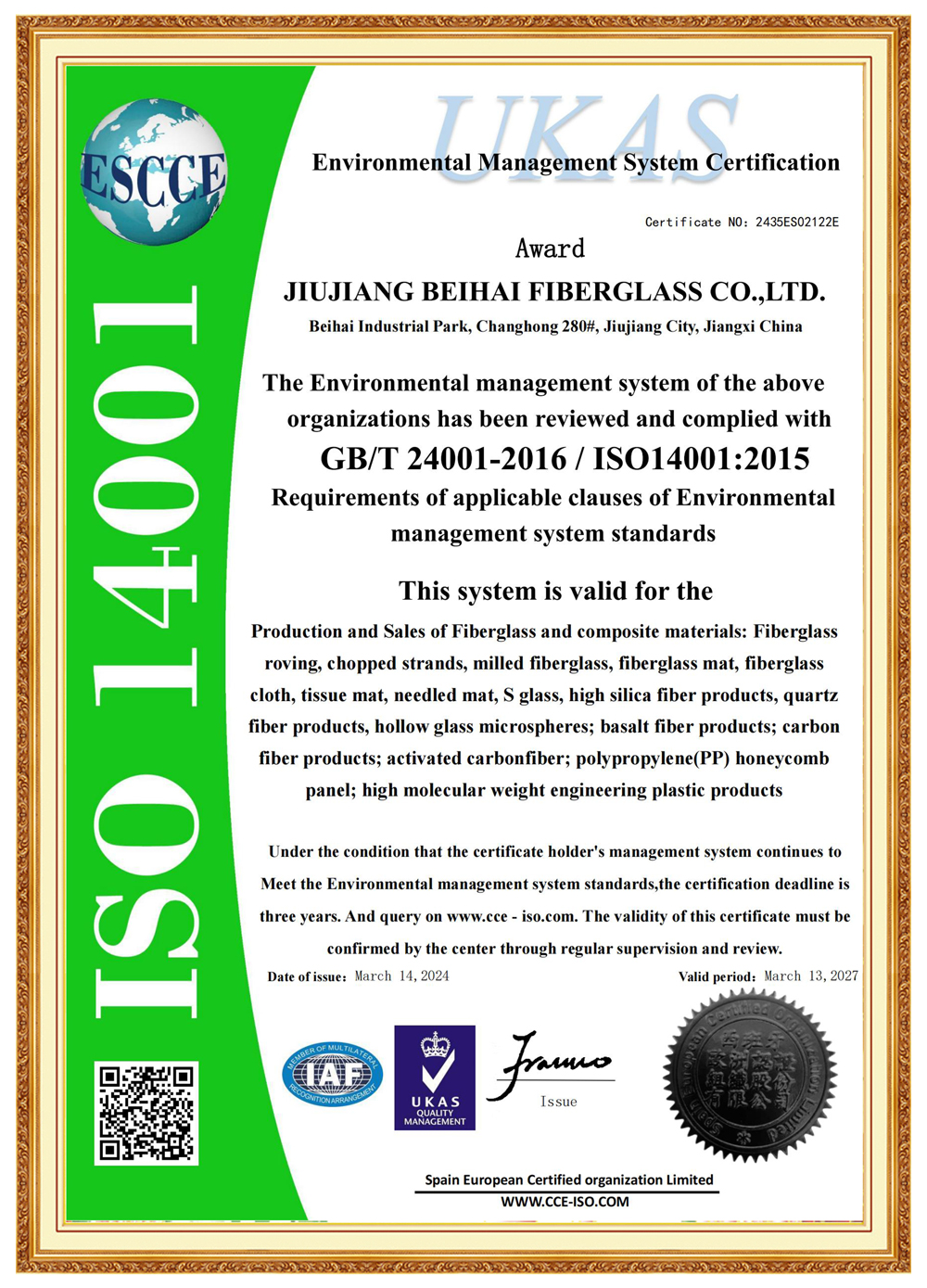
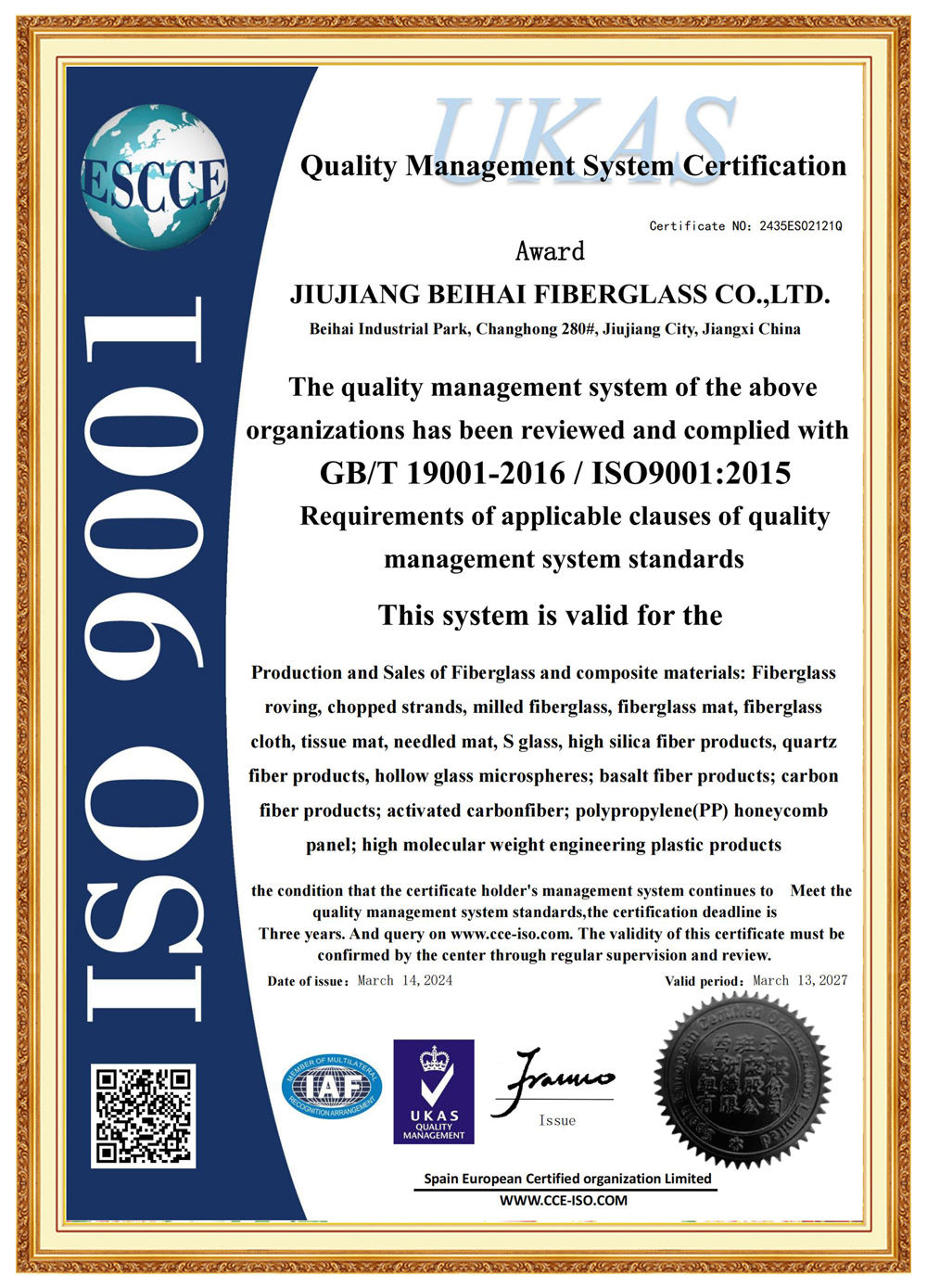
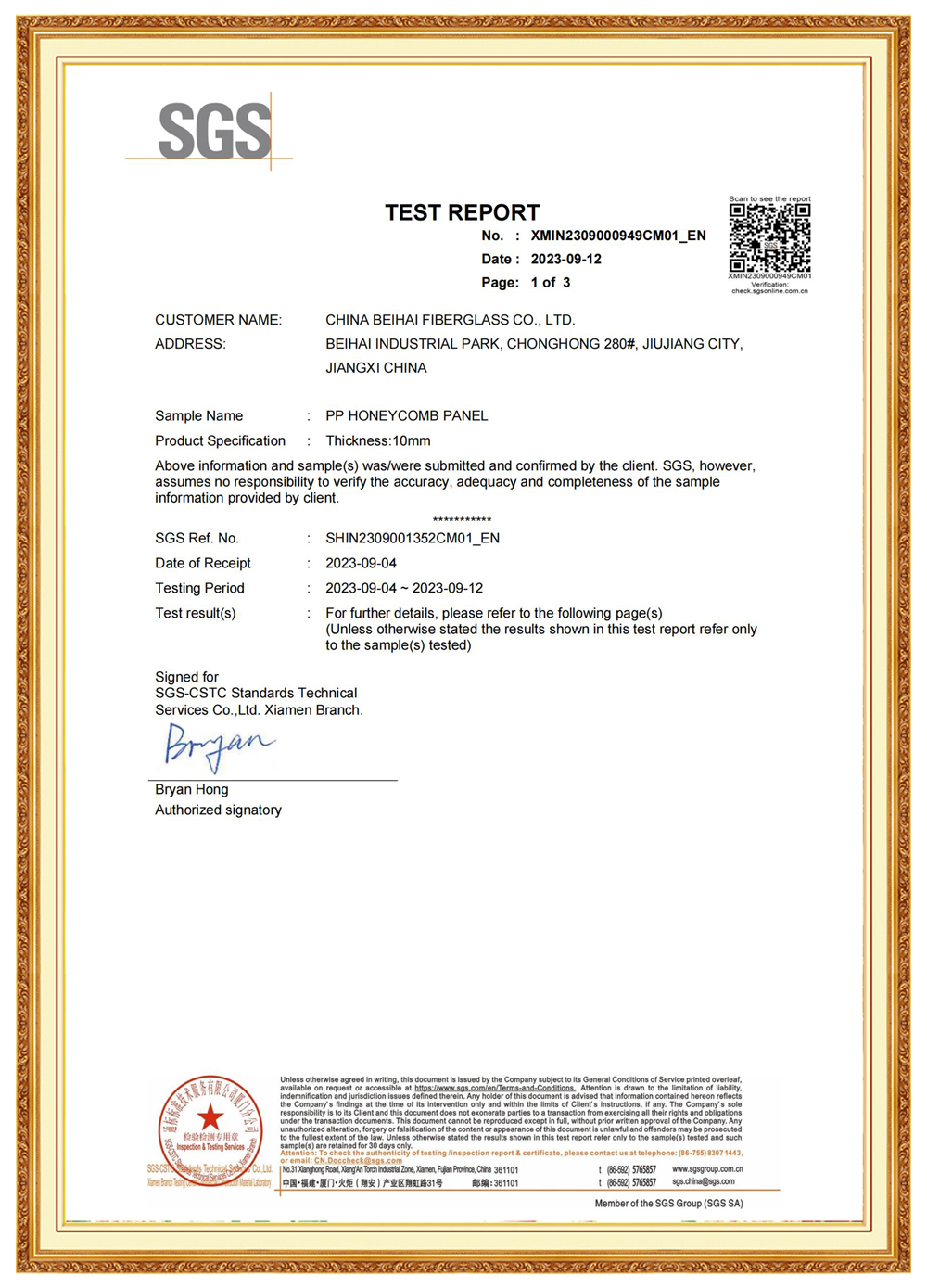
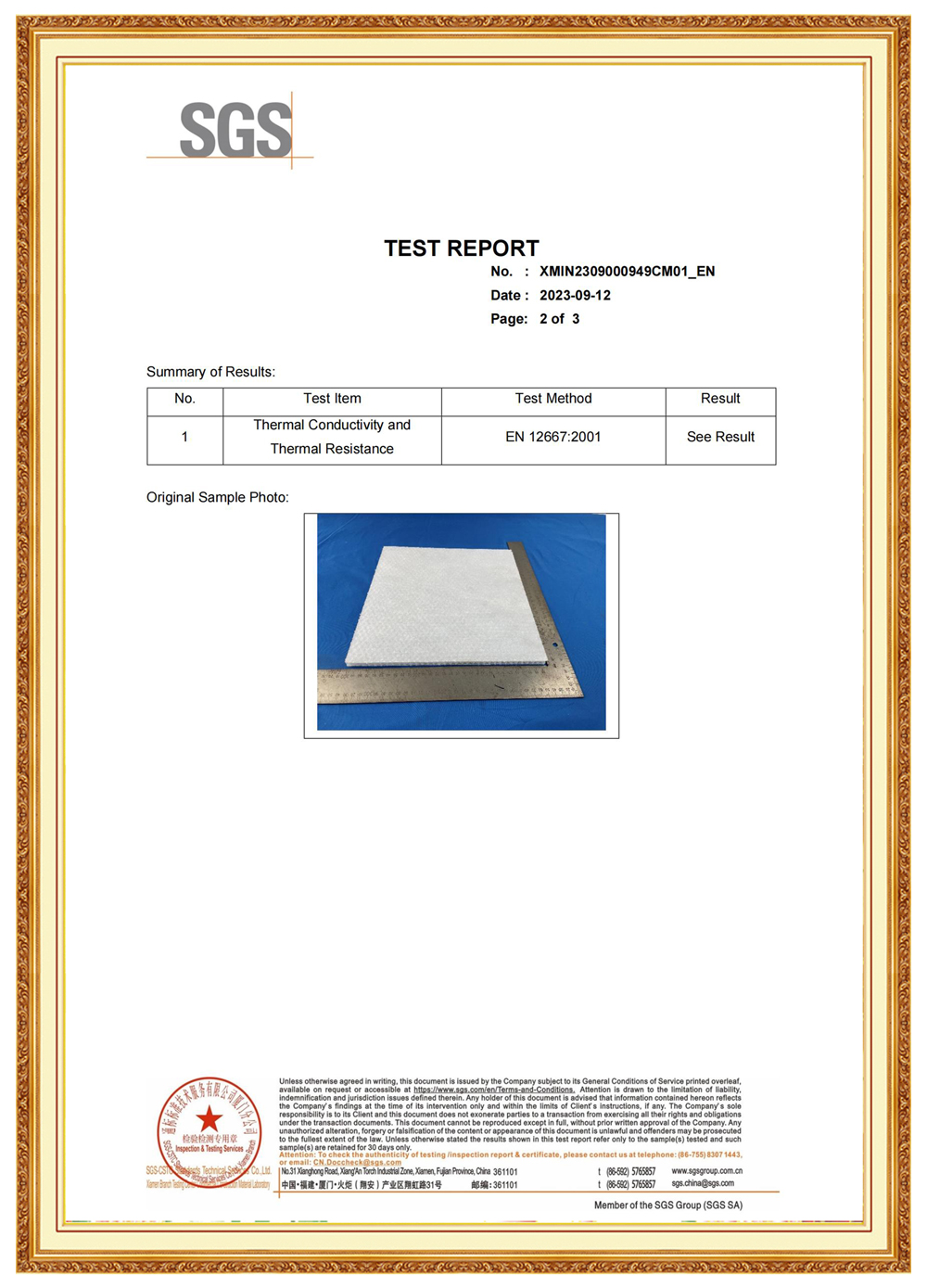
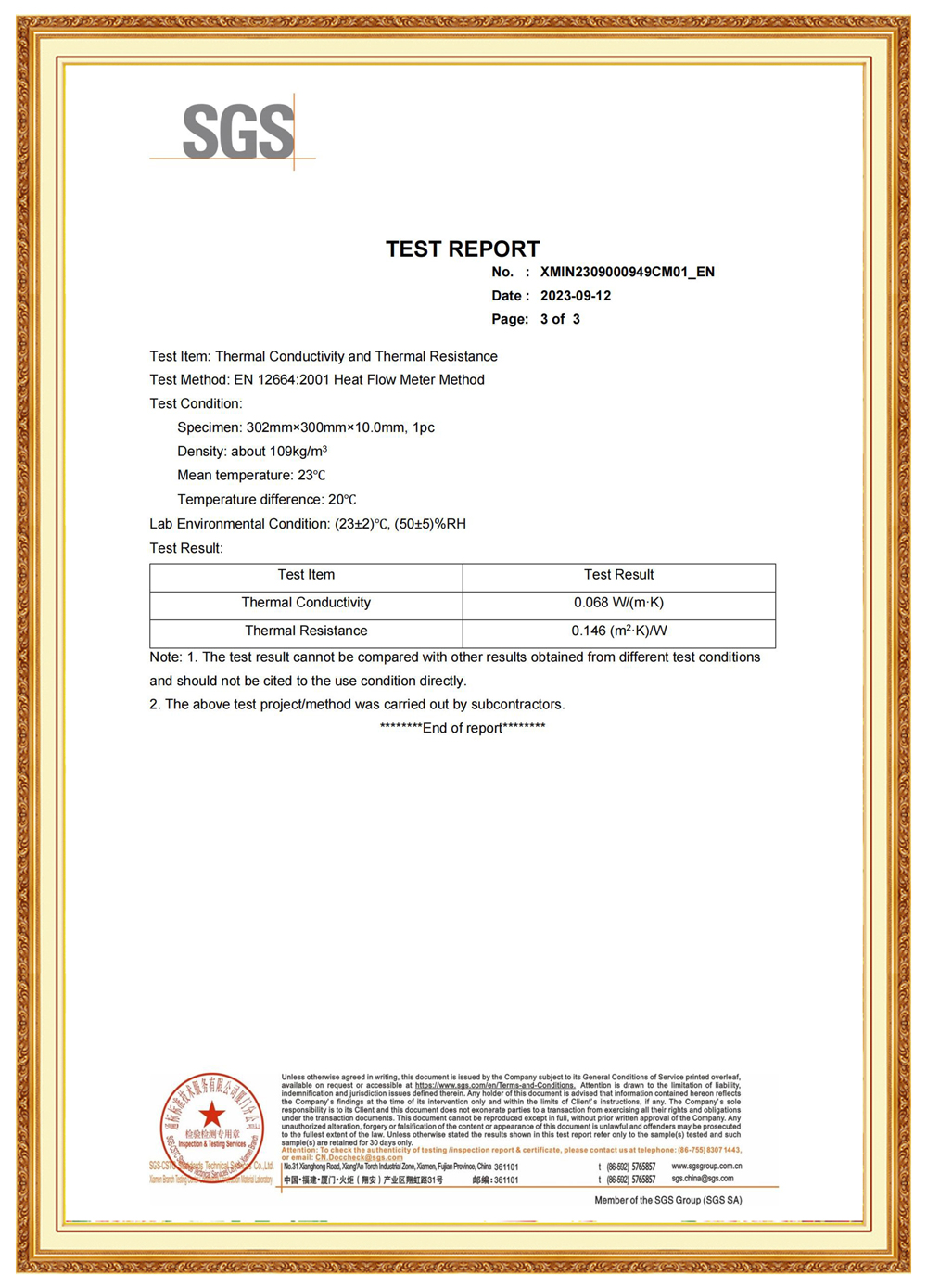
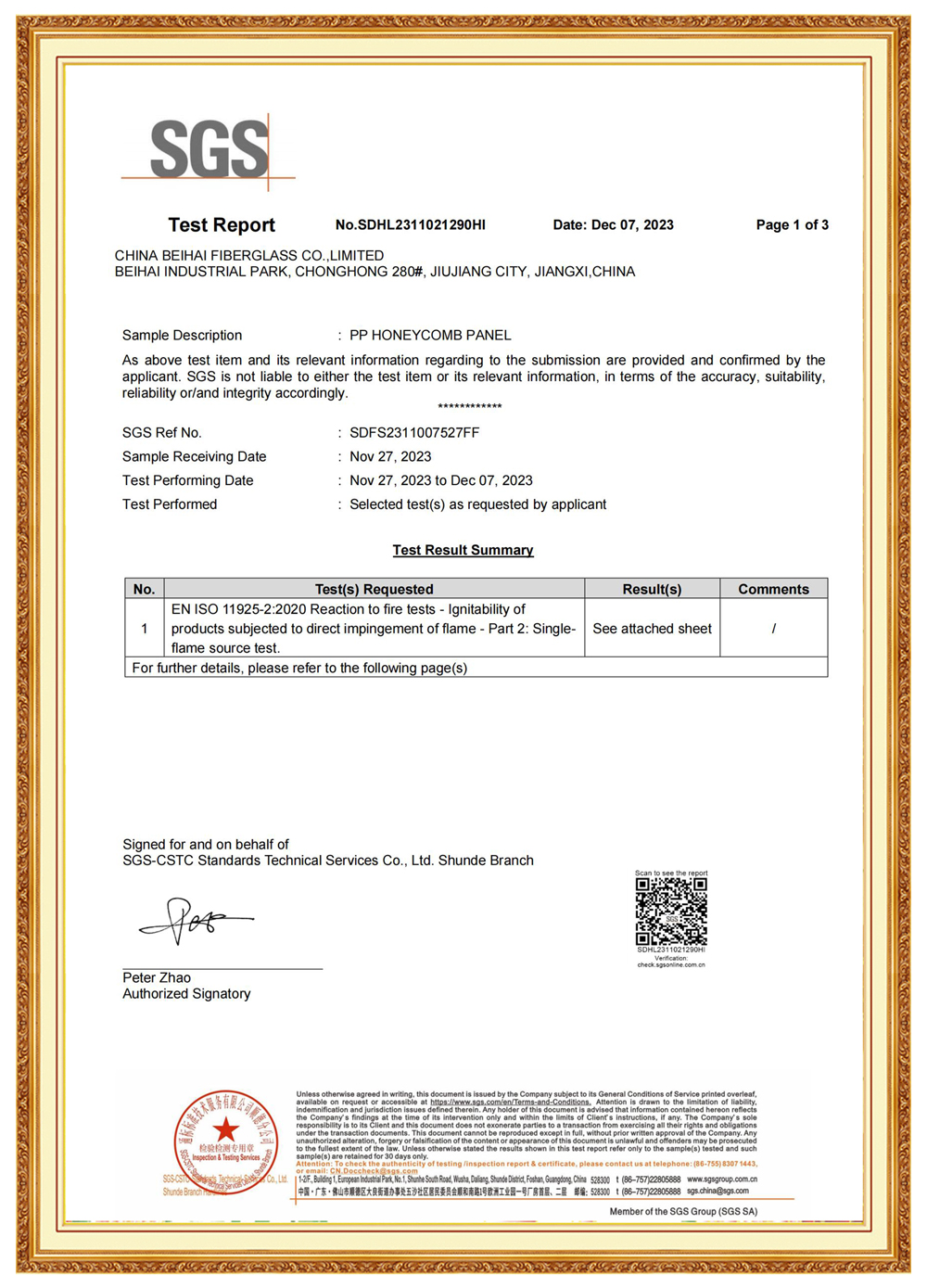
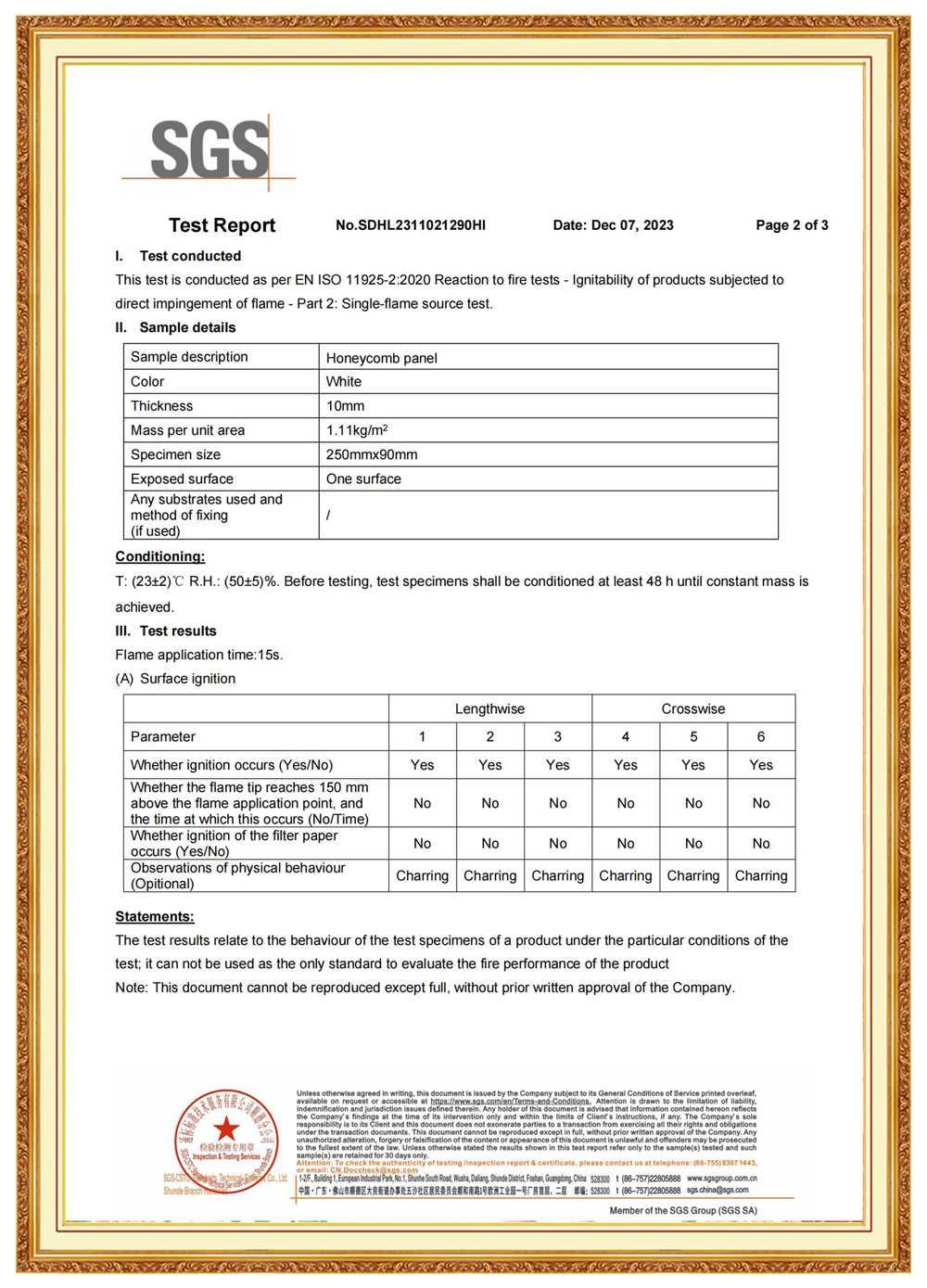
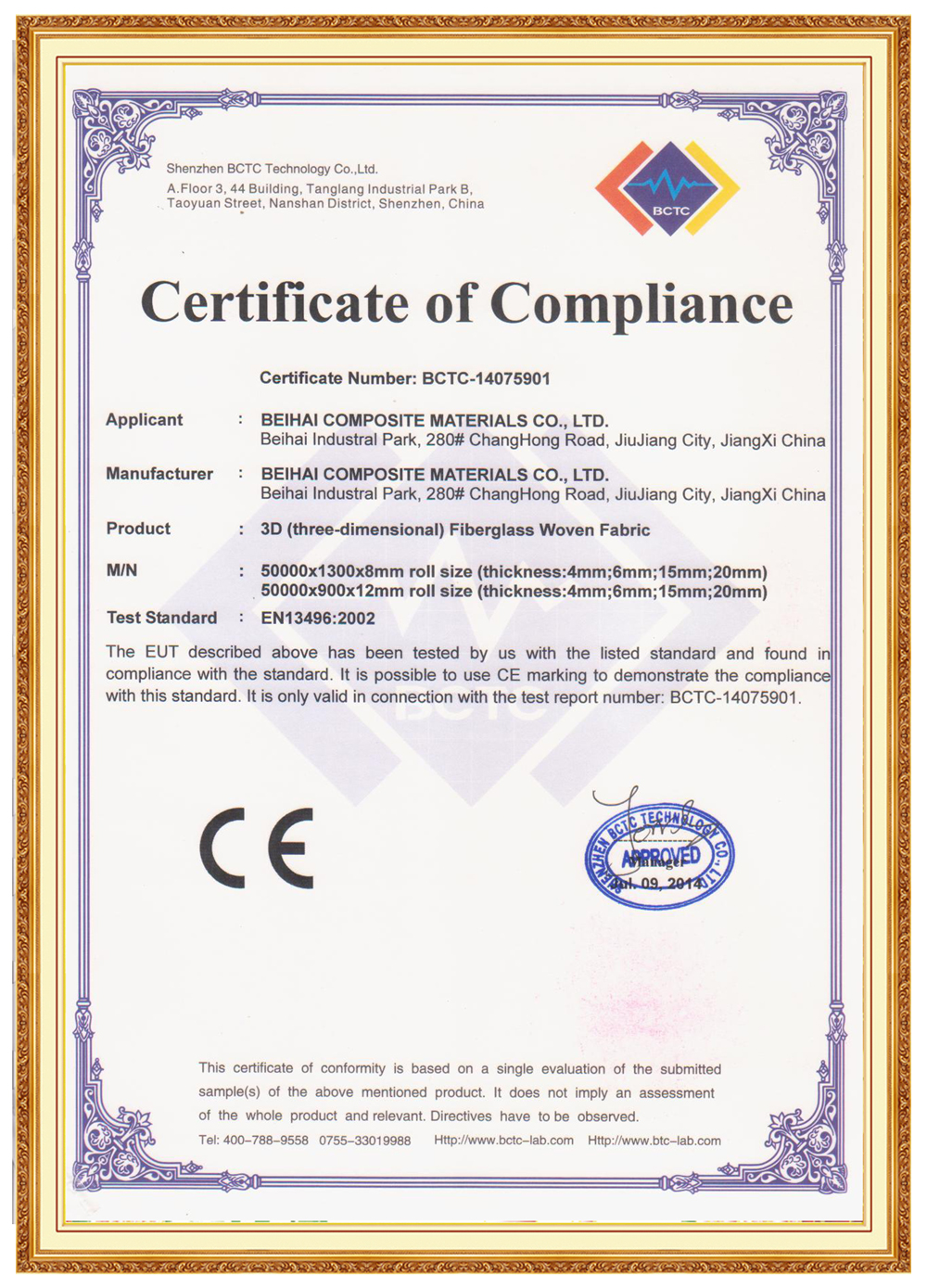
Stay informed about breakthroughs in basalt fiber technology and composite engineering applications.
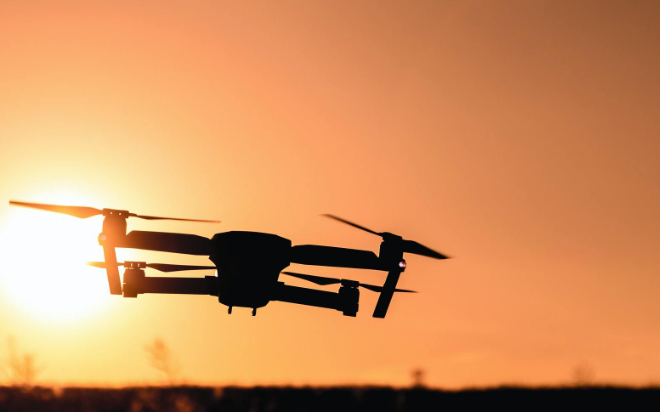
As drones slice through the sky to monitor wildfires and intelligent robots execute repetitive tasks with precision on the factory floor, the efficient operation of this smart equipment is often underpinned by a "hardcore support" that is easily overlooked: a novel material derived from volcanic rock—basalt fiber. Though unassuming in appearance, its unique properties have made it the key to unlocking the performance limits of drones and robots. Produced by melting natural basalt rock at temperatures ranging from 1,450°C to 1,500°C and drawing it into fibers, this novel inorganic material boasts lightweight strength, weather resistance, corrosion resistance, and eco-friendliness. Today, these characteristics are fueling a materials revolution in high-tech manufacturing.
Read Full Article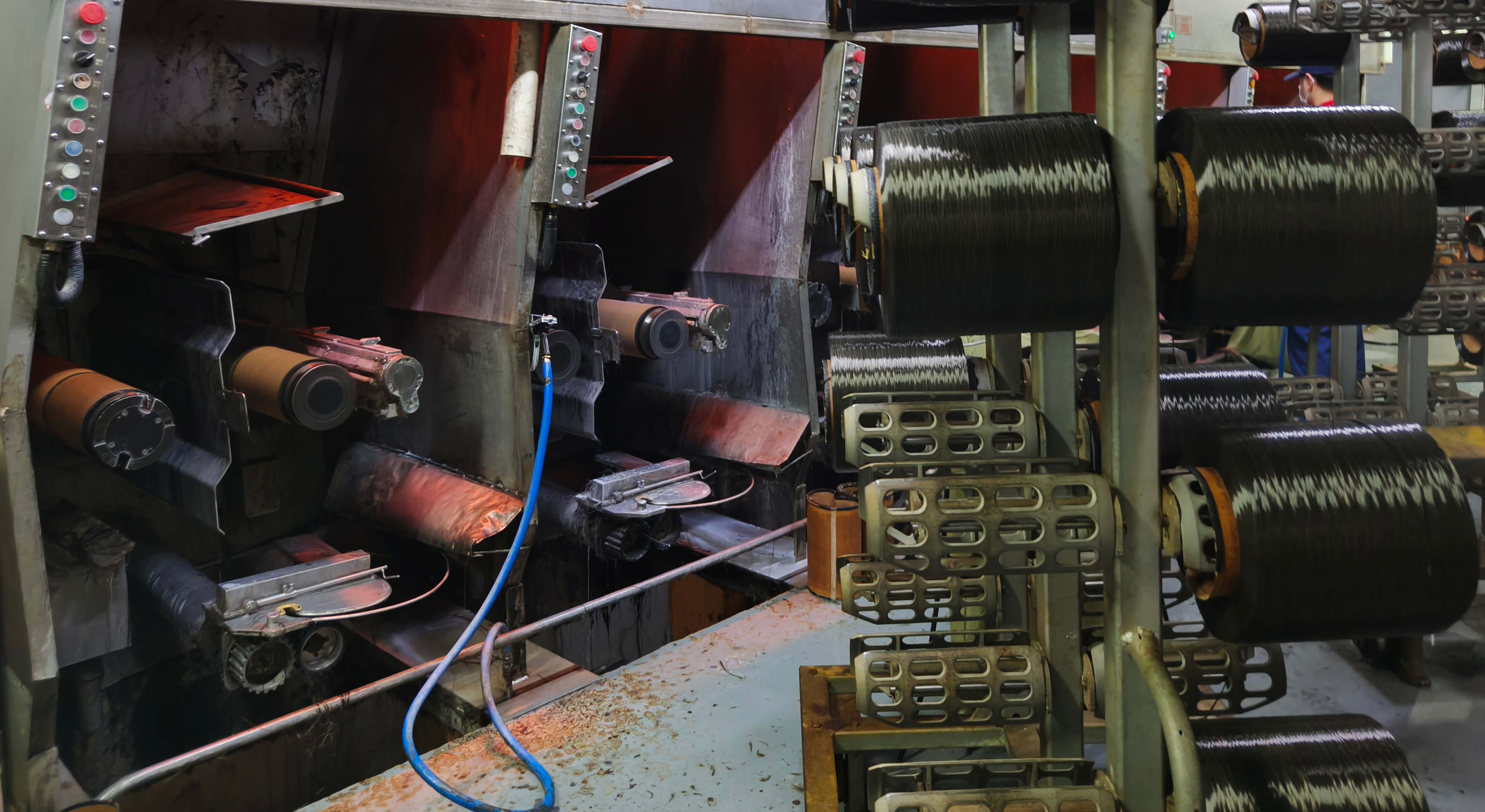
Basalt fiber is an inorganic fibrous material produced by drawing strands from natural basalt ore. It has garnered widespread attention for its exceptional performance in extreme high-temperature environments, demonstrating unique value in aerospace and industrial safety applications.
Read More →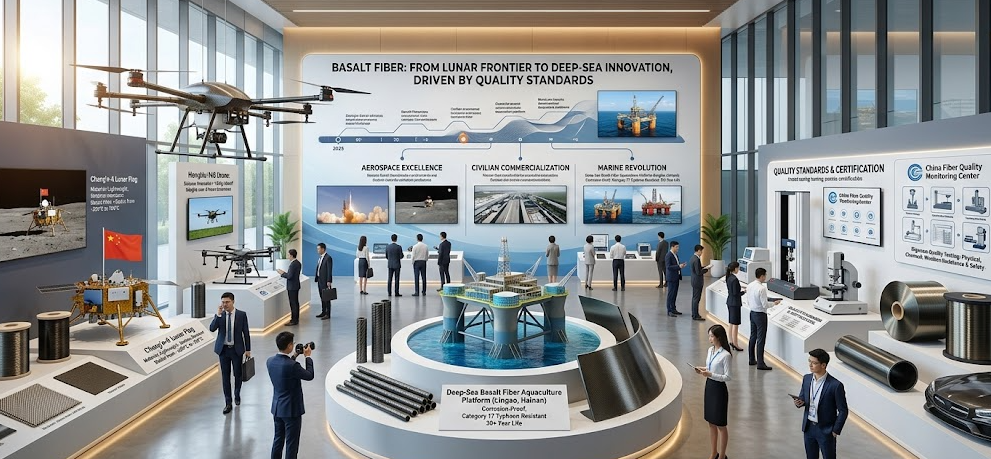
With successful applications in lunar exploration and deep-sea aquaculture platforms, basalt fiber is rapidly accelerating its transformation from laboratory research into a strategic new material with tangible industrial productivity, backed by comprehensive quality monitoring standards.
Read More →High-quality solutions engineered for construction, manufacturing, and high-temperature thermal insulation.