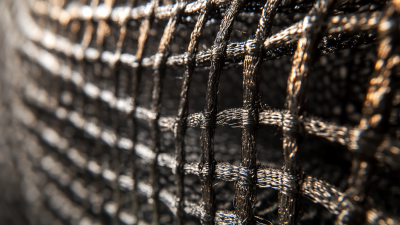
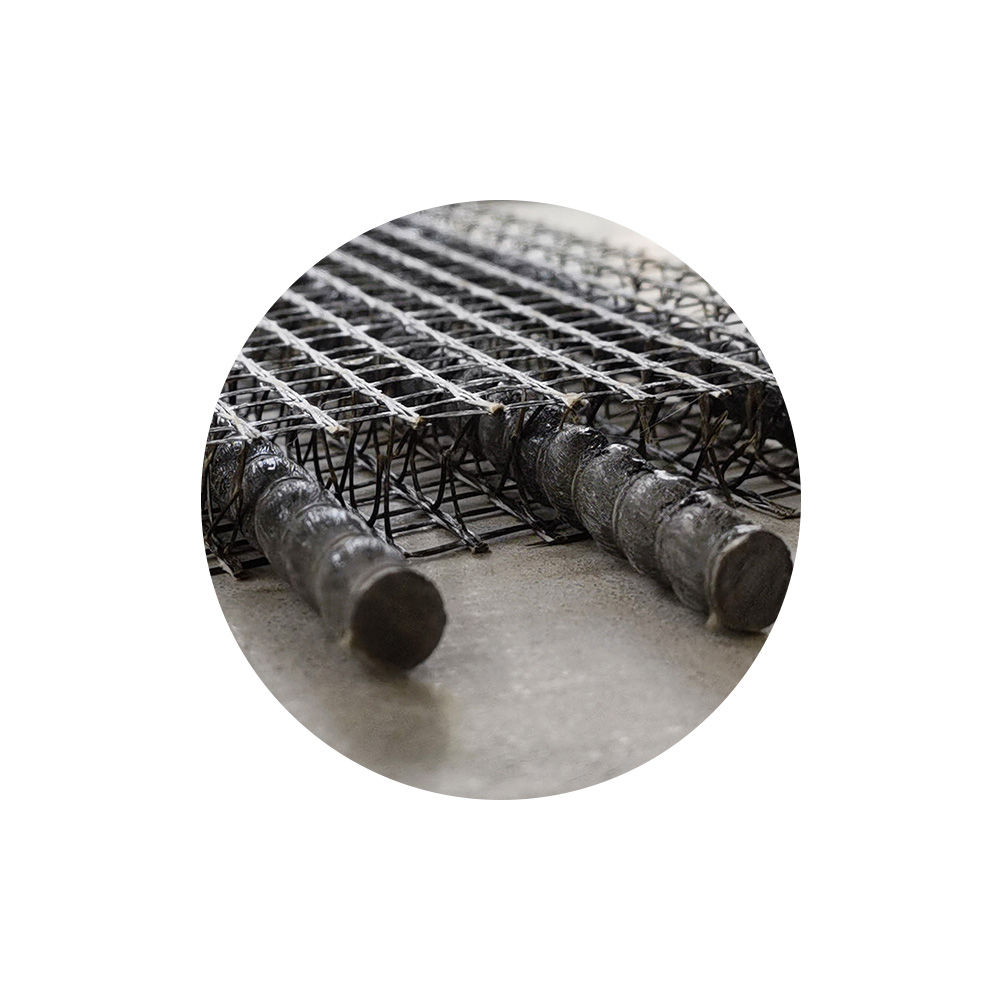
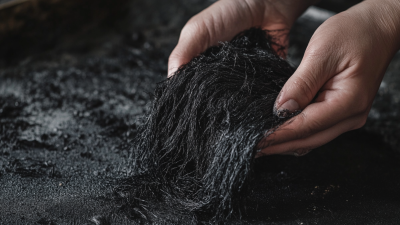
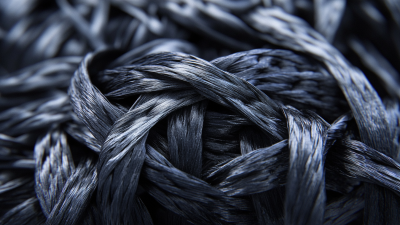
You know, the construction and engineering world is always changing, right? They're constantly on the lookout for new materials that can boost performance but still stay eco-friendly. One pretty exciting development lately is the 3D Basalt Mesh. It’s a super versatile and tough solution that's quickly catching on in all kinds of projects. Unlike the old-school stuff, this mesh hits the sweet spot — it’s strong, lightweight, and tough as nails, making it perfect for today’s buildings and designs.
As engineers and architects hunt for smarter, greener ways to build, the 3D Basalt Mesh really stands out as a game-changer. Its special features not only help make structures more solid but also support sustainable practices since it’s made from natural basalt fibers. This innovative mesh is really changing the game — paving the way for safer, more Durable, and eco-friendlier construction methods. In the rest of this discussion, we’ll dive into how 3D Basalt Mesh is shaking things up in the construction and engineering worlds, highlighting what makes it so great and where it can be used.
The Concept of 3D Basalt Mesh in Construction
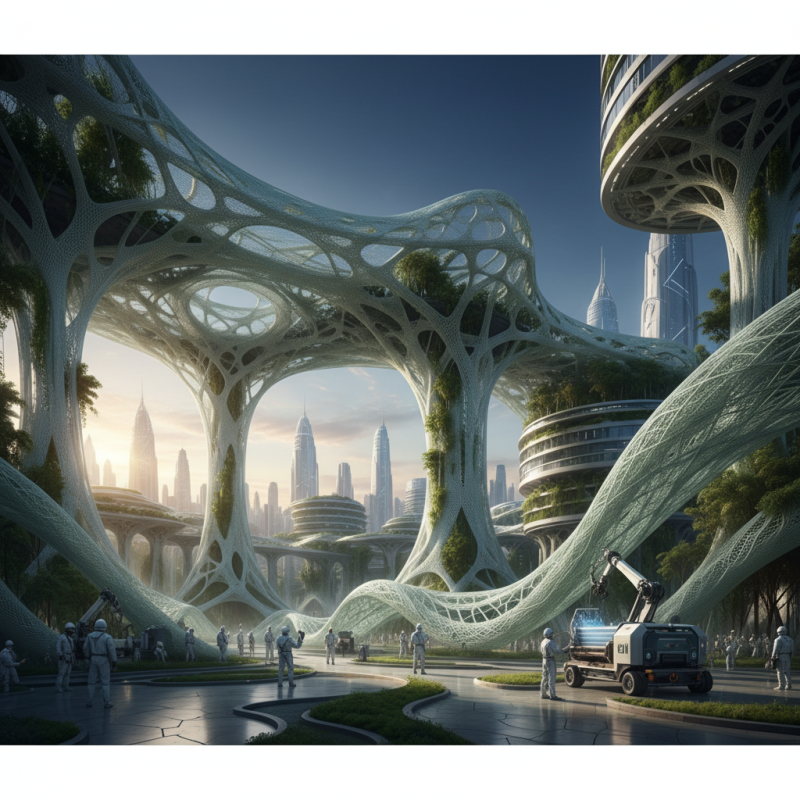
The concept of 3D basalt mesh in construction introduces a transformative approach to structural integrity and design versatility. Composed of naturally occurring basalt fibers, this innovative material offers a lightweight yet robust alternative to traditional reinforcement methods. Its unique three-dimensional structure provides enhanced load-bearing capabilities, allowing for more efficient distribution of forces within various building components. This leads to stronger, more resilient structures that can withstand adverse environmental conditions, such as seismic activity and extreme weather.
Moreover, 3D basalt mesh contributes to sustainability in construction. The material is not only recyclable but also produced with a lower carbon footprint compared to conventional materials like steel. As the construction industry increasingly prioritizes eco-friendly solutions, the adoption of 3D basalt mesh aligns perfectly with global sustainability initiatives. It enables architects and engineers to explore new design possibilities without compromising structural performance. The integration of this innovative mesh is paving the way for smarter, more efficient building practices that meet the demands of modern engineering challenges.
Advantages of 3D Basalt Mesh Over Traditional Materials
The emergence of 3D basalt mesh is transforming the landscape of construction and engineering, offering numerous advantages over traditional materials. One of the standout benefits is its remarkable strength-to-weight ratio. This innovative material combines the durability of basalt fibers with a lightweight design, allowing for more efficient structural support while minimizing overall project weight. As a result, buildings and infrastructure can be designed with greater flexibility, accommodating complex shapes and reducing the need for excessive reinforcement that often accompanies conventional materials like steel and concrete.
Moreover, 3D basalt mesh boasts enhanced resistance to environmental factors, including corrosion and extreme temperatures. Unlike steel, which can be prone to rust, basalt's natural properties make it impervious to harsh weather conditions, thereby extending the lifespan of construction projects. Additionally, basalt mesh is non-toxic and environmentally friendly, aligning with the growing demand for sustainable construction practices. Its ability to withstand chemical exposure without degradation makes it an ideal choice for projects in hazardous environments, further highlighting its superiority over traditional materials. With these advantages, 3D basalt mesh is poised to redefine how structures are built, focusing on both performance and sustainability.
Applications of 3D Basalt Mesh in Engineering Solutions
The incorporation of 3D basalt mesh into construction and engineering is rapidly transforming the landscape of building materials. Known for its high tensile strength and resistance to thermal and chemical degradation, 3D basalt mesh is increasingly being utilized in various engineering applications. According to a report by MarketsandMarkets, the global market for basalt fiber and its composites is projected to reach $200 million by 2025, highlighting a growing trend towards sustainable and robust construction materials.
One of the most significant applications of 3D basalt mesh is in the reinforcement of concrete structures. Research indicates that using basalt mesh can enhance the structural integrity of buildings, significantly reducing the risk of cracks and increasing the life span of structures by up to 20%. Additionally, its lightweight properties make it easier to handle, reducing labor costs and improving overall project efficiency. Furthermore, with increasing demands for sustainable practices, 3D basalt mesh, being naturally sourced and eco-friendly, aligns perfectly with modern engineering solutions focused on reducing environmental impact.
Another notable application is in the field of infrastructural development, where 3D basalt mesh is employed in geotechnical solutions such as soil stabilization and erosion control. The use of basalt mesh in these areas can lead to improved soil strength and reduced maintenance costs. The American Society of Civil Engineers reports that the integration of advanced materials like 3D basalt mesh can enhance the performance and durability of infrastructure, pointing towards a transformative shift in engineering methodologies aimed at sustainability and resilience.
Applications of 3D Basalt Mesh in Engineering Solutions
Environmental Impact of Using 3D Basalt Mesh
The environmental impact of using 3D basalt mesh in construction and engineering is significant, as it promotes sustainable building practices and reduces carbon footprints. Unlike traditional materials, basalt mesh is derived from natural volcanic rock, making it a more eco-friendly alternative to glass and steel. Its production process requires less energy and generates fewer greenhouse gas emissions, contributing to an overall reduction in environmental harm. By incorporating this material, architects and engineers can create durable structures that meet modern demands while also aligning with global sustainability goals.
Tips for implementing 3D basalt mesh in projects include prioritizing collaboration with suppliers who emphasize eco-friendly production techniques and materials sourcing. Additionally, integrating basalt mesh into designs not only enhances the structural integrity but can also lead to cost savings over time due to its longevity and resistance to corrosion. Consider exploring ways to utilize this innovative material in various applications, from residential buildings to infrastructure projects, to maximize its benefits and promote a greener future.
Ultimately, the shift toward using 3D basalt mesh underscores a growing awareness within the construction industry about the importance of sustainable practices. By adopting such materials, professionals are not only improving the efficiency and durability of their projects but are also taking proactive steps toward mitigating environmental impacts, fostering a healthier planet for future generations.
Comparison of 3D Basalt Mesh with Other Composite Materials
3D Basalt Mesh stands out against traditional composite materials due to its unique properties, making it an ideal choice for construction and engineering applications. Unlike glass or carbon fiber composites, which often rely on synthetic resins and materials, basalt mesh is derived from natural volcanic rock, offering enhanced durability and environmental sustainability. Its resistance to corrosion, high temperatures, and UV radiation surpasses that of other composites, making it suitable for a variety of demanding environments. This natural origin reduces the carbon footprint associated with production, appealing to eco-conscious builders and engineers.
When compared to fiberglass, for instance, 3D Basalt Mesh exhibits superior mechanical performance, including higher tensile strength and flexibility. This allows for improved load-bearing capabilities, which is critical in structural applications. Additionally, basalt mesh does not suffer from the same delamination issues that can plague fiberglass, leading to increased longevity and reliability in construction. Coupled with its lightweight nature, 3D Basalt Mesh provides a significant advantage over metal reinforcements, which can add unnecessary weight and stress to structures. As such, the integration of 3D Basalt Mesh in construction and engineering signifies a pivotal shift towards more resilient and sustainable building practices.
Why 3D Basalt Mesh is Revolutionizing Construction and Engineering Solutions - Comparison of 3D Basalt Mesh with Other Composite Materials
| Material | Tensile Strength (MPa) | Weight (kg/m²) | Corrosion Resistance | Cost (per kg) |
| 3D Basalt Mesh | 1120 | 1.5 | Excellent | $2.50 |
| Carbon Fiber | 600-800 | 1.2 | Good | $25.00 |
| Glass Fiber | 200-400 | 1.5 | Fair | $5.00 |
| Aramid Fiber | 500-700 | 1.4 | Good | $15.00 |
Future Prospects for 3D Basalt Mesh in the Industry
The future prospects for 3D basalt mesh in the construction and engineering industries appear incredibly promising, driven by advancements in material technology and increasing sustainability demands. 3D basalt mesh, known for its exceptional strength-to-weight ratio and resistance to environmental degradation, presents an innovative solution for reinforcement in various applications. As a non-metallic alternative to traditional reinforcing materials, it addresses the need for long-lasting durability while reducing the carbon footprint associated with conventional construction processes.
With the ongoing emphasis on eco-friendly construction practices, the integration of 3D basalt mesh is expected to gain momentum. Its lightweight nature allows for easier handling and installation, ultimately leading to significant cost savings in labor and logistics. Furthermore, as research continues to uncover new applications, this material could open doors for use in diverse sectors such as transportation infrastructure, industrial facilities, and even residential buildings. The ongoing collaboration between researchers, engineers, and industry professionals will be vital in driving innovation and unlocking the full potential of 3D basalt mesh, transforming the way structures are designed and built in a sustainable and resilient manner.
Challenges and Limitations of Implementing 3D Basalt Mesh
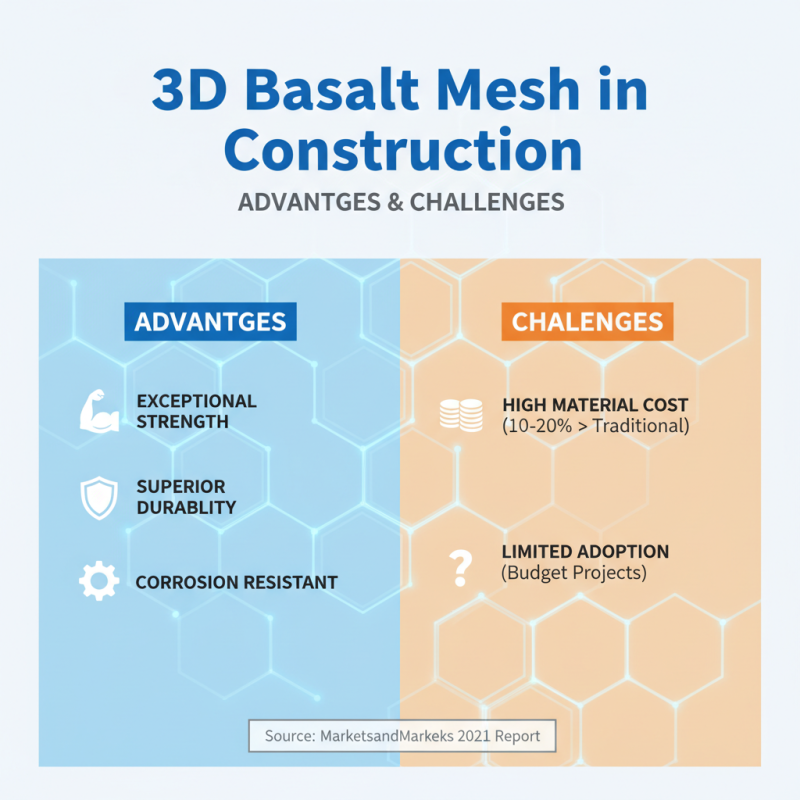
The implementation of 3D basalt mesh in construction and engineering heralds significant advancements, but there are inherent challenges and limitations that industry stakeholders must navigate. One primary challenge is the material cost. Although basalt fibers provide exceptional strength and durability compared to traditional materials, their production can be expensive. Data from a 2021 report by MarketsandMarkets indicates that the overall cost of basalt composite materials remains approximately 10-20% higher than conventional alternatives, which may deter broader adoption, particularly for budget-sensitive projects.
Moreover, the technology involved in 3D printing with basalt mesh is still in its developmental phase. Many contractors and engineers lack sufficient training and familiarity with the new methodologies required to work with this material effectively. A survey published by the International Journal of Advanced Manufacturing Technology highlighted that about 45% of construction professionals express concerns regarding the knowledge gap and necessary skill sets for integrating 3D basalt mesh technologies into their workflows. As the industry evolves, it is imperative for stakeholders to invest in training and develop comprehensive guidelines to maximize the potential of this innovative material while addressing these limitations.
FAQS
: 3D basalt mesh offers a remarkable strength-to-weight ratio, enhanced resistance to corrosion and extreme temperatures, and is non-toxic and environmentally friendly. It allows for more efficient structural support, accommodates complex designs, and reduces the need for excessive reinforcement.
The incorporation of 3D basalt mesh can enhance the structural integrity of buildings, reducing the risk of cracks and increasing the lifespan of structures by up to 20%.
3D basalt mesh is used for the reinforcement of concrete structures, soil stabilization, and erosion control in infrastructure development, improving performance and durability.
It is derived from natural volcanic rock, requires less energy for production, generates fewer greenhouse gas emissions, and aligns with modern demands for eco-friendly construction practices.
Its lightweight properties make it easier to handle, which can reduce labor costs and improve project efficiency. Additionally, its longevity and resistance to corrosion can lead to long-term cost savings.
Collaborate with suppliers who prioritize eco-friendly production techniques, integrate basalt mesh into designs for enhanced structural integrity, and explore various applications to maximize its benefits.
By utilizing this innovative material, construction professionals can reduce environmental impact, promote durable structures, and contribute to a healthier planet for future generations.
The global market for basalt fiber and its composites is projected to reach $200 million by 2025, indicating a growing trend towards sustainable construction materials.
Conclusion
The article "Why 3D Basalt Mesh is Revolutionizing Construction and Engineering Solutions" explores the innovative concept of 3D Basalt Mesh and its transformative impact on the construction and engineering sectors. By offering numerous advantages over traditional materials, such as enhanced durability, lightweight properties, and resistance to corrosion, 3D Basalt Mesh is becoming an increasingly favored solution. Its versatility allows for various applications in engineering, contributing to more efficient designs and structures.
Moreover, the article highlights the environmental benefits of using 3D Basalt Mesh, as it is derived from natural basalt fibers, thus reducing ecological footprints in construction. A comparative analysis with other composite materials demonstrates its superior performance in many aspects. While future prospects for 3D Basalt Mesh appear promising, the article also addresses existing challenges and limitations, underscoring the need for continued research and development to fully realize its potential in the industry.