
Leave Your Message
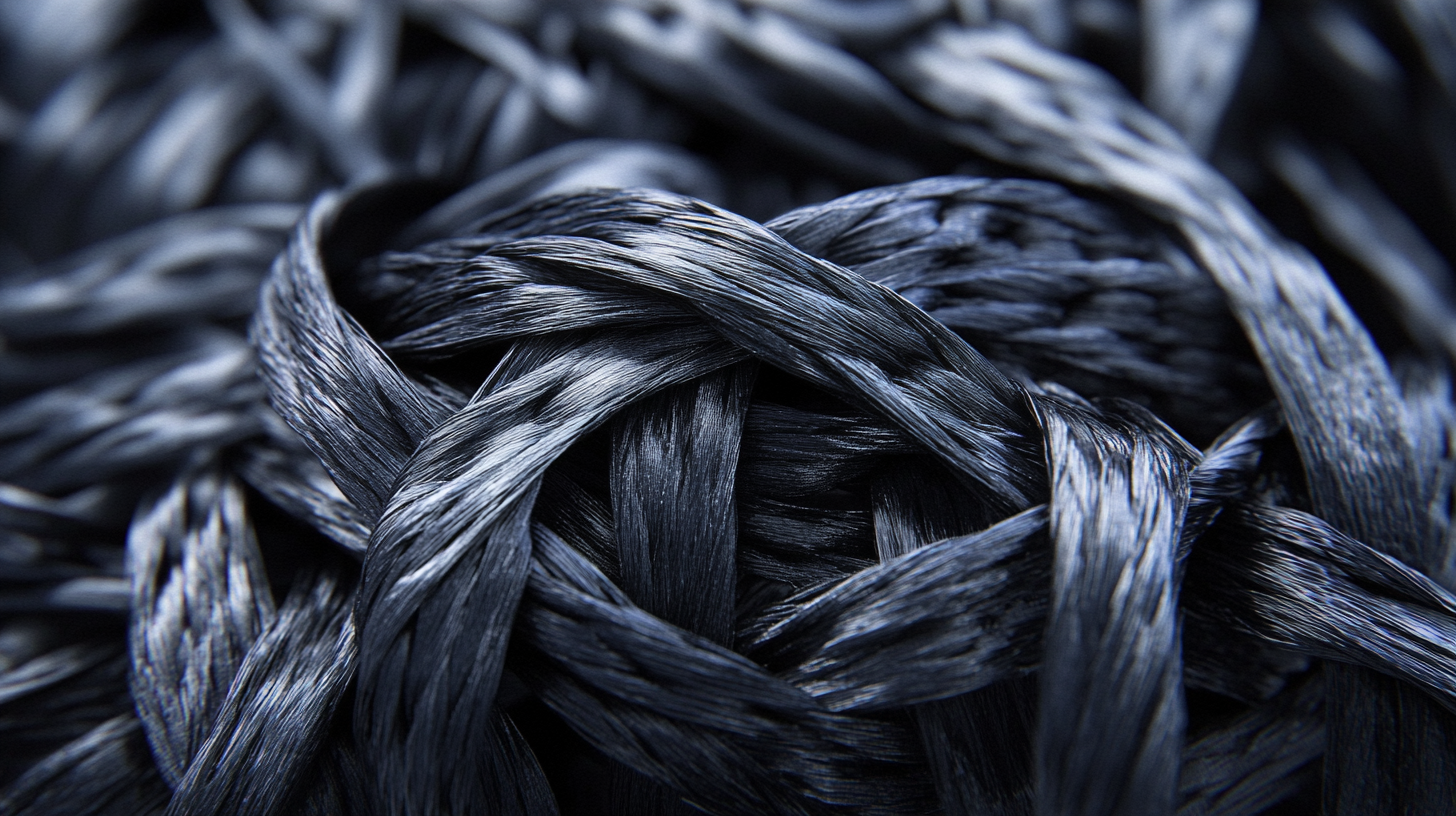 In the rapidly evolving Composite Materials industry, the demand forinnovative solutions has led to the rising prominence of Basalt Fiber Chopped Strands. As highlighted in recent industry reports, the global basalt fiber market is projected to reach USD 2.2 billion by 2026, demonstrating a CAGR of 12.5% from 2021 to 2026. This surge is largely attributed to the exceptional properties of basalt fiber, such as its high tensile strength, thermal stability, and resistance to chemical corrosion, making it an ideal choice for diverse applications in automotive, aerospace, and construction sectors.
China Beihai Fiberglass Co., Ltd., a leading enterprise in the domestic basalt fiber industry, is at the forefront of this innovative technology, focusing on the research and development of high-performance basalt continuous fiber and production equipment. Leveraging Basalt Fiber Chopped Strands, industries can maximize performance and sustainability, ensuring they remain competitive in an increasingly challenging market landscape.
Basalt fiber chopped strands have gained significant attention in the composite industry, owing to their unique properties and advantages over traditional reinforcement materials. Made from volcanic rock, basalt fibers are known for their high tensile strength, resistance to temperature fluctuations, and excellent durability. According to a report from Research and Markets, the global basalt fiber market is projected to reach USD 72.6 million by 2025, with a CAGR of 13.5%. This growth is driven by the increasing demand for lightweight and high-performance materials in automotive, aerospace, and construction sectors.
The role of basalt fiber chopped strands in composites cannot be overstated. They enhance the mechanical properties of composites, providing superior hardness and impact resistance. A study published in the Journal of Materials Science reveals that composites reinforced with basalt fibers exhibit a 30% increase in tensile strength compared to conventional glass fiber composites. Additionally, basalt fibers are eco-friendly, as they are derived from natural sources and have a lower environmental impact during production. This characteristic aligns well with the industry's shift toward sustainable practices, further solidifying basalt fibers' position as a viable alternative in composite materials.
| Parameter | Description | Impact on Performance | Optimization Strategies |
|---|---|---|---|
| Chopped Strand Length | Length of the basalt fibers cut into strands. | Affects tensile strength and impact resistance. | Experiment with varying lengths to find the optimal balance. |
| Fiber Density | Density of the basalt fibers used in the composite. | Influences the weight and mechanical properties. | Select densities that enhance overall strength without compromising weight. |
| Matrix Material | The resin or polymer used with basalt fibers. | Determines adhesion and stability of the composite. | Choose compatible matrix materials that enhance bonding with basalt fibers. |
| Processing Temperature | Temperature at which the composite is cured. | Affects fiber integrity and final product properties. | Monitor and control temperatures to optimize fiber performance during curing. |
| Volume Fraction | Proportion of basalt fibers in the composite matrix. | Influences mechanical performance and cost-effectiveness. | Optimize volume fraction to achieve desired performance characteristics while managing costs. |
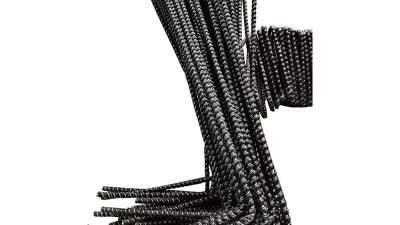
Basalt fiberglass rebar is rapidly gaining attention in the construction industry due to its impressive performance characteristics. Composed primarily of basalt fibers intertwined with an organic resin matrix, this composite material boasts an exceptional strength-to-weight ratio and unparalleled corrosion resistance. According to recent industry reports, basalt rebar can outperform traditional steel rebar in many applications, especially in environments where high temperatures and corrosive conditions are present. For instance, studies have shown that basalt rebar maintains structural integrity at temperatures exceeding 600°F, demonstrating its viability in demanding civil engineering projects.
Moreover, the lightweight design of basalt rebar contributes to ease of installation and reduced labor costs. Its non-magnetic properties make it an ideal choice for applications in sensitive electronic environments, such as data centers and hospitals. The versatility of basalt rebar is underscored by its ability to be easily cut and shaped on-site, making it a preferred option among engineers looking for innovative solutions to modern construction challenges. Reports highlight that the overall lifecycle cost of structures utilizing basalt rebar can be significantly lower due to reduced maintenance needs and longer service life compared to conventional materials.
As the industry continues to shift towards more sustainable and efficient building materials, basalt fiberglass rebar stands out as a high-performance alternative that not only meets but often exceeds current standards in the field.
: Basalt fiber is known for its high tensile strength and thermal resistance, allowing for the creation of lighter yet more durable products.
Unlike traditional glass fibers, basalt fiber is resistant to chemical corrosion and does not degrade when exposed to moisture, acids, or alkalis, enhancing the longevity of composite materials.
Basalt fiber is sourced from abundant natural volcanic rock, aligning with sustainability trends and reducing environmental impact in manufacturing.
The global basalt fiber market is projected to grow from $435 million in 2023 to an estimated $1.28 billion by 2032.
Industries such as automotive, construction, and wind energy are increasingly turning to basalt fiber due to its superior strength and lightweight properties.
There are stringent certification standards in place that ensure the safe and effective use of basalt fiber across various applications, which is crucial for consumer safety and product reliability.
The BFRP market is valued at over $195 million in 2023 and is estimated to grow at a compound annual growth rate (CAGR) of over 6.1%.
The rising demand for basalt fiber contributes to a healthier growth outlook, encouraging manufacturers to comply with regulatory standards for enhanced product reliability.
Basalt fiber's resistance to chemical corrosion makes it an ideal choice for applications in harsh environments, increasing the material's longevity.
Manufacturers must overcome technical and market hurdles while ensuring compliance with regulatory standards to drive the adoption of basalt fiber composites.

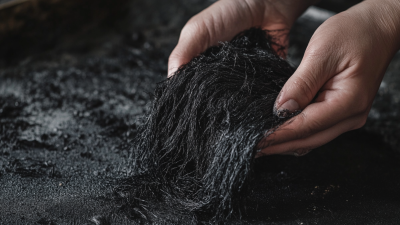
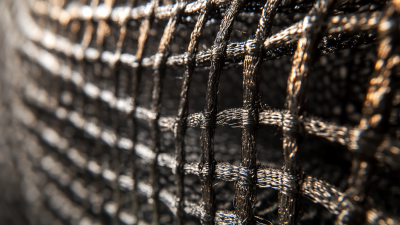


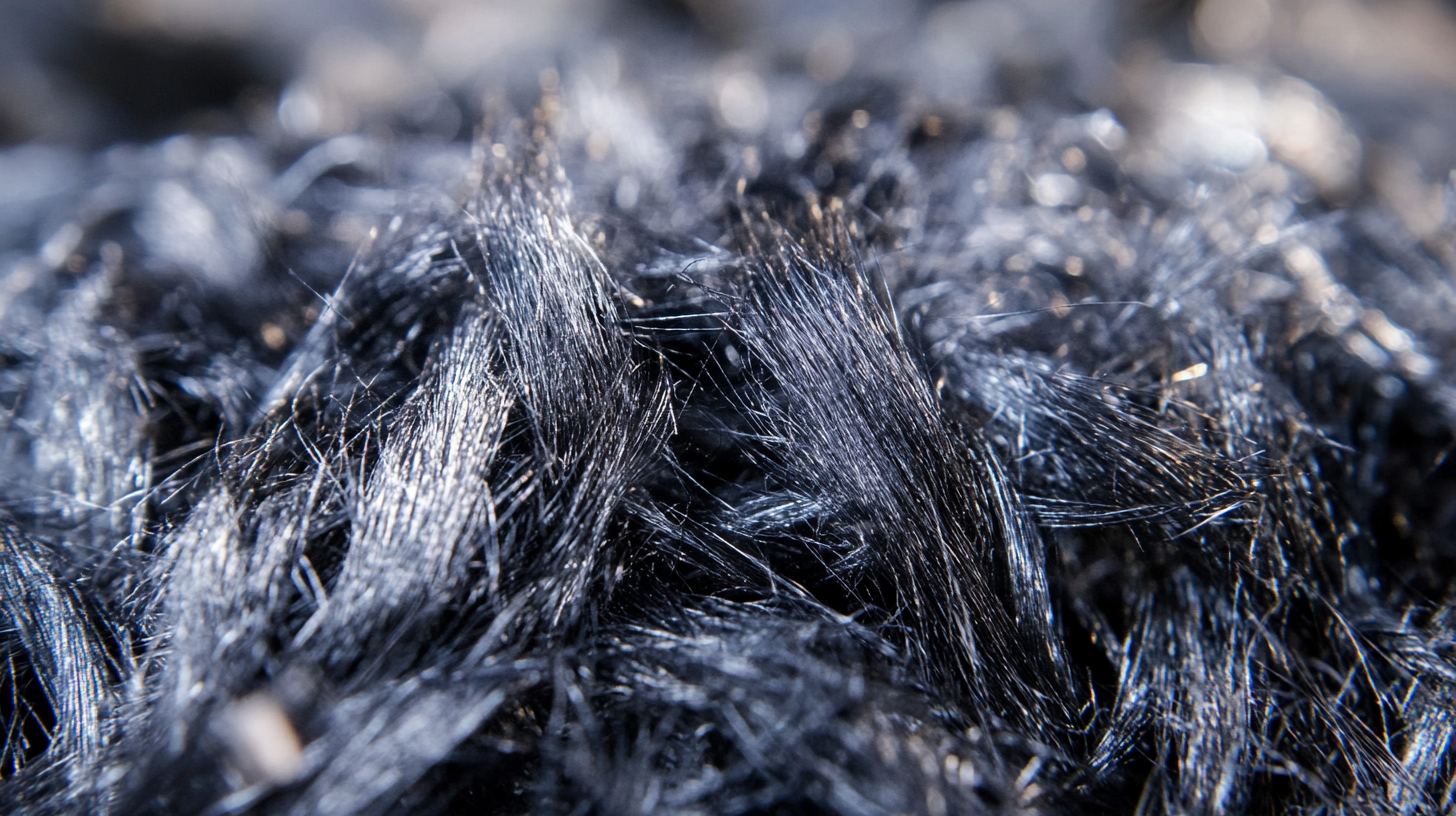 Basalt fiber has emerged as a leading material in composite applications, owing to its exceptional mechanical properties and environmental advantages. One of the key benefits of using basalt fiber in composites is its
  Industries such as automotive, construction, and wind energy are increasingly turning to