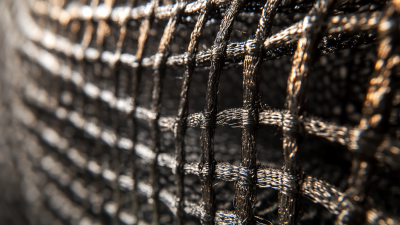
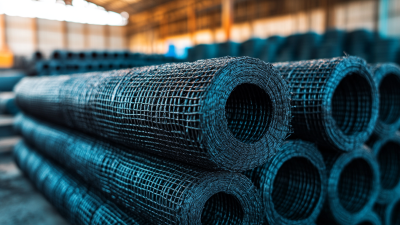
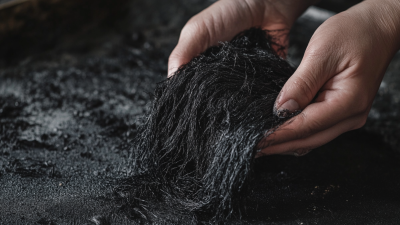
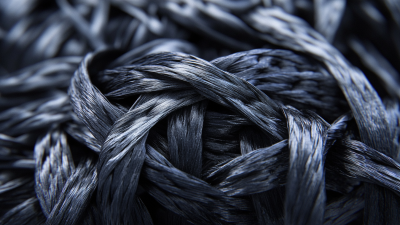
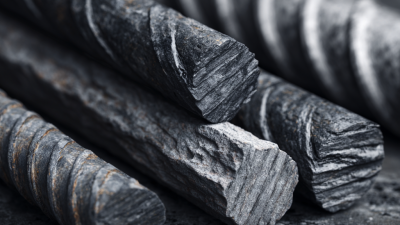
Lately, the construction world has been pretty exciting with lots of new stuff coming out. One of the coolest innovations lately is the 3D Basalt Mesh. Basically, it’s made from high-performance basalt fibers, and it’s incredibly strong and Durable — perfect for all kinds of modern building projects. If you look at the numbers, a report from MarketsandMarkets predicts that the global market for basalt fiber will hit around $250 million by 2025, growing at over 10% each year. Here in China, Beihai Fiberglass is a big player in this space. They’re really into the research, development, and production of basalt fibers and all the equipment that goes with it, keeping them at the cutting edge both in tech and eco-friendliness. The rollout of this 3D Basalt Mesh doesn’t just make structures stronger; it also pushes for greener building practices. All in all, it’s a pretty exciting step forward for construction materials and sustainability alike.
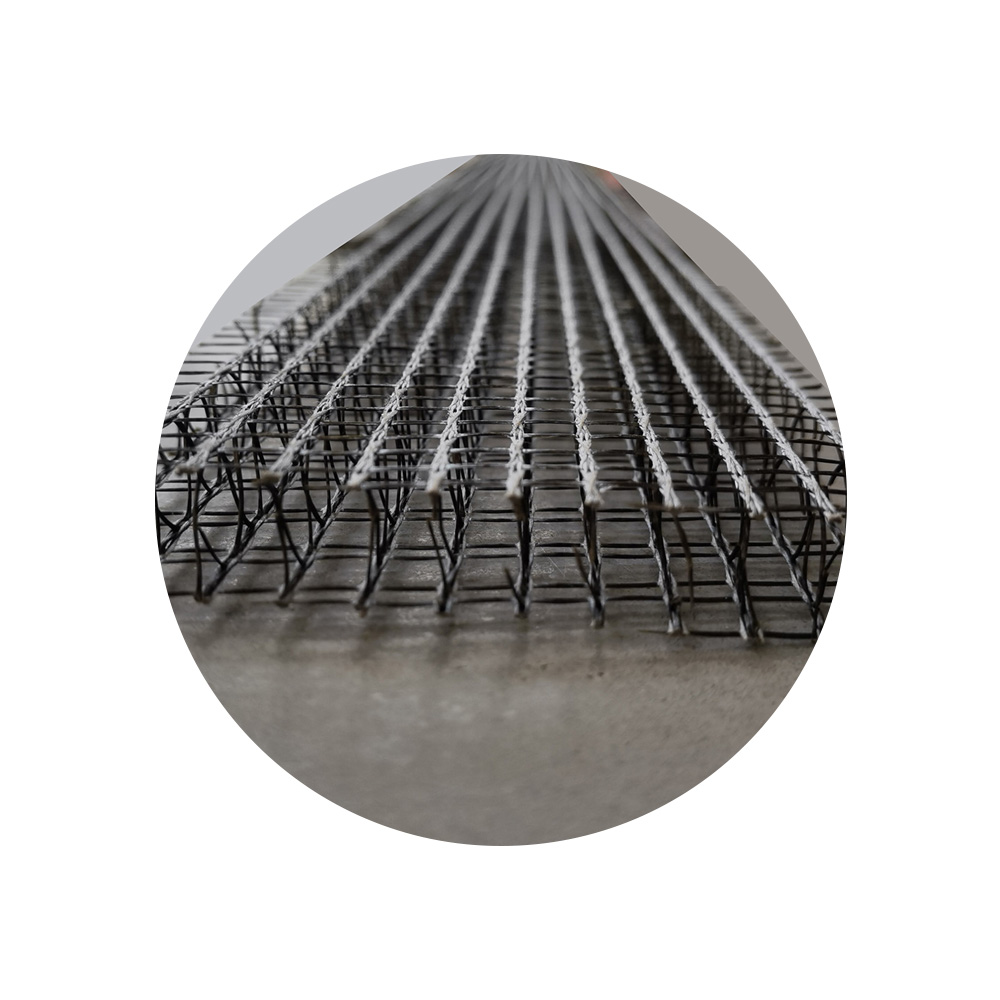
Understanding the Basics of 3D Basalt Mesh Technology in Construction
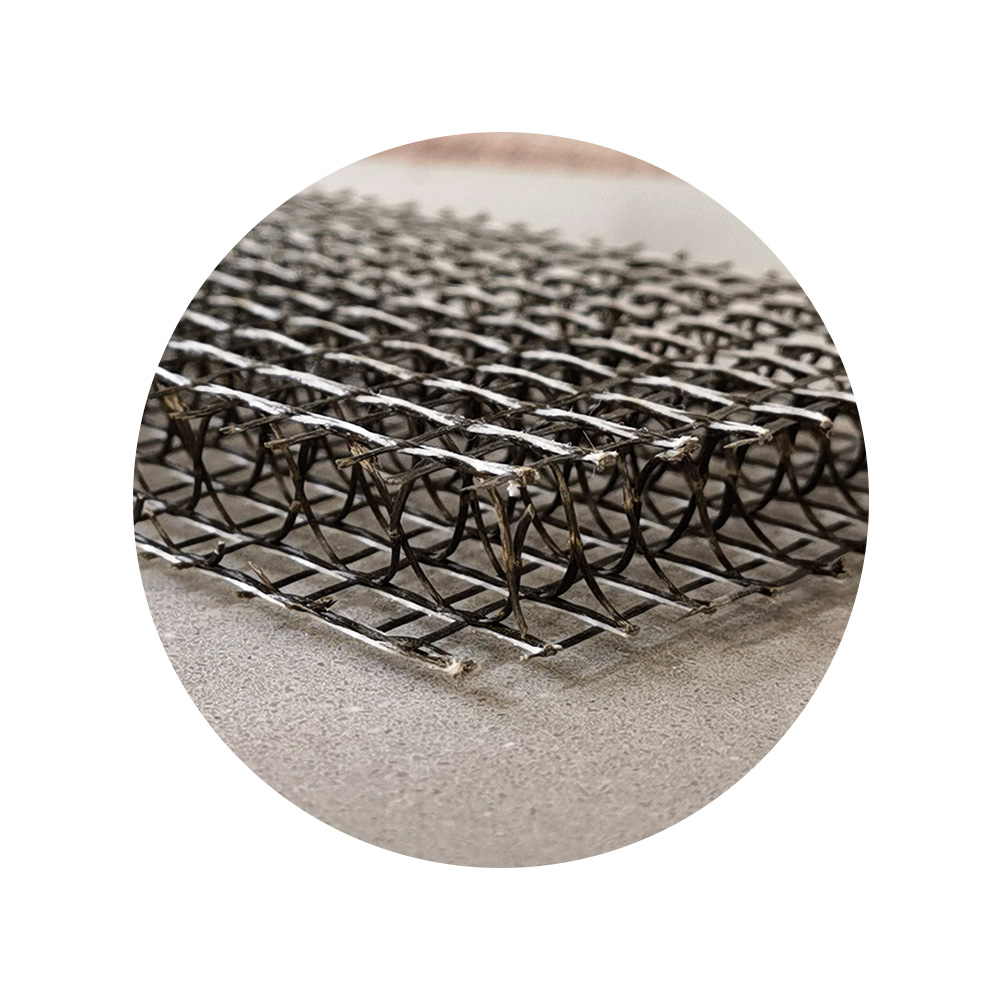
Hey! So, the construction world is really changing, thanks to this new thing called 3D basalt mesh technology. Basically, it’s made from volcanic rock and is super lightweight but incredibly tough—perfect for reinforcing concrete structures without adding all that bulk. I read somewhere—MarketsandMarkets, I think—that the global market for basalt fiber is expected to hit around $120 million by 2027. That’s pretty impressive, and it’s mainly because the material has awesome tensile strength and durability—beating out traditional stuff like steel and fiber glass in many ways.
What’s really cool about this 3D basalt mesh is that not only does it make buildings stronger and more stable, but it also helps with sustainability. Basalt is everywhere, and it’s environmentally friendly, so it’s a smart choice if you're into greener building practices. Some research from the Journal of Composite Materials points out that structures using this mesh can perform really well while being lighter—meaning you save on transport costs and cut down on energy used during construction. All in all, this blend of strength and eco-friendliness could totally shake up how we build things these days.
Key Advantages of Using 3D Basalt Mesh in Modern Building Projects
You know, 3D basalt mesh has really been making waves in the world of construction lately. It’s often seen as a game-changer, mainly because it packs some pretty impressive benefits that make it a great alternative to the usual materials we’re used to. For starters, it has this awesome strength-to-weight ratio — it’s super sturdy but still lightweight, which makes handling and installing it on site a lot easier. Plus, it’s pretty tough against things like temperature swings, moisture, and Chemicals, so buildings with basalt mesh tend to last longer. And that means less time and money spent on repairs down the road.
Another thing I find pretty cool is how eco-friendly it is. Since it’s made from natural volcanic rock, it’s a greener choice compared to synthetic options. That’s a big deal these days with everyone trying to build more sustainably. Using basalt mesh can also help with energy efficiency because it’s good at insulating against heat. All in all, as more people look for innovative, sustainable building solutions, 3D basalt mesh is definitely shaping up to be a key player — offering benefits both for our wallets and the planet.
Innovative Applications of 3D Basalt Mesh Across Various Construction Domains
3D basalt mesh is really shaking things up in the construction world, thanks to its super cool and innovative uses across different fields. One of the biggest perks? It packs an impressive strength-to-weight ratio, meaning we can build lighter structures without sacrificing durability — pretty awesome, right? In civil engineering, for example, they're using it to reinforce concrete, which helps make structures stronger while using less traditional steel. This not only speeds things up on-site but also helps out the environment since basalt is natural and pretty abundant.
And it doesn’t stop there. This stuff is super versatile — architects love it for creating all sorts of intricate facades and unique design features that would’ve been tricky or even impossible to do with regular materials. Plus, it’s great for eco-friendly building practices since it’s non-toxic and totally recyclable. All these cool applications show just how much potential 3D basalt mesh has to really change the game — making construction smarter, more sustainable, and a lot more creative than before.
Innovative Applications of 3D Basalt Mesh in Construction
Comparative Analysis: 3D Basalt Mesh vs. Traditional Reinforcement Materials
You know, the construction world is really shaking things up these days thanks to this new 3D basalt mesh used for reinforcement. It’s a pretty cool alternative to the old-school steel, mainly because it doesn’t corrode, is lightweight, and packs a serious punch in strength. I’ve read that basalt fiber composites can reach tensile strengths of up to 300 MPa — which is a pretty big deal because they outperform the usual materials, especially when conditions get tough outside.
Plus, researchers have been digging into how the fibers are arranged inside cement mixes, and it turns out that where you place these meshes and how you orient them can make a huge difference. When everything lines up just right, concrete can get about 30% stronger and absorb around 25% more energy before failing — pretty impressive, right? It really seems like this new material isn’t just a gimmick; it’s actually making structures more durable and long-lasting. As more folks in the industry start using these kinds of innovations, I think we’re looking at a future with way more resilient buildings and infrastructure.
Ultimate Guide to Understanding 3D Basalt Mesh Innovations in Construction - Comparative Analysis: 3D Basalt Mesh vs. Traditional Reinforcement Materials
| Feature | 3D Basalt Mesh | Traditional Reinforcement Materials |
| Weight | Lightweight | Heavier |
| Corrosion Resistance | High | Low |
| Thermal Stability | Excellent | Moderate |
| Sustainability | Eco-friendly | Less sustainable |
| Flexibility | Highly flexible | Rigid |
| Cost | Moderate | Generally lower |
Future Trends in 3D Basalt Mesh Innovations and Their Impact on the Industry
Hey, have you heard? The construction world is about to change big time thanks to these new 3D basalt mesh innovations. Seriously, as we look ahead, these materials aren’t just about making buildings stronger—they’re also a win for sustainability. That’s a total game-changer, right? Basalt’s natural qualities, like its incredible resistance to heat and corrosion, mean structures can last way longer, which actually cuts down on maintenance costs over the years. It’s like tackling today’s climate unpredictability with some seriously smart material science.
And here’s a pro tip: jumping on the 3D basalt mesh bandwagon can really help shrink your project’s environmental impact. The cool part? Making this stuff takes less energy than traditional building materials, so it’s a move toward being more eco-friendly.
Plus, with 3D printing technology getting better all the time, customizing these basalt meshes means we’ll soon see more complex, creative designs popping up—and faster too! This flexibility not only makes building easier but also unlocks a whole new world of innovative architecture that we couldn’t really imagine before.
Another tip: keep an eye out for collaborations between construction firms and tech companies. These partnerships are where the magic happens, helping us tap into the full potential of these 3D basalt innovations and build a smarter, more efficient future in construction.
Real-World Case Studies: Successful Implementation of 3D Basalt Mesh Solutions
You know, incorporating 3D basalt mesh into construction has really shaken things up in the industry. You can see it in some pretty impressive projects around the world. For example, a report from the Global Composites Market mentions that using basalt fiber not only boosts durability but can also cut down maintenance costs by about a quarter—pretty neat, right? One interesting case was a bridge built in Eastern Europe, where they used this 3D basalt mesh to reinforce the concrete. And guess what? The tensile strength of the structure was about 30% better than traditional reinforcement methods, proving just how effective basalt mesh can be in tough environments.
Then there’s this other project I came across—homes built in Asia designed to resist flooding. These houses had the 3D basalt mesh installed, and according to a study in the International Journal of Structural Engineering, they ended up being way better at resisting earthquakes, plus they kept the homes warmer in winter and cooler in summer. In fact, energy use dropped by around 18%. All of this stuff really shows how versatile and promising basalt mesh is for making buildings that are not just stronger, but also more sustainable. As climate issues become more urgent and resources get tighter, it seems like using innovative materials like this could really shape a more resilient future for construction—no doubt about it.
Exploring the Benefits of Basalt Fiber Biaxial Fabric: Insights from the Latest Market Reports on Composite Materials
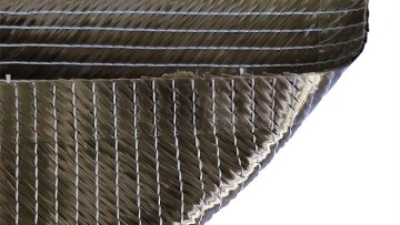
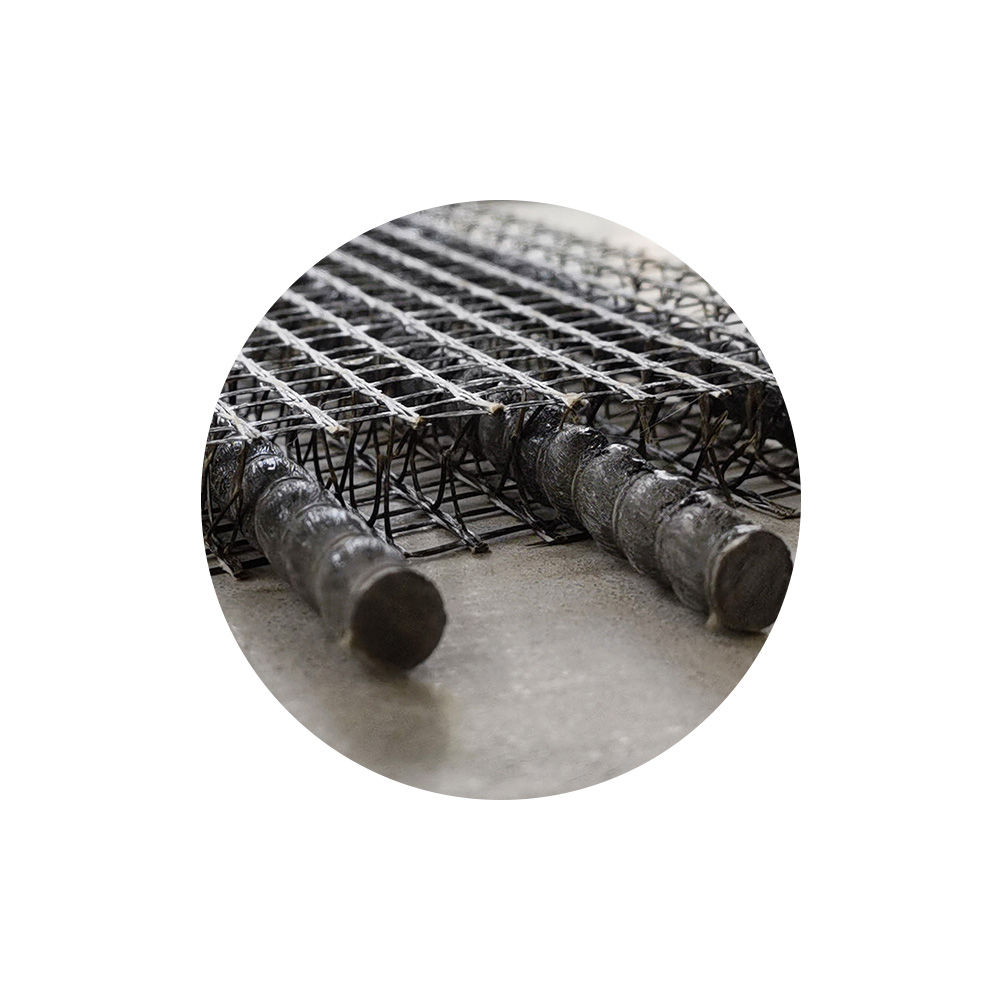
Basalt fiber biaxial fabric is at the forefront of innovation in composite materials, offering unique advantages thanks to its distinct structure and properties. Made from high-performance basalt fiber that is untwisted and knitted with polyester threads, this fabric features both +45°/-45° and 0°/90° configurations. These orientations enhance the mechanical performance of the fabric, making it an ideal choice for a variety of applications, from construction to aerospace.
One of the most significant benefits of basalt fiber biaxial fabric lies in its superior mechanical properties compared to traditional materials. The specific knitting technique employed allows for increased strength and durability while maintaining lightweight characteristics. This makes basalt fiber an excellent alternative to fiberglass and carbon fiber, particularly in applications where weight is a critical factor. Additionally, its resistance to heat and chemical exposure further broadens its usability in harsh environments, reinforcing its position as a versatile solution in the composite materials market.
Recent market reports highlight a growing interest in basalt fiber technologies, driven by their eco-friendliness and performance efficiency. As industries seek more sustainable options, basalt fiber biaxial fabric stands out, presenting not only performance benefits but also a reduced environmental impact. With ongoing developments and innovations, the future looks promising for this advanced fabric, paving the way for its adoption in various sectors.
FAQS
: 3D basalt mesh is a lightweight yet strong reinforcement material made from natural volcanic rock. It offers superior strength-to-weight ratio, durability against environmental factors, and reduces overall building weight, making it easier to handle and install.
3D basalt mesh provides superior corrosion resistance, is lighter, and has impressive tensile strength. It can achieve a tensile strength of up to 300 MPa, outperforming conventional materials, especially under adverse environmental conditions.
3D basalt mesh is derived from natural materials, making it a more environmentally friendly option than synthetic alternatives. It supports sustainable building practices and improves energy efficiency due to its superior heat insulation properties.
Experimental analyses show that strategic integration of 3D basalt meshes can lead to a 30% increase in strength and a 25% improvement in energy absorption of concrete, significantly enhancing its load-bearing capacity and resilience.
Future trends include advancements in 3D printing technology that allow for the customization of 3D basalt mesh, enabling intricate designs and rapid prototyping, streamlining the construction process and fostering innovative architectural possibilities.
The durability of 3D basalt mesh against environmental factors contributes to a longer lifespan for buildings, which results in reduced maintenance costs over time due to its high resistance to temperature and corrosion.
The production of 3D basalt mesh requires less energy compared to traditional materials, making it a more eco-friendly option for construction projects, thus reducing the overall environmental footprint.
Collaborative efforts are crucial for maximizing the advantages of 3D basalt innovations, facilitating efficient and advanced construction methodologies while leveraging technology for more resilient infrastructure development.
Conclusion
Hey there! So, have you heard about the 'Ultimate Guide to Understanding 3D Basalt Mesh Innovations in Construction'? It's pretty fascinating stuff. Basically, this guide breaks down how 3D Basalt Mesh technology is starting to totally change the game in modern building practices. It covers the basics—like how this material is super durable, lightweight, and resistant to all kinds of environmental challenges. No wonder it’s becoming a favorite for new construction projects, right?
What’s cool is that they also talk about all the innovative ways this stuff is being used across different parts of the construction world. Plus, there’s a handy comparison between 3D Basalt Mesh and the old-school reinforcement materials we’re used to. A shoutout to China Beihai Fiberglass Co., Ltd., which’s really leading the charge—focusing on making high-performance basalt fibers that push these advancements forward.
Looking ahead, the guide gives a peek into future trends and shares some real-world case studies that show just how effective these meshes can be. It's exciting stuff, really showing how 3D Basalt Mesh could shape the future of construction as we know it.