Have you heard about these Basalt Fiber Chopped Strands? They’re really shaking up the materials world. Dr. Jane Smith from basalt technologies Inc. mentioned that these strands pack a pretty impressive punch — they’re strong, but also way more eco-friendly compared to traditional options. It’s a big deal for manufacturers trying to go green without sacrificing durability.
Adding Basalt Fiber Chopped Strands to products can seriously boost their lifespan. They’re tough against heat and Chemicals, which makes them super useful in a bunch of different applications. That said, there are some hurdles too. Finding top-notch basalt isn’t always easy, and not every strand out there hits the industry standards.
All in all, the potential here is huge, but it’s not just a simple fix. Companies need to weigh performance, ease of use, and sustainability carefully. As this industry keeps evolving, ongoing research is key to really unlocking everything these fibers have to offer.

What are Basalt Fiber Chopped Strands?
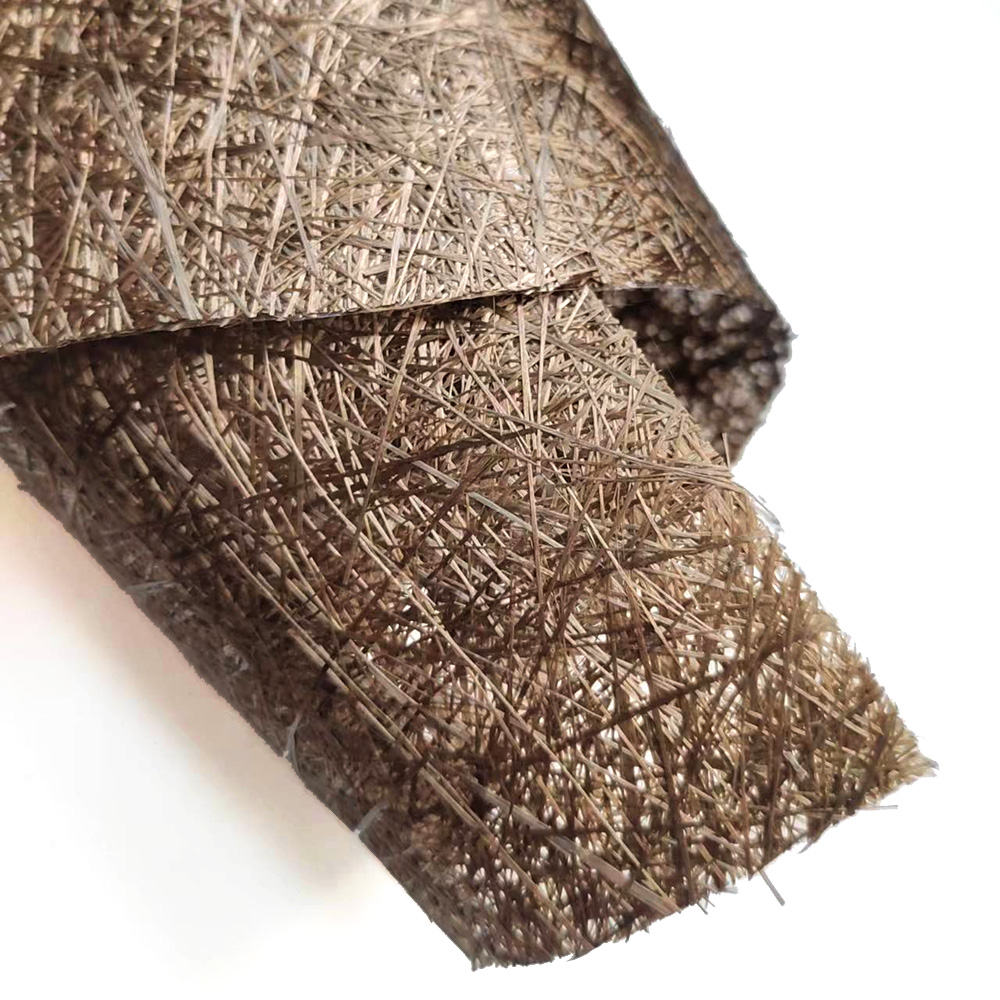
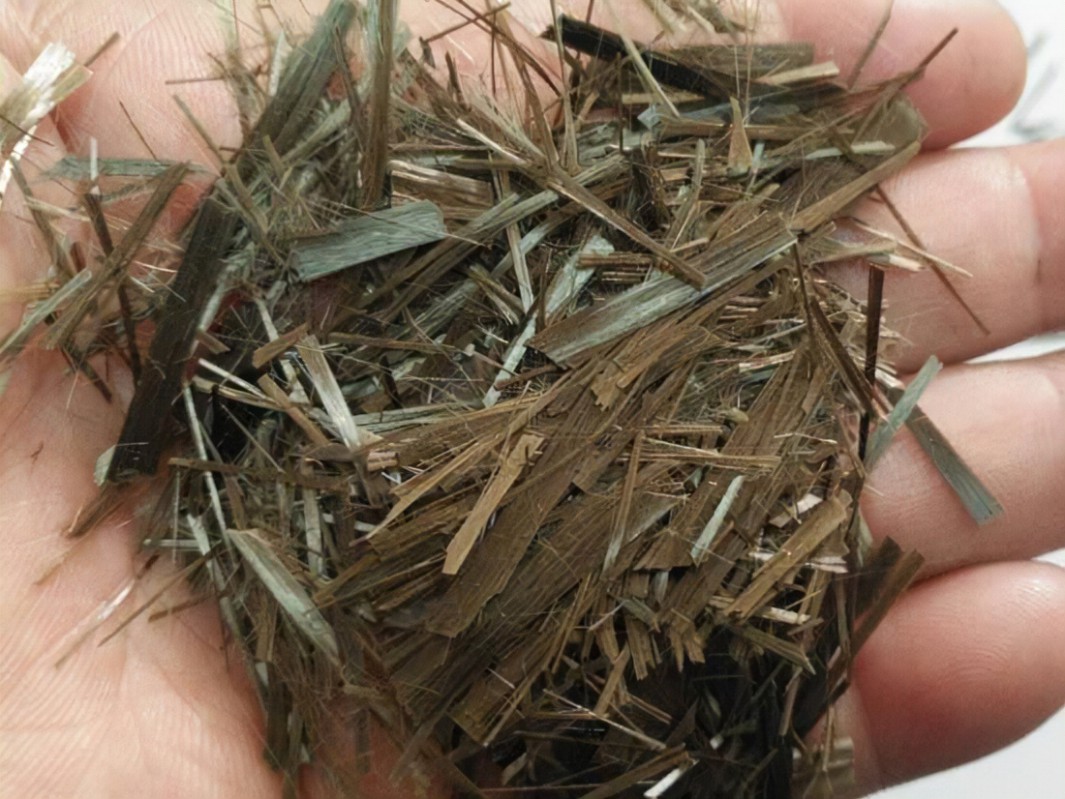
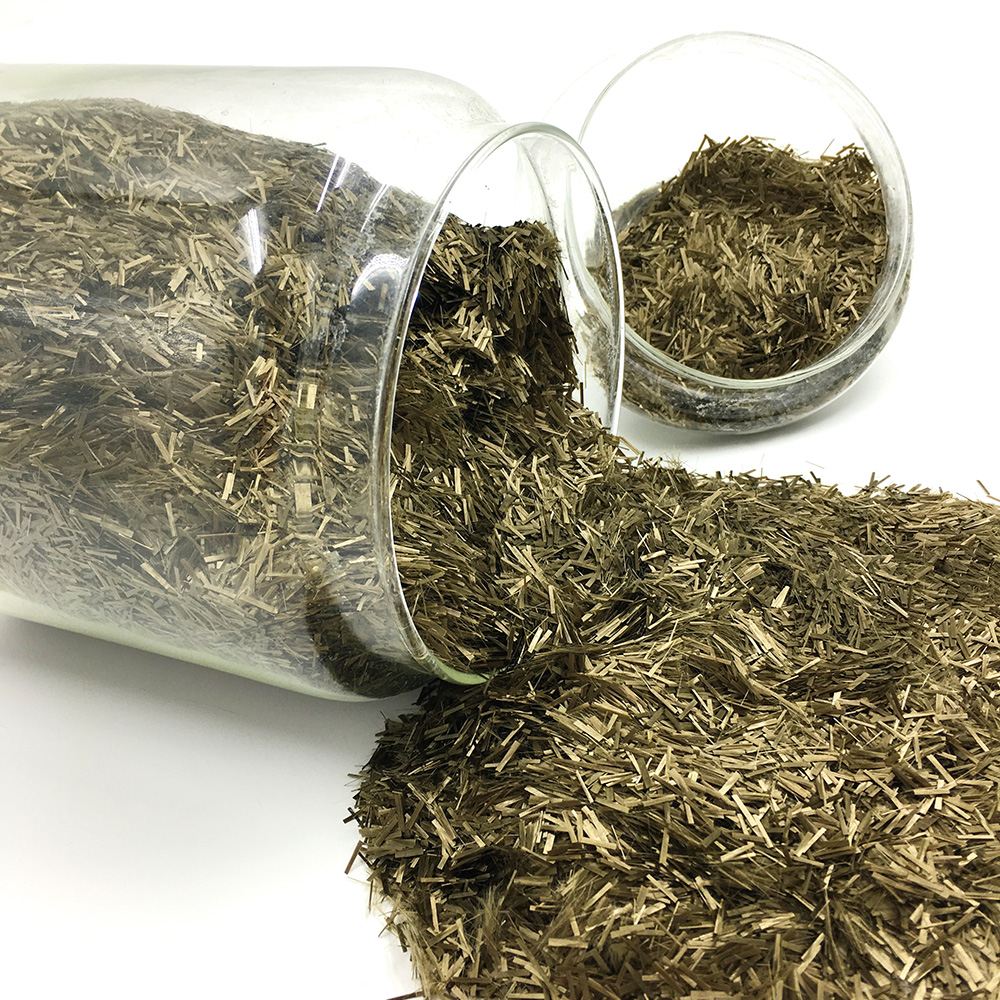
Basalt fiber chopped strands are short lengths of basalt fiber. These fibers are made from volcanic rock. The process involves melting the rock and extruding it into fibers. Once cooled, these fibers are cut into strands, varying in length. Their unique properties make them suitable for various applications.
Using basalt fiber chopped strands has several benefits. For one, they offer excellent tensile strength. This means they can withstand significant stress without breaking. Additionally, they are resistant to heat and corrosion. This makes them ideal for tough environments. The strands can be easily integrated into various matrices. This allows for the production of composites that are lightweight yet strong.
However, using basalt fibers isn't without challenges. The production process can be costly. Not all manufacturers specialize in this technology. Additionally, while basalt fibers are more sustainable than some alternatives, they still require energy to produce. There's a need for ongoing research to optimize their use. This includes exploring new applications and improving methods for production.
Chemical Composition and Manufacturing Process of Basalt Fibers
Basalt fibers are made from volcanic rock. This natural material undergoes a meticulous manufacturing process. The process begins with the melting of basalt stones at high temperatures. The molten rock transforms into fibers through a process called fiber drawing. These fibers can be chopped into shorter strands for various applications.
The chemical composition of basalt fibers contributes to their unique properties. Basalt fibers primarily consist of silica, aluminum oxide, and iron oxide. This blend enhances their strength and durability. The fibers resist chemicals and high temperatures. They provide excellent mechanical performance in many settings, including construction, automotive, and aerospace. However, some challenges exist in the production process. The uniformity of fiber diameter is sometimes hard to achieve, affecting performance.
Basalt fiber chopped strands properties make them suitable for diverse uses. Their lightweight nature and high tensile strength come in handy for reinforcing materials. Moreover, they are eco-friendly and sustainable. Some manufacturing methods still need improvement to ensure consistency. However, the benefits of using basalt fibers are undeniable. They open new doors for innovation in various industries.
Key Mechanical Properties of Basalt Fiber Chopped Strands
Basalt fiber chopped strands offer unique mechanical properties that set them apart in various applications. These strands possess excellent tensile strength, typically around 400 MPa, which is significantly higher than traditional glass fibers. In addition, they display impressive thermal resistance, capable of withstanding temperatures above 750°C. These characteristics make basalt fiber ideal for high-stress environments, such as automotive and aerospace industries.
The flexural strength of basalt fiber chopped strands averages about 600 MPa, providing stability in composite materials. This aids in minimizing material fatigue over time. According to industry reports, basalt fiber composites can enhance durability by up to 30% compared to standard reinforcement options. Moreover, the weight-to-strength ratio is favorable, making these materials lighter without compromising on performance.
Despite these advantages, some challenges remain. Sourcing basalt fiber chopped strands is not as widespread as other materials, which can lead to inconsistent quality from suppliers. Buyers should carefully assess Basalt fiber chopped strands suppliers for reliability. Additionally, the cost of production can be higher, affecting overall project budgets. Understanding these nuances is critical for making informed decisions in material selection.
Comparative Analysis: Basalt Fiber vs. Other Fiber Types
Basalt fiber is gaining traction in the material science field, particularly in composite applications. When compared to traditional fibers like glass and carbon, basalt exhibits remarkable advantages. Studies reveal that basalt fibers can withstand temperatures up to 800°C. In contrast, glass fibers generally top out around 600°C. This thermal stability makes Chopped basalt fiber strands a superior choice for high-heat environments.
In terms of mechanical properties, basalt fibers show a tensile strength of about 400 MPa, while glass fibers are often lower, around 200 MPa. As composite materials are utilized more frequently, the choice of fiber matters significantly. Basalt fibers are not only strong but also environmentally friendly. They are derived from volcanic rock, requiring less energy to produce than synthetic fibers.
Tips: Consider the application when selecting fibers. Chopped basalt fiber strands may be more beneficial for heat-resistant projects. Always balance cost with performance needs. Remember that while basalt has many advantages, it can also be brittle. Evaluate all aspects when making material choices.
Applications of Basalt Fiber Chopped Strands in Various Industries
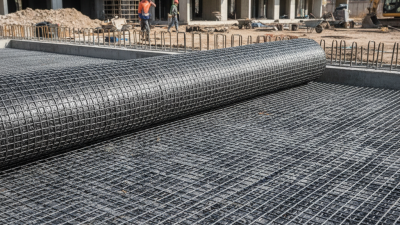
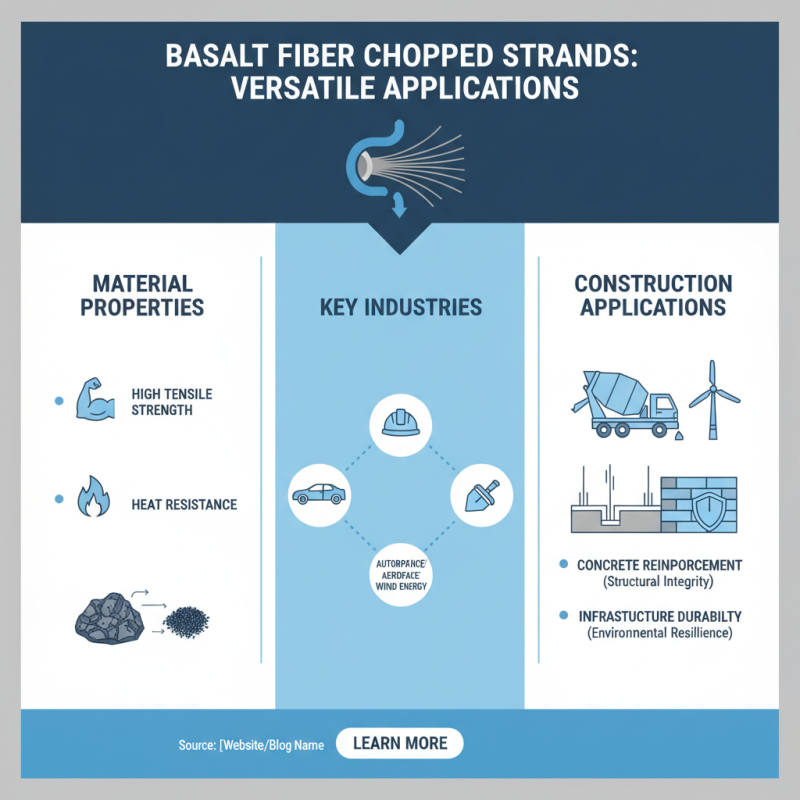
Basalt fiber chopped strands have versatile applications across various industries. These strands are made from basalt rock, offering unique properties such as high tensile strength and resistance to heat. In construction, they enhance the durability of materials. They can be found in concrete mixtures, improving their structural integrity. Chopped strands reinforce structures, making them more resilient to environmental factors.
In the automotive sector, basalt fiber chopped strands are used in composites. They help reduce the weight of vehicles while maintaining strength. This effect boosts fuel efficiency and reduces emissions. In the aerospace industry, using these strands contributes to lighter aircraft designs. This can lead to improved performance and reduced operational costs.
Tips: When considering how to incorporate basalt fiber, think carefully about the intended application. Analyze the environment in which the product will be used. Each industry has unique challenges. If you want to enhance your product's quality, Buy basalt fiber chopped strands. Their adaptability can make a significant difference in performance. Balancing benefits with costs is also crucial. Always reassess whether the investment aligns with long-term goals.
Environmental Benefits of Using Basalt Fiber in Production
Basalt fiber chopped strands are gaining popularity due to their unique properties. These strands are made from volcanic rock. They are naturally abundant and can be used in various applications. One of the more significant advantages lies in their environmental benefits.
Using basalt fiber in production reduces environmental impact. Unlike synthetic fibers, basalt fibers do not rely on petroleum-based resources. This means lower carbon emissions during production. Basalt fibers are also recyclable. They can be repurposed at the end of their life cycle. This encourages a circular economy approach, which is more sustainable overall.
Furthermore, basalt fibers are non-toxic. This makes them safer for both humans and the environment. They can withstand high temperatures, providing durability without harmful byproducts. However, the production process still requires energy. The industry needs to focus on renewable energy sources to further minimize ecological footprints. Overall, basalt fibers present a promising alternative with numerous environmental benefits.
What are Basalt Fiber Chopped Strands and Their Benefits?
| Property | Value |
| Density | 2.7 g/cm³ |
| Tensile Strength | 4000 MPa |
| Thermal Resistance | Up to 800°C |
| Chemical Resistance | Excellent |
| Environmental Impact | Low; made from natural volcanic rock |
| Applications | Construction, automotive, aerospace |
| Benefits | High strength-to-weight ratio, eco-friendly, cost-effective |
Market Trends and Future Outlook for Basalt Fiber Products
Basalt fiber products are gaining traction in various industries. Their unique properties, like high strength and thermal stability, make them attractive for construction and automotive applications. As more companies explore sustainable options, basalt fibers stand out due to their natural origin.
Currently, the market is witnessing innovative trends. There’s a growing demand in infrastructure projects where durability is key. Engineers often prefer basalt for its resilience to corrosive environments. This shift reflects a broader trend toward sustainability, as many seek eco-friendly alternatives to traditional fibers. Yet, the price point remains a challenge.
Despite the positives, there are hurdles to overcome. Many manufacturers are still unfamiliar with basalt's potential. Research and development are crucial to unlocking new applications. Education within the industry is lacking. As companies become more aware of basalt fiber’s benefits, they could reshape their strategies. The future outlook is promising, but efforts are needed to bridge existing gaps.
FAQS
: Clear goals are essential. A well-defined team structure helps too. Communication must be consistent. Resources must be available.
Schedule regular check-ins. Use collaborative tools for updates. Encourage open feedback. Limit distractions during discussions.
Address issues promptly. Listen to all parties involved. Focus on solutions rather than assigning blame. Seek compromise.
Use specific metrics or KPIs. Compare outcomes to goals. Seek team feedback after completion. Analyze both successes and failures.
Scope creep can derail timelines. Lack of resources often causes delays. Miscommunication can lead to misunderstandings. Adapting to changes is hard.
Recognize individual achievements regularly. Set challenging but attainable goals. Create a positive team culture. Foster collaboration over competition.
Conclusion
Basalt Fiber Chopped Strands are innovative materials derived from volcanic rock, offering a range of beneficial properties for various industrial applications. The unique chemical composition and manufacturing process of basalt fibers contribute to their excellent mechanical properties, such as high tensile strength and durability. A comparative analysis reveals that basalt fibers outperform many other fiber types in terms of thermal stability and resistance to chemical degradation.
The applications of Basalt Fiber Chopped Strands span across industries, including construction, automotive, and aerospace, showcasing their versatility and effectiveness. Additionally, the environmental benefits of using basalt fibers, such as lower energy consumption during production and recyclability, highlight their sustainability. As market trends indicate a growing demand for eco-friendly materials, the future outlook for basalt fiber products appears promising, positioning them as a key player in advancing material science and engineering practices.