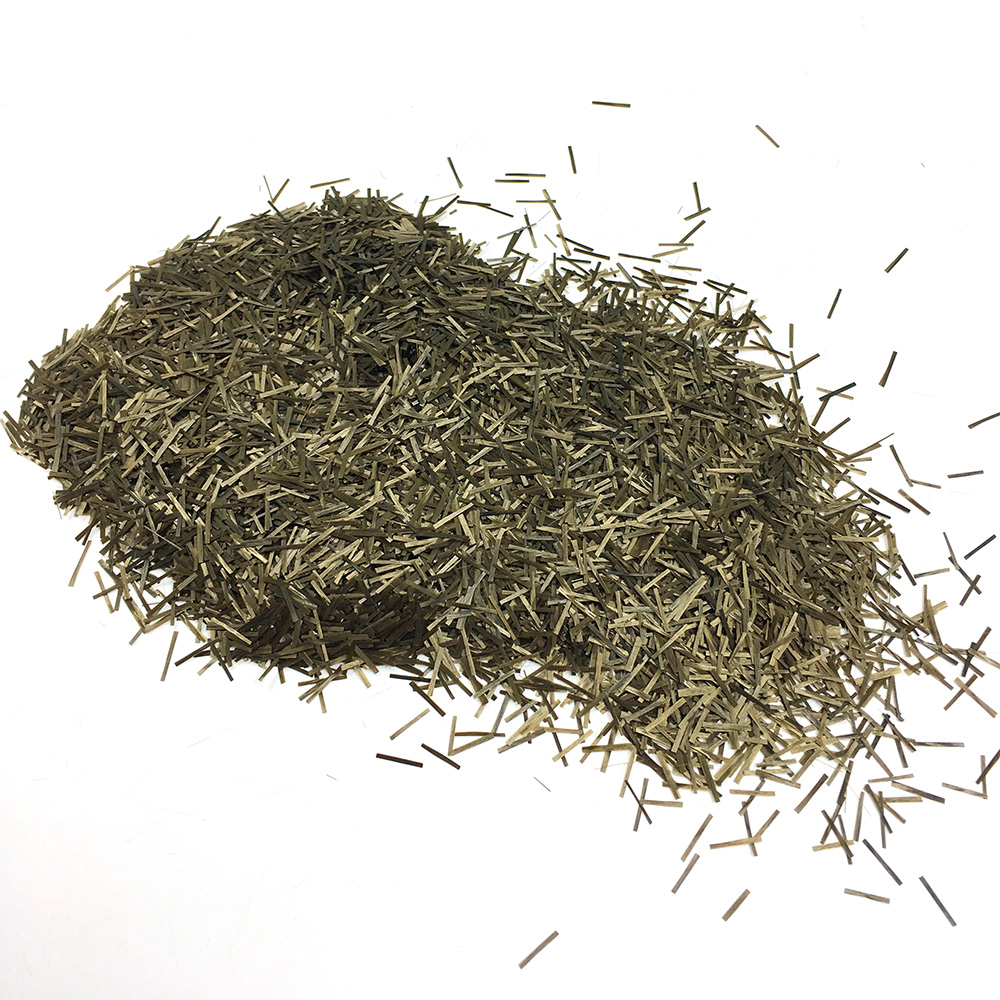
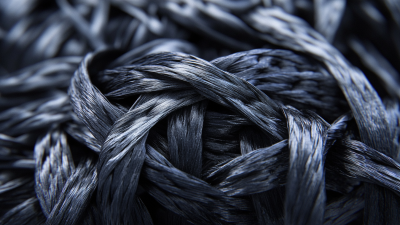
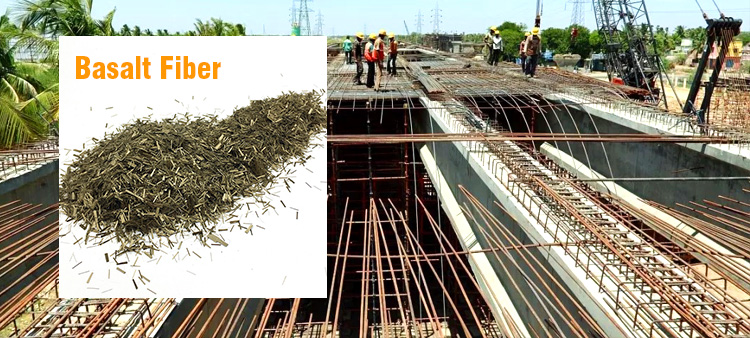
You know, as modern manufacturing keeps evolving, there's a real buzz around new materials that can boost both performance and sustainability. One standout recently is Basalt Fiber Chopped Strands—it’s honestly a bit of a game-changer. These tiny fibers have some pretty cool perks, like high thermal resistance, being Lightweight, and even helping out our planet. I read a recent industry report that predicts the global market for basalt fibers is gonna grow pretty rapidly—more than 10% annually between 2021 and 2026. That’s mainly because they’re being used more and more in construction, cars, and even aerospace stuff. And China Beihai Fiberglass, the company out of Beihai, is really leading the charge here. They focus on high-performance basalt continuous fibers and the equipment to make them. Thanks to their heavy investment in R&D, they’re recognized as one of the top players in China’s basalt fiber scene, helping push these strands into all sorts of modern manufacturing processes. It’s pretty exciting to see how this all unfolds, honestly.
What is Basalt Fiber and How Does It Work in Manufacturing?
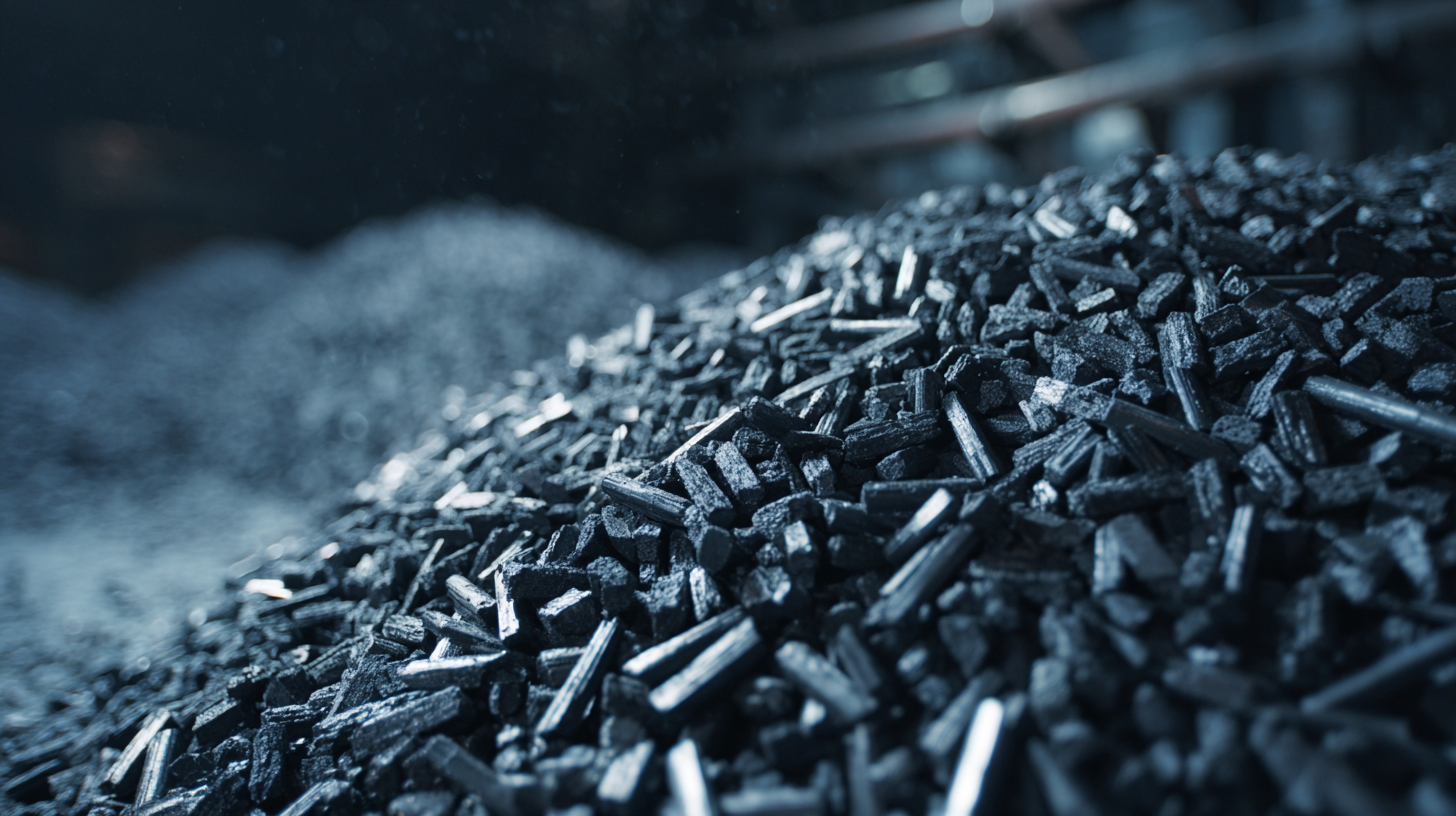
Basalt fiber is pretty impressive stuff—it’s a high-performance material made from volcanic rock, and it’s known for its incredible strength and ability to resist heat. When you process it into chopped strands, it really boosts various manufacturing processes. These strands are super easy to mix into different composite materials, and they give you better strength and durability compared to the usual fibers like glass or carbon. Because of that, basalt fiber is becoming a popular choice across industries, from automotive to construction and more.
What makes basalt fiber stand out is its resistance to chemicals and high temperatures – basically, it can handle pretty harsh conditions without breaking down. That means products made with it tend to last longer and need less maintenance. Plus, it’s light, which helps with energy efficiency; lighter parts mean better fuel economy, especially in vehicles. All in all, chopped basalt fibers are a pretty smart option for modern manufacturing, helping push innovation and sustainability forward in a bunch of fields.
Key Advantages of Using Basalt Fiber Chopped Strands in Modern Applications
You know, basalt fiber chopped strands are really gaining attention these days because of how versatile and beneficial they are in modern manufacturing. Unlike the usual composite materials, basalt fibers bring some pretty impressive mechanical strength and resist heat really well. Recent research shows that their tensile strength can go up to about 800 MPa, making them a strong, reliable alternative—especially in sectors like auto manufacturing. The cool part? Because they have a great strength-to-weight ratio, manufacturers can make lighter yet durable parts, which means better fuel efficiency and overall performance in vehicles.
And here’s another thing – basalt fibers are super resistant to chemicals and environmental wear and tear. That means products made with them tend to last longer, even when exposed to tough conditions—perfect for automotive parts that often face harsh environments. Using basalt fibers in composites doesn’t just cut down the weight of vehicles, but it also helps lower carbon emissions, aligning well with the push for greener tech. Some recent reviews have pointed out that switching to advanced composites, including basalt fibers, can really slash manufacturing costs while boosting how well auto parts perform over their lifespan. All in all, with all these perks, basalt fiber chopped strands are well on their way to really changing the game in manufacturing today.
Understanding the Benefits of Basalt Fiber Chopped Strands for Modern Manufacturing
| Benefits | Description | Applications |
| High Strength | Basalt fiber offers superior tensile strength compared to traditional fibers. | Construction, Automotive, Marine |
| Temperature Resistance | It can withstand high temperatures without degradation. | Aerospace, Fireproof Materials |
| Corrosion Resistance | Resistant to chemical attacks, enhancing durability. | Infrastructure, Chemical Processing |
| Lightweight | Lighter than steel while maintaining strength, reducing overall weight. | Transportation, Composite Materials |
| Eco-Friendly | Made from natural volcanic rock, minimizing environmental impact. | Sustainability Projects, Green Building |
Comparing Basalt Fiber to Other Fiber Reinforcement Materials
In today's world of modern manufacturing, choosing the right reinforcement materials really makes a big difference in how products perform and their sustainability. You’ve probably heard of basalt fiber, which comes from volcanic rock — it’s actually turning into quite the popular alternative to the usual glass and carbon fibers. I was reading a recent market report, and it looks like the global basalt fiber market is expected to hit around $250 million by 2026. That’s mostly because it offers better thermal resistance and strong mechanical features. Plus, with tensile strength that's pretty much on par with carbon fiber but with a smaller environmental impact, basalt fiber is making waves in everything from car parts to building supplies.
When you start comparing basalt fiber to other reinforcement options, the perks become pretty clear. For example, unlike glass fibers, basalt doesn’t soak up moisture easily, which means it lasts longer and performs better in tough conditions. Not only that, but it’s highly resistant to corrosion caused by chemicals — making it a real game-changer for industries like petrochemicals. In fact, a recent survey found that more than 60% of manufacturers saw improved performance when they added basalt fiber to their products. That’s a pretty strong sign it’s gaining traction as a solid, environmentally-friendly alternative.
**Tip:** When you’re picking out reinforcement materials, think about what your project needs — things like temperature extremes or chemical exposure. Basalt fiber could be just what you need if you’re looking for high performance without hurting the environment. And don’t forget to check out the technical datasheets to really get what makes basalt fiber stand out from the traditional options. Oh, and keep processing techniques in mind — in many cases, working with basalt fiber can mean shorter production times and less waste, which is always a bonus.
Understanding the Benefits of Basalt Fiber Chopped Strands in Modern Manufacturing
Sustainability Aspects of Basalt Fiber in Manufacturing Processes
Lately, basalt fiber has really been making waves as a cool, sustainable alternative in modern manufacturing — especially in construction. You know, its eco-friendly perks are gaining more and more attention as companies start ditching the old-school materials. There are some pretty exciting innovations too, like automated 3D basalt fiber production, which not only cuts down CO₂ emissions but also boosts manufacturing efficiency. Plus, research shows that concrete reinforced with basalt fiber isn't just stronger and more durable; it also jives well with eco-friendly life cycle assessments, making it a smart choice for those who care about the planet.
If you're thinking about materials for your next project, it's definitely worth considering options that give you both strength and sustainability. Basalt fiber, for example, is lightweight yet tough, and it leaves a much smaller carbon footprint compared to steel — pretty impressive, right?
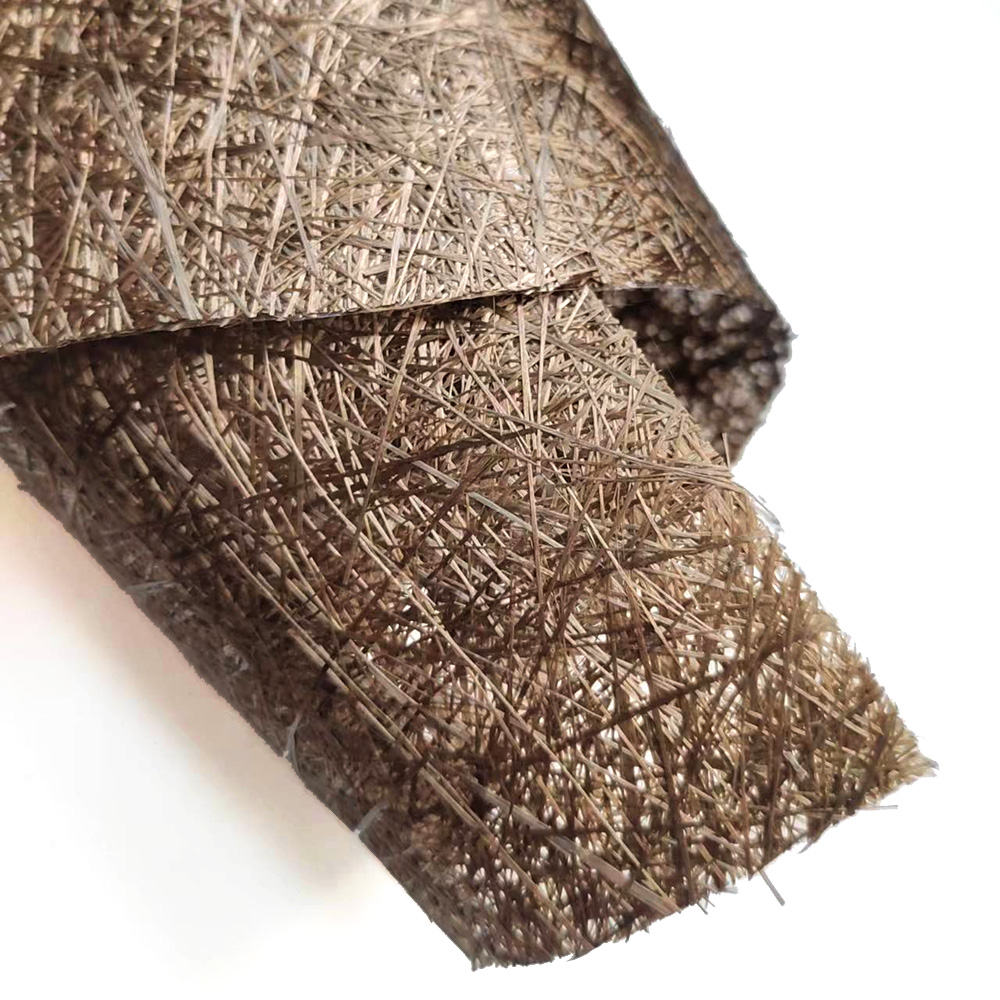
And the versatility doesn’t stop there. People are also developing eco-friendly air filters using nonwoven basalt fiber, showing just how adaptable this material can be. By exploring all these cool uses, manufacturers can tackle some major environmental issues while still delivering top-notch products.
So, really, it’s worth keeping an eye on basalt fiber across different industries. Investing in innovative, eco-conscious materials opens up fresh opportunities—helping the environment and making good business sense at the same time.
Applications of Basalt Fiber Chopped Strands Across Various Industries
You know, basalt fiber chopped strands are really making waves as a versatile reinforcement material across different industries—think automotive, construction, and even aerospace. I read somewhere that the global market for basalt fibers is expected to hit around $200 million by 2025, mainly because there's a growing demand for high-performance materials. In the automotive world, you’ll find basalt fibers being used to boost the strength-to-weight ratio of various parts. This not only helps improve fuel efficiency but also cuts down on emissions. Plus, because basalt fibers are lightweight and handle heat so well, they're perfect for high-temperature automotive applications.
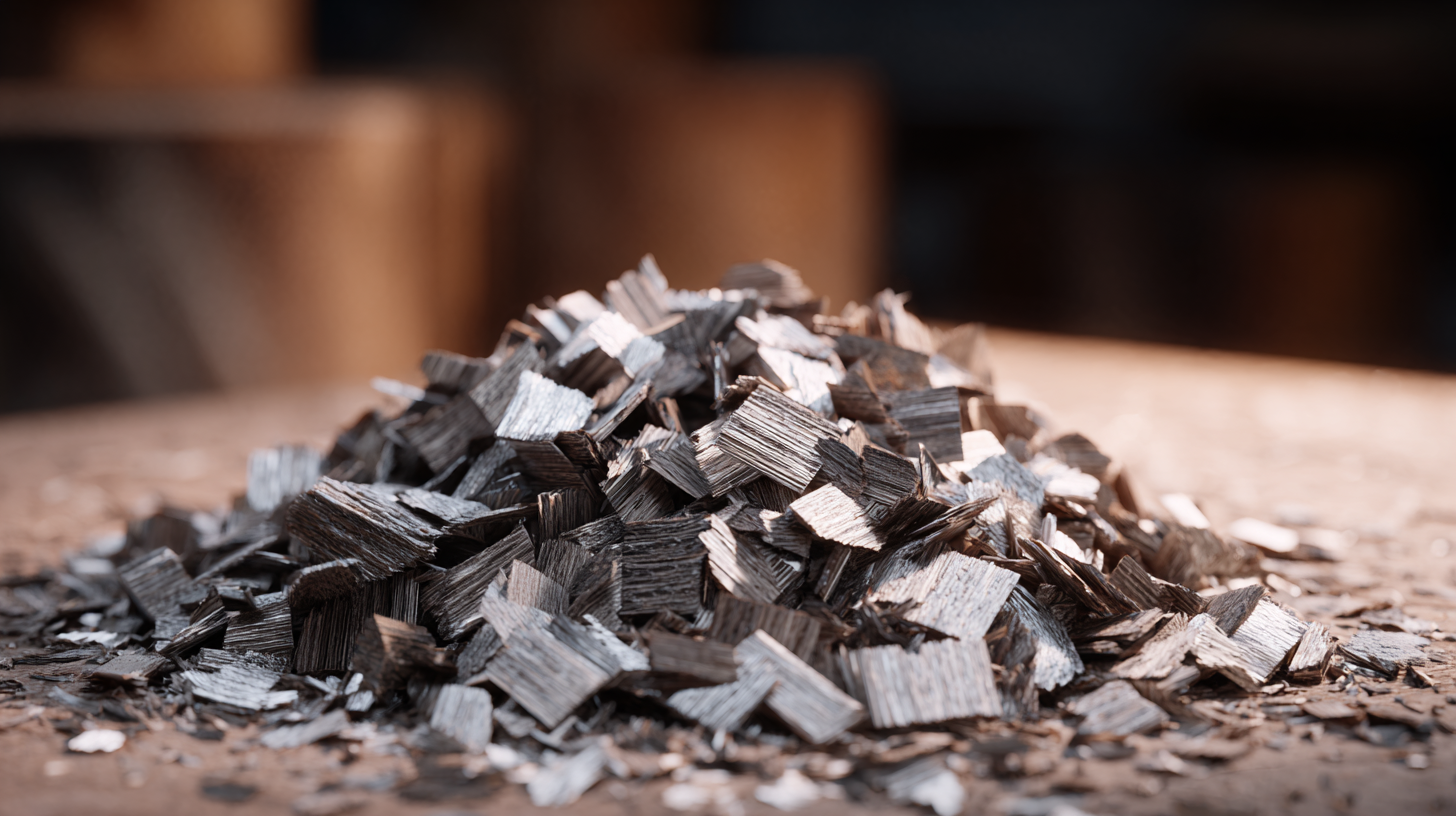
When it comes to construction, these basalt fiber chopped strands are definitely gaining popularity, thanks to their durability and ability to resist environmental damage—kind of outperforming the traditional glass fibers we used to rely on. Some studies suggest that reinforced concrete with basalt fibers can see about a 30% boost in tensile strength, which also means lower maintenance costs over time. And in aerospace? Well, they love these fibers for their fire-resistant properties, meeting strict safety standards without sacrificing performance. All in all, the variety of ways basalt fibers are being used really shows how they could totally change the game—offering sustainable and more efficient options across the board.
Harnessing the Power of Unidirectional Basalt Fiber Cloth for Enhanced Fireproofing Solutions
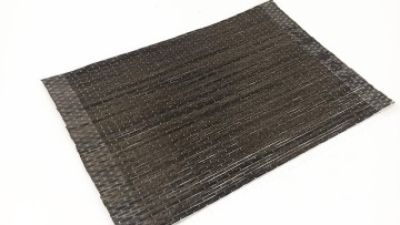
Unidirectional Basalt Fiber Cloth is rapidly becoming a cornerstone in the realm of fireproofing solutions, thanks to its unique structural properties. Unlike conventional fabrics, this advanced material is engineered with fibers aligned predominantly in one direction, enhancing its mechanical performance where it matters the most. The integration of a minimal amount of low-strength yarn or binder ensures that the fabric remains lightweight while optimizing its strength and modulus in the warp direction. This specific orientation not only fortifies the material but also offers exceptional resistance to high temperatures, making it an excellent choice for applications that demand reliable fire resistance.
Incorporating Unidirectional Basalt Fiber Fabric into fireproofing solutions allows for increased durability and performance. The fiber's inherent corrosion resistance coupled with its high strength-to-weight ratio makes it ideal for a variety of composite structures, especially in environments prone to extreme heat or fire hazards. This innovative material provides enhanced safety without compromising on structural integrity, which is crucial in industries such as construction, automotive, and aerospace. As we harness the power of this remarkable fabric, we pave the way for safer, more resilient fireproofing solutions that meet the evolving demands of modern applications.
FAQS
: Basalt fiber is a high-performance material derived from basalt rock, known for its excellent mechanical properties and thermal resistance.
Basalt fiber offers exceptional mechanical properties, thermal resistance, resistance to chemical corrosion, and a lightweight nature, making products longer-lasting and more energy-efficient.
Basalt fiber has a tensile strength comparable to that of carbon fiber but a lower environmental footprint and does not absorb moisture like glass fibers, enhancing durability in harsh conditions.
Basalt fiber is used in various industries, including automotive and construction, due to its strength, durability, and ability to improve fuel efficiency and performance.
The use of basalt fiber contributes to reduced carbon emissions and lower manufacturing costs while enhancing the lifecycle performance of products.
Yes, basalt fiber exhibits superior resistance to high temperatures and chemical corrosion, making it suitable for use in harsh environments, especially in automotive applications.
The global basalt fiber market is projected to reach $250 million by 2026, driven by its superior properties and growing acceptance as an alternative to traditional reinforcement materials.
The lightweight nature of basalt fiber allows manufacturers to create lighter components that contribute to improved fuel efficiency in vehicles.
Manufacturers should evaluate the specific thermal and chemical exposure requirements of their applications and consult technical datasheets to understand the benefits of basalt fiber.
Incorporating basalt fiber can often allow for shorter production cycles and less waste, improving overall manufacturing efficiency.
Conclusion
In today's world of manufacturing, basalt fiber chopped strands are really making waves. They've become a pretty big deal lately because of their unique qualities and how versatile they are. Basically, this stuff is made from volcanic rock, and it packs a punch with super strong mechanical properties, great heat resistance, and stability against chemicals. It’s honestly a fantastic option for reinforcing materials used in all kinds of industries. Compared to older fiber reinforcement options, basalt fiber chopped strands not only deliver better performance but also support more sustainable manufacturing. So, it’s a win-win all around.
On the scene, China Beihai Fiberglass Co., Ltd. is leading the charge. They specialize in researching and producing high-performance basalt continuous fiber, and their dedication to innovation really puts them ahead in the domestic basalt fiber industry. What’s exciting is how broad the potential applications are—from construction projects to aerospace—especially since people are on the lookout for more sustainable and efficient materials these days.