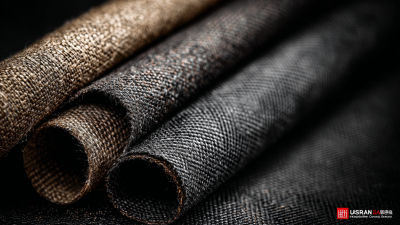
You know, over the last few years, there's been a big surge in the demand for high-performance materials across different industries. It's pretty exciting to see how that has led to some cool innovations, like Basalt Fiber Chopped Strands. This material, which comes from volcanic basalt rock, really packs a punch with its incredible strength and durability. Plus, it's resistant to corrosion, making it a fantastic choice for construction, Aerospace, and automotive applications. According to some recent market research, the global basalt fiber market is expected to hit around $400 million by 2025. And let's be real, there's this growing push towards sustainable and eco-friendly materials that’s driving all this interest. At the forefront of all this buzz is China Beihai Fiberglass Co., Ltd. They’re leading the charge in researching, developing, and producing basalt continuous fiber and the tech that goes along with it. As a high-tech company, Beihai is all about delivering top-notch Basalt Fiber Chopped Strands. They're really stepping up to meet the rising demands from manufacturers all over the globe for superior and reliable materials.
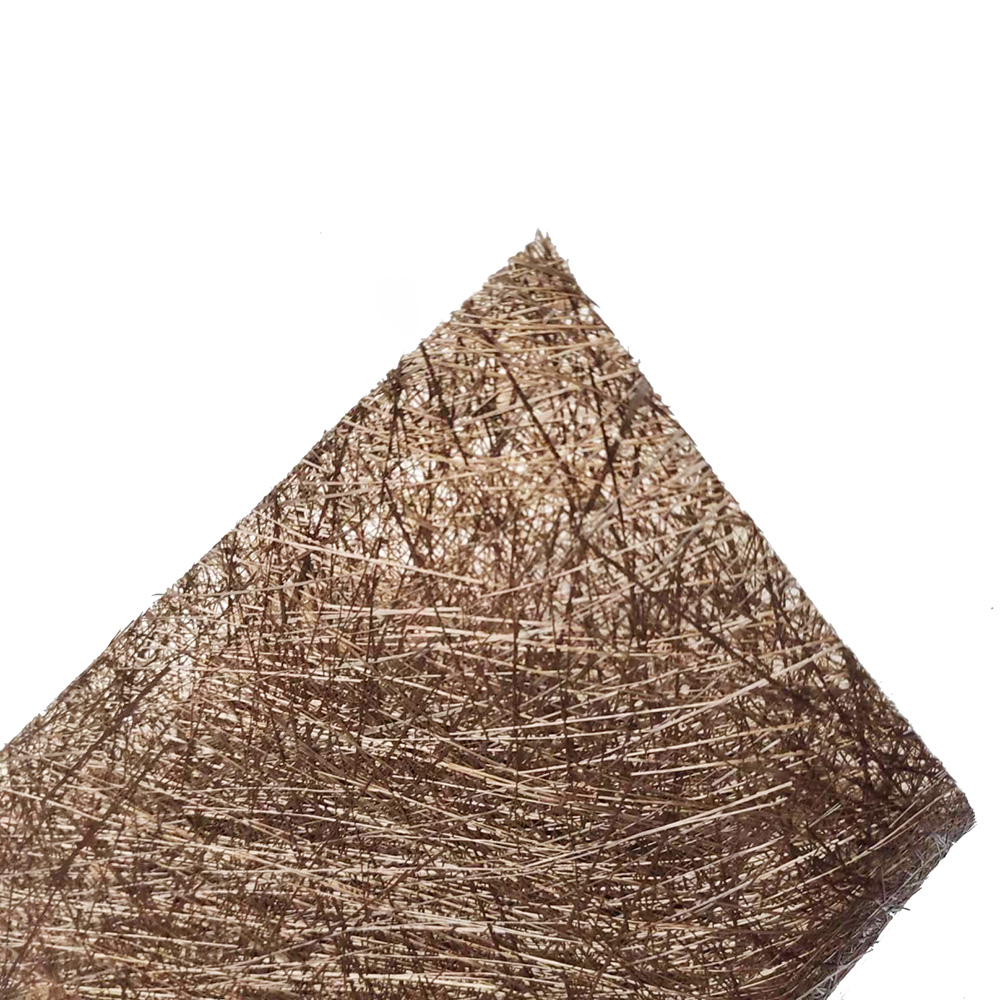
Key Properties of Basalt Fiber Chopped Strands: Understanding Tensile Strength and Modulus
When it comes to finding the best basalt fiber chopped strands around the globe, it’s super important to really get a grip on what makes these materials tick—especially their tensile strength and modulus. So, here’s the deal: basalt fibers boast some seriously impressive tensile strength, typically between 3000 and 4000 MPa. That's way stronger than your average Glass Fibers! In fact, a report from the Global Basalt Fiber Market Analysis 2023 highlights that these unique fibers can handle higher temperatures and resist corrosion. This makes them pretty much perfect for all sorts of industrial uses, from automotive parts to construction projects.
Now, let's talk about the modulus of elasticity—another key factor that makes basalt fibers so effective in structural settings. They show a modulus that ranges from 70 to 90 GPa, which offers some next-level rigidity compared to other types of fibers. This rigidity is crucial for keeping materials in shape and intact when they're under stress. And there’s this study featured in the Journal of Materials Science and Engineering that underlines how the combination of a high modulus and the lightweight nature of basalt fibers really amps up performance in composite materials. It’s truly pushing the boundaries in materials engineering and opening up cool possibilities across various sectors.
Ultimate Checklist for Sourcing the Best Basalt Fiber Chopped Strands Globally
| Property | Value | Unit |
| Tensile Strength | 4000 | MPa |
| Tensile Modulus | 100 GPa | GPa |
| Density | 2.6 | g/cm³ |
| Elongation at Break | 2.5 | % |
| Thermal Conductivity | 0.8 | W/m·K |
| Water Absorption | 0.1 | % |
| Chemical Resistance | Excellent | - |
Evaluating Thermal Stability: How Basalt Fiber Performs Under Extreme Conditions
So, when you're looking for basalt fiber chopped strands, one of the key things you really need to pay attention to is their thermal stability—especially if they'll be in some pretty extreme situations. Basalt fiber comes from volcanic rock, which is pretty cool because it’s got this amazing resistance to high temperatures, usually hanging out between 800°C and 1000°C. This heat resistance is what makes it such a great fit for industries like aerospace, automotive, and construction, where materials need to handle thermal stress without falling apart.
Now, when it comes to testing how thermally stable basalt fiber is, it’s all about seeing how the material holds up when exposed to those higher temps for a long time. What's neat is that unlike regular glass or carbon fibers, basalt fibers can actually keep their strength and flexibility even when things heat up. This means there’s a much lower chance of something major failing when it really counts.
So, when you're checking out different suppliers for basalt fiber chopped strands, make sure to look for products that come with solid thermal performance data. It’s not just about trusting the material—it’s also about making sure it meets industry standards and keeps things safe for whatever you’re building or using it for.
Comparative Analysis of Basalt Fiber versus Glass Fiber Chopped Strands: Cost and Performance Metrics
So, when you think about materials for construction and engineering, basalt fiber chopped strands are really starting to stand out as a great alternative to the typical glass fiber. You know, basalt fiber has this amazing strength-to-weight ratio that can actually match or even outperform glass fiber, which makes it a really appealing option for manufacturers. This strength, plus its lightweight character, really boosts energy efficiency in buildings. It can help cut down on both transportation costs and the amount of material needed when building.
On top of that, if you look into the details, you'll find that basalt fiber usually beats glass fiber when it comes to durability and how well it withstands environmental wear and tear. Sure, the upfront costs for basalt fiber might be a bit higher, but when you consider its long-term benefits—like lower maintenance needs and better structural integrity—many find that it’s worth the extra bucks. As more industries chase after sustainable and robust materials, it looks like the demand for basalt fiber is going to keep rising, possibly making it the go-to choice over glass fiber in a bunch of different applications.
Comparative Analysis of Basalt Fiber vs Glass Fiber Chopped Strands
Sourcing Considerations: Certifications and Standards for Quality in Basalt Fiber Products
So, when you're on the lookout for basalt fiber chopped strands, you really need to keep a few key things in mind—especially when it comes to certifications and standards. These are super important because they help ensure the products you're getting are top-notch. Get this: a report by Research and Markets predicts that the global basalt fiber market is set to hit a whopping $110 million by 2026! It’s all thanks to the rising demand from industries like automotive, construction, and aerospace. As the market keeps expanding, sticking to international quality standards like ASTM D578 and ISO 13010 becomes even more crucial. These standards lay out the specs for basalt fibers and how they're used.
Now, certifications? They play a massive role in proving just how reliable and high-performing basalt fiber products really are. If a supplier is ISO 9001:2015 compliant, it shows they’re serious about their quality management systems. On top of that, being compliant with ISO 14001 means they care about environmental management too. And let's not forget, products that align with the EN 13706 standard are making sure they meet European norms for durability and safety. By putting certified suppliers at the top of your list, you can seriously cut down on risks and ensure that the basalt fiber materials you’re using meet those tough quality benchmarks—no one wants to compromise on that!
Global Suppliers of Basalt Fiber: A Review of Industry Leaders and Market Trends
You know, the global basalt fiber market has really taken off lately! I mean, according to a report by Grand View Research, we're looking at a compound annual growth rate (CAGR) of about 10.2% from 2021 to 2028. That's pretty impressive, right? This boom seems to be driven by a growing need for high-performance materials across various industries like construction, automotive, and aerospace. It's interesting to see how major players like Basalt Fiber Tech and Kamenny Vek are stepping up, providing some innovative solutions. They really know how to harness the unique benefits of basalt fiber—think high tensile strength and great thermal resistance.
Now, when we dig into the basalt fiber suppliers, it's super important to keep an eye on where this stuff is actually being made. Most of the world's basalt fiber comes from places rich in natural basalt resources, and that mainly includes countries like Russia, China, and the USA. I've read that China's ramping up its production capabilities so much that they contribute to over 45% of the global supply! Can you believe it? This kind of shift definitely shakes things up for sourcing strategies. It's not just about the quality of the products anymore, but also about finding reliable suppliers in an ever-changing market. So, procurement pros really have their work cut out for them!
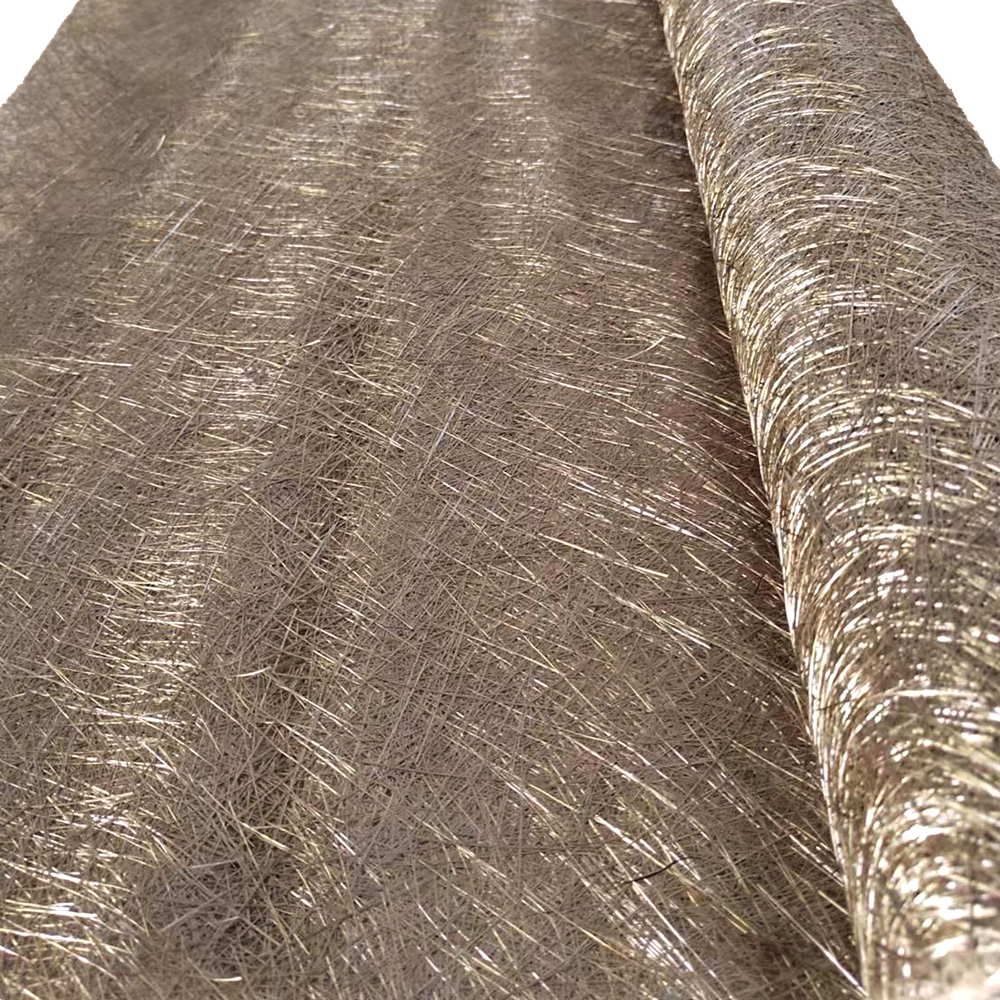
Sustainability in Basalt Fiber Production: Eco-Friendly Benefits and Lifecycle Assessments
You know, as more and more people start caring about sustainable materials, basalt fiber is really stepping up to the plate as a star player in eco-friendly production. This stuff comes from volcanic rock, which is pretty cool if you think about it, and it’s got a manufacturing process that’s super sustainable. I mean, it uses way less energy than your typical fibers, which is a huge plus! And get this: the production generates way lower carbon emissions and waste, making it a much greener choice for a bunch of industries, like construction and automotive.
If we take a closer look at lifecycle assessments, it’s clear that basalt fiber is built to last. That durability helps keep the environmental impact to a minimum over time. Unlike those synthetic fibers we often hear about, basalt fiber is totally inert, meaning it doesn’t let out any nasty stuff into our environment — pretty reassuring, right? Plus, it can handle intense temperatures and all sorts of corrosive conditions, which not only extends the lifespan of products made with it but also cuts down on how often we need to replace things. This ultimately saves resources, which is a win-win. So, when industries opt for basalt fiber, they really can push for sustainability while still getting amazing performance.
FAQS
: The tensile strength of basalt fibers typically ranges between 3000 to 4000 MPa, which is significantly higher than traditional glass fibers.
Basalt fibers are known for their exceptional tensile strength, ability to withstand higher temperatures, and resistance to corrosion, making them ideal for industries like automotive and construction.
Basalt fibers exhibit a modulus of elasticity ranging from 70 to 90 GPa, which provides superior rigidity compared to other fiber types.
The high modulus combined with the lightweight nature of basalt fibers enhances their performance in structural applications and composite materials, maintaining shape and structural integrity under stress.
The global basalt fiber market has experienced significant growth, with projections showing a compound annual growth rate (CAGR) of 10.2% from 2021 to 2028.
Leading suppliers include Basalt Fiber Tech and Kamenny Vek, which offer innovative solutions leveraging basalt fiber's unique properties.
The majority of basalt fiber is produced in countries with abundant natural basalt resources, notably Russia, China, and the USA, with China contributing to over 45% of the global supply.
Procurement professionals must navigate the quality of products and reliability of suppliers, particularly as China's production capabilities have rapidly expanded, changing sourcing strategies in the market.
The demand for basalt fibers is particularly increasing in industries such as construction, automotive, and aerospace due to their high-performance characteristics.