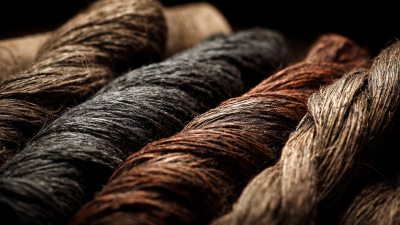
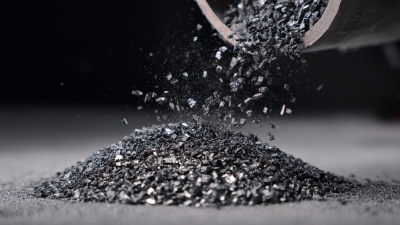
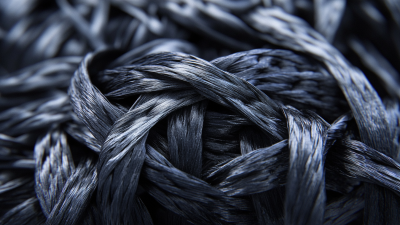
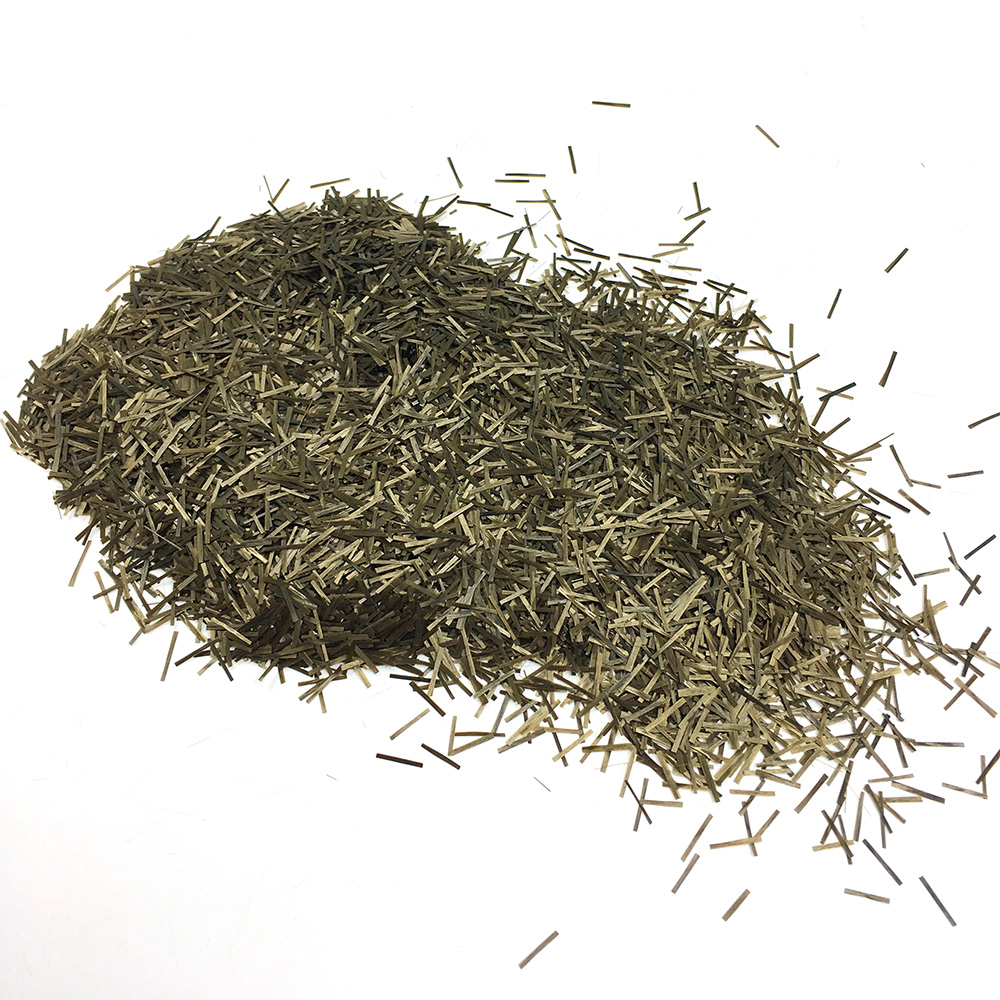
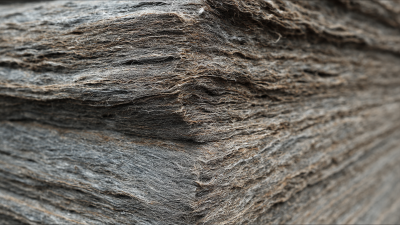
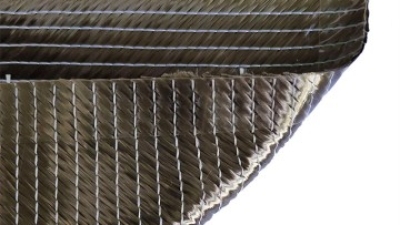
Lately, you've probably noticed that Basalt Fiber Chopped Strands have been getting a lot of attention in the world of composite materials. It’s no wonder, considering their fantastic strength and the fact that they're pretty friendly to the environment. I read somewhere—MarketsandMarkets, I think—that the market for basalt fibers is expected to double from about $310 million in 2020 to roughly $600 million by 2025. That’s a solid growth rate of around 14%. One company that's really making a name for itself is China Beihai Fiberglass Co., Ltd. — they’re pretty much at the forefront of research, development, and production of basalt continuous fibers, which shows just how important this material is becoming in industrial innovation. What’s great about basalt fibers is how lightweight they are, yet super strong, and they can handle extremely high temperatures without breaking a sweat. That makes them perfect for pushing advances in construction, automotive, and even Aerospace industries. This guide is basically here to walk you through how to make the most of these chopped strands in different composite applications—helping improve performance while also being more sustainable overall.
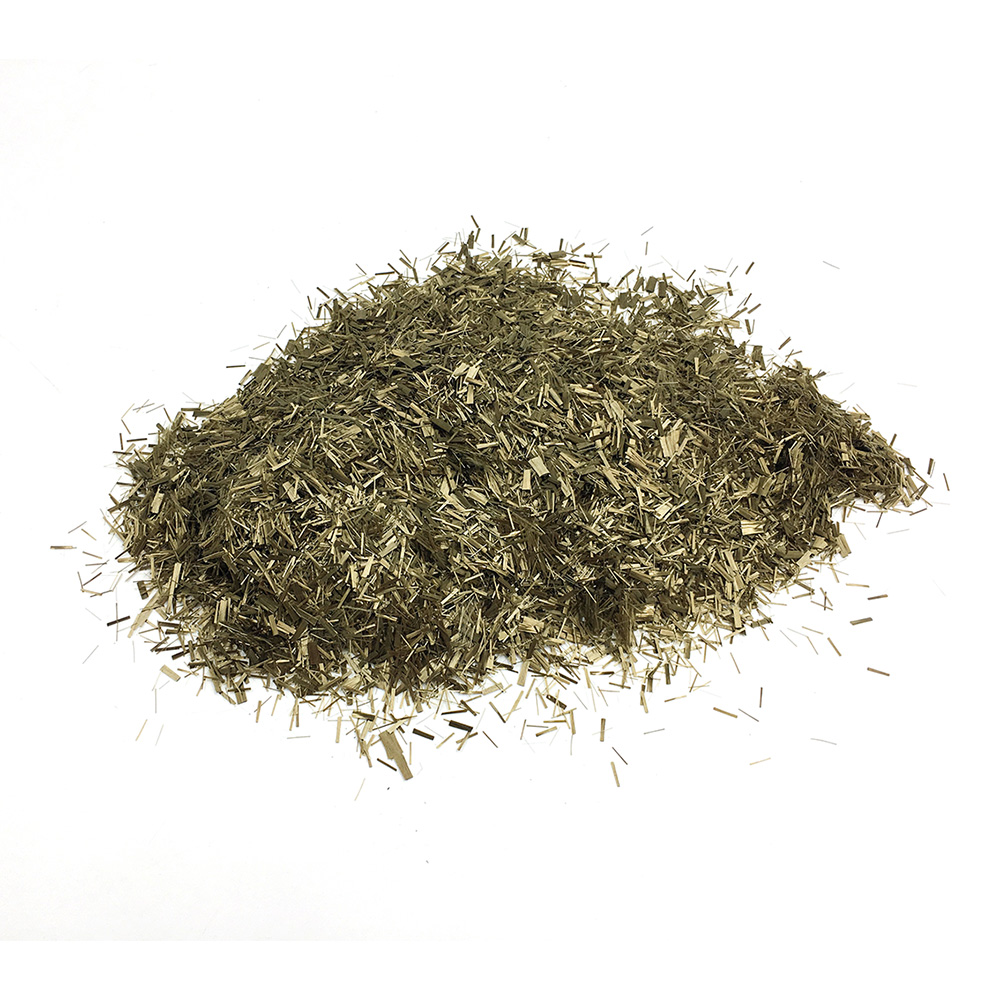
Understanding Basalt Fiber: Properties and Advantages for Composite Use
You know, basalt fiber, which actually comes from volcanic rock, has some pretty impressive qualities that make it a great choice for composite materials. It’s super strong in tension, stable when it comes to heat, and resistant to all sorts of chemicals and environmental wear and tear. Because of those traits, it’s especially useful in tough environments—think construction sites or cars that have to withstand rough conditions. What’s really cool about basalt fiber is that it can keep its shape and strength even under extreme circumstances, which helps make the final product way more Durable and long-lasting.
If you're thinking about adding chopped basalt fiber strands into your composites, here’s a couple of tips I’d recommend: First off, make sure the resin you're using bonds well with the fibers—getting that right helps boost adhesion and overall strength. Picking the right matrix material can really change how the final product turns out, too. And don’t forget about the processing temperature—basalt fibers can lose some of their advantages if things get too hot during manufacturing, so keep an eye on that. Lastly, it’s worth playing around with different fiber lengths and amounts, so you get just the right mix between flexibility and stiffness for whatever project you're working on.
By really understanding and leveraging what basalt fiber has to offer, manufacturers can craft composites that are not just tougher but more efficient. As industries keep pushing for sustainable, high-performing materials, knowing the ins and outs of basalt fiber is super important for driving innovation forward in the world of composites.
Types of Basalt Fiber Chopped Strands and Their Ideal Applications
You know, basalt fiber chopped strands are really gaining popularity in the world of composite materials — and it’s not hard to see why. They’ve got some pretty unique properties that make them stand out. There are actually a few different types of basalt fibers, each suited to specific uses. For example, the continuous basalt fibers are great when you need something super strong, like for automotive parts or construction stuff. They’re durable, resistant to the elements, and really hold up over time, making them perfect for long-term projects.
On the flip side, the short chopped strands are fantastic for boosting the mechanical properties of plastics — whether it’s thermoplastics or thermosets. You’ll often see them used in lightweight components for aerospace or marine applications. The cool thing is, these chopped strands are pretty versatile and easy to mix into different matrices, giving your finished product a noticeable performance boost.
If you really want to get the most out of basalt fiber chopped strands, a few tips can help. First off, make sure you’re dispersing them well in the matrix — nobody wants clumps! Also, tweak the strand length based on what you’re working on; it’s all about the right fit. And don’t forget, pairing basalt fibers with compatible resins can make a big difference in adhesion and overall strength. Choosing the right type of basalt fiber and following these simple strategies can really take your composite materials to the next level.
How to Effectively Use Basalt Fiber Chopped Strands in Composite Materials
| Type of Basalt Fiber Chopped Strands | Length (mm) | Diameter (μm) | Ideal Applications |
| Short Chopped Strands | 6-12 | 10-20 | Lightweight composites, automotive parts |
| Long Chopped Strands | 12-25 | 20-30 | Structural components, aerospace applications |
| Micro Chopped Strands | 3-6 | 5-10 | Panes, decorative elements, textiles |
| Ultra-Fine Chopped Strands | 1-3 | 1-5 | High-performance applications, electronics |
Preparation Techniques for Incorporating Basalt Fiber into Composite Materials
Lately, there's been a lot of buzz around adding basalt fiber into composite materials. Folks are really into it because of its strong mechanical properties and how eco-friendly it is. When you're prepping those basalt fiber chopped strands, getting the right fiber length is a big deal. Usually, shorter strands—think between 3mm and 12mm—spread out better in the mix, which helps with wetting and bonding. A study I came across in the Journal of Composite Materials even showed that using just 10% basalt fiber boosted tensile strength by around 25% compared to the usual glass fiber composites—pretty impressive, right? That just shows how important good fiber preparation is.
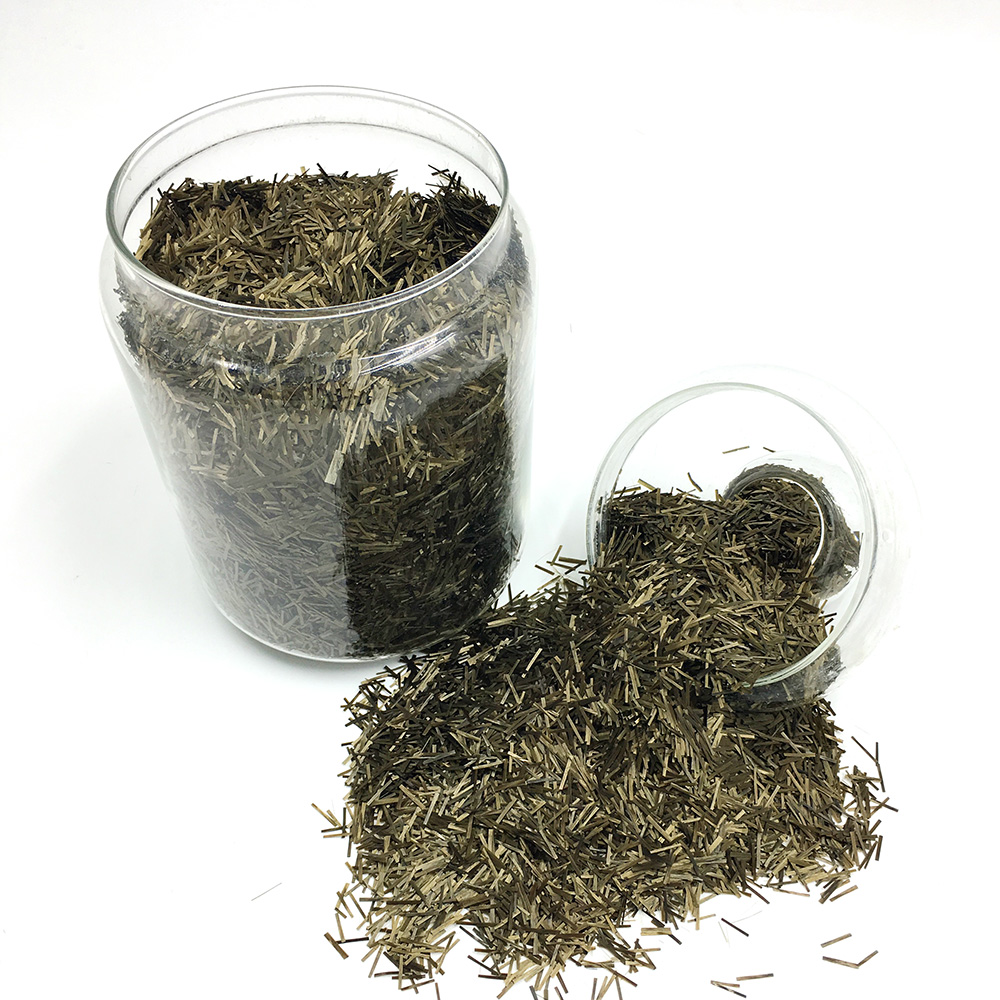
Another thing to keep in mind is what kind of coupling agent you use during mixing. Silane-based ones seem to do a pretty good job at making sure the basalt fibers stick nicely to the polymer. According to research in the journal Composite Structures, using silane treatments can bump up the bonding strength by as much as 40%. Plus, some pre-treatment steps like heating or chemical washes can really improve the fiber’s surface, making the final product way more durable and high-performing. All these little tweaks help make sure you're getting the most out of basalt fiber’s amazing qualities, leading to composites that tick all the right boxes for industry needs.
Best Practices for Mixing Basalt Fiber with Resins and Other Components
When you're working with basalt fiber chopped strands in composite materials, getting the right mix with resins and other ingredients is super important for making sure everything performs well. Recent studies show that basalt fibers can have a tensile strength of up to 700 MPa, which makes them a pretty solid choice if you’re looking to boost the mechanical properties of your composites. When it comes to mixing basalt fibers with resin, a good rule of thumb is to cut the fibers to about 6 to 12 mm long—this helps them spread out evenly throughout the resin matrix and prevents clumping.
Pro tip: Before mixing, it’s a good idea to pre-treat the fibers with a silane coupling agent. This little step can really improve how well the fibers bond with the resin, leading to better load transfer and making your final product more durable.
And, of course, the mixing process should be done carefully under controlled conditions—using a high-shear mixer can make a huge difference in getting a uniform blend. Industry reports suggest that sticking with a ratio of around 30% basalt fiber to 70% resin usually hits the sweet spot—giving you strong mechanical properties without adding unnecessary weight.
Another tip: Don’t be afraid to run some small-scale tests first. Play around with different mixing times and shear rates to see what works best for your specific project. This way, you’ll find the optimal parameters to get the performance you want, all while keeping the process smooth and efficient.
Evaluating the Performance of Basalt Fiber Reinforced Composites
You know, basalt fiber reinforced composites are really catching everyone's eye these days because of their impressive strength and durability. Recent studies have been digging into how these materials perform under different conditions, which is pretty important. For example, when researchers look at how they age in hydrothermal environments, they find that the mechanical properties of these composites—especially those made with continuous basalt fibers in thermoplastics—can change quite a bit over time. That’s a big deal because it affects how reliable these materials are in the long run. If you're in an industry that relies on these composites in tough environments, understanding how they age is actually pretty crucial.
Now, when you're adding basalt fibers into your composites, don’t forget—how well they bond with the surrounding materials, especially under harsh conditions like salty water, alkaline substances, or just wet environments, really matters. Ignoring these factors could compromise the structural integrity of your basalt fiber-reinforced polymers, and nobody wants that.
Quick tips: First, it’s super important to do detailed tests—not just on the mechanical side but also on how environmental factors might affect your material. That way, you get better durability. Second, think about mixing basalt fibers with other stuff, like nano calcium carbonate, to see if you can boost things like compressive strength and overall performance. And finally, keep an eye on the latest research—stuff’s always evolving, and staying updated can really help you make the most of basalt in your projects.
Common Challenges and Solutions When Using Basalt Fiber in Manufacturing
When folks are working on incorporating basalt fiber chopped strands into composite materials, they often bump into a few hiccups that need clever solutions. One of the main concerns is whether basalt fibers play nice with different kinds of resins. Unlike some traditional fibers, basalt demands careful attention to things like temperature and chemical compatibility to make sure everything bonds well and performs as it should. Chatting with resin suppliers and running some thorough tests can really help figure out the best combinations, so engineers can tweak their composites to meet specific mechanical and thermal needs.
Another tricky part is keeping the mechanical properties of these basalt fiber composites intact during the manufacturing process. Whether you're doing extrusion or molding, it’s easy for the fibers to get damaged or lose strength if they’re exposed to too much heat or mechanical stress. To tackle this, it’s a smart move to use advanced processing techniques that limit those stresses. Using specialized equipment with tight control over temperature can really boost the final product’s durability and overall performance. As research and technology keep evolving, the use of basalt fibers in composites is definitely set to grow, offering some pretty cool solutions to the challenges manufacturers face today.
Challenges and Solutions in Using Basalt Fiber Chopped Strands in Composite Manufacturing
Exploring the Benefits of Basalt Fiber Biaxial Fabric: A Deep Dive into the +45°/-45° and 0°/90° Series
Basalt fiber biaxial fabric has emerged as a remarkable material in the realm of advanced composites, offering exceptional mechanical properties for a variety of applications. This innovative fabric, crafted from high-performance basalt fiber untwisted roving knitted with polyester threads, comes in two distinct series: +45°/-45° and 0°/90°. The unique orientation of the fibers in these series plays a crucial role in enhancing the material's strength and durability.
The +45°/-45° series is particularly advantageous for applications where multidirectional load-bearing capabilities are essential, ensuring that the fabric can withstand sheer and tensile forces from various angles. On the other hand, the 0°/90° series is ideal for applications that require robust performance under axial loads. Both configurations allow for greater flexibility in design and application, making basalt fiber biaxial fabric a popular choice in sectors ranging from aerospace to automotive and even civil engineering.
One of the standout features of basalt fiber biaxial fabric is its superior mechanical performance compared to traditional materials. The inherent properties of basalt fiber, such as high tensile strength and excellent thermal resistance, combined with the robust knitting process, result in a fabric that is not only lighter but also more resilient. This makes it an optimal choice for engineers and designers looking to innovate while maintaining structural integrity and safety in their projects.
FAQS
: Basalt fiber strands should typically be cut to an optimal length of 6 to 12 mm for uniform dispersion within the resin matrix.
Pre-treating basalt fibers with a silane coupling agent can significantly enhance the bonding, leading to better load transfer and increased durability of the composite material.
A common fiber-resin ratio is around 30% basalt fiber to 70% resin, which can optimize mechanical properties while reducing weight.
Using a high-shear mixer is recommended to achieve a homogeneous blend, which is essential for consistency in performance.
Factors such as salts, alkaline substances, and water can significantly affect the structural integrity of basalt fiber-reinforced polymer composites and should be assessed.
Collaborating with resin suppliers and conducting thorough material testing can help identify the best combinations to ensure optimal bonding and performance.
Adopting advanced processing techniques that minimize exposure to heat and mechanical stress is essential to maintain the mechanical properties during manufacturing.
Small-scale tests help determine the effectiveness of different mixing times and shear rates, ensuring the best parameters are identified for the specific application.
Incorporating basalt fibers with other materials, such as nano CaCO3, can enhance compressive strength and overall performance.
Hydrothermal aging can significantly change the mechanical properties of continuous basalt fiber-reinforced thermoplastic composites, impacting their long-term reliability.
Conclusion
Adding basalt fiber chopped strands into composite materials really brings a bunch of benefits. For starters, it boosts the mechanical strength and makes the whole thing more durable. But to really get the most out of basalt fiber, you’ve gotta understand what makes it special — that way, you can tailor its use across different fields, like automotive or construction. There are various types of chopped strands out there, each designed for specific needs. And trust me, getting the preparation just right is key — mixing it properly with resins and other ingredients makes all the difference in achieving top-notch performance.
On top of that, testing how these basalt fiber reinforced composites actually perform helps manufacturers spot potential issues early on and find solutions faster. As a pretty big name in the basalt fiber world, China Beihai Fiberglass Co., Ltd. is all about pushing the boundaries with research and high-quality production of continuous basalt fibers. Their goal is to make sure their clients can make the most out of Basalt Fiber Chopped Strands in whatever composite project they’re working on.